
Why Quality Chocolate Matters More Than You Think in Baking

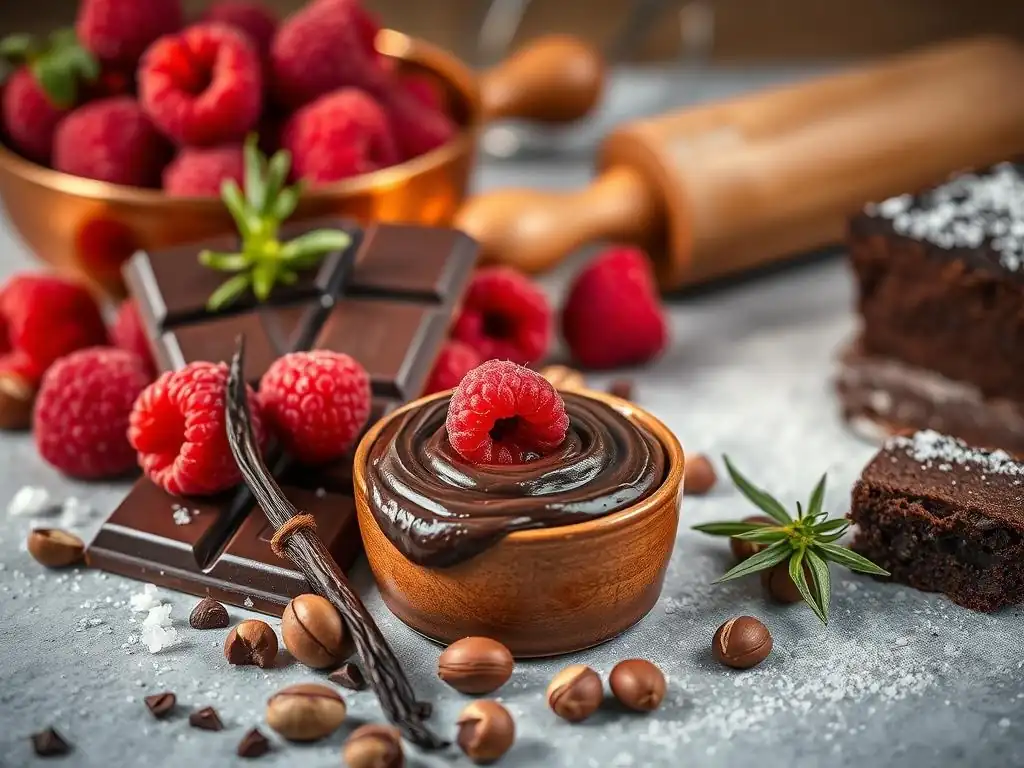
Welcome to BakeWithEase, your companion in the delightful world of baking! Ever wondered why some desserts sing while others fall flat? The secret often lies in the ingredients. In this article from our "Ingredient Deep Dives" series, we peel back the layers on one crucial component: high quality baking chocolate. Prepare to discover how choosing the right chocolate can elevate your creations from ordinary to extraordinary, and why it truly matters more than you think. Get ready to unlock the secrets to richer flavors and superior textures!
- Understanding the Importance of High Quality Baking Chocolate
- The Impact of Quality Chocolate on Baking Outcomes
- The Differences Between Low-Quality and High Quality Baking Chocolate
- Recipes Where High Quality Baking Chocolate Truly Shines
- Investing in Quality: Finding the Best Baking Chocolate for Your Needs
- Conclusion: Elevate Your Baking with Superior Chocolate
-
Frequently Asked Questions
- Why is using high-quality baking chocolate so important?
- What are the key differences between different types of baking chocolate?
- How can I tell if baking chocolate is high quality?
- Where can I find high-quality baking chocolate?
- Does using high-quality chocolate always guarantee better results in baking?
- Final Reflection: The Enduring Power of Quality in Baking
- Unlock the Secrets of Exquisite Baking!
Understanding the Importance of High Quality Baking Chocolate
Baking is a science and an art, and the quality of your ingredients profoundly impacts the final masterpiece. While flour, sugar, and butter are fundamental, chocolate often takes center stage, defining the flavor and character of countless desserts. Using high quality baking chocolate isn't just about being fancy; it's a critical decision that affects everything from taste and texture to the overall success of your baked goods. It's the difference between a good chocolate chip cookie and an unforgettable one.
High quality baking chocolate provides a depth of flavor that simply cannot be replicated by lower-grade alternatives. It offers a purer, more intense chocolate experience because it contains a higher percentage of cocoa solids and cocoa butter, the components that carry true chocolate flavor. When you invest in high quality baking chocolate, you're investing in the foundation of your dessert, ensuring that the primary flavor note is rich, complex, and satisfying, rather than just sweet or waxy. This foundational quality is paramount whether you're crafting a simple brownie or an intricate chocolate mousse cake.
Beyond Taste: The Multifaceted Role of Chocolate in Baking
Chocolate does far more than just contribute flavor; it plays a crucial structural and textural role in many recipes. The cocoa solids provide structure and color, while the cocoa butter, the fat component, contributes to richness, mouthfeel, and the way the chocolate melts. In a recipe like a lava cake, the melting quality is essential for that molten center. In a ganache, the proportion of cocoa butter dictates how smooth and stable the mixture will be.
Furthermore, the chemical composition of high quality baking chocolate influences how it interacts with other ingredients. The natural fats and solids affect crumb structure in cakes and cookies, contribute to the snap in chocolate bars or dipped items, and provide emulsification in sauces and glazes. For example, in a dense chocolate cake, the cocoa solids from quality chocolate help create that desirable fudgy texture, while the cocoa butter ensures moisture and richness, preventing a dry outcome often associated with lower-fat options like cocoa powder alone.
Defining "High Quality": What to Look For in Baking Chocolate
Defining "high quality" in baking chocolate often comes down to ingredient composition and processing. Look for chocolate that lists cocoa solids (often as cocoa mass, cocoa liquor, or unsweetened chocolate) and cocoa butter as the primary ingredients, ideally high on the list.
A higher percentage of cocoa solids generally indicates a more intense chocolate flavor, while sufficient cocoa butter is key for smooth melting and a rich texture. Couverture chocolate, for instance, is a term often associated with high quality because it's legally defined in some regions as having a higher percentage of cocoa butter (typically 31-39%) than standard baking chocolate or chips.
Beyond the percentage of cocoa solids and cocoa butter, consider the origin and processing. Single-origin chocolates can offer unique flavor profiles tied to specific growing regions, much like coffee or wine. Look for minimal additives; while lecithin is common as an emulsifier, excessive amounts or the presence of hydrogenated oils or artificial flavors can detract from quality. A short, understandable ingredient list with cocoa components high up is a good indicator you're choosing high quality baking chocolate.
The Impact of Quality Chocolate on Baking Outcomes
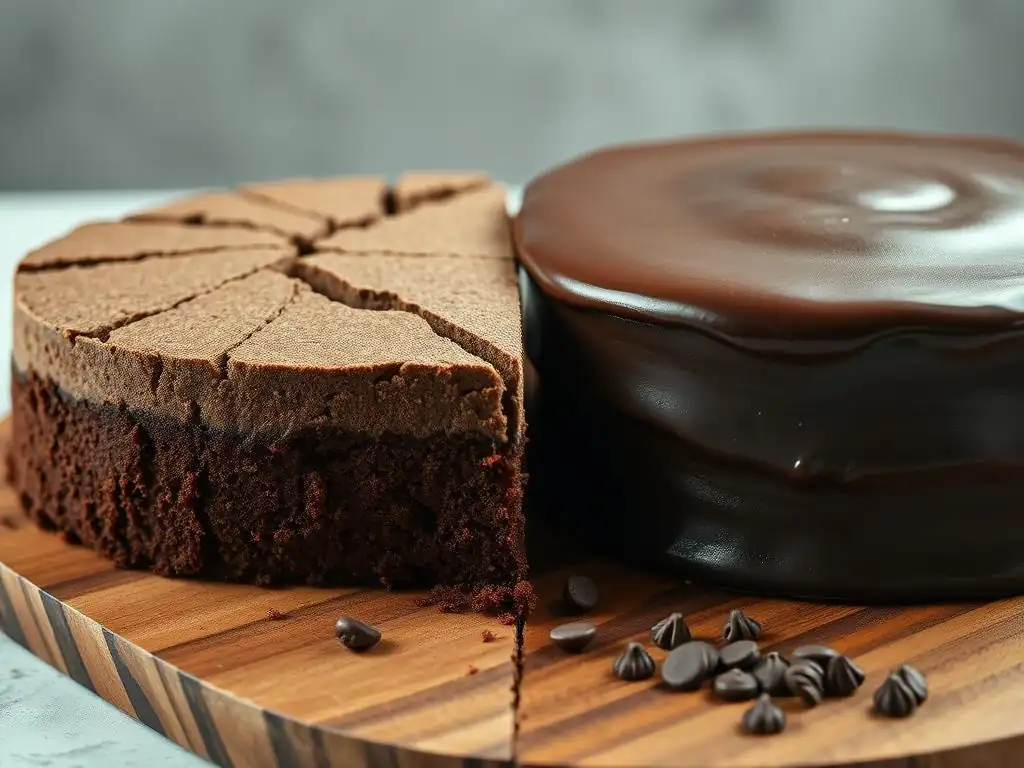
The decision to use high quality baking chocolate reverberates throughout the entire baking process and the final product. It’s not just a subtle difference; it can fundamentally alter the characteristics of your baked goods, leading to more successful and delicious results that impress both novice and experienced palates. This impact is most evident in flavor complexity, texture, and how the chocolate behaves when melted or mixed.
Using high quality baking chocolate means your desserts will have a cleaner, more pronounced chocolate flavor that isn't masked by excessive sugar or artificial notes. The richness and depth achieved are unparalleled, allowing the true essence of the cocoa bean to shine. This is particularly noticeable in recipes where chocolate is the dominant flavor, such as fudges, truffles, or intense chocolate tarts.
Superior Flavor Profiles: Achieving Richness and Depth
High quality baking chocolate delivers a complexity of flavor that simply doesn't exist in lower-grade options. Instead of a flat, one-dimensional sweetness, you get notes that can range from fruity and floral to nutty, earthy, or even spicy, depending on the cocoa bean origin and processing. This richness and depth elevate a simple chocolate chip cookie into a gourmet experience, adding layers of flavor that unfold with every bite. The higher concentration of true cocoa solids is the primary driver of this intense, authentic chocolate taste.
Moreover, the balance of flavors is often better in high quality baking chocolate. Manufacturers focus on bringing out the natural characteristics of the cocoa bean rather than relying on excessive sugar or vanilla to compensate for a lack of cocoa flavor. This allows the natural bitterness, acidity, and sweetness to exist in harmony, creating a more sophisticated and satisfying taste profile that enhances, rather than overpowers, the other ingredients in your recipe.
Differentiating Chocolate Flavors: Origin and Bean Type
The origin and type of cocoa bean significantly influence the flavor profile of high quality baking chocolate. For example, beans from Venezuela are often known for their nutty and caramel notes, while those from Ecuador (specifically the Arriba Nacional variety) can offer delicate floral or fruity undertones. Criollo beans, often considered the "king of cacao," are rarer and yield chocolates with complex, less bitter flavors, often described as fruity or nutty.
In contrast, Forastero beans are more common and robust, providing the classic, strong chocolate flavor found in many everyday chocolates, sometimes with earthy notes. Trinitario is a hybrid, offering a balance of robustness and flavor complexity. Understanding these origins and bean types allows bakers to select a high quality baking chocolate with a specific flavor profile that complements their recipe, adding another layer of intentionality to their creations.
Improved Texture and Consistency in Baked Goods
The texture of baked goods is profoundly affected by the quality of the chocolate used, primarily due to its cocoa butter content. Cocoa butter is a unique fat that is solid at room temperature but melts just below body temperature, contributing to that desirable melt-in-your-mouth sensation. High quality baking chocolate, especially couverture, contains a generous amount of cocoa butter, leading to richer, moister, and more tender results in cakes, brownies, and cookies.
When chocolate with sufficient cocoa butter melts into a batter or dough, it distributes evenly, coating flour particles and inhibiting gluten development, which results in a softer crumb. In contrast, chocolate with less cocoa butter or added vegetable oils can lead to drier, crumblier textures that lack richness. The fat content also contributes to a smooth, luxurious mouthfeel that is a hallmark of well-made chocolate desserts.
How Cocoa Butter Content Affects Moisture and Crumb
The percentage of cocoa butter in high quality baking chocolate directly correlates to the richness and moisture it imparts. Chocolate with a higher cocoa butter content (say, 35% or more in a dark chocolate) will create a more tender crumb in cakes and yield cookies that are chewy rather than hard. This is because the fat interferes with the formation of a rigid gluten structure, resulting in a softer bite.
Consider chocolate chips in cookies: those made with a higher percentage of cocoa butter will melt into soft, luscious pockets of chocolate within the cookie, contributing to its overall moisture and chewiness. Chips with lower cocoa butter or alternative fats may hold their shape more but result in a waxier texture and don't contribute as much richness to the surrounding dough. This demonstrates how the composition of high quality baking chocolate is integral to achieving superior texture.
Enhanced Melting Properties for Smooth Ganaches and Glazes
One of the most noticeable differences when working with high quality baking chocolate is its superior melting property. Due to its higher cocoa butter content and proper processing, it melts smoothly and evenly, without seizing or becoming grainy, which is essential for applications like ganaches, glazes, and tempering. This reliable melting behavior makes working with the chocolate far easier and the results more consistent and professional-looking.
Lower quality chocolates, particularly those containing vegetable oils instead of or in addition to cocoa butter, often melt poorly. They can become clumpy, greasy, or seize up unexpectedly, making it difficult to achieve a smooth, emulsified ganache or a glossy glaze. The clean melt of high quality baking chocolate ensures that your glazes are mirror-like and your ganaches are velvety, elevating the aesthetic and textural appeal of your creations.
Achieving a Perfect Temper with Proper Technique
Tempering chocolate is a technique used to stabilize cocoa butter crystals, giving chocolate a glossy finish, a firm snap, and resistance to melting at room temperature. Achieving a perfect temper is significantly easier with high quality baking chocolate, especially couverture, because its higher cocoa butter content provides the necessary crystalline structure to manipulate. The goal is to melt the chocolate, cool it while agitating to form stable crystals, and then gently warm it back up to a working temperature.
For example, dark chocolate typically needs to be heated to about 113-120°F (45-49°C), cooled to 80-82°F (27-28°C) while seeding with tempered chocolate or agitating, and then reheated slightly to 88-90°F (31-32°C) for dipping or molding. High quality baking chocolate follows these temperature curves reliably. Lower quality chocolates with different fats or additives may not temper correctly at all, resulting in dull, soft, or streaky chocolate that melts easily and lacks that desirable snap.
The Differences Between Low-Quality and High Quality Baking Chocolate
The chasm between low-quality and high quality baking chocolate is vast and extends beyond just the price tag. It's rooted in the fundamental composition, flavor profile, and performance characteristics. Understanding these differences is key to appreciating why opting for superior chocolate is a worthwhile investment for any baker serious about their craft.
At its core, the difference lies in the quantity and quality of cocoa solids and cocoa butter, and the presence of other ingredients. High quality chocolate prioritizes cocoa components, while lower quality often uses fillers and cheaper fats.
Examining the Ingredients: Cocoa Butter, Solids, and Sugar Content
High quality baking chocolate typically boasts a high percentage of cocoa solids and cocoa butter, often listed first or second in the ingredients. For dark chocolate, this might mean 60-80% cocoa solids or more, with a significant portion being cocoa butter. Milk chocolate will have lower cocoa solids (perhaps 30-45%) and cocoa butter, plus milk solids and sugar. White chocolate, correctly made, contains cocoa butter, sugar, milk solids, and vanilla, but no cocoa solids.
In contrast, low-quality chocolate often lists sugar as the first ingredient. It may contain significantly less cocoa solids and replace expensive cocoa butter with cheaper vegetable oils like palm oil or soybean oil. The percentage of cocoa solids might be lower than standard, and the flavor is often bolstered by artificial vanilla or excessive sugar. For instance, some "baking chips" might contain as little as 10-15% cocoa solids and use primarily vegetable oil, fundamentally altering their behavior and taste compared to high quality baking chocolate chips made with real cocoa butter.
Understanding the Impact of Lecithin and Vanilla
Lecithin, typically soy or sunflower lecithin, is a common emulsifier added to chocolate to improve flow properties and consistency, especially important for tempering and molding. It's usually present in small amounts (often less than 0.5%) and is generally acceptable in high quality baking chocolate. However, excessive lecithin can sometimes indicate a lower cocoa butter content that the manufacturer is trying to compensate for.
Vanilla is also a standard ingredient, enhancing chocolate's flavor. In high quality chocolate, natural vanilla extract or vanillin is used. In lower quality chocolate, artificial vanilla flavor might be used. While vanilla complements chocolate, it shouldn't be the dominant flavor note, which can happen in lower-quality products trying to mask an insufficient chocolate base. The presence and type of these additives can offer clues about the overall quality.
Flavor Nuances: Comparing the Taste Experiences
The most obvious difference is taste. High quality baking chocolate offers a clean, intense, and complex chocolate flavor that lingers pleasantly. You can taste the distinct notes of the cocoa bean. The sweetness is balanced, allowing the true chocolate character to shine. The mouthfeel is smooth and luxurious, melting cleanly without a waxy residue.
Low-quality chocolate, on the other hand, often tastes overly sweet and lacks depth. The chocolate flavor might be weak, artificial, or dominated by sugar or vanilla. A common characteristic is a waxy or greasy mouthfeel that coats the palate unpleasantly, a direct result of using cheaper vegetable fats instead of cocoa butter. The finish can be short and unsatisfying, sometimes leaving behind off-flavors.
Identifying Off-Flavors and Waxy Textures
Off-flavors in low-quality chocolate can manifest as chemical notes, excessive bitterness that tastes burnt rather than complex, or a general lack of distinct cocoa character. This can ruin the flavor profile of an entire dessert. These undesirable tastes often stem from using lower-grade cocoa beans, improper fermentation or roasting, or the inclusion of artificial flavorings.
The waxy texture is a key indicator of low cocoa butter content and the use of alternative fats. Cocoa butter melts at body temperature, creating a smooth sensation. Vegetable oils used as substitutes often have higher melting points or different melting curves, leading to a coating, waxy feeling in the mouth that doesn't dissolve cleanly. This texture issue is a significant drawback when using lower quality chocolate in applications like ganaches, glazes, or simply as melted chocolate chips.
The performance difference between high quality and low quality baking chocolate is evident in how they behave during mixing, baking, and cooling. High quality chocolate melts predictably, incorporates smoothly into batters and doughs, and contributes positively to the final structure and moisture of the baked good.
Lower quality chocolate can be unpredictable. Chips may not melt properly, leaving hard lumps or a greasy puddle. Chocolate bars may seize when melted, making them unusable for sauces or glazes. In batters, they may not distribute evenly, leading to inconsistent texture. This unpredictability can be frustrating and lead to disappointing results, even if the rest of the recipe is followed perfectly.
How Quality Affects Rising, Spreading, and Overall Structure
The fat content from high quality baking chocolate influences how cookies spread and how cakes rise. In cookies, the cocoa butter melts and contributes to spreading and creates those desirable chewy centers and slightly crisp edges. Lower-fat chocolate chips might result in cookies that don't spread as much or have a drier texture.
In cakes, the fat from quality chocolate contributes to a tender crumb and moisture. The cocoa solids also add structure and color. Using low-quality chocolate with less cocoa butter can lead to a denser, drier cake. The quality of the chocolate is an integrated part of the recipe's structure; using a subpar substitute can throw off the delicate balance of fats, solids, and liquids necessary for a successful bake.
Recipes Where High Quality Baking Chocolate Truly Shines
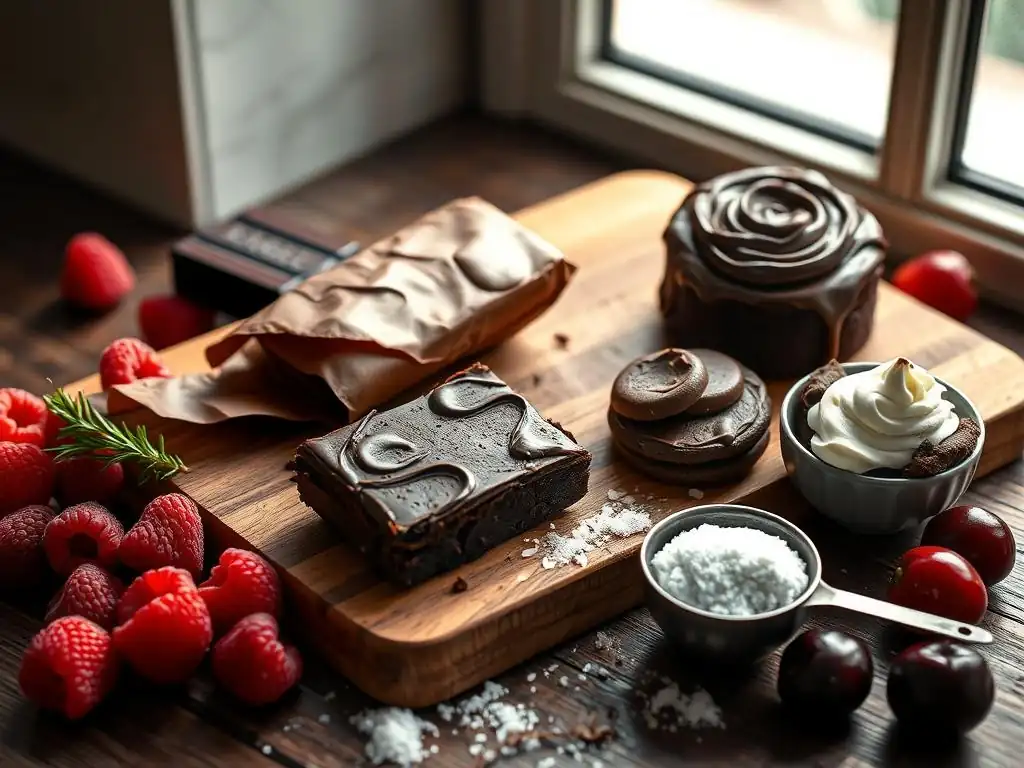
Certain recipes serve as true showcases for the exceptional qualities of high quality baking chocolate. In these instances, the chocolate isn't just an ingredient; it's the star of the show, and its quality dictates the success and deliciousness of the final product. Using anything less would be a disservice to the recipe's potential.
These recipes often feature chocolate prominently, either as the main flavor or a critical textural component, where the nuances of high quality baking chocolate can be fully appreciated.
Flourless Chocolate Cake: A Showcase of Flavor
A flourless chocolate cake is perhaps the ultimate test of chocolate quality. With no flour to provide structure and flavor, the cake relies almost entirely on the chocolate, eggs, butter, and sugar. The intense, pure chocolate flavor from high quality baking chocolate is paramount here. A cake made with low-quality chocolate will taste merely sweet and fatty, lacking the deep, complex, and slightly bitter notes that define a truly great flourless chocolate cake.
The texture is also heavily influenced by the chocolate's cocoa butter content. High quality chocolate melts smoothly and contributes to a dense, fudgy, and moist texture that is characteristic of this dessert. Using lower quality chocolate can result in a drier, less luxurious cake that might even have a waxy mouthfeel.
In double chocolate chip cookies, high quality baking chocolate chips contribute significantly to both flavor and texture. The quality of the chocolate in the dough provides a rich backdrop, while the high quality baking chocolate chips themselves melt into luscious pockets. Chips made with real cocoa butter melt more fully and integrate into the cookie structure as it bakes, contributing to that desirable chewy center and rich flavor bursts.
Low-quality chips, often made with vegetable oils, may hold their shape more or melt into a greasy pool, resulting in a less appealing texture. The flavor of the chips is also crucial; high quality chips provide intense bursts of authentic chocolate flavor that complement the cookie dough, whereas low-quality alternatives can taste waxy or overly sweet, detracting from the overall experience.
Mirror Glaze: The Key to Elegance
A mirror glaze (Glaçage Miroir) requires chocolate with excellent melting properties and high cocoa butter content for that signature glossy, glass-like finish. High quality baking chocolate, particularly white or dark couverture, is ideal because it melts smoothly and emulsifies perfectly with other ingredients like gelatin, sugar, and water or cream. The high cocoa butter content contributes to the glaze's shine and smooth texture when set.
Attempting a mirror glaze with low-quality chocolate is often futile. It may not melt smoothly, can seize, or the resulting glaze will be dull, streaky, or grainy due to insufficient or poor-quality fat content. Achieving that flawless, reflective surface is a direct result of using high quality baking chocolate that performs reliably when melted and cooled.
Chocolate Soufflé: Elevating a Classic Dessert
A chocolate soufflé relies on the intense flavor and structural contribution of melted chocolate combined with egg yolks and folded into stiffly beaten egg whites. The quality of the chocolate is critical for the soufflé's flavor and delicate texture. High quality baking chocolate provides a deep, rich chocolate taste that permeates the light, airy structure.
The cocoa butter in quality chocolate also contributes to the richness of the base mixture before the egg whites are folded in. Using low-quality chocolate can result in a weak, sugary flavor and potentially affect the soufflé's rise if it doesn't incorporate smoothly into the base. A perfectly risen chocolate soufflé with an intense, pure chocolate flavor is a testament to using high quality baking chocolate.
Investing in Quality: Finding the Best Baking Chocolate for Your Needs
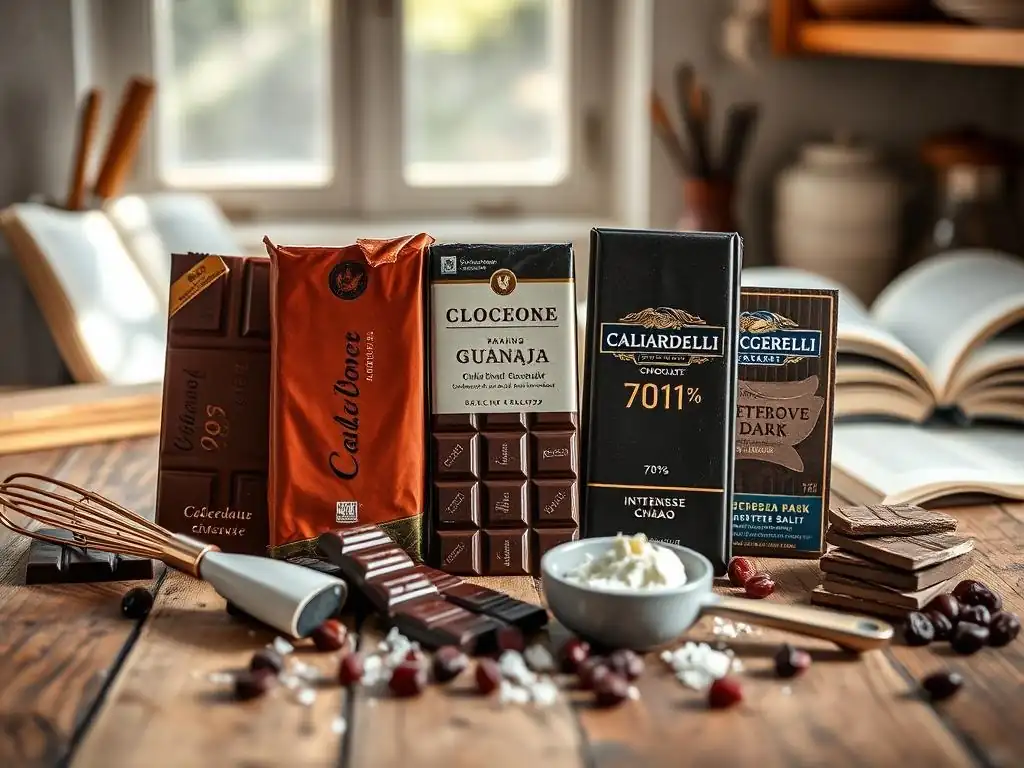
Choosing high quality baking chocolate is an investment in the success and flavor of your baked goods. While it may cost slightly more upfront, the superior results often justify the expense, especially for recipes where chocolate is a prominent ingredient. Finding the "best" depends on your specific needs, the recipe, and your personal taste preferences.
Consider exploring reputable brands known for their couverture or single-origin chocolates. Look for chocolates labeled specifically for baking, as they often have a higher cocoa butter content and are formulated to melt and temper well. Don't be afraid to try different types and percentages to find what you love.
Exploring Different Types of Baking Chocolate: Single-Origin vs. Blends
The world of high quality baking chocolate offers exciting variety. Single-origin chocolates are made from beans sourced from a specific region, offering unique flavor nuances reflective of that terroir – think floral notes from Madagascar or fruity notes from Peru. These are wonderful for showcasing distinct flavors in simple applications like ganaches or tempering for bonbons.
Blends, on the other hand, combine beans from various regions to achieve a consistent, balanced flavor profile. Many high-quality baking chocolates are blends designed for reliable performance and a universally appealing chocolate taste. Neither is inherently "better"; it depends on whether you want to highlight a specific regional flavor or achieve a consistent, classic chocolate taste. Exploring both can expand your baking repertoire.
Understanding Cocoa Percentages and Their Impact
The cocoa percentage on a bar of dark chocolate indicates the total amount of cocoa solids and cocoa butter combined. A higher percentage means less sugar and usually a more intense, less sweet flavor. For instance, a 70% dark chocolate will be less sweet and more intense than a 55% dark chocolate.
Understanding cocoa percentages helps you choose the right high quality baking chocolate for your recipe. A recipe calling for bittersweet chocolate might perform best with a 60-70% range, while a recipe needing intense chocolate flavor with less sweetness might require 75-85% or higher. White and milk chocolates also have varying cocoa percentages (referring to cocoa butter and total cocoa components, respectively), which affect their richness and sweetness. Experimenting with different percentages is key to finding your preference.
Tips for Storing and Handling High Quality Chocolate
Proper storage and handling are crucial to maintain the quality of high quality baking chocolate. Chocolate should be stored in a cool, dry place, ideally between 60-68°F (15-20°C), away from direct sunlight and strong odors, as chocolate can absorb smells. An airtight container is recommended to protect it from moisture and air, which can cause sugar bloom (a white, powdery surface caused by sugar crystallization) or fat bloom (a dull, grayish surface caused by fat crystallization).
Avoid storing chocolate in the refrigerator unless absolutely necessary, and if you do, wrap it very well and allow it to come to room temperature slowly before using to prevent condensation, which can cause seizing. When melting, use gentle heat (double boiler or microwave on low power) and avoid overheating, which can damage the cocoa butter and affect its melting properties and flavor. Treat your high quality baking chocolate with care to ensure it performs its best.
- Store in a cool, dry place.
- Keep away from light and odors.
- Use airtight containers.
- Avoid refrigeration if possible.
- Melt gently and avoid overheating.
Conclusion: Elevate Your Baking with Superior Chocolate
Ultimately, the quality of the chocolate you use is a fundamental factor in the success and deliciousness of your baked goods. Opting for high quality baking chocolate provides superior flavor, texture, and performance compared to lower-grade alternatives. It ensures your desserts have a rich, authentic chocolate taste, a desirable texture, and the reliable melting properties needed for techniques like tempering and glazing.
While high quality baking chocolate may represent a slightly larger investment, the difference it makes in the final product is often significant enough to justify the cost. It transforms ordinary recipes into extraordinary culinary experiences, showcasing the true potential of chocolate as a star ingredient.
Recap: Why High Quality Chocolate is Worth the Investment
To recap, high quality baking chocolate is worth the investment because it offers:
- Superior Flavor: Rich, complex, and authentic chocolate taste from higher cocoa solids.
- Better Texture: Smoothness, richness, and desirable melt-in-your-mouth feel from ample cocoa butter.
- Reliable Performance: Predictable melting and handling properties for techniques like tempering and ganaches.
- Enhanced Results: Elevated structure, moisture, and overall quality in baked goods.
These benefits combine to create desserts that are not just good, but truly memorable.
Final Thoughts on Choosing the Right Chocolate for Baking Success
Choosing the right high quality baking chocolate involves understanding your recipe's needs, considering the desired flavor profile (single-origin vs. blend, cocoa percentage), and looking for quality ingredients (high cocoa solids and cocoa butter, minimal additives). Don't be afraid to experiment with different types and brands to discover your favorites. By prioritizing high quality baking chocolate, you are setting yourself up for baking success, creating delicious treats that highlight the incredible versatility and depth of this beloved ingredient.
Frequently Asked Questions
Why is using high-quality baking chocolate so important?
Using high-quality baking chocolate significantly impacts the flavor and texture of your baked goods. It contributes to a richer, more complex taste and a smoother, more desirable consistency.
What are the key differences between different types of baking chocolate?
The main differences lie in the cocoa butter content and the percentage of cacao. Higher quality chocolate usually has a higher percentage of cacao and more cocoa butter, resulting in a smoother, more intense flavor.
How can I tell if baking chocolate is high quality?
Look for chocolate that has a smooth, glossy finish and a clean snap when broken. Check the ingredients list; it should be relatively short and avoid artificial flavors or additives.
Where can I find high-quality baking chocolate?
Many specialty food stores and well-stocked supermarkets carry a good selection of high-quality baking chocolate. Online retailers like Amazon and specialty baking supply websites are also great options.
Does using high-quality chocolate always guarantee better results in baking?
While high-quality chocolate improves taste and texture, successful baking also depends on accurate measurements and proper techniques. It's a vital ingredient, but not the only factor for success.
Final Reflection: The Enduring Power of Quality in Baking
The pursuit of the perfect bake hinges on far more than just a recipe; it rests on the foundational quality of the ingredients. A seemingly small detail like the type of chocolate used can dramatically elevate a dessert from merely acceptable to truly exceptional, impacting not only the taste but also the overall texture and experience. This isn't just about indulgence; it's about understanding the profound impact of quality on the final product.
The influence of high-quality chocolate extends beyond the immediate sensory experience. It speaks to a broader appreciation for craftsmanship and the dedication to using the finest ingredients. This resonates deeply with the growing movement towards mindful consumption and a renewed focus on provenance and sustainability. The best things in life are worth waiting for, and the same is true for the perfect chocolate experience.
This simple truth applies equally to baking, where patience and the selection of superior ingredients yield unparalleled results. The subtle nuances of flavor and texture found in high-quality chocolate transform a simple cake into a masterpiece, a testament to the power of mindful ingredient selection.
Consider this your call to action: Don't just bake; create. The next time you reach for chocolate, take a moment to appreciate the difference between mass-produced and artisanal varieties. Experiment, explore, and discover the transformative power of high-quality chocolate in your own baking. The journey to mastering the art of baking begins with a commitment to quality, and the rewards are far sweeter than you might imagine.
Unlock the Secrets of Exquisite Baking!
Thanks for diving into the world of chocolate with us! You've now discovered how choosing the right chocolate can elevate your baking from good to extraordinary. Ready to put your newfound knowledge into practice?
- Bake your dream dessert: Choose a high-quality chocolate and create that recipe you've been eyeing. Let us know how it turns out!
- Share your chocolate journey: Tell your friends and family about the difference quality chocolate makes – inspire them to bake better too!
- Explore our Chocolate Guide: (This would link to a relevant page on bakewithease.com, but as per instructions, I won't add the link) Dive deeper into the fascinating world of cocoa beans and chocolate varieties to further enhance your baking skills.
So, what exquisite creation will you bake with your newfound chocolate wisdom?