
Natural vs. DutchProcess: Unlocking Cocoa Powder Secrets for Baking

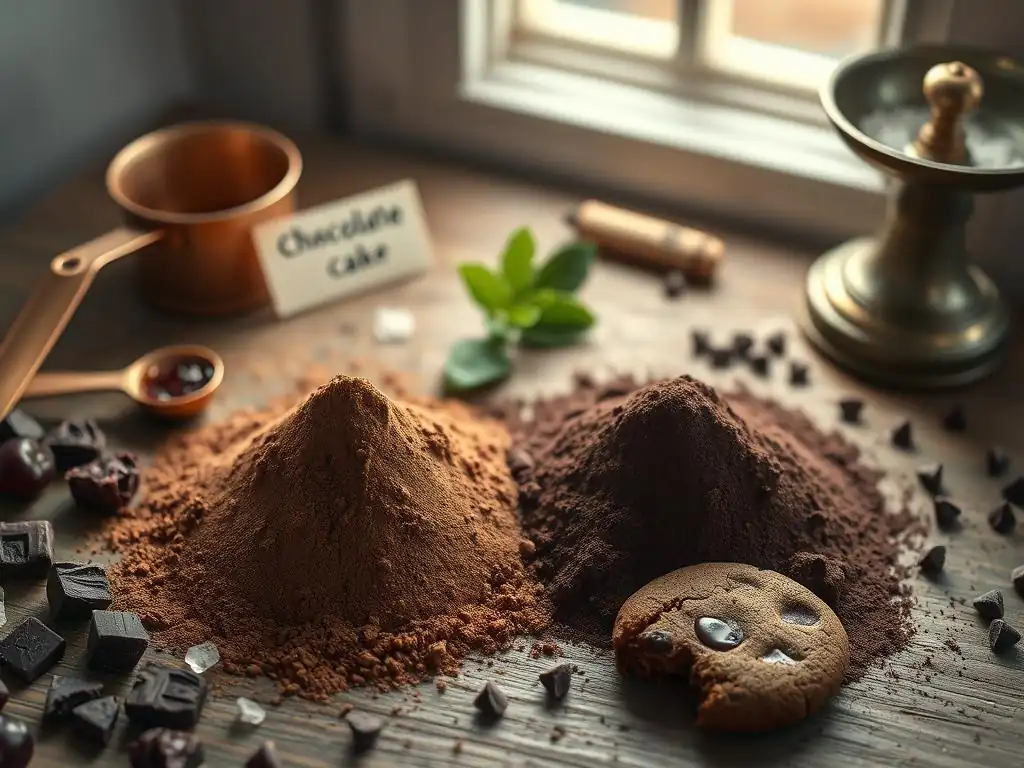
Welcome to BakeWithEase, where baking becomes a joy! Ever wondered what truly sets apart natural cocoa powder from its darker, richer cousin? Dive into our latest Ingredient Deep Dive and unlock the secrets behind using Dutch process cocoa powder recipes to elevate your baking. Discover the nuanced differences, learn when to choose which, and prepare to create desserts with unparalleled depth of flavor. Ready to unravel the cocoa conundrum? Let's get baking!
- BakeWithEase: Mastering Cocoa Powder for Baking Excellence
- Understanding Cocoa Powder: A Baker's Essential Guide
- Natural Cocoa Powder: Unveiling Its Unique Characteristics
- Dutch-Process Cocoa Powder: Delving into Alkalization
- Natural vs. Dutch-Process Cocoa: A Detailed Comparison for Baking
-
Dutch Process Cocoa Powder Recipes: Mastering the Art of Using It
- Key Considerations for Baking with Dutch-Process Cocoa
- Dutch Process Cocoa Powder Recipes: Fudgy Chocolate Brownies - A Step-by-Step Guide
- Dutch Process Cocoa Powder Recipes: Dark Chocolate Cupcakes - A Step-by-Step Guide
- Dutch Process Cocoa Powder Recipes: Rich Chocolate Mousse - A Step-by-Step Guide
- Converting Recipes: Adapting Natural Cocoa Recipes for Dutch-Process
- Storing Cocoa Powder: Maintaining Freshness and Flavor
- Troubleshooting: Common Baking Issues with Cocoa Powder
- Elevate Your Baking: Choosing the Right Cocoa Powder for Every Recipe
-
Frequently Asked Questions
- What is the main difference between natural cocoa powder and Dutch process cocoa powder?
- Why does the recipe specify which type of cocoa powder to use?
- Can I substitute natural cocoa powder for Dutch process cocoa powder, or vice versa?
- Are there specific types of recipes where Dutch process cocoa powder excels?
- Where can I find Dutch process cocoa powder?
- Final Reflection: The Enduring Allure of Cocoa, Naturally and Dutch-Processed
- Unlock Your Baking Potential: Discover the Perfect Cocoa Powder!
BakeWithEase: Mastering Cocoa Powder for Baking Excellence
Welcome to BakeWithEase, your trusted companion in the kitchen! Today, we're diving deep into the world of cocoa powder, a fundamental ingredient that can dramatically alter the flavor, color, and texture of your baked goods. Understanding the nuances between natural and Dutch-process cocoa is key to unlocking your baking potential and achieving perfect results every time.
Whether you're whipping up fudgy brownies, light and airy cakes, or rich chocolate sauces, the type of cocoa powder you choose makes a significant difference. We'll explore what sets these two varieties apart and how to use each one effectively, ensuring your chocolate creations are nothing short of spectacular.
Understanding Cocoa Powder: A Baker's Essential Guide
Cocoa powder is derived from cocoa beans. After the beans are harvested, fermented, dried, roasted, and cracked, the nibs are ground into a paste called chocolate liquor. This liquor contains both cocoa solids and cocoa butter. When most of the cocoa butter is pressed out, the remaining solid mass is dried and ground into the fine powder we use for baking. This process is the starting point, but the treatment of the cocoa solids is where the distinction between natural and Dutch-process begins.
Knowing the properties of cocoa powder is crucial because it's not just about adding chocolate flavor. Cocoa interacts with other ingredients, particularly leavening agents, and contributes to the structure and moisture content of your baked goods. A deeper understanding helps you troubleshoot recipes and even adapt them to your desired outcome.
Exploring Cocoa Powder Varieties: Natural vs. Dutch-Process
The primary difference between natural and Dutch-process cocoa powder lies in how the cocoa solids are treated after the cocoa butter is removed. Natural cocoa is simply the ground, defatted cocoa solids. It retains its inherent acidity. Dutch-process cocoa, on the other hand, undergoes an alkalizing process.
This alkalization, also known as "Dutching," involves treating the cocoa solids with an alkaline solution, often potassium carbonate. This treatment neutralizes the cocoa's natural acidity. The result is a cocoa powder with a different pH level, color, and flavor profile compared to its natural counterpart. This subtle chemical difference has profound implications in the baking kitchen.
Why Cocoa Powder Matters in Your Baking Recipes
The type of cocoa powder used is often specified in recipes for a reason. It's not interchangeable, especially when it comes to recipes that rely on chemical leavening. Natural cocoa powder is acidic, and this acidity is necessary to activate alkaline leavening agents like baking soda. Without this acid, baking soda won't produce the carbon dioxide gas needed for lift.
Dutch-process cocoa powder, being neutral or slightly alkaline, does not react with baking soda. Therefore, recipes using Dutch-process cocoa typically rely on baking powder, which contains both an acid and a base and reacts with liquid and heat, or sometimes solely on mechanical leavening (like whipping eggs) for lift. Using the wrong type of cocoa can lead to flat, dense, or improperly risen baked goods.
Natural Cocoa Powder: Unveiling Its Unique Characteristics
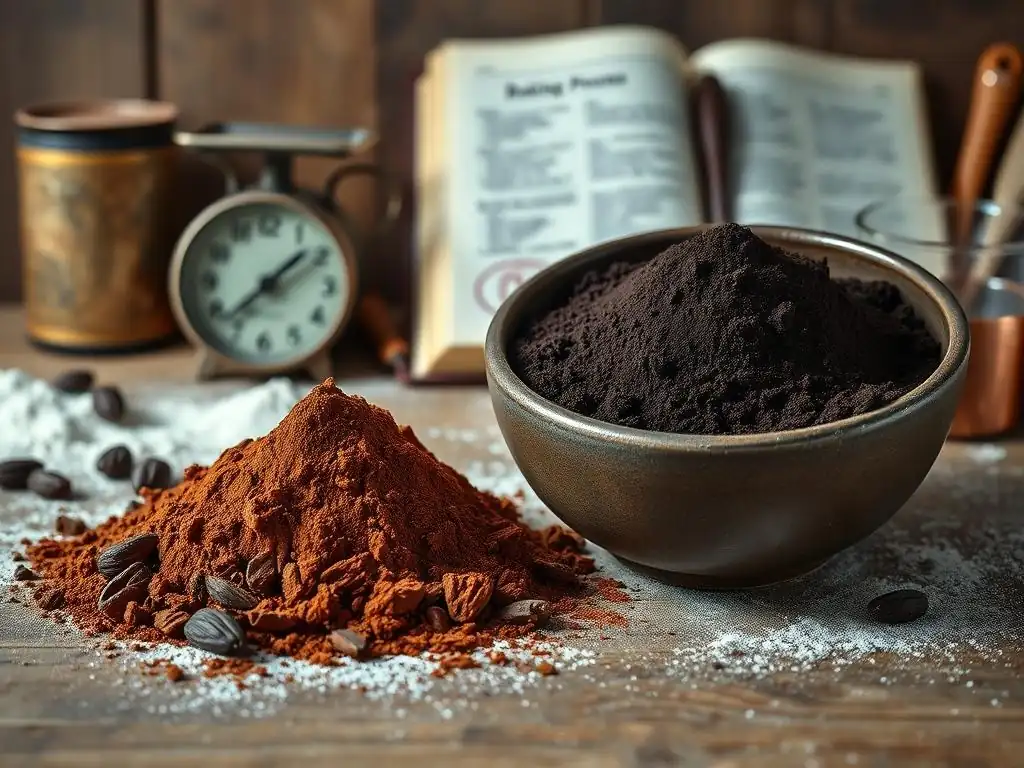
Natural cocoa powder is the most common type found in many grocery stores in the United States. It is essentially pure cocoa solids that have been dried and ground after most of the cocoa butter has been removed. Think of it as cocoa in its most unadulterated powder form, aside from the defatting process.
It has a relatively light brown color and a strong, intense chocolate flavor. Its defining characteristic, from a baking perspective, is its acidity. This acidity is critical for its interaction with other ingredients, particularly leavening agents like baking soda, which requires an acid to react and create lift.
What is Natural Cocoa Powder? A Definition for Bakers
Natural cocoa powder is made by drying and grinding cocoa solids that remain after pressing most of the fat (cocoa butter) from roasted cocoa beans. Unlike Dutch-process cocoa, it does not undergo any process to neutralize its natural acidity. Its pH typically falls within a range of approximately 5.3 to 5.8, making it moderately acidic.
This acidity gives natural cocoa a sharp, almost fruity tang compared to Dutch-process cocoa. It dissolves less easily in liquids than Dutch-process cocoa, which is why it's often sifted with dry ingredients in baking recipes. Its vibrant color is also a hallmark, contributing to the characteristic hues of certain classic desserts.
The Acidity of Natural Cocoa: Impact on Baking
The acidity of natural cocoa powder is its most significant functional property in baking. It acts as the acidic component needed to activate baking soda (sodium bicarbonate). When combined in a batter or dough with liquid, the acid from the cocoa reacts with the alkaline baking soda, producing carbon dioxide gas bubbles.
These bubbles get trapped in the batter, causing it to rise during baking. Recipes that call for natural cocoa powder and baking soda are specifically formulated to utilize this reaction for leavening. If you were to substitute Dutch-process cocoa (which is neutral) in such a recipe without adjusting the leavening, the baking soda would not activate, resulting in a dense, heavy product.
Flavor Profile: The Intense Cocoa Taste of Natural Powder
Natural cocoa powder boasts a robust, somewhat sharp, and complex chocolate flavor. It often has subtle fruity or citrusy undertones due to its acidity. This intensity makes it excellent for recipes where you want a pronounced, bright chocolate taste.
Think of the difference between a tart dark chocolate and a smooth, mellow milk chocolate – natural cocoa leans towards the sharper, more intense end of the spectrum. Its flavor is often described as "pure" or "bright" cocoa. While it might taste slightly acidic on its own, this acidity balances sweetness and enhances the overall chocolate experience in the finished baked good.
Best Uses for Natural Cocoa Powder in Baking: Red Velvet Cake, Devil's Food Cake
Natural cocoa powder is the secret ingredient behind many classic American chocolate recipes. Its acidity is crucial for interacting with baking soda to provide lift and create specific textures.
- Red Velvet Cake: The slight acidity of natural cocoa powder reacts with baking soda to help the cake rise. Historically, the reaction between acidic natural cocoa and buttermilk (another acidic ingredient) caused the red pigment in vintage cocoa powders to become more visible, contributing to the cake's name. Modern recipes often use food coloring for vibrancy, but natural cocoa is still preferred for its flavor and interaction with leavening.
- Devil's Food Cake: This cake is known for its deep, intense chocolate flavor and often a slightly reddish hue. Natural cocoa is frequently used here because its acidity reacts strongly with baking soda, contributing to the cake's characteristic light yet moist crumb and bold chocolate taste.
- Red Velvet Cake (classic use for color enhancement and leavening)
- Devil's Food Cake (for intense flavor and leavening reaction)
- Certain chocolate cookies and brownies
Dutch-Process Cocoa Powder: Delving into Alkalization
Dutch-process cocoa powder, also known as alkalized cocoa, is cocoa powder that has been treated with an alkaline solution. This process, developed by Coenraad Johannes van Houten in the 19th century, reduces the acidity of the cocoa solids.
The treatment gives Dutch-process cocoa a distinctively darker color, ranging from deep reddish-brown to almost black, and a milder, smoother flavor compared to natural cocoa. This change in acidity also fundamentally alters how it behaves in baking, particularly concerning leavening.
What is Dutch-Process Cocoa Powder? Understanding Alkalization
Dutch-process cocoa powder is produced by washing cocoa powder with an alkaline solution, typically potassium carbonate. This process neutralizes the cocoa's natural acids, raising its pH level. The degree of alkalization can vary, resulting in light, medium, or heavily alkalized cocoa powders, which affects their final color and flavor intensity.
This alkalization process not only changes the pH but also alters the chemical structure of the cocoa's pigments, leading to its characteristic darker color. The treatment also makes the cocoa particles more soluble in liquids, which can affect the texture and mouthfeel of certain preparations like beverages and sauces.
The pH Level of Dutch-Process Cocoa: Reduced Acidity Explained
The defining characteristic of Dutch-process cocoa is its significantly higher pH level compared to natural cocoa. While natural cocoa is acidic (pH ~5.3-5.8), Dutch-process cocoa is neutral or alkaline, with a pH typically ranging from approximately 6.8 to 8.0 or even higher for heavily alkalized "black" cocoa.
This neutralized pH means Dutch-process cocoa does not react with baking soda to create carbon dioxide gas. Therefore, recipes using Dutch-process cocoa must rely on other leavening methods. This is why you often see recipes with Dutch-process cocoa paired with baking powder, which contains its own acid component, or in recipes that don't require chemical leavening, such as custards, sauces, or ice cream bases.
Flavor Profile: Milder, Earthier Taste in Dutch-Processed Cocoa
The alkalization process mellows the flavor of cocoa powder, reducing its acidity and sharpness. Dutch-process cocoa has a smoother, less complex, and often described as "earthier" or "woodier" flavor compared to the bright, intense taste of natural cocoa.
Its flavor is less acidic, making it taste more purely "chocolatey" in a deep, rich way, without the tangy notes found in natural cocoa. This milder profile allows it to blend seamlessly with other flavors and is often preferred in recipes where a deep, dark color and smooth chocolate taste are desired.
Best Uses for Dutch-Process Cocoa Powder in Baking: Chocolate Ice Cream, Chocolate Pudding
Due to its neutral pH and smooth flavor, Dutch-process cocoa is ideal for recipes where chemical leavening isn't the primary concern, or where a deep color and mellow chocolate taste are paramount.
- Chocolate Ice Cream: Dutch-process cocoa dissolves more easily and provides a deep, rich chocolate color and smooth flavor without any sharp, acidic notes that could curdle dairy or clash with the creamy base. It creates a truly decadent frozen treat.
- Chocolate Pudding/Custards: Similar to ice cream, the solubility and smooth flavor of Dutch-process cocoa make it perfect for cooked applications like pudding or custard. It incorporates smoothly without lumps and contributes a deep, consistent chocolate flavor throughout the creamy base.
- Dark Chocolate Cakes/Cookies (paired with baking powder): Many recipes aiming for a very dark color and rich, smooth chocolate taste will use Dutch-process cocoa, relying on baking powder for leavening.
- Chocolate Ice Cream (smoothness, color, flavor)
- Chocolate Pudding/Custards (solubility, smooth flavor)
- Dark Chocolate Cakes/Cookies (dark color, mellow flavor, used with baking powder)
- Hot Cocoa
Natural vs. Dutch-Process Cocoa: A Detailed Comparison for Baking
Understanding the key differences between natural and Dutch-process cocoa is fundamental for any baker. While both provide chocolate flavor, their distinct properties in color, flavor, acidity, and interaction with leavening agents mean they are not directly interchangeable in most recipes without adjustments.
| Feature | Natural Cocoa Powder | Dutch-Process Cocoa Powder |
|---|---|---|
| Processing | Untreated; retains natural acidity | Treated with alkaline solution (alkalized) |
| pH Level | Acidic (~5.3-5.8) | Neutral to Alkaline (~6.8-8.0+) |
| Color | Lighter brown, often reddish hue | Darker brown, can be deep red-brown to black |
| Flavor | Intense, sharp, often fruity/acidic | Milder, smoother, earthy, less acidic |
| Solubility | Less soluble in liquids | More soluble in liquids |
| Leavening | Reacts with Baking Soda | Does NOT react with Baking Soda; needs Baking Powder |
This table summarizes the crucial points, highlighting why simply swapping one for the other can lead to unpredictable baking results.
Color Differences: Visual Cues for Identifying Cocoa Types
One of the most immediate visual differences between natural and Dutch-process cocoa is their color. Natural cocoa powder typically has a lighter, often reddish-brown hue, similar to the color of ground cinnamon but darker. This color is due to the natural pigments in the cocoa bean.
Dutch-process cocoa, having undergone alkalization, is significantly darker. Its color can range from a medium-dark brown to a very deep, almost black shade, depending on the degree of alkalization. This darker color contributes to the rich, dark appearance of baked goods like Oreo cookies (which use heavily alkalized "black" cocoa) or dark chocolate cakes.
Flavor Nuances: How Cocoa Processing Affects Taste in Baked Goods
The processing method profoundly impacts the flavor profile. Natural cocoa retains its inherent acidity, which translates to a brighter, more complex, and sometimes slightly tangy chocolate flavor in the finished product. This sharpness can help cut through sweetness and richness.
Dutch-process cocoa, with its neutralized acidity, offers a smoother, milder, and less complex chocolate taste. It's often described as richer and deeper, without the sharp notes of natural cocoa. This makes it excellent for recipes where a pure, mellow chocolate flavor is desired, allowing other ingredients to shine alongside the cocoa.
Acidity's Role: Impact on Leavening Agents in Recipes
The acidity of cocoa powder is critical when recipes call for chemical leavening agents like baking soda and baking powder. Natural cocoa is acidic and requires baking soda (an alkaline) to produce carbon dioxide gas for lift. A classic example is a buttermilk recipe using natural cocoa and baking soda – the acidity from both ingredients reacts with the soda.
Dutch-process cocoa is neutral or alkaline and does not react with baking soda. Therefore, recipes using Dutch-process cocoa must rely on baking powder (which contains its own acid) or other methods for leavening. Using Dutch-process cocoa with only baking soda will result in minimal or no rise, leading to a dense baked good.
Recipe Compatibility: Choosing the Right Cocoa for Optimal Results
Choosing the correct type of cocoa powder is essential for achieving the intended outcome of a recipe. If a recipe specifies "natural cocoa powder" and uses baking soda as a primary leavener, substituting Dutch-process will likely lead to a flat, dense product because the necessary acid-base reaction won't occur.
Conversely, if a recipe calls for "Dutch-process cocoa powder" and uses baking powder, substituting natural cocoa could result in excessive leavening or an overly acidic flavor, as the natural cocoa's acidity would react with the baking powder's base and potentially other alkaline ingredients. Always check the recipe carefully and use the specified type for best results.
Dutch Process Cocoa Powder Recipes: Mastering the Art of Using It
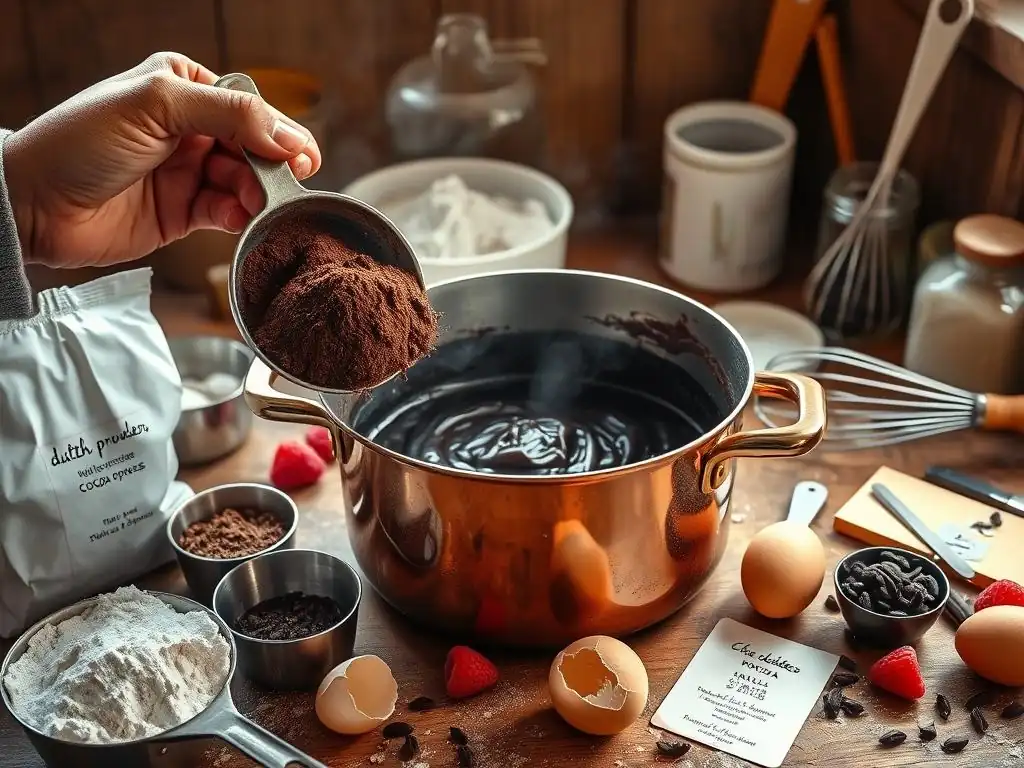
Dutch process cocoa powder recipes are celebrated for their deep, dark color and smooth, mellow chocolate flavor. While it's crucial to use the specified type in a recipe, understanding how Dutch process cocoa behaves allows you to confidently tackle these delicious creations.
When working with Dutch process cocoa powder recipes, remember that its neutral pH means it won't react with baking soda. Leavening will typically come from baking powder, whipped eggs, or other mechanical means. This characteristic makes it perfect for achieving a rich, non-acidic chocolate base in various desserts.
Key Considerations for Baking with Dutch-Process Cocoa
When baking with Dutch-process cocoa powder, the primary consideration is its interaction with leavening. Ensure the recipe uses baking powder or relies on other leavening methods. Pay attention to the color; Dutch-process cocoa will give your baked goods a richer, darker hue than natural cocoa.
Also, consider the flavor profile. Dutch-process cocoa provides a smooth, less sharp chocolate taste. This is desirable in recipes where you want a deep, classic chocolate flavor without any tanginess. Its solubility also means it blends beautifully into batters and liquids, often resulting in a smoother texture.
Dutch Process Cocoa Powder Recipes: Fudgy Chocolate Brownies - A Step-by-Step Guide
Many fudgy brownie recipes benefit from Dutch-process cocoa powder. Its deep color gives the brownies a rich, dark appearance, and its smooth flavor creates that intense, pure chocolate taste without any bitterness. Leavening in these recipes often comes from a small amount of baking powder or simply from the eggs providing structure.
- Melt butter and chocolate (if using alongside cocoa).
- Whisk in sugar and eggs until glossy.
- Combine dry ingredients: flour, Dutch-process cocoa powder, salt, and often a touch of baking powder.
- Fold dry ingredients into wet until just combined.
- Bake until a toothpick comes out with moist crumbs. The Dutch process cocoa contributes to the deep color and fudgy texture.
This approach highlights how Dutch process cocoa powder recipes for brownies focus on achieving a dense, moist interior and intense chocolate flavor.
Dutch Process Cocoa Powder Recipes: Dark Chocolate Cupcakes - A Step-by-Step Guide
Dark chocolate cupcakes often use Dutch-process cocoa for their signature deep color and smooth flavor. These recipes typically rely on baking powder for lift, ensuring a tender, moist crumb. The neutral pH of the cocoa also prevents any potential reaction that could curdle dairy ingredients sometimes used in cupcake batters.
- Cream butter and sugar together.
- Add eggs and vanilla.
- In a separate bowl, whisk together flour, Dutch-process cocoa powder, baking powder, and salt.
- Combine wet and dry ingredients, often alternating with milk or buttermilk (though baking powder handles the leavening even with acidic buttermilk).
- Portion into cupcake liners and bake until a toothpick comes out clean. Dutch process cocoa powder recipes for cupcakes aim for a rich, dark appearance and a smooth, classic chocolate taste.
Using Dutch-process cocoa ensures a consistent, deep chocolate color and flavor throughout the cupcake.
Dutch Process Cocoa Powder Recipes: Rich Chocolate Mousse - A Step-by-Step Guide
Recipes like chocolate mousse or ganache often use Dutch-process cocoa because its greater solubility helps it blend smoothly into liquids without creating a gritty texture. Since these desserts don't require chemical leavening, the pH isn't a functional concern, making the flavor and texture benefits of Dutch-process cocoa ideal.
- Heat cream and sugar.
- Whisk in Dutch-process cocoa powder until fully dissolved and smooth.
- Remove from heat and stir in vanilla.
- Allow to cool slightly, then fold in whipped cream or beaten egg whites for lightness (mechanical leavening).
- Chill until set. The smooth texture and deep flavor from the Dutch process cocoa powder are key to these rich, non-baked Dutch process cocoa powder recipes.
This showcases how Dutch process cocoa powder recipes for non-baked goods leverage its solubility and smooth flavor profile.
Converting Recipes: Adapting Natural Cocoa Recipes for Dutch-Process
While it's best to follow a recipe exactly, sometimes you may only have one type of cocoa on hand. Converting recipes between natural and Dutch-process cocoa is possible, but it requires careful consideration, primarily concerning leavening agents. Simply swapping one for the other without adjustments will likely lead to failure in recipes relying on chemical reactions for rise.
The most critical factor is the leavening. If a recipe calls for natural cocoa and baking soda, you cannot simply use Dutch-process cocoa. You'll need to adjust or replace the leavening. Similarly, swapping natural cocoa into a Dutch-process recipe using baking powder might require tweaking.
Adjusting Leavening Agents: The Science Behind Conversions
When converting a recipe from natural cocoa (using baking soda) to Dutch-process cocoa, you must replace or supplement the leavening. Since Dutch-process cocoa isn't acidic, the baking soda won't react. A common approach is to replace the baking soda with baking powder, which contains its own acid. A general guideline is to use approximately two to two-and-a-half times the amount of baking powder as the original baking soda called for. For example, if the recipe used 1 teaspoon of baking soda, you might try 2 to 2.5 teaspoons of baking powder.
Conversely, converting a Dutch-process recipe (using baking powder) to natural cocoa is less straightforward. The natural cocoa's acidity might over-activate the baking powder or react with other ingredients. You might reduce the baking powder slightly and add a pinch of baking soda, but this conversion is less reliable without extensive testing. Often, it's easier to find a recipe specifically developed for the cocoa type you have.
Achieving the Right Flavor Balance: Tips for Swapping Cocoa Powders
Beyond leavening, swapping cocoa types affects flavor. Natural cocoa has a brighter, more acidic flavor, while Dutch-process is smoother and mellower. When converting, be aware that the final taste will change. If you convert a natural cocoa recipe to Dutch-process, the result will be less tangy and potentially richer.
If converting a Dutch-process recipe to natural, the flavor might become sharper or slightly more acidic. Consider what flavor profile you want. Sometimes, adding a tiny pinch more salt or a splash more vanilla can help balance the flavor differences when swapping cocoa types, though this is more art than science. Always prioritize getting the leavening right first.
Storing Cocoa Powder: Maintaining Freshness and Flavor
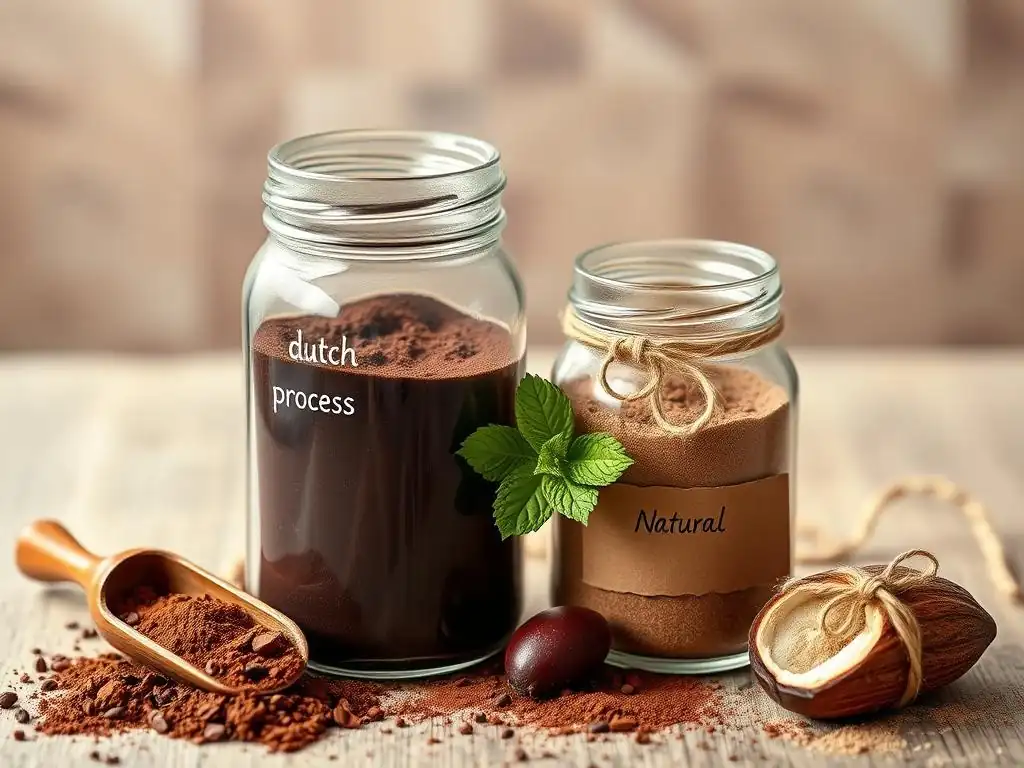
Proper storage is essential for preserving the quality of both natural and Dutch-process cocoa powder. While it's a dry ingredient and relatively stable, exposure to air, moisture, light, and heat can degrade its flavor and aroma over time.
Storing cocoa correctly ensures that your baked goods consistently have the rich, vibrant chocolate taste you expect. It's a simple step that makes a big difference in the long run.
Best Practices for Storing Natural and Dutch-Process Cocoa
Cocoa powder should be stored in an airtight container. This prevents moisture absorption, which can cause clumping, and protects the powder from absorbing odors from the pantry. A cool, dark place, away from direct sunlight and heat sources (like the oven), is ideal.
The pantry is usually a perfect spot. Avoid storing it in the refrigerator, as condensation can introduce moisture. While cocoa powder doesn't truly "spoil" in the way that perishable foods do, its quality diminishes over time. It's generally best to use cocoa powder within about 1 to 2 years of opening for optimal flavor. Check for any off smells or changes in color before using older cocoa.
Troubleshooting: Common Baking Issues with Cocoa Powder
Even experienced bakers encounter issues, and sometimes, the cocoa powder is the culprit. Understanding how cocoa affects flavor and texture can help you diagnose and fix problems in your baking.
Common issues might include a bitter taste, a dry or dense texture, or poor rise. Knowing whether you used natural or Dutch-process cocoa and how it interacts with other ingredients is key to troubleshooting.
A bitter taste in your baked goods can sometimes be attributed to the cocoa powder. Natural cocoa can taste slightly more acidic or sharp, which might be perceived as bitter if not balanced with sweetness. Using too much natural cocoa can also intensify this.
Dutch-process cocoa is generally less bitter due to the alkalization. However, using low-quality cocoa powder, regardless of type, can result in off-flavors or bitterness. Ensure you are using fresh, good-quality cocoa from a reputable brand. Sometimes, increasing the sugar slightly or adding a pinch more salt or vanilla can help round out and balance any perceived bitterness from the cocoa.
Texture Issues: How Cocoa Powder Affects Baked Goods
Cocoa powder is a dry ingredient and absorbs moisture. Using too much cocoa powder relative to other ingredients can lead to dry or dense baked goods. Its impact on texture is also tied to leavening; using the wrong type of cocoa for the leavening agent specified in the recipe (e.g., Dutch-process with baking soda) will result in poor rise and a heavy, dense texture.
Sifting cocoa powder before adding it to your dry ingredients is a good practice. It helps remove lumps and ensures it's evenly dispersed, contributing to a smoother batter and more consistent texture in the final product. Always measure cocoa accurately, preferably by weight if the recipe provides it, as scooping can pack the powder and lead to using too much.
Elevate Your Baking: Choosing the Right Cocoa Powder for Every Recipe
Mastering the use of cocoa powder is a significant step in becoming a more confident and skilled baker. By understanding the fundamental differences between natural and Dutch-process cocoa – their acidity, flavor, color, and how they interact with leavening – you can make informed choices that elevate your chocolate creations.
Whether you're aiming for a bright, intense chocolate flavor in a classic cake or a deep, smooth richness in fudgy brownies or mousse, selecting the correct cocoa powder is paramount. Pay attention to the recipe's specifications, and if adapting, understand the science behind the swap.
Mastering the Art of Chocolate Baking with Natural and Dutch-Process Cocoa
Becoming proficient in chocolate baking means appreciating the unique qualities each type of cocoa brings to the table. Natural cocoa shines in recipes requiring reaction with baking soda and where a brighter chocolate note is desired. Dutch-process cocoa is the star in Dutch process cocoa powder recipes where a smooth, deep color and mellow flavor are key, often paired with baking powder or used in non-leavened items.
Experiment with both types in different recipes. Try making two batches of brownies – one with natural cocoa and one with Dutch-process (using appropriate leavening for each) – to truly taste and see the difference. This hands-on experience will solidify your understanding and guide your future baking decisions.
Further Exploration: Exploring Different Chocolate Chips for Baking
While we've focused on cocoa powder, the world of chocolate in baking extends to chocolate chips, bars, and other forms. Just as cocoa powder types differ, so do the characteristics of different types of chocolate chips (milk, semi-sweet, dark, bittersweet).
Exploring these variations can further enhance your baking skills. Semi-sweet chips, typically containing around 35-60% cocoa solids, behave differently when melted compared to bittersweet chips (60-80%+ cocoa solids) or milk chocolate chips (lower cocoa solids, higher sugar/milk). Understanding these differences is another layer in mastering the art of chocolate baking, complementing your knowledge of natural and Dutch-process cocoa powder recipes and uses.
Frequently Asked Questions
What is the main difference between natural cocoa powder and Dutch process cocoa powder?
The key difference lies in the acidity level. Natural cocoa powder is acidic, while Dutch process cocoa powder has been treated to neutralize its acidity, resulting in a milder flavor and darker color.
Why does the recipe specify which type of cocoa powder to use?
Recipes specify cocoa powder type because of its impact on the leavening process. Natural cocoa powder reacts with baking soda, while Dutch process cocoa powder often requires baking powder for the proper rise.
Can I substitute natural cocoa powder for Dutch process cocoa powder, or vice versa?
Generally, it's not recommended without making other adjustments. Substituting requires modifying the leavening agents (baking soda/powder) to ensure the recipe rises correctly and achieves the desired texture.
Are there specific types of recipes where Dutch process cocoa powder excels?
Dutch process cocoa powder shines in recipes where a rich, deep chocolate flavor and a tender crumb are desired, such as many chocolate cakes, brownies, and some types of cookies.
Where can I find Dutch process cocoa powder?
Dutch process cocoa powder is widely available. You can find it at most grocery stores in the baking aisle, as well as online retailers specializing in baking ingredients.
Final Reflection: The Enduring Allure of Cocoa, Naturally and Dutch-Processed
The quest for the perfect chocolatey bake often hinges on a seemingly simple ingredient: cocoa powder. Yet, the subtle differences between natural and Dutch-processed cocoa profoundly impact flavor profiles and baking outcomes, a fact that remains surprisingly relevant in today's sophisticated baking world. Understanding these distinctions isn't just about technical precision; it's about unlocking the full potential of this beloved ingredient.
The journey through natural and Dutch-processed cocoa has illuminated more than just baking techniques; it's revealed a fascinating interplay between history, chemistry, and personal preference. The enduring popularity of both types speaks volumes about the diverse tastes and approaches within the baking community. The best cocoa is the one that best suits your palate and recipe,
a wise baker once said, and this rings truer than ever as we navigate the nuances of these two distinct cocoa varieties. The impact of this knowledge extends beyond individual kitchens, influencing the development of new recipes and the evolution of baking trends.
Now, consider your own baking journey. Will you embrace the bright acidity of natural cocoa, or the mellow depth of its Dutch-processed counterpart? Perhaps, armed with this newfound knowledge, you'll experiment with both, discovering the unique magic each brings to your creations. The choice is yours, and the possibilities are endless. Embrace the adventure, explore the flavors, and unlock the secrets of cocoa powder to elevate your baking to new heights.
Unlock Your Baking Potential: Discover the Perfect Cocoa Powder!
Thanks for diving into the world of cocoa powder with us! We hope you now feel confident in choosing the right type for your next baking masterpiece. Ready to put your newfound knowledge into practice?
- Bake a batch of your favorite recipe using your newly-chosen cocoa powder. Notice the difference! This is the best way to truly understand the nuances.
- Share your baking triumphs (and challenges!) with our community on social media using #BakeWithEaseCocoa. We love seeing your creations!
- Try a recipe that specifically utilizes the cocoa powder type you learned about. Experiment with different types of cocoa and see what results you get!
What delicious cocoa creation will you make first? Let us know in the comments!