
Baking with Chocolate Syrup vs. Melted Chocolate

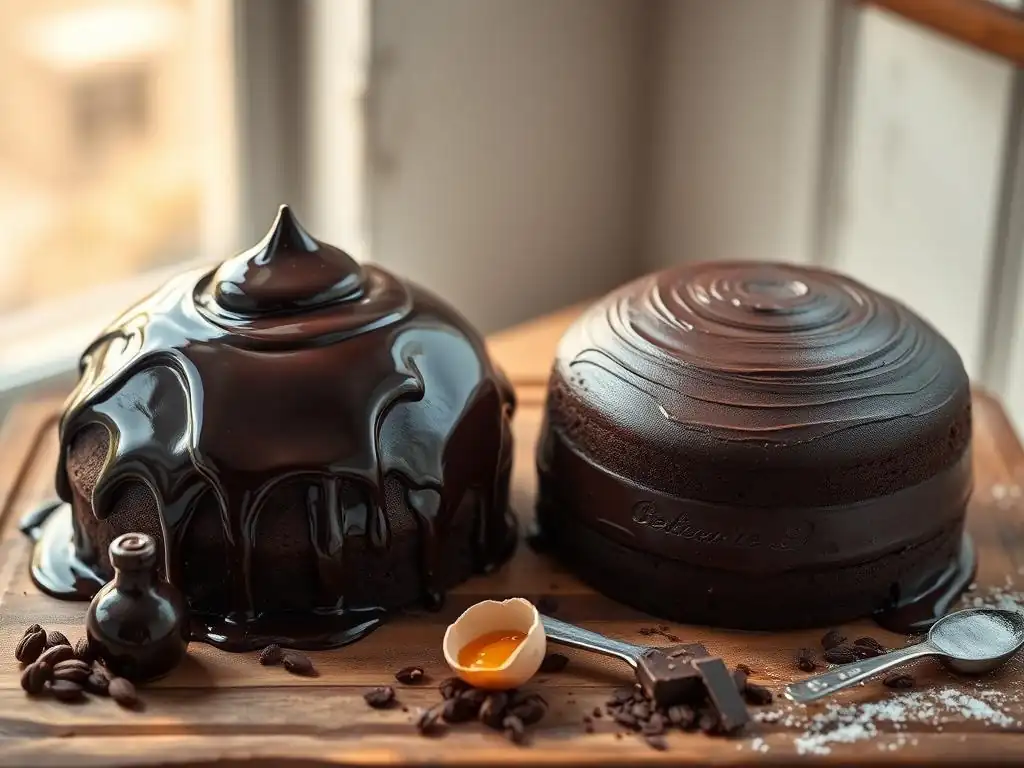
Welcome to BakeWithEase, where baking becomes a joy! Ever wondered if that bottle of chocolate syrup in your fridge could be more than just an ice cream topping? Prepare to have your baking world delightfully disrupted! Dive into our latest Ingredient Deep Dive, a chocolate syrup baking comparison guide, and discover surprising insights that might just change how you approach your next chocolate-infused creation. Are you ready to unlock the secrets of baking with chocolate syrup? Let's explore!
- Baking with Chocolate Syrup vs. Melted Chocolate: A BakeWithEase Comparison Guide
- Introduction: Understanding Chocolate Forms in Baking
- Melted Chocolate in Baking: A Detailed Look
- Chocolate Syrup in Baking: An In-Depth Analysis
- Melted Chocolate vs. Chocolate Syrup: A Head-to-Head Baking Comparison
- Baking Tips and Techniques for Both Melted Chocolate and Chocolate Syrup
- Recipe Adaptations: Substituting Melted Chocolate and Chocolate Syrup
- Conclusion: Choosing the Right Chocolate Form for Your Baking Needs at BakeWithEase
-
Frequently Asked Questions
- How does baking with chocolate syrup differ from baking with melted chocolate?
- Can I substitute chocolate syrup for melted chocolate in any baking recipe?
- What are the advantages of using chocolate syrup in baking?
- What types of recipes are best suited for using chocolate syrup?
- How does the amount of sugar differ when using chocolate syrup versus melted chocolate in baking?
- Final Reflection: The Sweet Science of Chocolate in Baking
- Unlock Your Chocolate Baking Potential!
Baking with Chocolate Syrup vs. Melted Chocolate: A BakeWithEase Comparison Guide
Introduction: Understanding Chocolate Forms in Baking
BakeWithEase Explores Chocolate Options: Chocolate Syrup vs. Melted Chocolate
Welcome, fellow bakers, to a delicious exploration right here on BakeWithEase! Today, we're diving deep into the world of chocolate and tackling a common question: what's the difference when baking with chocolate syrup versus using melted solid chocolate? Both offer that irresistible cocoa flavor we crave, but they behave quite differently in batters, doughs, and finishes. Understanding these distinctions is key to achieving the perfect texture, flavor intensity, and overall success in your baked goods.
Choosing the right form of chocolate for your recipe isn't just a matter of convenience; it fundamentally impacts the outcome. Melted chocolate, derived from chocolate bars, chips, or wafers, brings fat and cocoa solids that contribute to structure and richness. Chocolate syrup, on the other hand, is primarily a liquid sweetener with cocoa added, lacking the significant fat content and complex structure of solid chocolate. This fundamental difference dictates how each ingredient interacts with others in your recipe, affecting everything from rise and spread to moisture and mouthfeel.
Melted Chocolate in Baking: A Detailed Look
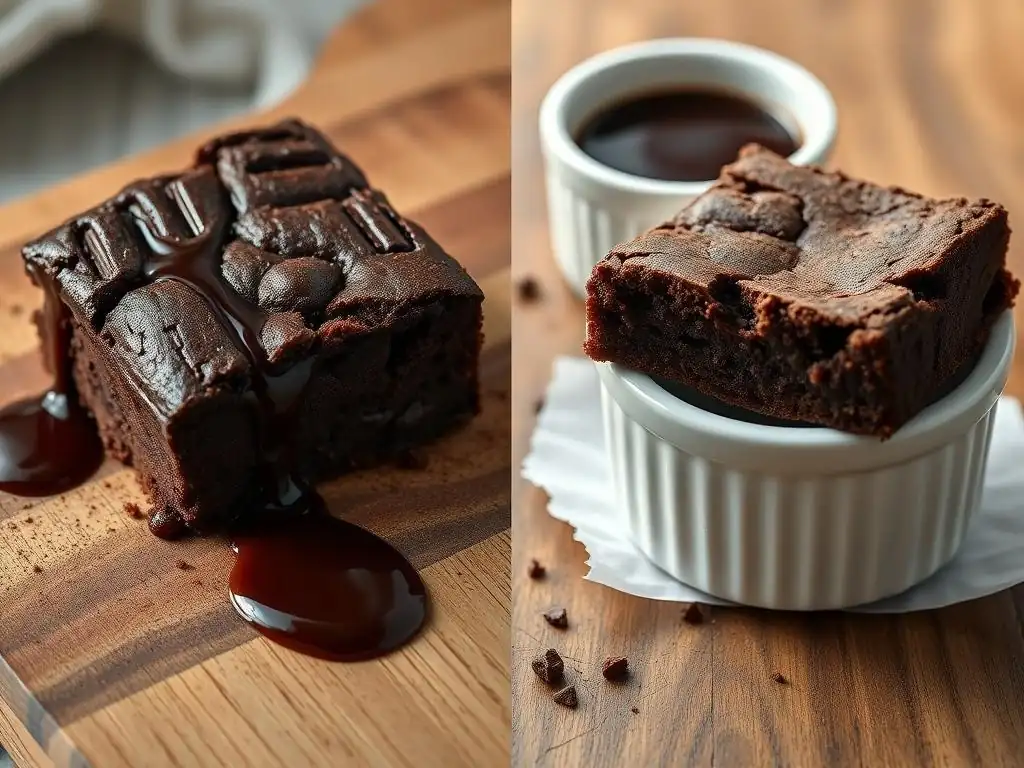
What is Melted Chocolate? Forms and Characteristics
Melted chocolate refers to solid chocolate that has been gently heated until it becomes a smooth, liquid state. This solid chocolate typically comes in various forms, such as baking bars, chips, or callets (small discs), and contains cocoa solids, cocoa butter (fat), sugar, and often lecithin as an emulsifier.
The percentage of cocoa solids and cocoa butter varies significantly depending on the type of chocolate – dark chocolate usually has a higher percentage of both than milk or white chocolate. When melted, the cocoa butter is the primary component that transitions from solid to liquid, creating a rich, viscous fluid perfect for incorporating into baked goods.
The characteristics of melted chocolate are largely determined by its composition, particularly the cocoa butter content. This fat provides richness and contributes to the tender crumb in cakes and cookies. It also helps set batters and doughs as they cool, providing structure.
For instance, a brownie made with a generous amount of high-quality melted dark chocolate (like one containing 70% cocoa solids) will have a fudgier, denser texture compared to one made with a lower percentage. The quality and type of solid chocolate used directly translate to the flavor depth and texture of the final baked item, making the choice of chocolate crucial for specific results.
Advantages of Using Melted Chocolate
Flavor Depth and Richness with Melted Chocolate
Using melted chocolate in baking recipes is unparalleled when you seek deep, authentic chocolate flavor. Solid chocolate, especially high-quality dark chocolate, contains a higher concentration of cocoa solids and cocoa butter than syrups. These components carry the complex flavor compounds that create that intense, satisfying chocolate taste. For example, a classic chocolate cake recipe often calls for melted unsweetened or bittersweet chocolate to build a robust flavor base that isn't overly sweet, allowing the true cocoa notes to shine through.
Moreover, the fat from the cocoa butter in melted chocolate helps distribute flavor throughout the batter more effectively than water-based ingredients. This fat coats the palate, allowing the rich chocolate notes to linger. Consider a batch of double chocolate chip cookies made with melted chocolate in the dough itself, alongside chocolate chips. The melted chocolate contributes a foundational richness and depth that a syrup simply cannot replicate, resulting in a more complex and satisfying chocolate experience in every bite.
Texture and Structure Contribution of Melted Chocolate
Melted chocolate plays a vital role in the texture and structure of baked goods. The cocoa butter within the chocolate sets as the baked item cools, contributing to firmness and structure. This is particularly evident in recipes like fudgy brownies or dense chocolate cakes, where melted chocolate provides that desirable chewy or dense texture. A recipe requiring melted chocolate often relies on its setting properties to achieve the intended consistency, something a liquid syrup cannot do.
Think about a chocolate ganache, which is a simple mixture of melted chocolate and cream. As it cools, the cocoa butter solidifies, transforming the liquid mixture into a spreadable or scoopable consistency. In cakes and muffins, melted chocolate contributes to a tender, moist crumb while also providing structure once cooled. Attempting to substitute chocolate syrup directly for melted chocolate in a structural recipe like a brownie or dense cake will likely result in a weaker, less stable crumb and a less desirable texture, lacking that characteristic fudginess.
Control Over Chocolate Intensity with Melted Chocolate
One significant advantage of using melted chocolate is the precise control it offers over the intensity and sweetness of the chocolate flavor. Solid chocolate is available in a wide range of cocoa percentages, from unsweetened (100% cocoa solids) and bittersweet (often 60-80%) to semi-sweet (around 50-60%) and milk chocolate (lower cocoa solids, higher sugar and milk). This variety allows bakers to tailor the chocolate flavor profile to their specific recipe needs.
For instance, if you're making a rich chocolate tart filling, you might opt for a high-percentage bittersweet chocolate (like 70% cocoa) to ensure a deep, slightly bitter complexity that balances the sweetness of other ingredients. Conversely, a sweeter semi-sweet chocolate might be preferred for chocolate chip cookies. This granular control over cocoa content and inherent sweetness is a major benefit, enabling bakers to fine-tune their creations in a way that's much more challenging when relying solely on pre-sweetened chocolate syrup, which offers limited variability in flavor intensity beyond its base sweetness.
Gloss and Smoothness in Finishes
Melted chocolate, particularly when tempered correctly, is the gold standard for creating shiny, smooth finishes on cakes, pastries, and confections. The cocoa butter content is responsible for this beautiful sheen. When chocolate is melted and then cooled properly (tempered), the fat crystals align in a stable form, resulting in a glossy appearance and a clean snap when broken. This is why melted chocolate is essential for professional-looking glazes, drizzles, and molded chocolates.
A classic example is a chocolate glaze poured over a Bundt cake. Melted chocolate, combined with a bit of butter or cream, creates a smooth, opaque coating that hardens slightly and provides a lovely finish. While chocolate syrup can be used as a simple drizzle, it typically remains liquid or sticky and lacks the firm set and glossy surface achievable with melted chocolate. For applications where visual appeal and a specific texture are crucial, melted chocolate is almost always the necessary ingredient.
Temperature Sensitivity and Tempering Challenges
Working with melted chocolate requires careful attention to temperature, as it is highly sensitive to heat fluctuations. If heated too quickly or to too high a temperature, the cocoa butter can separate, resulting in a greasy, grainy texture known as "seizing." Achieving a smooth, usable melted chocolate often requires gentle heat, typically using a double boiler or microwave on low power with frequent stirring.
For decorative applications like dipping or molding, achieving a stable crystalline structure through tempering is necessary. This multi-step process involves heating, cooling, and reheating the chocolate to specific temperatures (e.g., dark chocolate heated to ~115°F, cooled to ~84°F, reheated slightly to ~88-90°F) and can be intimidating for novice bakers.
Failure to properly temper or handle melted chocolate can lead to bloom (white streaks or spots on the surface) or a dull, crumbly texture rather than a smooth, glossy finish. While melting chocolate for incorporation into a batter is less demanding than tempering for coating, the risk of seizing remains. This sensitivity means melted chocolate isn't as forgiving as other ingredients and requires a certain level of care and understanding to use successfully, adding a layer of complexity compared to simply pouring a liquid syrup.
Potential for Seizing or Burning
One of the most frustrating experiences when baking with melted chocolate is encountering seizing or burning. Seizing occurs when even a tiny amount of water or steam comes into contact with melted chocolate, causing it to instantly turn from a smooth liquid into a thick, grainy, and unusable paste. This is because the sugar in the chocolate clumps together when it touches water, and the fat cannot disperse it. Burning happens when chocolate is overheated, often in a microwave or over direct heat, resulting in a bitter, acrid taste and a hard, unusable mass.
Preventing seizing requires absolute dryness of all utensils and containers used when melting chocolate. For instance, melting chocolate chips in a microwave requires short bursts (15-30 seconds) and thorough stirring between each interval to prevent hot spots and burning. Melting over a double boiler needs care to ensure the water in the pot below doesn't boil too vigorously and splash into the chocolate. These precautions, while manageable with practice, add steps and potential pitfalls that aren't present when using a ready-to-pour chocolate syrup.
Cost and Quality Variation
The cost of solid baking chocolate can vary significantly based on brand, cocoa percentage, and quality. High-quality couverture chocolate, which contains a higher percentage of cocoa butter and is designed for melting and tempering, can be substantially more expensive than standard chocolate chips or baking bars. For example, a pound of premium dark chocolate couverture might cost upwards of $10-$20 or more, while a comparable amount of standard semi-sweet chips could be $4-$6. This cost difference can impact the overall expense of a recipe, particularly those calling for large quantities of chocolate.
Furthermore, the quality of solid chocolate directly affects the flavor and performance in baking. Lower-quality chocolates may contain less cocoa butter and more vegetable oils, which can result in a less desirable texture and flavor when melted. Choosing the right quality chocolate for a recipe requires some knowledge and potentially a larger budget than simply grabbing a bottle of chocolate syrup off the shelf. This variability in both price and quality adds a consideration when deciding whether to use melted chocolate.
Chocolate Syrup in Baking: An In-Depth Analysis
Understanding Chocolate Syrups: Types and Composition
Chocolate syrup is a liquid sweetener flavored with cocoa. It is typically composed of corn syrup or sugar, water, cocoa powder, flavorings (like vanilla), and often preservatives and stabilizers. Unlike melted chocolate, which derives its texture and richness from cocoa butter, syrup is primarily a sugar solution.
There are various types, from standard dessert syrups used for topping ice cream to slightly thicker or richer versions marketed for baking or drinks. Some may use high fructose corn syrup, while others use sucrose or natural sweeteners. The cocoa content is generally much lower than in solid chocolate, and the flavor profile is often sweeter and less complex, sometimes leaning towards artificial notes depending on the brand and additives.
The key characteristic of chocolate syrup is its liquid form and high sugar content. This means it adds moisture and sweetness to a recipe but lacks the fat and structure-building cocoa solids found in melted chocolate. A typical chocolate syrup might contain around 50-60% sugar by weight and very little fat (often less than 1g per serving).
This composition makes it unsuitable for recipes that rely on chocolate's setting properties or require a significant fat contribution. Its primary role in baking is usually as a flavoring agent and source of moisture and sweetness, offering a different set of applications compared to solid chocolate.
Advantages of Using Chocolate Syrup
Ease of Use and Consistency
One of the most compelling advantages of using chocolate syrup in baking is its incredible ease of use. It is a ready-to-go liquid ingredient that requires no preparation like chopping or melting. You simply measure and pour it directly into your batter or mix. This eliminates the steps and potential pitfalls associated with melting solid chocolate, such as seizing or burning. For beginner bakers or simple recipes, this convenience is a major plus.
Furthermore, chocolate syrup offers consistent results every time. Unlike solid chocolate, which can vary slightly in composition and melting properties depending on the brand and type, syrup is manufactured to have a uniform consistency, sweetness, and flavor profile from bottle to bottle. This reliability makes it a predictable ingredient, particularly useful in recipes where precise liquid measurements are important. It's a fuss-free option for adding a touch of chocolate flavor without the complexities of handling solid chocolate.
Ready-to-Use and No Melting Required
As mentioned, a key benefit of chocolate syrup is that it is instantly ready for incorporation into a recipe. There's no need for double boilers, microwaves, or worrying about achieving the right temperature. This saves significant time and effort, especially in recipes where you just need a hint of chocolate flavor mixed into a liquid batter or dough. For instance, adding a swirl of chocolate to a vanilla cake batter or mixing it into a basic muffin recipe is quick and easy with syrup.
This characteristic makes chocolate syrup ideal for spontaneous baking projects or recipes designed for speed and simplicity. If a recipe calls for a small amount of chocolate flavor and doesn't rely on the fat or structure of solid chocolate, reaching for the syrup is often the most straightforward path. It simplifies the ingredient preparation step, allowing bakers to move straight to mixing and baking, which aligns perfectly with the BakeWithEase philosophy of making baking accessible and enjoyable for everyone.
Moisture Contribution in Baked Goods
Chocolate syrup, being primarily a liquid, adds moisture to baked goods. This can be beneficial in certain recipes, helping to create a softer, more tender crumb. When substituting syrup for a dry ingredient or even a small amount of liquid, it increases the overall moisture content of the batter. For example, adding a few tablespoons of chocolate syrup to a standard brownie mix (if the recipe allows for liquid adjustments) can result in a slightly moister final product than the mix alone.
While melted chocolate also contains fat which contributes to tenderness, the water content in syrup provides hydration in a different way. This moisture can help prevent cakes and muffins from drying out too quickly during baking. However, it's important to note that adding too much syrup without adjusting other liquid components can lead to a batter that is too wet, resulting in a dense or gummy texture. Used judiciously, its liquid nature can be a useful tool for managing moisture levels in specific baking applications.
Flavor Dilution and Artificial Notes
One of the primary drawbacks of using chocolate syrup in baking is that it often provides a less intense and sometimes less authentic chocolate flavor compared to melted solid chocolate. Syrups typically contain less actual cocoa solids relative to their volume, meaning you need to add more to achieve a noticeable chocolate taste, which can then throw off the liquid balance of a recipe. Many commercial syrups also contain artificial flavorings, high amounts of sugar, and preservatives, which can contribute artificial or overly sweet notes that can detract from the overall quality of the baked good.
Unlike the complex, nuanced flavors of high-quality chocolate, syrup tends to have a more one-dimensional sweetness with a generic cocoa background. For instance, a rich chocolate ganache or a deeply flavored chocolate lava cake relies on the pure, concentrated flavor of melted chocolate. Attempting to replicate this intensity with syrup is difficult, if not impossible, as you'd need to add an excessive amount of liquid and sugar. This limitation means chocolate syrup is often better suited for applications where a mild or secondary chocolate flavor is desired, rather than being the star ingredient.
Texture Impact and Structure Weakening
Because chocolate syrup is a liquid and contains very little fat or cocoa solids, it cannot contribute structure to baked goods in the way melted chocolate does. Recipes that depend on the cocoa butter in melted chocolate to set and provide firmness, such as fudgy brownies or chocolate truffles, will fail if syrup is used as a substitute. The high sugar and water content of syrup can actually weaken the structure of a batter or dough, potentially leading to a flatter, less stable, or even mushy texture in the final product.
For example, replacing melted chocolate with an equal volume of chocolate syrup in a cookie recipe designed for melted chocolate would likely result in cookies that spread excessively thin, lack chewiness, and have a soft, possibly unappealing texture. The syrup adds moisture and sugar but none of the structural support provided by solid chocolate's fat and solids. This makes direct substitution challenging and often requires significant recipe adjustments, highlighting its limitations in recipes where structure is key.
Sugar Content and Sweetness Control
Chocolate syrup is inherently high in sugar, often containing around 10-15 grams of sugar per tablespoon. This high sugar content significantly impacts the overall sweetness of a baked good. When using syrup, you're not just adding chocolate flavor; you're also adding a considerable amount of sweetness that may or may not be desired. This makes it difficult to control the sugar level independently of the chocolate flavor, unlike using unsweetened or bittersweet chocolate where you add sugar separately according to taste.
For bakers who prefer less sweet desserts or need precise control over sugar content for dietary reasons, chocolate syrup presents a challenge. Substituting it into a recipe requires careful consideration of the total sugar added and potentially reducing other sweeteners in the recipe, which can affect texture and browning. This lack of independent control over sweetness and chocolate flavor is a major disadvantage when trying to achieve a specific flavor balance in a recipe, making it less versatile for nuanced baking projects.
Melted Chocolate vs. Chocolate Syrup: A Head-to-Head Baking Comparison
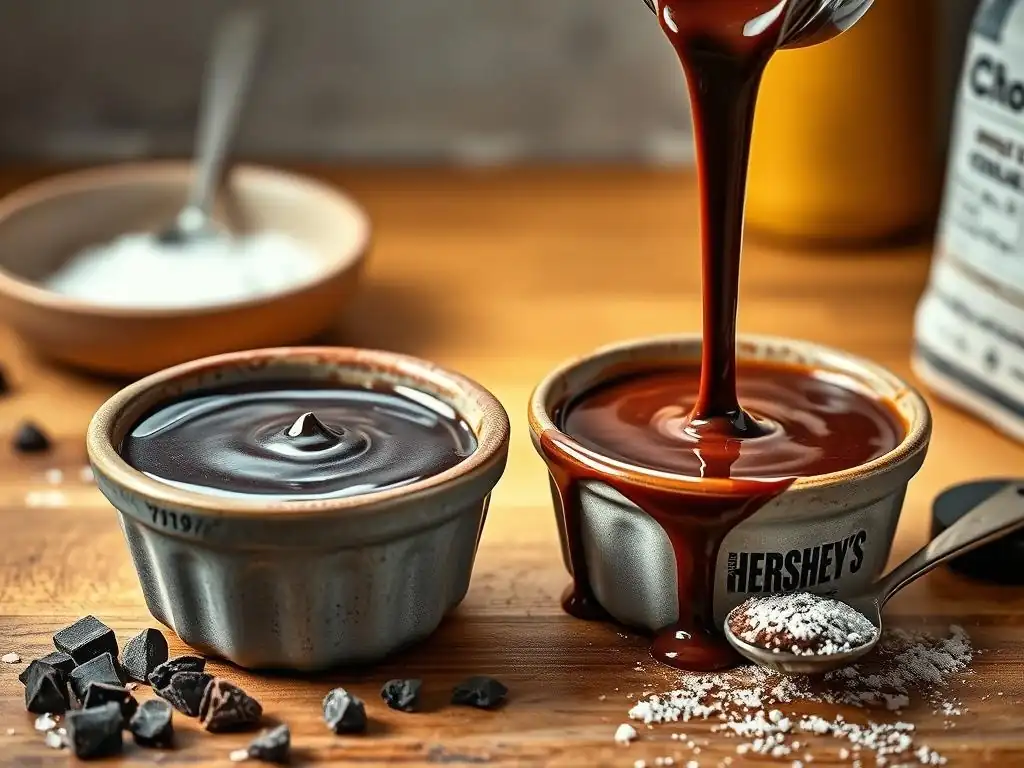
Preparation Time Comparison: Melted Chocolate vs. Chocolate Syrup
When considering preparation time, chocolate syrup holds a clear advantage over melted chocolate. Using chocolate syrup is as simple as opening a bottle and measuring. There is no heating, stirring, or cooling involved before it can be incorporated into a batter or mix. This makes it incredibly fast and convenient for quick recipes or when you're short on time. From bottle to bowl, it's ready in seconds.
Melted chocolate, conversely, requires an extra step (or steps). Whether using a microwave or a double boiler, you need to carefully heat the solid chocolate until it's smooth. This process takes several minutes, requires monitoring to prevent burning or seizing, and involves cleaning the melting apparatus afterward. For recipes where every minute counts, or for bakers seeking the absolute simplest process, the preparation time difference makes chocolate syrup the faster option.
Flavor Profile Differences in Baked Goods
The flavor profiles imparted by melted chocolate and chocolate syrup in baked goods are distinctly different. Melted chocolate, especially from quality solid chocolate, provides a rich, complex, and often more authentic cocoa flavor. The intensity and specific notes (fruity, nutty, earthy) depend on the type and origin of the cocoa beans and the processing. For instance, using a high-percentage dark chocolate yields a deep, slightly bitter, and sophisticated flavor.
Chocolate syrup, on the other hand, tends to deliver a sweeter, milder, and sometimes less nuanced chocolate flavor. It often tastes more like "chocolate flavoring" than pure chocolate. While it provides a pleasant sweetness and a hint of cocoa, it typically lacks the depth, richness, and complexity that solid chocolate brings. This makes melted chocolate preferable for recipes where chocolate is the star flavor, while syrup is better suited for adding a sweet, mild chocolate note or as a topping.
Melted chocolate is the superior choice for recipes where chocolate provides significant flavor, richness, and structure. This includes:
- Fudgy Brownies: Recipes for dense, fudgy brownies almost always rely on melted solid chocolate (often unsweetened or bittersweet) for their signature texture and intense flavor.
- Rich Chocolate Cakes: Many classic chocolate cake recipes incorporate melted chocolate into the batter to achieve a deep color and moist, tender crumb.
- Chocolate Ganaches: A simple mixture of melted chocolate and cream, ganache is essential for fillings, glazes, and truffles, where the setting properties of melted chocolate are crucial.
- Certain Cookies: Recipes like lava cakes or specific types of chocolate cookies benefit from the richness and texture contribution of melted chocolate in the dough.
- Molding and Coating: Any recipe involving molding chocolate shapes or coating items like strawberries or pretzels requires melted and often tempered solid chocolate for a proper set and shine.
In these applications, the fat and cocoa solids from melted chocolate are integral to the recipe's success, providing structure, richness, and a robust chocolate flavor that syrup cannot replicate.
Best Uses for Chocolate Syrup: Sauces, Drizzles, Simple Batters
Chocolate syrup excels in applications where its liquid form and sweetness are advantageous, and a strong structural contribution isn't necessary. This includes:
- Chocolate Sauces and Drizzles: Used straight from the bottle or warmed slightly, syrup makes an easy topping for ice cream, pancakes, waffles, or desserts.
- Adding Flavor to Drinks: Essential for making chocolate milk, hot chocolate, or flavored coffees.
- Simple Cake/Muffin Batters: A few tablespoons can be stirred into a basic vanilla or plain batter to add a mild chocolate flavor without altering the liquid balance too drastically. This is great for marbled cakes or simply infusing a little chocolatey goodness.
- Swirls: Syrup can be swirled into cheesecakes, brownies (if the recipe is adapted), or loaf cakes for a visual effect and a ribbon of chocolate flavor.
- Kids' Baking Projects: Its ease of use makes it perfect for involving children in simple recipes like cupcakes or cookies where precise chocolate handling isn't required.
In these cases, the convenience and liquid nature of chocolate syrup make it a practical choice, providing flavor and moisture without the need for melting or complex handling. It's a quick way to add a touch of chocolate appeal.
Baking Tips and Techniques for Both Melted Chocolate and Chocolate Syrup
Tips for Baking with Melted Chocolate: Achieving Optimal Results
To get the best results when baking with melted chocolate, handle it with care. Always melt chocolate gently, whether using a double boiler over simmering (not boiling) water or in a microwave on a low power setting (50% or less), stirring frequently (every 15-30 seconds). Ensure all your equipment is completely dry, as even a drop of water can cause seizing. If your chocolate does seize, sometimes stirring in a teaspoon of vegetable oil or melted butter (not water!) per ounce of chocolate can help rescue it, though the texture may still be slightly affected.
For recipes requiring precise amounts, weigh your solid chocolate before melting for accuracy (e.g., 4 ounces of chocolate chips). Once melted, incorporate it into your recipe at the temperature specified – sometimes it needs to cool slightly, other times it's added warm. If adding to a cold mixture, incorporate gradually to prevent it from seizing again. Remember that different types of chocolate melt at slightly different temperatures and have varying viscosities, so be patient and adjust melting time as needed. Using fresh, good-quality chocolate will also significantly impact the flavor and melting properties.
Tips for Baking with Chocolate Syrup: Ensuring Delicious and Moist Results
When baking with chocolate syrup, remember it's adding both liquid and sugar to your recipe. If substituting syrup for a solid ingredient or a different liquid, you may need to adjust other components to maintain the proper consistency of your batter. For instance, if adding a significant amount of syrup to a recipe that doesn't explicitly call for it, you might need to slightly reduce other liquids (like milk or water) or sugar to compensate. Start with small amounts if you're experimenting.
Chocolate syrup is excellent for adding moisture and a soft texture. For example, stirring 2-3 tablespoons into a standard muffin or cupcake batter can help keep them moist without drastically changing the structure. It's also perfect for creating simple, pourable glazes or sauces by whisking it with a little powdered sugar or milk.
To enhance the chocolate flavor when using syrup, consider adding a teaspoon of instant espresso powder or a pinch of salt, which can help bring out the cocoa notes and balance the sweetness. Remember that the flavor intensity is milder than melted chocolate, so it's best used when a subtle chocolate presence is desired.
Storage Recommendations for Melted Chocolate and Chocolate Syrup
Proper storage is key to maintaining the quality of both melted chocolate and chocolate syrup, though their requirements differ. Solid chocolate (before melting) should be stored in a cool, dry place, away from direct sunlight and strong odors. An ideal temperature is typically between 60-70°F (15-21°C).
Avoid refrigeration unless you live in a very hot, humid climate, as temperature fluctuations can cause sugar bloom (a white surface layer). Once solid chocolate is melted and incorporated into a baked good, the storage instructions for the finished product apply (e.g., store cookies in an airtight container). Leftover melted chocolate (if not tempered) can be cooled and re-melted, though its properties might change slightly.
Chocolate syrup, being a liquid product with preservatives, is much more shelf-stable. Unopened bottles can be stored at room temperature in a pantry for an extended period, often for 1-2 years (check the expiration date). Once opened, it is generally recommended to refrigerate chocolate syrup to maintain freshness and quality, although some brands specify room temperature storage. Always check the label for specific instructions. Ensure the cap is tightly sealed after each use to prevent drying out or contamination. Properly stored, opened chocolate syrup can last for several months in the refrigerator.
Recipe Adaptations: Substituting Melted Chocolate and Chocolate Syrup

Substituting Melted Chocolate for Chocolate Syrup Adjustments
Substituting melted chocolate for chocolate syrup in a recipe is challenging because of the fundamental differences in composition, particularly the fat and sugar content and the liquid form. Melted chocolate adds fat and structure; syrup adds liquid and significant sugar.
A direct volume-for-volume substitution is generally not recommended and will likely fail. If a recipe calls for, say, 1/4 cup of chocolate syrup as a flavoring agent in a cake batter, substituting 1/4 cup of melted chocolate would add too much fat, not enough liquid, and less sugar than the syrup, resulting in a denser, possibly drier cake with a different flavor balance.
To attempt this substitution, you would need to significantly adjust other ingredients. For every part of melted chocolate used, you would need to add additional liquid (like water or milk) and sugar to match the syrup's composition. You'd also need to consider the fat content of the melted chocolate and potentially reduce other fats in the recipe. This requires a good understanding of baking chemistry and is often more complex than simply finding a recipe designed for melted chocolate. It's generally easier to find a recipe specifically developed to use melted chocolate if that's your preferred ingredient.
Substituting Chocolate Syrup for Melted Chocolate Adjustments
Substituting chocolate syrup for melted chocolate is equally, if not more, difficult, especially in recipes where melted chocolate provides structure (like brownies or ganache). Chocolate syrup lacks the fat and cocoa solids necessary for setting and richness. Replacing, for example, 4 ounces (about 1/2 cup) of melted chocolate in a brownie recipe with 1/2 cup of chocolate syrup would introduce too much liquid and sugar, not enough fat and solids, resulting in a cakey, potentially gummy, and less flavorful brownie that might not set correctly.
To even attempt this substitution in certain recipes (where melted chocolate is used more for flavor than structure, like some cakes), you would need to reduce other liquids and sugars in the recipe significantly to account for the syrup's composition. You might also need to add a small amount of fat (like butter) to partially compensate for the missing cocoa butter.
The resulting texture and flavor will still be different, less rich, and less fudgy than the original recipe intended. For recipes like ganache or truffles, substituting syrup for melted chocolate is simply not feasible as the mixture would not set.
Important Considerations for Chocolate Substitutions
When considering substituting chocolate syrup for melted chocolate, or vice versa, remember that you are changing more than just the chocolate flavor source. You are altering the fat content, sugar content, liquid content, and the ratio of cocoa solids. These factors are critical to the structure, texture, moisture, and overall balance of a baked good. Swapping these ingredients directly is rarely successful and can lead to disappointing results, such as dry cakes, flat cookies, or mixtures that fail to set.
- Focus on Recipe Intent: Understand why the recipe calls for a specific form of chocolate. Is it for structure (melted chocolate in brownies)? For a glaze that sets (melted chocolate in ganache)? Or just for mild flavor and moisture (syrup in a simple batter)?
- Adjust Multiple Ingredients: If you must substitute, be prepared to adjust liquids, fats, and sugars, which requires baking experience and might take multiple attempts.
- Accept Different Results: Even with adjustments, the final product's texture, flavor intensity, and appearance will differ from the original recipe. A chocolate syrup baking comparison guide highlights these differences precisely because they impact the final dish.
- Consider Purpose: For quick, easy flavor additions or drizzles, syrup is great. For rich, structured, intense chocolate results, melted chocolate is essential.
Ultimately, for the best results, it's often preferable to use the specific form of chocolate called for in a recipe or find a recipe designed for the type of chocolate you wish to use.
Conclusion: Choosing the Right Chocolate Form for Your Baking Needs at BakeWithEase
Summarizing the Melted Chocolate vs. Chocolate Syrup Baking Comparison
Our BakeWithEase comparison of melted chocolate and chocolate syrup in baking reveals two distinct ingredients with different strengths and weaknesses. Melted solid chocolate provides deep, complex flavor, richness, and crucial structural elements thanks to its cocoa butter and high cocoa solids content. It's essential for fudgy textures, ganaches that set, and recipes where chocolate is the primary flavor driver. However, it requires careful handling, is sensitive to temperature, and can be more costly.
Chocolate syrup, conversely, offers unparalleled convenience and ease of use. It's a ready-to-pour liquid that adds sweetness and moisture, perfect for simple flavor additions, drizzles, and applications where speed and simplicity are priorities. Its drawbacks include a less intense and sometimes artificial flavor profile, high sugar content, and the inability to contribute structure or richness in the way solid chocolate does. This chocolate syrup baking comparison guide shows that neither is inherently "better"; they are simply suited for different tasks in the kitchen.
Final Recommendations: Selecting the Best Chocolate Option for Your Baking Project
Choosing between melted chocolate and chocolate syrup for your baking project comes down to understanding the desired outcome and the recipe's requirements.
- For rich, intense chocolate flavor, fudgy textures, structural integrity (like brownies, truffles, ganache, dense cakes), or professional-looking glazes and coatings: Choose Melted Chocolate. Invest in good quality solid chocolate appropriate for your recipe's sweetness level (unsweetened, bittersweet, semi-sweet, etc. ).
- For convenience, quick flavor additions, simple drizzles, added moisture in basic batters, or kid-friendly recipes: Choose Chocolate Syrup. It's a reliable, easy way to add a touch of chocolate without the fuss.
Think about what you want the chocolate to do in your recipe. Is it providing the main flavor and texture, or is it a secondary addition for moisture or a light taste? Use this chocolate syrup baking comparison guide to help you decide which form is the perfect fit for your next delicious creation from BakeWithEase!
Frequently Asked Questions
How does baking with chocolate syrup differ from baking with melted chocolate?
Chocolate syrup primarily provides sweetness and moisture, while melted chocolate contributes richness and intense chocolate flavor. Syrup often results in a softer texture.
Can I substitute chocolate syrup for melted chocolate in any baking recipe?
Generally, no. The different compositions mean they don't always work interchangeably. You might need to adjust other ingredients to compensate.
What are the advantages of using chocolate syrup in baking?
Chocolate syrup is convenient, readily available, and adds moisture and sweetness easily. It also tends to be more cost-effective than high-quality chocolate.
What types of recipes are best suited for using chocolate syrup?
Chocolate syrup works well in recipes where intense chocolate flavor isn't the primary goal, like quick breads, muffins, or as a topping.
How does the amount of sugar differ when using chocolate syrup versus melted chocolate in baking?
Chocolate syrup contains a significant amount of sugar, so you may need to reduce other sweeteners in the recipe to avoid excessive sweetness. Melted chocolate has less sugar.
Final Reflection: The Sweet Science of Chocolate in Baking
The choice between chocolate syrup and melted chocolate isn't merely a matter of convenience; it's a fundamental decision impacting the texture, flavor profile, and overall success of your baked goods. This seemingly simple choice, as explored throughout this guide, reveals a surprising depth of culinary nuance, affecting everything from the final rise of a cake to the intensity of a brownie's chocolatey punch.
This exploration into the world of chocolate baking has underscored for me the importance of understanding ingredients beyond their surface level. The subtle differences between a syrup's high sugar content and the complex fat-to-cocoa ratio in melted chocolate profoundly shape the final product. The best recipes are born from a deep understanding of ingredients and their interactions,
a wise baker once told me, and this article has proven that sentiment true. The journey of researching and comparing these two common chocolate additions has been a delicious education, highlighting the crucial role of ingredient selection in achieving baking excellence.
Now, armed with this knowledge, I invite you to step into your kitchen with a newfound appreciation for the power of choice. Don't just reach for the first chocolate product you see; consider the desired outcome. Will your cake benefit from the moisture of syrup, or will the richness of melted chocolate elevate your brownies to a new level? Experiment, explore, and discover the unique magic each ingredient brings to your baking creations. The world of chocolate awaits your culinary exploration!
Unlock Your Chocolate Baking Potential!
Thanks for diving into the delicious world of chocolate baking with us! We hope you gained a clearer understanding of the differences between using chocolate syrup and melted chocolate in your recipes. Now it's time to put your newfound knowledge to the test!
- Try a side-by-side comparison: Bake the same recipe twice—once with syrup, once with melted chocolate—and savor the subtle differences in taste and texture. This is your chance to become a true chocolate expert!
- Share your baking journey: Post photos of your creations on social media and tag us! We love seeing your culinary adventures. Use #BakeWithEaseChocolate.
- Explore new recipes: Challenge yourself to find a recipe that specifically calls for either chocolate syrup OR melted chocolate, and experiment with the results!
Ready to elevate your baking game with chocolate? What unique recipe will you try first?