
Achieving That Perfect Chocolate Cake Crumb: Ingredient Focus

Welcome to BakeWithEase, your trusted guide to unlocking the secrets of baking! Ever wondered how to achieve that elusive, perfect chocolate cake crumb? We're diving deep into the essential ingredients that transform ordinary chocolate cake into a decadent masterpiece. Prepare to uncover the science and secrets behind baking bliss, starting with an ingredient focus that will elevate your skills. Let's get baking!
- Achieving the Perfect Chocolate Cake Crumb: Ingredient & Technique Focus
- Understanding the Importance of Crumb in Chocolate Cake Baking
-
Key Ingredients for a Perfect Chocolate Cake Crumb: An In-Depth Look
- Flour: The Foundation of Your Chocolate Cake's Crumb
- Sugar: Sweetness and Crumb Softness in Chocolate Cakes
- Fat: Adding Richness and Moisture to Chocolate Cake Crumb
- Eggs: Binding, Structure, and Chocolate Cake Crumb
- Chocolate: Flavor and Crumb Density in Chocolate Cakes
- Leavening Agents: The Secret to a Light and Airy Crumb
- Liquid: Hydration and Crumb Development in Chocolate Cakes
- Techniques for Enhancing Chocolate Cake Crumb
- Troubleshooting Common Chocolate Cake Crumb Issues
- Recipe: Achieving a Perfect Chocolate Cake Crumb
- Mastering the Art of Chocolate Cake Crumb
-
Frequently Asked Questions
- What are the most important ingredients for achieving a perfect chocolate cake crumb?
- How does the type of flour affect the crumb of a chocolate cake?
- Why is moisture so crucial for a good chocolate cake crumb?
- Can overmixing the batter affect the crumb of a chocolate cake?
- What role does cocoa powder play in the texture of a chocolate cake crumb?
- Final Reflection: The Enduring Allure of the Perfect Chocolate Cake Crumb
- Unlock Your Inner Cake Boss: Mastering the Crumb
Achieving the Perfect Chocolate Cake Crumb: Ingredient & Technique Focus
Understanding the Importance of Crumb in Chocolate Cake Baking
What is Cake Crumb and Why Does it Matter?
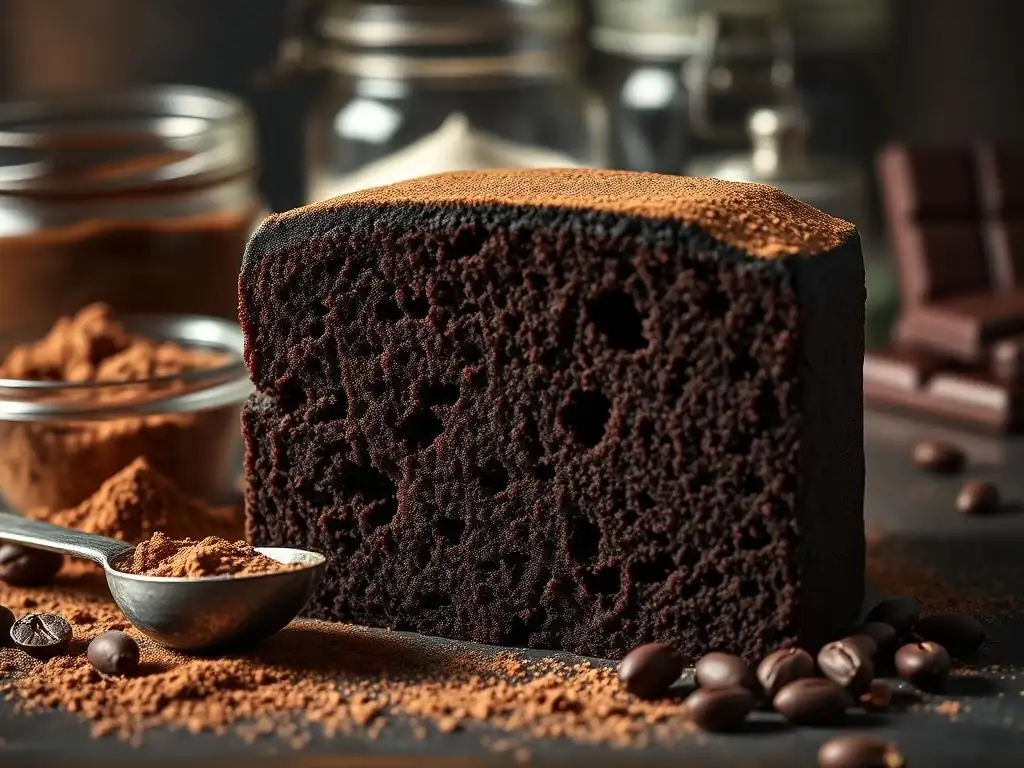
Cake crumb refers to the internal texture of your baked cake – the network of air pockets, cake structure, and moist cake particles that make up each slice. A desirable crumb is often described as tender, moist, fine-grained, and even, without large tunnels or a dense, heavy texture. It's the tactile experience of the cake, how it feels in your mouth, and it profoundly impacts the overall enjoyment of your perfect chocolate cake crumb. Think of the difference between a dry, coarse slice that falls apart and a slice that is soft, yielding, and melts in your mouth.
The crumb structure is fundamental to a cake's quality. It influences moisture perception – even a moist cake can feel dry if the crumb is too dense or uneven. It also affects how the cake pairs with frosting or fillings; a robust but tender crumb holds up well, while a weak or overly crumbly one can make assembly difficult. Ultimately, achieving the perfect chocolate cake crumb is a hallmark of skilled baking, demonstrating control over ingredients and technique to produce a truly delightful dessert.
The Relationship Between Ingredients and Chocolate Cake Crumb Structure
Every ingredient in your chocolate cake recipe plays a specific role in shaping its final crumb structure. Flour provides the main structure through protein (gluten) and starch. Sugar adds sweetness, tenderness, and moisture retention. Fat coats flour particles, inhibiting gluten development and adding richness and moisture. Eggs bind ingredients, contribute structure through protein coagulation, and add fat for tenderness. Liquid hydrates dry ingredients and activates leavening. Leavening agents create the air pockets that define the crumb's lightness.
The interactions between these components are complex. For example, sugar and fat interfere with gluten development, making the cake tender. Acids in ingredients like buttermilk or natural cocoa powder react with baking soda to produce lift. The type and amount of chocolate or cocoa powder used introduce additional dry matter and fat, which must be balanced with other ingredients to prevent a dry or heavy perfect chocolate cake crumb. Understanding these relationships allows you to predict and control the outcome.
Key Ingredients for a Perfect Chocolate Cake Crumb: An In-Depth Look
Flour: The Foundation of Your Chocolate Cake's Crumb
Choosing Cake Flour for a Tender Crumb
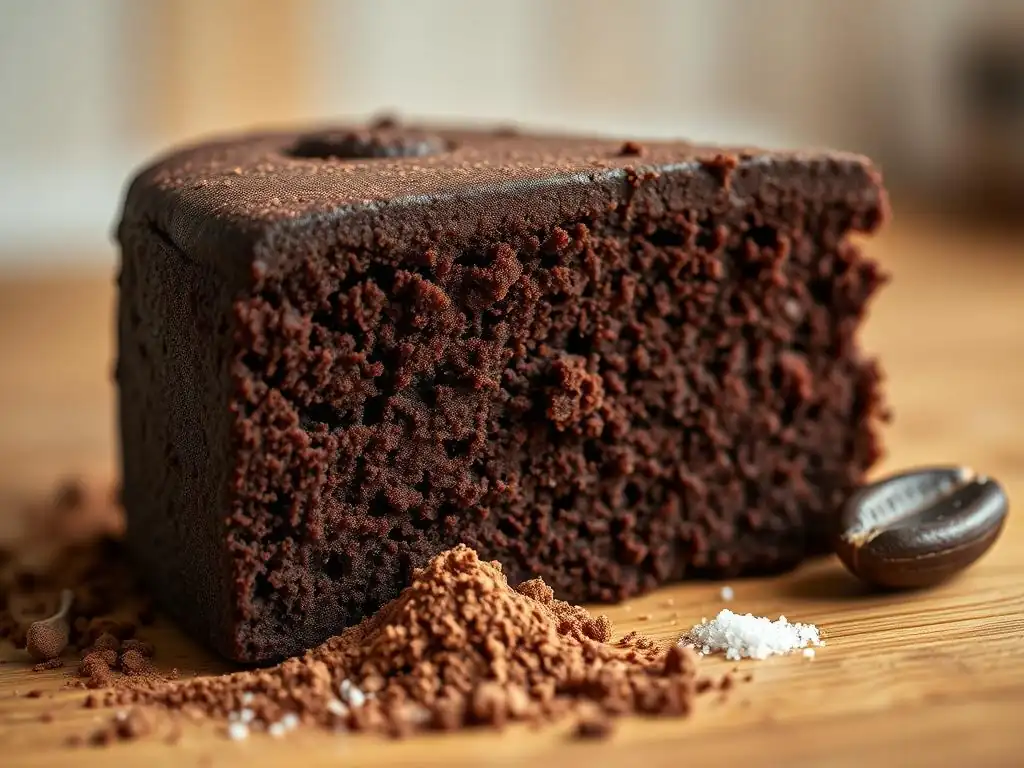
Flour provides the primary structure for most cakes. Its protein content, specifically gluten-forming proteins, is key to crumb texture. Cake flour is milled from soft wheat and has a lower protein content, typically ranging from 6% to 8%. This compares to all-purpose flour, which usually has 10% to 12% protein, or bread flour, which can exceed 12%. Using cake flour minimizes gluten development, resulting in a more tender, delicate, and fine-grained crumb, which is often desired for a perfect chocolate cake crumb.
When liquid is added to flour and mixed, gluten proteins develop, forming an elastic network. While some gluten is needed to provide structure and prevent the cake from collapsing, too much results in a tough, chewy texture. The lower protein in cake flour naturally limits this development, making it easier to achieve a tender crumb without excessive care regarding mixing time. Using cake flour is a straightforward way to lean towards a softer cake texture from the outset.
The Role of Gluten Development in Chocolate Cake Texture
Gluten development is crucial for providing structure to a cake, allowing it to hold its shape as it rises and bakes. However, controlling gluten is vital for a tender crumb. Mixing activates gluten formation; the more you mix hydrated flour, the stronger and more extensive the gluten network becomes. In chocolate cakes, cocoa powder can slightly inhibit gluten development due to its starch and protein content, but overmixing remains a primary cause of tough crumb.
The goal is to develop just enough gluten to support the cake's structure without creating toughness. This is why recipes often instruct you to mix dry ingredients into wet just until combined. Techniques like the reverse creaming method (mixing flour with fat first) physically coat the flour particles, further inhibiting gluten development and contributing to a very tender, velvet-like perfect chocolate cake crumb.
Sugar: Sweetness and Crumb Softness in Chocolate Cakes
Granulated vs. Brown Sugar: Impact on Crumb
Sugar is not just for sweetness; it plays a significant role in cake structure and moisture. Granulated sugar crystals cut into fat during creaming, helping to incorporate air, which contributes to a finer crumb. It also interferes with gluten development and protein coagulation, leading to a more tender cake. Brown sugar, which contains molasses, adds moisture and a slightly different flavor profile.
Because of the molasses content, brown sugar is naturally more hygroscopic (water-attracting) than granulated sugar. This means it pulls and holds onto moisture more effectively, resulting in a cake that is typically moister and stays soft longer. A chocolate cake made with a significant portion of brown sugar (e.g., replacing 30-50% of the granulated sugar with brown) will often have a denser, fudgier, and more persistently moist texture, contributing to a different, but equally valid, interpretation of a perfect chocolate cake crumb.
How Sugar Affects Moisture and Tenderness
Sugar is a powerful tenderizer in cakes. It competes with other ingredients, like flour and eggs, for water, slowing down the hydration of flour proteins (reducing gluten development) and raising the temperature at which egg proteins coagulate. This delayed coagulation allows the cake to rise more before the structure sets, contributing to a lighter texture.
Furthermore, sugar's hygroscopic nature means it actively attracts and retains moisture from the environment and within the cake itself. This is why cakes with a higher sugar-to-flour ratio tend to be incredibly moist and resist staling better than those with less sugar. For instance, a classic pound cake ratio might have equal parts flour, sugar, fat, and eggs by weight, resulting in a dense but moist crumb, while a lighter layer cake might have more sugar than flour, contributing to a soft, tender perfect chocolate cake crumb.
Fat: Adding Richness and Moisture to Chocolate Cake Crumb
Butter vs. Oil: Impact on Flavor and Texture
Fat is essential for tenderizing cakes by coating flour particles and interfering with gluten development ("shortening" gluten strands). It also adds richness and contributes to moisture. The type of fat used significantly impacts both flavor and crumb texture. Butter adds delicious dairy flavor and contributes to structure through the creaming process (incorporating air), but it is only about 80-82% fat and contains water.
Oil, being 100% fat (or very close), is more efficient at coating flour particles and preventing gluten development. Since it's liquid at room temperature, it results in a cake that is generally more uniformly moist and stays soft longer compared to butter-based cakes, which can firm up as the butter cools. While butter offers superior flavor, oil often yields a more consistently moist and tender perfect chocolate cake crumb, especially in recipes like devil's food cake that use a lot of cocoa powder.
The Importance of Fat Content for a Moist Crumb
The amount of fat in a recipe directly correlates with the tenderness and moisture of the resulting crumb. Fat shortens the protein strands formed by gluten and egg proteins, preventing them from creating a rigid network. This makes the cake softer and more delicate. Additionally, fat contributes to the sensation of moisture in your mouth, even if the water content isn't significantly higher.
Recipes designed for a very moist and rich crumb, such as those using melted chocolate in addition to butter or oil, will have a higher overall fat content. For example, a standard butter cake might have fat roughly equal to flour by weight, while a rich chocolate cake aiming for a moist, fudgy perfect chocolate cake crumb might have fat content exceeding the flour weight, sometimes 1.2 to 1.5 times the amount of flour.
Eggs: Binding, Structure, and Chocolate Cake Crumb
How Eggs Contribute to Cake Structure and Texture
Eggs are multitasking powerhouses in baking. They provide structure as their proteins coagulate and set during baking, creating a framework that supports the cake's rise. Eggs also contribute fat (from the yolks) and liquid (from both yolk and white), adding richness and moisture. The emulsifying properties of egg yolks help to create a smooth, well-combined batter, preventing separation of fat and liquid.
Without eggs, a cake would lack the necessary structural integrity and would likely collapse as it cools. They help to bind the ingredients together, ensuring a cohesive crumb rather than a pile of dry crumbs. The balance of protein, fat, and liquid in eggs is crucial for developing a tender yet stable perfect chocolate cake crumb.
The Role of Egg Yolks and Whites in Achieving the Ideal Crumb
Egg yolks and whites contribute differently to the crumb. Yolks are rich in fat and emulsifiers (like lecithin), adding moisture, tenderness, and richness. They inhibit gluten development and contribute to a finer, more velvety crumb. Egg whites are primarily protein and water. Their protein provides strong structural support when coagulated, but they can contribute to a drier texture if used in excess without sufficient fat or liquid to balance them.
Recipes sometimes call for extra egg yolks to achieve a richer, more tender, and moist perfect chocolate cake crumb. For instance, a recipe might use two whole eggs plus two extra yolks. This increases the fat and emulsifier content relative to the protein, resulting in a softer, more luxurious texture compared to using only whole eggs.
Chocolate: Flavor and Crumb Density in Chocolate Cakes
Choosing the Right Chocolate Percentage for Optimal Crumb
The type and percentage of chocolate used significantly impact both the flavor and the physical structure of a chocolate cake. Different types of chocolate (unsweetened, bittersweet, semi-sweet, milk) contain varying amounts of cocoa solids, cocoa butter (fat), and sugar. Higher percentage chocolates (like 70% bittersweet) have more cocoa solids and less sugar and often less added fat than lower percentage ones (like 50% semi-sweet).
More cocoa solids mean more dry, absorbent material in the batter. Using a high percentage chocolate or a large amount of unsweetened cocoa powder requires careful balancing with fat and liquid to prevent a dry crumb. Conversely, using chocolate with a higher fat content (like good quality couverture or milk chocolate) can contribute more moisture and richness, influencing the density and feel of the perfect chocolate cake crumb.
Cocoa Powder vs. Melted Chocolate: Impact on Crumb Structure
Using cocoa powder or melted chocolate (or a combination) results in different crumb textures. Cocoa powder is a dry ingredient that absorbs liquid and contributes intense, sometimes slightly bitter, chocolate flavor. Cakes made solely with cocoa powder tend to be lighter and less dense than those made with melted chocolate, but they can also be prone to dryness if not properly formulated with sufficient fat and liquid. Natural cocoa is acidic, while Dutch-process cocoa is neutral; this acidity difference affects how they interact with leavening agents, which in turn affects crumb structure.
Melted chocolate, especially bittersweet or semi-sweet, contains cocoa solids plus cocoa butter and sugar. The added fat and sugar contribute significantly to moisture, richness, and density. Cakes made with melted chocolate are often described as fudgier, denser, and more moist than those made only with cocoa powder. A recipe using melted chocolate (e.g., 4 ounces of 60% chocolate) adds substantial fat and sugar directly into the batter, creating a different kind of perfect chocolate cake crumb – one that is typically richer and heavier.
Leavening Agents: The Secret to a Light and Airy Crumb
Baking Powder vs. Baking Soda: Understanding the Difference
Leavening agents create the gas (usually carbon dioxide) that makes cakes rise, forming the air pockets that define the crumb's texture. Baking soda is a single ingredient (sodium bicarbonate) that requires an acid to react and produce gas. Common acids in chocolate cakes include buttermilk, sour cream, brown sugar, molasses, natural cocoa powder, and coffee. This reaction starts as soon as the baking soda is mixed with liquid and acid.
Baking powder contains baking soda, a dry acid (like cream of tartar), and usually a starch (to absorb moisture and prevent premature reaction). Most commercial baking powders are double-acting, meaning they produce a small amount of gas when mixed with liquid and a second, stronger burst of gas when heated in the oven. Understanding which leavener a recipe uses, and why (often related to the presence of acidic ingredients), is key to ensuring proper lift and a light crumb.
How Leavening Agents Create a Delicate Crumb
The gas produced by leavening agents expands when heated in the oven, causing the cake batter to rise. This creates the network of air cells within the cake. The size and distribution of these air cells determine whether the crumb is fine and even or coarse and open. Proper leavening is essential for preventing a dense, heavy cake.
The amount of leavening must be balanced with the amount of structure-building ingredients (flour, eggs). Too little leavening results in a flat, heavy cake. Too much can cause the cake to rise too quickly, potentially overflowing or collapsing, and can lead to a coarse, uneven crumb with large tunnels. The goal is sufficient, controlled lift to produce a light and airy perfect chocolate cake crumb.
Liquid: Hydration and Crumb Development in Chocolate Cakes
Milk, Buttermilk, or Coffee: Choosing the Right Liquid
Liquid is crucial in cake batter for hydrating dry ingredients, dissolving sugar and salt, enabling gluten development (even minimal), and allowing leavening agents to react. The type of liquid used can also influence flavor and crumb texture. Milk is a common choice, providing simple hydration and a small amount of fat (if using whole milk).
Buttermilk is a traditional ingredient in many chocolate cakes, particularly Devil's Food cake. Its acidity reacts vigorously with baking soda, providing significant lift. The acid also tenderizes the crumb by breaking down proteins, resulting in a very moist and tender texture. Hot coffee is often used in chocolate cakes because it intensifies chocolate flavor and adds liquid. Using hot liquid can also help bloom cocoa powder, releasing more flavor compounds, and can affect the consistency of the batter, sometimes leading to a more liquid batter that bakes into a moist perfect chocolate cake crumb.
The Importance of Liquid for a Moist and Tender Crumb
Sufficient liquid is necessary to fully hydrate the flour, cocoa powder, and sugar in the batter. Properly hydrated starch granules and proteins contribute to a moist texture. Liquid also facilitates the distribution of fat and sugar throughout the batter, ensuring even tenderness.
A batter that is too dry (not enough liquid) will result in a dense, dry, and possibly crumbly cake because the dry ingredients haven't been properly incorporated and the structure is too tight. The correct amount of liquid creates a batter with the right consistency – typically pourable but not watery – which allows for even rising and results in a moist, tender perfect chocolate cake crumb.
Techniques for Enhancing Chocolate Cake Crumb
Creaming Butter and Sugar: Achieving Proper Aeration
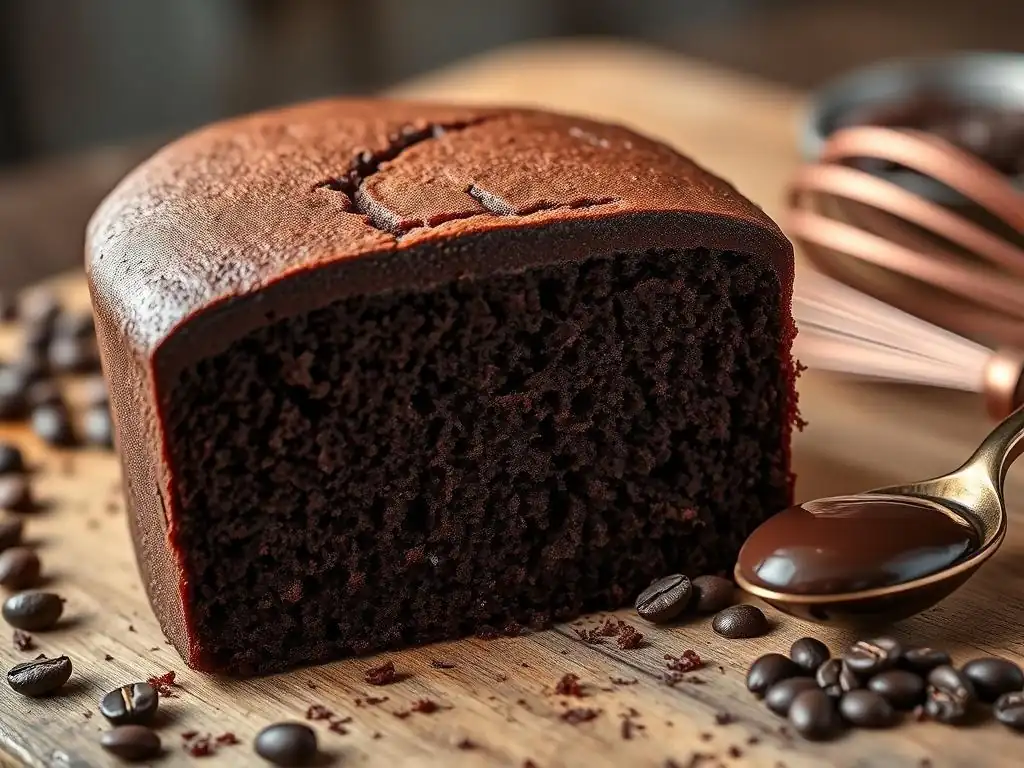
The creaming method, where softened butter and sugar are beaten together, is a fundamental technique for building structure and tenderness. As the sugar crystals are beaten into the butter, they create tiny air pockets. These air pockets are the initial leavening for the cake and provide nucleation sites for the gases produced by chemical leaveners to expand during baking.
Proper creaming involves beating the mixture until it is light in color and fluffy in texture, which usually takes 3 to 5 minutes on medium speed with an electric mixer. This process incorporates a significant amount of air, contributing to a finer, lighter, and more even perfect chocolate cake crumb. Skipping or rushing this step will result in a denser cake with a less desirable texture.
Folding Techniques: Maintaining a Light and Airy Batter
Once air has been incorporated into the batter through creaming or the action of leavening agents, it's crucial to handle the batter gently to avoid deflating it. This is where folding comes in. Folding is a technique used to combine ingredients delicately, often when adding dry ingredients to the wet mixture or incorporating whipped egg whites or melted chocolate.
Using a spatula and a gentle, scoop-and-turn motion, you combine the ingredients just until no streaks remain. Overmixing or beating vigorously at this stage develops too much gluten and knocks out the precious air bubbles, leading to a tough, dense crumb. Gentle folding preserves the aeration necessary for a light and tender perfect chocolate cake crumb.
Baking Temperature and Time: Optimizing for a Perfect Crumb
Baking is the process where the batter transforms into a cake. The oven temperature and baking time are critical for achieving the desired crumb. The heat causes the leavening gases to expand, the proteins to coagulate and set the structure, the starches to gelatinize, and the water to evaporate.
Baking at the correct temperature ensures that these processes happen at the right speed. An oven that is too hot can cause the outside of the cake to set too quickly, potentially leading to a cracked top, uneven rise, or dry edges before the center is cooked. An oven that is too cool can cause the cake to take too long to bake, potentially drying it out before the structure is set.
Using an oven thermometer is highly recommended to ensure your oven is accurately preheated, helping you achieve a consistently baked perfect chocolate cake crumb. Baking time is determined by visual cues (golden edges, pulling away from the pan) and the skewer test (a skewer inserted into the center should come out with moist crumbs, not wet batter).
Troubleshooting Common Chocolate Cake Crumb Issues
Dense and Heavy Crumb: Identifying Causes and Solutions
A dense or heavy crumb is a common frustration. This can be caused by several factors: overmixing the batter (developing too much gluten), insufficient leavening (expired baking powder/soda or incorrect amount), inaccurate measurement of ingredients (especially too much flour or fat relative to liquid/leavening), or baking in an oven that is too cool, preventing sufficient rise before the structure sets.
To address this, first check the freshness of your leavening agents – baking powder is typically good for 6-12 months after opening, baking soda longer, but both lose potency. Ensure accurate measurement, ideally using a scale for dry ingredients like flour and sugar (a cup of flour can vary by 20-30g depending on how it's scooped). Avoid overmixing; mix only until ingredients are just combined. Finally, verify your oven temperature with a thermometer.
Dry and Crumbly Crumb: Preventing Moisture Loss
A dry and crumbly crumb often results from a lack of moisture or overbaking. Causes include using too much flour or cocoa powder relative to liquid, fat, and sugar; baking at too high a temperature; overbaking (leaving the cake in the oven too long); or improper cooling that leads to moisture evaporation.
Ensure accurate ingredient measurements, particularly dry ingredients which are prone to packing down in volume measures. Consider using a kitchen scale for precision. Verify your oven temperature is accurate.
Bake only until the cake tests done – a skewer inserted into the center should come out with moist crumbs attached, not liquid batter, and not completely clean. Cool cakes in the pan for the time specified in the recipe (usually 10-15 minutes) before transferring to a wire rack; cooling completely in the pan can sometimes lead to a gummy bottom, while removing too soon can cause breakage or rapid moisture loss.
Uneven Crumb: Ensuring Proper Mixing and Baking
An uneven crumb, characterized by tunnels, large holes, or dense pockets alongside airy areas, can detract from the perfect chocolate cake crumb. Common causes include uneven mixing, leaving pockets of dry ingredients or unincorporated fat/liquid; uneven oven temperature, causing parts of the cake to rise or set faster than others; or not spreading the batter evenly in the pan.
To achieve an even crumb, always scrape down the sides and bottom of your mixing bowl multiple times during the mixing process to ensure all ingredients are thoroughly combined. If your oven has hot spots, consider rotating the cake pan halfway through the baking time. Ensure the batter is spread evenly in the prepared pan before baking, paying attention to corners and edges.
Recipe: Achieving a Perfect Chocolate Cake Crumb
Ingredient Ratios for Optimal Crumb Structure
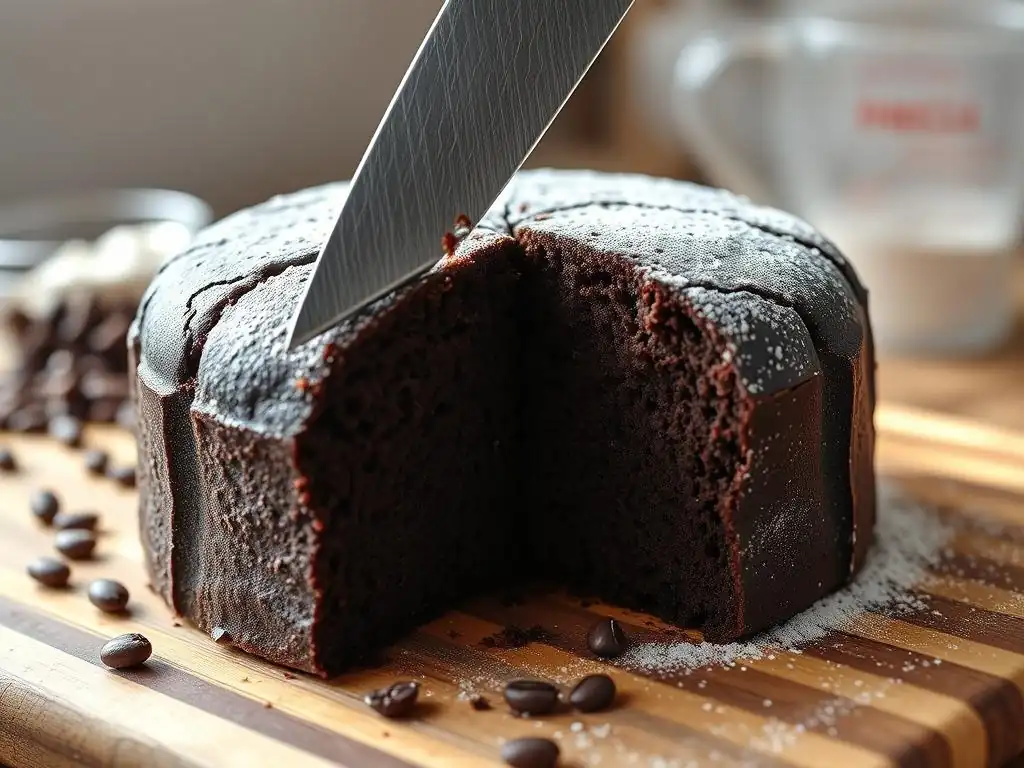
While recipes vary widely, many successful chocolate cakes aiming for a moist, tender crumb often feature certain ratio tendencies. By weight, the amount of sugar is often equal to or slightly more than the flour. The amount of fat (butter, oil, plus fat from melted chocolate/eggs) is typically 50% to 100% of the flour weight. Liquid (milk, buttermilk, coffee, eggs) is often roughly equal to or slightly more than the total dry ingredients (flour, cocoa, sugar) by weight.
Leavening is carefully balanced to the amount of flour and acid in the recipe. For example, a classic moist chocolate cake might use approximately equal parts flour and sugar by weight, with liquid (including eggs) slightly exceeding the dry ingredients, and fat comprising around 60-80% of the flour weight. These ratios help ensure sufficient moisture and tenderness for a perfect chocolate cake crumb.
Step-by-Step Guide to a Flawless Chocolate Cake Crumb
Achieving a flawless crumb requires careful technique alongside the right ingredients. Here is a basic outline using a common method:
[ ] Preheat oven to 350°F (175°C) and prepare your cake pans by greasing and flouring them, or lining with parchment paper.[ ] In a large bowl, whisk together your dry ingredients: flour, cocoa powder, baking powder, baking soda, and salt. Ensure they are well combined.[ ] In a separate large bowl, cream together softened butter and sugar using an electric mixer until light and fluffy, typically 3-5 minutes. This incorporates essential air.[ ] Beat in eggs one at a time, mixing well after each addition. Scrape down the bowl as needed.[ ] In a small bowl, whisk together liquid ingredients like milk, buttermilk, or coffee, and any vanilla extract.[ ] Add the dry ingredients to the wet ingredients in three alternating additions, starting and ending with the dry. Mix on low speed just until no dry streaks remain. Do not overmix.[ ] If using hot liquid or melted chocolate, gently fold it in at the end.[ ] Pour the batter evenly into the prepared pans.[ ] Bake for the time specified in your recipe, usually 30-35 minutes for 8-inch rounds, or until a skewer inserted into the center comes out with moist crumbs attached.[ ] Let the cakes cool in the pans on a wire rack for 10-15 minutes before inverting them onto the rack to cool completely.
Mastering the Art of Chocolate Cake Crumb
Experimenting with Different Ingredients and Techniques
Becoming a master of the perfect chocolate cake crumb involves more than just following recipes – it's about understanding why ingredients and techniques work. Don't be afraid to experiment once you're comfortable with a basic recipe. Try replacing some granulated sugar with brown sugar to see how it affects moisture. Swap butter for oil in a recipe (adjusting quantities if necessary, as oil is 100% fat) to observe the difference in tenderness and keeping quality.
Keep a baking journal to note your changes and the results. Did using hot coffee make the chocolate flavor pop more? Did using buttermilk instead of milk create a more tender crumb? Small, controlled experiments will deepen your understanding and help you develop intuition for how different ingredients behave and contribute to the final perfect chocolate cake crumb.
Adjusting Recipes for Your Preferred Crumb Texture
Armed with knowledge about how ingredients function, you can start making informed adjustments to recipes to suit your personal preference for a perfect chocolate cake crumb. If you find a recipe consistently yields a dry cake, you might try slightly reducing the flour (e.g., by 5-10%) or slightly increasing the liquid or fat in your next attempt. If a cake is too dense, ensure your leavening is fresh and you aren't overmixing.
Understanding the typical ratios and the role of each component allows you to troubleshoot and modify recipes effectively. For instance, if you prefer a fudgier, denser crumb, you might lean towards recipes using melted chocolate and oil, or increase the proportion of fat and sugar. If you prefer a light, airy crumb, focus on proper creaming, gentle folding, and potentially using cake flour.
Resources for Perfecting Your Chocolate Cake Baking Skills
To truly perfect your perfect chocolate cake crumb and overall chocolate cake baking skills, continue learning. Many excellent baking books provide detailed explanations of ingredient science and techniques that apply to all types of cakes, not just chocolate ones. Reputable online baking resources and communities offer a wealth of shared knowledge, tips, and troubleshooting advice from experienced bakers.
Focus on resources that explain the why behind the instructions, helping you build a strong foundation in baking principles. The more you understand how flour, sugar, fat, eggs, and leavening interact, the better equipped you will be to diagnose issues, adapt recipes, and consistently achieve the delicious, tender, and moist perfect chocolate cake crumb you desire.
Frequently Asked Questions
What are the most important ingredients for achieving a perfect chocolate cake crumb?
The most important ingredients are usually a combination of high-quality cocoa powder, proper flour type (cake flour is often recommended), and sufficient moisture from ingredients like buttermilk or oil.
How does the type of flour affect the crumb of a chocolate cake?
Different flours have varying protein contents. Cake flour, with its lower protein content, creates a more tender and delicate crumb compared to all-purpose flour, which can lead to a tougher cake.
Why is moisture so crucial for a good chocolate cake crumb?
Moisture helps to create a soft and tender crumb by preventing the cake from becoming dry and dense. Ingredients like buttermilk, sour cream, or oil contribute to this essential moisture.
Can overmixing the batter affect the crumb of a chocolate cake?
Yes, overmixing can develop too much gluten, resulting in a tough and chewy crumb. Gentle mixing until just combined is key to a tender texture.
What role does cocoa powder play in the texture of a chocolate cake crumb?
The type and quality of cocoa powder significantly impacts the crumb. A higher-quality cocoa powder contributes to a richer flavor and a more tender and moist crumb due to its fat content and ability to absorb moisture.
Final Reflection: The Enduring Allure of the Perfect Chocolate Cake Crumb
The pursuit of the perfect chocolate cake crumb is more than just a baking challenge; it's a reflection of our desire for precision, artistry, and ultimately, pure joy. The meticulous exploration of ingredients, from the type of cocoa powder to the precise ratio of flour and fat, as detailed in this article, highlights the profound impact even the smallest detail can have on the final product. This isn't just about a recipe; it's about understanding the fundamental principles of baking and how they translate into a sensory experience.
The quest for that ideal crumb has shaped baking traditions for generations, influencing everything from family recipes passed down through time to the innovative creations of modern pastry chefs. The subtle differences in texture – the delicate melt-in-your-mouth quality versus a more robust, sturdy crumb – speak to a broader cultural appreciation for nuance and craftsmanship. Baking is at once child's play and adult joy. And love, of course.
This quote perfectly encapsulates the emotional connection we forge with food, particularly something as universally beloved as chocolate cake.
Consider the next time you bake a chocolate cake, the power you hold in your hands. You are not simply following a recipe; you are participating in a long tradition of culinary artistry, striving for perfection, and ultimately, creating something beautiful and delicious to share. Embrace the challenge, experiment with different ingredients, and discover the joy of achieving your own perfect chocolate cake crumb. The journey, with all its delightful imperfections, is just as rewarding as the destination.
Unlock Your Inner Cake Boss: Mastering the Crumb
Thanks for joining us on this delicious journey into the world of perfectly crumbed chocolate cakes! We hope you've gained valuable insights into the key ingredients that make all the difference. Ready to put your new knowledge into practice?
- Bake the perfect cake: Try our recipe, focusing on the ingredient ratios we discussed – you'll be amazed by the difference! Use the freshest ingredients you can find for the best results.
- Share your success: Snap a photo of your masterpiece and tag us on social media – we'd love to see your creation!
- Explore our other cake recipes: Discover even more baking secrets and techniques to enhance your skills.
Now, tell us: What's your favorite ingredient to experiment with when baking a chocolate cake?