
Using Chocolate Extract: Boosting Flavor Safely and Effectively

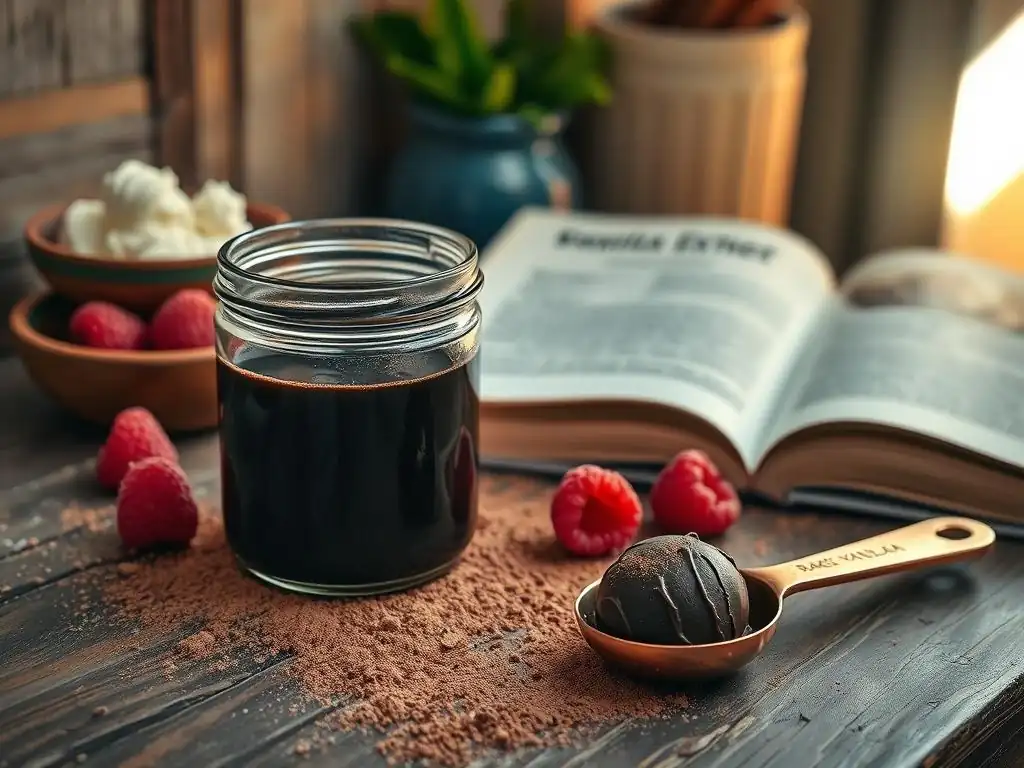
Welcome to BakeWithEase, your guide to confident baking! Ever wondered how to unlock the full potential of chocolate in your creations, even without adding extra cocoa powder? Our latest Ingredient Deep Dive explores the fascinating world of how to use chocolate extract to amplify flavor safely and effectively. Intrigued? Discover the secrets to a richer, more decadent baking experience – the journey starts here!
- Chocolate Extract: Flavor Enhancement for Baking
- Baking Refined: Mastering Chocolate Extract
- Understanding Chocolate Extract
- Using Chocolate Extract in Baking
- Safe Handling and Storage
- Maximizing Chocolate Flavor
- Troubleshooting
- Recipes Using Chocolate Extract
- Purchasing Quality Chocolate Extract
- Final Thoughts
-
Frequently Asked Questions
- How does chocolate extract differ from cocoa powder in baking?
- When is the best time to add chocolate extract to a recipe?
- Can I substitute chocolate extract for other chocolate ingredients?
- How much chocolate extract should I use in a recipe?
- Is chocolate extract safe for people with chocolate allergies?
- Final Reflection: The Enduring Allure of Chocolate Extract
- Unleash the Power of Chocolate Extract!
Chocolate Extract: Flavor Enhancement for Baking
Baking Refined: Mastering Chocolate Extract
Guide to Using Chocolate Extract
Learning how to use chocolate extract effectively is a valuable skill for any baker looking to deepen and enrich the chocolate flavor in their creations without altering the texture or adding extra fat or sugar. This potent liquid, typically made by steeping cocoa beans in alcohol, captures the essence of chocolate. Unlike cocoa powder or melted chocolate, which contribute bulk and require careful balancing of other ingredients, extract offers a concentrated flavor boost that integrates seamlessly into wet ingredients. Mastering how to use chocolate extract means understanding its potency and how it interacts with other flavors.
A key aspect of how to use chocolate extract involves starting with a small amount and adjusting to taste, especially when working with a new recipe or extract brand. For instance, in a standard cake recipe using 2 cups of flour, you might start with just 1 to 1.5 teaspoons of chocolate extract. Adding it alongside other liquid flavorings like vanilla ensures even distribution throughout the batter or dough. This method allows you to layer chocolate notes, complementing the richness from cocoa powder or melted chocolate, resulting in a more complex and satisfying final product.
Understanding Chocolate Extract
What is Chocolate Extract?
Chocolate extract is a concentrated flavoring derived from cocoa beans. It is typically produced by percolating or steeping roasted cocoa beans in a solvent, most commonly food-grade alcohol, similar to how vanilla extract is made. This process pulls the flavor compounds from the cocoa beans into the liquid. The resulting extract is a potent, dark liquid that carries the characteristic aroma and taste of chocolate, offering a pure flavor profile without the fats, sugars, or solids found in cocoa powder or solid chocolate.
The composition of chocolate extract varies slightly depending on the manufacturer, but pure chocolate extract will primarily contain alcohol, water, and the flavor compounds extracted from cocoa. Imitation versions may use artificial flavorings and different solvents. The intensity of the extract is directly related to the concentration of cocoa solids used in the extraction process and the quality of the beans. A high-quality pure extract will have a rich, deep aroma and a complex chocolate flavor profile.
Benefits of Chocolate Extract in Recipes
One of the primary benefits of incorporating chocolate extract into your baking is its ability to intensify chocolate flavor without adding significant volume, fat, or sweetness. This is particularly useful in recipes where you want a deep, dark chocolate taste but don't want to add more cocoa powder, which can dry out baked goods, or more melted chocolate, which adds fat and affects texture. For example, adding just 1 teaspoon of extract to a batch of chocolate chip cookies can noticeably enhance the chocolate notes from the chips and cocoa powder without changing the dough's consistency.
Furthermore, chocolate extract can help round out and enhance the flavors already present in a recipe. It can boost the impact of cocoa powder in brownies or add a subtle layer of complexity to a vanilla cake. Because it's a liquid, it distributes easily throughout batters and doughs, ensuring consistent flavor in every bite. Compared to using only solid chocolate or cocoa, the extract offers a 'cleaner' chocolate note that works well for layering flavors, making it a versatile tool for bakers aiming for nuanced taste profiles.
Chocolate Extract vs. Other Flavor Enhancers
Chocolate extract differs significantly from other common chocolate flavorings like cocoa powder and melted chocolate. Cocoa powder provides intense chocolate flavor but also contributes to the dry ingredients in a recipe, requiring careful balance of liquids. Melted chocolate adds richness and flavor but also introduces fat and sugar, which drastically impacts the texture and structure of baked goods, often requiring recipe adjustments for ingredients like butter or sugar. Chocolate extract, being a liquid flavor concentrate, adds negligible volume, fat, or sugar.
Compared to other extracts like vanilla, chocolate extract provides a specific chocolate note rather than a general sweet or aromatic one. Vanilla extract is often used alongside chocolate extract because vanilla enhances and supports chocolate flavors. While both are potent liquids added in small amounts, their flavor profiles are distinct. Understanding how to use chocolate extract in combination with these other enhancers allows for greater control over the final flavor outcome, enabling bakers to create deeply layered and complex tastes.
Using Chocolate Extract in Baking

Selecting the Right Extract
Choosing the right chocolate extract is the first step in effectively using it in your baking. Look for "pure" chocolate extract rather than "imitation." Pure extracts are made from real cocoa beans steeped in alcohol, offering a more authentic and complex flavor. Imitation extracts use artificial flavorings which can sometimes taste chemical or less nuanced. Checking the ingredient list is crucial; pure extract will list alcohol, water, and extractives of cocoa bean.
Consider the intensity and specific notes you desire. Some pure extracts might emphasize darker, more bitter chocolate notes, while others might be smoother. Reading product descriptions or reviews can give you an idea of the flavor profile. While price can be an indicator of quality, it's not the sole factor. A reputable brand known for quality extracts, even if slightly more expensive (e.g., $10-$15 for a 2oz bottle), is often a better investment for superior flavor compared to a very cheap imitation version.
Determining Dosage
Determining the correct dosage of chocolate extract is key to avoiding an overpowering or insufficient flavor. As a general guideline, start with about 1 to 1.5 teaspoons of chocolate extract per standard recipe, such as one yielding 12-18 cookies or a single 8 or 9-inch cake layer. This is roughly equivalent to the amount of vanilla extract typically used. For a large batch of brownies in a 9x13 inch pan, you might use 1.5 to 2 teaspoons.
It's always better to start with a conservative amount because you can add more but cannot easily remove it. Taste the batter or dough if it's safe to do so (e.g., cookie dough, cake batter before adding eggs if you're cautious) or make a small test batch if possible. If the chocolate flavor isn't pronounced enough after baking, make a note to increase the amount by 1/4 or 1/2 teaspoon the next time you make the recipe. Record your adjustments to perfect the dosage for your specific extract and recipe.
Knowing how to use chocolate extract involves adding it at the right stage of the baking process. For most recipes, including cakes, cookies, and brownies, chocolate extract should be added along with the other liquid ingredients. This usually means whisking it into the wet ingredients mixture (like eggs, milk, melted butter, and vanilla extract) before combining the wet and dry components. Adding it early ensures it is fully dispersed throughout the batter or dough, providing uniform flavor.
In cake recipes, add the extract when creaming butter and sugar or when incorporating eggs and other wet ingredients. For cookies, mix it into the wet ingredients before adding the flour mixture. In brownies, where melted chocolate or cocoa is often prominent, add the extract with the eggs and sugar or alongside other liquid flavorings. This simple step integrates the extract effectively, allowing its flavor compounds to meld with the other ingredients during mixing and baking.
Adjusting Recipes for Flavor
Adjusting existing recipes to include chocolate extract or modifying the amount based on desired intensity is straightforward. If you're adapting a recipe that doesn't call for chocolate extract but you want to deepen the chocolate notes (e.g., a standard chocolate cake using cocoa powder), start by adding 1 teaspoon of extract along with the vanilla extract. For a recipe that already uses chocolate extract but you want a stronger flavor, increase the amount by 1/4 or 1/2 teaspoon incrementally in subsequent batches.
When increasing the dosage significantly (e.g., doubling the amount), consider if the slight increase in liquid will affect the recipe, although with typical amounts (under 2-3 teaspoons), this is rarely an issue. The primary adjustment is simply finding the amount that delivers your preferred level of chocolate intensity. Experimentation is key to mastering how to use chocolate extract to tailor recipes to your taste preferences.
Safe Handling and Storage
Storing Extract for Potency
Proper storage is essential to maintain the potency and quality of your chocolate extract. Like most extracts, it should be stored in a cool, dark place, away from direct sunlight and heat sources. A pantry or cupboard shelf is ideal. Heat and light can degrade the delicate flavor compounds over time, diminishing the extract's effectiveness.
Ensure the bottle is tightly sealed after each use. Exposure to air can cause the alcohol base to evaporate, concentrating the flavor but potentially altering its balance or causing oxidation. A tightly sealed cap prevents evaporation and keeps the extract fresh and potent for longer, ensuring that when you learn how to use chocolate extract, you are using a product at its peak flavor.
Shelf Life of Chocolate Extract
Pure chocolate extract, due to its alcohol base, has a relatively long shelf life, similar to vanilla extract. Typically, a bottle of pure chocolate extract can last for 2 to 4 years, or even longer, if stored correctly. The alcohol acts as a preservative, preventing microbial growth. While it may not "spoil" in a way that makes you sick, its flavor quality can diminish over time.
Imitation extracts may have a slightly shorter shelf life due to different ingredients. The best indicator of shelf life is often the 'best by' date provided by the manufacturer. However, even past this date, the extract may still be usable, though its flavor may be less vibrant. The key is to store it properly to maximize its usable life and flavor potency.
Identifying Expired Extract
Identifying whether chocolate extract has gone bad is primarily about assessing its aroma and appearance. A good, potent chocolate extract should have a strong, pleasant chocolate aroma. If the extract smells weak, off, or develops a strange chemical odor, its quality has likely degraded, and it won't contribute much flavor to your baking.
Visually, the extract should be clear (though some natural extracts might have minor sediment, which is usually fine) and its typical dark color. If the extract appears cloudy, significantly lighter in color, or has visible mold or unusual particles (beyond expected sediment in some pure extracts), it's best to discard it. While the alcohol content prevents typical spoilage, flavor degradation is the main sign that the extract is past its prime for effective use in baking.
Maximizing Chocolate Flavor

Enhancing Flavor in Cakes
Chocolate extract is a fantastic tool for enhancing the chocolate flavor in cakes, whether they are made with cocoa powder or melted chocolate. Adding 1 to 2 teaspoons of extract to the wet ingredients of a chocolate cake batter can deepen the existing chocolate notes, making the cake taste richer and more intense. This is particularly effective in recipes that might otherwise result in a milder chocolate flavor.
Beyond the cake batter itself, chocolate extract can also be used to boost the flavor of chocolate frostings, glazes, or sauces. Stirring a small amount (start with 1/2 teaspoon per cup of frosting) into buttercream or ganache can elevate the chocolate taste significantly. This technique allows you to layer the chocolate flavor, ensuring a powerful impact in both the cake and its accompanying elements.
For chocolate chip cookies, double chocolate cookies, or any cookie where you want the chocolate flavor to truly shine, chocolate extract is an excellent addition. Adding 1 to 1.5 teaspoons to the cookie dough along with the vanilla extract helps to amplify the chocolate notes from the cocoa powder and/or chocolate chips. This little boost makes the chocolate flavor more prominent and satisfying.
Even in recipes that are not primarily chocolate but contain chocolate elements, like oatmeal cookies with chocolate chips, a splash of chocolate extract can make the chocolate components stand out more. It ensures that the chocolate flavor is not lost amidst other ingredients, contributing to a more balanced and flavorful cookie overall.
Richer Brownies with Extract
Brownies are a classic candidate for maximizing chocolate flavor, and chocolate extract plays a significant role here. Often made with a combination of cocoa powder and melted chocolate, brownies already have a strong chocolate base. Adding 1.5 to 2 teaspoons of chocolate extract to the batter, usually with the eggs and sugar, further intensifies this flavor profile.
The extract helps to bridge the flavors from cocoa powder (which provides depth and color) and melted chocolate (which provides richness and fudginess), creating a more cohesive and potent chocolate taste. It ensures that every bite is packed with deep, dark chocolate flavor, making your homemade brownies taste even more decadent.
Combining Extract with Other Flavors [Coffee, Vanilla, Peppermint]
Chocolate extract pairs exceptionally well with a variety of other flavors, creating classic and delicious combinations. Coffee is a natural partner for chocolate; adding a small amount of brewed coffee or coffee extract alongside chocolate extract can significantly enhance the perceived chocolate flavor in baked goods, making it taste deeper and more complex. Use about 1 teaspoon of each in a standard cake recipe.
Vanilla extract is almost always used with chocolate extract, as vanilla helps to round out and support the chocolate notes, making them brighter and more pronounced. Using equal parts vanilla and chocolate extract is a common practice. For festive or refreshing twists, chocolate extract also combines beautifully with peppermint extract. A small amount (e.g., 1/2 teaspoon of peppermint extract per teaspoon of chocolate extract) can transform a simple chocolate recipe into a mint-chocolate delight.
Troubleshooting
Correcting Overpowering Flavors
If you accidentally add too much chocolate extract and the flavor is overpowering, correcting it can be challenging, especially after baking. However, for batters or doughs before baking, you might be able to increase the quantities of the other main ingredients slightly (like flour, sugar, or butter) to dilute the flavor, provided this doesn't significantly alter the recipe's structure. For example, in a large cake batter, you might carefully fold in an extra tablespoon or two of the dry ingredients mixture if the batter can handle it.
After baking, if the flavor is too strong, you can try to balance it with other elements. For a cake or brownies, a less intensely flavored frosting or glaze can help. Serving with whipped cream or ice cream can also temper the strong flavor. In cookies, pairing them with a glass of milk can help. Unfortunately, once baked, it's difficult to reduce an overpowering extract flavor within the baked good itself.
Increasing Dosage Effectively
If, after baking, you find the chocolate flavor from the extract is not pronounced enough, the solution for the next time is simply to increase the dosage. When learning how to use chocolate extract, it's best to increase in small increments, typically 1/4 to 1/2 teaspoon at a time for a standard recipe. This allows you to gauge the impact of the added extract without risking an overpowering flavor.
Make a note of the original amount used and the new amount. For example, if 1 teaspoon wasn't enough in a cookie recipe, try 1.5 teaspoons next time. If that's still too weak, try 2 teaspoons on the subsequent attempt. Keep track of these adjustments in your recipe notes to find the perfect level of chocolate intensity for your preference and specific extract brand.
Maintaining Texture Balance
Using typical amounts of chocolate extract (usually 1-3 teaspoons per recipe) has virtually no impact on the texture of baked goods. The small volume of liquid added is negligible compared to the total volume of wet and dry ingredients in a standard recipe. You can add 1-2 teaspoons to a cake batter or cookie dough without needing to adjust other ingredients like flour or liquid.
However, if for some reason you were attempting to add an unusually large quantity of extract (which is generally not recommended due to flavor potency), the extra liquid could potentially affect the texture, making a cake slightly denser or cookies spread more. In such an unlikely scenario, you might need to slightly increase the dry ingredients (e.g., 1-2 tablespoons of flour per extra tablespoon of extract) to compensate, but this is rarely necessary when learning how to use chocolate extract correctly within standard dosages.
Recipes Using Chocolate Extract
Deep Chocolate Cake
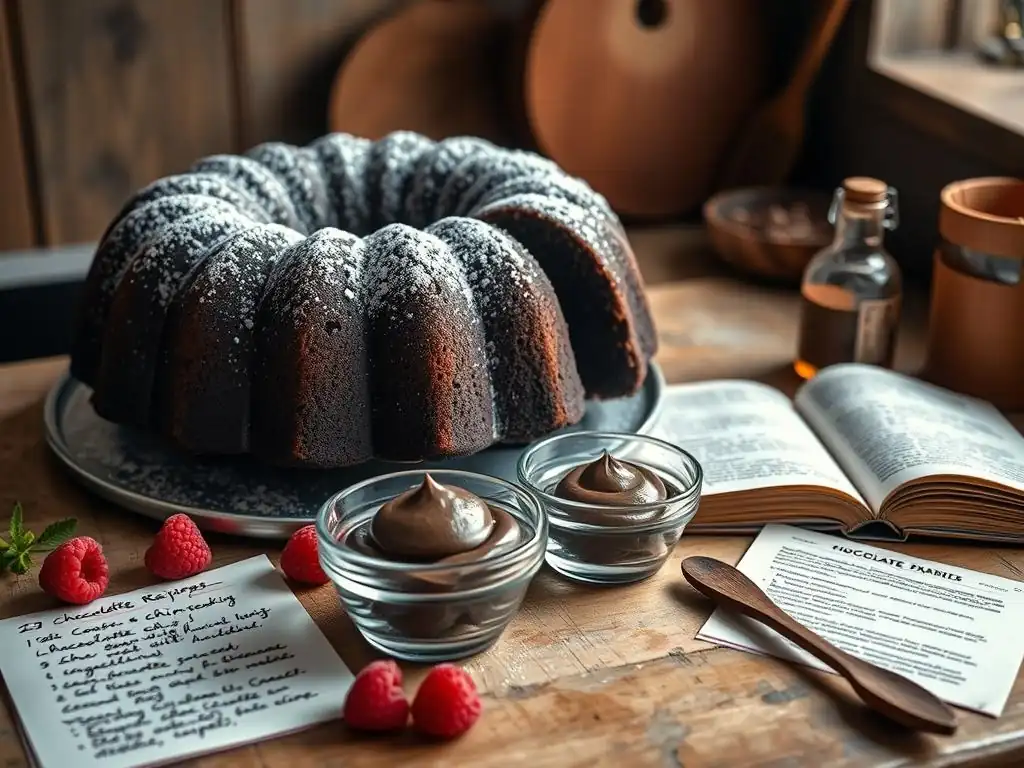
A deep chocolate cake often relies on multiple sources of chocolate flavor for intensity, and chocolate extract is a key component. In a typical recipe for a two-layer 8-inch cake, you might use 3/4 cup of cocoa powder and 4 ounces of melted unsweetened chocolate. Adding 1.5 to 2 teaspoons of pure chocolate extract to the wet ingredients, alongside 1 teaspoon of vanilla extract, amplifies the rich, dark notes from the cocoa and melted chocolate.
The extract helps to deepen the overall chocolate profile, making the cake taste more complex and luxurious. It ensures that the intense chocolate flavor permeates every crumb, complementing the moist texture achieved through ingredients like buttermilk or sour cream. The extract works synergistically with the other chocolate elements to create a truly profound chocolate experience.
Double chocolate chip cookies, which feature cocoa powder in the dough and chocolate chips, benefit greatly from the addition of chocolate extract. For a batch yielding about 2 dozen cookies, using 1/2 cup of cocoa powder and 1 cup of chocolate chips is common. Stirring in 1 teaspoon of chocolate extract with the eggs and vanilla extract enhances the flavor of both the cocoa-based dough and the melted chocolate chips.
The extract boosts the foundational chocolate taste of the dough, making the chocolate chips taste even more intense against that backdrop. It helps create a more cohesive chocolate flavor throughout the cookie, preventing the chocolate notes from tasting flat or one-dimensional. This simple addition elevates a standard double chocolate cookie to something truly special.
Fudgy Brownies
Fudgy brownies are all about intense chocolate flavor and a dense, moist texture. Many recipes achieve this using a combination of melted chocolate and cocoa powder. For a 9x13 inch pan of brownies, you might use 6 ounces of melted unsweetened or bittersweet chocolate and 1/4 cup of cocoa powder. Incorporating 1.5 teaspoons of chocolate extract into the wet ingredients, often with the eggs, sugar, and vanilla, significantly enhances the fudgy, deep chocolate notes.
The extract works to intensify the rich flavor from the melted chocolate while also boosting the darker, more complex notes from the cocoa powder. It helps create that signature intense, almost overwhelming chocolate flavor that is the hallmark of a truly fudgy brownie. The small amount of liquid extract does not negatively impact the dense, chewy texture desired in a fudgy brownie.
Purchasing Quality Chocolate Extract
Choosing Reputable Brands
When learning how to use chocolate extract, starting with a quality product makes a significant difference in flavor outcome. Look for reputable brands that specialize in extracts and flavorings. These companies often use higher quality cocoa beans and better extraction processes. Check the ingredient list to ensure it's a "pure" extract made from cocoa bean extractives, alcohol, and water, avoiding artificial flavors.
Brands that use ethical sourcing practices for their cocoa beans may also produce extracts with more nuanced and authentic flavors. While specific brand names cannot be listed here, researching reviews and ingredient lists from well-known extract manufacturers is a good starting point. Prioritizing pure extract over imitation will yield superior results in your baking.
Price Range Considerations
The price of chocolate extract can vary depending on whether it's pure or imitation, the brand's reputation, and the size of the bottle. A small 2-ounce bottle of pure chocolate extract from a reputable brand typically ranges from $8 to $15. Larger bottles or extracts from gourmet suppliers might cost more. Imitation extracts are usually significantly cheaper, often under $5 for a similar size.
While imitation extracts are less expensive, the difference in flavor quality is often noticeable. For serious bakers or those wanting the best possible chocolate flavor, investing in a pure extract is generally worthwhile. Consider the price per ounce and how frequently you plan to use the extract when making your purchase decision.
Recommended Products
When seeking quality chocolate extract, focus on identifying products labeled "pure" chocolate extract. These extracts are derived directly from cocoa beans, offering an authentic and complex flavor profile superior to imitation versions. Look for products with a simple ingredient list, typically consisting of alcohol, water, and cocoa bean extractives. Some high-quality extracts may specify the type of cocoa bean used, which can indicate a more refined product.
Consider the alcohol percentage, as it affects the extraction process and preservation; most pure extracts have an alcohol content around 35-40%. Packaging can also be an indicator of quality; extracts stored in dark glass bottles are better protected from light degradation. While specific brands cannot be recommended, prioritizing pure extracts from companies known for their overall quality of flavorings is a reliable approach to finding a product that will genuinely enhance your baking.
Final Thoughts
Unleashing the Power of Chocolate Extract
Mastering how to use chocolate extract unlocks a new level of flavor intensity and complexity in your baking. This potent ingredient allows you to boost chocolate notes without altering the crucial balance of fats, sugars, and dry ingredients in your recipes. Whether you're aiming for a deeper, darker chocolate cake, more intensely flavored cookies, or richer, fudgier brownies, a small amount of quality chocolate extract can make a significant difference. It's a secret weapon for adding that extra 'oomph' to your chocolate creations.
By understanding its properties, selecting a pure extract, and learning how to determine the right dosage for different applications, you can effectively leverage chocolate extract to enhance almost any chocolate-flavored baked good. It's a versatile tool that complements other chocolate ingredients like cocoa powder and melted chocolate, creating a more layered and satisfying taste experience for anyone who loves baking with chocolate.
Experimenting with New Flavor Combinations
Once you're comfortable with how to use chocolate extract to boost primary chocolate flavors, don't hesitate to experiment with exciting flavor combinations. Chocolate pairs beautifully with a wide range of ingredients, and the extract makes it easy to incorporate these pairings. Try adding a hint of coffee extract or instant espresso powder alongside the chocolate extract in your next cake or brownie recipe for a mocha twist.
Consider classic combinations like mint-chocolate by adding a drop or two of peppermint extract, or orange-chocolate by using a bit of orange zest or extract. Chocolate extract also works well with spices like cinnamon, chili, or cardamom for more adventurous flavors. The concentrated nature of the extract allows you to introduce these complementary flavors without adding significant volume, opening up a world of delicious possibilities in your baking adventures.
Frequently Asked Questions
How does chocolate extract differ from cocoa powder in baking?
Chocolate extract is a liquid flavoring that delivers a concentrated chocolate taste without adding bulk or dryness. Cocoa powder, on the other hand, adds both chocolate flavor and dry matter to a recipe.
When is the best time to add chocolate extract to a recipe?
It's generally best to add chocolate extract towards the end of the baking process, often right before mixing is complete. This helps to preserve its flavor and prevent it from baking out.
Can I substitute chocolate extract for other chocolate ingredients?
While you can't directly substitute it for solid chocolate like chips or bars, you can often use it to enhance the chocolate flavor when using cocoa powder or melted chocolate. It boosts the taste, rather than replacing the main chocolate component.
How much chocolate extract should I use in a recipe?
Start with a small amount, typically 1/2 to 1 teaspoon per batch, and adjust to taste. Remember that chocolate extract is highly concentrated, so a little goes a long way in most recipes.
Is chocolate extract safe for people with chocolate allergies?
Generally, chocolate extract is not safe for those with chocolate allergies, as it contains real chocolate derivatives. Always check the ingredient list to confirm its composition and avoid potential allergic reactions.
Final Reflection: The Enduring Allure of Chocolate Extract
The subtle art of using chocolate extract transcends mere culinary technique; it's about unlocking layers of flavor and creating unforgettable experiences. From the simplest of desserts to the most complex gourmet creations, the ability to wield this potent ingredient effectively is a skill that elevates any baker or cook. This article has explored the nuances of using chocolate extract, highlighting its versatility and the importance of understanding its concentration for optimal results.
The impact of chocolate, in all its forms, on our cultural landscape is undeniable. It's a symbol of celebration, comfort, and indulgence, woven into our traditions and celebrations. Chocolate is a gift from the gods.
While this quote's origin is debated, its sentiment rings true. The careful use of chocolate extract allows us to harness this powerful symbol, adding depth and richness to our culinary creations, and sharing the joy of chocolate in a refined and controlled way. This exploration of its application has hopefully broadened your understanding of its potential.
Now, consider your own culinary journey. What new flavor combinations will you explore using the knowledge gained here? Will you experiment with different types of chocolate extract, or perhaps incorporate it into unexpected dishes? The possibilities are as rich and diverse as the flavor profile of chocolate itself. Embrace the challenge, experiment fearlessly, and discover the magic that lies within a simple bottle of chocolate extract. Let your creativity flow, and share the delicious results with those you love.
Unleash the Power of Chocolate Extract!
Thanks for taking the time to explore the delicious world of chocolate extract with us! You've learned how to elevate your baking with this versatile ingredient, and now it's time to put that knowledge to work.
- Experiment with a new recipe: Try substituting chocolate extract in your favorite cookie or cake recipe – the results might surprise you! Even a small amount can make a big difference.
- Share your creations: Post a picture of your chocolate-extract masterpiece on social media and tag us – we'd love to see your culinary triumphs!
- Dive deeper into flavor profiles: Research different types of chocolate extracts (dark, milk, white) and experiment with blending them for unique flavor combinations.
What unexpected flavor combinations will you create with chocolate extract?