
Choosing Ethical Chocolate: Bake Good, Do Good


Welcome to BakeWithEase!
Discover the delicious world of baking while making a positive impact. Are you ready to elevate your creations and contribute to a more sustainable future? This week, we're diving deep into the heart of ethical chocolate baking recipes. Unlock the secrets to sourcing responsible chocolate and transform your favorite treats into symbols of conscious consumption. Read on to learn how you can bake good and do good, one decadent bite at a time!
- BakeWithEase: Your Guide to Ethical Chocolate Baking Recipes
- Understanding Ethical Chocolate and Its Importance in Baking
- Identifying Ethical Chocolate Brands for Baking
- Ethical Chocolate Baking Recipes: Delicious and Responsible Treats
- Tips for Sourcing and Using Ethical Chocolate in Your Baking
- The Future of Ethical Chocolate Baking
-
Frequently Asked Questions
- What is ethical chocolate, and why is it important when baking?
- How can I identify ethical chocolate brands for my baking recipes?
- What are some common issues in the conventional chocolate industry that ethical chocolate aims to address?
- Will using ethical chocolate significantly change the taste or texture of my baked goods?
- Where can I find ethical chocolate baking recipes on BakeWithEase.com?
- Final Reflection: The Sweet Taste of Responsibility
- Unleash Your Inner Ethical Baker!
BakeWithEase: Your Guide to Ethical Chocolate Baking Recipes
At BakeWithEase, we believe that baking is more than just following a recipe; it's an act of creation, sharing, and increasingly, conscious consumption. As passionate bakers, we understand the joy of working with high-quality ingredients, and few ingredients bring as much pleasure as chocolate. However, the journey of that exquisite chocolate from cocoa bean to your mixing bowl can be complex, often involving significant social and environmental challenges at its origin. Choosing ethical chocolate is a powerful way to ensure that our love for baking doesn't come at the expense of the people and planet involved in its production.
This guide is designed to help you navigate the world of ethical chocolate. We'll explore what makes chocolate "ethical," why it matters for both the world and your baking, how to identify responsible brands, and even share some inspiring ethical chocolate baking recipes. Our goal is to empower you to make informed choices that allow you to bake delicious treats while supporting a more just and sustainable cocoa industry. Join us in discovering how choosing ethical chocolate can truly let you bake good and do good.
Understanding Ethical Chocolate and Its Importance in Baking
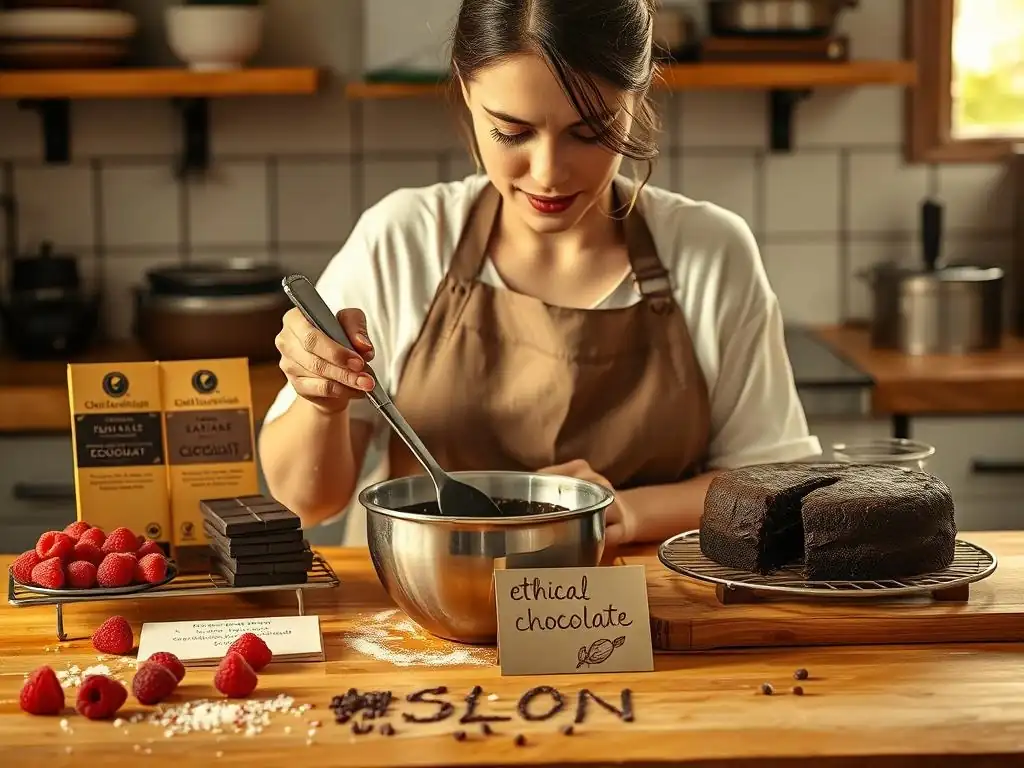
What is Ethical Chocolate? Defining Fair Trade and Sustainable Practices
Ethical chocolate refers to chocolate produced under conditions that are fair to cocoa farmers and workers, environmentally sustainable, and transparent throughout the supply chain. This concept goes beyond simply tasting good; it addresses the complex issues inherent in global cocoa production. Key practices include ensuring farmers receive a fair price for their beans, often significantly higher than market price, which allows them to earn a living wage, invest in their farms, and support their families.
Furthermore, ethical chocolate production prioritizes sustainable farming methods. This includes avoiding deforestation, promoting biodiversity through agroforestry (growing cocoa alongside other crops and trees), reducing the use of harmful pesticides and fertilizers, and managing water resources responsibly. Certifications like Fairtrade, Rainforest Alliance, and Organic serve as indicators, though many ethical chocolate makers also engage in direct trade relationships, building long-term partnerships directly with farming cooperatives and communities to ensure transparency and mutual benefit.
Why Choose Ethical Chocolate for Your Baking? Benefits and Impact
Choosing ethical chocolate for your baking has a ripple effect that extends far beyond your kitchen. First and foremost, it directly impacts the lives of cocoa farmers. By supporting brands that pay fair prices and invest in communities, you help combat poverty, improve living conditions, and support education and healthcare access for farming families. For instance, studies have shown that farmers receiving Fairtrade premiums often invest in better farming equipment or sending their children to school, breaking cycles of poverty.
Beyond the social impact, ethical chocolate often boasts superior quality. When farmers are paid fairly and supported with sustainable practices, they can focus on growing higher-quality cocoa beans. This results in chocolate with richer, more nuanced flavor profiles that can elevate your baked goods from good to extraordinary. Using ethical chocolate in your ethical chocolate baking recipes means you're not only creating delicious treats but also contributing to a healthier planet and a more equitable global food system, aligning your passion for baking with your values.
The Impact of Chocolate Production: Understanding the Issues
The conventional chocolate industry faces significant challenges, many stemming from the complex global supply chain and volatile cocoa market prices. A primary issue is pervasive poverty among cocoa farmers, particularly in West Africa, which produces around 70% of the world's cocoa. Many farmers earn less than $1-$2 per day, falling far below internationally recognized poverty lines. This economic hardship is a root cause of other severe problems.
Child labor remains a critical concern. The International Labour Organization (ILO) and other reports estimate hundreds of thousands of children are engaged in hazardous work on cocoa farms, often deprived of education. Environmental degradation is another major impact; the expansion of cocoa farming has historically contributed to significant deforestation, particularly in countries like Côte d'Ivoire and Ghana, threatening biodiversity and exacerbating climate change. Choosing ethical chocolate is a direct response to these issues, aiming to create a supply chain where prosperity and sustainability are prioritized over exploitation and environmental harm.
Identifying Ethical Chocolate Brands for Baking
Decoding Chocolate Labels: Fair Trade, Rainforest Alliance, and More
Navigating the world of ethical chocolate often starts with understanding the various certifications found on packaging. The Fairtrade mark is one of the most recognized, signifying that farmers received a Fairtrade Minimum Price and a Fairtrade Premium, an extra sum of money for investment in community projects like schools or infrastructure. As of 2020, Fairtrade International reported over 220,000 cocoa farmers were part of their system.
Another prominent certification is the Rainforest Alliance seal (which merged with UTZ certification). This certification focuses on environmental protection, social welfare, and economic viability, promoting sustainable agriculture and working conditions. While their approach differs slightly from Fairtrade (e.g., focusing on good agricultural practices and environmental management), it represents a step towards more responsible sourcing. Some brands also use Organic certification, which ensures cocoa is grown without synthetic pesticides or fertilizers, often overlapping with ethical practices but primarily focused on environmental health. Understanding these labels is a good starting point when seeking ethical chocolate for your ethical chocolate baking recipes.
Investigating Chocolate Company Practices: Transparency and Traceability
While certifications offer valuable assurance, they are not the whole story. Many truly ethical chocolate companies go above and beyond certification, engaging in direct trade or developing their own rigorous sourcing programs. These companies prioritize transparency, allowing consumers to trace where their cocoa comes from, sometimes down to the specific farming cooperative or region. For example, brands like Tony's Chocolonely are built on a mission to end modern slavery in the cocoa industry, actively campaigning and implementing practices like paying a higher price than standard Fairtrade to reach a "living income" for farmers.
Investigating a brand's website can reveal a lot about their commitment. Look for detailed information about their sourcing model, farmer partnerships, social projects, and environmental initiatives. Companies that share data on farmer income, premium distribution, or deforestation prevention efforts demonstrate a higher level of accountability. Choosing brands with this level of transparency ensures that the ethical chocolate you use in your ethical chocolate baking recipes truly aligns with responsible values.
Recommended Ethical Chocolate Brands for Baking Recipes: A Curated List
Finding high-quality ethical chocolate suitable for baking is becoming easier as consumer awareness grows. Here are a few brands known for their commitment to ethical sourcing, offering products often available in baking formats like bars, wafers, or cocoa powder:
- Tony's Chocolonely: Famous for its mission-driven approach to ending slavery in cocoa. Their large bars are easily chopped for cookies or brownies, and they offer various cocoa percentages. They actively work towards a living income for farmers.
- Divine Chocolate: This brand is co-owned by a cooperative of cocoa farmers in Ghana (Kuapa Kokoo), giving farmers a direct stake in the company. They offer baking bars and cocoa powder.
- Alter Eco: Known for organic, Fairtrade, and often regenerative farming practices. They provide baking chocolate, truffles, and bars that work well in many ethical chocolate baking recipes.
- Equal Exchange: A worker-owned cooperative that has been a pioneer in Fair Trade for decades. They offer baking chips, bars, and cocoa powder sourced directly from farmer cooperatives.
- Valrhona: While a high-end couverture brand, Valrhona has made significant strides in sustainability and building long-term relationships with cocoa producers through their "Cité du Chocolat" initiatives and sourcing programs. They offer a wide range of products for professional and home baking.
When selecting, consider the cocoa percentage required for your recipe and the flavor profile you desire, knowing that these brands offer delicious options produced responsibly.
Ethical Chocolate Baking Recipes: Delicious and Responsible Treats

Adapting Your Favorite Baking Recipes for Ethical Chocolate
One of the simplest ways to incorporate ethical chocolate into your baking is by substituting it directly into your existing favorite recipes. Whether it's cookies, cakes, brownies, or ganaches, most recipes calling for chocolate can be made more ethical by choosing a responsibly sourced alternative. The key is to select ethical chocolate of a similar type and cocoa percentage as specified in the original recipe. For example, if a recipe calls for 70% dark chocolate, opt for an ethical brand's 70% dark chocolate.
Pay attention to the form of chocolate required – chips, chopped bar chocolate, or cocoa powder. High-quality ethical chocolate, especially bars intended for eating or couverture, often has a higher cocoa butter content than standard baking chips, which can affect texture and melting. This can be a positive, contributing to a smoother melt and richer texture in your baked goods. Experimenting with different ethical chocolate brands can also introduce exciting new flavor complexities to your ethical chocolate baking recipes.
Recipe 1: Dark Chocolate Avocado Brownies - A BakeWithEase Favorite
These fudgy Dark Chocolate Avocado Brownies are a perfect example of how ethical chocolate shines in a classic dessert with a twist. Instead of relying solely on butter, mashed avocado provides moisture and richness, creating an incredibly decadent texture. The recipe calls for a significant amount of high-quality ethical dark chocolate, typically between 60% and 75% cocoa content, melted into the batter and also used as chunks folded in before baking.
Using ethical dark chocolate in this recipe is crucial for both flavor and ethics. The deep, complex notes of a responsibly sourced chocolate cut through the richness of the avocado and sweetness, providing that intense chocolatey hit brownies demand. By choosing an ethical brand, you ensure that the indulgence of a warm, gooey brownie doesn't come at the cost of farmer welfare or environmental damage. These brownies are a testament to the fact that ethical baking is simply delicious baking.
Recipe 2: Vegan Chocolate Cake with Coconut Whipped Cream - Perfect for Special Occasions
Creating a show-stopping vegan cake requires high-quality ingredients, and ethical chocolate is indispensable for achieving a rich, deep chocolate flavor without dairy. This Vegan Chocolate Cake uses ethical cocoa powder for the cake batter, ensuring a moist crumb and intense chocolate taste. The accompanying ganache or frosting is made with melted ethical dark chocolate and a plant-based liquid like coconut milk or cashew milk.
For the best results in this ethical chocolate baking recipe, select an ethical dark chocolate with a cocoa percentage suitable for melting, typically 60% or higher. The quality of the chocolate directly impacts the richness and smoothness of the ganache. Pairing this decadent cake with a light, airy coconut whipped cream creates a beautiful contrast in textures and flavors, making it ideal for birthdays, holidays, or any special gathering where you want to serve a treat that's both delicious and mindfully made.
Few things are as comforting as a warm, gooey chocolate chip cookie, and elevating this simple pleasure with ethical chocolate makes it even better. Our Double Chocolate Chunk Cookies recipe uses two forms of ethical chocolate: ethical cocoa powder in the dough for a deep chocolate base and generous chunks of ethical chocolate bar (rather than standard chips) for those glorious pockets of melted chocolate.
For the chunks, we recommend using a high-quality ethical chocolate bar, perhaps around 70% cocoa for a lovely bittersweet contrast to the sweet dough, chopped into varying sizes. The cocoa powder should also be ethically sourced, contributing to the overall chocolate intensity. This ethical chocolate baking recipe demonstrates that making responsible choices doesn't require complex techniques; it's about choosing better ingredients for classic favorites, resulting in cookies that taste amazing and feel good to bake and share.
Tips for Sourcing and Using Ethical Chocolate in Your Baking

Where to Buy Ethical Chocolate: Online and Local Options
Finding ethical chocolate for your baking is becoming increasingly convenient. Many major grocery stores now carry brands with Fairtrade or Rainforest Alliance certifications in their baking aisle or candy section. Look for brands like Divine Chocolate, Alter Eco, or Equal Exchange. Specialty food stores, natural food markets, and co-ops are even better resources, often stocking a wider variety of ethical chocolate brands, including those involved in direct trade.
Online retailers offer the widest selection. Websites specializing in ethical or sustainable products, as well as the direct websites of ethical chocolate makers, allow you to explore numerous options, compare certifications and sourcing practices, and often buy in bulk, which can be cost-effective for frequent ethical chocolate baking recipes. Consider joining a community-supported agriculture (CSA) program or visiting local farmers' markets, as some small-batch chocolate makers who source ethically may be present.
Storing Ethical Chocolate to Maintain Quality and Flavor
Proper storage is essential to preserve the quality and delicious flavor of your ethical chocolate, ensuring it performs beautifully in your baking. Chocolate is sensitive to temperature fluctuations, moisture, and odors. The ideal storage environment is cool, dry, and dark, with a consistent temperature between 60°F and 70°F (15°C-21°C). Avoid storing chocolate in the refrigerator unless you live in a very hot, humid climate, as this can cause "sugar bloom" (a white, powdery surface caused by moisture condensation) and dull the flavor.
Store chocolate in its original packaging or wrap it tightly in plastic wrap and then place it in an airtight container to protect it from moisture and strong odors from other foods. Chocolate can absorb smells easily, so keep it away from spices, garlic, or onions. Stored correctly, ethical chocolate bars and chips can last for a year or more, while cocoa powder has an even longer shelf life, ensuring your ingredients are perfect whenever inspiration strikes for ethical chocolate baking recipes.
Understanding Cocoa Butter Content and Its Impact on Baking
The percentage of cocoa butter in chocolate significantly affects its melting properties, texture, and richness in baking. Cocoa butter is the fat extracted from the cocoa bean, and it's what gives chocolate its smooth mouthfeel and ability to melt beautifully. Chocolate with a higher cocoa butter content, like couverture chocolate (often 30-35% or more cocoa butter, depending on type), melts more smoothly and is ideal for applications like tempering, ganaches, and glazes.
Standard baking chips often contain stabilizers and less cocoa butter to help them hold their shape during baking, which is why chopped bar chocolate (which typically has higher cocoa butter) often yields better results in cookies or muffins where you want pockets of melted chocolate. When choosing ethical chocolate for your recipes, consider the cocoa butter percentage listed (though not always required on packaging) and how it will affect your desired outcome. A higher cocoa butter content generally means a richer flavor and better texture, enhancing the quality of your ethical chocolate baking recipes.
The Future of Ethical Chocolate Baking
Trends in Sustainable Chocolate Production
The ethical chocolate landscape is continuously evolving, driven by increasing consumer demand for transparency and responsibility. One significant trend is the move towards "living income" differential payments, where companies pay farmers not just a premium above market price, but a price specifically calculated to allow them to earn a decent living wage. This goes beyond traditional Fairtrade minimums.
Another growing trend is agroforestry and regenerative agriculture in cocoa farming. This involves planting cocoa trees within diverse ecosystems, rather than in monoculture plantations, which helps restore soil health, increase biodiversity, sequester carbon, and make farms more resilient to climate change. Technology is also playing a role, with some companies exploring blockchain to improve traceability throughout the supply chain, allowing consumers to potentially track their chocolate back to its origin farm. These advancements promise an even brighter future for sourcing ingredients for ethical chocolate baking recipes.
Supporting Ethical Chocolate Initiatives: How You Can Make a Difference
As a baker and consumer, you have real power to influence the chocolate industry. The most direct way to support ethical chocolate initiatives is by consciously choosing and purchasing chocolate from brands committed to fair wages, sustainable practices, and transparency. Look for certifications, research company sourcing policies, and prioritize brands that demonstrate a genuine commitment to farmer welfare and environmental stewardship.
Beyond purchasing, you can spread awareness among your friends, family, and fellow bakers about the importance of ethical chocolate. Share information about the issues in the cocoa industry and the positive impact of choosing responsible brands. Ask your local grocery stores and bakeries to stock ethical options. By talking about and using ethical chocolate in your baking, you help make responsible sourcing the norm, encouraging more companies to adopt ethical practices and making "ethical chocolate baking recipes" a standard practice.
BakeWithEase: Continuing Our Commitment to Ethical Baking Practices
At BakeWithEase, our passion for baking is intertwined with a commitment to using ingredients that are not only high-quality and delicious but also responsibly sourced. We believe that understanding where our food comes from and the impact of its production is an essential part of being a conscious baker. This guide is just one step in our ongoing effort to highlight ingredients and practices that support a better food system.
We will continue to explore and share information about ethical chocolate and other sustainable ingredients, providing you with the knowledge and inspiration to make informed choices in your kitchen. We encourage you to try the ethical chocolate baking recipes we share and experiment with substituting ethical chocolate into your own favorite treats. Together, we can create a baking community that values flavor, creativity, and positive impact, one delicious, ethically-sourced chocolate chip cookie at a time.
Frequently Asked Questions
What is ethical chocolate, and why is it important when baking?
Ethical chocolate refers to chocolate sourced in a way that ensures fair labor practices and environmental sustainability. It's important because it helps support farmers and protect the planet.
How can I identify ethical chocolate brands for my baking recipes?
Look for certifications like Fair Trade, Rainforest Alliance, or UTZ. These labels indicate that the chocolate meets specific ethical standards.
What are some common issues in the conventional chocolate industry that ethical chocolate aims to address?
Common issues include child labor, unfair wages for farmers, and deforestation. Ethical chocolate aims to combat these through fair trade practices.
Will using ethical chocolate significantly change the taste or texture of my baked goods?
Generally, no. While the origin of the bean can influence flavor, ethical chocolate is often of higher quality, potentially enhancing your baked goods.
Where can I find ethical chocolate baking recipes on BakeWithEase.com?
BakeWithEase.com features a dedicated section for ethical chocolate baking recipes, easily accessible through the website's search bar or themed collections.
Final Reflection: The Sweet Taste of Responsibility
The ethical sourcing of chocolate is no longer a niche concern; it's a crucial ingredient in a sustainable future. Ignoring the social and environmental impact of our chocolate consumption is simply no longer an option. The demand for ethically produced cocoa directly impacts the lives of farmers and the health of our planet, making conscious choices in our kitchens a powerful act of change.
The journey from bean to bar profoundly shapes the lives of those involved, and understanding this journey has fundamentally altered my approach to baking. The rich, complex flavors of ethically sourced chocolate become even more delicious when paired with the knowledge that its production supports fair wages, environmental protection, and thriving communities. The best things in life are not things.
– Henry David Thoreau. This quote resonates deeply, reminding us that the true value of our baking lies not just in the delicious result, but in the positive impact we can create through mindful consumption.
Now, consider your own baking. What ingredients are you using, and what stories do they tell? I encourage you to explore the origins of your chocolate, to seek out brands committed to ethical practices, and to share this awareness with others. Let's bake a better world, one delicious, ethically-sourced treat at a time. The power to make a difference, one recipe at a time, rests in your hands.
Unleash Your Inner Ethical Baker!
Thanks for joining us on this delicious journey into the world of ethical chocolate! We hope you now feel empowered to make conscious choices in your baking. Ready to put your newfound knowledge into practice?
- Bake a batch of brownies using ethically sourced chocolate. This is your chance to taste the difference and support sustainable farming practices. Try a new recipe and discover a whole new level of flavor.
- Share your ethical baking creations and inspire others on social media using #EthicalBaking. Let's build a community of conscious consumers together!
- Explore different brands and certifications to deepen your understanding of ethical chocolate sourcing. Consider which criteria are most important to you and your baking philosophy.
So, what delicious ethical recipe will you bake first? Let's hear your thoughts and baking adventures in the comments below!