
Is Couverture Chocolate Worth It for Home Baking?

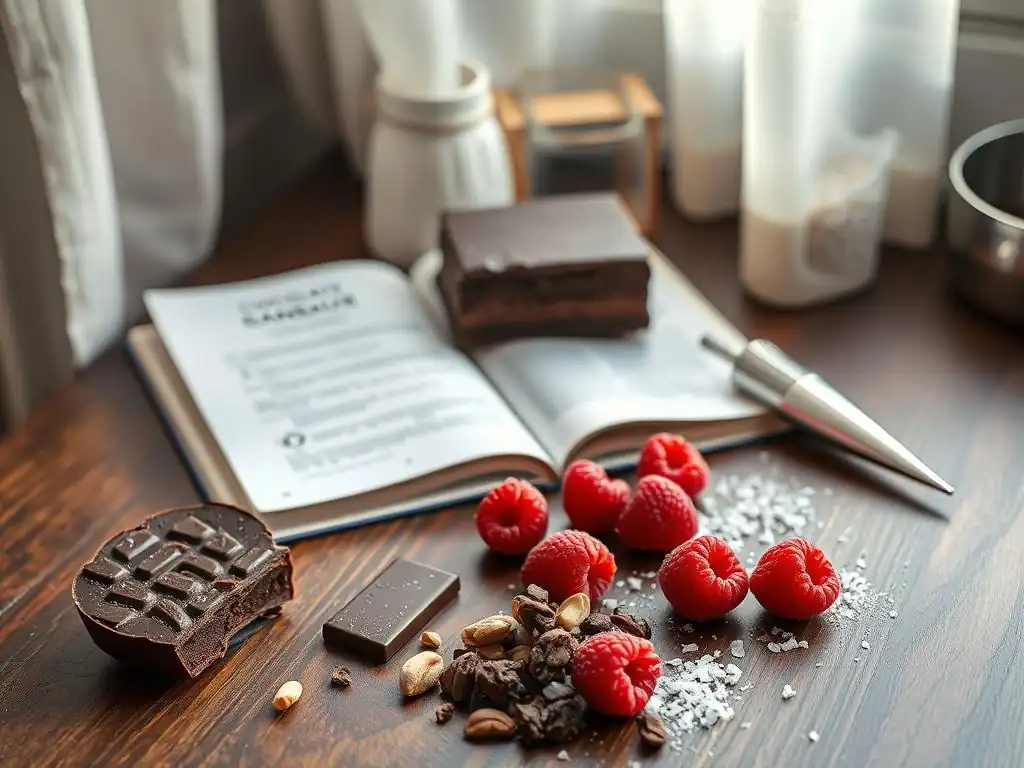
Welcome to BakeWithEase, your guide to unlocking the magic of baking! Ever wondered what separates a good chocolate dessert from a truly exceptional one? This week, we're diving deep into the world of chocolate with " Couverture chocolate for beginners," exploring whether this premium ingredient is worth the investment for your home baking adventures. Prepare to discover the secrets behind its luxurious texture and intense flavor – is it the key to your next baking masterpiece? Read on to find out!
- Is Couverture Chocolate Worth It for Home Baking? - A Beginner's Guide
- Understanding Couverture Chocolate: A Baker's Introduction
- Benefits of Using Couverture Chocolate in Your Baking
- When to Choose Couverture Chocolate: Baking Applications
- The Challenges of Baking with Couverture Chocolate
- Couverture Chocolate for Beginners: Tips and Tricks
- Alternatives to Couverture Chocolate: Exploring Options
- Is Couverture Chocolate Worth the Investment? A Final Verdict
- Frequently Asked Questions
- Final Reflection: Unveiling the Decadence of Couverture Chocolate
- Unlock the Secrets of Luscious Couverture!
Is Couverture Chocolate Worth It for Home Baking? - A Beginner's Guide
Understanding Couverture Chocolate: A Baker's Introduction
What is Couverture Chocolate? Defining High-Quality Chocolate
Couverture chocolate represents a premium category of chocolate distinguished by its significantly higher cocoa butter content compared to standard baking or eating chocolate. This elevated level of cocoa butter, typically at least 31% by weight, is the defining characteristic that gives couverture its superior melting properties, smooth texture, and glossy finish when properly handled. It's the chocolate of choice for professional chocolatiers and patissiers due to its fluidity and ability to temper beautifully.
Beyond the cocoa butter minimum, true couverture chocolate is also held to high standards regarding fineness of grind. The cocoa solids and sugar are ground to an incredibly smooth consistency, often measured in microns. This fine particle size contributes to the melt-in-your-mouth sensation and prevents any grainy texture. Think of a high-end chocolate bar that melts like silk on your tongue; that's often a result of both high cocoa butter and fine processing, hallmarks of quality couverture chocolate.
Couverture vs. Compound Chocolate: Key Differences for Baking
The fundamental difference between couverture chocolate and compound chocolate lies in the type of fat used. As we've discussed, couverture relies on a high percentage of pure cocoa butter. Compound chocolate, on the other hand, replaces cocoa butter with vegetable fats, such as palm kernel oil or coconut oil. This substitution has a profound impact on both the chocolate's behavior and its flavor profile.
| Feature | Couverture Chocolate | Compound Chocolate |
|---|---|---|
| Primary Fat | Cocoa Butter (min. 31%) | Vegetable Fats (e.g., palm kernel) |
| Flavor | Rich, complex, melts cleanly | Often sweeter, less nuanced, can feel waxy |
| Melting | Melts smoothly at body temperature | Requires higher temperature, can feel greasy |
| Tempering | Requires tempering for snap/shine | Does not require tempering |
| Cost | Generally higher | Generally lower |
This table highlights why using couverture chocolate for beginners can seem daunting initially due to the tempering requirement, but it also explains why its flavor and texture are so superior for applications where chocolate is the star ingredient. Compound chocolate is easier to use as it melts without tempering, but it lacks the characteristic 'snap' and pure chocolate flavor.
Decoding the Label: Cocoa Butter Content and Chocolate Types
When selecting couverture chocolate, understanding the label is key. The percentage figure prominently displayed, like "70% Cacao" or "35% White Chocolate," refers to the total percentage of ingredients derived from the cacao bean. For dark chocolate, this includes both cocoa solids (the flavorful part) and cocoa butter. For milk and white chocolate, it includes cocoa butter, and in the case of milk chocolate, also some cocoa solids.
Crucially, within the total cacao percentage, the proportion of cocoa butter is what defines it as couverture. While a standard dark chocolate might have 55% cacao with perhaps 28% cocoa butter, a dark couverture at 55% cacao will have closer to 35-40% cocoa butter. This higher cocoa butter content is what makes it flowier when melted. White couverture chocolate, by definition, must contain a significant amount of cocoa butter, often around 30-35%, along with sugar, milk solids, and vanilla, but no cocoa solids. Understanding these numbers helps beginners choose the right couverture chocolate for their specific baking needs.
Benefits of Using Couverture Chocolate in Your Baking
Superior Flavor Profile: Enhancing Chocolate Intensity
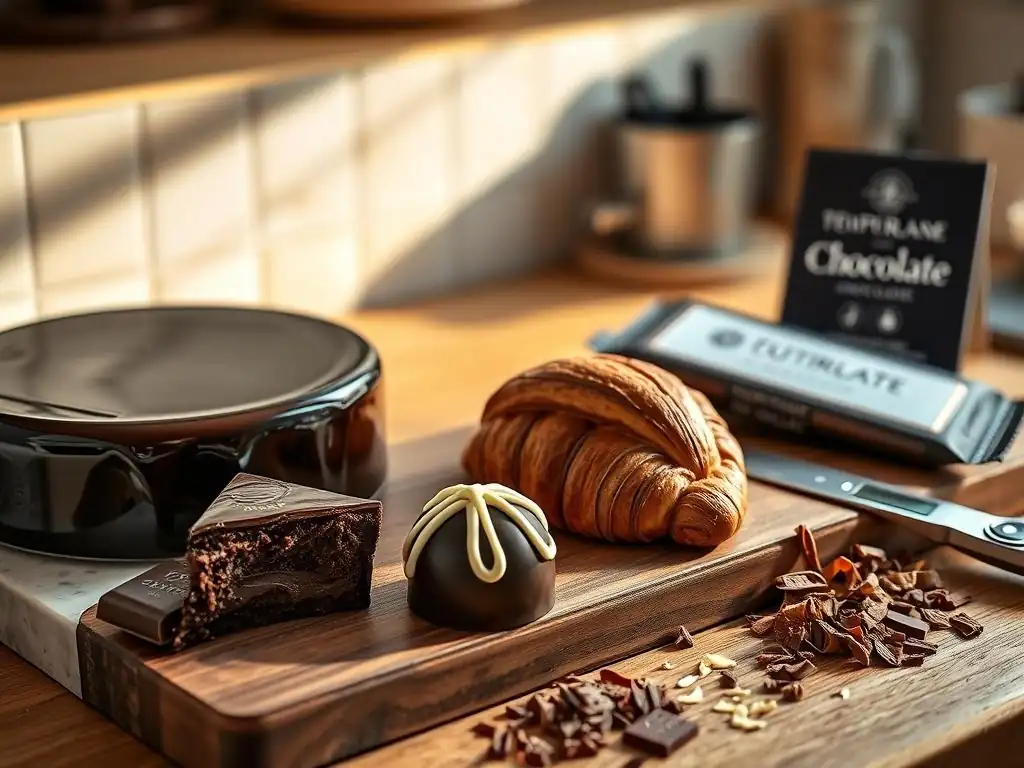
Using couverture chocolate can dramatically elevate the flavor of your baked goods. Because it contains a higher proportion of cocoa butter and is made from high-quality cocoa beans, it delivers a richer, more intense, and nuanced chocolate taste compared to standard baking chocolate or chips. Cocoa butter itself carries flavor compounds and contributes to a cleaner, less waxy mouthfeel, allowing the true chocolate notes to shine through.
Consider a simple chocolate ganache. Made with standard chocolate, it might taste pleasant, but made with a high-quality dark couverture (say, 60-70% cacao), the flavor transforms. You'll detect deeper notes – perhaps hints of fruit, nuts, or coffee – depending on the origin and processing of the cocoa beans. This depth of flavor is particularly noticeable in recipes where chocolate is a primary ingredient, making couverture chocolate for beginners a great way to experience professional-level taste in their homemade treats.
Texture and Mouthfeel: Achieve a Silky Smooth Result
The high cocoa butter content of couverture chocolate is a game-changer for texture. When melted, it becomes incredibly fluid and smooth. This fluidity is essential for achieving a perfectly smooth ganache, a silky chocolate mousse, or a thin, even coating on dipped items. Unlike chocolates with lower cocoa butter or added vegetable fats, couverture melts at a temperature close to body temperature, resulting in that luxurious, melt-in-your-mouth sensation.
In applications like truffles or fillings, the smooth texture provided by couverture is unparalleled. A truffle made with couverture will have a soft, yielding interior that melts away beautifully, without any greasiness. Even in baked goods like brownies or cakes, using chopped couverture pieces can lead to pockets of intensely smooth, melted chocolate that enhance the overall texture significantly. For anyone serious about the quality of their chocolate creations, mastering the use of couverture chocolate for beginners is a worthwhile pursuit for achieving this superior texture.
Tempering Couverture Chocolate: The Secret to a Professional Finish
Tempering is the process of heating and cooling chocolate to specific temperatures to stabilize the cocoa butter crystals. While it might sound intimidating, mastering tempering with couverture chocolate is the key to unlocking its full potential and achieving a professional finish. Properly tempered chocolate will set with a beautiful gloss, a firm 'snap' when broken, and won't melt easily at room temperature.
Without tempering, melted couverture chocolate will cool with a dull, streaky appearance (known as 'bloom') and a soft, crumbly texture that melts too easily in your hands. This is why simply melting couverture and letting it cool isn't sufficient for applications like dipping or molding. Learning to temper couverture chocolate for beginners allows you to create stunning decorations, perfectly coated candies, and solid chocolate pieces that look and feel like they came from a high-end patisserie. It's a skill that opens up a new level of chocolate work.
When to Choose Couverture Chocolate: Baking Applications
Couverture for Ganache: The Ultimate Smoothness and Shine
Ganache, a versatile mixture of chocolate and cream, is perhaps one of the best applications to showcase the quality of couverture chocolate. The high cocoa butter content in couverture allows it to emulsify beautifully with the cream, resulting in a ganache that is incredibly smooth, stable, and wonderfully glossy once set. This makes it ideal for fillings, glazes, drips, and even whipping into a light frosting.
Using couverture means your ganache will have a cleaner, richer chocolate flavor and a superior texture compared to ganache made with standard chocolate chips, which often contain stabilizers that can affect smoothness. For example, a classic 1:1 ratio of cream to 60% dark couverture chocolate yields a pourable ganache perfect for glazing a cake, while a 2:1 chocolate-to-cream ratio creates a firm ganache ideal for truffle centers. The difference in the final product's texture and sheen is striking when using couverture.
Making Chocolate Decorations: Tempering for Snap and Gloss
Creating elegant chocolate decorations like curls, shards, or molded figures absolutely requires tempered chocolate, making couverture the go-to choice. As mentioned earlier, tempering provides the necessary stability for the chocolate to set hard with a satisfying snap and a brilliant, non-greasy shine. Without tempering, your decorations would be soft, prone to melting, and look dull and streaky.
Imagine making chocolate-covered strawberries or pretzels. If you simply melt regular chocolate chips (which are often formulated to hold their shape and don't temper well) or untempered couverture, the coating will be soft, messy, and might develop white streaks (bloom) overnight. Dipping these same items in properly tempered couverture results in a thin, crisp, glossy shell that sets quickly and stays stable at room temperature. Learning this technique with couverture chocolate for beginners allows you to add a professional touch to your desserts.
Using Couverture in Mousse and Puddings: Elevating the Texture
While not always strictly necessary to temper couverture for applications like mousse or pudding where the chocolate is fully melted and combined with other ingredients, using high-quality couverture still offers significant benefits in terms of flavor and texture. The superior melt and high cocoa butter content contribute to a smoother, more luxurious mouthfeel in the finished product.
In a chocolate mousse, for instance, melted couverture chocolate is often folded into whipped cream or egg whites. The fluidity of the melted couverture helps it integrate more seamlessly, resulting in a lighter, airier, and smoother mousse compared to using a less refined chocolate. Similarly, a chocolate pudding or pot de crème made with couverture will have a silkier texture and a more intense, clean chocolate flavor. While you might not need to master tempering for these recipes, choosing couverture chocolate for beginners in these contexts still pays off in terms of the final sensory experience.
The Challenges of Baking with Couverture Chocolate
Tempering Techniques: Mastering the Process for Beginners
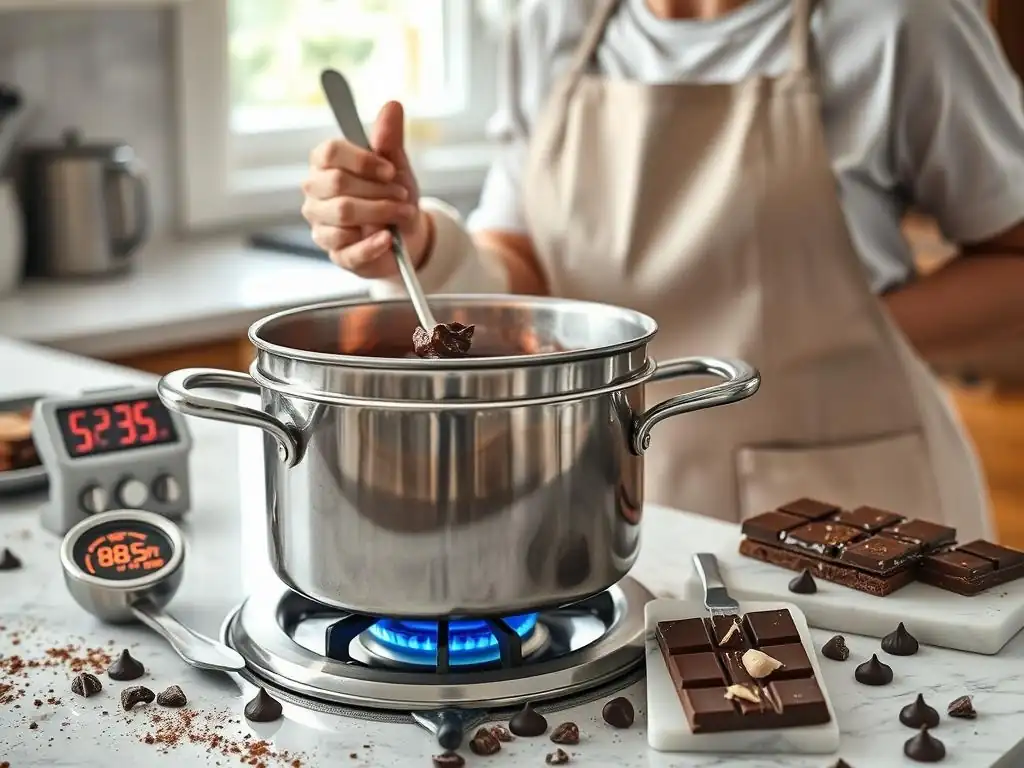
The primary hurdle when starting with couverture chocolate is learning to temper it. This process involves precise temperature control and agitation to encourage the cocoa butter crystals to form a stable structure. While it sounds complex, there are several methods suitable for home bakers, including the seeding method (adding solid tempered chocolate to melted chocolate) and the tabling method (spreading chocolate on a cool surface).
Mastering tempering takes practice. You might need a digital thermometer for accuracy. For example, dark couverture is typically melted to around 113-121°F (45-49°C), cooled while stirring to 81-82°F (27-28°C), and then gently reheated to a working temperature of 88-90°F (31-32°C). Milk and white couverture have slightly lower temperature ranges. The first few attempts might result in bloomed chocolate, but with patience and attention to detail, tempering couverture chocolate for beginners becomes a manageable skill that significantly expands your baking repertoire.
Cost Considerations: Is Couverture Chocolate Budget-Friendly?
One undeniable challenge of using couverture chocolate is its cost. Due to the higher cocoa butter content and often superior quality of cocoa beans and processing, couverture is significantly more expensive than standard baking chips or bars found in the regular grocery aisle. Prices can vary widely depending on the brand, origin, and cacao percentage, but you can expect to pay anywhere from $10 to $30 per kilogram or even more for premium varieties.
For comparison, a bag of standard chocolate chips might cost $5-8 for a 300g bag, while a similar weight of good quality couverture callets could easily cost $10-20. This higher price point can make it seem like a luxury item for everyday baking. However, if you're investing time and effort into a special occasion cake or handmade chocolates, the cost difference can be justified by the superior results. For beginners exploring couverture chocolate, starting with smaller quantities from a reputable supplier can help manage costs while you practice.
Storage and Handling: Keeping Couverture Chocolate in Optimal Condition
Proper storage is crucial for maintaining the quality of couverture chocolate. Like all chocolate, it is sensitive to temperature fluctuations, moisture, and odors. The ideal storage conditions are cool (around 60-68°F or 15-20°C), dry (relative humidity below 50%), and away from direct sunlight and strong smells. Storing chocolate in the refrigerator is generally discouraged as it can introduce moisture and cause sugar bloom (white spots caused by sugar crystals migrating to the surface).
Melted couverture that has been tempered but not used can often be re-tempered. However, chocolate that has been repeatedly melted or stored improperly can become difficult or impossible to temper correctly. For beginners using couverture chocolate, buying only what you expect to use within a reasonable timeframe and storing it carefully in an airtight container in a cool pantry is essential to avoid waste and ensure successful tempering.
Couverture Chocolate for Beginners: Tips and Tricks
Starting with Smaller Quantities: Practice Makes Perfect
Embarking on your journey with couverture chocolate as a beginner doesn't mean you need to buy a 10kg block right away! Many suppliers sell couverture in smaller quantities, such as 1kg bags of callets (small drops or buttons), which are perfect for home use. Starting with a manageable amount allows you to practice tempering techniques without a huge financial commitment.
Consider purchasing a 1kg bag of a versatile dark couverture, perhaps around 55-65% cacao. This percentage is forgiving for tempering and works well in a variety of applications, from ganache to dipping. Use this smaller batch to try tempering a few times, make a small batch of truffles, or dip some simple cookies. This hands-on practice with couverture chocolate for beginners is far more valuable than reading endless guides.
Choosing the Right Couverture: Percentage of Cacao Solids
Selecting the right percentage of cacao solids is important, especially when you're new to using couverture chocolate. The percentage dictates the intensity of the chocolate flavor and its sweetness level.
- Dark Couverture (50-70% Cacao): A great starting point for beginners. Versatile for dipping, ganache, and baking. Higher percentages (above 70%) are more intense and less sweet, excellent for sophisticated palates or balancing sweet components.
- Milk Couverture (30-45% Cacao): Creamier and sweeter than dark. Ideal for milk chocolate ganache, molding, or applications where a milder chocolate flavor is desired.
- White Couverture (~30-35% Cocoa Butter): Contains no cocoa solids, just cocoa butter, sugar, and milk solids. Requires very careful tempering due to its composition. Used for white chocolate ganache, molding, and flavoring.
For ease of use when learning tempering, many recommend starting with a dark couverture in the 55-65% range. It's more stable during tempering than milk or white chocolate and offers a robust yet not overly bitter flavor profile suitable for many recipes. This makes choosing the right couverture chocolate for beginners a crucial first step.
Simple Recipes to Showcase Couverture Chocolate's Quality
Once you have your couverture and are ready to practice, start with recipes that truly highlight the chocolate's quality and require tempering.
- Chocolate Covered Strawberries: Simple, classic, and a perfect way to practice dipping and achieve that beautiful tempered shine.
- Basic Chocolate Bark: Melt and temper the chocolate, spread thinly on parchment paper, sprinkle with nuts, dried fruit, or sea salt, and let it set. Requires tempering for a good snap.
- Simple Ganache: A 1:1 or 2:1 ratio of cream to chopped couverture. No tempering needed for this, but it beautifully demonstrates the smooth texture and rich flavor.
- Molded Chocolates: Using simple polycarbonate molds is a great way to see the gloss and snap of properly tempered chocolate.
These simple projects using couverture chocolate for beginners allow you to get a feel for working with this high-quality ingredient and see the visible difference tempering makes without getting overwhelmed by complex techniques.
Alternatives to Couverture Chocolate: Exploring Options
High-Quality Baking Chocolate: A Viable Substitute?
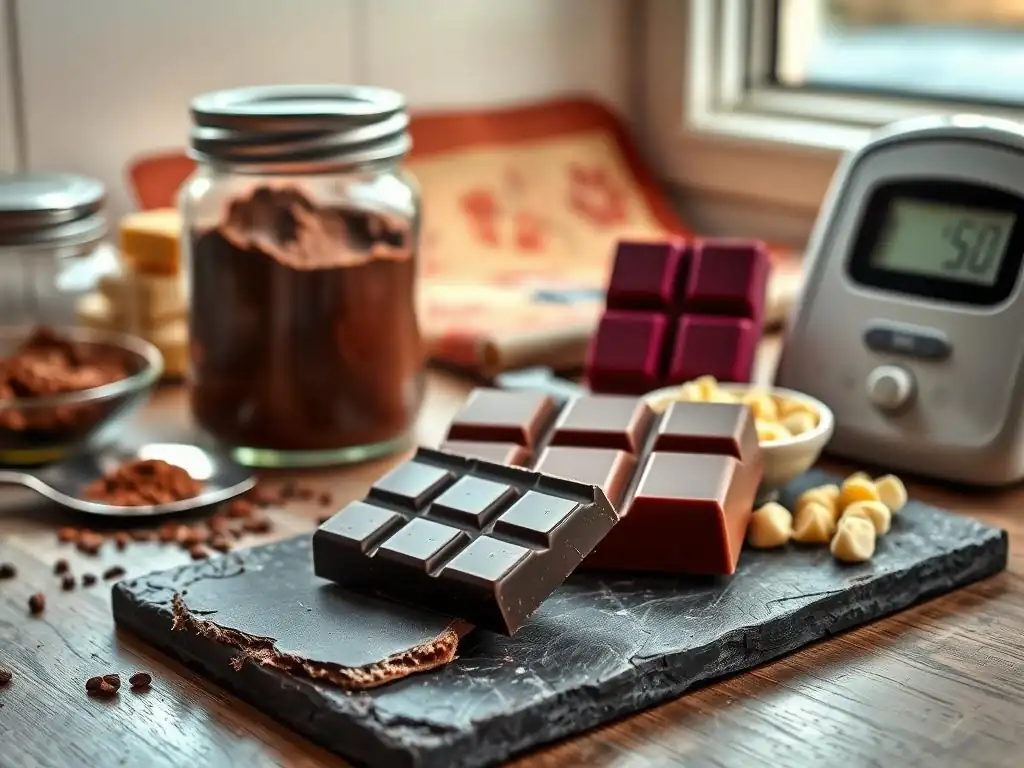
For many home baking applications, high-quality baking chocolate can serve as a viable alternative to couverture. These are typically sold in bars or blocks specifically labeled for baking and have a higher percentage of cocoa solids (and often cocoa butter, though usually less than couverture) than standard chocolate chips or eating chocolate. Brands like Ghirardelli, Callebaut (they make both baking chocolate and couverture), or Valrhona (also makes both) offer baking bars that provide good flavor and melting properties.
While these baking chocolates won't have the same level of fluidity as couverture due to slightly lower cocoa butter content, and they may not temper quite as easily or reliably, they are perfectly suitable for many recipes. For instance, using a good quality 70% baking bar in brownies or a chocolate cake will yield excellent results in terms of flavor. They are often less expensive than couverture but still offer a significant step up from basic chocolate chips.
Compound Chocolate: When Is It a Suitable Choice?
Compound chocolate, made with vegetable fats instead of cocoa butter, is generally not a direct substitute for couverture if you're aiming for high-quality flavor and texture. However, it does have its place in specific scenarios, primarily because it doesn't require tempering. It simply melts and sets.
Compound chocolate is often used for dipping pretzels, cake pops, or candies in commercial settings where speed and ease of handling are paramount. It's also sometimes used in coatings for items that will be stored at room temperature, as the vegetable fats often have a higher melting point than cocoa butter. While it lacks the complex flavor and smooth melt of real chocolate, its ease of use and lower cost make it suitable for simple coatings or decorative elements where the flavor isn't the main focus, and tempering is undesirable.
Adjusting Recipes: Baking with Alternative Chocolates
When substituting other types of chocolate for couverture in a recipe, you may need to make adjustments, particularly if the recipe relies on the specific melting properties or tempering of couverture.
- For Ganache/Mousse: If using a high-quality baking chocolate bar instead of couverture, the texture might be slightly less smooth, but it should still work. Avoid chocolate chips, as their stabilizers can make ganache grainy.
- For Dipping/Molding: Substituting untempered baking chocolate or compound chocolate for tempered couverture will result in a dull finish and soft texture that melts easily. There is no direct substitute if you need the snap and shine of tempered chocolate; you must use temperable chocolate (couverture or high-quality baking chocolate that can be tempered) and temper it correctly.
- For Baked Goods (Brownies, Cakes): High-quality baking chocolate is an excellent substitute for chopped couverture in batters, providing rich flavor. Standard chocolate chips also work but often contain less cocoa butter, resulting in less intense chocolate pockets when melted.
Understanding the properties of different chocolates helps you make informed choices and adjust expectations when using alternatives to couverture chocolate for beginners.
Is Couverture Chocolate Worth the Investment? A Final Verdict
Evaluating the Trade-Offs: Flavor, Texture, and Cost
Deciding if couverture chocolate is "worth it" boils down to weighing the significant improvements in flavor and texture against the higher cost and the learning curve associated with tempering. For everyday baking like chocolate chip cookies or standard brownies, where the chocolate is one of many components and tempering isn't required, a good quality baking chocolate is often sufficient and more economical.
However, for recipes where chocolate is the star – think truffles, molded chocolates, delicate decorations, or a truly exceptional ganache or mousse – the difference that couverture makes in terms of flavor intensity, smoothness, and finish is undeniable. The investment in couverture and the time spent learning to temper transforms these creations from good to outstanding, achieving results comparable to professional patisseries.
Achieving Professional Results at Home: The Couverture Advantage
For home bakers aspiring to create desserts with a professional look and taste, couverture chocolate offers a distinct advantage. The ability to produce chocolate decorations that snap, dipped candies with a perfect shine, or a ganache that is flawlessly smooth and rich is directly linked to using and correctly handling couverture.
While there's initial effort and cost involved in learning to work with couverture chocolate for beginners, the skills gained and the quality of the final products are incredibly rewarding. It opens up a new world of chocolate artistry that isn't possible with less refined chocolates.
Recommendation: Couverture is Worth It For Special Occasions and Dedicated Bakers
So, is couverture chocolate worth it for home baking? For beginners and casual bakers, it might not be necessary for every single recipe. But for special occasions, when you want your chocolate creations to truly impress, or for those who are passionate about elevating their baking skills and exploring the art of chocolate work, the answer is a resounding yes.
Starting with couverture chocolate for beginners on a few key recipes, like tempered bark or a simple ganache, is a great way to experience its benefits firsthand. If you find joy in working with high-quality ingredients and are willing to invest a little extra time and money, couverture chocolate is absolutely worth the investment for achieving exceptional flavor, texture, and a stunning professional finish in your homemade treats.
Frequently Asked Questions
What exactly is couverture chocolate?
Couverture chocolate is a high-quality chocolate that contains a higher percentage of cocoa butter (32-39%) compared to other chocolates. This higher cocoa butter content gives it a superior shine and snap.
Why is couverture chocolate often recommended for professional bakers?
The high cocoa butter content in couverture chocolate allows it to melt more smoothly and evenly, resulting in a glossier finish and a crisp snap which are highly desirable in professional baking. It also tempers more easily.
Is couverture chocolate necessary for all baking recipes?
No, couverture chocolate isn't always necessary. For simpler recipes like chocolate chip cookies or brownies, regular baking chocolate or chocolate chips will often suffice. It's best for recipes where shine and texture are crucial.
Where can I buy couverture chocolate?
Couverture chocolate can be found at specialty baking supply stores, some gourmet grocery stores, and online retailers. Look for chocolate specifically labeled as "couverture."
Is it difficult to temper couverture chocolate, and why is tempering important?
Tempering couverture chocolate can be tricky for beginners, but it's crucial for achieving a smooth, glossy finish and a satisfactory snap. Untempered chocolate can appear dull and streaky, so learn the proper tempering techniques.
Final Reflection: Unveiling the Decadence of Couverture Chocolate
The pursuit of the perfect chocolate experience, especially for home bakers, often leads down a path of exploration and discovery. This journey, as we've seen, often intersects with the alluring world of couverture chocolate. While the initial investment might seem daunting, understanding its unique properties and the resulting superior quality in baked goods makes the case for its use undeniably compelling.
The impact of couverture chocolate extends beyond mere taste; it's about elevating the entire baking process. It's about the meticulous attention to detail, the appreciation for high-quality ingredients, and the pride in crafting something truly special. This resonates deeply with the growing movement towards mindful consumption and artisanal food production. The best things in life are worth waiting for, and worth paying a little extra for.
This sentiment perfectly encapsulates the experience of working with couverture chocolate, where the reward far outweighs the initial cost.
Now, consider your own baking journey. Will you continue to explore the world of couverture chocolate, embracing the challenge and the reward? Or will you stick with more familiar options? The choice is yours, but remember the lessons learned here: quality ingredients elevate the final product, and the pursuit of excellence is a journey worth undertaking. Embrace the richness, the shine, the melt-in-your-mouth texture that only couverture chocolate can deliver. Your taste buds (and your creations) will thank you.
Unlock the Secrets of Luscious Couverture!
Thanks for exploring the world of couverture chocolate with us! You've now learned how this special ingredient can elevate your baking to the next level. Ready to put your newfound knowledge into practice?
- Bake a decadent treat: Use what you've learned to create your own masterpiece – perhaps those stunning chocolate truffles you've been dreaming of!
- Share your chocolate journey: Show off your couverture creations on social media and tag us! We'd love to see what you bake.
- Explore our chocolate resources: Dive deeper into the world of chocolate-making by browsing our other articles on the BakeWithEase website.
What exquisite chocolate creation will you craft with couverture next?