
Elevate Your Chocolate Chip Cookies: Beyond Basic Chips

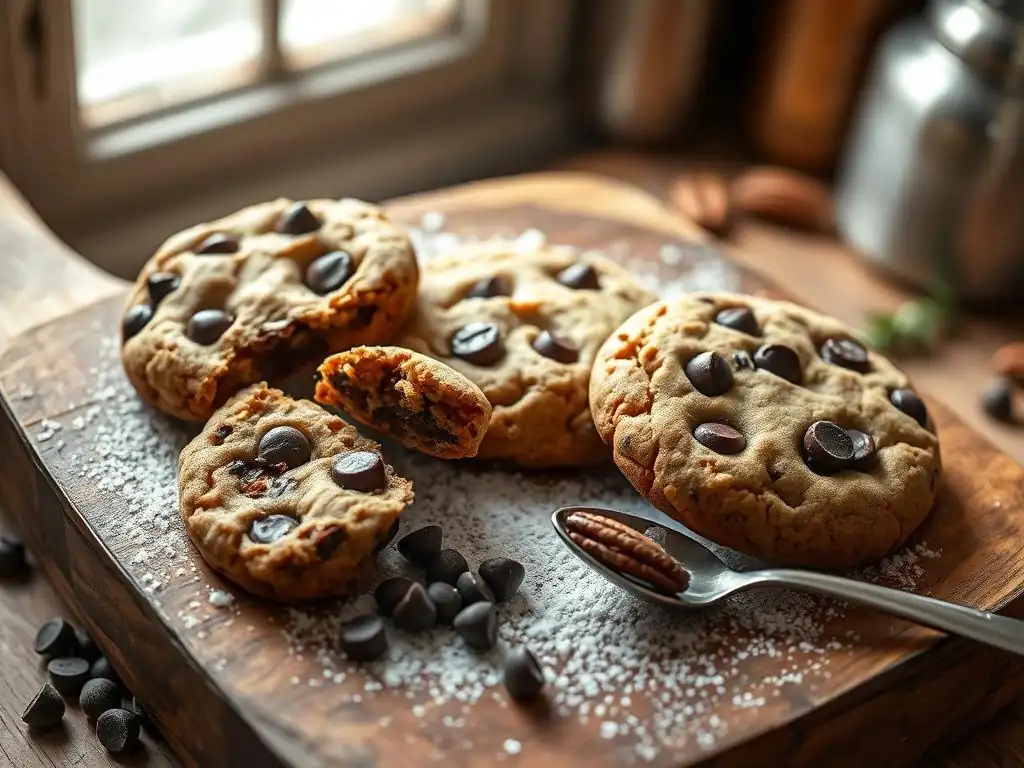
Welcome to BakeWithEase, your trusted guide to baking bliss! Ever wondered what really separates a good chocolate chip cookie from a perfectly soft chocolate chip cookie that melts in your mouth? We're diving deep into the often-overlooked world of ingredients, uncovering secrets that will transform your baking forever. Get ready to elevate your cookies beyond basic chips – the journey to cookie perfection starts now!
- Introduction: The Quest for Perfectly Soft Chocolate Chip Cookies
- Understanding Different Types of Chocolate for Cookies
- Beyond the Standard: Exploring Unique Chocolate Options
- Adding Flavor Dimensions: Combining Chocolate Varieties
- Enhancing Texture: Chocolate and Other Add-Ins
- Baking Techniques for Optimal Chocolate Distribution
- Troubleshooting Chocolate Chip Cookie Problems
- Recipe Ideas: Elevate Your Creations
- Conclusion: Mastering the Art of Soft Chocolate Chip Cookies
-
Frequently Asked Questions
- How can I ensure my chocolate chip cookies are perfectly soft?
- What are some ingredient substitutions I can make to improve the texture of my cookies?
- What baking techniques contribute to soft cookies?
- What temperature should I bake my chocolate chip cookies at for optimal softness?
- How long should I bake my chocolate chip cookies to achieve a soft, chewy texture?
- Final Reflection: The Enduring Allure of the Perfect Bite
- Unleash Your Inner Cookie Master!
Baking perfectly soft chocolate chip cookies is a culinary goal for many home bakers. It's a balance of ingredients, technique, and, crucially, the star ingredient: chocolate. While classic chocolate chips are a staple, venturing beyond them can unlock new levels of flavor, texture, and overall cookie perfection. This article explores how choosing different types and forms of chocolate can transform your cookies from good to truly extraordinary, guiding you towards that coveted soft and chewy result.
Achieving perfectly soft chocolate chip cookies often involves careful consideration of factors like butter temperature, sugar ratios (more brown sugar typically yields a softer cookie), and baking time. However, the type and quality of chocolate you use play a significant, often underestimated, role in the final texture and taste. Different chocolates melt differently, contribute varying levels of sweetness and bitterness, and impact the overall richness of the cookie dough. By understanding these nuances, you can tailor your chocolate choices to consistently produce cookies that are not only delicious but also possess that desirable soft texture.
Creating the ultimate perfectly soft chocolate chip cookie hinges significantly on the quality and variety of chocolate incorporated into the dough. Standard chocolate chips contain stabilizers, like lecithin, which help them hold their shape during baking. While this is convenient, it can result in pockets of chocolate that don't fully melt into a gooey consistency. To achieve that truly soft, melt-in-your-mouth texture within the cookie, using chocolate that melts more readily is key.
Consider using chopped chocolate from a bar instead of chips. High-quality chocolate bars often contain a higher percentage of cocoa butter and fewer stabilizers than chips designed to maintain shape. When chopped, these irregular pieces melt more beautifully, creating pools and streaks of rich chocolate throughout the cookie, contributing directly to a softer, more decadent bite. For instance, using a 70% cocoa dark chocolate bar chopped into varying sizes will yield pockets of intense, gooey bitterness alongside sweeter notes from the cookie dough, enhancing both flavor and the desired soft texture.
Why Experimenting with Chocolate Matters in Baking
Experimenting with different chocolates is crucial for elevating your baking, especially when aiming for perfectly soft chocolate chip cookies. Each type and form of chocolate brings unique characteristics to the dough, influencing not just the flavor profile but also the texture and appearance of the finished cookie. A cookie made with only milk chocolate chips will taste and feel vastly different from one made with a blend of dark chocolate chunks and white chocolate wafers.
For example, using a higher percentage dark chocolate (like 65% or 70% cocoa) will introduce a pleasant bitterness that cuts through the sweetness of the dough, creating a more complex flavor. Conversely, incorporating white chocolate adds a creamy sweetness and different melting properties.
The physical form matters too; chocolate shavings melt almost instantly, distributing a subtle chocolate flavor throughout, while large chunks create intense pockets of molten goodness. By understanding these variations, you can intentionally select chocolates to achieve specific results, whether it's a richer flavor, a gooier texture, or a combination that perfects your perfectly soft chocolate chip cookies.
Milk Chocolate: Classic Sweetness and Meltability
Milk chocolate is a beloved classic in many cookie recipes, known for its sweet, creamy profile and relatively low melting point, typically around 86-90°F (30-32°C). Its composition includes cocoa solids, cocoa butter, sugar, and milk powder or condensed milk. This addition of milk solids softens the chocolate's flavor and gives it a smoother, less intense character compared to darker varieties.
When used in cookies, milk chocolate chips or chunks contribute a familiar, comforting sweetness. Due to its lower cocoa solid content (often ranging from 10% to 30% cocoa solids in the US), it melts easily during baking, though chips are designed to hold their shape. Using chopped milk chocolate from a bar can result in larger, gooier pockets of melted chocolate, enhancing the soft texture of the cookie. However, because of its high sugar content, milk chocolate can sometimes make cookies overly sweet if not balanced with other ingredients or chocolate types.
Dark Chocolate: Adding Depth and Bitterness
Dark chocolate offers a more intense, complex flavor profile, ranging from semi-sweet to intensely bitter, depending on its cocoa content. It typically contains cocoa solids, cocoa butter, and sugar, with little to no milk solids. Cocoa percentages for dark chocolate range from 35% to over 90%. The higher the percentage, the less sugar it contains and the more pronounced the bitter, fruity, or earthy notes become.
Incorporating dark chocolate into your perfectly soft chocolate chip cookies adds a sophisticated depth. A 60% or 70% dark chocolate provides a pleasant contrast to the sweet dough, preventing the cookie from being one-dimensionally sugary. When dark chocolate melts, it creates rich, dark pools that contribute to a fudgier texture in those areas. Using chopped dark chocolate from a high-quality bar is often preferred for its superior melting properties and nuanced flavor compared to standard dark chocolate chips, which often contain more stabilizers.
Semi-Sweet Chocolate: A Balanced Choice
Semi-sweet chocolate is a versatile and popular choice for chocolate chip cookies, striking a balance between the sweetness of milk chocolate and the intensity of dark chocolate. By definition in the US, semi-sweet chocolate must contain at least 35% cocoa solids, though many brands contain between 40% and 50%. This range offers a moderate sweetness with noticeable chocolate flavor, making it a reliable option for a classic cookie taste.
Its balanced profile means semi-sweet chocolate pairs well with various doughs and additions without overpowering other flavors. Semi-sweet chips are the most common form found in classic recipes, providing consistent chocolate pockets. Using chopped semi-sweet chocolate from a bar can further enhance the texture, leading to more irregular and gooey melted areas that contribute positively to the goal of perfectly soft chocolate chip cookies. It's a great starting point for bakers looking to move beyond milk chocolate without committing to the full intensity of darker varieties.
White Chocolate: Sweet and Creamy
White chocolate is unique because it contains no cocoa solids, consisting primarily of cocoa butter, sugar, milk solids, and vanilla. It has a distinct creamy texture and a sweet, milky flavor profile that is completely different from milk or dark chocolate. By US standards, white chocolate must contain at least 20% cocoa butter and 14% total milk solids.
When added to cookies, white chocolate contributes a rich creaminess and a different kind of sweetness. It melts smoothly due to its high cocoa butter content, creating luscious pockets of melted sweetness. While not providing the traditional "chocolate" flavor, it pairs wonderfully with ingredients like macadamia nuts, cranberries, or matcha. Using high-quality white chocolate is important, as lower-quality versions can have a waxy texture. Its inclusion can add a delightful textural contrast and a sweet, creamy element that complements other flavors in your perfectly soft chocolate chip cookies.
Beyond the Standard: Exploring Unique Chocolate Options
Chocolate Chunks: Decadent and Gooey
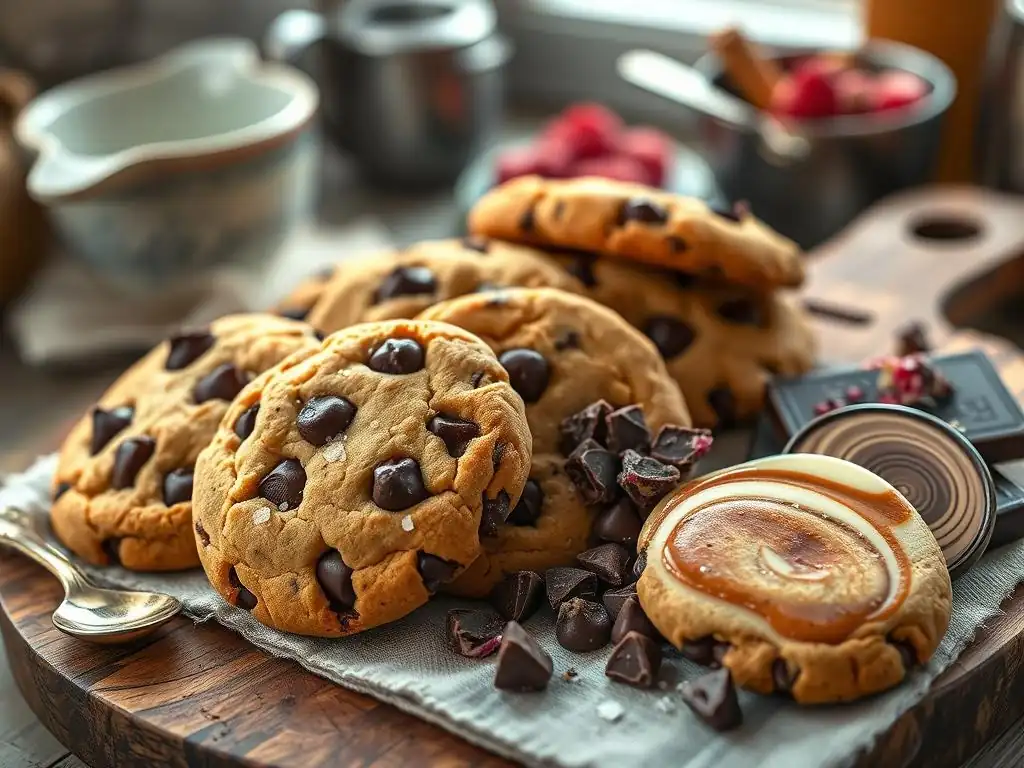
Moving beyond standard chips, chocolate chunks offer a significant upgrade for achieving perfectly soft chocolate chip cookies. Chunks are typically larger and more irregularly shaped than chips, often made from higher-quality chocolate with fewer stabilizers. This composition means they melt more completely and luxuriously during baking, creating large, decadent pools of gooey chocolate throughout the cookie.
The size and shape of chunks ensure that you get substantial bites of melted chocolate, contributing significantly to the desired soft and chewy texture. Instead of uniform pockets, you get varying layers of chocolate goodness. For instance, using 1-inch chunks of a 60% dark chocolate bar will result in intensely rich, fudgy centers that remain soft long after the cookie cools, enhancing the overall mouthfeel and ensuring your cookies are perfectly soft chocolate chip cookies.
Chocolate Shavings: Delicate Flavor and Texture
Chocolate shavings, often made by scraping a block of chocolate with a knife or peeler, offer a completely different experience in cookies. Due to their thinness, they melt almost instantly during baking, distributing chocolate flavor more subtly throughout the dough rather than creating distinct pockets. This can lead to a more uniformly chocolate-flavored cookie with a very tender crumb.
While shavings don't create the dramatic pools of melted chocolate that chunks do, they contribute to a delicate texture and ensure that chocolate flavor is present in every bite. They are particularly effective when combined with other forms of chocolate or when a lighter chocolate presence is desired. For example, adding a mix of dark chocolate chunks for gooey pockets and milk chocolate shavings for overall sweetness can create a complex and texturally interesting perfectly soft chocolate chip cookie.
Chopped Chocolate: Customizing Intensity
Chopping chocolate from a bar is perhaps one of the most effective ways to control the chocolate experience in your cookies and achieve perfectly soft chocolate chip cookies. When you chop a bar, you get pieces of various sizes, from fine shards to larger chunks. This variation ensures that some chocolate melts completely, blending into the dough, while larger pieces create distinct pockets of molten chocolate.
Using chopped chocolate from a high-quality bar (like a Valrhona or Callebaut) ensures better flavor and melting properties than many standard chips. You can customize the size of the pieces to your preference – finer chops for more dispersed flavor, coarser chops for bigger melty pockets. This method also allows you to easily use specific percentages of cocoa you might not find in chip form, giving you ultimate control over the bitterness and sweetness balance in your quest for perfectly soft chocolate chip cookies.
Chocolate Discs/Wafers: Even Melting and Elegant Presentation
Chocolate discs or wafers, often used by chocolatiers and professional bakers, are small, flat circles of couverture chocolate. Couverture chocolate contains a higher percentage of cocoa butter (typically 32-39%) than standard baking chocolate or chips, making it melt exceptionally smoothly and evenly.
When used in cookies, these discs melt beautifully, creating thin, even layers or pools of rich, glossy chocolate. Their uniform size ensures consistent distribution and melting throughout the batch. Placing discs on top of the cookie dough before baking can also create a stunning visual effect. While potentially more expensive than chips or bars, the superior melting quality of couverture discs contributes significantly to a luxurious texture and helps achieve perfectly soft chocolate chip cookies with a professional finish.
Adding Flavor Dimensions: Combining Chocolate Varieties
Pairing Dark and Milk Chocolate for Complexity
Combining dark and milk chocolate is a popular strategy for creating a more complex and balanced flavor profile in perfectly soft chocolate chip cookies. The richness and slight bitterness of dark chocolate provide a counterpoint to the creamy sweetness of milk chocolate, preventing the cookies from being overly sugary. This blend appeals to a wide range of palates.
A common ratio might be 60% dark chocolate and 40% milk chocolate, used as chips, chunks, or a mix of both. For example, using 4 ounces of chopped 70% dark chocolate bar and 3 ounces of milk chocolate chips can yield cookies with distinct pockets of intense dark chocolate alongside sweeter, creamier milk chocolate areas. This combination enhances both the flavor depth and the textural variation within the cookie, contributing to that coveted soft and complex result.
Semi-Sweet and White Chocolate Harmony
Pairing semi-sweet and white chocolate creates a different kind of harmony, leaning into sweetness and creaminess while still offering some traditional chocolate flavor. The semi-sweet provides a familiar chocolate base, while the white chocolate adds a rich, milky sweetness and a different melting texture.
This combination works particularly well with additions like macadamia nuts or dried cranberries. Using equal parts semi-sweet chips and white chocolate chunks, for instance, ensures that each bite offers a blend of classic chocolate notes and creamy sweetness. The smooth melt of white chocolate complements the slightly firmer structure of semi-sweet chips, adding complexity to the texture and contributing to perfectly soft chocolate chip cookies with a sweeter profile.
Triple Chocolate Combination
For the ultimate chocolate lover, a triple chocolate combination offers maximum decadence and complexity. This typically involves using dark, milk, and white chocolate together in the same cookie dough. The goal is to layer the distinct flavors and textures that each type brings.
A common approach is to use roughly equal parts of chopped dark chocolate (e.g., 60%), milk chocolate chips, and white chocolate chunks or wafers. This ensures that every bite potentially contains notes from all three chocolates – the bitterness of the dark, the classic sweetness of the milk, and the creamy richness of the white. The varying melting points and compositions of the three chocolates also contribute to a wonderfully varied texture, making these truly perfectly soft chocolate chip cookies that are rich and satisfying.
Enhancing Texture: Chocolate and Other Add-Ins
Nuts and Chocolate: Classic Texture and Flavor
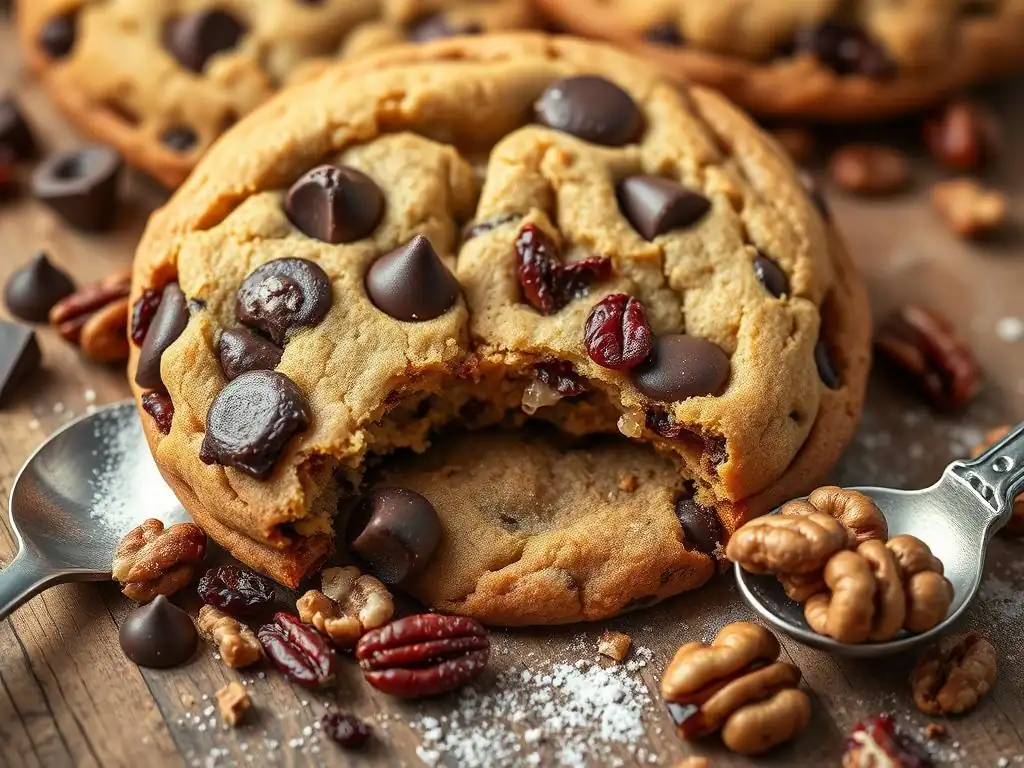
Adding nuts to perfectly soft chocolate chip cookies introduces a delightful textural contrast – the crunch of nuts against the soft, chewy cookie and melted chocolate. Nuts also bring their own distinct flavors that pair exceptionally well with chocolate. Walnuts and pecans are classic choices, offering earthy and slightly bitter notes that complement both milk and dark chocolate.
For optimal texture and flavor distribution, nuts should be toasted before adding them to the dough. Toasting enhances their flavor and crispness. Using about 1 cup of toasted, chopped nuts per standard batch of cookies provides a good balance. The combination of soft dough, gooey chocolate, and crunchy nuts creates a multi-sensory experience that elevates the simple chocolate chip cookie to new heights, aiding in achieving perfectly soft chocolate chip cookies with added dimension.
Oatmeal and Chocolate: Chewiness and Heartiness
Incorporating oatmeal into perfectly soft chocolate chip cookies adds a unique chewiness and a hearty texture. Rolled oats absorb moisture from the dough during baking, which contributes to a softer, more moist crumb over time. The oats also provide a subtle, nutty flavor that pairs well with various types of chocolate.
Using old-fashioned rolled oats is generally preferred over quick oats, as they provide a more substantial texture. About 1 cup of rolled oats per batch can significantly change the cookie's structure, making it chewier and more robust. This combination results in a cookie that feels more substantial and often stays soft longer, making oatmeal chocolate chip cookies a reliable variation when aiming for perfectly soft chocolate chip cookies.
Pretzels and Chocolate: Salty-Sweet Delight
Adding crushed pretzels to perfectly soft chocolate chip cookies introduces a surprising but delicious salty-sweet dynamic and a satisfying crunch. The saltiness of the pretzels enhances the sweetness of both the dough and the chocolate, creating a highly addictive flavor profile. The crispy texture of the pretzels contrasts beautifully with the soft cookie and melted chocolate.
Roughly crushing about 1/2 cup of pretzels (enough to yield about 1 cup of pieces) and folding them gently into the dough along with the chocolate ensures distribution. It's best to add them towards the end of mixing to prevent them from becoming too soggy. This unconventional addition adds a unique textural layer and flavor dimension that makes your perfectly soft chocolate chip cookies stand out.
Dried Fruit and Chocolate: Chewy and Flavorful
Dried fruits, such as cranberries, cherries, or raisins, add bursts of chewy texture and tangy or sweet flavor that complements chocolate exceptionally well. The chewiness of the dried fruit provides another layer of texture alongside the soft cookie and melted chocolate.
Using about 1/2 to 1 cup of chopped dried fruit adds moisture and concentrated flavor to the cookies. For example, using dried tart cherries with dark chocolate creates a classic flavor pairing. The slightly acidic notes of the fruit balance the richness of the chocolate and the sweetness of the dough. This combination adds complexity and ensures a soft, chewy bite in your perfectly soft chocolate chip cookies.
Baking Techniques for Optimal Chocolate Distribution
Folding Chocolate Gently: Avoiding Overmixing
Properly incorporating chocolate into your cookie dough is crucial for achieving even distribution and the desired texture in your perfectly soft chocolate chip cookies. The key technique here is gentle folding, not vigorous mixing. Once your dough is fully mixed and ready for add-ins, the chocolate (and any other additions) should be folded in by hand using a spatula or wooden spoon.
Overmixing after adding chocolate can break the chocolate pieces into smaller fragments, which reduces the effect of distinct chocolate pockets. It can also develop the gluten in the flour too much, leading to tougher cookies rather than perfectly soft chocolate chip cookies. Fold just until the chocolate is evenly dispersed throughout the dough, typically only about 10-15 folds. This gentle handling preserves the chocolate pieces and maintains the dough's tender structure.
Chilling the Dough: Preventing Spreading
Chilling cookie dough is a critical step for many recipes, especially when aiming for perfectly soft chocolate chip cookies that are thick and chewy rather than thin and crispy. Chilling solidifies the fat (butter) in the dough. When the cold dough hits the hot oven, the butter melts slower, causing the cookies to spread less and bake up thicker.
A minimum chilling time of 30 minutes is often recommended, but chilling for 24-72 hours can significantly improve both texture and flavor. During a longer chill, the flour hydrates more fully, and the sugars develop more complex flavors. This leads to cookies that spread less, resulting in a thicker center that stays soft, contributing directly to perfectly soft chocolate chip cookies. Chilling also helps the chocolate pieces set slightly within the dough, preventing them from sinking as much during baking.
Evenly Spaced Chocolate Pieces
Ensuring that chocolate pieces are relatively evenly spaced within the dough and on the surface of the cookie dough balls before baking contributes to a better appearance and a more consistent chocolate experience in every bite. While folding helps distribute the chocolate, a quick check and adjustment before baking can make a difference.
When you scoop or roll your cookie dough balls, take a moment to press a few extra chocolate chunks or chips onto the surface of each ball, especially if some areas look sparse. This isn't just for aesthetics; it ensures that chocolate melts on the surface as the cookie bakes, creating those appealing pools and contributing to the overall gooey texture. Placing 2-3 extra pieces on top of each dough ball before baking can make a noticeable improvement in your perfectly soft chocolate chip cookies.
Chocolate Sinking: Solutions and Prevention
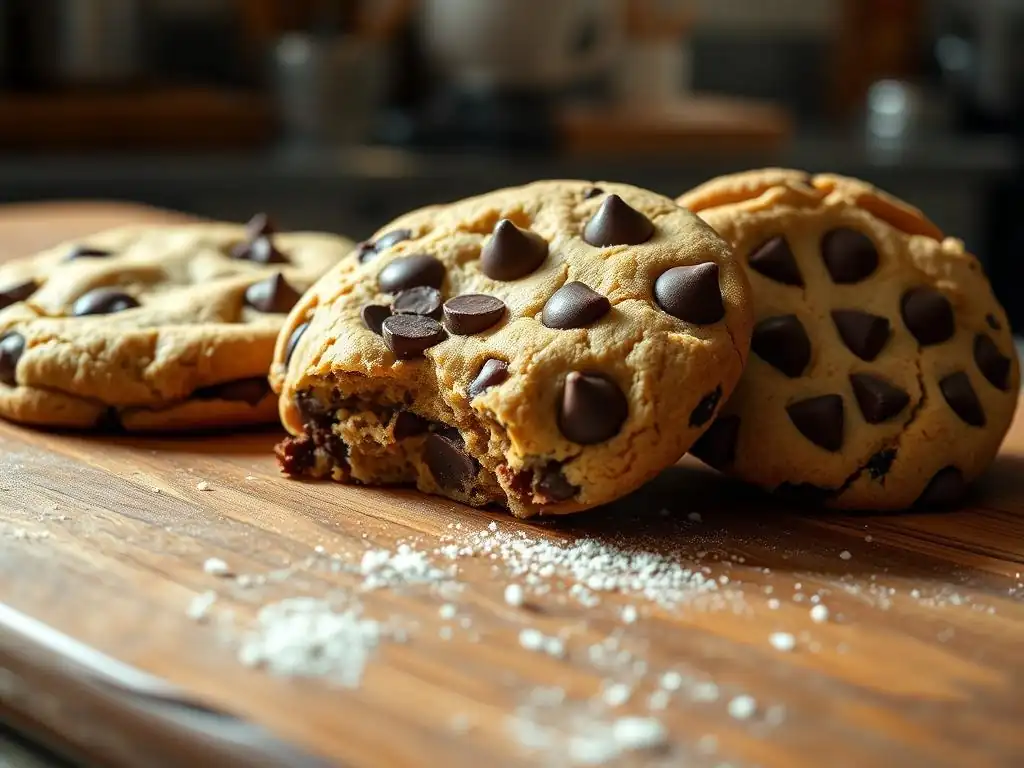
Chocolate sinking to the bottom of your cookies is a common issue that can detract from the visual appeal and even distribution of flavor. This often happens if the chocolate pieces are too heavy for the dough, or if the dough is too warm or too thin.
To prevent sinking, ensure your chocolate pieces aren't excessively large, especially if using chunks. Toss your chocolate chips or chunks with a tablespoon of flour before adding them to the dough; the thin coating helps them adhere to the dough and prevents them from sinking as readily. Most importantly, chilling your cookie dough thoroughly for at least 30 minutes (or longer) is highly effective, as the firm dough is better able to suspend the chocolate pieces during baking, helping you achieve perfectly soft chocolate chip cookies with chocolate distributed throughout.
Cookies spreading too thin is another frequent problem, resulting in crispy edges and potentially dry centers, far from perfectly soft chocolate chip cookies. This is often caused by butter that is too soft or melted, dough that hasn't been chilled sufficiently, or an oven temperature that is too low.
Ensure your butter is at cool room temperature, not melted or greasy. Chill your dough for at least 30 minutes, preferably longer, as discussed earlier. Also, verify your oven temperature with an oven thermometer; many home ovens can be off by 25-50°F (15-30°C). Baking at the correct temperature, typically 350°F (175°C) for soft cookies, ensures the edges set before the cookie spreads excessively, helping maintain thickness and achieving perfectly soft chocolate chip cookies.
Achieving Perfect Softness: Baking Time and Temperature
The key to achieving perfectly soft chocolate chip cookies lies significantly in controlling the baking time and temperature. Overbaking is the most common culprit for dry, hard cookies. Soft cookies require baking until the edges are set and lightly golden, but the centers still look slightly underdone and pale.
For most standard-sized cookies (about 1.5 - 2 tablespoons of dough), baking at 350°F (175°C) for 9-12 minutes is a good starting point. The exact time will vary depending on your oven and the size of your cookies. Remove the cookies from the oven when they look slightly puffy and soft in the center.
They will continue to cook slightly on the hot baking sheet as they cool. Letting them cool on the sheet for 5-10 minutes before transferring to a wire rack allows them to finish setting while retaining moisture, crucial for that perfectly soft chocolate chip cookie texture.
Recipe Ideas: Elevate Your Creations
These cookies elevate the classic by focusing on high-quality dark chocolate and finishing with a touch of sea salt. Use a mix of chopped 65-75% dark chocolate bar and some dark chocolate wafers for varied melting.
- Dough: Standard chocolate chip cookie dough recipe using brown sugar for chewiness.
- Chocolate: 8 ounces (about 1.5 cups) of a mix of chopped 70% dark chocolate bar and dark chocolate discs.
- Finishing: Sprinkle flaky sea salt (like Maldon) on top of the cookie dough balls before baking.
- Result: Rich, intensely chocolatey perfectly soft chocolate chip cookies with bursts of salinity that enhance the chocolate flavor.
A classic pairing that highlights the creamy sweetness of white chocolate and the buttery crunch of macadamia nuts.
- Dough: A slightly less sweet dough base to balance the white chocolate, perhaps reducing granulated sugar slightly.
- Chocolate: 6 ounces (about 1 cup) of high-quality white chocolate chunks or wafers.
- Add-ins: 1 cup of toasted, roughly chopped macadamia nuts.
- Result: Sweet, creamy, and crunchy perfectly soft chocolate chip cookies with a tropical twist.
For the ultimate chocolate experience, combining three types of chocolate creates layers of flavor and texture.
- Dough: A standard rich cookie dough base.
- Chocolate: A total of 8 ounces (about 1.5 cups) of chocolate, split between chopped 60% dark chocolate, milk chocolate chips, and white chocolate chunks. Use roughly equal amounts of each.
- Result: Intensely chocolatey perfectly soft chocolate chip cookies with varied sweetness, bitterness, and melting textures in every bite.
Adding espresso powder enhances the chocolate flavor and adds a subtle coffee note, creating a sophisticated take on perfectly soft chocolate chip cookies.
- Dough: Standard cookie dough with 1-2 teaspoons of instant espresso powder dissolved in the vanilla extract before adding to the wet ingredients.
- Chocolate: 8 ounces (about 1.5 cups) of semi-sweet chocolate chips or a mix of semi-sweet and dark chocolate.
- Result: Deeply flavored perfectly soft chocolate chip cookies where the coffee notes amplify the richness of the chocolate.
Mastering the art of baking perfectly soft chocolate chip cookies is an achievable goal for any home baker, and the journey is significantly enhanced by exploring the world of chocolate beyond basic chips. As we've seen, the type, quality, and form of chocolate you choose profoundly impact the cookie's flavor, texture, and overall appeal. From the classic sweetness of milk chocolate to the intense depth of dark, the creamy luxury of white, and the superior melt of chunks or chopped bars, each option offers a unique contribution.
By understanding how different chocolates behave when baked and employing simple techniques like gentle folding and chilling the dough, you can consistently produce cookies that are not only delicious but also possess that sought-after soft and gooey texture. Experimenting with combinations of chocolate types and incorporating complementary add-ins like nuts, oats, pretzels, or dried fruit further allows you to customize your creations. So, the next time you bake, step beyond the standard bag of chips and discover how the right chocolate can truly elevate your quest for the ultimate perfectly soft chocolate chip cookies.
Frequently Asked Questions
Achieving perfectly soft chocolate chip cookies relies on a few key factors. Using brown sugar for moisture, underbaking slightly, and adding a touch of cornstarch can help.
You can substitute some of the granulated sugar with brown sugar for a chewier cookie. Adding melted butter instead of softened can also lead to a softer texture.
Avoid overmixing the dough, as this can develop the gluten and lead to a tougher cookie. Also, chilling the dough before baking can help control spread and maintain a softer, thicker texture.
Baking at a slightly lower temperature, around 350°F (175°C), can help prevent the edges from becoming too crispy before the inside is cooked. This contributes to a softer, more evenly baked cookie.
It's crucial to underbake slightly. Look for cookies that are golden brown around the edges but still appear slightly soft in the center. They will continue to set as they cool, resulting in a perfectly soft interior.
Final Reflection: The Enduring Allure of the Perfect Bite
The quest for the perfectly soft chocolate chip cookie transcends mere baking; it's a pursuit of comfort, nostalgia, and the simple joy of a perfectly executed recipe. This article explored the nuances of achieving that ideal texture, moving beyond basic chocolate chips to delve into techniques and ingredient choices that elevate the humble cookie to new heights. From the careful balance of butter and sugar to the importance of chilling the dough, we've uncovered the secrets to a truly unforgettable treat.
The impact of a perfectly baked chocolate chip cookie extends far beyond the individual experience. It's a shared memory, a symbol of home, and a testament to the power of simple pleasures in a complex world. A cookie is a little bit of happiness you can hold in your hand.
This sentiment perfectly encapsulates the emotional resonance of this seemingly simple baked good. The pursuit of the perfect cookie reflects a deeper human desire for connection and comfort, a desire that transcends generations and cultures.
Now, I invite you to consider your own approach to baking. What small adjustments can you make to elevate your own chocolate chip cookie game? Will you experiment with different types of chocolate, or perhaps refine your chilling technique? The journey to the perfect cookie is a personal one, filled with experimentation and discovery. Embrace the process, savor the results, and share the joy with those you love. The perfectly soft chocolate chip cookie awaits – bake on!
Thanks for joining us on this delicious journey into the world of elevated chocolate chip cookies! We hope you've discovered new ways to transform a classic treat into something truly special. Ready to take your baking to the next level?
- Experiment with gourmet chocolate: Try substituting dark chocolate chunks, milk chocolate with sea salt, or even white chocolate with cranberries! This is your chance to personalize your cookies!
- Share your creations: Snap a picture of your masterpiece and share it on social media using #BakeWithEaseElevatedCookies – let's inspire each other!
- Dive deeper into baking techniques: Explore more advanced cookie recipes and tips on our website (bakewithease.com – though, remember you shouldn't need a link to access this site if you're reading this CTA on bakewithease.com!)
So, what unexpected flavor combination will you try next?