
The History of Chocolate in Baking: Fun Facts Every Baker Should Know

Welcome to BakeWithEase, your haven for all things baking! Ever wondered how that decadent chocolate cake came to be? Prepare to be amazed! This page dives into the fascinating world of chocolate baking history facts, revealing secrets and stories behind one of the world's most beloved ingredients. Uncover the surprising origins and evolution of chocolate in baking, and get ready to impress your friends (and yourself!) with newfound knowledge. Ready to explore?
- Chocolate Baking History Facts: A Baker's Delight
- The Ancient Origins of Chocolate and Baking
- The European Arrival of Chocolate: A Sweet Transformation
- Key Moments in Chocolate Baking History
-
Fun Chocolate Baking Facts Every Baker Should Know
- Fact 1: The Original Chocolate Drink Was Bitter, Not Sweet
- Fact 2: Early Chocolate Molds Were Often Made of Ceramic or Metal.
- Fact 3: Chocolate Was Once Used as Currency
- Fact 4: Aztecs Used Cacao Beans to Pay Taxes and Trade for Goods.
- Fact 5: The First Chocolate Bar Was a Baking Ingredient First
- Fact 6: Early Chocolate Bar Recipes Focused on Simple Combinations of Cocoa, Sugar, and Spices.
- Chocolate Baking in the Modern Era
- Mastering Chocolate Baking: Tips for Today's Baker
- Conclusion: Celebrating Chocolate's Enduring Legacy in Baking
-
Frequently Asked Questions
- How did chocolate become a baking ingredient?
- What is the earliest known use of chocolate in baking?
- Where did chocolate originate, and how did it make its way to Europe?
- What form of chocolate was most commonly used in early baking recipes?
- What are some interesting historical facts about chocolate's influence on baking trends?
- Final Reflection: A Sweet Legacy, A Bittersweet Future
- Unlock Your Inner Chocolate Master!
Chocolate Baking History Facts: A Baker's Delight
BakeWithEase Presents: Unveiling Chocolate's Rich Baking Past
Welcome, fellow baking enthusiasts! At BakeWithEase, we believe that understanding the ingredients we use not only enhances our skills but also deepens our appreciation for the culinary arts. Today, we embark on a delightful journey through time to explore the fascinating history of chocolate in baking. From its ancient roots as a bitter beverage to its modern-day status as a beloved baking staple, chocolate's evolution is filled with intriguing facts and pivotal moments that every baker should know. Get ready to uncover some sweet chocolate baking history facts!
Exploring the historical facts about chocolate baking provides a rich context for why we bake with it today. It's a story that spans continents and centuries, reflecting cultural shifts, technological advancements, and evolving tastes. Understanding this journey helps us appreciate the complexity and versatility of chocolate, whether we're melting it for ganache, chopping it for cookies, or whisking it into a decadent cake batter. Let's dive into the origins and transformations that brought chocolate to our baking repertoire.
The Ancient Origins of Chocolate and Baking
From Bitter Drink to Baked Good: Chocolate's Early Forms
Long before chocolate became the sweet, solid treat we know and love in baking, it existed primarily as a bitter, often spicy, drink. This ancient beverage was derived from the cacao bean, native to Mesoamerica. Early civilizations meticulously harvested, fermented, roasted, and ground these beans, mixing the resulting paste with water, chili peppers, vanilla, and other spices. The flavor profile was vastly different from modern hot chocolate, emphasizing bitterness and pungency rather than sweetness. This initial form of chocolate was consumed in rituals and ceremonies, valued for its perceived stimulating and medicinal properties.
The transition from a purely liquid, ceremonial use to incorporation into solid or semi-solid foods was gradual. While direct evidence of "baking" as we understand it with chocolate in ancient times is limited, the use of cacao paste or drinks alongside other cooked or prepared foods in meals suggests an early culinary integration. These early forms laid the groundwork, however indirectly, for future experiments where chocolate would eventually find its way into more complex food preparations that resemble baking.
Mesoamerican Chocolate Traditions: A Culinary Revelation
The Olmec civilization, one of the earliest known in Mesoamerica, is credited with being among the first to cultivate cacao and utilize it. Archaeological evidence suggests that the Olmecs used chocolate in ritualistic drinks as early as 1500 BCE. This predates the Maya and Aztec civilizations, who are more commonly associated with early chocolate use. The Olmecs' processing techniques, involving fermentation and roasting, established practices that would continue for millennia, forming the foundation of all subsequent chocolate production.
The Maya and Aztecs further developed cacao cultivation and preparation, elevating chocolate to a status of significant cultural and economic importance. For the Aztecs, cacao beans were so valuable they were used as currency, a testament to the plant's perceived worth. The drink they prepared, often called xocolātl, remained primarily a bitter concoction, sometimes frothed to create a foamy texture. While they combined it with various ingredients, its use in baked goods was not part of their tradition; their culinary focus with cacao remained centered on beverages.
The European Arrival of Chocolate: A Sweet Transformation
Chocolate's Introduction to Europe: A Royal Affair
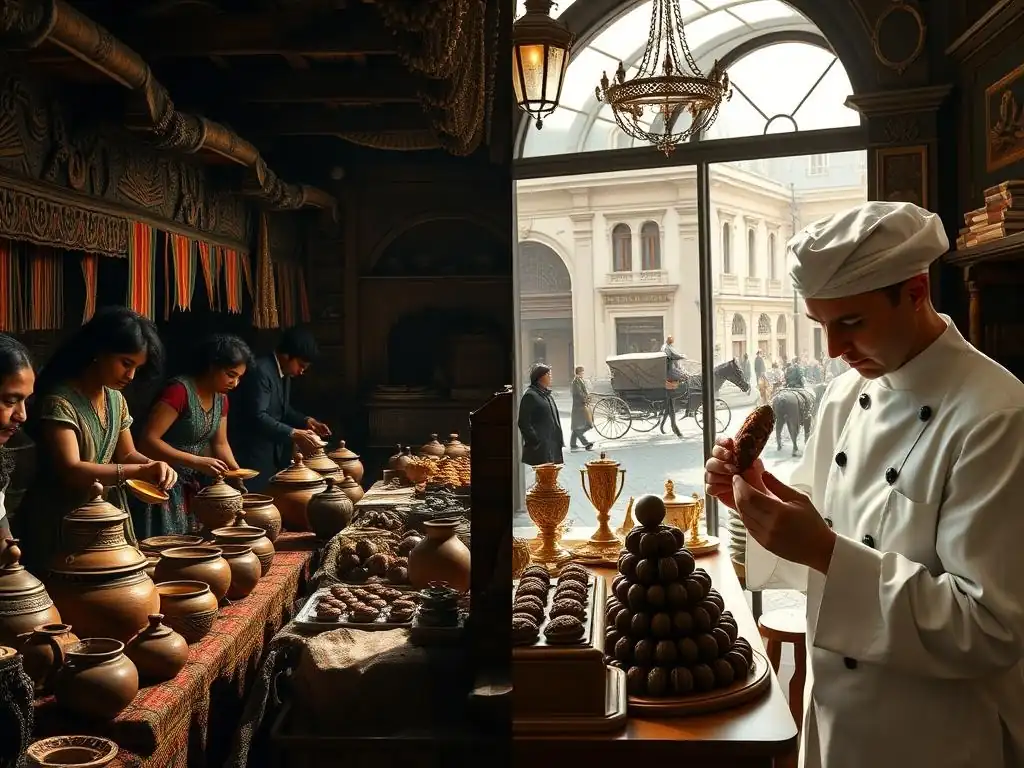
Chocolate first arrived in Europe in the 16th century following Christopher Columbus's voyages to the Americas, although it didn't immediately capture widespread attention. It was Hernán Cortés who, after encountering the Aztec use of cacao, is often credited with bringing cacao beans and the knowledge of preparing the drink back to Spain around 1528. Initially, the bitter taste was not appealing to the European palate. However, Spanish monks and courtiers began experimenting, adding sugar, honey, and different spices like cinnamon, transforming the bitter xocolātl into a sweeter, more palatable beverage.
This sweetened version quickly became a luxury item exclusive to the Spanish aristocracy. Its popularity spread slowly across Europe, primarily through royal intermarriages and diplomatic gifts. By the 17th century, chocolate houses similar to coffee houses began appearing in major European cities like London and Paris, serving the increasingly popular hot chocolate drink to the elite. This period marked chocolate's shift from a purely ceremonial or medicinal item to a fashionable social drink, setting the stage for its eventual incorporation into European cuisine and, crucially, baking.
The Development of Chocolate Processing Techniques in Europe
The European demand for chocolate spurred innovation in processing techniques. Initially, the methods were similar to those used in Mesoamerica, involving manual grinding of roasted beans. However, as consumption grew, efforts were made to mechanize the process. The invention of hydraulic presses in the 18th century improved the efficiency of grinding cacao beans into a paste. A truly pivotal moment arrived with the development of the cocoa press.
Coenraad van Houten, a Dutch chemist, patented the cocoa press in 1828. This invention revolutionized chocolate making by allowing the separation of cocoa butter from the cocoa solid (cocoa powder). Removing some of the cocoa butter made it easier to create a smoother, less greasy drinking chocolate. More importantly for baking, it yielded cocoa powder, a versatile ingredient that could be easily incorporated into doughs and batters. This development was a game-changer, making chocolate more accessible and adaptable for culinary uses beyond beverages.
Early Chocolate Baking Experiments in Europe: Chocolate Puddings and Hot Chocolate Cakes.
With the availability of cocoa powder and, later, solid eating chocolate, European bakers began experimenting. Early chocolate baking experiments often involved incorporating chocolate into existing recipes, particularly those for puddings and simple cakes. Hot chocolate cakes, essentially dense cakes flavored heavily with the chocolate drink, were among the first examples. These were often heavy and moist, designed to showcase the rich flavor of the expensive ingredient.
Puddings, both steamed and baked, were also popular vehicles for early chocolate incorporation. Recipes from the 18th and 19th centuries describe adding grated chocolate or cocoa powder to custard bases or bread pudding mixtures. These early attempts were often less refined than modern chocolate desserts, sometimes resulting in grainy textures due to the processing limitations of the time. However, they represent the crucial first steps in integrating chocolate into solid baked goods, paving the way for the vast array of chocolate treats we enjoy today.
Key Moments in Chocolate Baking History
The Invention of Baking Chocolate: A Game Changer
One of the most significant milestones in chocolate baking history facts is the invention of solid chocolate specifically intended for culinary use. In 1847, British chocolatier J.S. Fry & Sons created the first edible chocolate bar by adding melted cocoa butter back into Dutch cocoa powder and sugar, then molding it. While this was primarily marketed as an eating chocolate initially, its solid form made it far easier for bakers to measure, chop, and melt consistently compared to the previous methods of using cocoa powder or grating solid drinking chocolate.
This innovation provided bakers with a reliable, standardized ingredient. Instead of relying solely on cocoa powder, they could now use solid chocolate to add richness, structure, and a different flavor profile to their creations. This led to the development of recipes specifically designed around the properties of solid chocolate, opening up new possibilities for cakes, pastries, and confections. The availability of baking chocolate truly revolutionized the home and professional baking world.
The Rise of Chocolate Cakes: A Baking Revolution
The 19th century saw the increasing popularity and refinement of chocolate cakes. As solid chocolate became more available and affordable, bakers could create richer, more intensely flavored cakes. The development of chemical leaveners like baking powder also played a role, allowing for lighter, more tender cake textures compared to the dense, yeasted cakes or puddings of earlier eras. This period marked a baking revolution centered around chocolate.
A famous, albeit slightly misleading, example is the German Chocolate Cake. Despite its name, German Chocolate Cake did not originate in Germany. It was created in the US in 1852 by an English-American baker named Samuel German, who developed a type of dark baking chocolate. The cake recipe using "German's Sweet Chocolate" was later published in a Dallas newspaper in 1957 and became widely popular, known for its distinctive coconut-pecan frosting. This specific chocolate baking history fact highlights how product innovation directly fueled iconic dessert creation.
Perhaps one of the most beloved chocolate baking history facts revolves around the creation of the chocolate chip cookie. This iconic treat was invented by Ruth Wakefield in 1938 at the Toll House Inn in Whitman, Massachusetts. The story goes that she intended to make chocolate cookies but ran out of baker's chocolate. As a substitute, she chopped up a Nestlé semi-sweet chocolate bar, expecting the pieces to melt and disperse throughout the dough.
To her surprise, the chocolate pieces held their shape, softening but remaining distinct chunks within the cookie. This happy accident resulted in a cookie with pockets of melted chocolate, offering bursts of flavor and texture. Ruth Wakefield later struck a deal with Nestlé, allowing them to print the "Toll House Cookie" recipe on their chocolate bar wrappers in exchange for a lifetime supply of chocolate. This simple innovation became a global phenomenon, cementing the chocolate chip cookie's place in the pantheon of classic baked goods and adding a sweet chapter to the history of chocolate in baking.
Fun Chocolate Baking Facts Every Baker Should Know
Fact 1: The Original Chocolate Drink Was Bitter, Not Sweet
Contrary to the sweet hot chocolate we enjoy today, the ancient Mesoamerican beverage xocolātl was predominantly bitter, often spiced with chili peppers. Sugar was not added until chocolate reached Europe.
Fact 2: Early Chocolate Molds Were Often Made of Ceramic or Metal.
Before modern silicone or plastic molds, chocolate was cast into shapes using durable materials like clay (ceramic) or various metals.
Fact 3: Chocolate Was Once Used as Currency
For the Aztecs, cacao beans were so valuable they served as a form of currency, used to purchase goods and pay taxes. This underscores the high regard in which the plant was held.
Fact 4: Aztecs Used Cacao Beans to Pay Taxes and Trade for Goods.
This specific example illustrates the economic power of cacao beans in the Aztec empire, highlighting their role beyond just a food or drink item.
Fact 5: The First Chocolate Bar Was a Baking Ingredient First
While J.S. Fry's 1847 creation was edible, it was often marketed and used initially as a more convenient form of chocolate for melting into drinks or using in recipes, rather than solely as a confection to be eaten plain.
Fact 6: Early Chocolate Bar Recipes Focused on Simple Combinations of Cocoa, Sugar, and Spices.
Unlike the complex ingredient lists of some modern chocolate bars, the very first solid chocolates were quite basic, primarily combining cocoa liquor (cocoa mass), added cocoa butter (thanks to Van Houten's press), and a sweetener, sometimes with vanilla or other spices.
Chocolate Baking in the Modern Era
The Evolution of Chocolate Baking Recipes
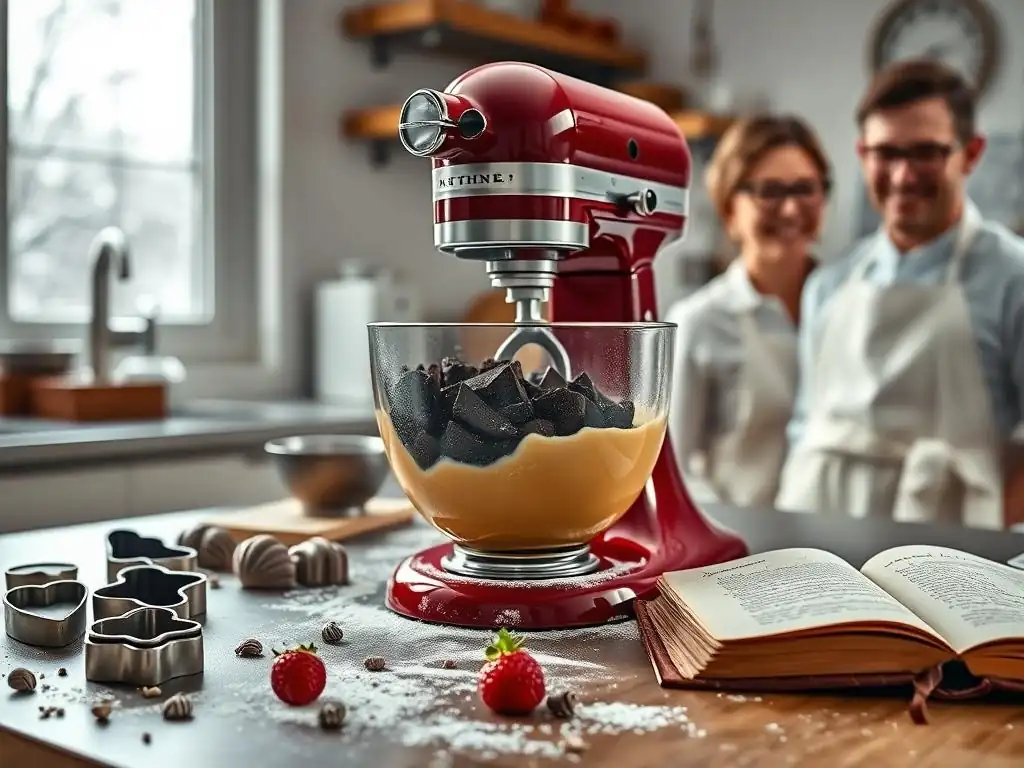
Modern chocolate baking recipes showcase incredible diversity and sophistication compared to their historical counterparts. Thanks to advancements in chocolate processing, ingredient availability, and culinary techniques, bakers can now create everything from light-as-air chocolate soufflés to intensely rich flourless chocolate cakes, delicate macarons, and complex layered tortes. The focus has expanded beyond simple flavored cakes and puddings to encompass a vast spectrum of textures, flavor combinations, and presentation styles.
The internet and global communication have played a huge role, allowing recipes and techniques to spread rapidly. We now have access to specialized chocolates with varying cocoa percentages, origins, and flavor notes, enabling bakers to fine-tune their creations. This evolution reflects a deeper understanding of how chocolate interacts with other ingredients and how different types of chocolate perform under heat, leading to more precise and reliable baking outcomes.
The Impact of Industrialization on Chocolate Production
Industrialization profoundly impacted chocolate production, making it significantly more accessible and affordable for the average consumer and baker. Mass production techniques, improved machinery for roasting and grinding, and efficient transportation systems meant that chocolate was no longer a luxury item exclusive to the wealthy. Factories could process large quantities of cacao beans, leading to a consistent supply of cocoa powder and baking chocolate.
This scale of production also facilitated the development of different types of baking chocolate, such as semi-sweet, bittersweet, milk, and white chocolate, each with specific characteristics useful in baking. While industrialization brought accessibility, it also introduced questions about quality and sourcing, paving the way for discussions around ethical production and bean-to-bar movements in recent decades. The widespread availability fostered by industrialization is, however, undeniable in its impact on making chocolate baking a common practice worldwide.
Sustainable and Ethical Chocolate Baking Practices
As awareness grows about the social and environmental impacts of cacao farming, sustainable and ethical chocolate baking practices are becoming increasingly important. Issues such as fair wages for farmers, child labor, deforestation, and biodiversity loss are significant concerns in the chocolate industry. Many bakers and consumers are now seeking out chocolate certified by organizations like Fair Trade, Rainforest Alliance, or direct-trade sources that ensure farmers receive a fair price and work under ethical conditions.
Choosing sustainably sourced chocolate not only supports responsible practices but can also offer higher quality beans with unique flavor profiles, enhancing the final baked product. As bakers, understanding these issues and making conscious choices about the chocolate we use is a vital part of our craft in the modern era. It connects our passion for baking with a commitment to global responsibility, adding another layer of meaning to the chocolate baking history facts we've explored.
Mastering Chocolate Baking: Tips for Today's Baker
Choosing the Right Chocolate for Your Baking Projects
Selecting the appropriate type of chocolate is crucial for successful chocolate baking. The percentage of cocoa solids significantly impacts flavor and texture. Understanding the difference between bittersweet, semi-sweet, milk, and white chocolate is fundamental. Bittersweet chocolate, typically containing 70% or more cocoa solids, offers an intense, less sweet flavor, ideal for rich desserts. Semi-sweet chocolate (around 60% cocoa solids) provides a balanced sweetness and intensity, making it versatile for many recipes.
Milk chocolate contains added milk solids and is sweeter with a creamier texture, best suited for recipes where a milder, sweeter chocolate flavor is desired. White chocolate, notably, contains no cocoa solids, only cocoa butter, sugar, and milk solids, offering a sweet, creamy profile distinct from dark and milk chocolate. Using high-quality chocolate, regardless of type, will always yield superior results in your baking.
Understanding Different Types of Chocolate: Bittersweet, Semisweet, and Milk Chocolate.
As mentioned, the primary difference lies in the cocoa solid percentage and the addition of milk solids.
- Bittersweet Chocolate: High cocoa percentage (often 70%+). Intense, deep chocolate flavor, less sweet. Great for ganaches, mousses, and recipes where a strong chocolate presence is needed to balance sweetness.
- Semisweet Chocolate: Moderate cocoa percentage (typically 50-60%). Balanced flavor profile, not too sweet, not too bitter. The go-to for chocolate chip cookies, brownies, and many cakes.
- Milk Chocolate: Lower cocoa percentage (usually 10-40%) with added milk solids. Sweet, creamy flavor. Melts easily, perfect for fillings, glazes, or recipes where a milder chocolate taste is preferred.
Tempering Chocolate for Professional Results
Tempering chocolate is a technique used to stabilize chocolate after melting, ensuring it hardens with a glossy finish, a crisp snap when broken, and prevents blooming (the formation of grayish streaks caused by cocoa butter separating). It involves carefully heating, cooling, and reheating chocolate to specific temperatures to control the crystallization of cocoa butter. While not necessary for all baking applications (like mixing into batter), it's essential for making chocolate coatings, decorations, or molded chocolates.
One common technique for tempering is the Seed Crystal Method. This involves melting about two-thirds of the chocolate, then stirring in the remaining one-third (finely chopped or in callets) into the melted chocolate off the heat. The solid chocolate "seeds" help cool the melted chocolate down to the correct working temperature while providing stable cocoa butter crystals that encourage the rest of the chocolate to crystallize correctly as it cools. Mastering this technique elevates chocolate work from amateur to professional.
Exploring Innovative Chocolate Baking Techniques
Modern baking continues to push the boundaries of how chocolate is used. Techniques like creating chocolate spheres or shards, utilizing aeration to create chocolate foams or sponges, and incorporating different chocolate textures (like feuilletine or cocoa nibs) add complexity and excitement. Reverse tempering, a simpler method for achieving temper with certain types of chocolate, is gaining popularity among home bakers.
Furthermore, the rise of bean-to-bar chocolate makers encourages experimentation with single-origin chocolates, exploring the unique flavor nuances imparted by cacao beans from different regions. Bakers are also playing with combining chocolate with unexpected flavors, moving beyond traditional pairings like raspberry or orange to include spices, herbs, and even vegetables, creating truly innovative chocolate baking history facts for the future.
Conclusion: Celebrating Chocolate's Enduring Legacy in Baking
From its origins as a bitter drink in ancient Mesoamerica to its status as a fundamental ingredient in modern baking, the history of chocolate is a testament to culinary evolution and human ingenuity. The journey of chocolate, marked by key inventions like the cocoa press and the creation of iconic treats like the chocolate chip cookie, is rich with fascinating chocolate baking history facts. Every time we bake with chocolate, we connect with this incredible legacy, contributing to its ongoing story.
At BakeWithEase, we hope exploring these historical facts about chocolate baking inspires you to appreciate the ingredient even more. Whether you're melting, chopping, or whisking, remember the long and winding path this remarkable bean has taken to reach your kitchen. So go forth, bake with confidence, and celebrate the enduring magic of chocolate in all your delicious creations!
Frequently Asked Questions
How did chocolate become a baking ingredient?
Chocolate's journey into baking began after it was processed into a solid form and sugar was added. This made it palatable and versatile enough to be used in various sweet treats.
What is the earliest known use of chocolate in baking?
While pinpointing the absolute earliest instance is difficult, chocolate started appearing in baking recipes in the 17th and 18th centuries. These early recipes often involved chocolate beverages or simple cakes.
Where did chocolate originate, and how did it make its way to Europe?
Chocolate originated in Mesoamerica, used by ancient civilizations like the Mayans and Aztecs. It was brought to Europe by Spanish conquistadors, marking the beginning of its global spread.
What form of chocolate was most commonly used in early baking recipes?
Early baking recipes often used drinking chocolate or ground cacao beans. Baking chocolate as we know it today with specific cocoa percentages wasn't readily available until later.
What are some interesting historical facts about chocolate's influence on baking trends?
Chocolate's popularity led to the development of countless baking recipes and techniques. It contributed to the rise of chocolate cakes, brownies, and cookies, becoming a staple flavor in baking globally.
Final Reflection: A Sweet Legacy, A Bittersweet Future
The enduring appeal of chocolate in baking isn't just a matter of taste; it's a testament to centuries of cultural exchange and culinary innovation. From the ancient Mayan rituals to the modern-day cupcake craze, chocolate's journey reflects our own evolving relationship with food, pleasure, and tradition. Its history is a rich tapestry woven with threads of exploration, trade, and ingenuity.
The impact of chocolate on our culinary landscape is undeniable, shaping not only our desserts but also our social interactions and celebrations. Chocolate's presence in almost every culture speaks volumes about its universal appeal. Chocolate is a gift from the gods,
a sentiment echoed across time and cultures, highlighting its power to transcend borders and unite people through shared enjoyment. Its evolution from a sacred beverage to a ubiquitous ingredient in countless baked goods underscores its enduring power and its role in shaping our collective culinary heritage.
Now, consider your own relationship with chocolate. Think about the recipes you cherish, the memories associated with particular baked goods, and the simple joy of indulging in a decadent treat. What role does chocolate play in your life? How can you appreciate its history and the rich cultural heritage it represents, not just by consuming it, but by understanding its journey? Embrace the legacy of chocolate, and let its story inspire your own baking adventures.
Unlock Your Inner Chocolate Master!
Thanks for joining us on this delicious journey through the history of chocolate in baking! We hope you learned a few fun facts that will spice up your next baking adventure. Now it's time to put your newfound knowledge to the test!
- Craft your own historical chocolate creation: Try a recipe inspired by a specific era discussed in the article – maybe a decadent Victorian-era cake or a modern twist on an Aztec hot chocolate. Let your imagination (and your taste buds!) run wild!
- Share your baking triumphs (or challenges!): Post a picture of your chocolate masterpiece on social media and tag us @BakeWithEase – we'd love to see what you create!
- Explore our archive: Dive deeper into the world of baking with our extensive collection of recipes and articles on bakewithease.com.
Ready to unleash your inner chocolatier? What historical chocolate treat will you bake first?