
Figgy Delights: Simple Ways to Bake with Fresh Figs

Welcome to BakeWithEase, your companion on the delicious journey of baking!
Ever wondered how to capture the sweet, unique flavor of fresh figs in your baking? Figgy Delights await! We're diving deep into the world of fresh fig baking recipes, offering simple and inspiring ways to incorporate this seasonal treasure into your kitchen creations. Get ready to transform this exquisite ingredient into unforgettable pastries, cakes, and more. Let's unlock the secrets together!
- BakeWithEase Presents: Exploring Fresh Fig Baking Recipes
- Why Bake with Fresh Figs? Embracing the Unique Fig Flavor
- Fresh Fig Baking Recipes: Simple & Delicious Ideas
- Tips and Tricks for Baking with Fresh Figs
- Fresh Fig Baking: Recipe Adaptations and Variations
- Mastering Fresh Fig Baking: Achieving Baking Success
- Fresh Fig Baking Recipe Roundup: Discover Your Next Favorite Bake!
-
Frequently Asked Questions
- What are some easy ways to incorporate fresh figs into baking?
- What type of fresh figs work best for baking?
- Can I substitute dried figs for fresh figs in baking recipes?
- Where can I typically find fresh figs, and when are they in season?
- What are some common flavor pairings that complement fresh figs in baking?
- Final Reflection: The Enduring Sweetness of Fresh Figs
- Unleash Your Inner Fig Wizard!
BakeWithEase Presents: Exploring Fresh Fig Baking Recipes
Welcome to BakeWithEase, your friendly guide to simple and delightful baking! Today, we're diving into the wonderful world of fresh figs. Often associated with late summer and early fall harvests, these luscious fruits bring a unique sweetness and texture to baked goods. Whether you're new to baking with fruit or looking for fresh inspiration, exploring fresh fig baking recipes is a rewarding journey that yields truly delicious results.
Baking with fresh figs allows you to capture their ephemeral beauty and flavor in comforting treats. Unlike dried figs, fresh figs offer a softer, more delicate sweetness and a delightful pop from their tiny seeds. From rustic tarts to simple muffins, incorporating fresh figs into your baking adds a touch of seasonal elegance and a burst of natural sweetness. We'll explore various ways to use this versatile fruit to create memorable baked goods.
Why Bake with Fresh Figs? Embracing the Unique Fig Flavor
Fresh figs possess a distinct charm that translates beautifully into baked creations. Their season is relatively short, making them a special ingredient to cherish when available. Their natural sweetness means you often need less added sugar in your recipes, and their soft, slightly chewy texture provides a lovely contrast in cakes, breads, and pastries. Discovering fresh fig baking recipes opens up a whole new palette of flavors and textures.
Beyond their taste and texture, fresh figs offer nutritional value, adding fiber and essential minerals to your bakes. Their unique flavor profile pairs wonderfully with a variety of ingredients, from warm spices like cinnamon and cardamom to savory notes like goat cheese and prosciutto (yes, even in baking!). Embracing fresh figs in your kitchen allows you to experiment with diverse flavor combinations and elevate simple recipes.
The Delightful Taste Profile of Fresh Figs in Baking
Fresh figs offer a complex sweetness that is richer and less acidic than many other fruits commonly used in baking. When baked, their natural sugars caramelize slightly, intensifying their honeyed notes and creating a beautiful, jammy texture. This transformation makes them ideal for fillings, toppings, and additions within doughs and batters. The subtle crunch from their numerous small seeds also adds an interesting textural element that differentiates them from softer baked fruits.
This unique taste profile pairs exceptionally well with ingredients that complement sweetness and richness. Think of combinations like figs and walnuts, figs and almonds, figs and honey, or figs and balsamic glaze. In savory baking, figs balance sharp cheeses like goat cheese or Gorgonzola beautifully. Exploring fresh fig baking recipes allows you to play with these pairings, creating everything from sweet morning pastries to elegant appetizers.
Nutritional Benefits of Baking with Fresh Figs
Incorporating fresh figs into your baking adds more than just delicious flavor; it also boosts the nutritional content of your treats. Fresh figs are a good source of dietary fiber, which is beneficial for digestion. A serving of fresh figs can contribute significantly to your daily fiber intake, making your baked goods slightly more wholesome.
Furthermore, fresh figs contain essential minerals such as potassium, calcium, magnesium, and iron. While baking might affect some nutrient levels, the presence of these minerals still adds value. They also contain various vitamins and antioxidants. Choosing fresh fig baking recipes allows you to enjoy delightful baked goods while benefiting from the natural goodness these fruits provide.
Selecting the Best Fig Varieties for Your Baking Projects
Not all fig varieties are created equal when it comes to baking, though most fresh figs will perform well. Popular varieties like Black Mission figs, known for their dark skin and intensely sweet, jammy interior, are excellent for baking as their flavor holds up well to heat and their dark color creates a beautiful contrast. Brown Turkey figs are another common choice, offering a slightly milder sweetness and a tender texture, suitable for tarts and cakes.
Lighter-skinned varieties such as Kadota or Calimyrna figs have a less intense color but offer a pleasant, nutty sweetness and firm texture that can work well in recipes where you want the fig to hold its shape a bit more, like in tarts or shortbreads. When selecting figs for fresh fig baking recipes, look for fruits that are plump, slightly soft to the touch, and free from bruises or mold. Overly hard figs are not ripe enough, and overly soft ones might be past their prime.
Fresh Fig Baking Recipes: Simple & Delicious Ideas
Baking with fresh figs doesn't have to be complicated. Many delicious recipes highlight the fruit's natural flavor without requiring advanced techniques. Simple fresh fig baking recipes are often the most rewarding, allowing the star ingredient to shine. Here are a few ideas that are easy to tackle and yield fantastic results.
From quick breads and muffins to simple tarts and scones, fresh figs integrate seamlessly into various doughs and batters. The key is often minimal preparation, letting the figs' inherent sweetness and texture do the work. These recipes are perfect for showcasing the season's bounty and sharing homemade goodness with friends and family.
Rustic Fig and Goat Cheese Tart
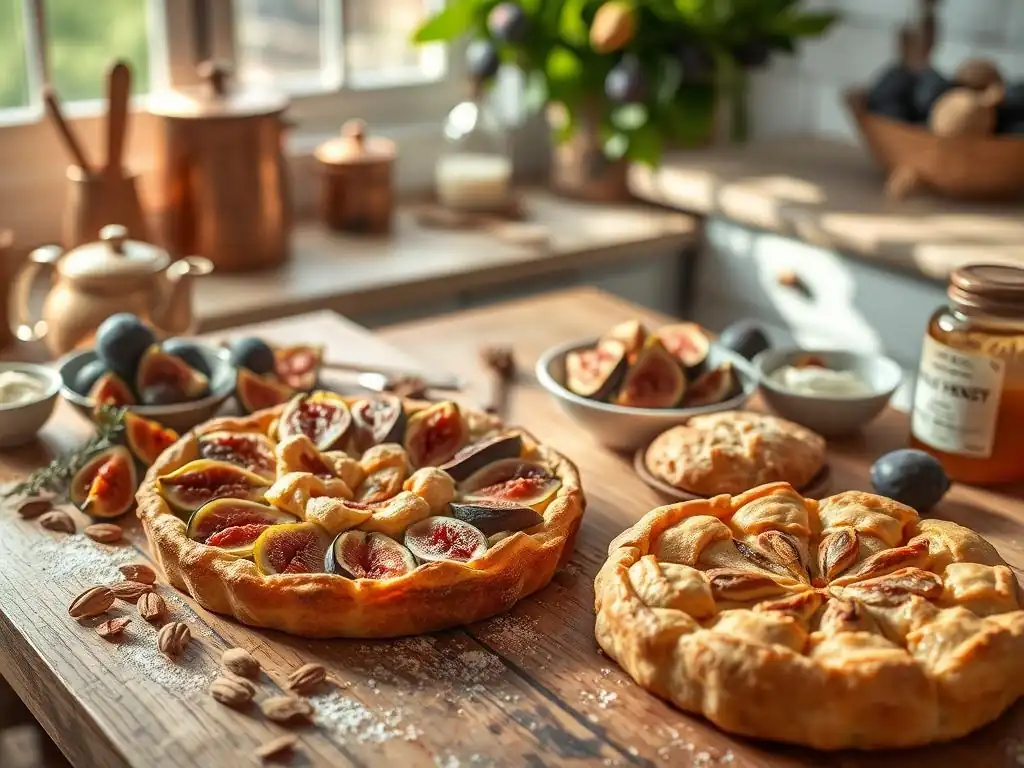
A rustic fig and goat cheese tart is a wonderfully simple yet elegant way to bake with fresh figs, blending sweet and savory notes. This recipe typically involves arranging sliced fresh figs and dollops of creamy goat cheese over a simple pastry base, often puff pastry or a basic shortcrust. The edges are usually folded over the filling, creating a freeform, rustic look that requires no special pan.
Baking the tart caramelizes the figs' sugars, creating a sweet counterpoint to the tangy goat cheese. A drizzle of honey or balsamic glaze after baking can further enhance the flavors. This type of tart is a fantastic example of a fresh fig baking recipe that works equally well as an appetizer, a light lunch, or even a unique dessert, demonstrating the versatility of figs in baking.
Easy Fresh Fig Scones with Honey Glaze
Scones are a quick and easy baking project, and adding fresh figs makes them even more special. Incorporating chopped fresh figs into a standard scone dough adds bursts of sweetness and moisture. The figs soften as they bake, creating pockets of jammy goodness within the fluffy scone.
Finishing these scones with a simple honey glaze complements the natural sweetness of the figs beautifully. This fresh fig baking recipe is perfect for a weekend breakfast or afternoon tea. The simplicity of scone preparation combined with the unique flavor of fresh figs makes this a delightful and accessible bake for any level of baker.
Simple Fig Crumble with Almond Topping
A fruit crumble is one of the easiest desserts to assemble, and using fresh figs creates a wonderfully comforting bake. For a simple fig crumble, slice or halve fresh figs and toss them with a little sugar (less might be needed depending on the figs' sweetness), maybe a squeeze of lemon juice, and a hint of spice like cinnamon or cardamom.
Top the figs with a simple crumble mixture made from flour, sugar, butter, and ground almonds or rolled oats for added texture. Baking until the topping is golden and the fig filling is bubbling results in a warm, sweet, and slightly nutty dessert. This straightforward fresh fig baking recipe is perfect for showcasing the fruit's flavor with minimal effort.
Delicious Fig and Orange Bread
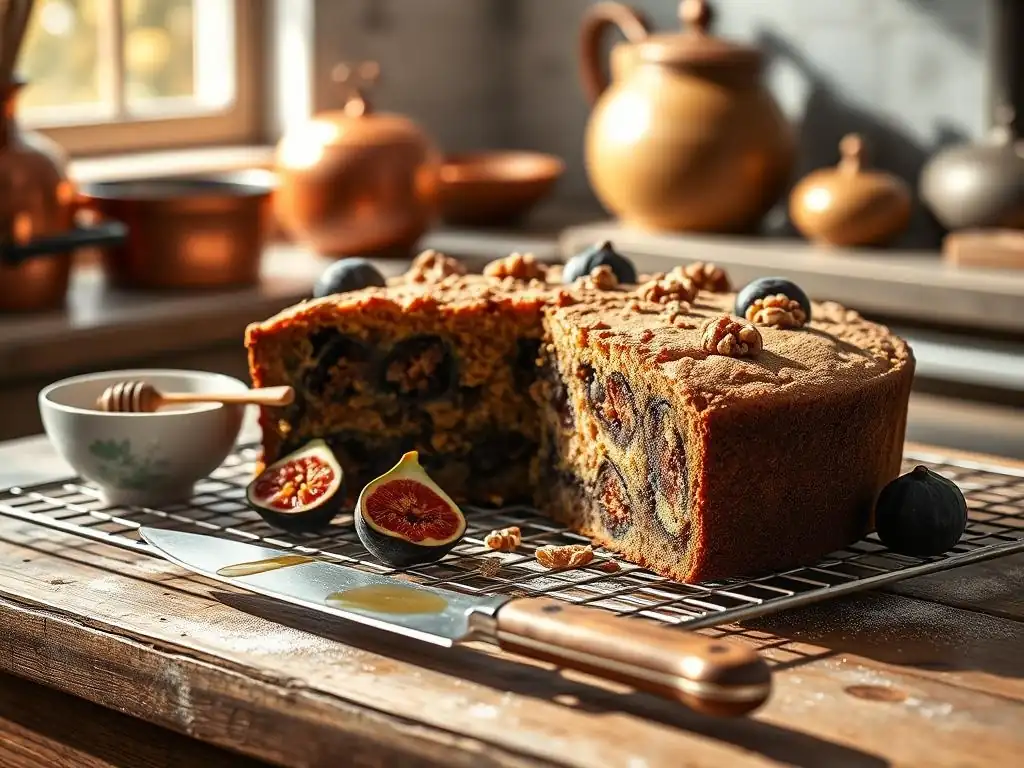
Quick breads are incredibly forgiving and an excellent vehicle for incorporating fresh fruit. A fig and orange bread combines the sweetness of fresh figs with the bright, zesty flavor of orange. Chopped fresh figs are folded into a simple batter flavored with orange zest and juice.
As the bread bakes, the figs soften and distribute throughout the loaf, creating moist pockets of flavor. The orange enhances the figs' natural sweetness and adds a lovely aroma. This fresh fig baking recipe yields a moist, flavorful loaf that's perfect for slicing and enjoying for breakfast, a snack, or even a light dessert.
Sweet Fresh Fig and Walnut Muffins
Muffins are another quick and easy way to enjoy fresh figs in a baked format. Adding chopped fresh figs and toasted walnuts to a basic muffin batter creates moist, flavorful, and texturally interesting muffins. The figs provide natural sweetness and moisture, while the walnuts add a pleasant crunch and earthy flavor that complements the figs.
This fresh fig baking recipe is ideal for using up a small batch of fresh figs. The muffins are quick to bake and perfect for on-the-go breakfasts or snacks. A sprinkle of turbinado sugar on top before baking can add a nice crunchy finish.
Tips and Tricks for Baking with Fresh Figs
Working with fresh figs in baking is generally straightforward, but a few simple tips can help you achieve the best results. Understanding how to prepare them, what flavors pair well, and how to avoid common issues will enhance your fresh fig baking recipes.
Proper handling and preparation ensure the figs contribute their full flavor and texture to your baked goods. From washing and trimming to preventing them from sinking or becoming too watery, these tips will help you bake with confidence and success.
Preparing Fresh Figs for Baking: A Step-by-Step Guide
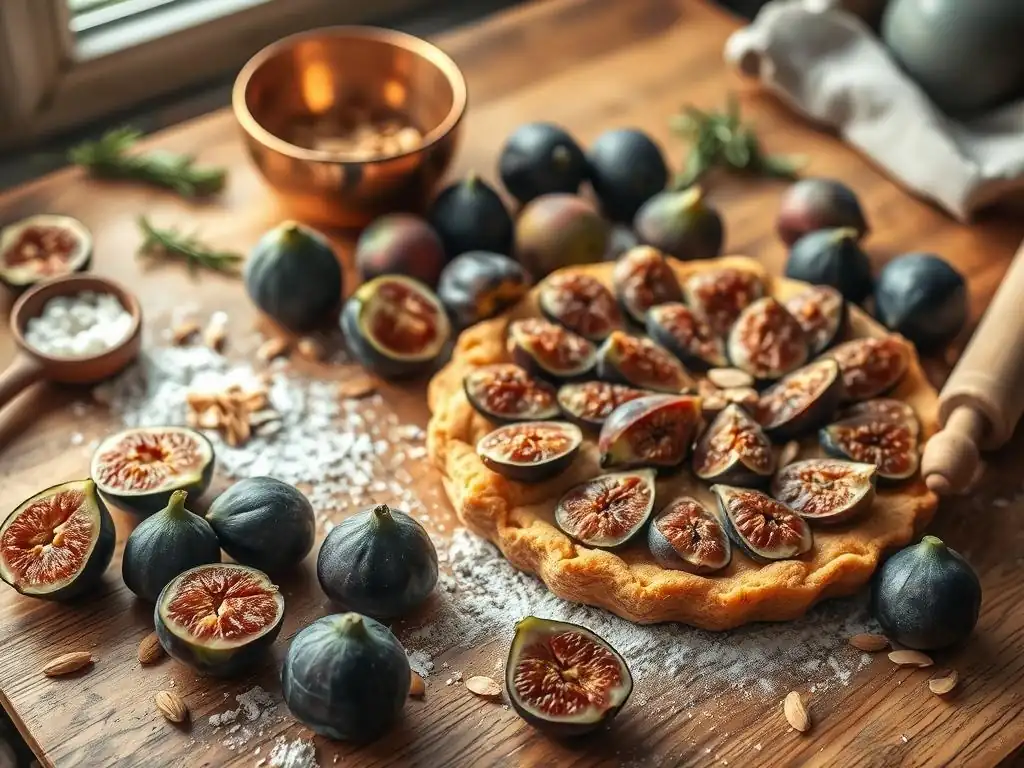
Preparing fresh figs for baking is quite simple. First, gently wash the figs under cool water and pat them dry with a paper towel. Next, trim off the small, hard stem end using a sharp knife. Depending on your recipe, you might then need to slice, quarter, or chop the figs.
For tarts or toppings where you want the fig shape visible, slicing is best. For mixing into batters or fillings, chopping or quartering works well. If your recipe requires a very smooth texture, like for a jam swirl, you might need to gently cook the figs down with a little sugar and liquid first, then possibly puree them. Always prepare your figs just before adding them to the recipe to maintain freshness.
Enhancing Fresh Fig Flavor: Complementary Ingredients and Spices
Fresh figs have a beautiful natural sweetness, but their flavor can be wonderfully enhanced by complementary ingredients. Warm spices like cinnamon, cardamom, nutmeg, and ginger pair exceptionally well, bringing out the figs' earthy and sweet notes. A pinch of salt can also help balance and intensify the sweetness.
Other ingredients that marry well with figs include citrus zest (especially orange or lemon), honey, maple syrup, balsamic vinegar, and various nuts like walnuts, almonds, and pistachios. Herbs like rosemary or thyme can also add an unexpected but delightful aromatic touch in savory fresh fig baking recipes. Don't be afraid to experiment with these pairings to elevate your bakes.
Preventing Common Mistakes When Baking with Fresh Figs
One common issue when baking with fresh fruit is preventing it from sinking to the bottom of batters, like in cakes or muffins. To help prevent this with fresh figs, especially if they are very ripe and soft, you can lightly toss the chopped figs with a tablespoon or two of the dry ingredients (like flour or cornstarch) from your recipe before folding them into the batter. This coating helps suspend the fruit.
Another consideration is the moisture content of fresh figs. If using very juicy figs, they might release a lot of liquid during baking, potentially making your bake soggy. For recipes where this is a concern, such as enclosed pies or tarts, you might lightly pre-cook the figs or add a thickener like cornstarch or tapioca starch to the fig filling. Selecting figs that are ripe but not overly soft can also help.
Storing Fresh Figs to Maximize Freshness for Baking
Fresh figs are delicate and don't have a long shelf life, so proper storage is key if you're not baking with them immediately. It's best to use them within a few days of purchasing or picking. Store fresh figs in a single layer on a plate or in a shallow container lined with a paper towel in the refrigerator. Avoid washing them until you are ready to use them, as excess moisture can speed up spoilage.
Figs are sensitive to bruising, so handle them gently. If you have an abundance of fresh figs and can't use them all for immediate fresh fig baking recipes, you can preserve them by making fig jam or compote, which can then be used in future baked goods. Freezing whole or sliced figs on a baking sheet before transferring them to a freezer bag is also an option, though their texture will be softer once thawed.
Fresh Fig Baking: Recipe Adaptations and Variations
Adapting fresh fig baking recipes to suit different dietary needs or preferences is quite possible. Figs themselves are naturally gluten-free and vegan, making them an excellent ingredient for modified recipes. With simple substitutions, you can create delicious fig baked goods for various diets.
Exploring adaptations allows everyone to enjoy the delightful taste of fresh figs in homemade treats. Whether you need to avoid gluten, dairy, or reduce sugar, fresh figs can still be the star of your bake.
Gluten-Free Fresh Fig Baking Options
Creating gluten-free fresh fig baking recipes is straightforward. Most recipes that call for wheat flour can be adapted using a good quality gluten-free all-purpose flour blend. Look for blends that are suitable for baking cakes, muffins, and breads. For pie crusts or tarts, you can use a gluten-free pastry blend or recipes specifically designed for gluten-free crusts, often incorporating ingredients like almond flour or rice flour.
When adapting, you might need to adjust the liquid slightly as gluten-free flours can absorb moisture differently. Adding binders like xanthan gum (often included in blends) or psyllium husk can help provide structure that gluten normally provides. Many delicious gluten-free cookies, muffins, cakes, and tarts featuring fresh figs are easily achievable.
Vegan Fresh Fig Baking Substitutions
Fresh figs are naturally vegan, making them a perfect ingredient for plant-based baking. To make fresh fig baking recipes vegan, you need to substitute animal-derived ingredients like butter, eggs, and dairy milk. Butter can be replaced with vegan butter sticks or coconut oil, depending on the recipe. Dairy milk can be swapped for plant-based milks like almond, soy, oat, or coconut milk.
Replacing eggs in baking can be done using various methods: applesauce, mashed banana, flax eggs (ground flaxseed mixed with water), chia eggs, commercial egg replacers, or silken tofu, depending on the function of the egg in the original recipe (binding, leavening, moisture). For richness in vegan fig tarts or custards, full-fat coconut milk or cashew cream can be excellent substitutes for dairy cream.
Low-Sugar Fresh Fig Baking Techniques
Because fresh figs are naturally sweet, they are an excellent ingredient for developing low-sugar or reduced-sugar baking recipes. In many fresh fig baking recipes, you can significantly reduce the amount of added sugar called for, or sometimes even eliminate it entirely, relying on the figs for sweetness.
When reducing sugar, consider using very ripe figs, as they are the sweetest. You can also enhance the perception of sweetness with spices like cinnamon or extracts like vanilla. For recipes where sugar provides structure or moisture, you might need to experiment or use alternative sweeteners like erythritol, stevia, or monk fruit, keeping in mind that these alternatives may affect texture and browning. Baking with fresh figs naturally steers you towards less reliance on refined sugars.
Mastering Fresh Fig Baking: Achieving Baking Success
Achieving success in fresh fig baking recipes comes with understanding a few key aspects, from troubleshooting common issues to exploring more advanced techniques. With a bit of practice, you can confidently create beautiful and delicious baked goods featuring this unique fruit.
Troubleshooting problems like soggy bottoms or uneven fruit distribution is part of the baking journey. Once you've mastered the basics, you can even delve into techniques that showcase figs in more sophisticated ways, expanding your baking repertoire.
Troubleshooting Common Fresh Fig Baking Issues
One common issue in fresh fig baking recipes is the fruit becoming too soft or mushy, especially in recipes with longer baking times. Using figs that are ripe but still slightly firm can help. If the recipe is very wet, pre-roasting the figs briefly before adding them to the batter or filling can remove some excess moisture and concentrate their flavor.
Another challenge can be the texture of the seeds. While the gentle pop is usually pleasant, if you find the seeds too noticeable in certain preparations, like a smooth fig filling, you might consider pureeing the figs and straining the puree to remove some of the seeds before incorporating it into your recipe. Ensuring your oven temperature is accurate and not opening the oven door too frequently also helps ensure even baking and prevents issues like soggy centers.
Advanced Fresh Fig Baking Techniques [e.g., Fig Jam Swirls]
Once you're comfortable with basic fresh fig baking recipes, you can explore more advanced techniques. Making your own fresh fig jam or compote is a rewarding step. This jam can then be used for swirls in cakes, muffins, or cheesecakes, offering a concentrated burst of fig flavor. To create a swirl, dollop the jam over the batter and use a knife or skewer to gently swirl it through, being careful not to overmix.
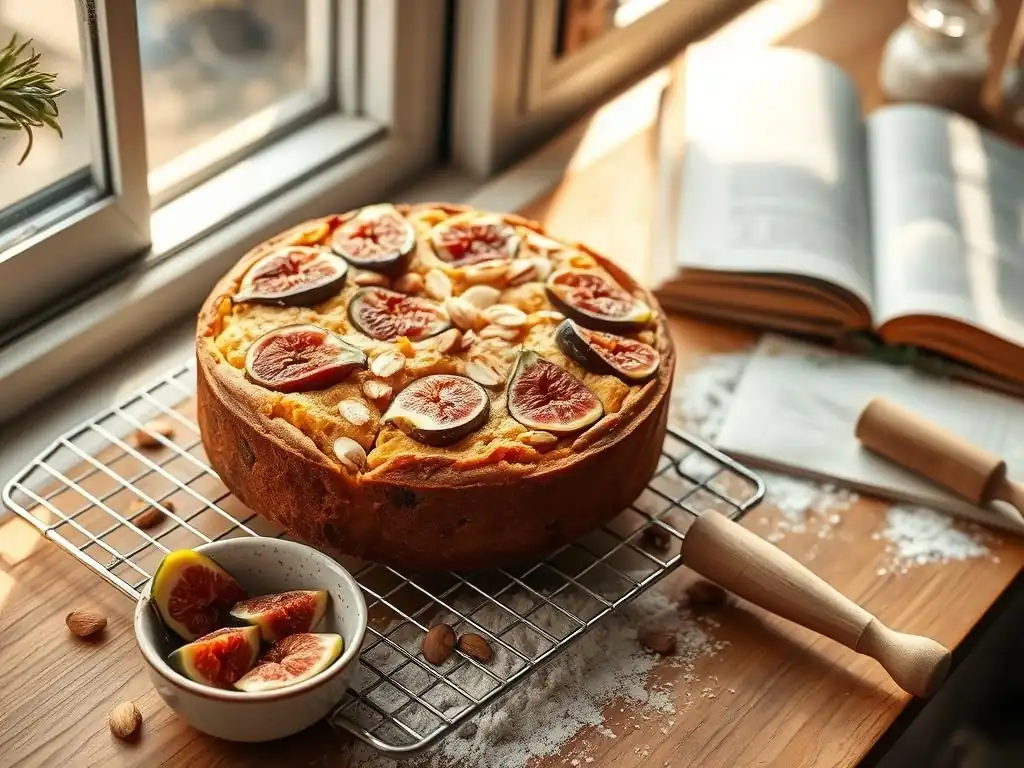
Another technique is creating decorative patterns with sliced figs on top of tarts or galettes. This requires selecting figs of uniform size and slicing them carefully to arrange them in appealing patterns, like concentric circles or overlapping layers. Creating a fig-infused syrup or glaze from fig scraps is another way to elevate a simple bake, adding extra flavor and moisture.
Serving and Enjoying Your Fresh Fig Baked Creations
Serving your fresh fig baking recipes is the final, delightful step. Many fig baked goods are best enjoyed warm or at room temperature. A rustic fig tart is wonderful served slightly warm, perhaps with a scoop of vanilla ice cream or a dollop of crème fraîche. Fig muffins or bread are perfect warm with a smear of butter.
Consider garnishing your creations to enhance their appeal. A dusting of powdered sugar, a drizzle of honey or balsamic glaze, a sprinkle of chopped nuts, or a sprig of fresh mint or rosemary can add both visual appeal and complementary flavors. Share your beautiful and delicious fresh fig bakes with others and savor the unique taste of the season!
Fresh Fig Baking Recipe Roundup: Discover Your Next Favorite Bake!
Frequently Asked Questions
What are some easy ways to incorporate fresh figs into baking?
Fresh figs can be easily incorporated into baking by adding them to pastries, like tarts and scones, or using them as a topping for cakes and breads. They can also be added to cookie dough for a unique flavor.
What type of fresh figs work best for baking?
While any type of fresh fig can be used, Black Mission figs and Brown Turkey figs are often preferred due to their rich flavor and sweetness. Ripe figs are also key for best flavor and texture.
Can I substitute dried figs for fresh figs in baking recipes?
Yes, you can substitute dried figs, but keep in mind that they are sweeter and have a different texture. You may need to adjust the amount of sugar in the recipe and rehydrate the dried figs before using them.
Where can I typically find fresh figs, and when are they in season?
Fresh figs are typically available at farmers' markets and grocery stores during their peak season, which is usually from late summer to early fall. Availability depends on location.
What are some common flavor pairings that complement fresh figs in baking?
Fresh figs pair well with flavors like almonds, honey, cinnamon, and goat cheese. These combinations create a delicious and balanced baked treat.
Final Reflection: The Enduring Sweetness of Fresh Figs
The simple act of baking with fresh figs transcends mere culinary creation; it's a celebration of nature's fleeting bounty. This exploration of fresh fig baking recipes has highlighted not only the ease of incorporating this unique fruit into our kitchens but also the profound connection between seasonal ingredients and the joy of homemade treats. From simple crumbles to elegant tarts, the possibilities are as endless as the varieties of figs themselves.
The influence of fresh, seasonal ingredients on our culinary landscape is undeniable, shaping not just our palates but also our appreciation for the rhythms of nature. The best things in life are simple,
a sentiment perfectly captured by the uncomplicated elegance of fig-based desserts. This article aimed to showcase that simplicity, reminding us that sometimes the most rewarding experiences come from the most humble ingredients, fostering a deeper connection to both the food we eat and the world around us. The enduring appeal of fig recipes, passed down through generations, speaks to this timeless connection.
Now, I invite you to step into your kitchen, armed with the knowledge and inspiration gleaned from these recipes. Don't be afraid to experiment, to adapt, to personalize. Let the fragrant sweetness of fresh figs guide your hand, and allow the process of baking to become a mindful act of creation, a moment of connection with both the ingredients and yourself. The reward? Not just delicious treats, but a deeper appreciation for the simple pleasures life offers.
Unleash Your Inner Fig Wizard!
Thanks for joining us on this fig-tastic baking journey! We hope you've discovered some delicious and surprisingly simple ways to incorporate fresh figs into your baking repertoire. Ready to take your fig baking skills to the next level?
- Bake a batch of Fig & Walnut Scones today! This is the perfect way to put your newfound knowledge into practice. The recipe is simpler than you think!
- Share your fig baking creations on social media! Use #BakeWithEaseFigs to inspire others and show off your delightful treats.
- Explore our recipe archive for even more fig-inspired baking adventures. You might discover your new favorite dessert!
Ready to transform ordinary baking into extraordinary fig-infused delights? What's the first fig-based recipe you'll tackle?