
Using Vanilla Bean: A StepbyStep Guide for Extract Users

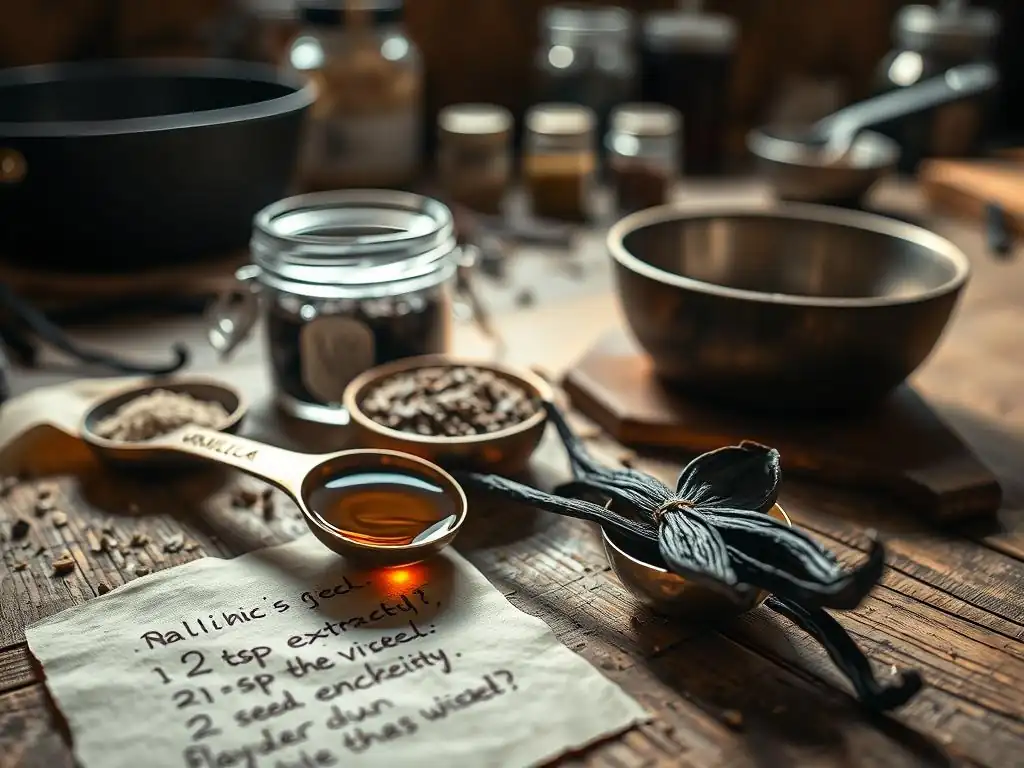
Welcome to BakeWithEase, your companion on the delicious journey of baking! Ever wondered if you could elevate your baking game beyond the ordinary? This week, we're diving deep into the world of vanilla, specifically offering you vanilla bean extract substitution tips that will transform your recipes. Get ready to unlock the full potential of this incredible ingredient and discover how to seamlessly integrate it into your favorite baked goods - your taste buds will thank you!
- Using Vanilla Bean: A Step-by-Step Guide for Baking Enthusiasts
- Introduction to Vanilla Bean in Baking: A Home Baker's Guide
- Vanilla Bean vs. Vanilla Extract: A Flavor Profile Comparison
- Step-by-Step Guide: Substituting Vanilla Bean for Extract
- Vanilla Bean Substitution Tips and Tricks
- Beyond the Basics: Advanced Vanilla Bean Techniques
- Conclusion: Embrace the Richness of Vanilla Bean in Your Baking
-
Frequently Asked Questions
- What are some common reasons someone might want to substitute vanilla bean for vanilla extract in baking?
- How much vanilla bean should I use to replace one teaspoon of vanilla extract?
- What's the best way to extract the vanilla seeds from a vanilla bean?
- Can I use vanilla bean paste as a substitute, and if so, how does the measurement compare to vanilla extract?
- What are some baked goods that particularly benefit from using fresh vanilla bean instead of extract?
- Final Reflection: Unlocking the True Potential of Vanilla
- Unlock the Magic of Real Vanilla Bean!
Using Vanilla Bean: A Step-by-Step Guide for Baking Enthusiasts
Introduction to Vanilla Bean in Baking: A Home Baker's Guide
Understanding the Allure of Vanilla Bean
Vanilla bean is often considered the gold standard in flavoring, revered for its complex and aromatic profile that goes far beyond the simple sweetness typically associated with vanilla extract. A single vanilla bean pod contains thousands of tiny, black seeds, often called "vanilla caviar," which are packed with vanillin and hundreds of other aromatic compounds.
These compounds contribute to a deep, rich, and multifaceted flavor that can include notes of caramel, smoke, spice, and even floral undertones, depending on the bean's origin. This depth is what makes using vanilla bean a transformative experience in baking, elevating simple recipes to something truly special.
For instance, a classic crème brûlée made with vanilla bean will showcase tiny, visible specks of vanilla throughout the creamy custard, a visual cue that immediately signals quality and intense flavor. The aroma alone as you scrape the seeds from a fresh bean is intoxicating and promises a level of authenticity and richness that is difficult to replicate with extract alone. Many professional bakers and culinary enthusiasts prefer vanilla bean precisely for this complexity and the superior sensory experience it provides, making it a worthwhile ingredient for home bakers looking to refine their skills and results.
Why Choose Vanilla Bean Over Vanilla Extract?
Choosing vanilla bean over extract often comes down to a desire for a more authentic, intense, and nuanced vanilla flavor. While vanilla extract, particularly pure vanilla extract, is a convenient and effective way to add vanilla notes to baking, it is typically made by macerating vanilla beans in alcohol and water.
This process extracts the vanillin and other flavor compounds, but some of the subtle nuances present in the whole bean can be lost or altered. Using the whole bean, especially the seeds, introduces these compounds directly into your dish, often resulting in a more pronounced and layered flavor profile.
Consider a delicate panna cotta or a simple sugar cookie. In these recipes, vanilla is a primary flavor, and the difference between using extract and whole bean can be quite noticeable. A cookie made with vanilla bean will often have a richer, more rounded flavor and the appealing visual of the black vanilla specks.
Furthermore, using vanilla bean allows you to control exactly which parts of the bean (seeds, or infusing the pod) contribute to the flavor, offering flexibility that extract doesn't. While it requires a bit more effort and cost, many bakers find the superior flavor and aroma well worth it, making vanilla bean extract substitution tips a valuable skill for enhancing their culinary creations.
Vanilla Bean vs. Vanilla Extract: A Flavor Profile Comparison
The Nuances of Vanilla Bean Flavor
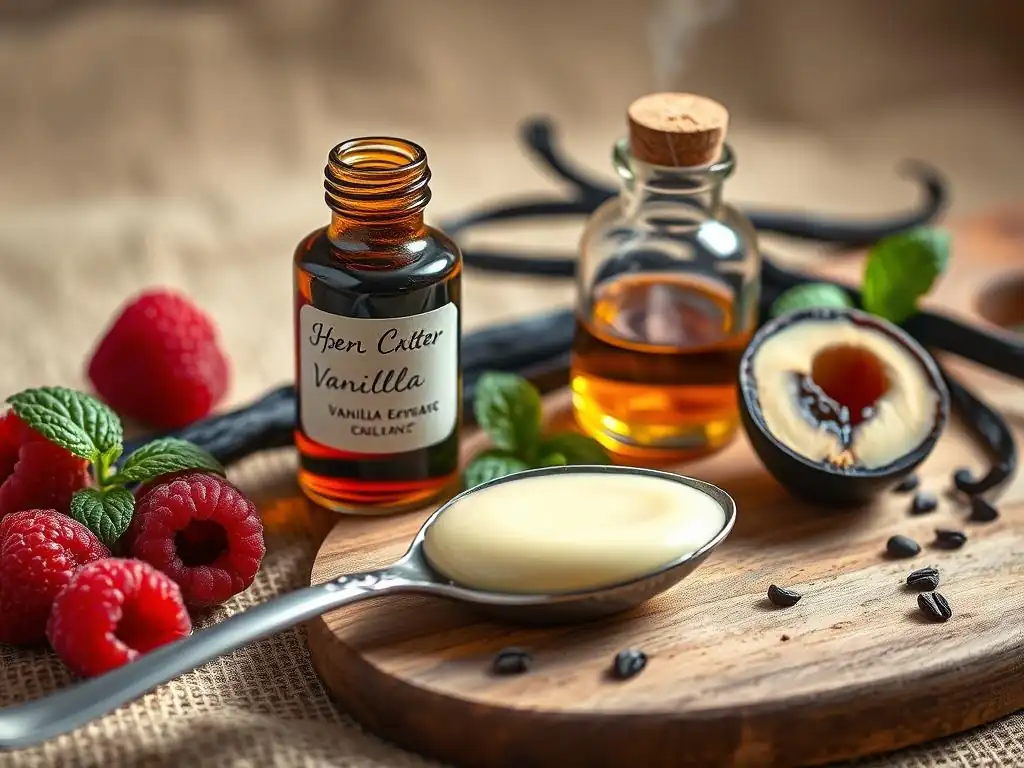
The flavor of a vanilla bean is incredibly complex, varying significantly based on its origin, curing process, and species of vanilla orchid. For example, Madagascar Bourbon vanilla, derived from the Vanilla planifolia orchid, is known for its classic sweet, creamy, and rich flavor profile, often described with notes of caramel and chocolate. This is the most common type used in baking worldwide, accounting for roughly 80% of the global market. In contrast, Tahitian vanilla ( Vanilla tahitensis) has a more floral, fruity, and slightly cherry-like aroma and flavor, making it excellent for delicate desserts or infusing liquids.
Mexican vanilla ( Vanilla planifolia) offers a smoky, spicy, and woody profile, often with notes of clove or nutmeg, which pairs wonderfully with chocolate and cinnamon. West Indian vanilla ( Vanilla pompona) is less common but can have strong, sometimes slightly phenolic notes. These variations highlight that "vanilla bean flavor" isn't monolithic; it's a spectrum of aromas and tastes that can be specifically chosen to complement other ingredients in a recipe. Mastering vanilla bean extract substitution tips allows bakers to leverage these unique profiles.
Vanilla Extract: Convenience and Cost
Vanilla extract is the workhorse of most home kitchens due to its unparalleled convenience, long shelf life, and relatively lower cost compared to whole vanilla beans. It's a liquid that can be easily measured and incorporated into batters, doughs, sauces, and creams without any prior preparation.
This makes it ideal for everyday baking and recipes where the vanilla flavor is one of many components rather than the star. Pure vanilla extract is made using real vanilla beans and alcohol, ensuring an authentic flavor, though the intensity and complexity can vary greatly depending on the quality of the beans used and the extraction process.
While a high-quality pure vanilla extract provides a good vanilla flavor base, it typically lacks the depth and subtle undertones found in the whole bean. Artificial vanilla extract, made from synthetic vanillin, is even more cost-effective but offers a flat, one-dimensional flavor profile.
On average, a high-quality vanilla bean might cost anywhere from $5 to $10 depending on type and origin, while a bottle of pure vanilla extract providing equivalent flavoring power for multiple recipes might cost $15-$30. The economic factor is significant, making vanilla extract the default for many, which is why understanding vanilla bean extract substitution tips is valuable for those moments when you want to upgrade.
Step-by-Step Guide: Substituting Vanilla Bean for Extract
Step 1: Selecting the Right Vanilla Bean
Choosing the Best Vanilla Bean Variety for Your Recipe [e.g., Madagascar Bourbon, Tahitian, Mexican]
Selecting the right vanilla bean variety is the first crucial step in successful vanilla bean extract substitution. As mentioned earlier, different beans offer distinct flavor profiles that can enhance or detract from your final dish. For classic, sweet baked goods like sugar cookies, cakes, or custards where you want that archetypal rich vanilla flavor, Madagascar Bourbon beans are usually the go-to choice. Their creamy sweetness is universally appealing and pairs well with most standard baking ingredients.
If you're making something lighter, like a fruit tart filling, a delicate mousse, or infusing dairy for a floral touch, Tahitian vanilla might be a better fit with its fruity and floral notes. For recipes featuring chocolate, coffee, or warming spices like cinnamon and clove, Mexican vanilla's smoky and spicy undertones can add an extra layer of complexity. Think about the other flavors in your recipe and choose a bean variety that will complement them. This thoughtful selection is a key component of effective vanilla bean extract substitution tips.
Identifying Quality Vanilla Beans: Appearance, Aroma, and Texture
A high-quality vanilla bean should be plump, shiny, and pliable, not dry and brittle. When you gently bend it, it should spring back without breaking. A dry, stiff bean indicates it's past its prime and will have significantly less flavor. The surface should be slightly oily, and you might even see tiny vanilla crystals (called vanillin bloom) on the surface, which is a sign of excellent quality and high vanillin content, not mold.
The aroma is also a critical indicator. A good bean will have a strong, rich, and complex fragrance characteristic of its variety. Avoid beans that smell weak, sour, or like alcohol (unless they are specifically cured in alcohol, which is less common for whole beans). Finally, the texture should be moist and flexible. A standard gourmet vanilla bean is typically 5-7 inches long and weighs around 3-5 grams. Feeling the bean through its packaging can give you a good sense of its moisture content and plumpness before you even open it.
Step 2: Preparing the Vanilla Bean
How to Split a Vanilla Bean Properly
Preparing the vanilla bean is a simple but essential technique. Start by placing the vanilla bean on a clean cutting board. Hold one end of the bean firmly with one hand. With a sharp paring knife held in your other hand, make a lengthwise slit down the entire length of the bean, starting about a quarter-inch from the top and cutting almost all the way to the other end. The cut should go just deep enough to open the bean without cutting through the back side. You want to open it like a book.
Ensure the cut is even and runs straight down the middle. This controlled cut allows you to expose the maximum surface area of the inner seeds without damaging the pod itself, which can also be used for flavor infusion later. This step is crucial before you can access the precious vanilla caviar inside, making it a fundamental part of any guide on vanilla bean extract substitution tips.
Scraping Vanilla Bean Seeds: A Detailed Guide
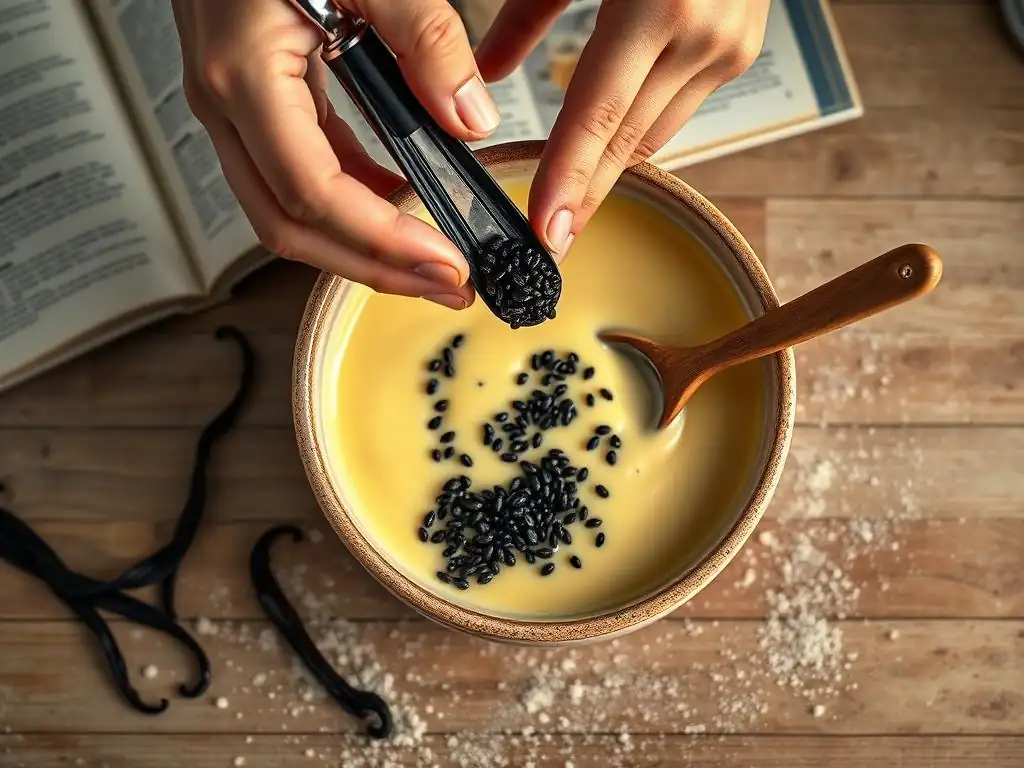
Once the bean is split open, it's time to scrape out the seeds. Open the bean flat on your cutting board. Hold one end of the bean firmly with your non-dominant hand. Take the back (dull side) of your paring knife or a small spoon and place it at the top of one half of the split bean, right against the cut edge.
Gently but firmly scrape the knife or spoon down the length of the bean, pressing slightly to gather all the tiny, moist seeds and paste. The seeds should collect on the edge of your knife or spoon. Repeat this process on the other half of the bean. You should end up with a small pile of fragrant, dark, paste-like seeds. This collected seed paste is the primary source of the intense vanilla flavor and is ready to be added to your recipe.
Step 3: Calculating the Vanilla Bean Substitution Amount
Vanilla Bean to Extract Conversion: A Practical Guide
Converting from vanilla extract to vanilla bean requires understanding the potency difference. While there's no single, universally agreed-upon conversion, a common guideline is that one whole vanilla bean (typically 5-7 inches, ~3-5 grams) is roughly equivalent in flavoring strength to one to two teaspoons of pure vanilla extract. Many recipes suggest 1 teaspoon of extract per average-sized bean. However, the quality and freshness of the bean, as well as the specific variety, can influence its potency.
For a recipe calling for 1 teaspoon of vanilla extract, you would typically use the seeds scraped from one whole vanilla bean. If a recipe calls for 2 teaspoons of extract, you might use the seeds of one very plump, high-quality bean or consider using 1 and a half beans for a stronger flavor. This ratio provides a good starting point for your vanilla bean extract substitution tips, allowing you to confidently make the switch.
Adjusting for Recipe Size: Scaling Your Vanilla Bean Usage
Just as you would scale other ingredients when adjusting a recipe's yield, you need to scale your vanilla bean usage accordingly. If a recipe designed for one batch of cookies calls for 1 teaspoon of extract (and you've decided to use 1 bean as the equivalent), and you're doubling the recipe, you would then use 2 vanilla beans. This seems straightforward, but it's worth emphasizing.
For larger recipes, like multiple cake layers or a big batch of pastry cream, you might find that using several whole beans provides a much richer and more authentic flavor than simply using a larger quantity of extract. For instance, a recipe calling for 4 teaspoons of extract might benefit more from 3 very good quality beans than precisely 4 beans, as the flavor compounds are more concentrated in the bean itself.
Always start with the base conversion (1 bean ≈ 1-2 tsp extract) and adjust slightly based on the overall volume of your recipe and how prominent you want the vanilla flavor to be.
Step 4: Incorporating Vanilla Bean into Your Recipe
Adding Vanilla Bean Seeds Directly to Batter and Dough
Once scraped, the vanilla bean seeds can often be added directly to your batter or dough. For recipes like cakes, muffins, cookies, or brownies, you can usually whisk the seeds into the wet ingredients (like butter, sugar, and eggs) at the beginning of the mixing process. The mechanical action of mixing helps distribute the tiny seeds evenly throughout the mixture.
For doughs, like cookie dough or pastry dough, ensure the seeds are well incorporated during the creaming or mixing stage. The goal is to disperse those precious flavor packets throughout the finished product. Seeing the little black specks throughout your baked good is a lovely visual bonus that signals the use of real vanilla bean. This direct incorporation is one of the most common and effective vanilla bean extract substitution tips.
Infusing Liquids with Vanilla Bean Flavor [e.g., Milk, Cream, Custard Base]
One of the best ways to extract maximum flavor from vanilla beans is through infusion, particularly in liquid-based recipes like custards, sauces, ice cream bases, or puddings. After scraping the seeds out for direct use, do not discard the pod! Add the scraped pod to the liquid (milk, cream, sugar syrup, etc.) specified in your recipe.
Gently heat the liquid with the pod inside over medium heat until it just reaches a simmer. Remove from heat, cover, and let it steep for at least 15-30 minutes, or even longer for a more intense flavor (some recipes call for steeping for several hours or overnight in the refrigerator). The warm liquid helps draw out remaining flavor compounds from the pod.
Before proceeding with your recipe, remove the pod from the infused liquid. You can then use the infused liquid as called for, often combining it with the scraped seeds you set aside earlier for a double dose of vanilla goodness. A classic example is infusing milk for a pastry cream base or ice cream mix.
Step 5: Storing Leftover Vanilla Bean Pods
Maximizing Vanilla Flavor: Reusing Vanilla Bean Pods
Don't throw away those scraped vanilla bean pods! They still contain a significant amount of flavor that can be extracted through infusion. As mentioned, the most common way to reuse them is by steeping them in liquids like milk, cream, or simple syrup for custards, sauces, or beverages. You can rinse them gently and let them air dry slightly before using or storing.
Another excellent method is to add them to a container of sugar to make vanilla sugar. This is a fantastic way to infuse everyday sugar with a subtle vanilla aroma and flavor. Simply bury the used, slightly dried pods in a container of granulated or confectioners' sugar. As the sugar sits, it absorbs the fragrant compounds from the pod. While they won't impart as much flavor as a fresh bean or the seeds, reusing pods maximizes your investment and reduces waste, offering practical vanilla bean extract substitution tips beyond just using the seeds.
Making Vanilla Sugar with Used Vanilla Bean Pods
Making vanilla sugar is incredibly easy and rewarding. Once you've scraped the seeds from a vanilla bean pod, you can rinse it lightly if needed and let it air dry for an hour or two until it feels just slightly tacky, not wet. Then, place the used pod (or several used pods) into a container filled with sugar. A ratio of 1-2 used pods per 2-4 cups of sugar is a good starting point, but you can adjust based on how many pods you accumulate.
Seal the container tightly and store it in a cool, dark place. Shake the container occasionally to distribute the flavor. After about a week, the sugar will start to take on a noticeable vanilla aroma and flavor. For the best results, let it sit for at least 2-4 weeks. You can keep adding more used pods to the sugar over time. Use this vanilla sugar anywhere you would use regular sugar – in coffee, tea, sprinkled over fruit, or in baking recipes for an extra hint of vanilla.
Vanilla Bean Substitution Tips and Tricks
Enhancing Vanilla Bean Flavor: Techniques for Baking
To truly make the vanilla bean flavor shine in your baking, consider a few techniques. One is to add the scraped seeds to your fat (butter or oil) or sugar at the beginning of the mixing process. Rubbing the seeds into sugar or creaming them with butter helps distribute the flavor compounds and can even intensify the aroma. For instance, when making a butter cake, cream the vanilla seeds with the butter and sugar for several minutes until light and fluffy.
Another technique is to slightly warm the vanilla bean before splitting and scraping it. Gently warming it between your hands or placing it near a warm spot in your kitchen for a few minutes can make the bean more pliable and easier to scrape, potentially yielding more seeds and flavor. Also, consider letting batters or doughs rest in the refrigerator for a period (30 minutes to overnight) after incorporating the vanilla bean. This allows the flavors to meld and deepen, a simple yet effective trick among vanilla bean extract substitution tips.
Avoiding Common Mistakes When Using Vanilla Bean
Several common pitfalls can diminish the impact of using expensive vanilla beans. A primary mistake is using a dry, brittle bean, which has lost much of its volatile flavor compounds. Always ensure your beans are fresh, plump, and pliable. Another error is not scraping the bean thoroughly; make sure to get all the paste and seeds clinging to the inside of the pod.
Overheating vanilla can also cause its delicate flavors to dissipate. While infusion requires heat, avoid boiling liquids with the pod in them for extended periods. When adding seeds directly to batters, ensure they are mixed in evenly to avoid pockets of intense flavor. Finally, improper storage of unused beans (like leaving them exposed to air) can lead to them drying out quickly. Store them in an airtight container in a cool, dark place.
Vanilla Bean Substitution for Different Baked Goods
Vanilla Bean in Cakes: Achieving Optimal Flavor
Using vanilla bean in cakes provides a richer, more complex flavor compared to extract. For a standard butter cake or sponge cake recipe calling for 1-2 teaspoons of extract, substitute with the seeds of one whole vanilla bean. Add the scraped seeds to the butter and sugar during the creaming stage for best distribution and flavor infusion.
For cakes where milk or a liquid is a primary ingredient (like a pound cake or milk cake), you can also infuse the milk with the scraped pod before adding it to the batter. This dual approach – seeds in the batter, infused milk – maximizes the vanilla impact. The visible vanilla specks also add a touch of elegance to the cake crumb.
Vanilla Bean in Cookies: A Delicate Touch
In cookies, where vanilla is often a key background flavor, using vanilla bean can add a noticeable depth and aroma. For most cookie recipes calling for 1 teaspoon of extract per batch (typically yielding 2-3 dozen cookies), substitute with the seeds of one vanilla bean. Creaming the seeds with the butter and sugar is the most effective method for even distribution.
For delicate cookies like shortbread or sugar cookies, the pure, clean flavor of vanilla bean truly shines. The little black specks are also visually appealing in a light-colored cookie dough. Using vanilla bean can elevate a simple cookie to something quite special.
Vanilla Bean in Pastries: Elevating the Experience
Pastries, especially those with creams, custards, or fillings, are prime candidates for vanilla bean substitution. For pastry cream, crème brûlée, panna cotta, or ice cream base recipes calling for extract, substitute with the seeds of one bean per 1-2 cups of liquid base (milk/cream), plus infuse the scraped pod in the liquid while heating.
This infusion method is particularly effective in these applications because the heat helps extract maximum flavor from the pod, and the long steeping time allows the flavors to fully develop in the liquid base. The resulting custard or cream will have a deep, authentic vanilla flavor and the beautiful speckles that are a hallmark of quality.
Beyond the Basics: Advanced Vanilla Bean Techniques
Making Your Own Vanilla Bean Extract
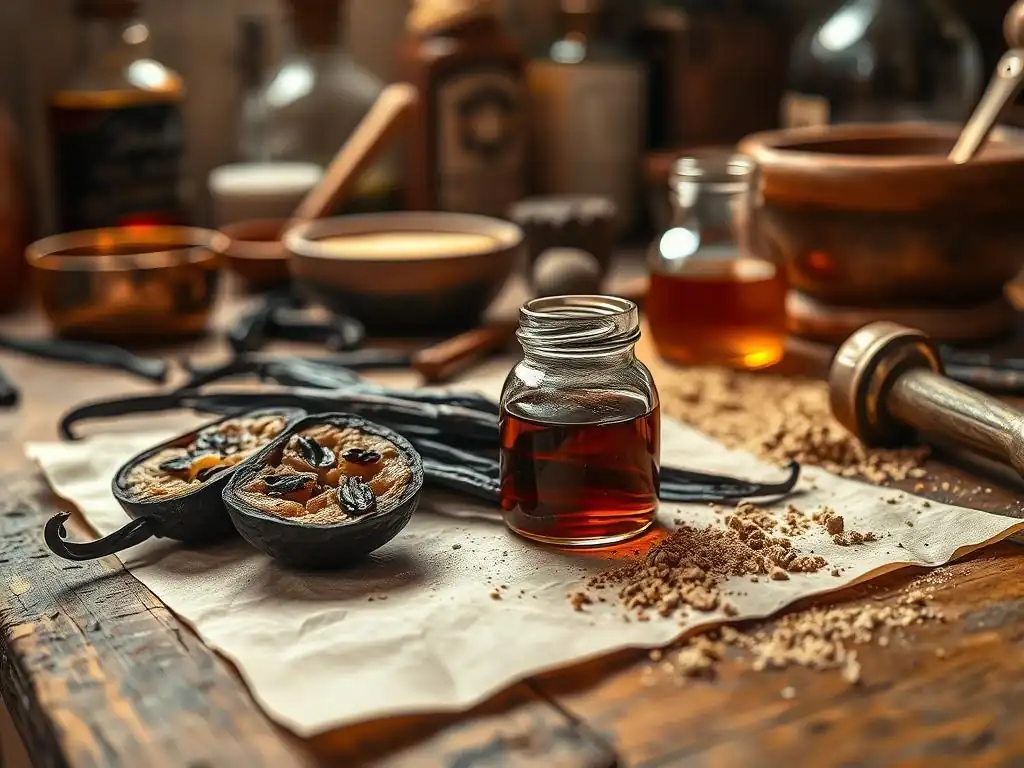
Making your own vanilla bean extract is a rewarding project that yields a high-quality product and is a great way to use lower-grade or older vanilla beans. The basic method involves steeping split vanilla beans in alcohol. A common ratio is one ounce of vanilla beans (about 6-8 beans) per eight ounces (one cup) of 70-80 proof alcohol, such as vodka, rum, or bourbon. Vodka is often preferred for its neutral flavor.
To make it, split the vanilla beans lengthwise and place them in a clean, airtight glass bottle or jar. Pour the alcohol over the beans, ensuring they are completely submerged. Seal the container tightly and store it in a cool, dark place. Shake the bottle gently every week or so. The extract will be ready to use in about 6-8 weeks, but the flavor will continue to develop and deepen over 6 months or longer. You can "top off" the alcohol as you use it, adding more beans occasionally, to maintain a continuous supply of extract.
Vanilla Bean Paste: An Alternative to Extract and Whole Bean
Vanilla bean paste offers a convenient middle ground between using whole vanilla beans and extract. It's typically a thick, syrupy mixture made from concentrated vanilla extract and suspended vanilla bean seeds, often thickened with a natural gum. It provides the visual appeal of the seeds and a flavor profile closer to that of whole beans than extract alone.
Vanilla bean paste is usually substituted at a 1:1 ratio for vanilla extract (e.g., 1 teaspoon paste for 1 teaspoon extract). It's easy to measure and incorporates well into most batters and liquids. While generally more expensive than extract, it's often less costly per use than whole beans and requires no scraping or preparation. It's particularly useful in recipes where you want the visible specks but the convenience of a liquid, such as whipped cream, icings, or lighter batters.
Conclusion: Embrace the Richness of Vanilla Bean in Your Baking
Elevate Your Baking with Authentic Vanilla Flavor
Stepping up from vanilla extract to using whole vanilla bean is a simple yet profound way to elevate the quality and flavor of your baked goods. The complex aroma and nuanced taste profile of real vanilla bean add a layer of sophistication that can transform even the most basic recipes. From the creamy notes of Madagascar to the floral hints of Tahitian, exploring different bean varieties allows you to fine-tune your flavors like a professional. It's an ingredient that truly adds value, both in taste and presentation, thanks to those unmistakable tiny black specks.
Incorporating vanilla bean into your repertoire might seem daunting at first, but with a little practice, splitting and scraping a bean becomes second nature. The effort is generously rewarded with a depth of flavor that simply cannot be matched by extract alone. Embrace the opportunity to work with this exquisite ingredient and discover the difference it makes in your favorite cakes, cookies, and pastries.
The Art of Vanilla Bean Substitution: Mastering the Technique
Mastering vanilla bean extract substitution tips empowers you to make informed choices in your kitchen, allowing you to switch between different forms of vanilla based on desired outcome, budget, and convenience. Understanding the rough conversion ratios, the best ways to prepare and incorporate the bean, and how to reuse the valuable pods are all part of this art. It's about knowing when the richness of a whole bean will truly shine and how to effectively integrate it into your recipes.
By following these steps and tips, you're well on your way to confidently using vanilla bean. Don't be afraid to experiment with different varieties and techniques. Your friends and family will notice the difference, and you'll gain a deeper appreciation for the magic of this incredible spice. Happy baking with your newfound vanilla bean expertise!
Frequently Asked Questions
What are some common reasons someone might want to substitute vanilla bean for vanilla extract in baking?
People often substitute vanilla bean for extract to achieve a more intense and complex vanilla flavor in their baked goods, or to avoid artificial ingredients sometimes found in extracts. It can also provide a visually appealing touch with the specks of vanilla bean.
How much vanilla bean should I use to replace one teaspoon of vanilla extract?
A general guideline is to use about 1/4 to 1/2 of a vanilla bean to replace one teaspoon of vanilla extract. Adjust based on the strength of the bean and your personal preference.
What's the best way to extract the vanilla seeds from a vanilla bean?
Carefully split the bean lengthwise with a sharp knife. Then, use the back of the knife to scrape out the seeds. These seeds, also known as vanilla caviar, are where most of the flavor is concentrated.
Can I use vanilla bean paste as a substitute, and if so, how does the measurement compare to vanilla extract?
Yes, vanilla bean paste can be used! Generally, use 1 teaspoon of vanilla bean paste to substitute for 1 teaspoon of vanilla extract. The paste contains vanilla bean seeds and a syrup, providing a similar flavor profile.
What are some baked goods that particularly benefit from using fresh vanilla bean instead of extract?
Baked goods where vanilla is a prominent flavor, like vanilla bean ice cream, crème brûlée, or vanilla cakes, will greatly benefit. The subtle complexities of the fresh bean shine through, enhancing the overall sensory experience.
Final Reflection: Unlocking the True Potential of Vanilla
The subtle nuances of vanilla bean, often overlooked in favor of its extract counterpart, offer a depth of flavor and aroma that significantly elevates culinary creations. While extract provides convenience, understanding the intricacies of using whole vanilla beans opens up a world of possibilities for both novice and experienced bakers and cooks. This knowledge is more relevant than ever in a world increasingly focused on high-quality, natural ingredients.
The journey from extract to bean represents a shift in culinary consciousness, a move towards appreciating the source and the process. It's a journey I've personally embraced, finding immense satisfaction in the transformation from simple extract to the rich, complex flavor profile achieved with whole beans. The effort is undeniably worth it. The best things in life are worth fighting for,
a sentiment that rings true when considering the superior taste and aroma yielded by using whole vanilla beans.
Now, it's your turn. Consider the next time you reach for that bottle of extract. Pause. Imagine the possibilities unlocked by using whole vanilla beans. Will you take the leap? Will you embrace the challenge and reward yourself – and your taste buds – with the unparalleled richness of true vanilla? The journey begins with a single bean.
Unlock the Magic of Real Vanilla Bean!
Thanks for taking the time to explore the wonderful world of vanilla bean! We hope you now feel confident in replacing extract with the superior flavor of the bean itself. Ready to take your baking to the next level?
- Whip up your first vanilla bean recipe: Choose a simple recipe from the article and give it a try. You'll be amazed by the difference!
- Share your baking triumphs (or challenges!): Post a photo of your creation on social media and tag us – we'd love to see it!
- Discover more vanilla bean wonders: Browse our other articles for even more inspiring recipes and tips on using this incredible ingredient.
What delicious creation will you make with real vanilla bean first?