
Vanilla Bean vs. Extract: A Baker's Guide to Choosing the Right Vanilla Form

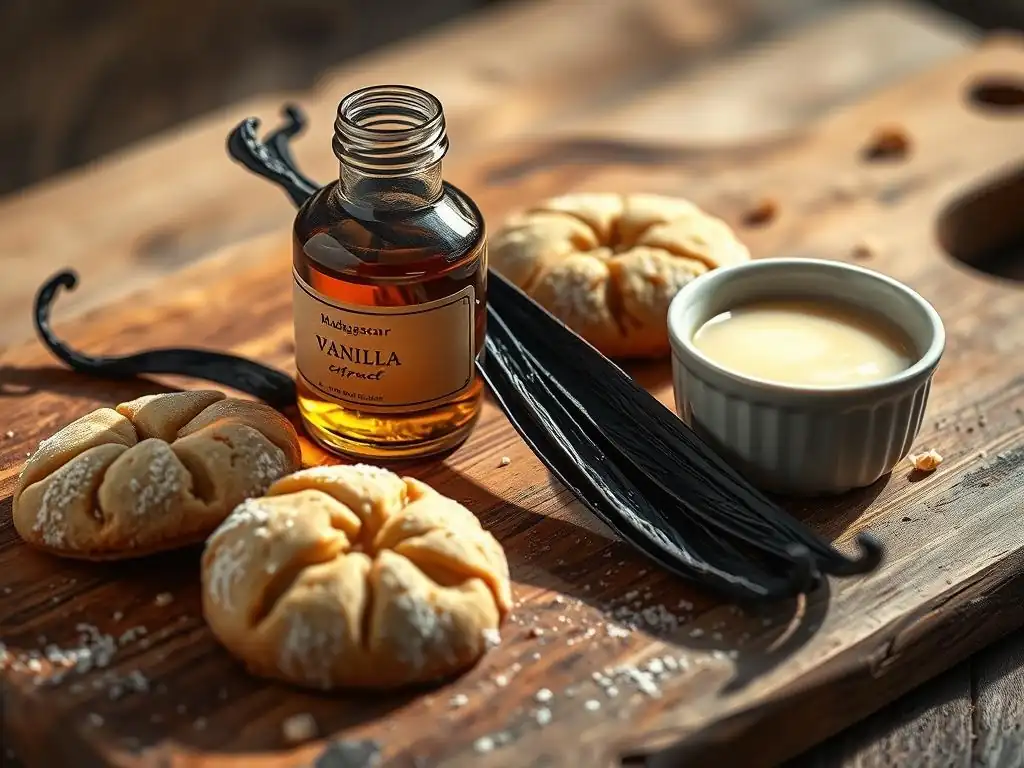
Welcome to BakeWithEase, your culinary compass for navigating the delicious world of baking! Ever wondered how to unlock the true potential of vanilla in your baked creations? This guide dives deep into the heart of flavor, comparing vanilla bean and extract. Discover the nuances that separate them and learn how to choose the perfect vanilla form for your next masterpiece. Are you ready to unleash the ultimate vanilla experience?
- Choosing the Right Vanilla: Beans vs. Extract for Baking
- Understanding Vanilla in Baking
- Exploring Vanilla Bean Flavor
- Understanding Vanilla Extract
- Comparing Vanilla Bean and Extract
- Best Uses for Vanilla Bean
- Best Uses for Vanilla Extract
- Choosing the Right Vanilla for Your Needs
-
Frequently Asked Questions
- What is the main difference between using vanilla beans and vanilla extract in baking?
- When is it best to use vanilla beans instead of vanilla extract?
- How do I properly prepare a vanilla bean for use in a recipe?
- Can I substitute vanilla extract for vanilla bean in a recipe, and if so, what's the conversion?
- What are the key factors to consider when purchasing vanilla beans for baking?
- Final Reflection: The Enduring Allure of Authentic Vanilla
- Unlock Your Vanilla Potential: Taste the Difference!
Choosing the Right Vanilla: Beans vs. Extract for Baking
Understanding Vanilla in Baking
Vanilla's Role: Enhancing Flavor in Baked Goods
Vanilla is far more than just a sweet scent; it's a complex ingredient that acts as a foundational flavor enhancer in countless baked goods. Its unique profile can round out sharp edges, deepen richness, and add layers of aromatic complexity that elevate a simple cake or cookie into something truly memorable. Think of vanilla as the unsung hero that harmonizes other ingredients, preventing baked goods from tasting flat or one-dimensional. A well-crafted vanilla flavor guide is essential for any baker looking to unlock the full potential of their creations.
Beyond its primary role in complementing sweetness, vanilla contributes over 200 different aromatic compounds. While vanillin is the most prominent, accounting for much of the characteristic scent, the presence of other compounds like p-hydroxybenzaldehyde and guaiacol adds subtle nuances. This intricate chemical composition is what gives vanilla its ability to pair so well with diverse flavors, from chocolate and fruit to spices and even savory notes. Understanding this complexity is key to mastering the use of vanilla in your baking.
Vanilla Bean vs. Extract: A Comparison for Bakers
When faced with a recipe, bakers often ponder the choice between using vanilla beans and vanilla extract. While both contribute vanilla flavor, they do so in different ways and offer distinct characteristics. Vanilla beans, often considered the gold standard, provide a pure, intense, and visually appealing flavor with tiny black specks. They offer a full spectrum of vanilla's natural compounds, resulting in a rich, nuanced taste.
Vanilla extract, on the other hand, is a convenient and widely accessible liquid form. It's made by macerating vanilla beans in alcohol and water. While it captures many of vanilla's aromatic qualities, the flavor profile can differ depending on the bean type and extraction process. It's generally easier to measure and incorporate into batters and doughs, making it a staple in most home kitchens. A comprehensive vanilla bean flavor guide helps bakers understand which form is best suited for specific applications.
Exploring Vanilla Bean Flavor
Vanilla Beans: Origins and Characteristics
Vanilla beans originate from the fruit of the Vanilla planifolia orchid, a vine native to Mexico. Today, vanilla is cultivated in various tropical regions around the world, each producing beans with slightly different characteristics influenced by terroir, climate, and curing methods. The vanilla bean pod itself doesn't start with the intense aroma we recognize; the flavor develops through a complex and labor-intensive curing process involving drying, sweating, and aging, which can take several months.
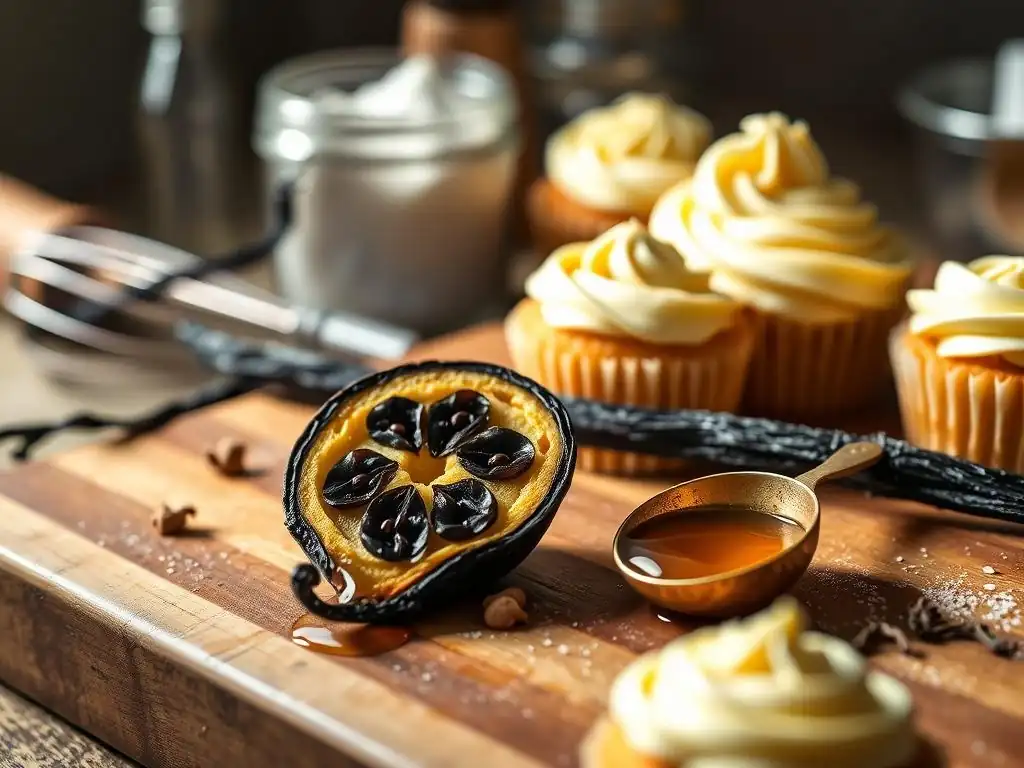
A high-quality vanilla bean is typically plump, moist, and pliable, with a glossy, dark brown or black skin. It should have a strong, sweet, and aromatic fragrance. When split open, the inside should be filled with millions of tiny, oily seeds, often referred to as "vanilla caviar." These seeds, along with the pod itself, contain the concentrated flavor compounds. The visual appeal of these seeds is particularly prized in certain desserts like crème brûlée or ice cream.
Vanilla Bean Varieties and Their Flavors
The origin of the vanilla bean significantly impacts its flavor profile. A true vanilla bean flavor guide would highlight these differences.
Madagascar Vanilla Beans: Creamy and Rich
Madagascar, specifically the Sava region, is the world's largest producer of vanilla. Vanilla planifolia beans from this region are often referred to as Bourbon vanilla (though they contain no bourbon whiskey; the name comes from the former name of Réunion island). These beans are known for their classic, sweet, and creamy flavor profile with notes of caramel. They are incredibly versatile and are considered the benchmark for pure vanilla flavor, making them a popular choice for a wide range of baked goods and desserts.
The curing process in Madagascar typically involves sun-drying and sweating, which helps develop the high vanillin content characteristic of these beans. Their rich aroma and balanced sweetness make them a favorite for custards, cakes, and anything where you want that quintessential vanilla taste to shine. Approximately 80% of the world's vanilla production comes from Madagascar and neighboring islands in the Indian Ocean, solidifying their status as the dominant variety.
Tahitian Vanilla Beans: Floral and Cherry-like
Tahitian vanilla beans ( Vanilla tahitensis) are a different species from the planifolia bean grown in Madagascar and Mexico. They are primarily cultivated in French Polynesia, especially Tahiti. These beans are typically shorter, plumper, and contain fewer seeds than Madagascar beans. Their flavor profile is distinctly more floral and fruity, with notes reminiscent of cherries, anise, or even wine.
Due to their unique aroma, Tahitian beans are often favored in fruit-based desserts, lighter pastries, and dishes where their delicate, perfumed notes can complement rather than overpower other flavors. While they have a lower vanillin content than planifolia beans, they contain higher levels of other aromatic compounds, contributing to their complex bouquet. Their unique characteristics make them a fascinating entry in any comprehensive vanilla bean flavor guide.
Mexican Vanilla Beans: Spicy and Woody
Mexican vanilla beans ( Vanilla planifolia) are the ancestors of all other planifolia varieties. Grown in the Veracruz and Puebla regions, they offer a bolder, smokier, and slightly spicier flavor profile compared to Madagascar vanilla. Some detect notes of chocolate, clove, or nutmeg in Mexican vanilla.
This complexity makes Mexican vanilla an excellent choice for pairing with chocolate, cinnamon, or other warm spices. It can add depth and warmth to brownies, mole sauces (yes, vanilla is used in savory dishes! ), and rich baked goods. While Mexico's production is smaller than Madagascar's, its historical significance and unique flavor profile make it a valuable option for bakers seeking a different kind of vanilla experience.
Ugandan Vanilla Beans: Bold and Chocolatey
Ugandan vanilla beans ( Vanilla planifolia) are a newer player on the global market but are quickly gaining recognition for their exceptional quality. Grown in the Bundibugyo region, these beans are known for their high vanillin content and a particularly bold, rich flavor profile with prominent chocolatey undertones.
Their intense aroma and deep, sweet notes make them ideal for use in chocolate desserts, coffee-flavored treats, and robust baked goods where a powerful vanilla presence is desired. As production increases, Ugandan vanilla is becoming more accessible and represents an exciting alternative for bakers exploring the full spectrum of vanilla bean flavor.
Curing Process: Developing Vanilla Bean Flavor
The journey from a green, odorless vanilla pod to a fragrant, flavorful bean is a meticulous process called curing. This multi-stage method is crucial for developing the complex aromatic compounds that define vanilla's taste and smell. It typically begins with a killing step, often hot water immersion or freezing, to halt vegetative growth.
Following the killing, the beans undergo a series of sun-drying and sweating cycles. During the sweating phase, the beans are wrapped in cloth and stored in dark, warm conditions, allowing enzymatic reactions to occur. This is where vanillin and other flavor compounds are formed. This stage is alternated with sun-drying to control moisture content. The entire curing process can take anywhere from a few weeks to several months, and skilled curers carefully monitor temperature and humidity to ensure optimal flavor development and prevent mold, resulting in the high-quality vanilla bean flavor bakers crave.
Understanding Vanilla Extract
Vanilla Extract: Production Explained
Vanilla extract is produced by macerating chopped vanilla beans in a solution of alcohol and water. This process extracts the flavor and aroma compounds from the beans into the liquid. According to U.S. Food and Drug Administration (FDA) regulations, pure vanilla extract must contain at least 35% alcohol by volume and the extractives from 13.35 ounces of vanilla beans per gallon.
The quality of the extract is heavily dependent on the quality and quantity of the vanilla beans used, as well as the extraction time. Some manufacturers use heat or pressure to speed up the process, but traditional methods involve soaking the beans for several months at room temperature. The resulting liquid is then filtered, aged, and bottled. This liquid form makes incorporating vanilla flavor into batters and liquids straightforward.
Pure vs. Imitation Vanilla Extract
The market offers two main types of vanilla extract: pure and imitation. Pure vanilla extract is made solely from vanilla beans, alcohol, and water, adhering to regulatory standards. It captures the complex, nuanced flavor profile of natural vanilla. While more expensive, its superior taste is often noticeable in finished baked goods, making it a preferred choice for many bakers seeking authentic vanilla bean flavor in extract form.
Imitation vanilla extract, conversely, is made using synthetic vanillin, typically derived from petrochemicals or wood pulp. It is significantly cheaper to produce and offers a simple, one-dimensional vanilla flavor. While it provides a basic vanilla note and holds up well under high heat, it lacks the depth and complexity of pure vanilla. For recipes where vanilla is a primary flavor, pure extract is generally recommended for a richer result.
Extract Strength: Single-Fold and Double-Fold
Vanilla extract strength is often measured in "fold." Single-fold extract is the standard strength defined by regulatory bodies, using the minimum required amount of vanilla beans per gallon of alcohol/water solution (13.35 ounces per gallon). This is the most common type found in grocery stores.
Double-fold extract, as the name suggests, is twice the strength of single-fold, using approximately 26.7 ounces of beans per gallon. It is more concentrated and offers a more intense vanilla flavor. Double-fold extract is often preferred by professional bakers and manufacturers for its potency, requiring less liquid to achieve a strong vanilla presence. While less common for home bakers, it can be a good option for recipes where you want a powerful vanilla punch without adding excess liquid.
Alcohol's Role in Vanilla Extract
Alcohol plays a crucial role in vanilla extract production. Firstly, it acts as a solvent, effectively extracting the hydrophobic (water-repelling) flavor compounds from the vanilla beans. Without alcohol, many of the complex aromatic oils wouldn't dissolve into the liquid.
Secondly, alcohol acts as a preservative, giving vanilla extract a remarkably long shelf life, often several years if stored properly. The typical alcohol content of 35% or higher prevents microbial growth. While some alcohol evaporates during baking, enough remains in liquid extract to carry the flavor compounds and ensure the product remains stable over time.
Comparing Vanilla Bean and Extract
Flavor Intensity: Bean vs. Extract
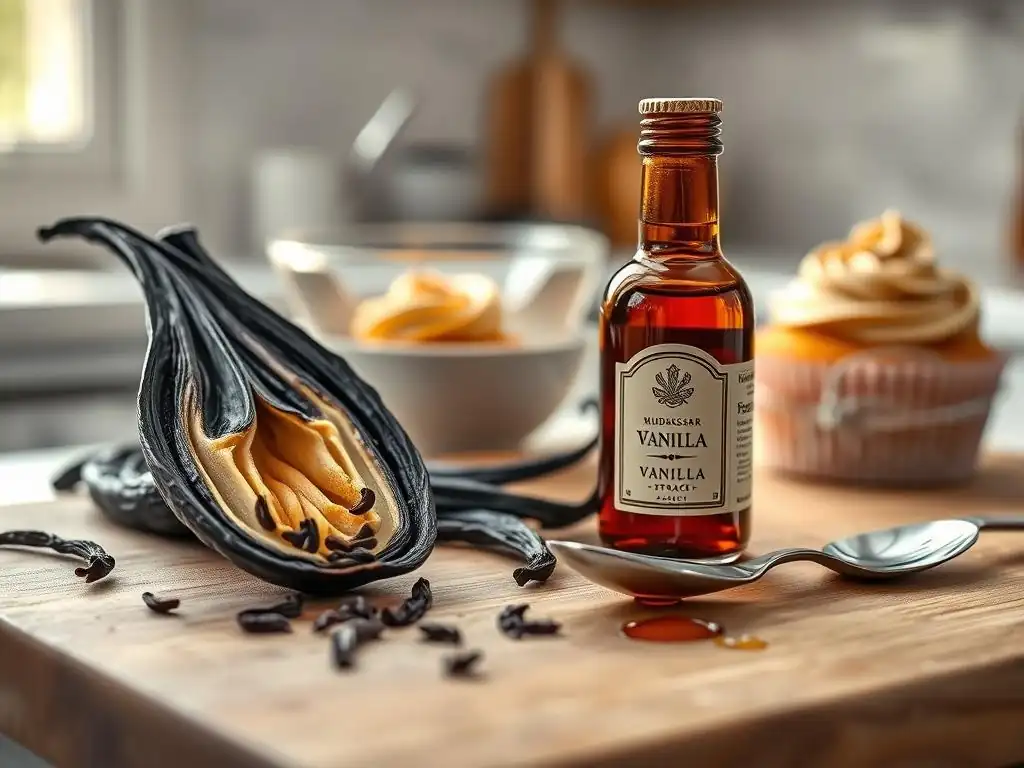
Comparing the flavor intensity of vanilla beans versus extract requires considering the application. A scraped vanilla bean provides a potent burst of fresh, complex flavor directly from the source, complete with the visual presence of seeds. In recipes like custards or ice cream where it's infused, the flavor is deeply integrated and nuanced.
Vanilla extract delivers a more consistent and predictable flavor profile, though it may lack some of the subtle complexities found in the whole bean. The intensity depends on the quality and fold strength of the extract. Generally, a good quality pure vanilla extract provides a strong vanilla note, but the ultimate vanilla bean flavor experience is often achieved by using the actual bean.
Cost Comparison: Beans vs. Extract
Vanilla beans are significantly more expensive per unit than vanilla extract. A single high-quality vanilla bean might cost anywhere from $5 to $10 or more, while a standard bottle of pure vanilla extract (say, 4 ounces) might range from $15 to $30, depending on the brand and quality.
However, when comparing the amount needed for a recipe, the cost difference can vary. A recipe might call for one vanilla bean or 1-2 teaspoons of extract. One teaspoon of extract is roughly equivalent in flavor to about one inch of a vanilla bean, depending on bean quality and extract strength. For everyday baking, extract is generally more cost-effective. For special occasion desserts where the pure vanilla bean flavor is paramount, the cost of the bean is often justified.
Availability and Shelf Life
Vanilla extract is readily available in almost all grocery stores, making it the most convenient option for most bakers. It has an exceptionally long shelf life, often retaining its quality for 2-3 years or even longer if stored in a cool, dark place. The high alcohol content acts as a natural preservative.
High-quality vanilla beans, while increasingly available in specialty stores and online, are not as universally stocked as extract. Their shelf life is shorter than extract; typically, they remain fresh and pliable for about 6-12 months if stored correctly in an airtight container away from light and heat. Over time, they can dry out and lose some of their aromatic compounds, impacting the quality of the vanilla bean flavor.
Best Uses for Vanilla Bean
Recipes Where Vanilla Bean Excels: Crème brûlée, Vanilla Bean Ice Cream
Using vanilla beans is particularly impactful in recipes where vanilla is the star flavor and the visual presence of the seeds is desired. Crème brûlée is a classic example, where the seeds are infused into the custard, providing both intense flavor and beautiful speckles. Similarly, homemade vanilla bean ice cream showcases the pure, creamy taste and visual appeal of the beans.
Other ideal uses include panna cotta, custards, rice pudding, and simple syrups. In these applications, the gentle heating or infusion process allows the complex flavors from the bean and its seeds to fully develop and integrate into the base, resulting in an unparalleled vanilla bean flavor experience.
Using Vanilla Beans: Scraping, Infusion, and Pod Uses
To use a vanilla bean, carefully slice it lengthwise down the middle with a sharp knife. Then, use the back of the knife or a spoon to scrape out the tiny seeds (the "caviar"). These seeds are the most potent part, containing a high concentration of flavor compounds. The scraped seeds can be added directly to batters, custards, or creams.
Don't discard the scraped pod! It still contains significant flavor and can be used for infusion. Submerge the scraped pod in liquids like milk, cream, sugar syrups, or alcohol to extract the remaining flavor. You can also add used pods to a jar of sugar to make vanilla sugar, or dry them and grind them into vanilla powder. This maximizes the use of the expensive bean and contributes to a richer vanilla bean flavor guide in practice.
Maximizing Vanilla Bean Flavor
To get the most intense vanilla bean flavor, always choose plump, moist, and fragrant beans. Dry, brittle beans have lost much of their volatile compounds. When infusing, allow sufficient time for the flavors to extract, especially in cold preparations. Gently warming liquids can speed up the process, but avoid boiling, which can cause some delicate aromas to dissipate.
For custards or creams, infusing the scraped pod along with the seeds into the warm milk or cream base before chilling is a common technique. Allowing the mixture to steep for at least 30 minutes, or even several hours in the refrigerator, can deepen the flavor significantly. Remembering these tips is crucial for anyone following a vanilla bean flavor guide for optimal results.
Best Uses for Vanilla Extract
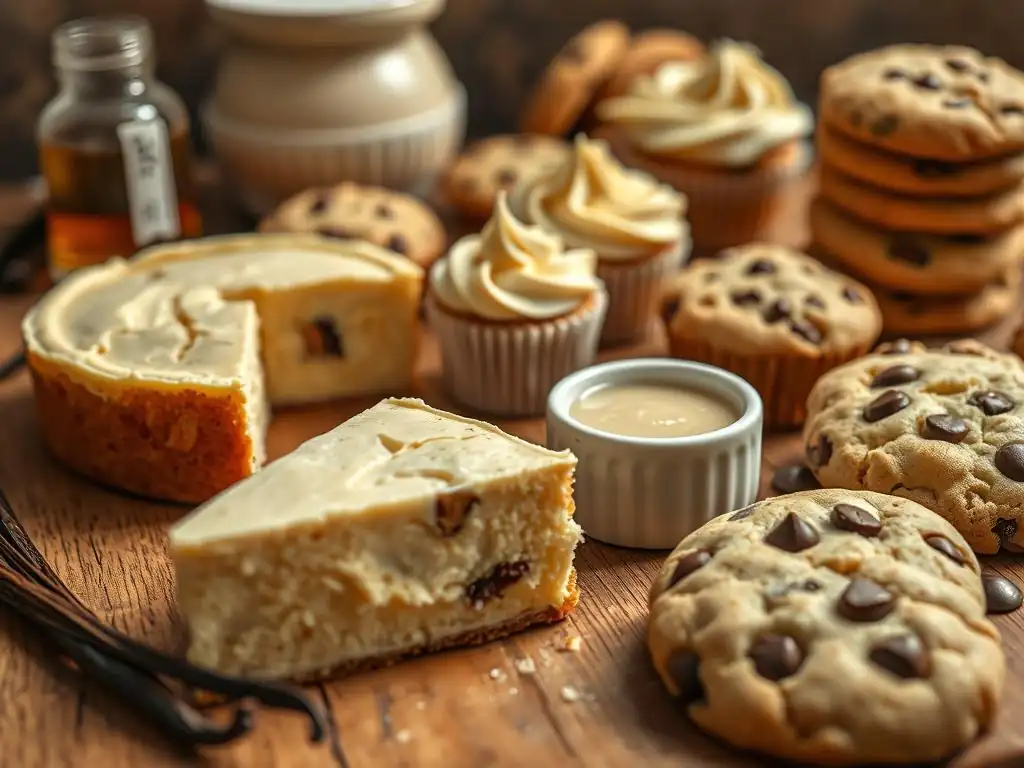
Vanilla extract is the workhorse of the baking world, perfectly suited for recipes where vanilla provides a background note or complements other dominant flavors. Cakes and cookies are prime examples. In cakes, the extract distributes evenly throughout the batter, providing consistent flavor in every bite.
For cookies, brownies, muffins, and quick breads, extract is easy to measure and mix in. The heat of baking causes some of the alcohol to evaporate, leaving behind the vanilla flavor compounds. While a vanilla bean might offer a more complex profile, a good quality pure vanilla extract delivers a reliable and pleasant vanilla taste that enhances the overall sweetness and aroma of these common baked goods.
Using Vanilla Extract: Measuring and Incorporation
Using vanilla extract is straightforward. Simply measure the required amount with a spoon or measuring cup as indicated in the recipe. It is typically added along with the wet ingredients, such as eggs, milk, or melted butter, to ensure even distribution throughout the batter or dough.
Avoid adding extract directly to hot liquids unless specified, as excessive heat can cause some flavor compounds to flash off. For optimal flavor, add the extract towards the end of the mixing process, especially in recipes that don't involve extensive heating before baking. This simple method makes it easy to achieve reliable vanilla flavor in everyday baking.
Substitutes for Vanilla Extract
If you find yourself without vanilla extract, there are a few substitutes, though results may vary. The most direct substitute is pure vanilla powder or vanilla bean paste, which are concentrated forms of vanilla. Vanilla powder provides intense flavor without adding liquid. Vanilla bean paste contains both extract and vanilla bean seeds, offering a compromise between extract convenience and bean aesthetics/flavor.
Alternatively, you can attempt to substitute with scraped vanilla bean, though the conversion isn't always 1:1 and requires recipe adjustment for moisture and technique (infusion vs. direct addition). For recipes where vanilla is a minor flavor, a tiny pinch of almond extract or even a bit of citrus zest might provide a different but pleasant aromatic lift, though they won't replicate true vanilla bean flavor.
Choosing the Right Vanilla for Your Needs
Flavor Pairing: Matching Vanilla to Recipes
Selecting the right vanilla form and variety depends heavily on the other flavors in your recipe and the desired outcome. A vanilla bean flavor guide should consider these pairings. For delicate flavors like fresh fruit or light custards, a high-quality Madagascar bean or a pure extract might be best. For richer, darker flavors like chocolate or caramel, a Mexican or Ugandan bean, or a robust extract, could be excellent choices.
Consider the visual aspect too. If you want those signature black specks, a vanilla bean or vanilla bean paste is essential. If vanilla is just one of many ingredients and its subtle nuances might get lost (like in a heavily spiced gingerbread or a fruitcake), a pure vanilla extract offers reliable flavor without the higher cost and labor of a bean.
Vanilla with Chocolate: Enhancing Richness
Vanilla has a remarkable ability to enhance the flavor of chocolate. The vanillin in vanilla interacts with compounds in chocolate, deepening its richness and complexity. A good vanilla bean flavor guide would recommend using a vanilla bean or pure extract derived from Madagascar or Uganda when working with chocolate, as their creamy or chocolatey notes complement the cocoa beautifully. A Mexican vanilla bean, with its spicy and woody undertones, can also add an intriguing layer to chocolate desserts.
Using vanilla in chocolate recipes doesn't just add its own flavor; it actually makes the chocolate taste more chocolatey. This is why you'll find vanilla listed as an ingredient in most chocolate bars and cocoa powders. It's a synergistic relationship where each ingredient elevates the other.
Vanilla with Fruit: Complementing Sweetness
Vanilla pairs wonderfully with a wide range of fruits, from berries and stone fruits to apples and pears. Its sweet, aromatic profile complements the natural sweetness and acidity of fruit. For lighter, brighter fruits like strawberries or peaches, a Tahitian vanilla bean or a delicate pure extract works well, adding floral or fruity notes that harmonize beautifully.
For richer fruits like cherries or figs, a Madagascar bean or a classic pure extract can provide a creamy backdrop. Vanilla also helps to balance the tartness in some fruits, creating a more rounded flavor experience in pies, crumbles, jams, and fruit sauces.
Vanilla in Savory Dishes: Balancing Flavors
While less common in Western cuisine, vanilla is a traditional ingredient in some savory dishes, particularly in Mexican and French cooking. It can add a subtle sweetness and complexity that balances spicy, acidic, or rich flavors. A classic example is its use in mole sauces, where a small amount of Mexican vanilla bean or extract rounds out the heat and depth of chilies, chocolate, and spices.
Vanilla can also be used in sauces for seafood, poultry, or pork, adding an unexpected but pleasant aromatic note. It pairs well with ingredients like saffron, ginger, and certain herbs. Experimenting with a small amount of vanilla in savory dishes can reveal surprising flavor combinations that extend beyond the typical vanilla bean flavor guide for desserts.
Storage: Maintaining Freshness
Proper storage is key to preserving the quality and flavor of both vanilla beans and extract. Vanilla beans should be stored in an airtight container (like a glass tube or jar) in a cool, dark place, away from direct sunlight and heat. Avoid refrigerating beans, as this can dry them out. If they start to dry, a trick is to briefly place them in a warm, slightly humid environment (like near a steamy kettle, but not in direct steam) or store them with a food-safe humidifier pack.
Vanilla extract should also be stored in a cool, dark place, ideally in its original bottle with the cap tightly sealed. The alcohol content makes it very stable, but keeping it away from light and heat prevents degradation of flavor compounds over its long shelf life. Following these storage tips ensures your vanilla maintains its potent vanilla bean flavor.
Conclusion: Embracing Vanilla's Versatility
Whether you choose the pure, complex depth of a vanilla bean or the reliable convenience of vanilla extract, understanding the nuances of this incredible ingredient is essential for any baker. From the origin-specific profiles of different vanilla bean varieties to the production methods of extracts, each form offers unique possibilities.
By considering the specific requirements of your recipe, the other flavors involved, and your budget, you can make informed choices that elevate your baked goods. Don't be afraid to experiment; try a Madagascar bean in your classic vanilla cake, a Tahitian bean with fruit, or a Mexican extract in your chocolate brownies. Ultimately, a true vanilla bean flavor guide encourages you to explore the vast potential of vanilla and embrace its remarkable versatility in the kitchen.
Frequently Asked Questions
What is the main difference between using vanilla beans and vanilla extract in baking?
The main difference lies in the source of flavor. Vanilla beans provide a pure, complex flavor directly from the pod, while vanilla extract is an alcohol-based infusion.
When is it best to use vanilla beans instead of vanilla extract?
Vanilla beans are best used when you want a stronger, more pronounced vanilla flavor and the visual appeal of vanilla bean specks. Think custards, creams, or dishes where vanilla is the star.
How do I properly prepare a vanilla bean for use in a recipe?
To prepare a vanilla bean, split it lengthwise and scrape out the seeds (also called vanilla caviar). You can add the seeds directly to your recipe, or infuse the pod in liquid for flavor.
Can I substitute vanilla extract for vanilla bean in a recipe, and if so, what's the conversion?
Yes, you can substitute. A general rule is 1 vanilla bean equals about 1 tablespoon of vanilla extract. However, adjust to taste depending on the recipe's desired vanilla intensity.
What are the key factors to consider when purchasing vanilla beans for baking?
Consider the grade of the bean (Grade A is more moist and flavorful), the origin (Madagascar, Tahitian, etc.), and the appearance (plump and oily). Also, ensure they are stored properly in an airtight container.
Final Reflection: The Enduring Allure of Authentic Vanilla
The quest for the perfect vanilla flavor is far more than a culinary pursuit; it's a journey into the heart of flavor itself. This exploration of vanilla beans versus extract reveals a surprising depth to a seemingly simple ingredient, impacting not only the taste of our baked goods but also our understanding of quality and authenticity in food. The subtle nuances between these two forms highlight the importance of mindful ingredient selection, a crucial element in achieving truly exceptional results.
The impact of vanilla, beyond its delicious aroma and taste, resonates deeply within our cultural landscape. It's a flavor inextricably linked to comfort, nostalgia, and the artistry of baking. Vanilla is the soul of baking; it's the quiet whisper that elevates the ordinary to the extraordinary.
This sentiment, though not a direct quote, encapsulates the pervasive influence of vanilla in our culinary traditions, a testament to its enduring appeal across generations and cultures. Understanding the differences between bean and extract allows us to appreciate this legacy and participate more meaningfully in its continuation.
Now, consider your own baking journey. Will you continue to rely on the convenience of extract, or will you embrace the challenge and reward of working with whole vanilla beans? The choice, ultimately, is yours. But I encourage you to explore the possibilities, to experiment with both forms, and to discover the unique magic each brings to your creations. Let the aroma of authentic vanilla inspire you, and let the taste guide you towards a deeper appreciation for the art of baking and the power of truly exceptional ingredients.
Unlock Your Vanilla Potential: Taste the Difference!
Thanks for taking the time to explore the wonderful world of vanilla with us! You now have the knowledge to elevate your baking to the next level. Ready to put your newfound expertise to the test?
- Bake a side-by-side comparison: Try a recipe using both vanilla bean paste and extract to truly appreciate the nuanced flavor differences. Note the impact on both taste and texture!
- Share your vanilla creations: Show off your baking prowess and inspire others on social media using #BakeWithEaseVanilla.
- Experiment with different recipes: Explore how vanilla bean and extract work in various baked goods, from cookies to cakes to custards. What will you create first?
Which vanilla will become your new baking secret weapon? Let us know in the comments!