
The Simple Science Behind Baking with Fruit

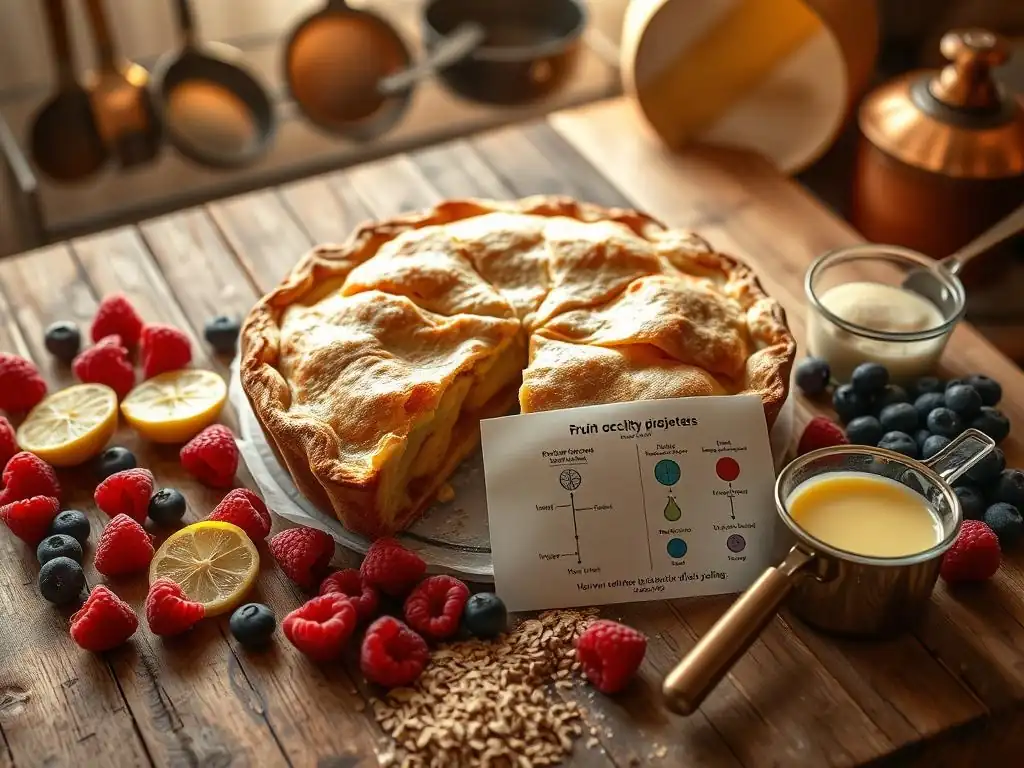
Welcome to BakeWithEase, your kitchen companion for all things baking! Ever wondered why your fruit buckles under the heat or how to prevent that dreaded soggy bottom in your fruit pies? This week, we're diving deep into the delicious world of ingredient deep dives and unlocking the secrets of " Fruit Baking Science Explained." Prepare to transform your fruit-filled creations from good to glorious – let's get baking!
- Unlocking the Secrets of Fruit Baking
- Fruit and Flour Interactions
- Sugar Levels in Fruit for Baking
- Pectin and Jams
- Fruit Enzymes
- Fruit Preparation
- Fruit and Yeast
- Troubleshooting Fruit Baking
- Tips and Tricks for Fruit Baking
- Conclusion: Elevate Your Baking
- Frequently Asked Questions
- Final Reflection: The Sweet Science of Baking's Future
- Unlock Your Inner Fruit-Baking Genius!
Unlocking the Secrets of Fruit Baking
Baking with fruit introduces a wonderful layer of flavor and texture to cakes, pies, muffins, and breads. However, anyone who has dealt with a soggy pie crust or fruit that sinks to the bottom knows that it's not always straightforward. Understanding the basic science behind baking with fruit can transform your results, turning potential challenges into consistent successes. It's about knowing how fruit behaves when heated and mixed with other ingredients, ensuring your baked goods are perfectly moist, flavorful, and structurally sound.
This journey into the science of fruit baking will explore how different components of fruit interact with your dough and batter. From the water content and natural sugars to acids and enzymes, each element plays a crucial role. By demystifying these interactions, you'll gain the knowledge to anticipate potential issues and adjust your techniques accordingly. Whether you're perfecting a classic apple pie or experimenting with exotic fruits, a grasp of this simple science is your key to unlocking exceptional baked goods.
Why Understanding Fruit Baking Matters
Knowing the science behind baking with fruit is fundamental to consistently achieving delicious outcomes. Fruit isn't just a flavoring agent; it's an active ingredient that impacts moisture levels, texture, sweetness, and even the structure of your baked goods. For instance, a fruit high in water can release significant liquid during baking, potentially making a pie crust soggy or a cake dense. Conversely, fruits with high sugar content can affect browning and moisture retention.
Beyond just moisture and sweetness, fruits contain acids and enzymes that interact with other ingredients like flour, sugar, and leavening agents. Acids can influence gluten development and the activation of baking soda, while certain enzymes can break down proteins or cause undesirable browning. Acknowledging these factors allows you to select the right fruit variety, prepare it properly, and adjust your recipe to compensate for its unique properties. This deeper understanding moves you from simply following a recipe to confidently manipulating ingredients for optimal results, truly explaining the fruit baking science.
Fruit and Flour Interactions
When fruit meets flour in baking, several key interactions occur that affect the final product's structure and texture. The most significant interactions revolve around the fruit's moisture content and its natural acidity, both of which directly influence the development and behavior of gluten in wheat flour. Understanding these dynamics is crucial for achieving the desired crumb structure in cakes, muffins, and breads, and the flakiness of pastry crusts.
Managing the interplay between fruit and flour is central to successful fruit baking. Too much moisture from the fruit can hinder proper gluten development, leading to a heavy or gummy texture, especially in delicate batters. Similarly, the acidity of the fruit can either strengthen or weaken the gluten network depending on its concentration and the presence of other ingredients like baking soda. Mastering these interactions is a core part of the science of fruit baking.
Fruit Moisture and Gluten Development
Fruit moisture is perhaps the most impactful factor when combining fruit with flour-based recipes. Fruits like berries (strawberries are about 92% water, raspberries around 87%) or peaches (about 89% water) release a substantial amount of liquid when heated. This excess water can dilute the batter or dough, interfering with the flour's ability to absorb liquid and form a strong gluten network. In cakes and muffins, this might result in a dense, heavy texture rather than a light, airy one. In pies and tarts, the released moisture can saturate the bottom crust, turning it from flaky to soggy.
To counteract this, bakers often employ techniques to manage fruit moisture. This might involve pre-cooking fruits, draining them thoroughly, or tossing them with a thickener like flour, cornstarch, or tapioca starch before adding them to the batter or placing them in a pie shell. For example, using 1-2 tablespoons of cornstarch per cup of sliced apples for a pie can absorb excess liquid released during baking, ensuring a firm filling and a crisp bottom crust. This simple step is a direct application of understanding the science of how fruit moisture affects gluten and overall texture.
Fruit Acids and Gluten Structure
Fruits contain various organic acids, such as citric acid in citrus fruits, malic acid in apples, and tartaric acid in grapes. These acids play a significant role in the gluten structure of baked goods. In general, mild acidity can help strengthen the gluten network, leading to improved structure and volume, particularly in yeast-leavened breads where acid contributes to dough development. For instance, adding a touch of lemon juice to a dough can sometimes result in a slightly better rise.
However, high concentrations of acid, especially when combined with long baking times, can actually begin to break down the gluten proteins, leading to a weaker structure. This is less common in typical fruit baking scenarios but can be a factor with very acidic fruits or in recipes where fruit is incorporated directly into a long-fermented dough. Acids also interact with leavening agents; for example, baking soda (sodium bicarbonate) requires an acid to produce carbon dioxide gas for leavening.
The acids in fruit can contribute to this reaction, alongside other acidic ingredients like buttermilk or yogurt, influencing the rise and texture of quick breads and cakes. Understanding these acidic reactions is another layer in the complex fruit baking science explained here.
Sugar Levels in Fruit for Baking
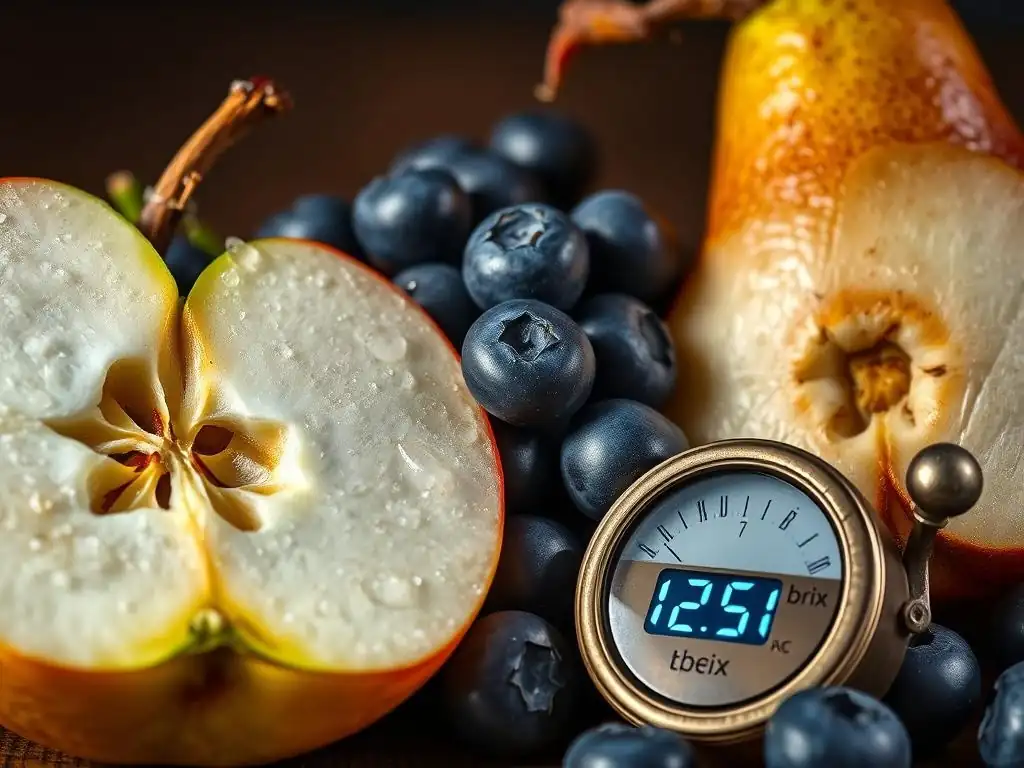
Fruit's sweetness is a key component of its appeal in baking, but the sugar content does more than just provide flavor. The natural sugars present in fruit significantly influence the texture, moisture retention, and browning of baked goods. These sugars, primarily fructose, glucose, and sucrose, react differently under heat compared to granulated sugar, impacting everything from chewiness to crust color.
Navigating the inherent sweetness of fruit requires a nuanced approach to added sugars in recipes. Fruits vary widely in sugar concentration, from relatively low-sugar options like raspberries (around 5% sugar) to high-sugar fruits like bananas (12-15% sugar) or dates (over 60% sugar when dried). This variability means that simply substituting one fruit for another without adjusting added sugar can drastically alter the final outcome, highlighting another facet of fruit baking science explained.
Natural vs. Added Sugars
Fruits contain natural sugars, predominantly fructose, which is sweeter than glucose or sucrose (common table sugar). When fruit is heated during baking, these natural sugars caramelize, contributing to browning and developing complex flavors. The type and amount of natural sugar in the fruit interact with the added sugar in the recipe, affecting the overall sweetness level and the rate of caramelization. A pie filling made with sweet, ripe peaches will require less added sugar than one made with tart, underripe apples, for example.
Moreover, sugars are hygroscopic, meaning they attract and retain moisture. Both natural and added sugars in fruit baked goods help keep the product moist and tender over time. However, excessive sugar can lead to a gummy texture or cause the outside to brown too quickly before the inside is cooked through. Balancing the natural sweetness of the fruit with added sugar is critical for achieving the desired flavor profile and texture, a skill developed through experience and an understanding of the sugar dynamics in fruit baking.
Fruit Sweetness, Baking Time, and Texture
The total sugar content (natural fruit sugars plus added sugar) significantly influences baking time and the resulting texture. Higher sugar concentrations lower the freezing point and raise the boiling point of liquids in the batter or filling, which affects how quickly heat penetrates and how moisture evaporates. This can mean that baked goods with very sweet fruit fillings might require a slightly longer baking time at a lower temperature to ensure the interior is fully cooked without burning the exterior.
Furthermore, sugar affects the tenderness and structure of baked goods. Sugar interferes with gluten development, contributing to a more tender crumb in cakes and muffins. It also promotes spread in cookies. Fruits high in sugar, like dried apricots or raisins, can contribute to a chewier texture in breads and cookies. The interaction between fruit sugars, added sugars, and other ingredients like fat and flour is a complex chemical dance that dictates the final texture, reinforcing the importance of understanding fruit baking science explained here.
Pectin and Jams
Pectin is a naturally occurring polysaccharide found in the cell walls of fruits. It acts as a gelling agent when heated in the presence of acid and sugar, making it crucial for achieving the desired set in jams, jellies, and fruit fillings. Different fruits contain varying amounts of pectin; some are naturally high in pectin, while others are low and may require added pectin to achieve a firm gel.
Understanding pectin's behavior is key to mastering fruit preserves and many baked fruit preparations. Its ability to form a gel transforms liquid fruit pulp into a spreadable or sliceable consistency, essential for fillings that hold their shape in tarts, pies, and pastries. The amount of pectin, acid, and sugar, along with proper cooking time, are the critical factors in achieving a successful set, a core principle in the science of fruit baking, particularly for fillings.
Pectin in Fruit Jams and Fillings
Pectin is most abundant in the cell walls of fruits, particularly in the skin and cores. Fruits like apples (especially green ones), citrus peels, cranberries, and quinces are naturally high in pectin. Fruits like strawberries, raspberries, and cherries are relatively low in pectin. When these fruits are cooked with sugar and acid, the pectin molecules are released and form a network that traps liquid as the mixture cools, creating a gel.
In fruit fillings for pies and tarts, pectin contributes to thickening the filling, preventing it from being too runny and potentially making the bottom crust soggy. While flour or starches are often added thickeners, the natural pectin in the fruit also plays a role, especially in fruits like apples. For example, a pie made with high-pectin apples (like Granny Smith) will naturally thicken more than one made with low-pectin apples (like McIntosh), assuming similar cooking methods.
Achieving the Perfect Pectin Set
Achieving the perfect set in jams, jellies, or fruit fillings relies on a delicate balance of pectin, sugar, acid, and heat. Pectin requires acid (typically with a pH between 2.8 and 3.5) to facilitate gel formation. Sugar is also essential; it helps draw water out of the pectin molecules, allowing them to link together and form the gel network. A common ratio for jam making is about 1:1 fruit to sugar by weight, though this varies depending on the fruit's natural sweetness and pectin content.
Heating the fruit mixture to a specific temperature, typically around 220°F (104°C), is necessary to activate the pectin and evaporate enough water for the gel to form upon cooling. Cooking for too short a time won't allow the pectin network to fully develop, resulting in a runny set.
Cooking for too long can break down the pectin, also leading to a poor set or a tough, overly stiff texture. Techniques like the "sheet test" (watching the jam drip from a spoon) or using a thermometer help determine when the setting point is reached, demonstrating practical applications of fruit baking science explained.
Fruit Enzymes
Fruits contain enzymes, biological catalysts that facilitate chemical reactions. While many enzymes are deactivated by heat during baking, some can still impact the ingredients they interact with before or during the initial stages of heating. Two types of enzymes are particularly relevant in fruit baking: those that cause enzymatic browning and those that break down proteins.
Understanding fruit enzymes is part of the science of fruit baking because they can affect the appearance, texture, and even the leavening of baked goods. Controlling enzymatic activity through proper fruit preparation is a key step in preventing undesirable outcomes like discoloration or a weakened dough structure.
Controlling Enzymatic Browning
Enzymatic browning is a common issue with fruits like apples, bananas, pears, and avocados when they are cut and exposed to air. An enzyme called polyphenol oxidase (PPO) reacts with phenolic compounds in the fruit in the presence of oxygen, causing the surface to turn brown. While this browning is harmless, it can be visually unappealing in baked goods where fruit pieces are visible.
Several methods can control enzymatic browning. One effective approach is to coat the cut fruit with an acidic solution, such as lemon juice (which has a low pH, typically 2-3) or a mixture of citric acid and water. The acid lowers the pH below the optimal range for PPO activity, inhibiting the browning reaction.
Blanching the fruit briefly in boiling water can also deactivate the enzymes through heat, though this isn't always suitable for all fruit preparations. Tossing fruit with sugar or syrup can also create a barrier against oxygen exposure, slowing down browning. For instance, apple slices for a pie are often tossed with lemon juice and sugar before being added to the crust.
Enzyme Activity, Dough Rise, and Texture
While less common in everyday fruit baking, certain fruits contain proteolytic enzymes that can break down proteins. Pineapple contains bromelain, papaya contains papain, and kiwi contains actinidin. These enzymes can break down gluten proteins in dough, leading to a weakened structure and potentially inhibiting the rise of yeast-leavened breads or making a cake batter too soft.
For example, adding large quantities of fresh, uncooked pineapple to a yeast dough can compromise the gluten network needed for a good rise. Similarly, these enzymes can prevent gelatin from setting, which is why fresh pineapple juice cannot be used to make gelatin desserts. Cooking the fruit effectively deactivates these proteolytic enzymes. Therefore, recipes often call for cooked or canned pineapple (where the enzymes have been deactivated by heat during processing) when used in batters or doughs, a practical application of fruit baking science explained.
Fruit Preparation
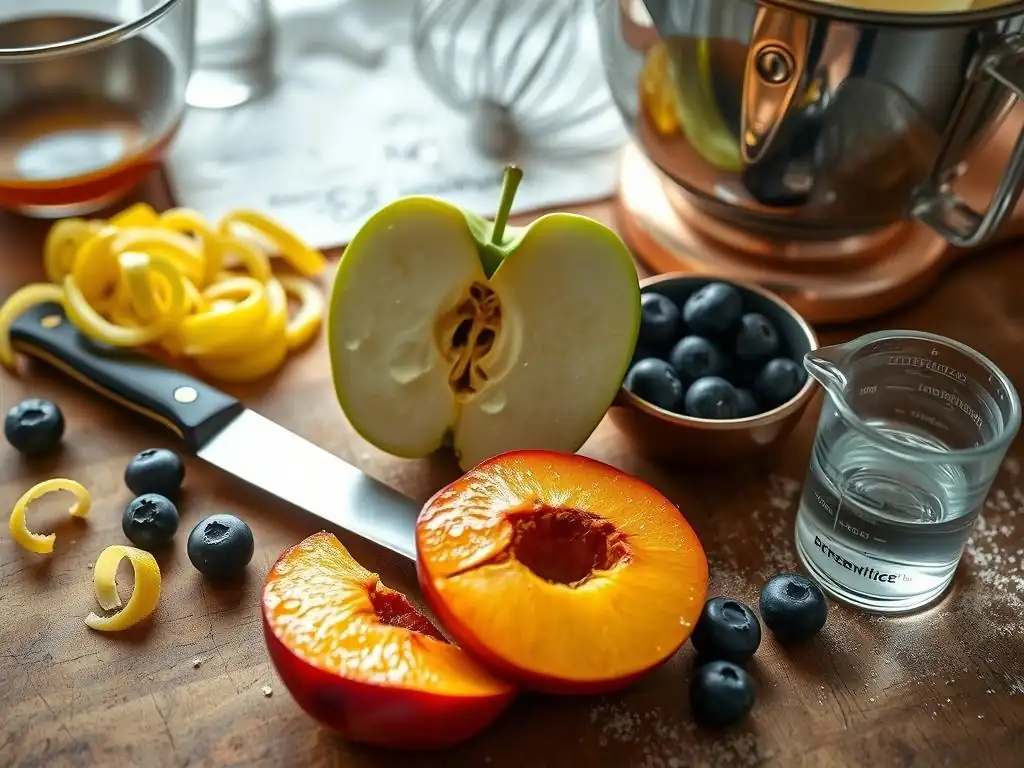
Proper fruit preparation is paramount to successful fruit baking. It involves more than just washing and cutting; it includes steps specifically designed to manage moisture, enzymatic activity, and consistency. The way fruit is handled before it goes into the oven directly impacts the texture of the final product, from preventing a soggy bottom crust to ensuring fruit is evenly distributed.
Ignoring the subtle science behind fruit preparation can lead to common baking frustrations. Taking the time to prepare fruit correctly addresses its inherent properties – like high water content or enzyme presence – ensuring that it complements rather than compromises the other ingredients in your recipe.
Optimizing Baking Results
Optimizing baking results with fruit often starts with managing its moisture. High-water fruits like berries or stone fruits benefit from draining or even a brief maceration with sugar, which draws out some liquid before baking. This extracted juice can sometimes be reduced into a syrup to enhance flavor without adding excess moisture to the baked good. For fruits like apples or pears, peeling and slicing uniformly ensures even cooking.
Another key step is tossing fruit with a thickener (like flour, cornstarch, tapioca starch, or even instant pudding mix) before adding it to pies, tarts, or batters. This provides an insurance policy against excess moisture release during baking. For instance, coating blueberries with a tablespoon or two of flour before folding them into muffin batter helps suspend them evenly and absorbs some of the moisture they release. This preparation step is a simple yet effective application of fruit baking science explained.
Preventing Soggy Bottoms
Preventing soggy bottom crusts in pies and tarts is a classic challenge in fruit baking, almost always linked to excess moisture from the filling. Several preparation techniques can help mitigate this. Blind baking the bottom crust partially or fully before adding the fruit filling creates a barrier that is less susceptible to becoming saturated by fruit juices.
Tossing the fruit with an appropriate thickener, as mentioned earlier (e.g., 2-3 tablespoons of flour or starch per 4-5 cups of fruit), is crucial. Using a thickener that gels effectively, like tapioca starch for berry pies, can trap moisture within the filling rather than letting it seep into the crust. Ensuring the oven is adequately hot (often 400-425°F / 200-220°C initially) can help set the bottom crust quickly before too much liquid is released.
Finally, allowing the pie to cool completely before slicing is vital, as the filling continues to thicken as it cools, further preventing leakage into the crust. These methods are direct results of applying fruit baking science explained principles.
Fruit and Yeast
When baking with yeast, the interaction between fruit and the yeast's metabolic activity is an interesting aspect of fruit baking science. Yeast primarily feeds on simple sugars to produce carbon dioxide gas, which causes dough to rise. Fruits, with their natural sugars (fructose, glucose, sucrose), can potentially contribute to this fermentation process.
However, incorporating fruit into yeast doughs requires careful consideration. The amount and type of fruit, its moisture content, and its acidity can all influence yeast activity and the overall dough structure. Understanding these interactions helps bakers successfully create fruit-studded breads, sweet rolls, and other yeasted treats.
Fruit Sugars and Yeast Activity
Yeast readily consumes simple sugars like glucose and fructose, both abundant in fruits. When fruit is added to dough, its natural sugars become available to the yeast, providing an additional food source that can boost fermentation. This can potentially lead to a more vigorous rise, especially if the fruit is finely chopped or pureed, making the sugars more accessible.
However, too much sugar, whether from fruit or added sweeteners, can actually inhibit yeast activity. High sugar concentrations create an osmotic pressure that can draw water out of yeast cells, slowing down or even killing them. This is why very sweet doughs, like brioche or challah, often contain more yeast and require longer proofing times than lean doughs. The balance between the fruit's contribution of fermentable sugars and the potential inhibitory effect of high sugar concentration is a key consideration in fruit baking science explained for yeast doughs.
Baking Bread with Fruit
Incorporating fruit into bread dough presents unique challenges related to both moisture and yeast activity. Wet fruits like fresh berries can add too much liquid, making the dough sticky and difficult to handle, and potentially weakening the gluten structure needed for a good crumb. Dried fruits, while not adding excess moisture, contribute concentrated sugars which can accelerate browning and affect the dough's fermentation rate.
To bake successful fruit breads:
- Use dried fruits or pre-cook/drain fresh fruits to manage moisture.
- Consider the fruit's sweetness; very sweet additions might require slightly less added sugar in the recipe.
- Ensure fruits are evenly distributed; large clumps can create dense spots.
- Be mindful of proofing times, as fruit sugars can sometimes speed up fermentation.
* Choose fruit suitable for baking (lower moisture or dried options often work well). * Prepare fruit: drain, pre-cook, or toss with flour/spice blend. * Add fruit at the appropriate stage (usually towards the end of kneading). * Adjust recipe hydration if using very wet fruit. * Monitor proofing carefully.
</Task List>
By addressing these points, you can harness the flavor benefits of fruit while maintaining the desired texture and rise in your bread, applying the principles of fruit baking science.
Troubleshooting Fruit Baking
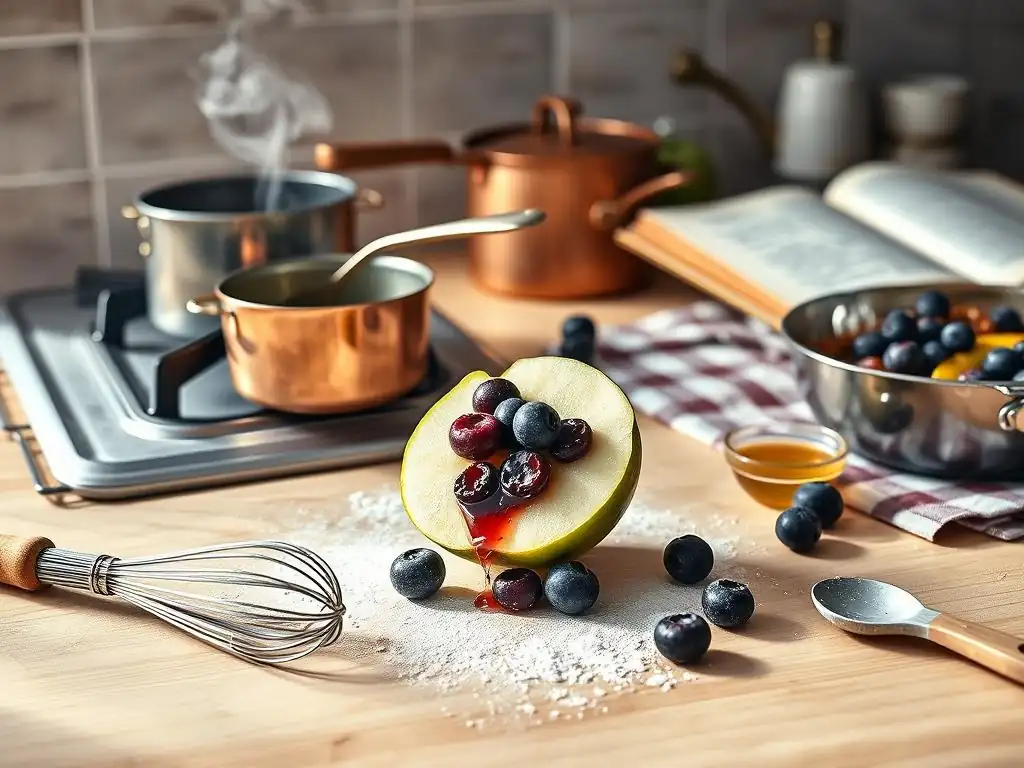
Even with a good understanding of the science, challenges can arise when baking with fruit. Two of the most common issues are soggy crusts (particularly in pies and tarts) and fruit sinking to the bottom of cakes, muffins, or quick breads. These problems are often directly related to the fruit's moisture content, density, and how it interacts with the surrounding batter or dough.
Learning to troubleshoot these issues is an essential part of mastering fruit baking. By identifying the root cause – usually excess moisture or improper preparation – you can apply targeted solutions to achieve consistently excellent results, reinforcing your practical knowledge of fruit baking science explained.
Addressing Soggy Crusts
Soggy bottom crusts are a frequent frustration in fruit pies. As discussed, this is primarily due to the liquid released by the fruit saturating the pastry before it has a chance to set. Here are common causes and solutions:
- Cause: High-moisture fruit. Solution: Pre-cook fruit, drain excess juice, or use a more effective thickener.
- Cause: Insufficient thickener. Solution: Increase the amount of flour, starch (cornstarch, tapioca, instant pudding mix), or use a different type of thickener suitable for the fruit's acidity.
- Cause: Oven not hot enough or pie not baked long enough. Solution: Ensure the oven is properly preheated (often 400-425°F / 200-220°C) and bake until the filling is visibly bubbling and the crust is golden brown, including the bottom if possible (check with a spatula).
- Cause: Pie placed on a cool baking sheet. Solution: Place the pie directly on a preheated baking stone or a hot metal baking sheet placed on the lowest oven rack to transfer heat efficiently to the bottom crust.
- Cause: Not blind baking the crust. Solution: Partially or fully blind bake the bottom crust before adding the filling, creating a moisture barrier.
Employing a combination of these techniques, tailored to the specific fruit and recipe, significantly improves your chances of a crisp bottom crust, a direct application of fruit baking science.
Preventing Fruit from Sinking
Fruit sinking to the bottom of cakes, muffins, or quick breads is another common issue. This happens when the fruit pieces are heavier than the batter and gravity pulls them down before the batter sets during baking. The density of the fruit and the consistency of the batter are key factors. Strategies to prevent sinking include:
- Tossing with Flour: Coat fruit pieces lightly in flour (about 1-2 tablespoons per cup of fruit) before folding them into the batter. The flour helps the fruit adhere to the batter and provides a slight barrier against moisture release, which can also contribute to sinking.
- Using Denser Batter: Sinking is less likely in thicker batters. If your recipe yields a very thin batter, consider if it's appropriate for fruit inclusion or if slight adjustments (like slightly less liquid) can be made without compromising the outcome.
- Adding Fruit Last: Fold the fruit into the batter just before pouring it into the baking pan. Overmixing can break down the batter's structure, making it less able to suspend the fruit.
- Using Smaller Pieces: Smaller fruit pieces are lighter and more likely to stay suspended than large chunks.
- Using Dried or Less Moist Fruit: Dried fruits are less dense and less likely to sink. If using fresh fruit, ensure it's well-drained.
By understanding that sinking is a density issue, you can choose the most effective method based on the type of fruit and batter, applying principles from the science of fruit baking.
Tips and Tricks for Fruit Baking
Beyond the fundamental science, experienced bakers develop practical tips and tricks to enhance their fruit baking. These often stem from an intuitive understanding of how fruits behave and how to best coax out their flavors and textures. Incorporating these insights can elevate your baked goods from good to truly exceptional.
From selecting the best fruit for the season to mastering specific applications like apple pie, these tips build upon the foundational fruit baking science, offering actionable advice for real-world baking scenarios.
Baking with Seasonal Fruits
Using seasonal fruits is one of the best tips for fruit baking. Fruits are typically at their peak flavor, sweetness, and ripeness when in season. For example, summer berries are bursting with flavor and juiciness, while autumn apples offer crispness and complexity. Seasonal fruit often requires less added sugar to achieve the desired sweetness, allowing the fruit's natural flavor to shine.
Seasonal fruits also tend to be fresher, meaning their texture and moisture content are predictable. This consistency makes troubleshooting easier and increases the likelihood of a successful bake. Exploring farmers' markets or local produce guides can introduce you to varieties that might be particularly well-suited for specific baking applications, deepening your connection to the ingredients and the science of fruit baking.
Apple Baking: Perfect Apple Pie
Apple pie is a quintessential example of fruit baking science in action. Achieving a perfect apple pie requires balancing apple variety, moisture, sweetness, and texture. Key considerations for apple pie:
- Apple Variety: Use a mix of apples for complexity. Tart apples (like Granny Smith) provide structure and acidity, while sweeter apples (like Honeycrisp or Fuji) soften and contribute sweetness. A blend ensures both flavor depth and varied texture in the filling.
- Moisture Management: Toss apple slices with a thickener (flour, cornstarch, or tapioca starch) and sugar. Some bakers pre-cook apples slightly to reduce moisture before filling the pie. Draining excess liquid from the apple mixture before filling is also crucial.
- Seasoning: Cinnamon, nutmeg, and a pinch of salt enhance the apple flavor. Acid (lemon juice) brightens the taste and helps prevent browning.
- Baking Temperature: Start with a high temperature (like 425°F / 220°C) for 15-20 minutes to help set the bottom crust, then reduce the temperature (to 375°F / 190°C) to cook the apples thoroughly without burning the top crust.
- Cooling: Allow the pie to cool for several hours (ideally 3-4 or more) before slicing. This gives the pectin and thickeners time to set the filling completely, preventing a runny mess.
By applying these targeted techniques, you address the specific challenges of baking with apples, resulting in a beautifully set, flavorful pie – a testament to understanding fruit baking science.
Conclusion: Elevate Your Baking
Embarking on the journey to understand the simple science behind baking with fruit unlocks a new level of confidence and skill in the kitchen. By recognizing how fruit's moisture, acids, sugars, pectin, and enzymes interact with other baking ingredients, you move from passively following recipes to actively controlling the outcomes. You can anticipate issues like soggy bottoms or sinking fruit and apply specific, science-backed techniques to prevent them.
This knowledge empowers you to experiment with different fruits, adjust recipes to suit your preferences, and consistently produce delicious, well-textured baked goods. Whether you're a beginner or looking to refine your techniques, a deeper appreciation for the science of fruit baking is an invaluable asset.
Your Partner in Fruit Baking
At BakeWithEase.com, we are dedicated to being your partner in exploring the world of baking, including mastering the nuances of fruit. Our recipes and guides are designed to be simple, accessible, and rooted in the fundamental principles of baking science. We aim to provide you with the knowledge and inspiration to confidently tackle any fruit baking project.
From detailed explanations of ingredient interactions to practical tips for preparing specific fruits, we strive to make the science of fruit baking understandable and actionable. We believe that when you understand the "why" behind the steps, baking becomes less intimidating and infinitely more rewarding. Let us help you elevate your fruit baking, one delicious creation at a time.
Frequently Asked Questions
What is the main role of fruit in baking?
Fruits contribute moisture, flavor, and texture to baked goods. They also add natural sweetness and can react with other ingredients to affect the final product.
How does the acidity of fruit affect the baking process?
The acidity in fruits can impact gluten development, leavening, and color. It can tenderize gluten, leading to a more delicate crumb, and can also react with baking soda for leavening purposes.
Why does fruit sometimes sink to the bottom of baked goods?
Fruit sinking is often due to the density of the fruit compared to the batter, as well as excess moisture. Tossing the fruit in flour and using a thicker batter can help prevent this.
How does baking affect the nutritional content of fruit?
Baking can reduce some vitamins, like Vitamin C, but it also releases other nutrients. The fiber content generally remains intact, and some antioxidant properties may even be enhanced.
What are some tips for choosing the right fruits for baking?
Consider the fruit's moisture content, flavor intensity, and texture when selecting fruits. Overripe fruits can be too soft, while underripe fruits may be too tart.
Final Reflection: The Sweet Science of Baking's Future
The science of baking with fruit isn't just about following recipes; it's about understanding the intricate dance between sugars, acids, and enzymes that transforms simple ingredients into culinary masterpieces. This understanding, more relevant than ever in a world increasingly focused on sustainable and healthy eating, allows us to create delicious and nutritious baked goods while minimizing waste and maximizing flavor.
The impact of understanding fruit's role in baking extends far beyond the kitchen. It connects us to the seasonal rhythms of nature, encouraging us to appreciate the unique qualities of each fruit and its optimal use. This mindful approach to baking fosters a deeper connection to our food, reminding us of the journey from orchard to oven. The best things in life are simple, but not easy.
This quote perfectly encapsulates the seemingly straightforward yet deeply rewarding process of mastering fruit baking.
Now, consider your own baking journey. What new experiments will you undertake, armed with this knowledge? Will you explore the unique properties of underutilized fruits? Will you strive to create recipes that celebrate the peak seasonality of your local produce? The possibilities are endless. Embrace the science, experiment with confidence, and discover the joy of transforming simple ingredients into extraordinary baked goods. Let the sweet science guide you.
Unlock Your Inner Fruit-Baking Genius!
Thanks for diving into the delightful world of fruit baking! You've just unlocked some amazing secrets to creating delicious and perfectly textured treats. Now it's time to put your new knowledge into action.
- Bake your dream fruit creation: Grab those ingredients and try out one of the recipes inspired by today’s article. Remember, even small changes can make a big difference!
- Share your baking journey: Tag us on social media with your fruit-filled masterpieces! We love seeing your creations.
- Explore our fruit baking recipe collection: Discover even more delicious possibilities on our website. You might find your next favorite recipe!
What unexpected fruit combination are you excited to try next?