
Baking with Compound Chocolate: When to Use It (and When Not To)

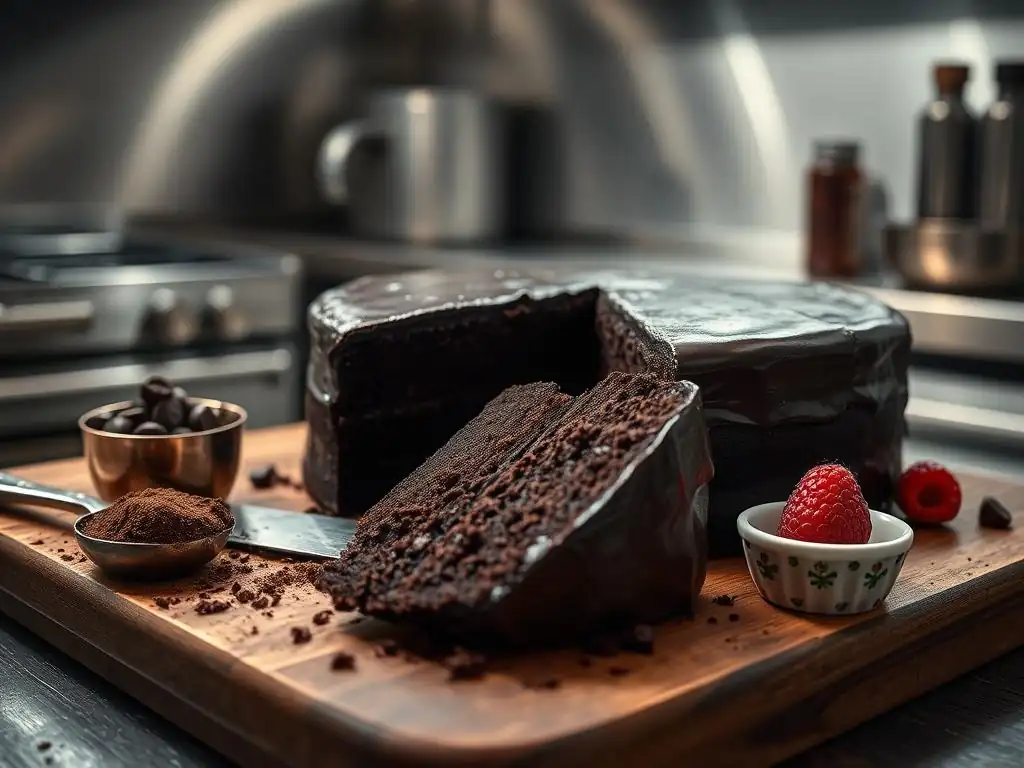
Welcome to BakeWithEase, your trusted guide to baking brilliance! Ever wondered when to reach for compound chocolate instead of the real deal? Dive into our latest ingredient deep dive to uncover the secrets to mastering your next baking project. Discover the compound chocolate baking tips that will elevate your treats (and help you avoid common pitfalls!). Ready to unlock the full potential of this versatile ingredient? Let's get baking!
- Understanding Compound Chocolate for Baking: A BakeWithEase Guide
- The Advantages of Using Compound Chocolate in Baking
- When to Avoid Using Compound Chocolate in Baking
- Compound Chocolate Baking Tips: Mastering the Technique
- Recipes That Work Well with Compound Chocolate
- Exploring Alternatives: When to Use Real Chocolate Instead
- Conclusion: Making Informed Choices About Compound Chocolate in Baking
-
Frequently Asked Questions
- What exactly is compound chocolate, and how does it differ from other types of chocolate used in baking?
- When should I use compound chocolate in my baking, according to BakeWithEase?
- Are there any instances where BakeWithEase recommends avoiding the use of compound chocolate?
- What are some specific "BakeWithEase" approved compound chocolate baking tips to achieve the best results?
- How does the easy availability of ingredients influence the choice between compound and real chocolate in "BakeWithEase" recipes?
- Final Reflection: The Sweet Science of Chocolate Choice
- Unlock Your Chocolate Baking Potential!
Understanding Compound Chocolate for Baking: A BakeWithEase Guide
What is Compound Chocolate? Defining Its Composition and Characteristics
Compound chocolate is a confectionary product that resembles chocolate but differs significantly in its composition. Unlike traditional or "real" chocolate, which contains cocoa butter as its primary fat, compound chocolate substitutes all or most of the cocoa butter with less expensive vegetable fats, such as palm kernel oil, coconut oil, or other hydrogenated oils. This fundamental difference in fat content gives compound chocolate distinct properties that are both advantages and disadvantages in the context of baking. Typically, compound chocolate is made from a blend of cocoa powder, vegetable fat, and a sweetener, sometimes with added flavorings or emulsifiers.
The defining characteristic of compound chocolate is its use of vegetable fats with different melting points compared to cocoa butter. Cocoa butter melts very close to human body temperature, contributing to the smooth, melt-in-your-mouth quality of real chocolate. Vegetable fats used in compound chocolate generally have higher melting points. This higher melting point means compound chocolate is firmer at room temperature and melts less readily in your mouth, often resulting in a slightly different, sometimes waxy, texture. This composition is key to understanding effective compound chocolate baking tips and when to best utilize this ingredient in your kitchen endeavors.
Compound Chocolate vs. Real Chocolate: Key Differences Every Baker Should Know
The most critical difference between compound chocolate and real chocolate lies in their fat base. Real chocolate, governed by regulations in many regions, must contain a certain percentage of cocoa solids and cocoa butter. For instance, in the US, semi-sweet or bittersweet chocolate typically contains 35-50% cocoa solids, including cocoa butter. Compound chocolate, conversely, replaces cocoa butter with vegetable fats like palm or coconut oil, which are considerably cheaper and behave differently when heated and cooled. This difference in fat dictates how each product melts, sets, and tastes, profoundly impacting its application in baking.
Beyond the fat content, the flavor profiles are markedly different. Real chocolate, especially high-quality varieties, boasts complex, nuanced flavors derived from the cocoa beans and the fermentation/roasting process. Compound chocolate, primarily made from cocoa powder and vegetable fats, generally offers a simpler, often sweeter taste.
It lacks the depth and richness that cocoa butter contributes. Furthermore, real chocolate requires a process called tempering to achieve a stable crystalline structure, resulting in a glossy finish and a crisp snap when cooled. Compound chocolate, due to its vegetable fat content, does not require tempering to set firmly and achieve a relatively stable state, making it much easier to work with for certain applications – a crucial piece of knowledge for anyone looking for simple compound chocolate baking tips.
The Advantages of Using Compound Chocolate in Baking
Cost-Effectiveness: Compound Chocolate as an Economical Baking Ingredient
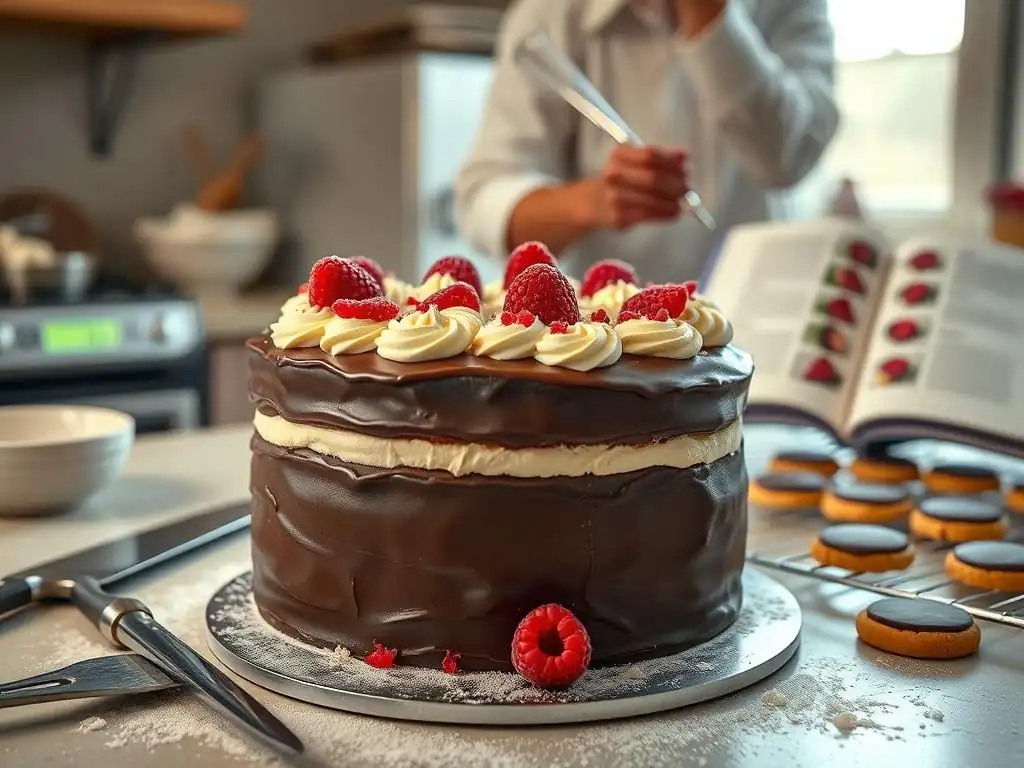
One of the most compelling reasons bakers, particularly those producing in larger quantities or on a budget, turn to compound chocolate is its significantly lower cost compared to real chocolate. The vegetable fats used in compound chocolate are considerably less expensive to produce and source than cocoa butter, which is a premium component of the cocoa bean. This price difference can be quite substantial, often making compound chocolate one-third to half the cost of equivalent real chocolate products per pound or kilo.
For home bakers experimenting or practicing, or for small businesses where ingredient cost directly impacts profitability, utilizing compound chocolate for specific purposes can lead to considerable savings. This cost-effectiveness allows for more liberal use in applications where the distinct flavor or texture of real chocolate might not be paramount, such as simple coatings, molded shapes, or internal components of baked goods where other flavors dominate. Mastering compound chocolate baking tips can help you leverage this economic advantage without sacrificing too much on quality for appropriate recipes.
Ease of Use: Tempering Not Required for Compound Chocolate
A major hurdle for many bakers when working with real chocolate is the necessity of tempering. Tempering is a precise process involving melting, cooling, and reheating chocolate to specific temperatures to stabilize the cocoa butter crystals. This process is essential for achieving a shiny finish, a firm set, and that characteristic snap in real chocolate, and without it, real chocolate can bloom (develop grey streaks) or set with a dull, soft texture. Compound chocolate, however, bypasses this complex step entirely.
Because compound chocolate uses vegetable fats that don't form the same intricate crystal structures as cocoa butter, it simply needs to be melted and cooled to set firmly. This makes it incredibly user-friendly for simple tasks like dipping, molding, or creating quick glazes. For beginners or those looking for hassle-free compound chocolate baking tips, the ability to melt the product in a microwave or double boiler and have it set without worrying about specific temperature curves is a significant advantage, saving time and reducing the potential for error.
Versatility in Baking: Applications Where Compound Chocolate Excels
Due to its ease of use and stable setting properties, compound chocolate is remarkably versatile for certain baking applications where real chocolate might be more challenging or expensive to use. Its ability to melt smoothly and set firmly without tempering makes it ideal for decorative purposes, simple coatings, and quick confections. While it may not provide the complex flavor needed for gourmet creations, it performs excellently in many everyday baking tasks.
Exploring compound chocolate baking tips for different uses reveals its strengths. It's perfect for creating chocolate bark, dipping fruits or pretzels, making simple drizzles, or molding basic chocolate shapes. Its lower melting point (relative to needing tempering) and stable set make these tasks much quicker and more forgiving than using real chocolate, which would require careful tempering to achieve a similar result.
Making Chocolate Decorations with Compound Chocolate: A Simple Guide
Creating impressive chocolate decorations becomes significantly easier when using compound chocolate. Because it hardens reliably without tempering, you can simply melt it gently (avoiding overheating, ideally below 115°F or 46°C), pour it into molds, spread it thinly on parchment paper for shards, or pipe intricate designs. Once cooled, these decorations will set firm and hold their shape well at room temperature, unlike untempered real chocolate which might remain soft or bloom.
For instance, to make simple chocolate curls or shards, melt compound chocolate, spread a thin, even layer onto a clean, smooth surface (like the back of a baking sheet) or parchment paper. Let it cool slightly until just firm but still pliable.
Then, using a scraper or knife, push across the surface at an angle to create curls, or simply break the sheet into shards once fully set. These pieces are stable enough to handle and use to adorn cakes, cupcakes, or pastries, offering appealing visual texture with minimal effort, making this one of the most practical compound chocolate baking tips for decorators.
Compound Chocolate Coatings: Achieve a Smooth and Shiny Finish
Achieving a smooth and relatively shiny coating on items like cake pops, cookies, or fruit is another area where compound chocolate shines due to its no-temper requirement. Melted compound chocolate provides a fluid consistency that's easy to dip items into or pour over surfaces. As it cools, it sets into a firm, non-sticky shell. While the shine might not be as deep or mirror-like as perfectly tempered real chocolate, it is consistently smooth and attractive for home baking or casual treats.
To coat items, melt the compound chocolate in a deep, narrow container that allows for easy dipping. Ensure the items to be dipped are cool and dry. Dip the item, letting excess chocolate drip off, and place it on parchment paper to set. The vegetable fats in compound chocolate help it set quickly and evenly at room temperature or in the refrigerator, resulting in a clean finish that is durable and easy to handle, showcasing its utility in practical compound chocolate baking tips.
Using Compound Chocolate for Ganache: Considerations and Tips
While traditionally made with real chocolate and cream, compound chocolate can sometimes be used to make a type of ganache, though the results will differ significantly in flavor and texture. A traditional ganache relies on the emulsification of cocoa butter and cream to create a rich, smooth filling or coating. Using compound chocolate means you are emulsifying vegetable fat with cream.
When making a "ganache" with compound chocolate, you might need to adjust the cream ratio compared to a recipe using real chocolate, as the vegetable fats behave differently when mixed with liquid. The resulting texture might be firmer or less smooth depending on the specific compound chocolate used.
The flavor will also be less intense and complex than a real chocolate ganache. It's crucial to manage expectations; this version is best suited for simple fillings where a strong chocolate flavor isn't the main focus, or as a quick, stable frosting or filling for items like cupcakes or simple tarts, demonstrating a different application of compound chocolate baking tips.
When to Avoid Using Compound Chocolate in Baking
Flavor Profile Limitations: Understanding Compound Chocolate's Taste
Despite its advantages in ease of use and cost, the flavor profile of compound chocolate is its primary limitation, particularly in recipes where chocolate is the star ingredient. Because it's made from cocoa powder and vegetable fats rather than cocoa butter and high-quality cocoa solids, its taste is generally less complex, less intense, and often sweeter than real chocolate. It can sometimes have a slightly artificial or waxy aftertaste due to the vegetable fats.
For recipes like flourless chocolate cake, fine truffles, gourmet mousses, or rich chocolate tarts, using compound chocolate will significantly compromise the final flavor. These applications rely on the nuanced, deep, and often slightly bitter notes of high-quality real chocolate to achieve their characteristic richness and sophistication.
Using compound chocolate in these contexts results in a product that tastes distinctly inferior, lacking the depth and melt-in-your-mouth quality that defines premium chocolate desserts. Recognizing these limitations is a key aspect of applying compound chocolate baking tips effectively – knowing when not to use it is just as important as knowing when to use it.
Texture Differences: How Compound Chocolate Behaves in Baked Goods
The difference in fat composition also leads to distinct textural differences when compound chocolate is used within baked goods or fillings. Real chocolate, with its cocoa butter base, melts smoothly and completely at body temperature, contributing to a luxurious mouthfeel. Compound chocolate, with its higher melting point vegetable fats, may not melt as cleanly or completely in the mouth, potentially leaving a waxy or slightly greasy residue.
In recipes where chocolate is melted into a batter or dough, like brownies or cakes, using compound chocolate can affect the final texture. While it will provide chocolate flavor, it might not contribute the same richness or moistness that cocoa butter does. When used in chunks or chips within cookies or muffins, compound chocolate chips tend to hold their shape more than real chocolate chips, which melt and spread more readily. This can be a preference for some, but it's a notable textural difference that impacts the overall eating experience, highlighting another consideration when considering compound chocolate baking tips.
High-End Baking: Why Real Chocolate is Preferred for Gourmet Creations
For high-end baking, patisserie, and gourmet chocolate work, real chocolate is almost always the preferred, if not required, ingredient. Creations like artisan truffles, delicate chocolate bonbons, sophisticated entremets, or perfectly tempered chocolate sculptures demand the superior flavor, texture, and working properties that only real chocolate provides. The complex notes from fine cocoa beans and the luxurious melt of cocoa butter are irreplaceable in achieving the quality expected in such applications.
Achieving a flawless, glossy finish and a clean snap on molded chocolates or dipped confections requires the precise tempering of real chocolate, a characteristic property that compound chocolate simply cannot replicate. While compound chocolate is excellent for simple decorations or coatings where perfection isn't paramount, it lacks the ability to produce the truly professional shine, snap, and melt that defines gourmet chocolate work. Therefore, for any baking project aiming for a premium result, investing in and correctly using real chocolate is essential, overriding any cost or ease-of-use advantages of compound chocolate.
Compound Chocolate Baking Tips: Mastering the Technique
Choosing the Right Compound Chocolate for Your Recipe
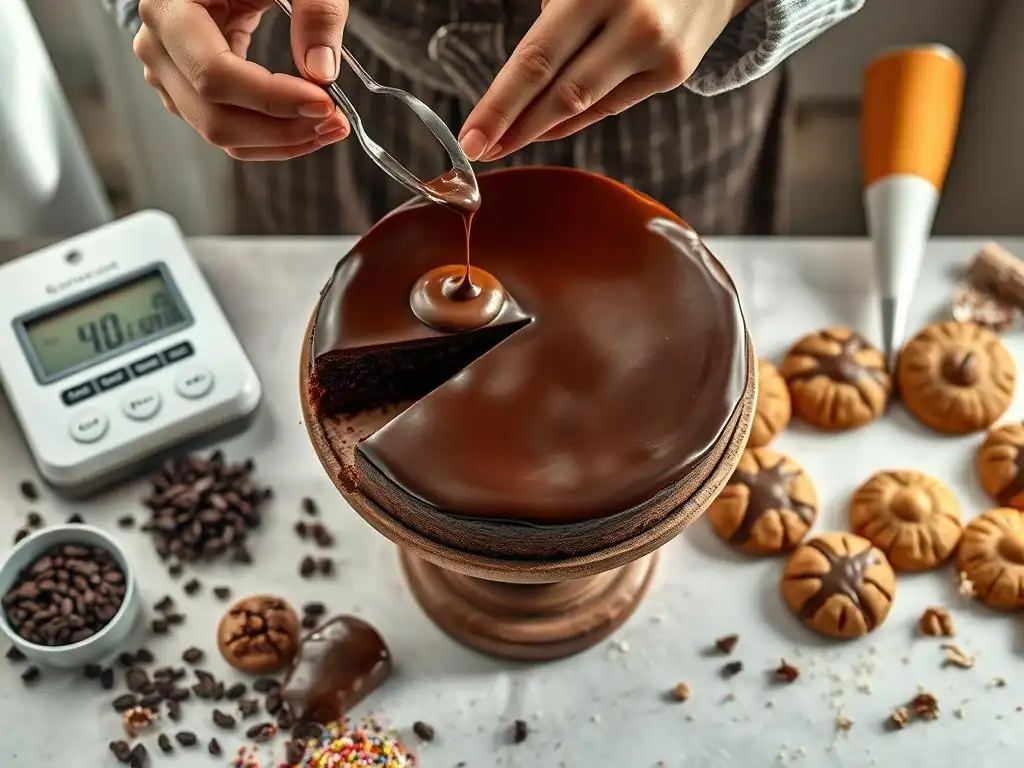
Selecting the appropriate type of compound chocolate is the first step towards successful compound chocolate baking tips. Compound chocolate is available in various forms, including blocks, wafers, or chips, and in different "flavors" such as dark, milk, or white (though these are based on cocoa powder/coloring rather than cocoa solids). The form you choose often depends on the application; wafers or blocks are typically easier to melt smoothly for coatings and molding, while chips are convenient for adding directly into batters, though they are formulated to hold their shape.
Consider the intended use and desired sweetness level. "Dark" compound chocolate will have a higher percentage of cocoa powder than "milk" or "white" versions, resulting in a less sweet, more intense flavor, though still not comparable to real dark chocolate. For dipping or coating, look for products specifically labeled for melting or coating, as these are formulated for optimal fluidity when melted and a stable set. Reading ingredient lists can also give clues; a higher percentage of cocoa powder (listed after sugar and vegetable fat) might indicate a more chocolatey flavor.
Adjusting Baking Times and Temperatures for Compound Chocolate
When substituting compound chocolate for real chocolate chips or chunks in recipes like cookies or muffins, you generally don't need to make significant adjustments to baking times or temperatures. Both types of chocolate are added as solid pieces to the dough or batter. However, remember that compound chocolate chips are often formulated to hold their shape better during baking compared to real chocolate chips, which tend to melt and spread more. This means you might end up with distinct chocolate lumps rather than gooey pockets, which can affect the texture of the final baked good.
If a recipe calls for melted chocolate to be incorporated into a batter or sauce, and you are using compound chocolate, ensure you melt it gently to avoid scorching, ideally using a double boiler or microwave on low power in short intervals. Once melted, it can be incorporated as the recipe directs. The setting properties of compound chocolate also mean that baked goods featuring it in coatings or decorations will set up firmly relatively quickly upon cooling, often faster than if using untempered real chocolate. These adjustments are simple yet effective compound chocolate baking tips.
Storage Tips: Preserving the Quality of Your Compound Chocolate
Proper storage is crucial for maintaining the quality and usability of compound chocolate. Like real chocolate, it should be stored in a cool, dry place, away from direct sunlight and strong odors. An ideal temperature range is between 60-70°F (15-21°C). High temperatures can cause the vegetable fats to melt and separate, potentially leading to a form of fat bloom, where greyish streaks appear on the surface. While often still usable after melting, this indicates a change in structure that isn't ideal.
Humidity is also an enemy of compound chocolate. Moisture can cause sugar bloom, appearing as a white, powdery coating. Ensure the chocolate is stored in an airtight container to protect it from moisture and odors. Storing it correctly ensures it melts smoothly and performs as expected when you're ready to use it, prolonging its shelf life and ensuring you get the best results from your compound chocolate baking tips. Generally, compound chocolate has a longer shelf life than real chocolate due to the stability of the vegetable fats.
Recipes That Work Well with Compound Chocolate
Easy Chocolate Bark Recipe Using Compound Chocolate
Chocolate bark is one of the simplest and most forgiving confections, making it an ideal candidate for using compound chocolate. It requires melting chocolate and spreading it thinly before adding toppings. Using compound chocolate eliminates the need for tempering, ensuring the bark sets up firm and snappable every time. To make it, simply melt your chosen compound chocolate (wafers or blocks work best) using a double boiler or microwave until smooth.
Pour the melted chocolate onto a parchment-lined baking sheet and spread it into a thin, even layer, about 1/4 inch thick. While the chocolate is still wet, sprinkle your desired toppings generously – nuts, dried fruit, pretzels, candies, sprinkles, or crushed cookies all work well. Gently press the toppings into the chocolate. Let the bark set completely at room temperature or in the refrigerator until firm, usually within 30-60 minutes. Once set, break it into irregular pieces. This simple process highlights the ease of using compound chocolate for quick, decorative treats, offering practical compound chocolate baking tips in action.
Simple Chocolate-Dipped Strawberries with Compound Chocolate
Dipping fresh strawberries (or other fruits like bananas, or items like pretzels and marshmallows) is another perfect application for compound chocolate. The goal is a simple, stable coating that sets quickly. Compound chocolate provides this without the fuss of tempering. Ensure your strawberries are completely dry, as any water will cause the chocolate to seize.
Melt compound chocolate gently in a deep, narrow container. Hold a dry strawberry by the stem or hull and dip it into the melted chocolate, rotating to coat most of the berry. Lift it out, letting excess chocolate drip back into the container. Place the dipped strawberry on a parchment-lined baking sheet. You can add sprinkles or other decorations immediately after dipping before the chocolate sets. Place the tray in the refrigerator for about 15-20 minutes to allow the chocolate to set firmly. The result is an easy, appealing treat, demonstrating effective compound chocolate baking tips for simple confections.
Quick Chocolate Glaze Recipe Using Compound Chocolate
A quick and easy chocolate glaze for cakes, donuts, or pastries can be made using compound chocolate. Unlike glazes made with real chocolate which might require butter or other fats for shine and flow, compound chocolate often needs minimal additions. A basic glaze can sometimes be made by simply melting compound chocolate until smooth and fluid enough to pour or spread.
For a slightly softer or glossier glaze, you might incorporate a small amount of vegetable oil or shortening into the melted compound chocolate (start with a tablespoon per cup of chocolate). Melt the compound chocolate, then stir in the fat until fully combined and smooth. The amount of added fat will determine the consistency and how hard the glaze sets.
Pour or spread the warm glaze over your cooled baked goods. It will set up as it cools, providing a simple chocolatey finish. This method offers versatile compound chocolate baking tips for adding a quick layer of flavor and decoration to various desserts.
Exploring Alternatives: When to Use Real Chocolate Instead
Understanding the Benefits of Using Real Chocolate
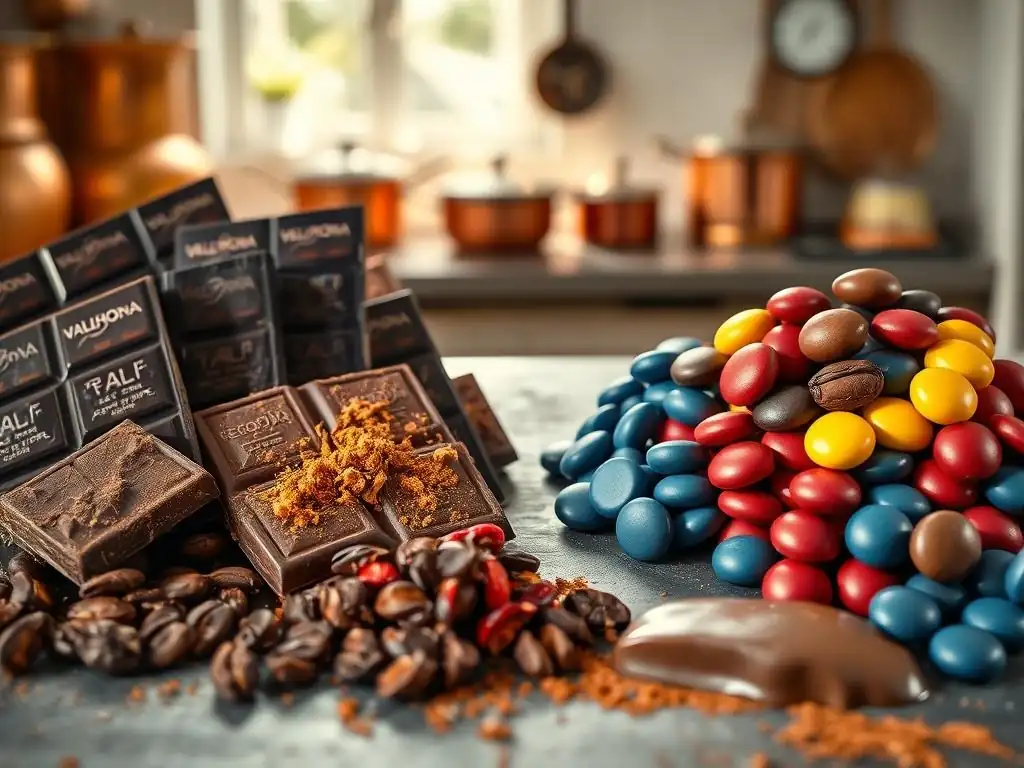
Using real chocolate in baking offers significant benefits, primarily related to superior flavor, texture, and quality. Real chocolate, made with cocoa butter and a higher percentage of cocoa solids (compared to cocoa powder in compound), provides a richer, more complex, and authentic chocolate taste. High-quality real chocolate can have notes ranging from fruity and floral to nutty and earthy, adding depth that compound chocolate simply cannot match.
Furthermore, the presence of cocoa butter gives real chocolate its characteristic smooth, melt-in-your-mouth texture. When properly tempered, real chocolate sets with a beautiful sheen and a satisfying snap, properties highly valued in fine confectionery and pastry. For recipes where chocolate is a primary flavor or textural component, such as truffles, mousses, fine cakes, or professional-quality dipped items, the investment in real chocolate is crucial for achieving a truly delicious and high-quality result that justifies the effort and cost.
Different Types of Real Chocolate for Baking: Dark, Milk, and White
Real chocolate comes in various types, each suited to different baking applications and flavor profiles. Dark chocolate contains the highest percentage of cocoa solids (typically 50% to 90% or more) and the least sugar, offering intense, bittersweet, or semi-sweet flavors. It's excellent for rich desserts like brownies, ganaches, and molten lava cakes, and its high cocoa butter content makes it ideal for tempering.
Milk chocolate contains cocoa solids, cocoa butter, sugar, and milk powder or condensed milk, resulting in a sweeter, creamier flavor with less intense chocolate notes (typically 30-40% cocoa solids). It's often used in milder chocolate desserts, cookies, or as a coating where a sweeter profile is desired. White chocolate, technically not chocolate by some definitions as it contains no cocoa solids, is made from cocoa butter, sugar, milk solids, and vanilla.
It has a creamy, sweet flavor and is used for specific flavor combinations, decorations, or in recipes where a delicate chocolatey richness is needed. Each type requires different tempering temperatures, a key skill when moving beyond compound chocolate baking tips.
Tempering Real Chocolate: A Step-by-Step Guide
Tempering real chocolate is a process that stabilizes the cocoa butter crystals, essential for achieving a glossy finish, crisp snap, and preventing bloom. While it might seem intimidating, it's a learnable skill.
The basic process involves melting chocolate, cooling it down to a specific temperature (seeding with solid chocolate or using a cooling method), and then warming it slightly back up to a working temperature. Temperatures vary depending on the type of chocolate: dark (melt to ~115°F/46°C, cool to ~82°F/28°C, reheat to ~88-91°F/31-32°C), milk (melt to ~113°F/45°C, cool to ~80°F/27°C, reheat to ~86-88°F/30-31°C), and white (melt to ~110°F/43°C, cool to ~78°F/26°C, reheat to ~84-86°F/29-30°C).
There are several methods for tempering, including the seeding method (adding solid chocolate to melted chocolate to cool it and introduce stable crystals) and the tabling method (spreading melted chocolate on a cool surface like marble to cool and agitate it). Using a thermometer is crucial for accuracy. While more complex than melting compound chocolate, mastering tempering unlocks the full potential of real chocolate for professional-looking results, moving beyond basic compound chocolate baking tips into more advanced chocolate work.
Conclusion: Making Informed Choices About Compound Chocolate in Baking
Understanding the differences between compound chocolate and real chocolate is fundamental for any baker. Compound chocolate offers significant advantages in terms of cost-effectiveness and ease of use, particularly because it does not require tempering. This makes it an excellent choice for simple applications like quick coatings, basic molded decorations, chocolate bark, and easy dipping projects, providing accessible compound chocolate baking tips for beginners and budget-conscious bakers. Its forgiving nature and stable set at room temperature make it a convenient ingredient for many straightforward tasks.
However, it's equally important to recognize compound chocolate's limitations. Its flavor profile is less complex and often sweeter than real chocolate, and its texture can be less smooth due to the use of vegetable fats instead of cocoa butter.
For recipes where chocolate is the dominant flavor or where a luxurious texture and professional finish are desired, such as gourmet truffles, fine pastries, or applications requiring a true snap and sheen, real chocolate is the superior choice. By understanding the unique properties of both types of chocolate and applying the appropriate compound chocolate baking tips (or opting for real chocolate when needed), you can make informed decisions that lead to the best possible results for every baking project, balancing quality, cost, and effort.
Frequently Asked Questions
What exactly is compound chocolate, and how does it differ from other types of chocolate used in baking?
Compound chocolate, also known as baking chocolate or chocolate coating, is made with vegetable fat instead of cocoa butter. This difference significantly impacts its melting properties and overall flavor.
When should I use compound chocolate in my baking, according to BakeWithEase?
BakeWithEase suggests using compound chocolate when you need a smooth, glossy finish that sets quickly and doesn't require tempering, such as for dipping or coating. It's also a good choice for projects where cost is a significant factor.
Are there any instances where BakeWithEase recommends avoiding the use of compound chocolate?
Yes! BakeWithEase advises against using compound chocolate when you desire a rich, intense chocolate flavor or a smooth, melt-in-your-mouth texture. Real chocolate is better for these results.
What are some specific "BakeWithEase" approved compound chocolate baking tips to achieve the best results?
Ensure the compound chocolate is completely melted before using it for dipping or coating. Avoid overheating, as it can become thick and grainy. Consider adding a small amount of vegetable oil for extra shine.
How does the easy availability of ingredients influence the choice between compound and real chocolate in "BakeWithEase" recipes?
"BakeWithEase" recipes often consider ingredient accessibility. Compound chocolate is generally more readily available and affordable than high-quality real chocolate, making it a practical choice for many home bakers.
Final Reflection: The Sweet Science of Chocolate Choice
The discerning baker understands that the choice of chocolate profoundly impacts the final product, and this extends far beyond simply choosing dark, milk, or white. The subtle yet significant differences between compound chocolate and real chocolate can make or break a recipe, leading to either a delightful treat or a disappointing result. Understanding these nuances is crucial for achieving consistent baking success.
This exploration into the world of compound chocolate has highlighted not just its technical limitations, but also its surprising versatility in specific applications. The cost-effectiveness and ease of use are undeniable advantages, but the limitations in flavor and melt properties should never be underestimated. The best things in life are worth waiting for, and sometimes, that includes the richer, more complex flavors of real chocolate.
This quote, while not directly about baking, speaks to the deeper satisfaction derived from using high-quality ingredients, a sentiment that resonates strongly with my own baking philosophy.
Now, I challenge you, dear reader, to consider your next baking project. Will you embrace the convenience of compound chocolate for a simple, everyday treat? Or will you elevate your creation with the superior qualities of real chocolate, savoring the nuanced flavors and luxurious melt? The choice, ultimately, is yours, and understanding the distinctions between these two types of chocolate empowers you to make the best decision for your culinary aspirations. Let your baking journey be guided by informed choices, leading to consistently delicious results.
Unlock Your Chocolate Baking Potential!
Thanks for diving into the world of compound chocolate with us! We hope you now feel confident in understanding its uses and limitations. Ready to put your newfound knowledge to the test?
- Whip up your dream treat: Choose a recipe that calls for compound chocolate (think truffles or dipped strawberries!) and get baking. The smooth texture and vibrant color will amaze you.
- Share your creations: Post a picture of your compound chocolate masterpiece on social media and tag us – we’d love to see what you make! #BakeWithEase #CompoundChocolate
- Experiment with different brands: Taste-test different compound chocolates to see how their flavors and textures vary. You might discover a new favorite!
What delicious adventure will compound chocolate take you on next? Let us know in the comments!