
The Magic of Vanilla Bean: Why Those Little Black Specks Matter in Your Baking

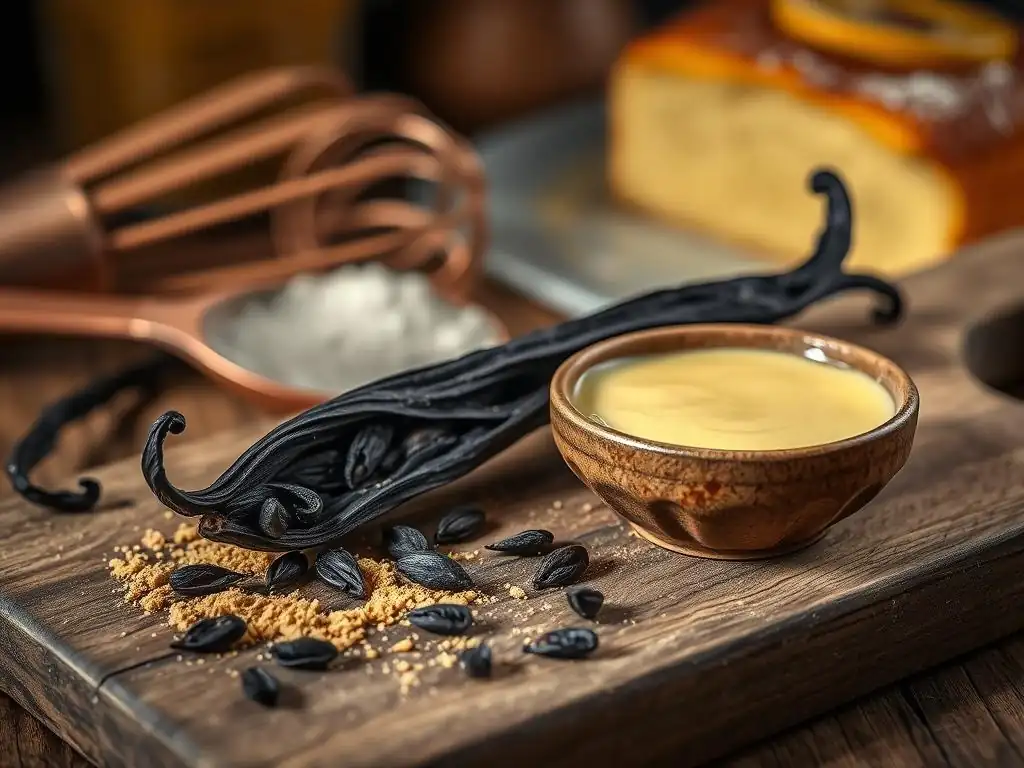
Welcome to BakeWithEase, your companion on a delicious journey into the world of baking! Ever wondered what makes vanilla bean baking recipes truly exceptional? Hint: it's more than just a sweet aroma. Prepare to unlock the secrets behind those tiny black specks and discover how they can elevate your creations from ordinary to extraordinary. Get ready to dive deep into the magic of vanilla!
- The Magic of Madagascar Vanilla: Elevating Your Baking with Real Vanilla
- Understanding the Allure of Madagascar Vanilla in Baking Recipes
- Madagascar Vanilla Bean vs. Extract: A Baker's Comparison
- Unlocking the Flavor: How to Use Madagascar Vanilla Bean in Baking
- Madagascar Vanilla Baking Recipes: Showcase and Ideas
- Maximizing Madagascar Vanilla Bean Flavor in Your Baking Creations
- Sourcing the Best Madagascar Vanilla Beans for Your Baking Needs
- The Economic and Ethical Considerations of Madagascar Vanilla Bean
- Elevate Your Baking: Embracing the Magic of Madagascar Vanilla Bean
-
Frequently Asked Questions
- What makes vanilla bean superior to vanilla extract in baking?
- How do I properly extract the vanilla bean seeds for my baking recipes?
- Can I substitute vanilla extract for vanilla bean in a recipe, and if so, what's the ratio?
- What are some "BakeWithEase" recommended vanilla bean baking recipes for beginners?
- How should I store vanilla beans to maintain their freshness and potency?
- Final Reflection: The Enduring Allure of the Vanilla Bean
- Unleash Your Inner Pastry Chef: Elevate Your Baking Today!
The Magic of Madagascar Vanilla: Elevating Your Baking with Real Vanilla
BakeWithEase: Enhancing Your Baking with Madagascar Vanilla Beans
Welcome to BakeWithEase, where we explore the ingredients that transform simple creations into extraordinary delights. Today, we're diving deep into the world of vanilla, specifically the revered Madagascar vanilla bean. Often considered the gold standard, this slender pod holds within it a complex symphony of flavors that can elevate even the most basic vanilla bean baking recipes from good to truly unforgettable. Understanding the unique characteristics of Madagascar vanilla is the first step to unlocking its full potential in your kitchen.
Using real vanilla beans in your baking isn't just about adding flavor; it's about adding depth, aroma, and a visual signature—those tiny black specks—that signals quality and care. While vanilla extract is a staple, the pure, unadulterated essence of the bean provides a richness and nuance that synthetic flavors simply cannot replicate. At BakeWithEase, we encourage you to experiment with this incredible ingredient and experience the difference it makes in your favorite vanilla bean baking recipes, from classic custards to delicate cakes.
Understanding the Allure of Madagascar Vanilla in Baking Recipes
What is a Madagascar Vanilla Bean? A Baker's Introduction
A Madagascar vanilla bean is the fruit of the Vanilla planifolia orchid, grown and cured primarily in the northeastern region of Madagascar. These beans are renowned for their classic, sweet, creamy, and rich vanilla flavor profile, often described as having notes of caramel and sometimes a hint of chocolate. Visually, a high-quality bean should be plump, moist, and oily, indicating it contains a high concentration of vanillin, the primary flavor compound, as well as hundreds of other aromatic compounds that contribute to its complex bouquet.
Unlike synthetic vanillin or even many other vanilla varieties, the Madagascar bean offers a full-bodied flavor that stands up beautifully to heat in baking. When you split open a bean, you'll find millions of tiny, dark seeds—often called "vanilla caviar." These seeds are potent flavor carriers and provide that signature speckled appearance in baked goods and desserts. Incorporating these seeds directly into your vanilla bean baking recipes ensures you're getting the most authentic and intense vanilla experience possible.
The Origin and Cultivation of Madagascar Vanilla Beans
Madagascar is the world's leading producer of vanilla, accounting for roughly 80% of the global market share. The cultivation process is incredibly labor-intensive. Vanilla orchids must be hand-pollinated, typically within a short window in the morning when the flower is open. After pollination, the beans take several months to mature on the vine. Once harvested, they undergo a meticulous curing process that can last for several months, involving blanching, sweating, sun-drying, and conditioning.
This lengthy and delicate process is what makes high-quality Madagascar vanilla beans relatively expensive, often ranging from $5 to $10 or more per bean depending on market conditions, grade, and size. The climate and soil conditions in Madagascar are particularly conducive to producing beans with a high vanillin content and that desirable creamy-sweet aroma. The specific terroir contributes significantly to the unique flavor profile that bakers worldwide seek out for their premium vanilla bean baking recipes.
Madagascar Vanilla Bean vs. Extract: A Baker's Comparison
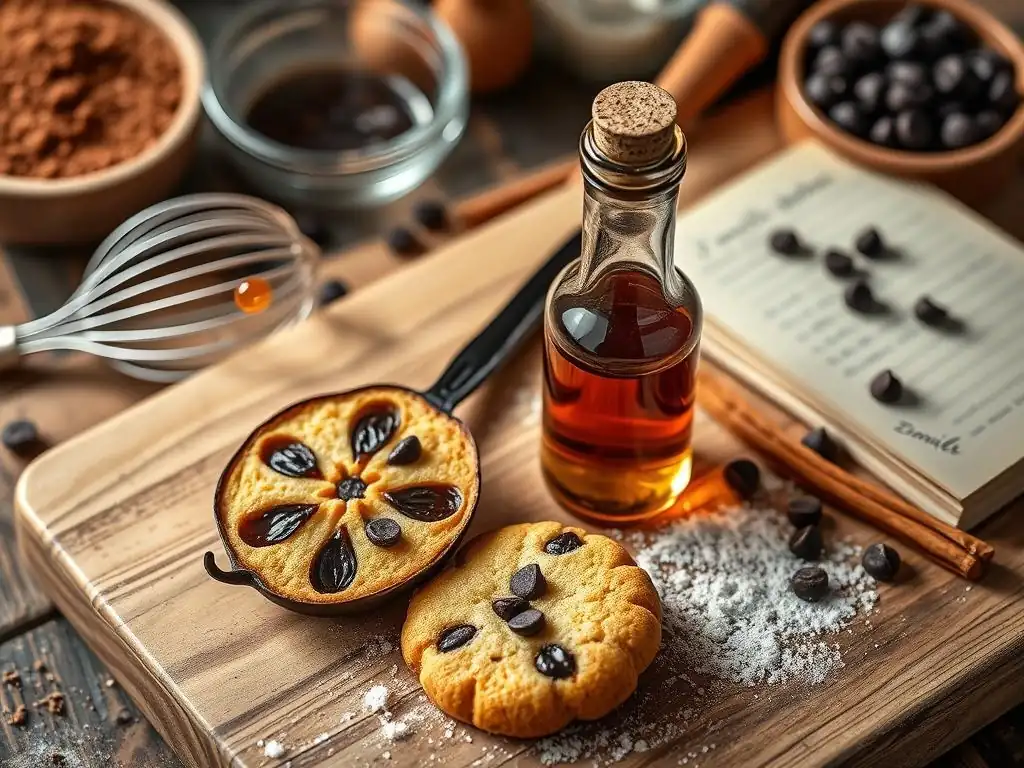
Using the whole Madagascar vanilla bean represents the pinnacle of vanilla flavor in baking. The bean contains not just vanillin but a complex interplay of over 200 aromatic compounds that contribute to its nuanced taste and aroma. When you scrape the seeds and infuse them directly into a liquid base (like milk or cream for custards) or cream them with sugar (for cakes or cookies), you're releasing this full spectrum of flavor. The visual appeal of the tiny black specks also adds a touch of elegance and confirms the use of real vanilla.
While more expensive and requiring a bit more effort to use, the intensity and depth of flavor provided by a single Madagascar vanilla bean can often be equivalent to several teaspoons of extract, especially in recipes where vanilla is a primary flavor. For delicate desserts like panna cotta, crème brûlée, or light sponges, the clean, rich flavor of the bean truly shines. Many professional bakers and serious hobbyists prefer beans for their most prized vanilla bean baking recipes.
Vanilla Extract: Convenience and Cost-Effectiveness
Vanilla extract is the most common form of vanilla used by home bakers, and for good reason. It's convenient, widely available, and significantly more affordable than whole beans. Produced by percolating alcohol through chopped vanilla beans, standard single-fold vanilla extract is mandated by the FDA to contain 13.35 ounces of vanilla beans per gallon of alcohol. This process extracts many, though not all, of the flavor compounds from the bean.
Extract is particularly useful in recipes where vanilla is not the dominant flavor or where the batter/dough is dense, making even distribution of seeds difficult. It's also heat-stable, meaning its flavor persists through baking. However, the flavor profile of extract can sometimes be simpler than that of the whole bean, especially if it contains added sugars or artificial flavors. While essential for many everyday vanilla bean baking recipes, it offers a different experience compared to using the bean itself.
Taste Test: Madagascar Vanilla Bean vs. Vanilla Extract in Baked Goods
Conducting a simple taste test highlights the difference between the two forms of vanilla. Prepare two batches of a simple vanilla-forward recipe, such as vanilla sugar cookies, panna cotta, or a simple vanilla cake. Use scraped seeds from a Madagascar vanilla bean in one batch and an equivalent amount (often estimated, but start with 1 bean = 1-2 tsp extract) of good quality vanilla extract in the other. Note the aroma before and after baking.
Upon tasting, you'll likely notice that the batch made with the vanilla bean has a richer, creamier, and more complex flavor. The aroma might be more floral or nuanced. The visual presence of the seeds is also a clear differentiator. The extract batch will certainly taste like vanilla, but it might be a flatter, less dimensional flavor. This side-by-side comparison is perhaps the most compelling argument for using beans in your special vanilla bean baking recipes.
Unlocking the Flavor: How to Use Madagascar Vanilla Bean in Baking
Scraping Madagascar Vanilla Bean Seeds: A Step-by-Step Guide
Using a vanilla bean requires a simple technique to access the potent seeds inside. First, using a sharp paring knife, make a lengthwise slit down the center of the bean, from just below the stem end almost to the tip. Do not cut all the way through the bean; you want to open it like a book.
Next, open the bean flat. Hold down one end of the bean against a cutting board with one hand. With the other hand, use the back (dull side) of your knife to gently scrape down the length of the bean, gathering the moist, dark seeds. Apply gentle pressure to scrape out all the "vanilla caviar." You'll be left with the scraped pod, which still contains flavor and can be used for infusing liquids or making vanilla sugar. The collected seeds are ready to be incorporated into your vanilla bean baking recipes.
Infusing Madagascar Vanilla Bean Flavor: Methods for Baking
One of the most effective ways to extract maximum flavor from Madagascar vanilla beans is through infusion, particularly into liquids like milk, cream, or sugar syrups. To infuse a liquid, add the scraped seeds and the scraped pod to the liquid in a saucepan. Heat the mixture gently over medium heat until it just reaches a simmer. Remove from heat, cover, and let it steep for at least 15-30 minutes, or even longer for a stronger infusion.
This infused liquid can then be used in custards, ice creams, panna cotta, or sauces. For batters, you can cream the scraped seeds directly with the sugar and butter. The friction helps release the oils and distribute the flavor evenly throughout your vanilla bean baking recipes. Remember that heat helps release the flavor compounds, so ensure the seeds are incorporated into a part of the recipe that will be heated or allowed to sit for a period.
Vanilla Bean Paste: A Convenient Alternative
For bakers seeking a compromise between the convenience of extract and the intense flavor and visual appeal of whole beans, vanilla bean paste is an excellent option. This thick, syrupy paste is typically made from concentrated vanilla extract and suspended vanilla bean seeds. It offers a robust flavor profile, often comparable to using whole beans, and includes those coveted black specks.
Vanilla bean paste is measured by volume, much like extract, making it easy to use in many vanilla bean baking recipes. A common substitution ratio is 1 teaspoon of paste for 1 teaspoon of extract or 1 teaspoon of paste for one whole vanilla bean (though this can vary depending on the brand and quality of the paste). It's particularly useful in recipes where you want the visual cues of the seeds but find scraping a bean less convenient, such as frostings, whipped cream, or cookie dough.
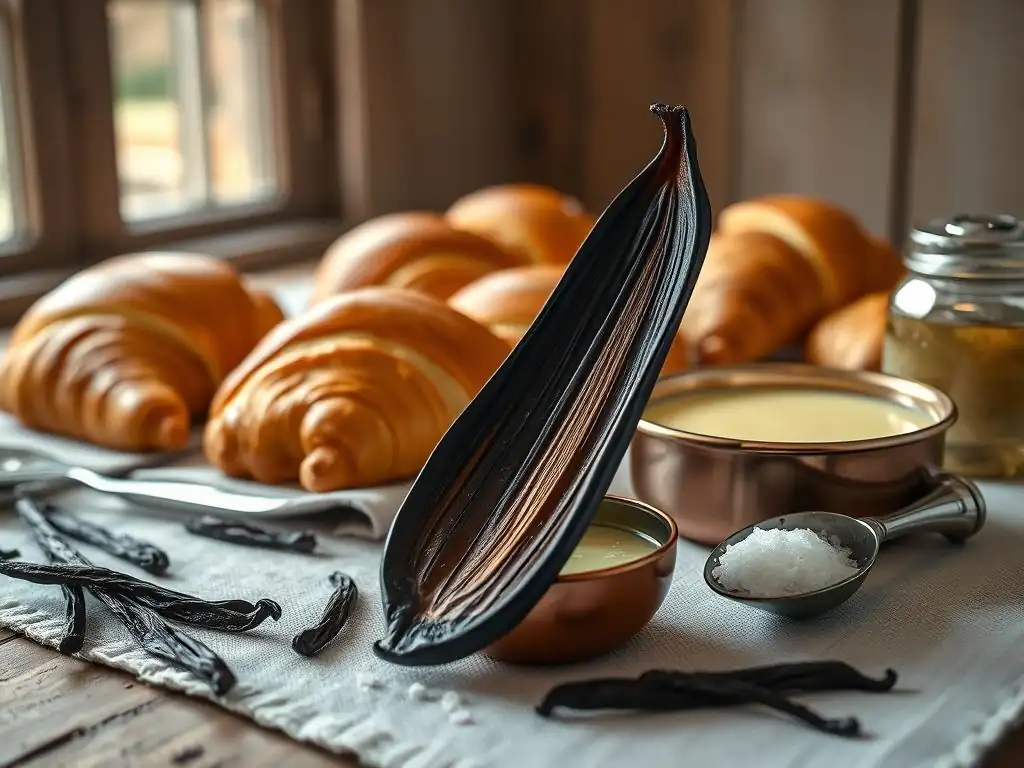
Madagascar Vanilla Baking Recipes: Showcase and Ideas
Vanilla Bean Cheesecake
A classic New York-style cheesecake is a perfect canvas for showcasing the luxurious flavor of Madagascar vanilla bean. The creamy, dense texture holds the vanilla flavor beautifully. Incorporating the scraped seeds directly into the cream cheese mixture ensures even distribution and those signature specks throughout the finished cake.
- Ingredients typically include: Cream cheese, sugar, eggs, sour cream, and, critically, scraped seeds from 1-2 Madagascar vanilla beans.
- Process often involves: Creating a graham cracker crust, beating the cream cheese and sugar until smooth, incorporating eggs and sour cream with the vanilla seeds, pouring into the crust, and baking in a water bath for a smooth, crack-free top. The long, slow bake allows the vanilla flavor to meld perfectly.
Vanilla Bean Madeleines
These delicate French sponge cakes, baked in a distinctive shell-shaped mold, are subtly sweet and light, making them ideal for a pure vanilla flavor. Using Madagascar vanilla bean seeds provides both intense aroma and visual elegance to these small treats.
- Ingredients typically include: Flour, sugar, eggs, butter, baking powder, and scraped seeds from 1 Madagascar vanilla bean.
- Process often involves: Whisking eggs and sugar until pale and fluffy, folding in dry ingredients, incorporating melted butter and vanilla seeds, chilling the batter (essential for the 'hump'), and baking quickly in a preheated madeleine pan. The vanilla seeds are visible throughout the light, airy crumb.
Vanilla Bean Crème brûlée
Perhaps the quintessential dessert for highlighting the purity of vanilla bean flavor. The rich custard base, infused with vanilla seeds, is simple yet profoundly satisfying, especially when contrasted with the crisp, torched sugar crust.
- Ingredients typically include: Heavy cream, egg yolks, sugar, and scraped seeds from 1 Madagascar vanilla bean.
- Process often involves: Gently heating the cream with the vanilla seeds and scraped pod to infuse the flavor, whisking egg yolks and sugar, tempering the egg mixture with the warm cream, straining to remove the pod and any chalaza, pouring into ramekins, and baking in a water bath until just set. Chilling allows the flavors to deepen before the final step of torching the sugar topping.
Maximizing Madagascar Vanilla Bean Flavor in Your Baking Creations
Tips for Enhancing Madagascar Vanilla Bean Aroma and Taste
To get the most out of your precious Madagascar vanilla beans in your vanilla bean baking recipes, consider these tips. First, ensure your beans are fresh and moist; dry, brittle beans have lost much of their flavor. Second, always scrape the seeds thoroughly; don't leave any "vanilla caviar" behind. Third, use the scraped pod! Simmer it in milk or cream for custards, add it to your sugar container to make vanilla sugar, or even blend a dried pod into powdered sugar for dusting.
Infusing the seeds and pod into warm liquids (like milk, cream, or butter) is often the best way to extract the maximum amount of flavor compounds. Allowing the mixture to steep off the heat for a while gives the flavors time to develop. In batters, creaming the seeds with sugar helps release their aromatic oils. Don't be shy about using enough bean; for a prominent vanilla flavor, one full bean is often needed for a standard batch of cookies or a modest cake.
Pairing Madagascar Vanilla Bean with Other Baking Ingredients
Madagascar vanilla's classic, creamy profile makes it incredibly versatile, pairing well with a wide range of baking ingredients. It is a natural partner for dairy products like cream, milk, butter, and cheese (think cheesecakes or panna cotta). Its sweetness complements fruits like berries, peaches, and apples, often enhancing their natural flavors without overpowering them.
Vanilla also works beautifully with chocolate, particularly white chocolate where its flavor can really shine, or even dark chocolate where it adds complexity. It pairs well with nuts, caramel, coffee, and spices like cinnamon, nutmeg, or cardamom, though care must be taken to ensure the spice doesn't completely mask the delicate vanilla notes. When crafting your vanilla bean baking recipes, consider how the vanilla will interact with other key flavors.
Storing Madagascar Vanilla Beans Properly for Optimal Freshness
Proper storage is crucial to maintain the quality and moisture of your Madagascar vanilla beans. The best method is to store them in an airtight container, such as a glass jar or a sealed plastic bag, away from direct light and heat. A cool, dark pantry is ideal. Avoid refrigeration, as this can dry out the beans and affect their flavor.
If storing multiple beans, ensure they have some airflow but are still in a sealed environment to retain moisture. If your beans start to dry out, you can sometimes rehydrate them slightly by wrapping them in a damp paper towel for a few hours inside a sealed container, though this won't fully restore lost flavor. Stored correctly, high-quality Madagascar vanilla beans can remain potent for up to two years, ensuring you have them ready for your next vanilla bean baking recipes.
Sourcing the Best Madagascar Vanilla Beans for Your Baking Needs
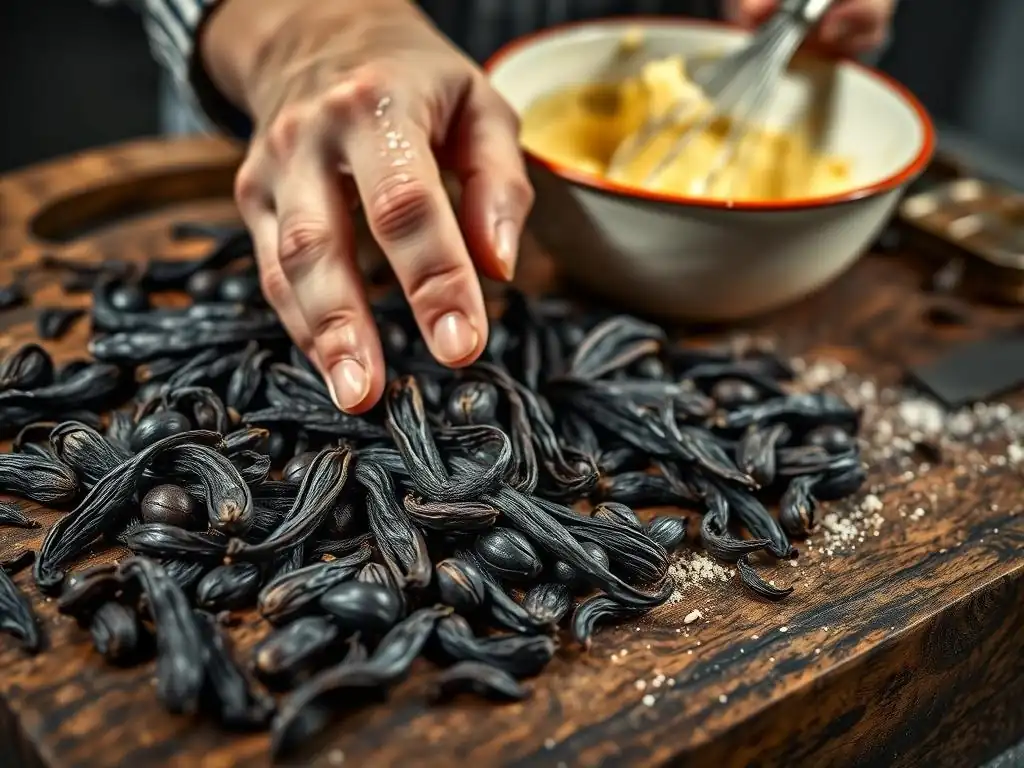
Understanding Vanilla Bean Grades and Pricing for Madagascar Beans
Madagascar vanilla beans are typically graded based on length, moisture content, appearance (blemishes, splits), and vanillin content. The most common grades are Grade A (Gourmet or Prime) and Grade B (Extract). Grade A beans are plump, moist (around 25-30% moisture), oily, and visually appealing, usually 15 cm or longer. They are ideal for applications where the bean is visible or flavor infusion is key, perfect for many vanilla bean baking recipes.
Grade B beans are drier (around 15-20% moisture), may have splits or blemishes, and are often shorter. While less visually appealing and requiring longer infusion times, they still contain significant flavor and are excellent for making homemade vanilla extract or for applications where the bean is strained out anyway. Pricing varies significantly based on global supply, demand, and grade, but expect to pay anywhere from $5-$10+ per Grade A bean and slightly less for Grade B.
Where to Buy High-Quality Madagascar Vanilla Beans
Sourcing high-quality Madagascar vanilla beans is key to achieving superior results in your vanilla bean baking recipes. Reputable spice shops, specialty baking supply stores, and online retailers that specialize in vanilla are good places to start. Look for vendors who provide information about the origin, grade, and harvest date of their beans.
When buying online, read reviews and check the seller's reputation. Avoid beans that are sold in bulk at extremely low prices, as they may be old, improperly cured, or of poor quality. While grocery store beans can sometimes be decent, specialty suppliers often offer fresher, higher-grade options directly imported from Madagascar. Don't be afraid to ask questions about the beans before purchasing.
The Economic and Ethical Considerations of Madagascar Vanilla Bean
The Challenges of Vanilla Bean Farming in Madagascar
Farming vanilla in Madagascar is fraught with challenges, impacting both the farmers and the global supply chain. The process is incredibly labor-intensive, from hand-pollination to the months-long curing process. Farmers often work small plots, and yields can be unpredictable due to weather, disease, and pests.
Furthermore, the high value of vanilla beans makes them a target for theft, leading to issues with premature harvesting (beans picked before they are fully mature, resulting in lower quality) and security concerns for farmers. The volatile global market price also creates instability; periods of high prices can lead to boom-and-bust cycles, while low prices can make farming unprofitable for families. These factors contribute to the high cost and occasional scarcity of quality beans needed for vanilla bean baking recipes worldwide.
Supporting Sustainable Vanilla Bean Practices in Madagascar
Given the challenges faced by vanilla farmers, supporting sustainable and ethical sourcing practices is important. Look for vendors who work directly with farming cooperatives or organizations that ensure fair wages, safe working conditions, and community development initiatives. Some certifications exist, but often, direct relationships between buyers and farmers or co-ops are more impactful.
Purchasing vanilla beans from companies committed to transparency and supporting farmer livelihoods helps ensure the future viability of vanilla farming in Madagascar and encourages the production of high-quality beans. By choosing ethically sourced vanilla, you're not just getting a superior ingredient for your vanilla bean baking recipes; you're also contributing to the well-being of the communities that produce this precious spice.
Elevate Your Baking: Embracing the Magic of Madagascar Vanilla Bean
Beyond Flavor: The Aromatic Experience of Madagascar Vanilla Bean
The appeal of Madagascar vanilla bean extends far beyond its taste. The aroma is intoxicating – warm, sweet, and comforting. Just opening a jar of fresh beans or scraping the seeds releases a complex bouquet that fills the kitchen. This potent fragrance contributes significantly to the overall sensory experience of enjoying a baked good.
When using vanilla bean in your vanilla bean baking recipes, pay attention to the aroma at every stage: when you split the bean, when you infuse it, while the goods are baking, and finally, when you take that first bite. This multi-layered aromatic profile is something that artificial vanilla simply cannot replicate and is a key reason why bakers are drawn to the real thing.
Becoming a Madagascar Vanilla Bean Baking Expert: Further Exploration
Mastering the use of Madagascar vanilla bean in baking is a journey of experimentation and discovery. Start by using it in simple recipes where its flavor can truly shine, like custards, simple cakes, or cookies. Pay attention to how different preparation methods (infusion, creaming with sugar) affect the final taste.
Explore recipes specifically designed to feature vanilla bean. Don't be afraid to adjust the amount based on the intensity of your beans and your desired level of vanilla flavor. Keep your scraped pods for future use. By consistently incorporating this incredible ingredient into your kitchen repertoire, you'll develop a deeper understanding and appreciation for the magic that those little black specks bring to your vanilla bean baking recipes.
Frequently Asked Questions
What makes vanilla bean superior to vanilla extract in baking?
Vanilla bean offers a more complex and nuanced flavor profile compared to vanilla extract. You get both the vanillin and other aromatic compounds from the bean itself, resulting in a richer taste. The visual appeal of the specks is also a plus.
How do I properly extract the vanilla bean seeds for my baking recipes?
Carefully split the vanilla bean lengthwise with a sharp knife. Then, use the back of the knife to scrape out the tiny black seeds. These seeds are where the concentrated vanilla flavor resides.
Can I substitute vanilla extract for vanilla bean in a recipe, and if so, what's the ratio?
Yes, you can! As a general rule, substitute 1 vanilla bean with approximately 1 tablespoon of pure vanilla extract. Adjust to taste, considering the recipe's other flavors.
What are some "BakeWithEase" recommended vanilla bean baking recipes for beginners?
For beginners, try a simple vanilla bean shortbread cookie or a vanilla bean infused custard. These recipes highlight the vanilla flavor without being overly complicated. Explore BakeWithEase.com for more options!
How should I store vanilla beans to maintain their freshness and potency?
Store vanilla beans in an airtight container in a cool, dark place. Avoid refrigeration, as it can dry them out. You can also store them in sugar to create vanilla-infused sugar.
Final Reflection: The Enduring Allure of the Vanilla Bean
The humble vanilla bean, often overlooked, holds the key to unlocking unparalleled depth and complexity in our baking. Its subtle magic transforms ordinary recipes into extraordinary experiences, a testament to the power of quality ingredients. In a world increasingly focused on convenience, rediscovering the joy of using whole vanilla beans reminds us of the importance of slowing down and appreciating the nuances of flavor.
The influence of the vanilla bean extends far beyond the kitchen; it represents a connection to tradition, a respect for craftsmanship, and a commitment to excellence. Its rich history, interwoven with colonialism and global trade, speaks to the interconnectedness of our world. The simplest things are often the most beautiful,
a sentiment that perfectly encapsulates the understated elegance of the vanilla bean. Its impact on the culinary landscape is undeniable, shaping the taste profiles of countless desserts and influencing the very definition of what constitutes "good" baking.
Now, consider your own baking. Will you continue to reach for the artificial extracts, or will you embrace the challenge – and the reward – of incorporating whole vanilla beans into your next creation? I invite you to explore the possibilities, to savor the intoxicating aroma, and to experience the transformative power of this seemingly simple ingredient. Let the magic of the vanilla bean inspire you to elevate your baking to new heights, one carefully scraped seed at a time.
Unleash Your Inner Pastry Chef: Elevate Your Baking Today!
Thanks for joining us on this delicious journey into the world of vanilla bean! We hope you discovered the secret to unlocking richer, more nuanced flavors in your baking. Ready to put your newfound knowledge to the test?
- Embrace the Bean: Try substituting vanilla bean paste or even splitting a whole bean into your next batch of cookies or cake. Notice the difference in aroma and taste! This is your primary challenge—mastering the bean.
- Share Your Success: Show off your vanilla-infused creations on social media using #BakeWithEaseVanillaBean. Let's inspire each other!
- Explore the Bean's Potential: Discover more vanilla-centric recipes and baking techniques on BakeWithEase.com (this should be a link, but I'm following the instructions to not include links) – maybe even try making your own vanilla extract!
So, what delicious vanilla creation will you bake first?