
Vanilla Bean vs. Extract: Understanding Shelf Life and Potency

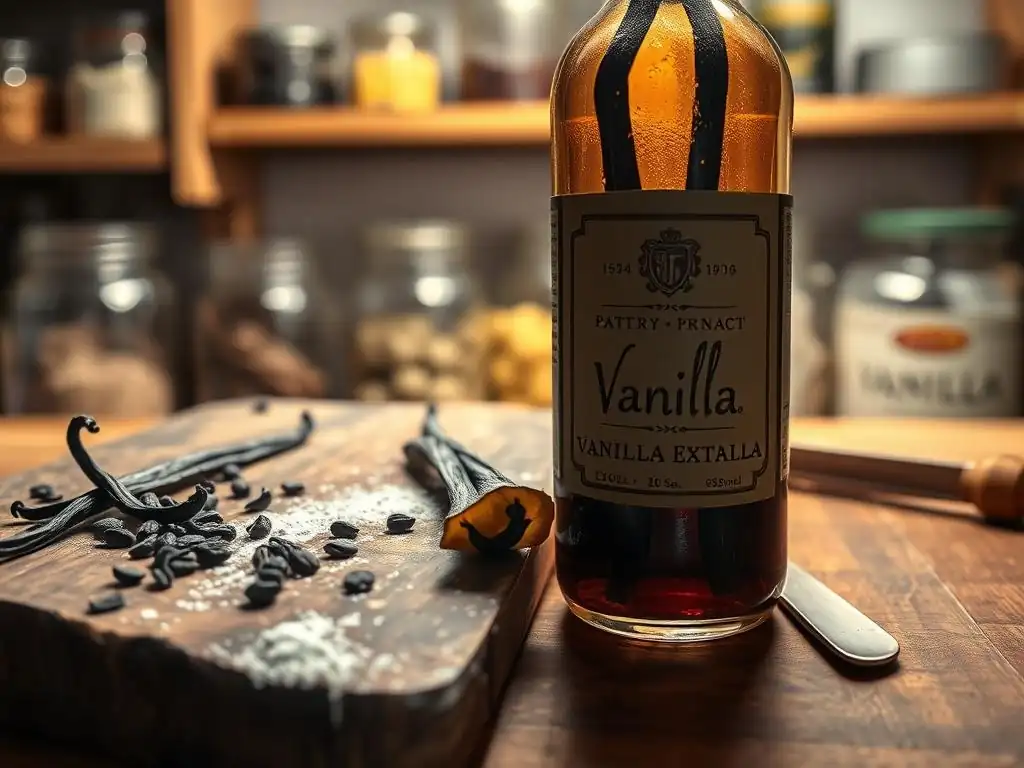
Welcome to BakeWithEase, your trusted guide to baking bliss! Ever wondered how long those precious vanilla beans really last, and whether your extract is still packing a flavorful punch? Dive in to our deep dive as we unlock the secrets of vanilla bean shelf life potency, exploring the nuances between beans and extract to ensure your creations are always bursting with irresistible vanilla aroma. Keep reading to discover how to store, use, and maximize the lifespan of this essential baking ingredient!
- Vanilla Bean vs. Extract: Shelf Life and Potency for Baking
- Decoding Vanilla: Bean vs. Extract - An In-Depth Comparison
- Vanilla Bean Shelf Life: Maximizing Freshness and Flavor
- Vanilla Extract Shelf Life: Maintaining Quality Over Time
- Vanilla Bean Potency: Intense Flavor for Baking Creations
- Vanilla Extract Potency: Achieving Consistent Baking Results
- Comparing Vanilla Bean vs. Extract: Shelf Life and Potency Head-to-Head
- Choosing the Right Vanilla: Bean or Extract for Your Baking Needs
- Tips for Enhancing Vanilla Flavor in Your Baked Goods
-
Frequently Asked Questions
- How long do vanilla beans typically last, and what affects their shelf life?
- What's the difference in shelf life between vanilla beans and vanilla extract?
- How can I tell if my vanilla beans have gone bad and lost their potency?
- What's the best way to store vanilla beans to maximize their shelf life?
- Does the type of vanilla bean (e.g., Madagascar, Tahitian) affect its shelf life?
- Final Reflection: The Enduring Allure and Fragile Nature of Vanilla
- Unlock Your Baking Potential: Mastering Vanilla's Shelf Life
Vanilla Bean vs. Extract: Shelf Life and Potency for Baking
Baking is a science and an art, and the quality of your ingredients significantly impacts the final result. Among the most beloved and essential flavoring agents is vanilla. However, navigating the world of vanilla can be tricky, especially when considering the different forms it comes in: the pure vanilla bean and the convenient vanilla extract. Understanding their distinct characteristics, particularly regarding vanilla bean shelf life potency and extract longevity, is key to achieving delicious baked goods.
Choosing between using a whole vanilla bean or a bottle of vanilla extract often comes down to more than just cost or convenience. Factors like how long the flavor will last in storage and how intense that flavor is (its potency) play crucial roles. This deep dive explores the nuances of each form, helping you make informed decisions for your baking adventures, ensuring you get the most vibrant vanilla flavor every time.
Decoding Vanilla: Bean vs. Extract - An In-Depth Comparison
Vanilla is derived from the fruit of orchids in the genus Vanilla, primarily Vanilla planifolia. While both vanilla beans and vanilla extract come from this source, they represent different stages and processes, leading to distinct flavor profiles and handling requirements. The raw bean is the dried fruit pod, packed with tiny seeds and essential oils. Vanilla extract, on the other hand, is a solution made by macerating vanilla beans in alcohol and water, drawing out the flavor compounds.
These differences mean that the way we store, use, and perceive the strength of vanilla beans versus vanilla extract varies considerably. A plump, oily vanilla bean promises a complex, nuanced flavor experience, while a quality vanilla extract offers consistency and ease of use. Evaluating their respective vanilla bean shelf life potency and extract stability helps bakers understand when and where each form shines brightest.
Unveiling the Essence: What is Vanilla Extract?
Vanilla extract is a staple in countless kitchens worldwide, recognized for its ease of use and consistent flavor delivery. It is produced by soaking cured vanilla beans in a solution of alcohol and water. The alcohol acts as a solvent, extracting the hundreds of flavor compounds from the bean. According to U.S. FDA standards, pure vanilla extract must contain at least 13.35 ounces of vanilla beans per gallon of solution and have an alcohol content of at least 35%. This concentration is often referred to as "single-fold" extract.
The flavor profile of vanilla extract can vary depending on the origin of the beans used (e.g., Madagascar, Tahitian, Mexican) and the extraction process. While it captures the essence of the bean, the alcohol base can sometimes impart a slightly different aroma compared to using the bean directly. High-quality extracts are aged for several months to allow the flavors to fully develop, resulting in a rich, aromatic liquid that's easy to measure and incorporate into batters and doughs.
Understanding the Source: What is a Vanilla Bean?
A vanilla bean is the dried, cured fruit pod of the vanilla orchid. These pods are harvested while still green and undergo a complex curing process that can take several months, involving sun-drying, sweating, and slow drying. This process is crucial for developing the characteristic vanilla flavor, driven by the compound vanillin, as well as hundreds of other aromatic compounds that contribute to the bean's complex profile.
Visually, a high-quality vanilla bean should be plump, moist, and flexible, with a dark, oily sheen. The inside is packed with thousands of tiny, dark seeds, often referred to as "vanilla caviar." The flavor from a bean is generally considered more intense and complex than extract, offering a full spectrum of notes that can include floral, smoky, fruity, or spicy undertones, depending on the bean's origin. This raw form provides a direct, potent vanilla experience.
Vanilla Bean Shelf Life: Maximizing Freshness and Flavor
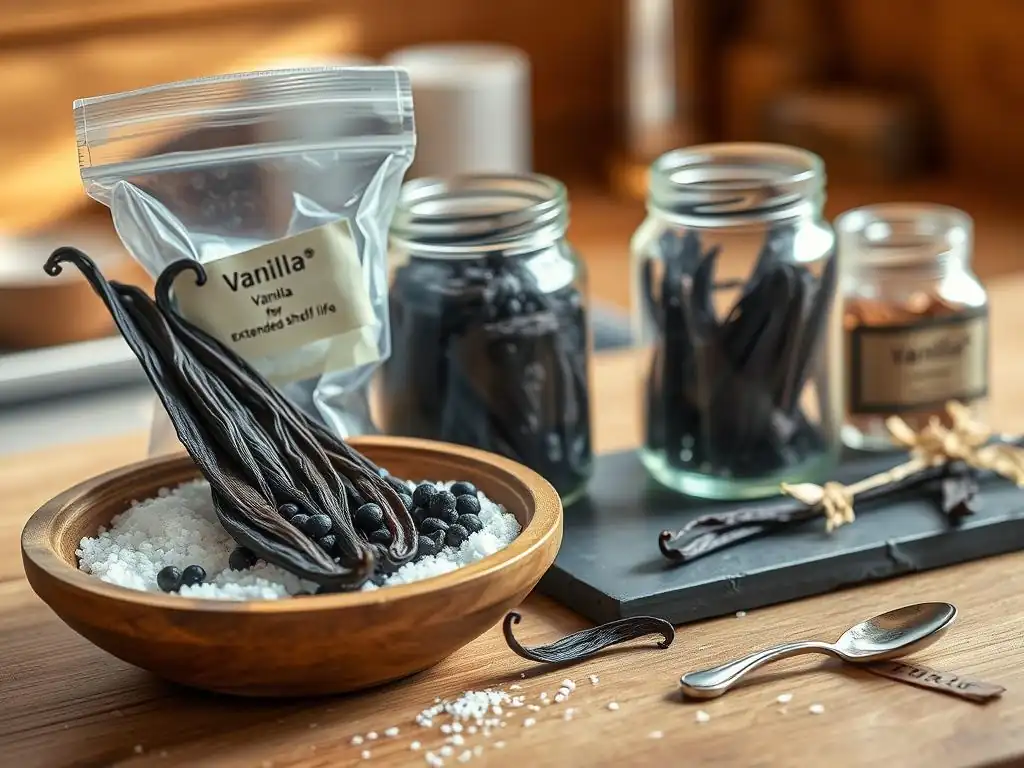
The vanilla bean shelf life potency is a key consideration for bakers investing in these fragrant pods. Unlike dried herbs that last for years, vanilla beans require careful handling to maintain their moisture and aromatic compounds. When stored correctly, a vanilla bean can retain its quality and potency for at least one to two years, sometimes even longer, though its peak freshness and flexibility are best enjoyed within the first year. Improper storage, however, can drastically shorten this lifespan and diminish the flavor.
The goal when preserving vanilla beans is to prevent them from drying out while also protecting them from mold and excessive moisture fluctuations. A well-cared-for vanilla bean will remain pliable and oily, exuding a strong, sweet aroma. As it ages, even with good storage, some of the more volatile aromatic compounds may subtly change, but the core vanilla flavor should remain strong for a considerable time, impacting its overall vanilla bean shelf life potency.
Factors Affecting Vanilla Bean Shelf Life
Several environmental factors significantly influence how long vanilla beans remain fresh and potent. The most detrimental factors are exposure to air, light, and fluctuating temperatures. Oxygen can cause the beans to dry out and lose their aromatic oils, diminishing their flavor intensity. Light, especially direct sunlight, can degrade the vanillin and other flavor compounds. Heat accelerates this degradation process, while cold can cause moisture to condense, potentially leading to mold.
Moisture levels are also critical. Too little moisture leads to brittle, dried-out beans with reduced flavor. Too much moisture, or condensation within the storage container, creates an ideal environment for mold growth, rendering the beans unusable. Maintaining a stable, moderate environment is paramount for extending the vanilla bean shelf life potency.
Proper Storage for Vanilla Beans: Keeping Them Fresh Longer
To maximize vanilla bean shelf life potency, proper storage is essential. The best method is to store them in an airtight container in a cool, dark place, away from direct light and heat sources like ovens or windows. Glass tubes with tight-fitting stoppers or small, airtight glass jars are excellent choices. Avoid storing them in plastic wrap alone, as it's not truly airtight and can allow the beans to dry out.
Some bakers recommend wrapping beans loosely in wax paper or parchment paper before placing them in the airtight container to help regulate moisture, though this isn't strictly necessary if the container is truly airtight. Avoid refrigeration, as the cold and potential condensation can be harmful. Stored correctly at room temperature (ideally between 60-70°F or 15-21°C), your vanilla beans will maintain their desirable pliable texture and potent aroma for a significant period, preserving their vanilla bean shelf life potency.
Recognizing Spoilage: How to Tell if Your Vanilla Beans Have Gone Bad
Knowing the signs of spoilage is crucial for assessing your vanilla bean shelf life potency. The most obvious signs are dryness and brittleness. If a bean snaps easily when you try to bend it instead of being pliable, it has dried out considerably. While dried beans can sometimes still be used (often by infusing them in warm liquid), much of their delicate aroma and flavor complexity will be lost.
Mold is another clear sign of spoilage. This can appear as fuzzy or powdery patches, often greenish or white. Note: Sometimes, white crystals may appear on the surface of well-cured beans; this is usually vanillin crystals, a sign of high quality, not mold. Mold, however, is a health hazard, and any bean showing signs of mold should be discarded immediately. A significant loss of aroma is also an indicator that the bean's potency has diminished beyond its useful vanilla bean shelf life potency.
Vanilla Extract Shelf Life: Maintaining Quality Over Time
Unlike vanilla beans, vanilla extract has a remarkably long shelf life due to its alcohol base, which acts as a preservative. While bottles often have a "best by" date, typically 2-3 years from bottling, pure vanilla extract doesn't truly "expire" in a way that makes it unsafe to use. The alcohol content prevents microbial growth. However, the quality and flavor potency can degrade over time, especially if not stored properly.
Think of vanilla extract's shelf life more in terms of peak quality rather than spoilage. A bottle opened five years ago might still be safe to use, but its aroma and flavor might be significantly weaker than a fresh bottle. Maintaining its quality over time requires minimal effort but makes a big difference in preserving its effectiveness in your baking, impacting its overall vanilla bean shelf life potency comparison.
Understanding Vanilla Extract Expiration Dates
The "best by" or "expiration" dates printed on bottles of vanilla extract are generally indicators of when the product is expected to be at its peak flavor and aroma. For pure vanilla extract, this date is often set around 2 to 3 years after bottling. After this date, the extract doesn't suddenly become unusable, but the volatile flavor compounds can begin to dissipate, leading to a less intense vanilla taste.
Imitation vanilla extract, which often contains synthetic vanillin and less alcohol, may have a slightly different shelf life profile, sometimes degrading more noticeably over time. However, for pure vanilla extract, the date serves more as a guideline for optimal performance rather than a strict cutoff for safety. A bottle of pure vanilla extract stored correctly can often be used effectively for many years beyond its printed date, although its potency might decrease, influencing its contribution to vanilla bean shelf life potency discussions.
Storing Vanilla Extract Correctly for Optimal Shelf Life
Proper storage is key to preserving the quality and potency of vanilla extract over its long life. The ideal storage location is similar to that for vanilla beans: a cool, dark place, away from direct light and heat. A pantry or cupboard is perfect. Avoid storing it near the stove or in a spot that receives direct sunlight.
Ensuring the cap is tightly sealed after each use is also important. While the alcohol prevents spoilage, allowing the extract to be exposed to air for extended periods can lead to the evaporation of the alcohol and some aromatic compounds, weakening the flavor. Following these simple storage tips helps maintain the extract's strength and aroma for years, contributing positively to its standing in any vanilla bean shelf life potency comparison.
Does Vanilla Extract Expire? Signs of Degradation
As mentioned, pure vanilla extract doesn't typically "expire" in the sense of becoming harmful, thanks to its alcohol content. However, it can degrade in quality. The most common sign of degradation is a noticeable weakening of the aroma and flavor. If your vanilla extract smells less potent or tastes less vibrant than it used to, its quality has likely diminished.
Other potential signs of degradation, though less common with proper storage, can include a cloudy appearance or the formation of sediment. While sediment might sometimes occur naturally with tiny particles from the bean, a significant change in clarity or texture, combined with a weak aroma, suggests the extract is past its prime for delivering optimal flavor. While safe, using degraded extract will result in a less pronounced vanilla taste in your baked goods, impacting the overall flavor outcome compared to fresh extract or considering vanilla bean shelf life potency.
Vanilla Bean Potency: Intense Flavor for Baking Creations
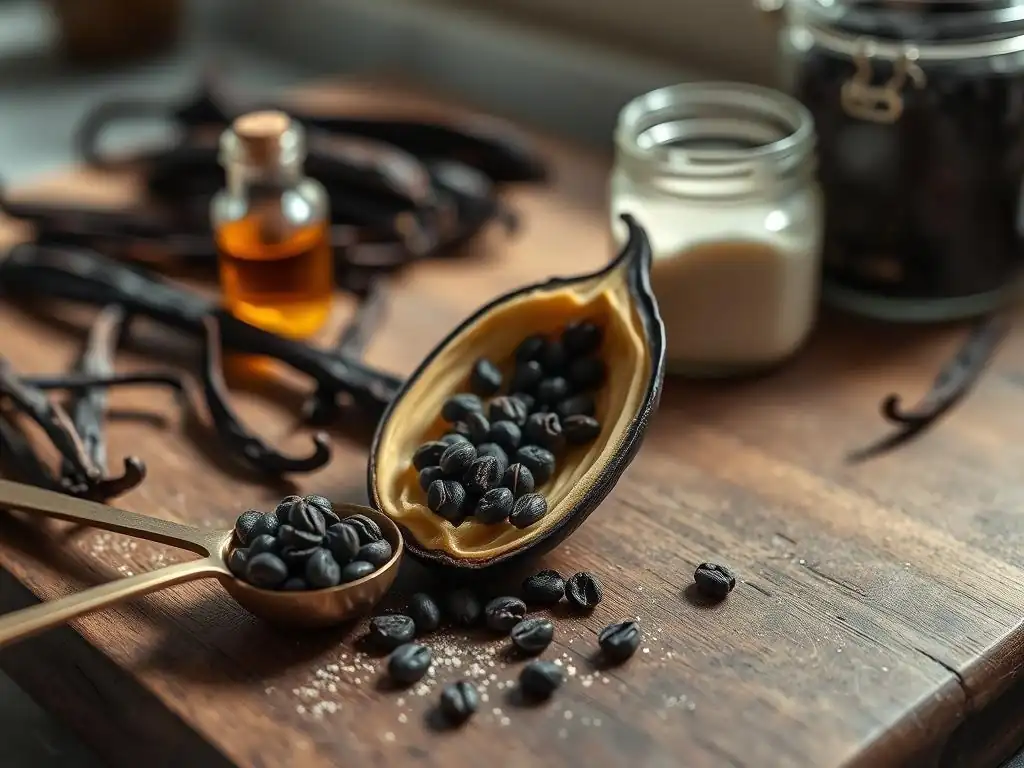
Vanilla beans are renowned for delivering a deep, complex, and intense vanilla flavor. This potency comes from the direct access to the vanillin-rich seeds and the hundreds of other aromatic compounds present in the pod itself. When you scrape out those tiny black seeds (the vanilla caviar), you are accessing a concentrated burst of flavor that is difficult to replicate with extract alone.
The intensity of a vanilla bean's flavor can vary based on its origin, curing process, and freshness (which ties back to vanilla bean shelf life potency). A plump, oily bean from Madagascar, for instance, might offer classic sweet, creamy notes, while a Tahitian bean could present more floral and fruity undertones. This range of flavor nuances contributes to the bean's reputation for superior potency and complexity in baking applications.
Measuring Vanilla Bean Potency: A Baker's Guide
Evaluating the potency of a vanilla bean involves assessing both its visual characteristics and its aroma. A high-quality, potent bean should be visibly plump, moist, and flexible, with a dark, glossy surface. Avoid beans that look shriveled, dry, or brittle. The presence of visible vanilla caviar inside is also a good sign.
Beyond appearance, the aroma is the most telling indicator of potency. A fresh, potent vanilla bean should have a strong, sweet, and complex fragrance that fills the air when you handle it. The specific notes (creamy, smoky, floral, etc.) will depend on the bean's origin. A bean with little to no aroma has likely lost much of its volatile flavor compounds and will offer significantly less potency, regardless of its potential vanilla bean shelf life potency history.
Utilizing Vanilla Beans for Maximum Flavor Impact
To get the most out of a vanilla bean's potency, proper technique is crucial. The most common method is to split the bean lengthwise with a sharp knife and scrape out the tiny seeds using the back of the knife. These seeds, along with their surrounding oil, contain the most concentrated flavor. The scraped seeds can be added directly to batters, custards, or liquids.
Don't discard the scraped pod! The pod still contains significant flavor compounds that can be extracted. It can be steeped in warm milk or cream for custards or sauces, added to sugar to create vanilla sugar, or even rinsed, dried, and added to a bottle of neutral spirit to make your own vanilla extract over time. Utilizing both the seeds and the pod ensures you capture the full spectrum of the bean's potent flavor, maximizing its contribution relative to its vanilla bean shelf life potency.
Vanilla Extract Potency: Achieving Consistent Baking Results
Vanilla extract provides a reliable and consistent source of vanilla flavor, which is highly valued in baking where precise measurements are often key. While it may lack the complex nuances of a fresh bean, a quality extract delivers a predictable vanilla presence that integrates smoothly into various recipes. Its potency is standardized, particularly for "pure" extract, making it easy to achieve repeatable results.
The strength of vanilla extract is primarily determined by the quality and quantity of beans used in the extraction process and the alcohol content. Standard single-fold pure vanilla extract offers a balanced potency suitable for most baking applications. Understanding this consistency helps bakers confidently use extract to achieve desired flavor outcomes, a different kind of reliability compared to managing vanilla bean shelf life potency.
Understanding Vanilla Extract Strength and Quality
The strength of vanilla extract is legally defined in many places, notably by the FDA in the US for "pure vanilla extract." This standard dictates the minimum amount of vanilla bean mass per volume of alcohol solution. Extracts meeting this standard are considered "single-fold." Some specialty extracts are "double-fold" or even "triple-fold," meaning they contain two or three times the concentration of vanilla beans, resulting in significantly higher potency.
The quality of vanilla extract also depends on the origin and quality of the vanilla beans used, as well as the extraction and aging process. Higher quality beans and longer aging periods generally result in a richer, more nuanced flavor profile. While standard single-fold extract is sufficient for most recipes, recognizing that different strengths and qualities exist helps bakers choose the right extract for their desired level of vanilla flavor intensity, offering a different dimension to the vanilla bean shelf life potency discussion.
Adjusting Recipes Based on Vanilla Extract Potency
Most baking recipes are developed using standard single-fold pure vanilla extract. Therefore, if you are using a quality single-fold extract, you can typically follow recipe measurements as written (e.g., 1 teaspoon of vanilla extract). However, if you opt for a double-fold extract, you will likely need to adjust the amount used to avoid overpowering other flavors.
A common guideline is to use half the amount of double-fold extract compared to single-fold. For example, if a recipe calls for 2 teaspoons of single-fold extract, you would use 1 teaspoon of double-fold. Tasting your batter or dough (where appropriate and safe) is always a good practice to gauge the flavor level. Being mindful of the extract's strength ensures consistent and delicious results, offering a different kind of control compared to the variable nature of vanilla bean shelf life potency.
Comparing Vanilla Bean vs. Extract: Shelf Life and Potency Head-to-Head
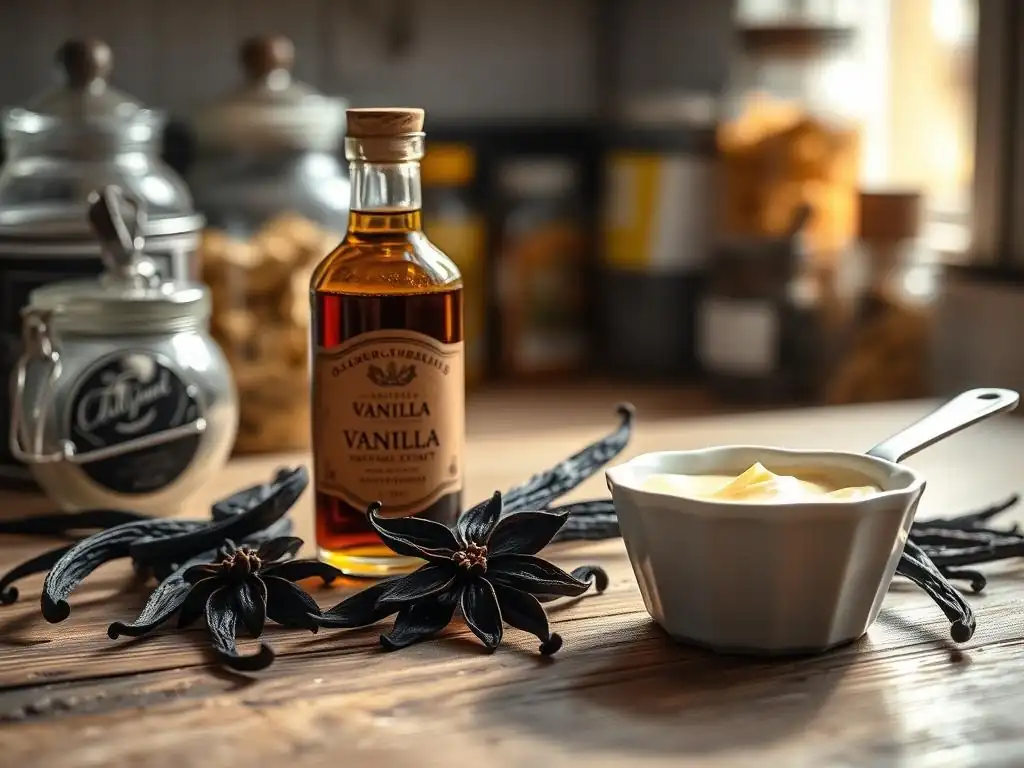
When deciding between vanilla beans and vanilla extract, their respective shelf lives and potencies are major factors. While both provide vanilla flavor, they do so in different ways and last for different durations. Understanding these differences helps bakers choose the most appropriate and cost-effective option for their specific needs and storage capabilities, directly comparing vanilla bean shelf life potency to extract performance.
The comparison isn't about which is inherently "better," but rather which is better suited for a particular application and how long you can expect it to perform optimally. A vanilla bean, while potentially offering a more complex flavor profile, requires more careful storage to maintain its potency over its typically shorter peak shelf life compared to extract.
Shelf Life Showdown: Bean vs. Extract Longevity
In terms of pure longevity and resistance to spoilage, vanilla extract generally wins the shelf life showdown. Thanks to its alcohol base, pure vanilla extract can safely last for many years, often decades, though its flavor quality may diminish over time, typically after 2-3 years at peak. It is very forgiving regarding storage conditions, as long as it's kept sealed and away from extreme heat or light.
Vanilla beans, conversely, have a more limited peak vanilla bean shelf life potency. While they can last 1-2 years or more if stored perfectly in airtight containers away from light and heat, they are susceptible to drying out or molding if conditions aren't ideal. A dried-out bean loses significant potency. Therefore, for long-term storage without special conditions, vanilla extract is the more durable option.
Potency Face-Off: Flavor Intensity Comparison
When comparing the flavor potency, a fresh vanilla bean generally offers a more intense, complex, and nuanced vanilla flavor than an equal measure of standard single-fold vanilla extract. The direct use of the seeds and the bean's natural oils provides a richness and depth that is hard for extract to fully replicate. A single plump vanilla bean can impart a powerful vanilla presence to a dish.
Vanilla extract, while offering consistent and reliable flavor, tends to have a slightly less complex profile, sometimes with a noticeable alcohol note that needs to dissipate during baking. However, for many recipes, particularly those where vanilla is one of many flavors or where cost and convenience are factors, the extract provides sufficient and predictable potency. Double-fold extract closes the gap somewhat but still differs from the unique impact of using a whole bean, influencing the overall perception of vanilla bean shelf life potency versus extract strength.
Choosing the Right Vanilla: Bean or Extract for Your Baking Needs
Deciding whether to use a vanilla bean or vanilla extract depends on several factors: the desired flavor intensity and complexity, the role vanilla plays in the recipe, budget, and how long you plan to store the ingredient (linking back to vanilla bean shelf life potency). Both forms have their strengths and ideal applications in the baking world.
For recipes where vanilla is the star, or where you want to see those beautiful black specks, the vanilla bean is often the preferred choice. For everyday baking or recipes with multiple strong flavors, extract is usually sufficient and more economical. Considering the specific requirements of your recipe and your personal preferences will guide you to the best vanilla choice.
When to Use Vanilla Beans: Best Applications
Vanilla beans are best reserved for recipes where the vanilla flavor is prominent and celebrated, and where you desire the visual appeal of the vanilla seeds. They are excellent in:
- Custards and Puddings: Crème brûlée, panna cotta, pastry cream, and rice pudding benefit immensely from the deep flavor and speckled appearance.
- Ice Cream: Infusing milk or cream with a split bean and seeds creates incredibly rich and flavorful homemade ice cream.
- Simple Syrups and Infusions: Adding a bean to simple syrup or infusing it into liquids for cocktails or sauces delivers pure vanilla essence.
- Baked Goods where Vanilla is the Star: Think delicate vanilla cakes, sugar cookies where vanilla shines, or sponges where you want that pure flavor.
Using a vanilla bean in these applications truly showcases its superior potency and complexity, justifying the higher cost and potentially shorter peak vanilla bean shelf life potency.
When to Use Vanilla Extract: Ideal Scenarios
Vanilla extract is the workhorse of the baking pantry, suitable for a wide range of recipes where vanilla provides a foundational or complementary flavor. It's the go-to for:
- Cakes, Muffins, and Quick Breads: It provides consistent flavor throughout the crumb.
- Cookies: From chocolate chip to sugar cookies, extract adds essential vanilla notes.
- Brownies and Chocolate Desserts: Vanilla enhances and balances the richness of chocolate.
- Frostings and Glazes: Easy to mix into buttercreams, royal icing, and simple glazes.
- Recipes with Short Baking Times: Where there isn't enough time to fully infuse flavor from a bean.
Vanilla extract's convenience, consistency, and long vanilla bean shelf life potency (in comparison to bean's peak) make it the practical choice for everyday baking.
Tips for Enhancing Vanilla Flavor in Your Baked Goods
Regardless of whether you choose vanilla beans or extract, there are techniques you can employ to ensure the vanilla flavor truly stands out in your baked creations. Properly integrating vanilla into your recipe at the right stage can unlock its full aromatic potential.
Paying attention to how vanilla interacts with other ingredients and how heat affects it is key. Gentle heating often helps release vanilla's volatile compounds, while adding it too early in a long, hot baking process might cause some of the delicate notes to dissipate. Thinking about these interactions enhances your understanding of how to get the most out of your investment in either ingredient, considering their respective vanilla bean shelf life potency and flavor delivery.
Vanilla Infusion Techniques for Added Depth
One of the best ways to maximize vanilla flavor, especially when using beans or even pods leftover from scraping, is through infusion. Gently heating a split vanilla bean (or just the scraped pod) in liquids like milk, cream, or sugar syrup allows the fat and sugar to absorb the fat-soluble and water-soluble flavor compounds effectively.
For custards or ice cream bases, add the split bean and scraped seeds to the milk or cream, bring it gently to a simmer, then remove from heat, cover, and let steep for 15-30 minutes (or even longer in the fridge). Remember to scrape the bean again after steeping to ensure all seeds are released. For extract, stirring it into warm liquids just off the heat can also help bloom its flavor before adding to the rest of the ingredients.
Pairing Vanilla with Complementary Flavors
Vanilla is a versatile flavor that pairs beautifully with many other ingredients, and sometimes pairing it correctly can enhance its perceived presence and complexity. Classic pairings include chocolate, coffee, and various fruits like berries, apples, and citrus.
Vanilla also harmonizes well with warming spices such as cinnamon, nutmeg, cardamom, and ginger. In savory applications, it can complement ingredients like seafood or root vegetables. Understanding these pairings helps you create flavor profiles where vanilla doesn't just exist, but truly shines, leveraging its inherent vanilla bean shelf life potency or extract strength to its fullest potential within the recipe's overall symphony of tastes.
Frequently Asked Questions
How long do vanilla beans typically last, and what affects their shelf life?
Vanilla beans generally last for 6-12 months when stored properly. Factors like humidity and temperature greatly affect their shelf life and potency.
What's the difference in shelf life between vanilla beans and vanilla extract?
Vanilla extract has a significantly longer shelf life, often lasting for years, due to the alcohol content acting as a preservative. Vanilla beans, being a natural product, degrade faster.
How can I tell if my vanilla beans have gone bad and lost their potency?
Signs of spoilage include dryness, brittleness, and a lack of aroma. Reduced flavor intensity in your baking also indicates loss of potency.
What's the best way to store vanilla beans to maximize their shelf life?
Store vanilla beans in an airtight container in a cool, dark place, away from direct sunlight and moisture. Some people also suggest wrapping them in parchment paper for added protection.
Does the type of vanilla bean (e.g., Madagascar, Tahitian) affect its shelf life?
While the flavor profile differs, the type of vanilla bean doesn't drastically impact its shelf life. Proper storage is the most crucial factor for maintaining vanilla bean potency, regardless of origin.
Final Reflection: The Enduring Allure and Fragile Nature of Vanilla
The quest for the perfect vanilla flavor, whether from bean or extract, is a journey into the delicate balance between potency and preservation. Understanding the shelf life and potency differences between whole vanilla beans and extracts is not merely a culinary curiosity; it's a crucial element in appreciating the true depth and complexity of this beloved flavor. The subtle nuances of vanilla, so easily lost to improper storage or age, deserve our attention and respect.
The impact of vanilla extends far beyond the kitchen; it's woven into the fabric of countless cultures and traditions, a symbol of luxury and warmth. Its history, from the arduous cultivation of the vanilla orchid to the sophisticated processes of extract production, speaks to the human desire for both exquisite taste and efficient practicality. Vanilla is more than just a flavor; it's an experience, a memory, a journey.
This sentiment, though not directly quoted from a specific source, encapsulates the emotional resonance vanilla holds for many. The ongoing exploration of its optimal preservation methods reflects our enduring appreciation for this precious ingredient.
Consider, then, the next time you reach for vanilla, the journey it has undertaken to reach your hands. Will you choose the intense, complex notes of a carefully stored vanilla bean, or the convenient consistency of an extract? Regardless of your preference, understanding the factors that influence its potency and shelf life empowers you to make informed choices, ensuring that the magic of vanilla continues to enrich your culinary creations and sensory experiences for years to come. Let the knowledge gained here inspire you to savor each drop, each scrape, each moment of vanilla's exquisite presence.
Unlock Your Baking Potential: Mastering Vanilla's Shelf Life
Thanks for exploring the fascinating world of vanilla with us! You now have the knowledge to choose and store vanilla like a pro, ensuring your baked goods always boast the richest flavor. Ready to put your new skills to the test?
- Bake a show-stopping vanilla cake: Use your newfound knowledge to select the perfect vanilla for your next masterpiece. Think about how you'll showcase your fresh vanilla in the flavor profile.
- Share your vanilla wisdom: Let your friends in on this delicious secret! Share this article with fellow baking enthusiasts.
- Experiment with different vanilla types: Try a recipe using both extract and bean and compare the results. What subtle differences did you notice?
What’s your favorite way to incorporate vanilla into your baking? Let us know in the comments below!