
Demystifying Vanilla: Your Guide to Bean, Extract, Paste, and Powder

Welcome to BakeWithEase, your trusted companion on your baking journey! Ever wondered about the secret ingredient that elevates every baked good to perfection? Today, we're diving deep into the world of vanilla. Whether you're curious about crafting your own vanilla extract recipe for beginners or understanding the nuances between beans, pastes, and powders, get ready to unlock the secrets to vanilla's magic. Prepare to be amazed at how this simple ingredient can transform your baking!
- Vanilla Extract Recipe Beginners: A Comprehensive Guide
- Understanding Vanilla: A Baker's Essential Ingredient
- Exploring Different Forms of Vanilla for Baking
- Vanilla Bean vs. Extract: A Detailed Comparison for Baking
- Tips for Storing Vanilla to Maximize Flavor and Shelf Life
- Avoiding Common Vanilla Mistakes in Baking
- Vanilla Extract Recipe Beginners: Simple Recipes to Get You Started
- Conclusion: Mastering Vanilla for Baking Success
-
Frequently Asked Questions
- How is vanilla extract different from vanilla paste?
- Can I make my own vanilla extract at home?
- What are the key ingredients for a beginner's vanilla extract recipe?
- How long does homemade vanilla extract need to steep before it's ready to use?
- What's the difference between vanilla extract and vanilla powder?
- Final Reflection: The Enduring Allure of Vanilla
- Unlock the Magic of Vanilla: Elevate Your Baking Today!
Vanilla Extract Recipe Beginners: A Comprehensive Guide
Vanilla is a cornerstone in the world of baking, offering a warm, sweet, and comforting aroma and flavor that enhances everything from simple cookies to elaborate cakes. For anyone starting their baking journey, understanding the different forms of vanilla available and how to use them effectively is key to achieving delicious results. This guide will break down the various types of vanilla, explain their best uses, and even touch upon making your own vanilla extract – a perfect project for vanilla extract recipe beginners.
Whether you're aiming for the intense, complex notes of a vanilla bean or the convenience of a quality vanilla extract, mastering this ingredient is a rewarding step in developing your baking skills. We'll explore everything from the plant itself to practical tips for storage and usage, ensuring you can confidently choose and use the right vanilla product for any recipe.
Understanding Vanilla: A Baker's Essential Ingredient
What is Vanilla and Where Does it Come From?
Vanilla originates from the fruit of orchids of the Vanilla genus, primarily Vanilla planifolia. This flowering plant is native to Mexico, but today, the majority of the world's vanilla comes from Madagascar and Réunion (often referred to as Bourbon vanilla), Indonesia, and other tropical regions. The "bean" is actually the fruit, a pod that must be harvested by hand and then undergoes a lengthy curing process that can take several months. This meticulous process is what develops the hundreds of aromatic compounds responsible for vanilla's signature flavor and contributes significantly to its cost.
The curing process involves wilting, sweating, drying, and conditioning the pods. This complex series of steps is crucial; without it, the beans would remain odorless and flavorless. For instance, the traditional Bourbon method involves sun-drying during the day and sweating in blankets at night, a cycle repeated for weeks. This labor-intensive agriculture and processing make vanilla the second most expensive spice in the world, after saffron. Understanding this journey from orchid to extract helps appreciate the value and depth of flavor that real vanilla brings to our baking.
The Flavor Profile of Vanilla: Sweet, Creamy, and Complex
Vanilla's flavor is anything but simple. While often described broadly as "sweet," its complexity comes from hundreds of volatile compounds, with vanillin being the most prominent and easily recognizable. However, the magic lies in the interplay of other compounds like p-hydroxybenzaldehyde, guaiacol, and others, which contribute subtle notes of creaminess, wood, spice, and even floral or fruity undertones depending on the origin and curing method.
Different vanilla origins boast distinct profiles. For example, Madagascar Bourbon vanilla is renowned for its classic, creamy, sweet flavor with notes of cherry or chocolate, making it incredibly versatile in baking. Mexican vanilla tends to be smoky, spicy, and woody, pairing well with chocolate and cinnamon. Tahitian vanilla, from a different species ( Vanilla tahitensis), is more floral, fruity, and anise-like, often favored in pastries and perfumes. Exploring these nuances allows bakers to select a vanilla that complements the other ingredients in their recipe, elevating the final product beyond just simple sweetness.
Exploring Different Forms of Vanilla for Baking
Vanilla Beans: The Gold Standard of Vanilla Flavor
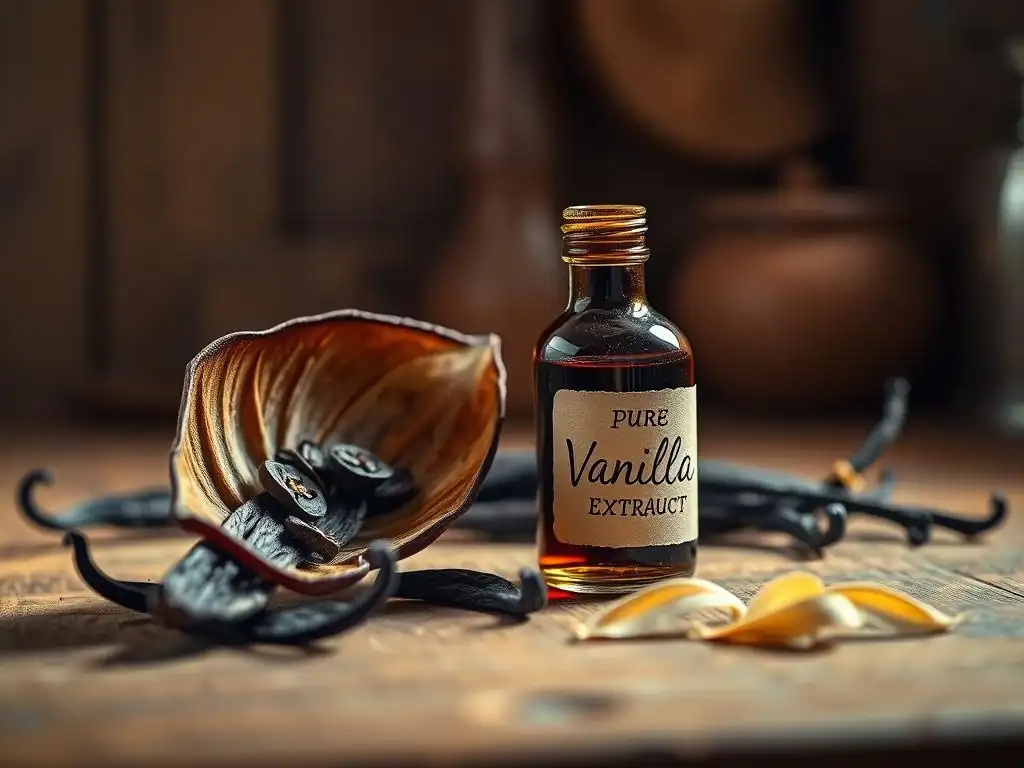
Vanilla beans are the pods themselves and are considered the purest form of vanilla. They contain the highest concentration of vanillin and other aromatic compounds, offering the most complex and intense flavor profile. Using the bean directly introduces the tiny black seeds (often called vanilla caviar) into your bake, providing not only intense flavor but also beautiful visual specks, signaling authentic vanilla. While more expensive and requiring a bit more effort to use, the depth of flavor they impart is often unparalleled.
Many professional bakers and serious enthusiasts turn to vanilla beans when the vanilla flavor is meant to be a star, such as in crème brûlée, panna cotta, or high-quality ice cream bases. The flavor from a single bean can often be more potent and nuanced than a teaspoon of extract in certain applications. For instance, infusing a scraped vanilla bean into milk or cream for a custard allows the full spectrum of flavors to meld beautifully over time.
How to Select the Best Vanilla Beans
Selecting quality vanilla beans is crucial for achieving the best flavor. Look for beans that are plump, moist, and flexible – you should be able to gently bend them without them snapping. Dry, brittle beans have likely lost much of their volatile flavor compounds. They should also have a rich, sweet aroma. The surface might appear slightly oily or even have tiny, natural vanillin crystals (frost) on them, which is a sign of high quality and potency.
Origin matters too. As mentioned, Madagascar beans are classic and versatile, Mexican are smoky and spicy, and Tahitian are floral and fruity. Consider the flavor profile you want for your specific recipe. A typical high-quality vanilla bean might cost anywhere from $5 to $10 or more individually, reflecting the intensive labor involved in their production. Purchasing from reputable spice merchants or specialty stores often ensures better quality than standard grocery store options.
Using Vanilla Beans: Scraping, Infusing, and Extracting
Using a vanilla bean typically involves splitting the pod lengthwise with a sharp knife and scraping out the tiny, sticky seeds (the "caviar") from the inside using the back of the knife. Both the seeds and the scraped pod can be used for flavoring. The seeds provide concentrated flavor and visual appeal, while the pod can be steeped in liquids (like milk or cream for custards or sauces) to infuse flavor. After infusing, the pod can be rinsed, dried, and added to a jar of sugar to make vanilla sugar.
For intense flavor infusion, heat the scraped seeds and pod gently in the liquid called for in your recipe (e.g., milk or cream) and let it steep off the heat for 15-30 minutes before removing the pod. For simple addition to batters, the seeds can be stirred directly in. Vanilla beans are also the primary ingredient for making homemade vanilla extract, a project perfect for vanilla extract recipe beginners looking for a rewarding long-term endeavor.
Vanilla Extract: Convenience and Versatility in Baking
Vanilla extract is the most common form of vanilla used in home baking, prized for its convenience and ease of measurement. It is made by macerating chopped vanilla beans in a solution of alcohol and water. According to the U.S. Food and Drug Administration (FDA) standards, pure vanilla extract must contain at least 35% alcohol and be made with 13.35 ounces of vanilla beans per gallon of liquid. This process extracts the flavor compounds from the beans into a liquid form that is easy to incorporate into various recipes.
Pure vanilla extract offers a balanced vanilla flavor that disperses easily throughout batters and doughs. While it may lack some of the complex, subtle notes found in direct bean usage, a high-quality pure extract provides reliable and consistent results. It's particularly well-suited for recipes where you want a general vanilla note without the visual specks of vanilla bean seeds, such as white cakes, meringues, or frostings.
Vanilla Extract Recipe Beginners: Making Your Own Homemade Extract
Making your own vanilla extract is a surprisingly simple process, though it requires patience, making it an excellent project for vanilla extract recipe beginners. All you need are two ingredients: vanilla beans and alcohol (typically vodka, bourbon, or rum). The general process involves splitting or chopping vanilla beans and submerging them in the alcohol in a sealed container. A common ratio is about 1 ounce of vanilla beans (roughly 5-8 beans depending on size) per cup of alcohol.
Place the beans in a clean glass bottle or jar, pour the alcohol over them, ensuring they are fully submerged, seal tightly, and store in a cool, dark place. Shake the bottle gently every week or so.
The extract will begin to develop color and flavor within a few weeks, but it takes several months (ideally 6-12 months or longer) for the flavor to fully mature and deepen. This long wait is why patience is key, but the resulting homemade vanilla extract is often richer and more complex than many store-bought options, offering a rewarding return on investment for vanilla extract recipe beginners.
Store-Bought Vanilla Extract: Choosing Quality Over Price
When buying vanilla extract, the label "Pure Vanilla Extract" is key. Avoid "Imitation Vanilla Extract," which is typically made from synthetic vanillin derived from sources like wood pulp or petroleum. While imitation vanilla is significantly cheaper (often less than $5 for a small bottle compared to $10-$20+ for pure extract), its flavor is one-dimensional, primarily just vanillin, lacking the complexity and depth of pure vanilla. Using imitation vanilla can result in baked goods with a slightly artificial or flat vanilla taste.
Look for pure vanilla extract. The quality can still vary depending on the type of beans used and the extraction process. Extracts made from Madagascar beans are widely available and offer that classic profile. Some premium extracts use specific bean types or unique aging processes, reflected in a higher price point but potentially offering superior flavor. For vanilla extract recipe beginners, starting with a good quality pure Madagascar vanilla extract is a reliable choice for most baking applications. Consider it an investment in the flavor of your finished goods.
Vanilla Paste: The Best of Both Worlds?
Vanilla paste is a concentrated blend of vanilla extract and vanilla bean seeds, often thickened with a natural gum like tragacanth. It offers a convenient way to incorporate both the rich flavor of vanilla extract and the visual appeal of vanilla bean specks into your baking without needing to scrape a fresh bean. Many bakers find it a convenient alternative to using whole beans, especially in recipes where the specks are desired but the effort of scraping multiple beans is prohibitive.
The consistency of vanilla paste is thick and syrupy, making it easy to measure and mix into batters, creams, or sauces. A typical vanilla paste might contain the equivalent of 1-2 vanilla beans per tablespoon, providing a potent flavor. It's a relatively newer product compared to beans and extract but has quickly gained popularity among bakers for its ease of use and the beautiful visual element it adds.
What is Vanilla Paste and How is it Made?
Vanilla paste is created by combining pure vanilla extract with finely ground or suspended vanilla bean seeds and a thickening agent. The process typically involves extracting flavor from vanilla beans to make a concentrated extract, then adding the scraped seeds back into this concentrate. A natural thickener is added to achieve the desired paste-like consistency. This allows for a higher concentration of both flavor compounds and visible seeds than you would get from just using extract.
The quality of vanilla paste depends on the quality of the extract and beans used in its production. Some pastes might use a higher proportion of seeds or a more concentrated extract, leading to a more intense flavor. While not strictly regulated like pure extract, reputable brands will indicate the origin of the vanilla used and the concentration level. A good quality vanilla paste can range from $15 to $30 or more for a 2-4 ounce jar, reflecting the cost of both the extract and the added seeds.
Using Vanilla Paste: Flavor and Visual Appeal
Vanilla paste is incredibly versatile and can often be substituted directly for vanilla extract or vanilla beans in many recipes. As a general guideline, 1 teaspoon of vanilla paste is often considered equivalent to 1 teaspoon of vanilla extract or about half of a vanilla bean. However, it's always best to check the specific product's recommended usage, as concentration can vary between brands.
Vanilla paste is particularly effective in recipes where you want visible vanilla specks and a strong vanilla flavor, such as custards, ice cream, whipped cream, panna cotta, and lighter-colored cakes or frostings. The thick consistency also makes it easy to stir into liquids or batters without it running everywhere. For vanilla extract recipe beginners venturing into using other vanilla forms, paste provides a good bridge between the convenience of extract and the visual appeal of beans.
Vanilla Powder: A Unique and Potent Vanilla Option
Vanilla powder is made from dried and ground whole vanilla beans. Unlike extract, which is alcohol-based, vanilla powder contains all the non-soluble flavor compounds found in the bean, offering a slightly different flavor profile that can be more earthy and woody. Because it's a dry product, it's ideal for applications where adding liquid is undesirable, or where you want the vanilla flavor to withstand high heat.
This form of vanilla is less common than extract or beans in typical home baking but is a valuable tool for specific uses. It retains its flavor well when exposed to heat, making it excellent for dry mixes, rubs, or items that are baked at high temperatures. It also provides the visual specks of the bean but in a finer, more dispersed form.
What is Vanilla Powder and its Benefits?
Vanilla powder is produced by drying vanilla beans and then grinding them into a fine powder. This process preserves the full spectrum of flavor compounds present in the bean, including those that may not be fully extracted by alcohol. One significant benefit is its heat stability; the flavor doesn't evaporate as readily as the alcohol-based extract when subjected to high temperatures during baking.
Another advantage is its form. As a dry ingredient, it can be easily incorporated into dry mixes like pancake mix, spice rubs, or powdered sugar. It also means it won't add extra liquid to delicate recipes like meringues or macarons. A small amount of vanilla powder can pack a significant flavor punch. Due to the process and the use of whole beans, it is often one of the more expensive forms of vanilla by weight.
How to Use Vanilla Powder in Your Baking Recipes
Vanilla powder can be used in various ways in baking. It's excellent added directly to dry ingredients in cakes, cookies, or muffins. Because it's concentrated, you typically need less than extract – a common substitution guideline is ¼ to ½ teaspoon of vanilla powder for every teaspoon of vanilla extract, but again, check the specific product's recommendations.
Use vanilla powder in recipes where you want the flavor to persist through high heat, like roasted nuts or spice cakes. It's also fantastic for dusting desserts, mixing into whipped cream or frosting (where it won't add liquid), or creating homemade vanilla sugar simply by blending it with granulated sugar. For vanilla extract recipe beginners exploring different textures and applications, vanilla powder offers a unique avenue for incorporating vanilla flavor.
Vanilla Bean vs. Extract: A Detailed Comparison for Baking
Comparing vanilla bean and vanilla extract is common, but it's also useful to include paste and powder for a full picture. Each form has its strengths and weaknesses depending on the desired flavor intensity, budget, ease of use, and the specific recipe requirements. There's no single "best" form; the ideal choice depends on the context.
Understanding these differences helps bakers make informed decisions. For instance, while a vanilla bean offers the most complex flavor, it's not practical for flavoring a large batch of simple sugar cookies where extract is much more efficient. Conversely, using extract in a delicate crème brûlée might not yield the same depth of flavor as infusing a whole bean.
Flavor Intensity: Which Vanilla Form Packs the Biggest Punch?
Generally, vanilla beans are considered to offer the most complex and intense flavor because they contain the full spectrum of flavor compounds in their natural state. Infusing a whole bean allows these flavors to gradually meld into the surrounding ingredients. Vanilla paste, containing both extract and seeds, comes next, offering a concentrated flavor with the added benefit of the seeds.
Pure vanilla extract provides a strong, classic vanilla flavor, though it might lack some of the subtle nuances of the bean itself. The flavor is readily available and disperses well. Vanilla powder, being dried and ground whole beans, offers a potent flavor, particularly the less volatile compounds, and its flavor holds up exceptionally well under heat compared to extract. For sheer complexity and depth in uncooked or gently heated applications like custards, the bean often wins. For overall accessible strength in most baking, good quality extract is reliable.
Cost Comparison: Vanilla Bean, Extract, Paste, and Powder Prices
Vanilla is expensive across all forms, but the cost per use varies. Vanilla beans are the most expensive upfront, often costing $5-$10 or more per bean. While one bean can flavor a significant amount of liquid or batter, the initial cost is high. Pure vanilla extract varies widely by quality and origin but typically ranges from $10-$20+ for a small (4 oz) bottle, which contains many teaspoons of extract.
Vanilla paste is often priced per ounce and falls somewhere between beans and extract in terms of cost per serving, reflecting that it contains both extract and seeds. A small jar might cost $15-$30. Vanilla powder is also quite expensive per ounce, reflecting that it's made from whole dried beans, often comparable to or exceeding the cost of beans by weight, though a little goes a long way.
For vanilla extract recipe beginners focusing on budget, imitation extract is cheapest but sacrifices flavor; pure extract offers the best balance of cost, convenience, and good flavor for general use. Homemade extract, while requiring an initial investment in beans and alcohol, can be cost-effective in the long run.
Ease of Use: Which Vanilla is Most Convenient for Bakers?
Vanilla extract is undoubtedly the easiest and most convenient form to use. It's a liquid, measured easily with spoons, and mixes seamlessly into batters and liquids. Vanilla paste is also very easy to use, measured with spoons and stirred in, providing the added visual of seeds without scraping.
Vanilla beans require more effort: slicing the pod and scraping out the seeds. While not difficult, it's more involved than simply pouring liquid. Vanilla powder is easy to measure but needs to be fully incorporated into dry or wet ingredients to avoid clumps. For speed and simplicity in everyday baking, vanilla extract is the clear winner, making it the go-to for many vanilla extract recipe beginners.
Best Uses: Matching Vanilla Forms to Specific Baking Recipes
Choosing the right vanilla form can significantly impact the final outcome of a recipe.
- Vanilla Beans: Ideal for recipes where vanilla is the star and you want maximum complexity and visual appeal. Think crème brûlée, panna cotta, homemade ice cream, vanilla bean cheesecake, or infusing liquids for sauces and custards.
- Vanilla Extract: The workhorse for general baking. Excellent in cakes, cookies, muffins, brownies, frostings, and almost any recipe that calls for vanilla. Its flavor disperses evenly. Great for vanilla extract recipe beginners.
- Vanilla Paste: Use when you want strong vanilla flavor and visible seeds without the hassle of scraping beans. Perfect for whipped cream, frostings, lighter-colored batters, or custards where you want that signature speckled look.
- Vanilla Powder: Best for dry mixes, rubs, or recipes baked at high temperatures where heat stability is crucial. Also good for dusting or mixing into dry ingredients like powdered sugar.
| Vanilla Form | Flavor Intensity (Complexity) | Cost (per usage, approx.) | Ease of Use | Best Applications |
|---|---|---|---|---|
| Vanilla Bean | Highest (Complex) | High | Moderate | Custards, Ice Cream, Panna Cotta, Infusions |
| Vanilla Extract | High (Classic) | Medium | High | Cakes, Cookies, Muffins, Frostings, General Baking |
| Vanilla Paste | High (Concentrated w/ seeds) | Medium-High | High | Frostings, Whipped Cream, Custards (w/ specks) |
| Vanilla Powder | High (Heat Stable, Earthy) | High | Moderate | Dry Mixes, High-Heat Baking, Dusting |
Tips for Storing Vanilla to Maximize Flavor and Shelf Life
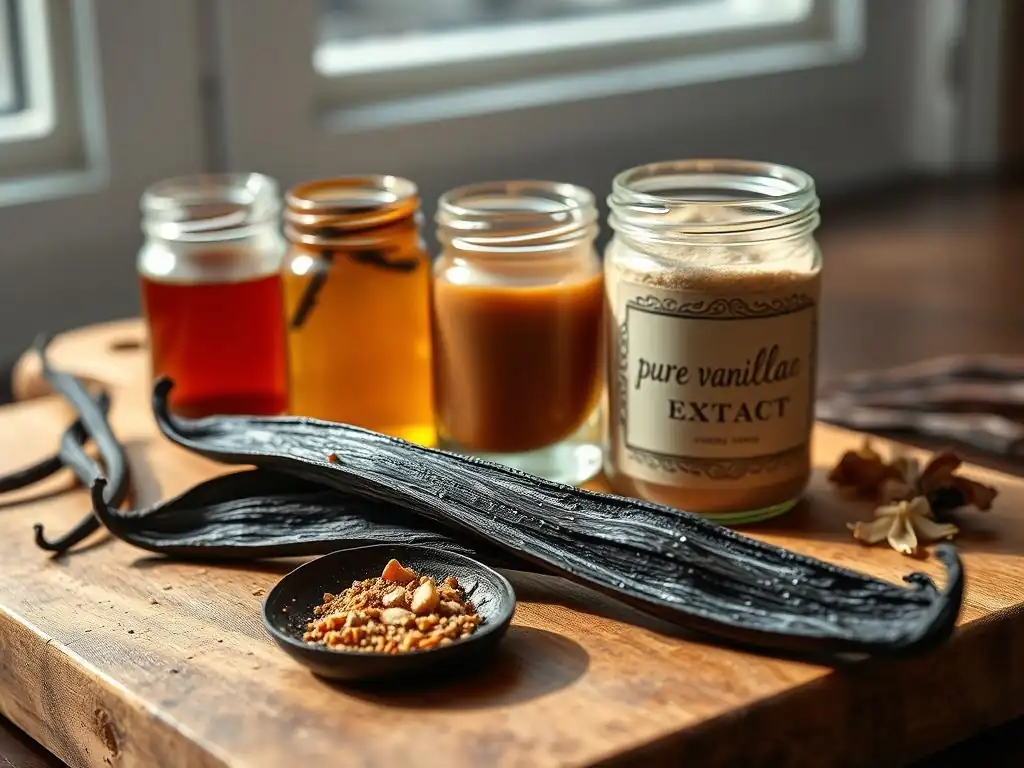
Proper storage is essential to preserve the delicate flavor compounds in vanilla, regardless of the form. Storing vanilla correctly ensures that your investment maintains its potency and aroma for as long as possible, yielding the best results in your baking endeavors. Exposure to air, light, and heat are the primary enemies of vanilla flavor.
Taking simple steps like using airtight containers and storing vanilla away from heat sources can make a big difference in extending its usable life. Don't leave vanilla beans sitting out in the open, and avoid storing extracts or pastes in clear bottles on a sunny windowsill.
Proper Storage of Vanilla Beans
Vanilla beans should be stored in an airtight container, such as a glass jar or a sealed plastic bag, to prevent them from drying out. Avoid storing them in the refrigerator, as this can cause them to become brittle and lose flavor. A cool, dark pantry or cupboard is the ideal location. If beans start to dry out slightly, you can sometimes revive them by briefly steaming them or placing them in a sealed container with a damp paper towel for a day, though this won't restore lost flavor entirely.
Many bakers store their beans submerged in alcohol (like vodka or rum) in a sealed jar. This helps keep them pliable and is the first step in making homemade vanilla extract. Stored correctly, vanilla beans can last for a year or more, though their aroma may diminish over time.
Storing Vanilla Extract, Paste, and Powder
Vanilla extract should be stored in its original airtight bottle, away from direct sunlight and heat. A dark cupboard is best. Because it's alcohol-based, pure vanilla extract has a very long shelf life, often retaining its quality for several years or even indefinitely, though the flavor might deepen and concentrate over time as some alcohol evaporates.
Vanilla paste and powder should also be stored in airtight containers away from light and heat. Vanilla paste, due to its thicker consistency and potential for some moisture, may have a slightly shorter shelf life than extract but still typically lasts for 1-2 years if stored properly. Vanilla powder, being dry, is quite stable but should also be kept sealed to prevent moisture absorption and flavor loss; it can last for several years. Always check for off odors or changes in texture before using stored vanilla products.
Avoiding Common Vanilla Mistakes in Baking
Even with the best ingredients, simple mistakes can detract from the wonderful flavor vanilla should provide. Being aware of these pitfalls can help vanilla extract recipe beginners and experienced bakers alike get the most out of their vanilla. From using the wrong amount to incorrect substitutions, these common errors can mute or alter the intended vanilla profile in your baked goods.
Paying attention to recipe instructions and understanding how different vanilla forms behave under heat are key to avoiding these issues. Don't underestimate the impact of vanilla; while often a supporting player, it's crucial for rounding out and enhancing other flavors.
Using Too Much or Too Little Vanilla
One common mistake is using either too much or too little vanilla. Using too little can result in a bland bake where the vanilla flavor is undetectable. Recipes are typically balanced, and the specified amount of vanilla is meant to complement other ingredients. On the other hand, using too much vanilla, especially extract, can sometimes impart a slightly bitter or overpowering "alcohol" note, particularly in delicate recipes or those not baked at high temperatures.
It's generally better to stick to the amount specified in a recipe, especially when you are a vanilla extract recipe beginner. If substituting between forms, use the recommended conversion ratios as a starting point (e.g., 1 tsp extract ≈ ½ bean ≈ 1 tsp paste ≈ ¼-½ tsp powder) and adjust slightly based on the specific product's potency and your personal preference.
Overheating Vanilla Extract
Vanilla extract is alcohol-based, and alcohol evaporates when heated. While some flavor compounds remain, prolonged high heat can cause some of the more volatile, delicate notes to dissipate. This is why vanilla extract is often added towards the end of cooking or baking processes, or why vanilla beans/powder are sometimes preferred for items baked at very high temperatures or cooked for long periods (like simmering custards).
Adding vanilla extract at the very end of mixing batters or doughs, or stirring it into frostings and sauces after they've been removed from the heat, helps preserve its vibrant flavor. For example, when making a cooked pudding or pastry cream, you might infuse a vanilla bean during the cooking process and then stir in a little extra extract off the heat for a final flavor boost.
Substituting Vanilla Forms Incorrectly
While substitutions are often possible, simply swapping equal amounts of different vanilla forms won't always yield the desired result. As discussed, the flavor intensity and profile vary. Substituting 1 teaspoon of imitation vanilla for 1 teaspoon of pure vanilla extract will result in a less complex flavor. Substituting 1 teaspoon of extract for a whole vanilla bean in a delicate custard might not provide the same depth or visual appeal.
Always consider the recipe's requirements and the characteristics of the vanilla form you are using. If a recipe specifically calls for a vanilla bean, it's likely because the author intended the specific flavor profile and visual specks only a bean can provide. For vanilla extract recipe beginners experimenting with other forms, it's wise to start with recipes specifically written for that form or consult reliable conversion charts and be prepared for slight variations in outcome.
Vanilla Extract Recipe Beginners: Simple Recipes to Get You Started
Getting started with baking and using vanilla can be exciting! Here are a few classic, approachable recipes where vanilla plays a key role, perfect for vanilla extract recipe beginners to practice their skills and appreciate the magic of this essential ingredient. These recipes rely on simple techniques and highlight how vanilla extract can elevate everyday bakes.
These examples are designed to be straightforward, allowing you to focus on basic baking principles while enjoying the wonderful aroma and taste that good vanilla extract provides.
Classic Vanilla Cake Recipe
A classic vanilla cake is a fundamental recipe for any baker. It typically uses basic ingredients like flour, sugar, butter, eggs, milk, leavening, and, crucially, vanilla extract. The vanilla flavor is prominent but balanced, complementing the richness of the butter and eggs and the sweetness of the sugar.
For vanilla extract recipe beginners, making a simple vanilla cake is a great way to see how the extract integrates into a batter and contributes to the overall taste and aroma of the finished product. The vanilla enhances the "cake" flavor itself, making it more than just sweet bread. A standard recipe might call for 1-2 teaspoons of pure vanilla extract for an 8-inch round cake, added with the wet ingredients to ensure even distribution.
Vanilla Bean Ice Cream Recipe
While often associated with vanilla beans for the classic specks, a delicious vanilla ice cream can also be made using pure vanilla extract, making it accessible for vanilla extract recipe beginners with an ice cream maker. This recipe typically involves a custard base made from milk, cream, egg yolks, and sugar, with vanilla being the primary flavoring.
Using pure vanilla extract (often 1-2 teaspoons per quart of base) provides a clean, sweet vanilla flavor that permeates the creamy base. The key is often adding the vanilla extract after the custard base has cooked and cooled slightly, before churning, to preserve the volatile flavor compounds. This recipe showcases how vanilla can be a star flavor even in chilled applications.
Vanilla sugar cookies are a staple, perfect for cutting into shapes and decorating. Their simple composition makes the quality of ingredients, including vanilla, shine through. These cookies typically combine butter, sugar, eggs, flour, and a generous amount of vanilla extract.
For vanilla extract recipe beginners, this recipe is forgiving and delicious. Adding 1-2 teaspoons of pure vanilla extract to the dough provides that comforting, familiar cookie flavor. The vanilla enhances the sweetness and richness of the butter, creating a perfectly balanced cookie that's wonderful on its own or as a base for other flavors. It's a great way to see how vanilla contributes to both the aroma while baking and the final taste and texture.
Conclusion: Mastering Vanilla for Baking Success
Vanilla, in its various forms, is an indispensable ingredient in baking. From the potent, complex vanilla bean to the convenient and reliable vanilla extract, the versatile vanilla paste, and the heat-stable vanilla powder, each offers unique characteristics that can elevate your baked goods. Understanding these differences and knowing when and how to use each form effectively is a valuable skill for any baker.
For vanilla extract recipe beginners, starting with a good quality pure vanilla extract is an excellent foundation. As you gain confidence, exploring homemade vanilla extract or experimenting with beans, paste, or powder in specific recipes can open up a world of nuanced flavors. Remember to store your vanilla properly, avoid common mistakes, and always use the best quality you can access. With practice and attention to detail, you'll master the art of using vanilla to bring warmth, depth, and exquisite flavor to all your baking creations. Happy baking!
Frequently Asked Questions
How is vanilla extract different from vanilla paste?
Vanilla extract is a liquid flavoring made by infusing vanilla beans in alcohol and water. Vanilla paste, on the other hand, is a thicker substance containing both extract and vanilla bean seeds, offering a more intense flavor.
Can I make my own vanilla extract at home?
Yes, absolutely! A vanilla extract recipe for beginners is quite simple. It involves soaking vanilla beans in a high-proof alcohol, such as vodka, for several weeks or months to extract the flavor.
What are the key ingredients for a beginner's vanilla extract recipe?
The essential ingredients are vanilla beans and a suitable high-proof alcohol, like vodka or bourbon. Some recipes may also include a small amount of water for dilution.
How long does homemade vanilla extract need to steep before it's ready to use?
For optimal flavor, allow your homemade vanilla extract to steep for at least 8 weeks. The longer it steeps, the more intense the vanilla flavor will become.
What's the difference between vanilla extract and vanilla powder?
Vanilla extract is a liquid, alcohol-based flavoring, while vanilla powder is made from ground, dried vanilla beans. Vanilla powder offers a more concentrated, less processed vanilla flavor compared to extract.
Final Reflection: The Enduring Allure of Vanilla
The humble vanilla bean, far from being simple, holds a complex and captivating history that continues to resonate in modern kitchens. Its versatility, from the delicate whisper of extract to the intense richness of paste, speaks to its enduring appeal and its power to elevate even the simplest recipes. Understanding the nuances between bean, extract, paste, and powder unlocks a world of culinary possibilities, transforming baking and cooking from routine tasks into creative explorations.
The journey from bean to final product, as detailed in this guide, highlights the intricate process behind this seemingly ubiquitous ingredient. It's a journey that underscores the importance of appreciating the origins and quality of our food. The best things in life are simple,
a phrase often heard, takes on new meaning when considering the profound impact a single vanilla bean can have on a dish. This exploration has not only broadened my own understanding of vanilla but also deepened my appreciation for the artistry and dedication involved in its production.
Now, armed with this knowledge, I invite you to experiment. Dare to explore the subtle differences between vanilla extract and vanilla paste, to discover the intense flavor of a high-quality bean, or to appreciate the convenience of vanilla powder. Don't be afraid to venture beyond the familiar; let the versatility of vanilla inspire your creativity in the kitchen. The world of vanilla awaits your exploration—and your culinary masterpieces.
Unlock the Magic of Vanilla: Elevate Your Baking Today!
Thanks for diving into the wonderful world of vanilla with us! We hope you now feel more confident in navigating the different forms and choosing the perfect vanilla for your next baking masterpiece. Ready to put your newfound knowledge to the test?
- Experiment with a new vanilla type: Try substituting vanilla paste in your favorite cookie recipe, or explore the intense flavor of vanilla bean in your next homemade ice cream. This is your chance to really taste the difference!
- Share your vanilla adventures: Tag us on social media with your creations using #BakeWithEaseVanilla – we'd love to see your delicious results!
- Deepen your vanilla knowledge: Explore our other articles on baking techniques and flavor pairings to continue your culinary journey!
So, what incredible vanilla-infused treat will you create next?