Beyond Bread: Creative Ways to Use Sunflower Seeds in Baking
🌻 Discover innovative sunflower seeds baking recipes that elevate your baking game. From crunchy toppings to flavorful fillings, learn creative ways to…
Read article
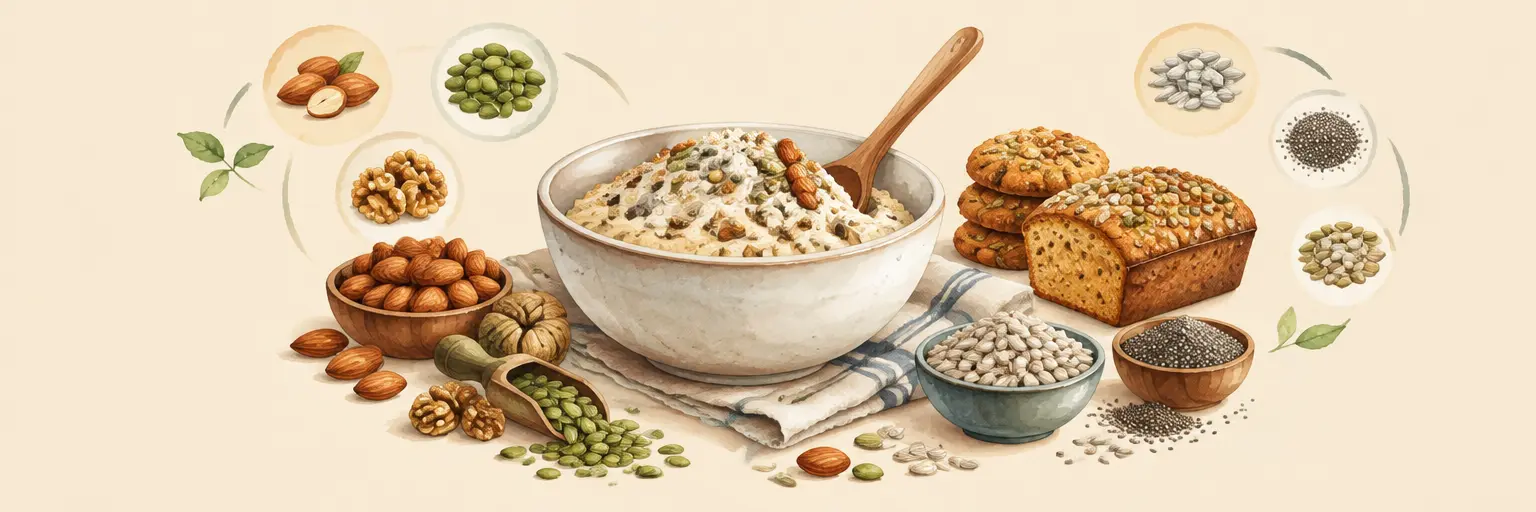
Discover the secret to unforgettable baked goods with our guide to Baking with Nuts & Seeds—where texture, flavor, and nutrition meet in perfect harmony. From crunchy almonds and walnuts to tiny but mighty chia, flax, and sesame seeds, these powerhouse ingredients can transform your cakes, breads, cookies, and pastries into gourmet masterpieces. Whether you’re toasting pecans for a caramel depth, grinding flax for a vegan egg substitute, or sprinkling pumpkin seeds for a savory crunch, we break down the best techniques for prepping, storing, and incorporating them without burning or sogginess. Learn how to balance oils, enhance dough structure, and elevate everything from banana bread to sourdough with these nutrient-dense add-ins. Perfect for allergy-friendly swaps and creative bakers alike, this deep dive helps you turn everyday recipes into bakery-quality treats—while boosting heart-healthy fats, fiber, and protein with every bite.
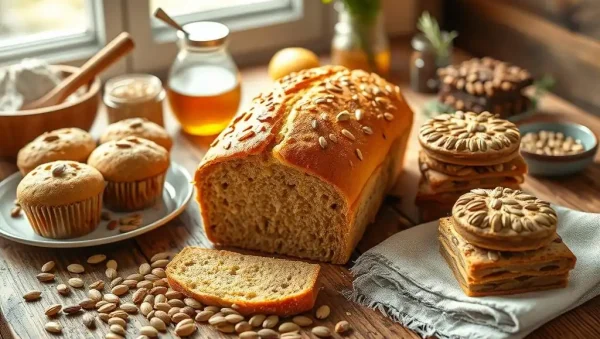
🌻 Discover innovative sunflower seeds baking recipes that elevate your baking game. From crunchy toppings to flavorful fillings, learn creative ways to…
Read article
😊 Discover the secrets to building the perfect nutty tart crust filling with our easy, step-by-step tips. BakeWithEase.com is your ultimate resource…
Read article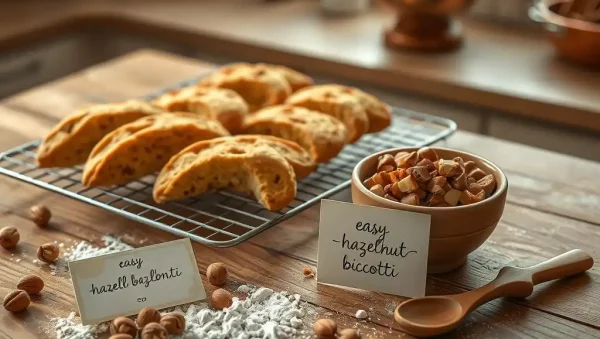
😊 Discover how to make delicious, crunchy hazelnut biscotti effortlessly with our easy hazelnut biscotti recipe. Perfect for bakers of all levels,…
Read article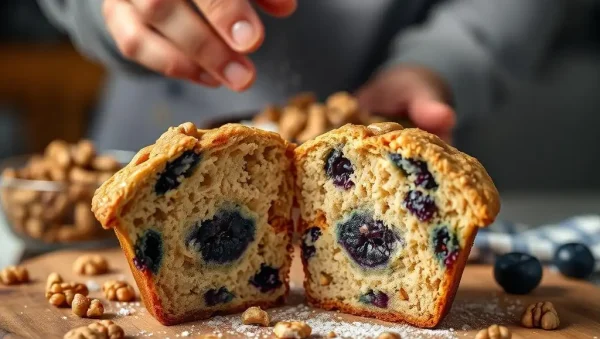
🌟 Discover expert tips on how to stop nuts sinking in your cakes and muffins. BakeWithEase.com guides you through simple techniques to…
Read article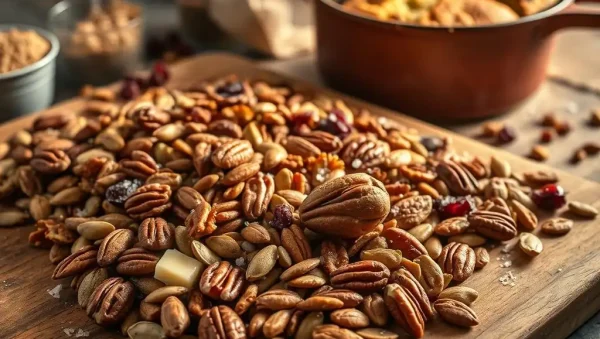
🌰 Unlock the full potential of your baked goods by mastering the art of toasting nuts and seeds, enhancing their flavor and…
Read article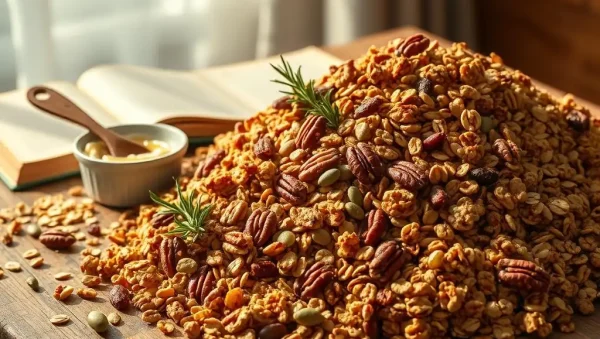
🌟 Discover how to craft the perfect nutty and seedy blend with our easy homemade granola recipe. Perfect for breakfast or snacking,…
Read article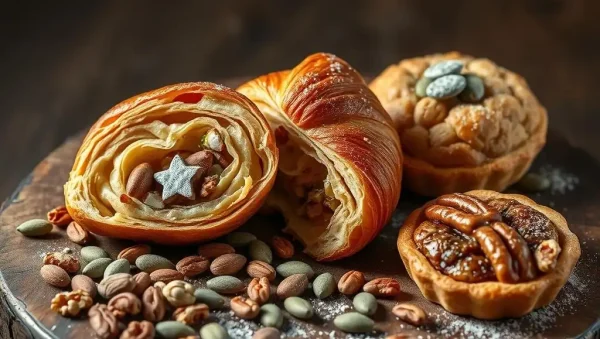
🌰 Discover how to master perfecting nut seed pastry techniques with expert tips on incorporating crunchy textures and rich flavors into delicate…
Read article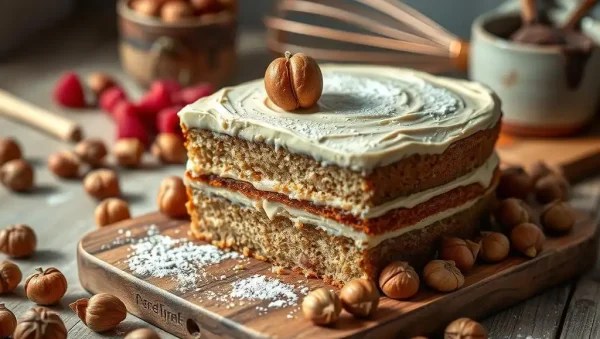
🌰 Discover how to elevate your baking with our Hazelnut Cake Recipe Easy, showcasing delightful pairings and tips for creating irresistibly harmonious…
Read article
😋 Discover how to make irresistibly delicious easy nutty chocolate chip cookies with our simple, step-by-step recipe. Perfect for bakers of all…
Read article
😊 Discover how to elevate your baked goods with our "Cashew Cream Frosting Recipe Easy"—a perfect blend of creaminess and crunch. BakeWithEase.com…
Read article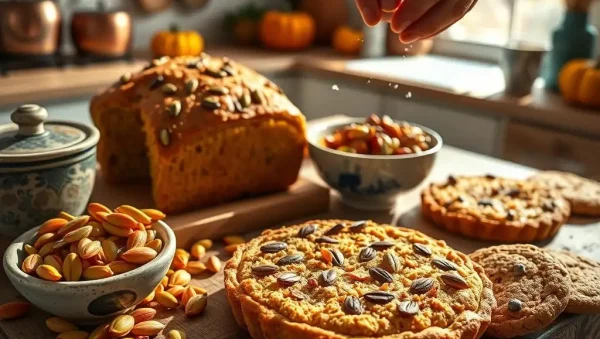
🌟 Discover the vibrant crunch of pumpkin seed baking recipes easy to make at home. Enhance your pastries and breads with colorful,…
Read article
🌰 Discover essential tips to keep your fresh baking nuts and seeds from turning rancid. Proper storage and handling techniques ensure your…
Read articleWelcome to our Ingredient Deep Dive on baking with nuts and seeds. This subcategory is your comprehensive guide to transforming your baked goods from ordinary to extraordinary. Here at BakeWithEase, we understand that nuts and seeds are more than just add-ins—they are structural powerhouses, flavor amplifiers, and nutritional boosters. Whether you are a beginner baker or a seasoned pro, understanding how to toast, grind, hydrate, and pair these ingredients will elevate your cakes, breads, cookies, and pastries. Dive into our expert tips, techniques, and recipe insights to unlock the full potential of almonds, walnuts, chia, flax, sesame, and more.
Properly toasting nuts and seeds is the single most effective way to enhance their flavor profile. The dry heat of an oven or skillet triggers the Maillard reaction, releasing rich, nutty oils and creating a deeper, more complex aroma. When baking, you should always toast raw nuts and seeds before incorporating them into batters or doughs, unless a recipe specifically calls for raw. This step also helps to dry them out, preventing a soggy texture in your final product. For seeds like sesame or poppy, a quick, low-heat toast in a pan can make them pop with toasted notes that brighten any bread or pastry.
Beyond toasting, proper preparation includes chopping, grinding, or blooming. For cakes and cookies, chopped nuts provide pleasant crunch, while ground nuts, like almond flour, offer moisture and structure in place of wheat flour. For seeds like flax or chia, you must grind them into a meal to expose their gelling properties, which are essential for vegan egg substitutes. Don’t forget to consider hydration—soaking certain seeds, like sunflower or pumpkin, can help with digestion, but for baking, dry-toasting is usually preferred to maintain crispness. Mastering these prep skills ensures your ingredients integrate seamlessly and perform as intended.
Almonds and walnuts are arguably the most versatile nuts in a baker’s pantry. Almonds, whether sliced, slivered, or ground into flour, contribute a delicate sweetness and a firm, crisp texture. Almond flour is a gluten-free staple, ideal for creating moist, tender French macarons, financiers, and frangipane tarts. Whole or chopped almonds add a satisfying bite to biscotti and biscuit-like cookies. Their high-fat content also helps to keep baked goods moist and extends their shelf life naturally. When baking with almonds, look for "blanched" varieties if you want a lighter color and milder flavor, or stick with skin-on for a rustic appearance and robust taste.
Walnuts, on the other hand, bring a slightly bitter, earthy richness that pairs beautifully with brown sugar, cinnamon, and dark chocolate. Their high oil content means they can sometimes turn rubbery if overbaked, so it’s best to fold them in at the very end. Walnuts are the classic choice for banana bread, carrot cake, and coffee cakes. To prevent them from sinking to the bottom of your batter, toss chopped walnuts in a little flour before adding them. This simple trick creates a light coating that helps them stay suspended within the cake or muffin crumb, ensuring you get a nut in every single bite.
Seeds are the unsung heroes of healthy baking, offering unique binding, moisture, and nutritional benefits without overpowering flavors. Chia seeds, when mixed with water, form a gel-like substance that works as an exceptional egg replacer in vegan recipes. For every egg, combine one tablespoon of ground chia seeds with three tablespoons of water and let it sit for five minutes. This mixture adds moisture and helps bind ingredients, yielding a chewy texture in cookies and dense, satisfying breads. Flaxseeds work similarly—grind them fresh for the best omega-3 content and a mild, nutty flavor that complements whole-grain recipes.
Hemp seeds, often shelled and sold as "hemp hearts," are a fantastic addition for a protein boost and a subtle, grassy flavor. They don’t bind well, but they add a pleasant crunch and creamy texture to granola bars, quick breads, and even savory crackers. Roasted sunflower and pumpkin seeds are also excellent, offering a toasty depth resembling nuts but at a lower cost. To incorporate seeds successfully, always account for their fat and moisture absorption. In muffin batters, reduce the liquid by a small percentage or increase the leavening agent slightly to ensure your final bake rises perfectly, leaving you with a soft crumb and an abundance of nutritional goodness.
Taking baking beyond sweets, nuts and seeds are essential for creating artisan-style savory loaves. A classic seeded bread—like a multigrain or rye loaf—is defined by its hearty crust, generously rolled in a mixture of sesame, poppy, sunflower, and flaxseeds. This seed crust doesn’t just provide visual appeal; it adds a satisfying crunch and a rich, toasted nutiness that complements the sour tang of fermented doughs. To achieve a perfect adhesion, mist the shaped loaf with water or brush with an egg wash before pressing it into a tray of seeds. This technique locks in moisture and creates a professional-looking finish.
For bakers exploring gluten-free options, seeds are critical for mimicking the structure and texture that gluten normally provides. Psyllium husk powder is a common binder in gluten-free bread, but ground chia and flax also work to create a cohesive dough. Adding whole seeds into the dough contributes a pleasant bite and helps with absorption. Moreover, nuts and seeds can be transformed into savory crusts for quiches or cheese crackers. Simply pulse walnuts and parmesan in a food processor with butter and flour for a flavorful, crumbly crust. These savory applications showcase how versatile your pantry staple (nuts and seeds) really is, moving beyond simple toppings to become integral components of your bake.
One of the most overlooked aspects of baking with nuts and seeds is proper storage. Because they are rich in oils, nuts and seeds are highly susceptible to rancidity, which can ruin the flavor of your entire bake with a bitter, cardboard-like taste. Always store your raw nuts and seeds in an airtight container in a cool, dark place. For long-term storage, the refrigerator or freezer is your best ally—they can last up to six months in the fridge and over a year in the freezer without losing quality. When you’re ready to use them, take out only what you need and let them come to room temperature before grinding or toasting.
Also, pay attention to the specificity of your seeds. Flaxseed, for example, is best stored in the fridge even if ground, as it oxidizes quickly at room temperature. Chia seeds, however, have a longer shelf life due to their hardy outer shell. To test freshness, give your nuts a sniff—they should smell sweet and nutty, not sharp or sour. When grinding almond flour or flax meal, grind only as much as you need for your current recipe, as freshly ground nut flours deliver superior flavor and texture. By mastering storage, you ensure that every ingredient you use brings its best, most vibrant taste to your baked goods, avoiding costly waste and disappointing results.
Yes, absolutely. Toasting enhances their flavor and crunch. However, ensure they are completely cool before folding into your batter, as warm nuts can melt butter or shrink gluten structure. For delicate items like macarons, use raw, finely ground almond flour to avoid lumps, but for cookies and cakes, toasted pieces are highly recommended.
You can, but with caution. Walnuts have a higher fat content and lower protein than almonds, which will make your bake greasier and potentially denser. For best results, use a 1:1 ratio but reduce the total fat in your recipe by about 2 tablespoons. Also, expect a stronger, earthier flavor profile.
For a chia egg, mix 1 tablespoon of whole chia seeds with 3 tablespoons of water. For a flax egg, use 1 tablespoon of ground flaxseed with 2.5 tablespoons of water. Let the mixture sit for 5-10 minutes until it thickens into a gel. Use this to replace one large egg in cookies, muffins, and quick breads.
Coat them lightly in flour before folding into the batter. Toss your chopped nuts or seeds with a tablespoon of all-purpose flour (or your recipe’s dry mix), then gently fold them in. This creates friction and helps them stay evenly distributed rather than falling to the bottom.
Raw nuts are perfectly safe to bake with, provided they are fresh. You do not need to blanch them. However, for certain recipes like almond flour pastries, blanched almonds (skin removed) produce a finer, lighter crumb. For standard baking, skin-on raw nuts add flavor and texture, so use them as-is.