
Vanilla Bean vs. Extract: Quality Indicators to Look For Before Buying

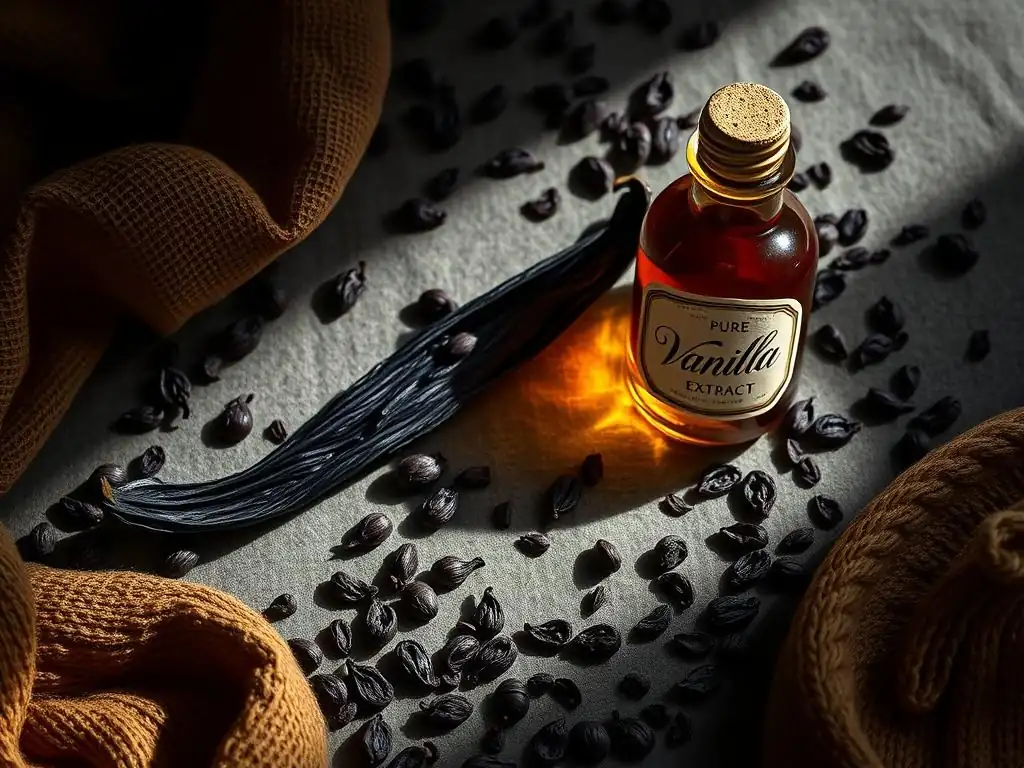
Welcome to BakeWithEase, where baking becomes a joyful journey! Ever wondered if that vanilla extract truly captures the essence of a vanilla bean? This week, we're diving deep into the world of vanilla, revealing the crucial quality indicators that separate the sublime from the ordinary. Discover the secrets to selecting the finest vanilla beans (and whether extract truly measures up!) and unlock a new dimension of flavor in your baking. Intrigued? Let's uncover the truth together...
- Understanding Vanilla: Bean vs. Extract for Baking Excellence
- Vanilla Bean Quality Indicators: A Baker's Essential Guide
- Vanilla Extract Quality Indicators: Ensuring Rich Flavor in Your Baking
- Vanilla Bean vs. Extract: A Side-by-Side Comparison for Baking
- Storing Vanilla Beans and Extract: Maintaining Quality and Flavor
- Using Vanilla Beans and Extract in Baking: Tips and Techniques from BakeWithEase
- Conclusion: Choosing the Right Vanilla for Your Baking Needs
-
Frequently Asked Questions
- How can I tell the difference between a high-quality vanilla bean and a low-quality one?
- What are the key indicators of a good vanilla extract?
- Why is it important to consider "vanilla bean quality indicators" before purchasing vanilla for baking?
- Does the origin of a vanilla bean affect its quality, and if so, what should I look for?
- How should I store vanilla beans and extract to maintain their quality?
- Final Reflection: The Enduring Allure of Authentic Vanilla
- Unlock the Secrets to Perfect Vanilla!
Understanding Vanilla: Bean vs. Extract for Baking Excellence
BakeWithEase's Guide to Choosing the Right Vanilla
Vanilla is often called the queen of spices, and for good reason. Its complex aroma and sweet, comforting flavor are essential to countless baked goods, from simple cookies and cakes to sophisticated custards and pastries. Understanding the difference between using a whole vanilla bean and vanilla extract is the first step towards elevating your baking. Each offers unique characteristics and contributes differently to the final flavor profile of your creations.
Choosing the right vanilla is crucial for achieving the best possible results in your kitchen. While extract offers convenience, the pure vanilla bean provides a depth and nuance that is unparalleled. This guide from BakeWithEase will walk you through the essential quality indicators for both vanilla beans and vanilla extract, helping you make informed decisions to infuse your baking with the finest vanilla flavor.
Vanilla Bean Quality Indicators: A Baker's Essential Guide
Identifying High-Quality Vanilla Beans: What to Look For
When selecting vanilla beans, the first assessment should be sensory. A high-quality vanilla bean should immediately impress you with its appearance and aroma, even before you touch it. Look for beans that appear plump and are consistently dark in color. Avoid beans that look dry, brittle, or have any signs of mold, which often appears as fuzzy or discolored patches. Reputable suppliers typically store beans properly, preserving their quality.
Beyond the initial visual check, a quality vanilla bean should feel supple and pliable when gently handled. This indicates proper moisture content, crucial for flavor. Poor quality beans, often found in less specialized shops, might be stiff and snap when bent, a clear sign they've dried out and lost valuable volatile compounds. Paying attention to these initial indicators is key to finding the best vanilla beans.
The aroma of a vanilla bean is perhaps the most telling indicator of its quality and flavor potential. A premium vanilla bean should possess a rich, complex fragrance that is sweet and intoxicating. The specific nuances in the aroma can hint at the bean's origin, carrying notes that might be creamy, smoky, floral, or fruity depending on where it was grown and how it was cured.
Conversely, a vanilla bean with a weak or off-putting smell (like alcohol, hay, or chemicals) is likely of poor quality or improperly handled. The intensity and complexity of the aroma directly correlate with the concentration of flavor compounds, especially vanillin. A strong, pleasant scent promises a powerful and delightful vanilla flavor in your baking.
Understanding Vanilla Bean Fragrance Profiles
Different origins of vanilla beans boast distinct fragrance profiles influenced by their terroir. Madagascar Bourbon vanilla beans, for instance, are celebrated for their classic, sweet, and creamy aroma, often described as the quintessential vanilla scent. This makes them incredibly versatile and widely used in many baking applications.
Tahitian vanilla beans, from a different species ( Vanilla tahitensis), present a more floral, fruity, and sometimes cherry-like or anise-like aroma. This unique profile makes them wonderful for delicate desserts where their distinct notes can shine, such as panna cotta or fruit-based pastries. Exploring these profiles allows bakers to pair the perfect vanilla with their recipe.
Appearance: Assessing the Visual Cues of Vanilla Bean Quality
Visual inspection provides several important vanilla bean quality indicators. A high-quality bean should be plump and moist, appearing slightly oily on its surface. The skin should be relatively smooth, although some natural wrinkling is normal. A prized visual cue is the presence of fine, white crystalline structures on the bean's surface, known as "vanilla frost" or "vanillin crystals." These are natural accumulations of vanillin, a primary flavor compound, and signal a bean with excellent potency.
Poor appearance includes excessive dryness, resulting in a shriveled, brittle bean. Mold growth is a definitive sign of spoilage and means the bean should not be used. Beans that are very light brown might have been harvested too early, potentially lacking full flavor development. A deep, uniform color is generally preferred.
Vanilla Bean Color: A Key Indicator of Quality?
While not the sole factor, the color of a vanilla bean is a significant indicator of its maturity and proper curing. High-quality vanilla beans typically range from deep brown to black. This rich color develops during the lengthy curing process, where the beans are dried and fermented, allowing flavor compounds to form and concentrate.
Lighter brown colors can suggest that the bean was not fully mature when harvested or that the curing process was insufficient. However, some regional variations exist; for example, certain Mexican beans might have a slightly reddish hue. The key is a rich, consistent color that aligns with the expected profile for that origin, combined with other positive indicators like aroma and texture.
Vanilla Bean Texture: Identifying Supple and Oily Beans
The texture of a vanilla bean is a crucial vanilla bean quality indicator. A truly premium bean should feel supple, pliable, and slightly oily. When you gently bend it, it should flex without cracking or breaking. This flexibility and moisture content are vital; they indicate that the bean's natural oils and volatile flavor compounds are intact and well-preserved.
In contrast, beans that feel dry, stiff, or brittle have likely lost too much moisture and will yield less flavor when used in baking. Beans that are slimy or mushy indicate spoilage. The ideal texture is one of resilience and moisture, promising a wealth of flavor waiting to be released.
Size and Length: Does Size Matter When Buying Vanilla Beans?
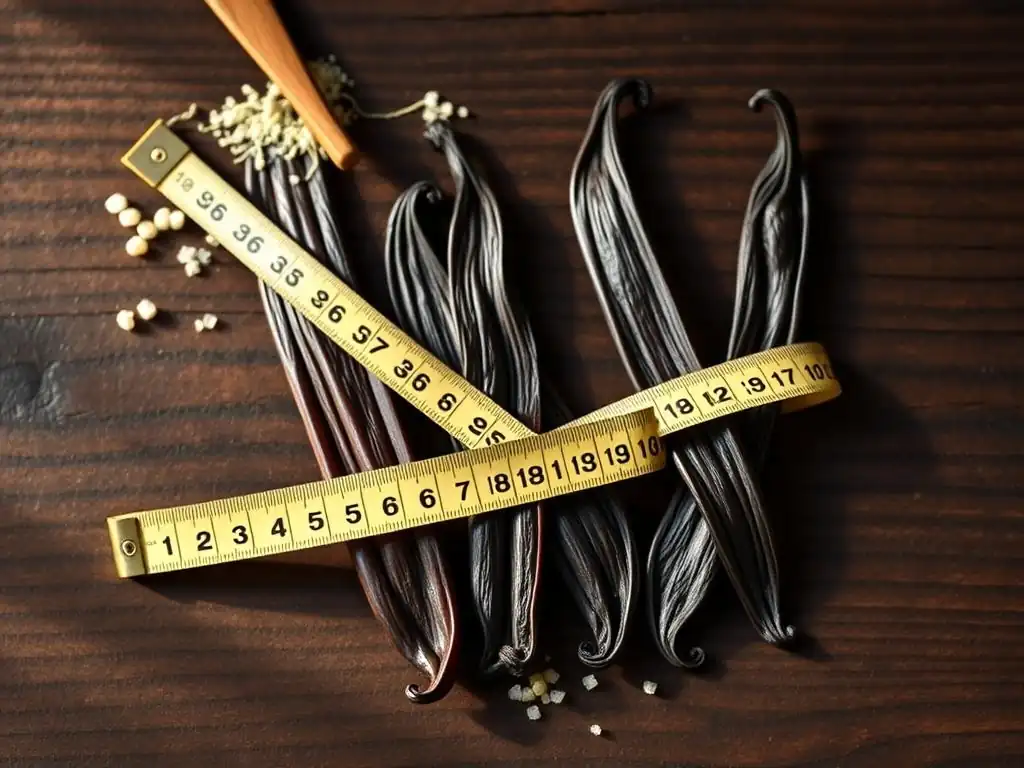
While often perceived as a quality indicator, size and length are secondary to other factors like aroma, texture, and plumpness. Gourmet vanilla beans typically range from about 5 to 8 inches (roughly 13 to 20 cm) long. Longer beans can sometimes be older or more mature, potentially having a higher vanillin content, but this isn't always the case.
More important than mere length is the bean's plumpness and weight relative to its size. A shorter, fatter bean that is moist and heavy often contains more seeds and flavor compounds than a long, thin, dry one. Focus on finding beans that feel substantial and look full, rather than fixating solely on length.
Vanilla Bean Origin: Exploring the Impact of Terroir
The origin of a vanilla bean profoundly impacts its flavor profile due to variations in climate, soil, and traditional curing methods—the concept of terroir. Vanilla is cultivated in a number of regions around the world, primarily in tropical areas. Each region produces beans with distinct characteristics that can lend unique notes to your baking.
Understanding the origin helps bakers select beans that will best complement their recipes. For instance, using a vanilla bean from a specific region can add an authentic touch or an unexpected flavor dimension to a classic dish, making it a fun area for bakers to explore and experiment with different vanilla bean quality indicators based on geography.
Madagascar Vanilla Beans: A Popular Choice
Madagascar is the world's largest producer of vanilla, accounting for a significant majority of the global supply, sometimes cited as 70-80%. These beans are from the Vanilla planifolia species and are cured using the traditional Bourbon method. They are renowned for their classic, sweet, creamy, and rich vanilla flavor, often considered the benchmark.
Madagascar Bourbon vanilla beans are incredibly versatile and are the go-to choice for many bakers for everyday use in cakes, cookies, custards, and ice cream. Their high vanillin content provides a strong, familiar vanilla presence that pairs well with a wide range of other flavors.
Tahitian Vanilla Beans: Known for Floral Notes
Tahitian vanilla beans ( Vanilla tahitensis) are a different species, primarily grown in French Polynesia and Papua New Guinea. They are typically plumper and more moist than planifolia beans. Their flavor profile is distinctly different, featuring more floral, fruity, and sometimes spicy or anise-like notes.
These unique characteristics make Tahitian vanilla beans a favorite for pastry chefs working on delicate desserts like panna cotta, fruit tarts, or light mousses. Their complex, aromatic qualities can add a sophisticated layer of flavor that stands out in simpler preparations.
Mexican Vanilla Beans: A Spicy Alternative
Mexican vanilla beans ( Vanilla planifolia) are native to Mexico, the birthplace of vanilla. While production is smaller than in Madagascar, Mexican vanilla offers a compelling alternative. Its flavor profile often includes smoky, spicy, and sometimes woody undertones alongside the classic sweetness.
Mexican vanilla beans are excellent for recipes where a warmer, spicier vanilla note is desired. They pair wonderfully with chocolate, cinnamon, chili, and other warm spices, adding depth and complexity to brownies, mole sauces, or spiced baked goods.
Vanilla Extract Quality Indicators: Ensuring Rich Flavor in Your Baking
Decoding Vanilla Extract Labels: What to Watch Out For
Choosing a quality vanilla extract starts with reading the label carefully. The most important distinction is between "Pure Vanilla Extract" and "Imitation Vanilla Extract." According to standards in the United States, Pure Vanilla Extract must be made by macerating vanilla beans in alcohol and water, containing at least 35% alcohol and a minimum concentration of vanilla bean extractives.
Imitation vanilla extract, on the other hand, is typically made using synthetic vanillin, often derived from wood pulp or petrochemicals. While it provides a basic vanilla flavor, it lacks the hundreds of other aromatic compounds found in real vanilla beans, resulting in a flatter, less complex taste compared to pure extract. Always opt for "Pure Vanilla Extract" for the best flavor in your baking.
Pure Vanilla Extract vs. Imitation Vanilla Extract
The difference between pure and imitation vanilla extract is fundamental and significantly impacts the flavor of your baked goods. Pure extract is derived from real vanilla beans, capturing their full spectrum of complex flavors. It adds depth, nuance, and a rich aroma that develops beautifully during baking.
Imitation vanilla provides only the primary flavor compound, vanillin, in isolation. While it smells somewhat like vanilla and tastes sweet, it lacks the subtle, layered notes that make pure vanilla so special. For any recipe where vanilla is a key flavor, using pure extract is essential to achieve a truly delicious result.
Vanilla Extract Alcohol Content: Impact on Flavor
Alcohol plays a crucial role in pure vanilla extract; it acts as a solvent to extract the flavor compounds from the vanilla beans and also serves as a preservative. US FDA standards require pure vanilla extract to contain at least 35% alcohol by volume. This level ensures efficient extraction and a stable product.
Extracts with significantly lower alcohol content (sometimes labeled as "vanilla flavor" instead of "extract") may not have extracted as many flavor compounds or might rely on other solvents like glycerin, which can affect the flavor profile. While the alcohol evaporates during baking, its presence in the extract is vital for creating a potent and flavorful product.
Color and Clarity: Evaluating Vanilla Extract's Visual Appeal
The appearance of pure vanilla extract can offer clues to its quality. It should have a rich, dark amber to brown color, similar to strong tea or coffee. This color comes directly from the pigments extracted from the vanilla beans. The depth of color can sometimes indicate the concentration of vanilla solids, with darker extracts often being more potent.
A good quality pure extract should also be relatively clear, though some very fine sediment from the beans is occasionally present, particularly in less filtered varieties. Be wary of extracts that appear unnaturally light in color or seem cloudy without obvious sediment, as this could indicate a lower concentration of vanilla or the presence of undesirable substances.
Aroma: Judging the Scent of Quality Vanilla Extract
Just like with vanilla beans, the aroma of vanilla extract is a primary indicator of its quality. A high-quality pure vanilla extract should have a strong, pleasant, and complex vanilla scent that is characteristic of real beans. The aroma should fill your senses with sweet, warm, and potentially nuanced notes depending on the origin of the beans used.
In contrast, imitation vanilla extract often has a harsh, chemical, or overly sweet smell that lacks the depth of pure vanilla. A weak aroma in pure extract might suggest that fewer vanilla beans were used in the extraction process, resulting in a less potent flavor. A quick sniff test can tell you a lot about the extract's potential.
Taste Test: Determining Vanilla Extract Flavor Intensity
While you won't be drinking it straight, tasting a tiny drop of vanilla extract can help you assess its flavor intensity and profile before using it in your baking. A high-quality pure vanilla extract, despite being concentrated and alcoholic, should have a discernible, complex vanilla flavor. It should taste like the concentrated essence of vanilla beans, not just alcohol or sweetness.
Compare different pure extracts side-by-side to notice the variations in flavor notes—some might be sweeter, others woodier or more floral, depending on the bean origin. A good extract will leave a pleasant, lingering vanilla flavor on your palate, indicating its potency and richness for baking applications.
Vanilla Bean vs. Extract: A Side-by-Side Comparison for Baking
Flavor Profile: Vanilla Bean vs. Extract
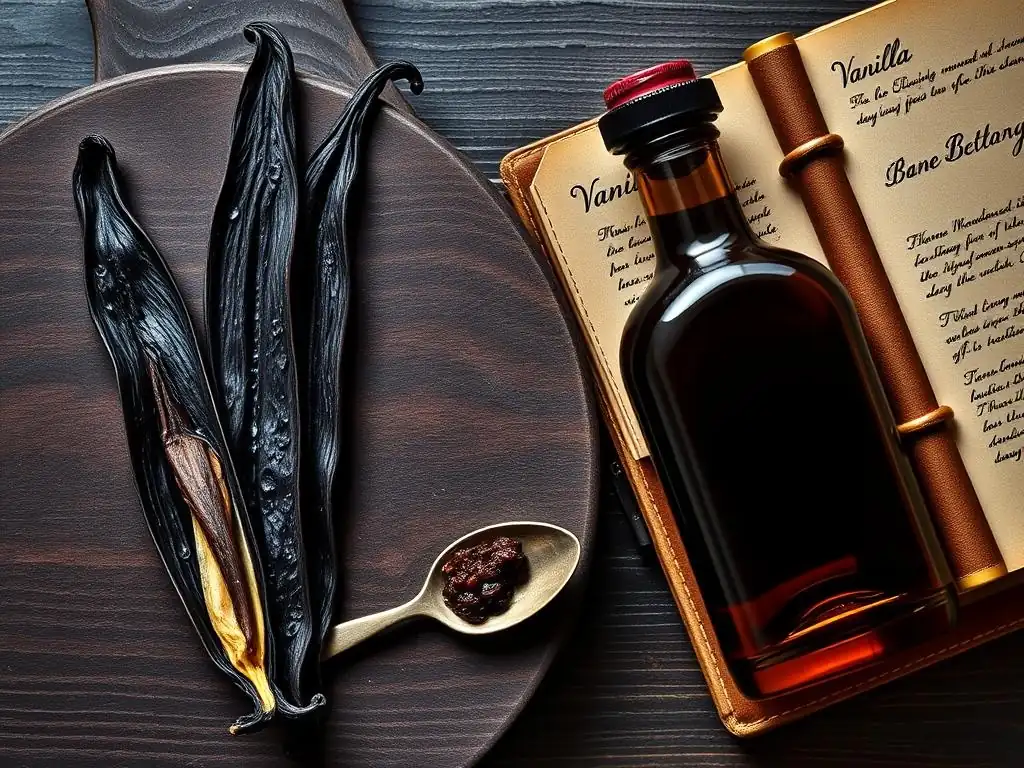
The flavor profile is arguably the biggest difference between vanilla beans and extract. Vanilla beans, containing the full spectrum of natural compounds within the seeds and pod, offer the most complex, nuanced, and authentic vanilla flavor. When you scrape a bean, you get the concentrated "vanilla caviar" plus the flavor extracted into liquids from the pod, providing a richness unmatched by extract alone.
Pure vanilla extract, while capturing many of these compounds, provides a more consistent and generally stronger overall vanilla flavor. It's excellent for adding a reliable vanilla note throughout a batter or dough. While it lacks the subtle nuances of the whole bean, it delivers a potent and familiar vanilla taste that is perfect for most everyday baking needs.
Cost-Effectiveness: Vanilla Bean vs. Extract
From a purely financial standpoint, pure vanilla extract is generally more cost-effective for everyday baking compared to using whole vanilla beans. High-quality gourmet vanilla beans are expensive, with a single bean potentially costing $5 to $10 or even more, depending on origin and market conditions.
Using extract allows you to achieve a strong vanilla flavor in many recipes for a lower cost per batch. Vanilla beans are often reserved for special occasions or recipes where vanilla is the star ingredient and the full complexity and visual appeal (the seeds) are desired and appreciated, justifying the higher expense.
Ease of Use: Vanilla Bean vs. Extract in Recipes
Vanilla extract wins hands-down in terms of ease of use. It's a liquid that can be quickly measured and stirred into any mixture, requiring no special technique beyond accurate measurement. This convenience makes it ideal for busy bakers or large-batch recipes.
Using a vanilla bean requires a few extra steps: slicing the bean lengthwise and scraping out the tiny seeds (the "vanilla caviar") with the back of a knife. The leftover pod is often steeped in warm liquids to extract more flavor. While not difficult, it adds a small amount of time and effort compared to pouring extract.
Shelf Life: Vanilla Bean vs. Extract
When stored properly, both vanilla beans and pure vanilla extract have a relatively long shelf life, though extract is generally more stable over extended periods. Pure vanilla extract, due to its alcohol content, can last for years, potentially even indefinitely, without spoiling, although its flavor might mellow slightly over time.
Vanilla beans, if stored correctly in an airtight container away from light and heat, can maintain their quality for several months up to a year or more. However, they are more susceptible to drying out or developing mold if not stored in optimal conditions compared to the stable liquid form of extract.
Storing Vanilla Beans and Extract: Maintaining Quality and Flavor
Proper Vanilla Bean Storage Techniques
To maintain the quality and flavor of your precious vanilla beans, proper storage is essential. The best method is to store them in an airtight container, such as a glass tube or jar. This prevents moisture loss, which is the primary cause of beans drying out and losing flavor. Avoid refrigerating vanilla beans, as the cold temperature can actually dry them out faster or promote mold growth if condensation occurs.
Keep the airtight container in a cool, dark place, away from direct sunlight and heat sources like your oven. Some bakers store beans with a small amount of alcohol (like vodka) to maintain pliability, but ensure the container is truly airtight to prevent alcohol evaporation and potential dilution of the bean's flavor.
Optimal Vanilla Extract Storage Practices
Storing pure vanilla extract is straightforward and helps preserve its potency and flavor for years. Like many liquid extracts, it should be stored in a cool, dark place, away from direct sunlight and significant heat fluctuations. A pantry or cupboard is an ideal location.
Ensure the cap or lid is tightly sealed after each use. This prevents the alcohol from evaporating, which could weaken the extract over time. Unlike vanilla beans, vanilla extract does not need to be refrigerated; room temperature storage in a cool, dark place is perfectly sufficient for its long-term stability.
Using Vanilla Beans and Extract in Baking: Tips and Techniques from BakeWithEase
Vanilla Bean Paste: A Convenient Alternative
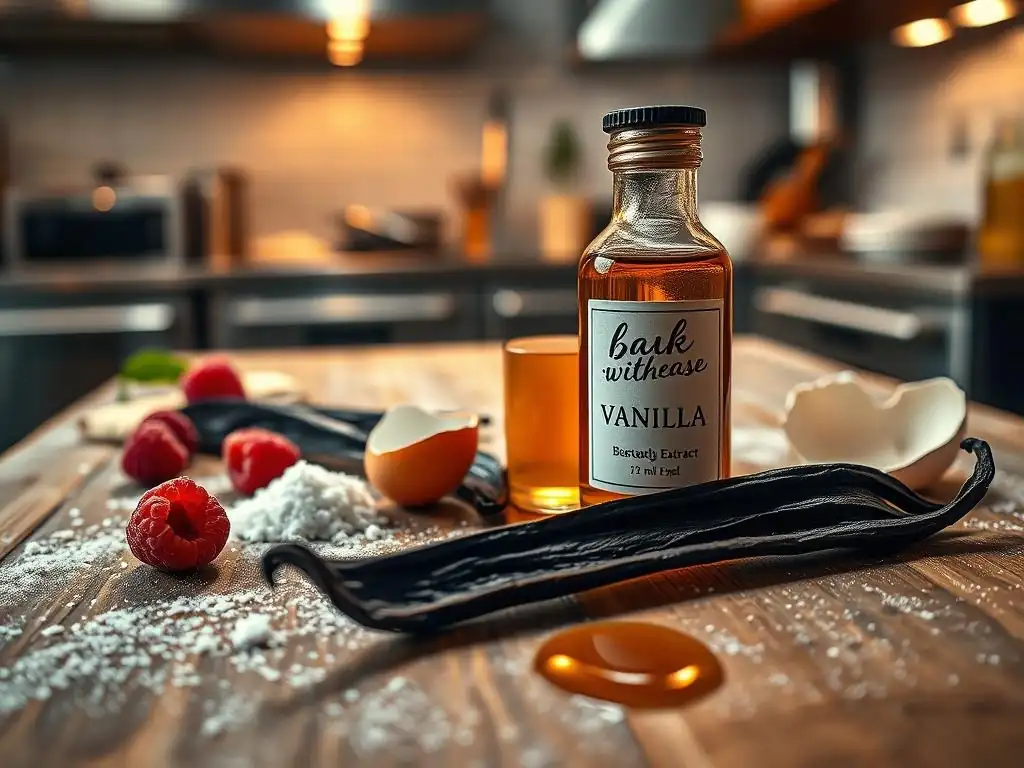
For bakers who want the visual appeal of vanilla bean seeds and a strong vanilla flavor without the effort of scraping beans, vanilla bean paste is an excellent alternative. This product is typically made from a concentrated pure vanilla extract combined with vanilla bean seeds, often suspended in a thick, syrupy base like glucose or corn syrup.
Vanilla paste offers the ease of measuring like extract but provides the characteristic black flecks seen when using whole beans. It's a fantastic choice for recipes where the visual presence of vanilla seeds is desired, such as ice cream, whipped cream, frostings, or crème brûlée. It's generally substituted for extract in a 1:1 ratio, though checking the specific product's recommendations is always wise.
Making Your Own Vanilla Extract: A DIY Project
Making your own pure vanilla extract is a rewarding project that allows you to control the quality and origin of the vanilla beans used. The process is simple: split high-quality vanilla beans lengthwise and submerge them in a high-proof, neutral alcohol, typically 80-proof (40% alcohol) vodka, rum, or bourbon. A common ratio is roughly 1 ounce (about 28 grams) of beans per cup (about 240 ml) of alcohol.
The key to homemade extract is patience. It needs several months to steep and develop flavor—at least 6 months, but ideally 12 months or even longer for maximum potency and complexity. Once ready, you'll have a rich, pure vanilla extract made to your specifications, which can be more cost-effective over time and makes a wonderful homemade gift.
Conclusion: Choosing the Right Vanilla for Your Baking Needs
Prioritizing Quality for the Best Baking Results
Ultimately, the choice between vanilla bean, pure vanilla extract, or even vanilla bean paste depends on your recipe, desired flavor intensity, budget, and willingness to put in a little extra effort. However, regardless of the form you choose, prioritizing quality is paramount. Understanding the vanilla bean quality indicators discussed here—aroma, texture, appearance, origin—and ensuring your extract is pure and potent are the most important steps.
Investing in high-quality vanilla, whether it's a plump, fragrant bean or a rich, pure extract, makes a noticeable difference in the final taste of your baked goods. We encourage you to experiment with different origins and forms of vanilla to discover your favorites and see how they can elevate everything you bake. Choose quality, and your baking will truly shine with the unparalleled flavor of real vanilla.
Frequently Asked Questions
How can I tell the difference between a high-quality vanilla bean and a low-quality one?
A high-quality vanilla bean is typically plump and oily, with a rich, dark brown color. It should also be fragrant and flexible, not dry or brittle.
What are the key indicators of a good vanilla extract?
Good vanilla extract has a strong, pure vanilla aroma and a dark amber color. Avoid extracts with a thin consistency or artificial smells.
Why is it important to consider "vanilla bean quality indicators" before purchasing vanilla for baking?
Considering these indicators ensures you get the best flavor and aroma in your baked goods. Low-quality vanilla can result in a bland or off-putting taste.
Does the origin of a vanilla bean affect its quality, and if so, what should I look for?
Yes, origin matters. Look for vanilla beans from regions known for quality, such as Madagascar, Tahiti, or Mexico. Each origin offers unique flavor profiles.
How should I store vanilla beans and extract to maintain their quality?
Vanilla beans should be stored in an airtight container in a cool, dark place. Vanilla extract should also be stored in a cool, dark place away from direct sunlight.
Final Reflection: The Enduring Allure of Authentic Vanilla
The quest for high-quality vanilla is more than just a culinary pursuit; it's a journey into the heart of flavor and sustainability. The subtle nuances between vanilla bean and extract, as explored in this article, highlight a growing consumer awareness of ingredient sourcing and the importance of understanding what truly constitutes "good" vanilla. This isn't simply about taste; it's about supporting ethical practices and appreciating the complex process behind this beloved spice.
The impact of this exploration extends beyond the kitchen, touching upon broader conversations surrounding food transparency and the value of artisanal production. We've seen a rise in demand for ethically sourced ingredients, a direct reflection of a more informed and discerning consumer base. This shift is crucial for preserving traditional farming methods and ensuring the long-term viability of vanilla production. The best things in life are worth waiting for,
and the rich, complex flavor of a high-quality vanilla bean is a testament to that truth.
Now, consider your own vanilla choices. Are you consciously selecting beans or extracts based on the indicators discussed? I encourage you to take a moment to examine the labels of your vanilla products, to appreciate the journey from bean to bottle, and to make informed choices that support both your palate and sustainable practices. By understanding the subtle differences and prioritizing quality, you're not just enhancing your baking; you're participating in a movement towards greater transparency and appreciation for the artistry of food production.
Unlock the Secrets to Perfect Vanilla!
Thanks for taking the time to explore the world of vanilla with us! You've now got the knowledge to choose the best quality vanilla for your baking. Ready to put your newfound expertise to the test?
- Bake something amazing! Use your favorite vanilla bean or extract and create a delicious treat – let us know how it turns out in the comments below!
- Share your vanilla wisdom! Let your friends in on your new vanilla-choosing skills. What's your favorite way to use high-quality vanilla?
- Challenge yourself: Try a recipe you've always wanted to make, but hesitated due to the vanilla ingredient. Let's conquer that baking bucket list together!
What's the first thing you'll bake with your newly acquired knowledge of vanilla?