
Using Frozen Fruit in Baking: Tips You Need

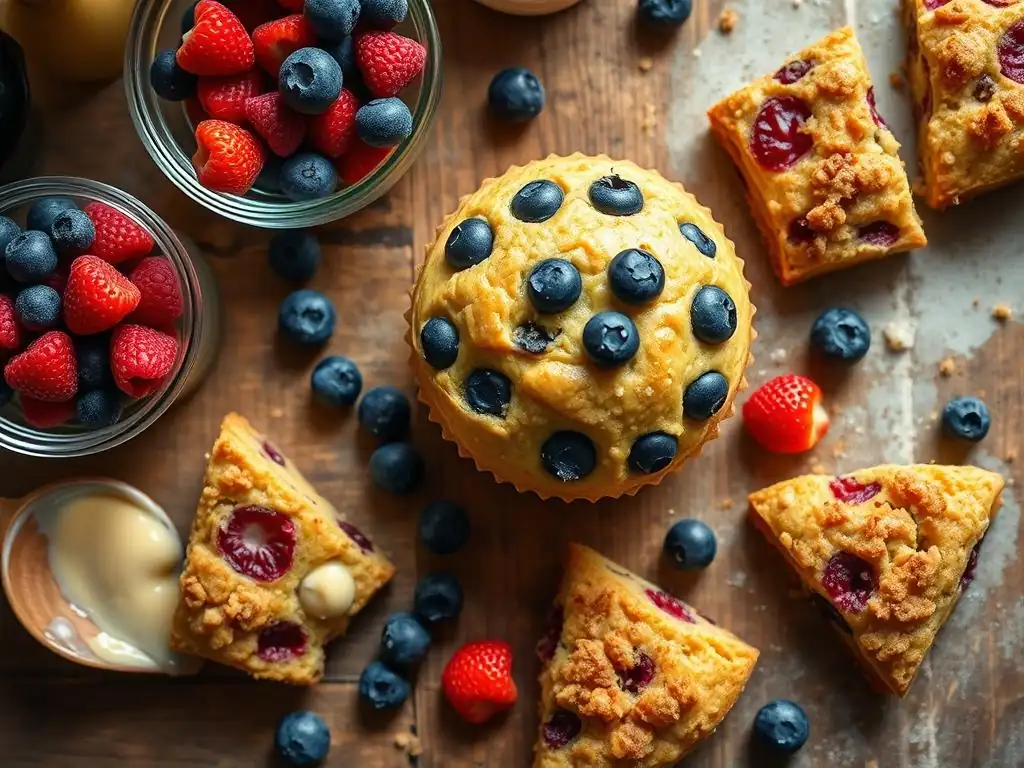
Welcome to BakeWithEase, where the joy of baking meets effortless execution! Ready to unlock a world of flavor and convenience? Dive into our latest guide and discover essential frozen fruit baking tips that will transform your pastries, breads, and desserts. Curious how to avoid soggy bottoms and maximize flavor? Let's get baking!
- Using Frozen Fruit in Baking: Tips You Need | BakeWithEase
- Baking with Frozen Fruit: A Comprehensive Guide for BakeWithEase Bakers
- Why Choose Frozen Fruit for Baking? Advantages for Home Bakers
- Essential Frozen Fruit Baking Tips for Perfect Results
- Best Frozen Fruits for Baking: A Baker's Guide
- Frozen Fruit Baking Recipe Adaptations: From Fresh to Frozen
- Troubleshooting Common Frozen Fruit Baking Problems
- Delicious Frozen Fruit Baking Recipes to Get You Started
- Storing Baked Goods Made with Frozen Fruit
- Conclusion: Mastering the Art of Baking with Frozen Fruit with BakeWithEase
-
Frequently Asked Questions
- How does using frozen fruit impact the texture of baked goods?
- What's the best way to prevent frozen fruit from bleeding its color into my batter?
- Do I need to thaw frozen fruit before using it in baking recipes?
- What types of frozen fruit are best suited for baking?
- How should I adjust baking times when using frozen fruit?
- Final Reflection: The Sweet Success of Frozen Fruit Baking
- Unlock Your Freezer's Baking Potential!
Using Frozen Fruit in Baking: Tips You Need | BakeWithEase
Baking with Frozen Fruit: A Comprehensive Guide for BakeWithEase Bakers
Unlock the Secrets of Baking with Frozen Fruit
Baking with frozen fruit can seem daunting at first, but it's a fantastic way to enjoy your favorite fruits in baked goods year-round. Unlike fresh fruit, which can be highly seasonal and perishable, frozen fruit offers consistent quality and availability. Mastering the art of using frozen fruit involves understanding how its unique properties – primarily its moisture content and temperature – interact with your batter and baking process.
This guide delves into the essential frozen fruit baking tips that will help you achieve perfect results every time. From preventing soggy bottoms to ensuring even fruit distribution, we'll cover the techniques that allow you to confidently substitute fresh fruit with frozen alternatives in many recipes. Whether you're whipping up muffins, pies, crumbles, or cakes, incorporating these simple adjustments will elevate your baking and unlock a world of possibilities with frozen fruit.
Why Choose Frozen Fruit for Baking? Advantages for Home Bakers
Convenience and Availability of Frozen Berries and Fruits
One of the most significant advantages of using frozen fruit in baking is unparalleled convenience. Frozen fruits, especially berries, come pre-washed and often pre-cut or whole in ready-to-use packages. This eliminates the time-consuming steps of washing, hulling, pitting, or peeling, allowing you to move directly to the baking process. For busy home bakers, this saved prep time is invaluable.
Furthermore, frozen fruit ensures that you have access to a wide variety of fruits regardless of the season. Craving a strawberry rhubarb pie in December? Frozen strawberries and rhubarb make it possible. Want fresh blueberry muffins in winter? The freezer aisle has you covered. This year-round availability means you're never limited by what's in season at your local market, expanding your baking repertoire significantly and making it easier to plan your baking projects.
Cost-Effectiveness of Using Frozen Fruit in Your Baked Goods
Frozen fruit often presents a more budget-friendly option compared to its fresh counterpart, particularly when the fresh fruit is out of season or considered a specialty item. During peak season, fresh fruit prices might be competitive, but off-season prices can skyrocket. Frozen fruit, however, maintains a relatively stable price point throughout the year because it's typically processed and frozen at the peak of its harvest when supply is abundant.
Buying frozen fruit also minimizes waste. Since it's frozen immediately after picking, its shelf life is significantly extended compared to fresh fruit, which can spoil quickly. You can use just the amount you need for a recipe and store the rest back in the freezer for future use, reducing the likelihood of throwing away unused fruit. This cost-effectiveness makes exploring various frozen fruit baking tips an economical choice for regular bakers.
Year-Round Baking with Seasonal Fruits Made Easy
The seasonality of fresh fruit means that certain beloved recipes are often relegated to specific times of the year. For instance, plump, juicy peaches are synonymous with summer baking, while cranberries are a staple of fall and winter holidays. Using frozen fruit breaks down these seasonal barriers, allowing you to enjoy your favorite fruit-based baked goods any time you desire.
This consistent availability not only satisfies cravings but also encourages experimentation. You're free to try that cherry clafoutis recipe in spring or bake a tropical mango cake in autumn. Frozen fruit, captured at its ripeness peak, retains much of its flavor and nutritional value, ensuring that your baked goods are delicious and vibrant no matter when you bake them. This flexibility is a key benefit when applying frozen fruit baking tips.
Essential Frozen Fruit Baking Tips for Perfect Results
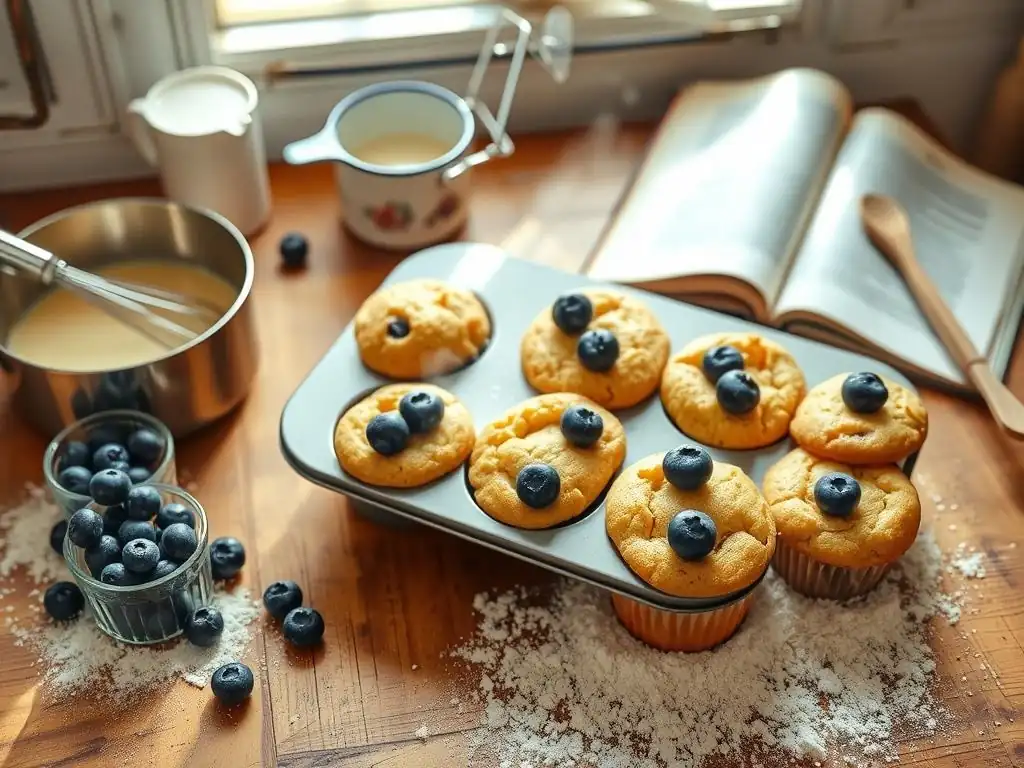
Tip #1: Don't Thaw (Usually!) - Baking Directly with Frozen Fruit
For most baking applications, particularly when dealing with berries in muffins, cakes, or quick breads, it's best to add the fruit directly from the freezer to the batter. Thawing fruit before adding it can cause it to become mushy and lose its structure, leading to a less appealing texture in the final baked good. Adding it frozen helps the fruit hold its shape better during the mixing and baking process.
Adding frozen fruit directly also helps prevent it from sinking to the bottom of the batter. The cold temperature keeps the fruit firmer, allowing it to be more evenly suspended throughout the mixture, especially when combined with other techniques like coating the fruit in flour (discussed below). This is a fundamental technique among effective frozen fruit baking tips.
Exceptions to the Rule: When to Thaw Frozen Fruit (e.g., Sliced Apples for Tarts)
While the "don't thaw" rule applies broadly, there are specific instances where thawing is necessary or beneficial. For larger fruits like sliced peaches or apples used in pies, tarts, or cobblers, thawing allows you to better manage the moisture release and achieve the desired texture. If you were to add large frozen slices directly, they might release too much water too quickly during baking, resulting in a soggy crust or filling.
When thawing, it's recommended to do so in a colander set over a bowl. This allows excess liquid to drain away, which is crucial for preventing overly wet results in your baked goods. Gently patting the thawed fruit dry with paper towels can further help manage moisture before incorporating it into your recipe. This careful approach to thawing is a vital part of advanced frozen fruit baking tips for certain recipes.
Tip #2: Adjust Your Baking Time for Frozen Fruit
Adding frozen fruit introduces a significant amount of cold mass into your batter or filling. This coldness lowers the overall temperature of the mixture and requires more energy (heat) from the oven to bake through. As a result, baked goods containing frozen fruit typically require a longer baking time compared to those made with fresh fruit.
The exact increase in baking time varies depending on the recipe, the amount of fruit used, and the size of the baked item. Generally, expect to add anywhere from 5 to 15 minutes to the original baking time. Keep a close eye on your baked goods towards the end of the original baking time and test for doneness using standard methods, such as inserting a toothpick into cakes or muffins.
Understanding the Impact of Frozen Fruit on Baking Temperature
While you extend the time, you generally do not need to adjust the temperature of your oven when using frozen fruit. The standard baking temperature specified in the recipe should be maintained. The increased baking time accounts for the extra energy needed to heat the fruit and bake the surrounding batter. Attempting to raise the temperature significantly might cause the outside of your baked good to brown too quickly before the inside is fully cooked, especially around the cold fruit.
Monitoring the internal temperature of your baked goods, if possible, can also be a useful technique. For instance, muffins are typically done when their internal temperature reaches around 200-210°F (93-99°C). The extended baking time needed due to the frozen fruit ensures that the center, where the fruit is coldest, has sufficient time to cook through properly. This understanding is key to mastering frozen fruit baking tips.
Tip #3: Toss Frozen Fruit in Flour Before Adding to Batter
This is one of the most widely recommended frozen fruit baking tips, and for good reason. Coating frozen fruit, particularly berries, in a small amount of flour (about 1-2 tablespoons per cup of fruit) before gently folding it into your batter serves two primary purposes: preventing sinking and minimizing bleeding.
The flour coating creates a slight barrier around each piece of fruit. As the fruit begins to thaw and release moisture during baking, this flour absorbs some of the liquid. This absorption helps the fruit stay suspended in the batter rather than sinking to the bottom. It's particularly effective in lighter batters like those for muffins or quick breads.
Preventing Sinking and Bleeding with a Flour Coating
Beyond preventing sinking, the flour coating also helps to control the "bleeding" of color from vibrant fruits like blueberries or raspberries into the surrounding batter. The absorbed moisture and the barrier created by the flour reduce the likelihood of streaks of color running through your cake or muffin. While some slight bleeding might still occur, the flour significantly mitigates it, resulting in a cleaner appearance.
Use just enough flour to lightly coat the fruit – too much can make the batter dry or create floury pockets. A simple method is to place the frozen fruit in a bowl, sprinkle the flour over it, and gently toss with a spoon or rubber spatula until the fruit is lightly dusted. Then, immediately add it to your batter following the recipe instructions.
Tip #4: Reduce Liquids in Your Recipe When Using Frozen Fruit
Frozen fruit, even if not fully thawed before baking, will release moisture as it heats up in the oven. This added liquid can significantly impact the consistency of your batter or filling, potentially leading to a soggy texture or an unbalanced final product. To counteract this, it's often necessary to slightly reduce the amount of liquid called for in the original recipe when substituting fresh fruit with frozen.
The amount of reduction needed depends on the type and quantity of fruit used. Berries, for instance, tend to release more moisture than denser fruits like peaches. A general guideline might be to reduce the primary liquid (like milk, buttermilk, or water) by about 1/4 cup per cup of frozen fruit used, or by approximately 10-15% of the total liquid volume. However, this requires some judgment and understanding of the original recipe's batter consistency.
Counteracting Excess Moisture from Frozen Berries
Berries are notorious for releasing a lot of juice when heated. If you're using frozen blueberries, raspberries, or blackberries, reducing the liquid is particularly important. For recipes where the batter is already quite wet (like some cake or muffin recipes), a moisture reduction is almost always necessary. In recipes where the liquid is critical for structure (like yeast breads), you might need to be more cautious with the reduction.
Alternatively, for pies and tarts, you might need to increase the amount of thickener (like flour, cornstarch, or tapioca starch) used in the filling to absorb the extra moisture released by the frozen fruit. For example, if a pie recipe calls for 2 tablespoons of flour for fresh fruit, you might increase it to 3 or 4 tablespoons for frozen fruit. Experimentation and paying attention to the texture of your filling are key aspects of these frozen fruit baking tips.
Tip #5: Gently Fold Frozen Fruit into Your Batter
Once you've coated your frozen fruit in flour and potentially adjusted your liquids, the final step before baking is incorporating the fruit into your batter. It's crucial to do this gently and minimally. Overmixing the batter after adding the fruit can cause the fruit to break apart, leading to excessive bleeding and a less defined fruit texture in the final product.
Use a rubber spatula or a large spoon to gently fold the fruit into the batter until it is just evenly distributed. Avoid using an electric mixer at this stage. Overmixing can also develop the gluten in the flour too much, resulting in tough baked goods, especially in muffins and cakes. The goal is to combine the fruit with the batter with as few strokes as possible.
Preventing Crushing and Maintaining Fruit Integrity
Gentle folding helps to keep the fruit pieces intact. This is particularly important for delicate berries like raspberries or blackberries, which can easily turn into mush if handled too roughly. Maintaining the integrity of the fruit pieces contributes to the visual appeal and texture of the finished baked item.
Adding the fruit as the very last ingredient before portioning the batter into pans or baking dishes is the best practice. This minimizes the time the frozen fruit spends in the batter, further reducing the chance of thawing and subsequent bleeding or sinking before the item goes into the oven. Following this technique is a core component of effective frozen fruit baking tips.
Best Frozen Fruits for Baking: A Baker's Guide
Frozen Berries: Blueberries, Raspberries, Strawberries, and Blackberries
Berries are arguably the most popular type of frozen fruit used in baking, and for good reason. Their small size makes them easy to incorporate into batters, and their vibrant flavors hold up well to heat.
Baking with Frozen Blueberries: Tips for Muffins and Cakes
Frozen blueberries are a staple for muffins, pancakes, and coffee cakes. They are relatively sturdy and less prone to turning to mush than other berries. The primary concern is preventing them from sinking and bleeding.
Tossing them in flour (as discussed in Tip #3) is highly effective. For recipes where vibrant blue streaks are undesirable, some bakers even rinse frozen blueberries briefly under cold water and pat them dry before tossing in flour, though this adds a slight risk of thawing. Bake blueberry muffins or cakes until a toothpick inserted into the center (avoiding a berry) comes out clean, noting the likely extended baking time.
Using Frozen Raspberries in Scones and Crumbles
Frozen raspberries, while more delicate than blueberries, add a wonderful tartness and vibrant color to baked goods like scones, crumbles, and quick breads. Because they are fragile, gentle handling is paramount. Ensure they are thoroughly coated in flour and folded in minimally. In scones, they create beautiful pockets of bright flavor. For crumbles or crisps, they can be added directly to the bottom layer of fruit before topping, often benefiting from a tablespoon or two of extra thickener like cornstarch mixed with the sugar.
Frozen Strawberries in Pies and Cobblers: Best Practices
Frozen strawberries are excellent for pies, cobblers, and jams. For pies and cobblers, it is often best to partially thaw them in a colander to drain off some excess liquid (see Tip #1 exceptions). Mix the partially thawed (but still cold) strawberries with your sugar and thickener (flour, cornstarch, or tapioca starch). You will likely need more thickener than if using fresh strawberries – perhaps 1/4 to 1/3 more. Ensure the filling is well mixed before adding it to your crust or baking dish.
Frozen Stone Fruits: Peaches, Cherries, and Plums
Frozen stone fruits, typically sold sliced or pitted, offer a taste of summer any time of year.
Baking with Frozen Peaches: Recipes and Techniques
Frozen peach slices are fantastic in pies, cobblers, crisps, and even upside-down cakes. Like strawberries, they benefit from partial thawing in a colander to manage moisture release. Once partially thawed and drained, mix them with sugar, spices (like cinnamon or nutmeg), and a thickener. For a standard 9-inch pie, you might use 1.5 to 2 pounds of frozen peach slices and 3-4 tablespoons of cornstarch or flour. Ensure your pie crust is adequately vented to allow steam to escape during the extended baking time required for frozen fruit.
Frozen Cherries in Clafoutis and Cherry Pie
Frozen cherries, usually pitted, are perfect for cherry pies, clafoutis, muffins, and scones. If using in pies or clafoutis, partial thawing and draining is advisable to control moisture. For a cherry pie, use approximately 1.5 to 2 pounds of frozen cherries and adjust your thickener accordingly. Cherries release a good amount of juice, so be generous with cornstarch or tapioca. In a clafoutis, where the batter is liquid, simply fold in the frozen cherries (coated in a little flour if desired) just before pouring the batter into the dish.
Other Frozen Fruits: Mango, Pineapple, and Rhubarb
Beyond berries and stone fruits, other frozen options can add exciting flavors to your baking.
Using Frozen Mango in Tropical-Themed Baked Goods
Frozen mango chunks are wonderful in quick breads, muffins, and cakes, lending a tropical sweetness. Because mango can be quite juicy, it's often best to use it in recipes that can handle a bit more moisture or to drain it well after thawing if a firmer texture is desired. Tossing frozen mango chunks in flour before adding them to batter helps prevent sinking. Consider pairing mango with flavors like coconut, lime, or ginger for delicious tropical baked goods.
Baking with Frozen Pineapple: Tips for Cakes and Breads
Frozen pineapple chunks or crushed pineapple add a tangy sweetness, perfect for upside-down cakes, muffins, or fruit breads. Like mango, pineapple releases a fair amount of juice. For recipes where excess moisture is a concern, draining thawed pineapple is recommended. In cakes or breads where the batter is robust, you might be able to add frozen chunks directly after coating in flour. Ensure adequate baking time as pineapple's acidity can sometimes affect the rise.
Frozen Rhubarb in Crumbles and Pies: A Classic Choice
Frozen rhubarb, typically sold chopped, is a classic ingredient for crumbles, pies, and jams, often paired with strawberries. Rhubarb is very watery when frozen and thawed. It's essential to thaw frozen rhubarb in a colander and drain it thoroughly before using it in a pie or crumble filling. Mix the drained rhubarb with sugar and a generous amount of thickener (cornstarch or flour) to manage its moisture content during baking. A standard strawberry-rhubarb pie might use 1-1.5 pounds of frozen rhubarb (drained weight) and require 4-5 tablespoons of thickener.
Frozen Fruit Baking Recipe Adaptations: From Fresh to Frozen
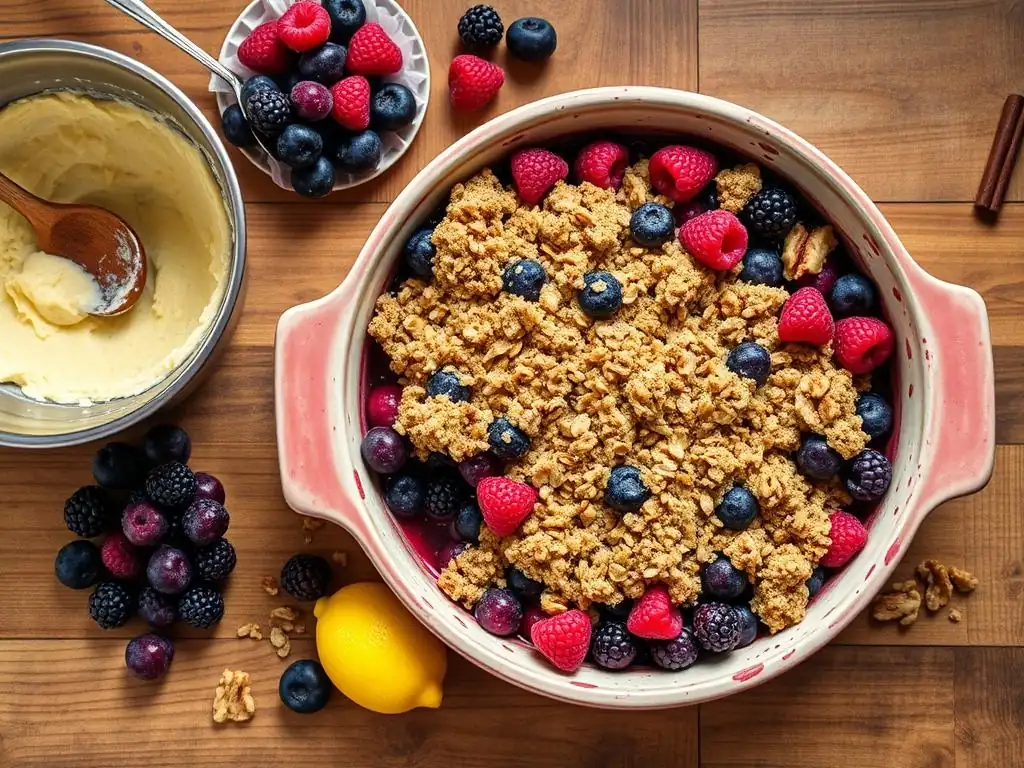
Converting Recipes to Use Frozen Fruit: A Simple Formula
Adapting a recipe designed for fresh fruit to use frozen fruit primarily involves addressing the differences in moisture and temperature. While there's no single perfect formula that works for every recipe, a good starting point is to consider the amount of fruit and the liquid in the original recipe.
- Fruit Quantity: Use roughly the same weight of frozen fruit as the fresh fruit called for. Volume measurements can be less reliable with frozen fruit due to packaging differences.
- Liquid Reduction: As a general rule, reduce the main liquid ingredient (milk, water, etc.) by approximately 10-15% or by about 1/4 cup per cup of frozen fruit. This is an estimate and may need adjustment based on the specific recipe and fruit.
- Thickener Increase (for fillings): For pies, cobblers, and similar fillings, increase the thickener (flour, cornstarch, tapioca) by 25-50% compared to the amount used for fresh fruit.
- Baking Time: Increase the baking time by 10-25%, keeping a close eye on doneness. Start checking 5-10 minutes past the original recipe's time.
These are guidelines; the best approach is often to make a small batch or test the consistency of your batter/filling and adjust as needed. Applying these frozen fruit baking tips helps ensure a successful conversion.
Adjusting Sugar Levels When Baking with Frozen Fruit
Frozen fruit is typically harvested at peak ripeness, which means its natural sugar content is often high. Additionally, commercial frozen fruits sometimes have a small amount of added sugar to help preserve color and texture, although unsweetened options are widely available. When using frozen fruit, especially in large quantities in fillings, consider slightly reducing the sugar called for in the original recipe.
Start by reducing the sugar by about 10-15% and taste your filling mixture (if applicable) before baking. You can always add a little more if needed. For batters where the sugar serves structural purposes beyond sweetness, be more cautious with reductions. Using unsweetened frozen fruit gives you the most control over the final sweetness level of your baked goods.
Choosing the Right Type of Flour for Frozen Fruit Recipes
The type of flour used in your recipe can also play a role when baking with frozen fruit. All-purpose flour is standard for many baked goods and works well when coated onto frozen fruit to prevent sinking and bleeding. However, for recipes prone to sogginess, especially with very juicy fruits, using a flour with slightly higher protein content, like bread flour (in moderation, as it can make things tough), or incorporating a portion of whole wheat flour might help absorb moisture.
For pie fillings where thickening is critical, using a combination of flour and another thickener like cornstarch or tapioca starch is often more effective than flour alone. Cornstarch provides a clearer, glossier finish, while flour creates a more opaque, gravy-like consistency. Tapioca starch is excellent for fruit fillings as it thickens well and freezes nicely if you plan to freeze the baked pie. Understanding how different flours and thickeners interact with the moisture from frozen fruit is a useful addition to your frozen fruit baking tips.
Troubleshooting Common Frozen Fruit Baking Problems
Preventing Soggy Bottoms When Using Frozen Fruit
Soggy bottoms are a common frustration, especially in pies and tarts made with frozen fruit. The primary culprit is the excess moisture released by the fruit during baking.
- Drain Thawed Fruit: If thawing is necessary (for pies/tarts), drain the fruit thoroughly in a colander and pat dry.
- Increase Thickener: Add more thickener (cornstarch, flour, tapioca) to your fruit filling than you would for fresh fruit.
- Pre-bake the Crust: For pies, consider partially pre-baking (blind baking) the bottom crust before adding the filling.
- Hot Baking Surface: Bake pies on a preheated baking sheet or pizza stone placed in the oven before adding the pie. This helps the bottom crust cook quickly.
- Proper Venting: Ensure your pie has adequate vents (slits in the top crust) to allow steam to escape.
Following these specific frozen fruit baking tips significantly reduces the risk of a soggy bottom.
Avoiding Fruit Bleeding in Your Baked Goods
Bleeding occurs when the color from vibrant fruits like blueberries or raspberries seeps into the surrounding batter, creating streaks.
- Coat in Flour: Tossing frozen fruit in a tablespoon or two of flour before adding to the batter is the most effective method.
- Add Frozen: Do not thaw fruit before adding it to batters (unless the recipe specifically requires it for a filling).
- Gentle Folding: Fold the fruit into the batter minimally and gently using a spatula.
- Last Ingredient: Add the fruit as the very last step before portioning the batter.
Dealing with Uneven Baking Due to Frozen Fruit
Adding cold, frozen fruit can sometimes lead to uneven baking, where the areas around the fruit might be less cooked than the fruit-free zones.
- Increase Baking Time: As discussed earlier, extend the baking time to ensure the entire item cooks through.
- Even Distribution: Ensure the fruit is evenly distributed throughout the batter or filling. Clumps of fruit can create cold spots. Tossing in flour helps with distribution.
- Monitor Doneness: Use a skewer or toothpick test in multiple spots, particularly areas likely to contain fruit, to ensure the center is fully cooked. An internal temperature reading (around 200-210°F for muffins/cakes) is the most reliable method.
Delicious Frozen Fruit Baking Recipes to Get You Started
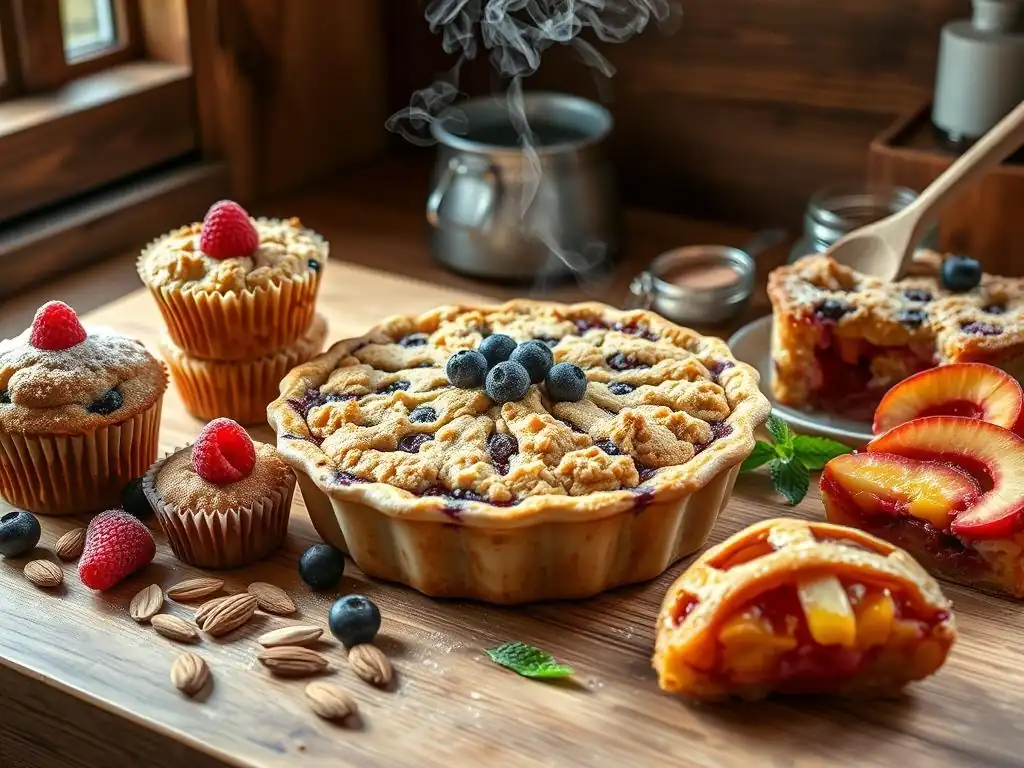
Ready to put these frozen fruit baking tips into practice? Here are some ideas for classic recipes that work wonderfully with frozen fruit.
Frozen Blueberry Lemon Muffins
A classic use for frozen blueberries! Remember to toss the frozen berries in flour and gently fold them into a standard lemon muffin batter. You might need to reduce the milk or buttermilk slightly and increase the baking time by 5-10 minutes. The frozen state helps keep the blueberries suspended, resulting in beautiful blue pockets throughout the fluffy muffin.
Frozen Raspberry White Chocolate Scones
Frozen raspberries add a delightful tart counterpoint to sweet white chocolate in scones. Add frozen, flour-coated raspberries to your scone dough during the final mixing stages, handling gently to avoid crushing. The cold raspberries help keep the dough cold, which is crucial for flaky scones. Bake until golden brown, potentially adding a few minutes to the usual baking time.
Frozen Peach and Almond Crumble
Frozen peach slices (partially thawed and well-drained) are perfect for a warm, comforting crumble. Mix the drained peaches with sugar, a bit of lemon juice, ground almonds, and a generous amount of cornstarch or flour. Top with a buttery almond crumble topping and bake until bubbly and the topping is golden, accounting for the longer baking time needed for the frozen fruit filling.
Storing Baked Goods Made with Frozen Fruit
Keeping Frozen Fruit Baked Goods Fresh for Longer
Baked goods made with frozen fruit, due to the potential for slightly higher moisture content, might have a slightly different storage profile than those made with fresh fruit.
- Cool Completely: Always allow baked goods to cool completely on a wire rack before storing. Storing warm items traps steam and can lead to sogginess.
- Airtight Container: Store cooled muffins, cakes, or breads in an airtight container at room temperature for 2-3 days.
- Refrigeration for Pies/Tarts: Pies and tarts with fruit fillings, especially those containing dairy or made in warm environments, are best stored in the refrigerator. Cover them loosely with plastic wrap or foil. They typically last 3-4 days.
- Freezing: Many baked goods made with frozen fruit freeze exceptionally well. Muffins, quick breads, and crumbles can be wrapped tightly in plastic wrap and then foil or placed in a freezer bag for up to 2-3 months. Pies can also be frozen, either baked or unbaked (check specific pie freezing instructions). Thaw in the refrigerator or at room temperature.
Proper storage helps maintain the texture and flavor achieved by following the best frozen fruit baking tips.
Conclusion: Mastering the Art of Baking with Frozen Fruit with BakeWithEase
Embrace the Convenience and Flavor of Frozen Fruit in Your Baking Journey.
Using frozen fruit in your baking opens up a world of possibilities, freeing you from the constraints of seasonality and offering unparalleled convenience. While it presents unique challenges related to moisture and temperature, applying a few key frozen fruit baking tips can lead to consistently delicious results.
By understanding when to thaw (and when not to), adjusting baking times, coating fruit in flour, managing liquid levels, and handling fruit gently, you can confidently incorporate frozen berries, stone fruits, and other varieties into your favorite recipes. Don't let the freezer aisle intimidate you; see it as a pantry filled with year-round potential. With the insights gained from these frozen fruit baking tips, you are well-equipped to bake beautiful, flavorful, and perfectly textured treats any day of the year. Happy baking with BakeWithEase!
Frequently Asked Questions
How does using frozen fruit impact the texture of baked goods?
Using frozen fruit can introduce extra moisture, potentially leading to a wetter or denser texture in your baked goods. Adjusting the dry ingredients slightly can help compensate.
What's the best way to prevent frozen fruit from bleeding its color into my batter?
Toss the frozen fruit in a little flour or cornstarch before adding it to the batter. This creates a barrier and helps prevent color bleeding and excessive moisture release.
Do I need to thaw frozen fruit before using it in baking recipes?
Generally, it's best to use frozen fruit directly from the freezer in most baking applications. Thawing can cause the fruit to become mushy and release too much excess moisture.
What types of frozen fruit are best suited for baking?
Berries like blueberries, raspberries, and strawberries are excellent choices, as they hold their shape relatively well. Other suitable options include frozen cherries and peaches, but consider their moisture content.
How should I adjust baking times when using frozen fruit?
You may need to increase the baking time slightly to account for the frozen fruit lowering the overall temperature of the batter. Check for doneness using a toothpick or cake tester.
Final Reflection: The Sweet Success of Frozen Fruit Baking
The accessibility and versatility of frozen fruit have revolutionized home baking, offering a convenient and often surprisingly superior alternative to fresh. No longer are bakers limited by seasonal availability or the fleeting freshness of delicate berries; the freezer aisle has become a treasure trove of baking possibilities. This accessibility democratizes the art of baking, making delicious treats achievable for everyone, regardless of location or time of year.
The impact of readily available frozen fruit extends beyond mere convenience; it's reshaped how we approach recipes and experiment in the kitchen. Frozen fruit's consistent quality and longer shelf life allow for more spontaneous baking projects, reducing food waste and encouraging creativity. The best things in life are the simple things,
a common adage, rings especially true when considering the ease and delicious results achievable with frozen fruit. This simple ingredient unlocks a world of flavor and texture possibilities, allowing bakers of all skill levels to create truly remarkable desserts.
Now, consider your own baking journey. What new recipes will you explore using the tips and techniques outlined in this article? Will you experiment with different types of frozen fruit, pushing the boundaries of your culinary creativity? Embrace the freedom and flexibility that frozen fruit offers. Don't be afraid to experiment, to adapt, and to discover your own signature frozen fruit baking masterpiece. The possibilities are as limitless as your imagination.
Unlock Your Freezer's Baking Potential!
Thanks for taking the time to explore the delicious world of baking with frozen fruit! You've just unlocked a treasure trove of flavor and convenience. Now it's time to put your newfound knowledge into action.
- Bake something amazing today! Choose your favorite frozen fruit and try one of the recipes mentioned in the article, or experiment with your own creation. Let your creativity run wild!
- Share your frozen fruit baking triumphs with fellow baking enthusiasts on social media – use #BakeWithEaseFrozenFruit and tag us! We love seeing what you create.
- Explore our other fruit-focused recipes on BakeWithEase.com for even more inspiration – you might just discover your new signature dessert!
Ready to transform those frozen berries into a masterpiece? What's the first frozen fruit-based recipe you're going to tackle?