
Discovering Hidden Gems: LesserKnown Breads of Germany

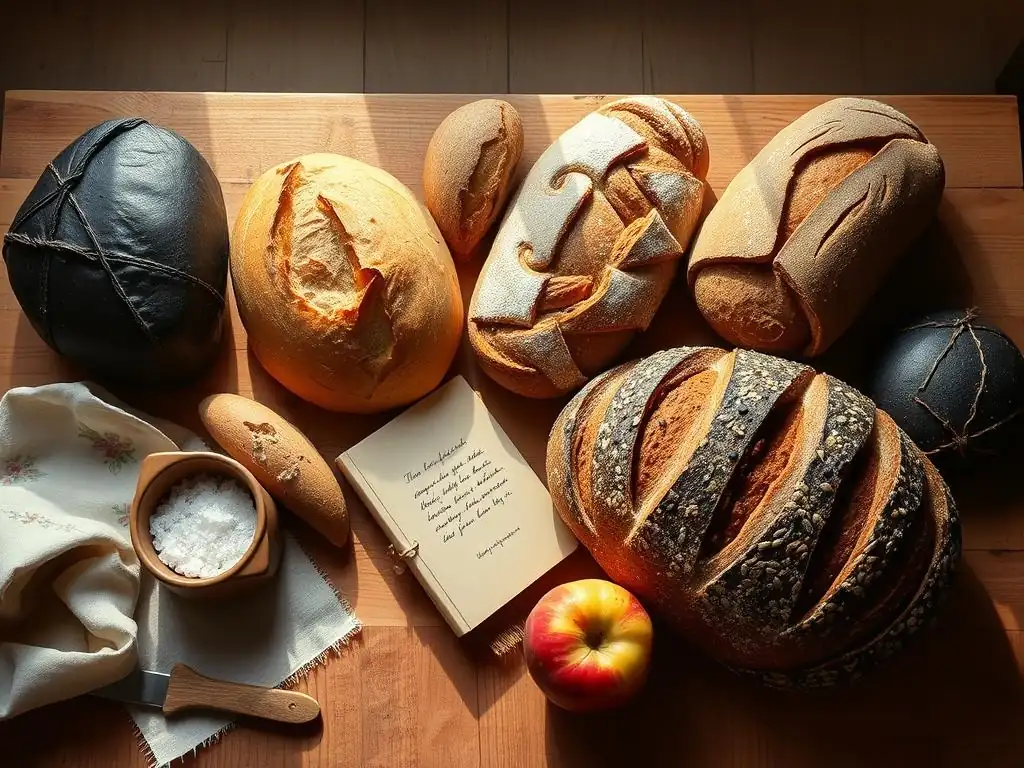
Welcome to BakeWithEase, your passport to the delightful world of baking! Ever wondered what truly authentic German bread tastes like, beyond the usual rye? Dive into our latest article and unlock the secrets of German sourdough bread recipes easy enough for any home baker. Prepare to be transported to the heart of Germany's baking heritage, one delicious loaf at a time. Ready to uncover these hidden gems?
- Exploring the Bread Culture of Germany: Beyond the Pretzel
- German Sourdough Bread Recipes: A Journey Beyond the Basics
- Lesser-Known German Breads: Our Top Picks for Home Bakers
- Mastering German Bread Baking: Tips and Techniques
- Enjoying Your Homemade German Breads: Serving Suggestions
- Continuing Your German Baking Adventure
-
Frequently Asked Questions
- What makes German sourdough bread different from other sourdoughs?
- Are German sourdough bread recipes easy to follow for beginners?
- Where can I find lesser-known German bread recipes besides sourdough?
- What key ingredients are essential for a successful German sourdough loaf?
- How do I store German sourdough bread to keep it fresh?
- Final Reflection: The Enduring Allure of German Bread
- Unleash Your Inner Bäcker: Bake Your Way Through Germany!
Exploring the Bread Culture of Germany: Beyond the Pretzel
Germany boasts a bread culture unlike perhaps any other in the world, with estimates suggesting over 3,200 different types of bread and 1,200 different types of pastries and rolls. This rich diversity stems from centuries of regional traditions, varying grain availability, and the historical fragmentation of the country into numerous small states, each developing its own culinary identity.
While the pretzel is undeniably iconic globally, it represents just a tiny fraction of the incredible variety found in German bakeries. From dense, dark rye loaves to light, airy rolls, the German bread landscape is vast and deeply ingrained in daily life, often serving as the cornerstone of meals from breakfast to Abendbrot (evening meal).
This deep appreciation for bread is reflected in the prevalence of local bakeries (Bäckereien) in every town and village. These establishments are not just places to buy bread; they are cultural hubs where traditional methods are preserved and passed down through generations. Many bakeries still use long fermentation times, often involving sourdough starters, which contribute significantly to the complex flavors and textures characteristic of authentic German bread. Exploring this world reveals a commitment to quality ingredients, craftsmanship, and a profound understanding of how time, fermentation, and baking techniques transform simple flour and water into something truly extraordinary.
Unearthing Regional German Bread Specialties
The true magic of German bread lies in its regional variations. Each area, sometimes even individual towns, has its signature bread, often developed based on locally available grains and historical eating habits. For instance, southern Germany, particularly Bavaria and Baden-Württemberg, is known for its lighter rye and wheat mixes, sometimes enriched with milk or butter, and, of course, the famous pretzel. Northern Germany, with its cooler, wetter climate, traditionally relied more heavily on rye, leading to the development of dense, dark rye breads like Pumpernickel.
Central Germany often features more balanced rye-wheat blends. This geographical and historical context explains why exploring German bread is like taking a culinary tour of the country. You might find a specific fruit bread in one region, a unique spice blend in another, or a distinct shape and crust in a third. Understanding these regional nuances adds a fascinating layer to learning German sourdough bread recipes easy to adapt for home baking, as it provides insight into the origins and intended characteristics of these diverse loaves.
German Sourdough Bread Recipes: A Journey Beyond the Basics
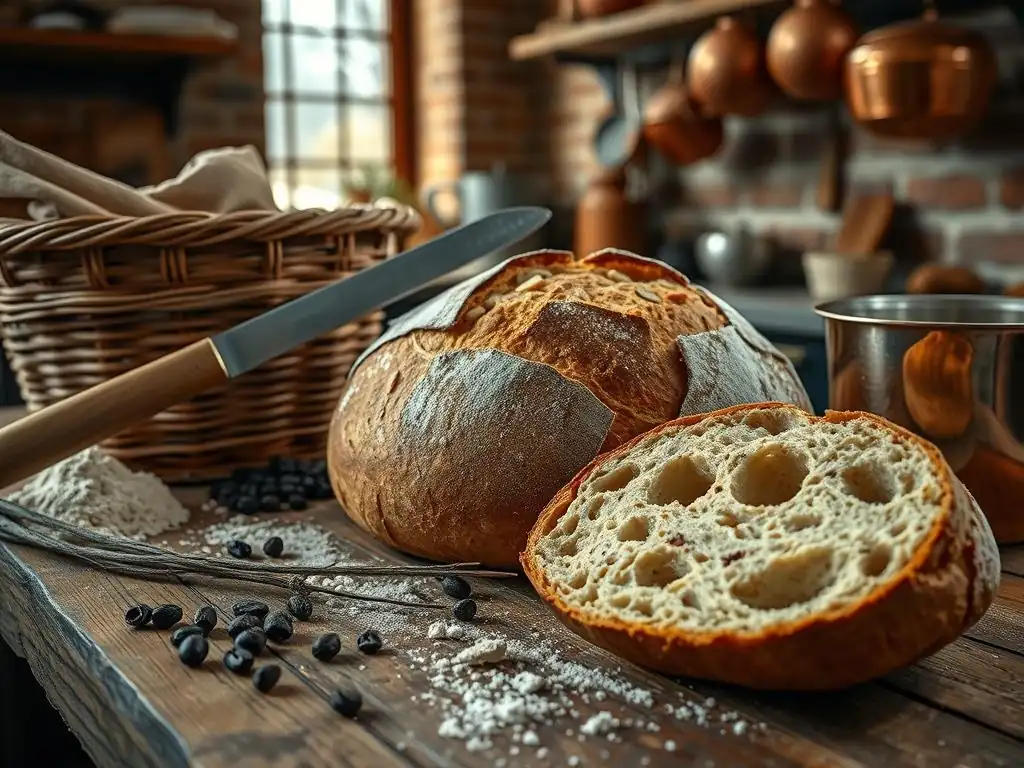
Stepping into the world of German bread baking often involves encountering the concept of sourdough. While not all German breads are sourdough, a significant and highly regarded portion relies on this ancient fermentation method. Moving beyond basic yeast breads to explore German sourdough bread recipes easy enough for home bakers opens up a new realm of flavor, texture, and satisfaction. It's a journey that connects you to centuries of baking tradition.
This exploration isn't just about following a recipe; it's about understanding the process, the ingredients, and the unique characteristics that sourdough imparts. German sourdough breads are often characterized by their hearty crust, moist crumb, and a distinctive tangy flavor that can range from mild to intensely sour depending on the starter and fermentation time. Learning to bake these breads at home, even starting with simpler versions, allows you to recreate a truly authentic taste of Germany in your own kitchen.
The Allure of German Sourdough: A Tangy Tradition
The appeal of German sourdough bread lies in its depth of flavor and robust texture. Unlike many commercially produced breads, traditional German sourdough develops complex aromatic compounds during its long fermentation process. This results in a bread that is not only delicious but also often easier to digest. The tangy note is a signature characteristic, providing a counterpoint to the earthy grain flavors, especially in rye-heavy loaves.
Furthermore, sourdough acts as a natural preservative, contributing to the excellent keeping qualities of many German breads. A well-baked sourdough loaf can remain fresh and enjoyable for several days, often improving in flavor over time. This durability was historically important and remains a practical benefit today. For home bakers exploring German sourdough bread recipes easy to manage, mastering the starter and understanding fermentation allows for creativity and control over the final taste and texture, making the baking process incredibly rewarding.
Understanding German Sourdough Starters (Sauerteig)
At the heart of many German sourdough bread recipes is the Sauerteig, the German term for sourdough starter. A Sauerteig is a living culture of wild yeast and lactic acid bacteria, typically made from just flour and water. These microorganisms work together to leaven the bread and produce the characteristic acids (lactic and acetic) that give sourdough its unique flavor and texture. German starters often have a higher proportion of rye flour, especially for traditional rye breads, which influences the microbial balance and the resulting sourness.
Maintaining a healthy Sauerteig requires regular feeding (refreshing) with fresh flour and water. The ratio of flour to water, the type of flour used (rye, wheat, or a mix), and the temperature at which the starter is kept all influence its activity and flavor profile.
While starting a Sauerteig from scratch takes about a week or two, established starters can last indefinitely with proper care. Many home bakers find that using an active, mature Sauerteig is the key to successfully baking authentic German sourdough bread recipes easy to handle in a home environment, providing reliable leavening and that signature tang.
Lesser-Known German Breads: Our Top Picks for Home Bakers
While Pumpernickel and Roggenbrot might be somewhat familiar, Germany offers a treasure trove of other regional breads perfect for home baking adventures. These lesser-known gems provide unique flavors and textures that are worth discovering. We've selected a few of our favorites that, with some adaptation, can be baked successfully even if you're relatively new to German styles, offering German sourdough bread recipes easy to approach or adaptations using commercial yeast.
Here are some wonderful German breads you might not have encountered before, along with insights into their characteristics and how you can bake them yourself. Exploring these varieties expands your baking repertoire and brings a taste of authentic German bread culture into your home kitchen. Let's dive into these delicious discoveries!
1. Roggenmischbrot: A Versatile Rye Mix
Roggenmischbrot, meaning "rye mix bread," is perhaps one of the most common bread types found across Germany, though its exact composition varies significantly by region. It represents a broad category rather than a single specific recipe. The defining characteristic is that it contains both rye flour (Roggenmehl) and wheat flour (Weizenmehl), with the ratio determining the bread's name and properties. For example, a bread with 50-89% rye is called Roggenmischbrot, while one with 10-49% rye is called Weizenmischbrot (wheat mix bread). This versatility makes it a staple, pairing well with almost any meal.
The flavor profile of Roggenmischbrot is a wonderful balance between the earthy, slightly tangy notes of rye and the softer, more familiar characteristics of wheat. The texture is typically dense but not heavy, with a moist crumb and a sturdy crust. Often, a portion of the rye flour is used to create a sourdough starter (Sauerteig), contributing to both leavening and flavor development. This blend makes Roggenmischbrot an excellent entry point for those interested in baking German sourdough bread recipes easy to manage, as the wheat content makes the dough more forgiving than pure rye breads.
Roggenmischbrot: Characteristics and Flavor Profile
Roggenmischbrot is characterized by its dark to medium-brown crust and a crumb that ranges from light beige to dark brown, depending on the rye percentage and the type of flour used (light vs. whole grain). The crumb structure is usually relatively fine and dense compared to a purely wheat loaf, yet still moist. The aroma is distinctly bready and often carries a subtle tang from the sourdough component, if used.
Flavor-wise, it offers a complex profile. The rye contributes earthy, slightly malty, and often tangy notes, while the wheat provides a milder, sweeter backdrop and helps create a more open structure than a 100% rye loaf. This balance makes it incredibly versatile; it holds up well to hearty toppings like strong cheeses, smoked meats, or pickled vegetables, but is also delicious simply spread with butter. Its versatility is a key reason for its popularity throughout Germany.
Easy Roggenmischbrot Recipe Adaptation for Home Bakers
Adapting a traditional Roggenmischbrot for home bakers, especially as a German sourdough bread recipe easy to follow, involves simplifying the process while retaining the core characteristics. A common adaptation uses a combination of active rye sourdough starter, a small amount of commercial yeast for insurance (optional, but helpful for consistency), and a mix of medium rye flour and strong bread flour. A typical ratio might be 60% rye flour and 40% wheat flour, or even 50/50 to start.
- Ingredients: Active rye sourdough starter, medium rye flour, strong bread flour, water, salt, a pinch of instant yeast (optional).
- Process:
- Mix the active sourdough starter with water and flours.
- Add salt (and yeast if using).
- Mix until just combined, the dough will be sticky.
- Perform a bulk fermentation, often around 2-4 hours, with a fold or two.
- Shape the dough into a loaf (often a boule or oblong).
- Proof in a banneton or on a baking sheet. Proofing time varies greatly depending on temperature and starter activity, typically 1-3 hours.
- Preheat oven with a baking stone or Dutch oven to around 230°C (450°F).
- Bake with steam for the first 15-20 minutes, then reduce temperature to 200°C (390°F) and continue baking until deeply colored and internal temperature reaches about 95°C (205°F), usually 40-60 minutes total.
- Cool completely before slicing.
This approach simplifies the multiple-stage preferments sometimes used in traditional bakeries, making it a more accessible German sourdough bread recipe easy to integrate into a busy schedule.
Tools & Ingredients: Achieving the Perfect Roggenmischbrot
Achieving a great Roggenmischbrot at home relies on having the right tools and quality ingredients.
- Essential Tools:
- Mixing bowls (sturdy ones for sticky dough)
- Dough scraper
- Kitchen scale (for accurate measurements)
- Banneton Proofing Basket (helps hold shape and adds a nice pattern)
- Lame or sharp knife (for scoring)
- Baking stone or Dutch oven (for achieving a good crust)
- Key Ingredients:
- Active Sourdough Starter (fed and active)
- Medium Rye Flour (look for a good quality, stone-ground if possible)
- Strong Bread Flour (high protein content helps with structure)
- Salt (non-iodized preferred)
- Water (filtered is best)
Using quality ingredients, such as good rye flour, makes a significant difference in the final flavor of your Roggenmischbrot. While not strictly a German sourdough bread recipe easy for absolute beginners, starting with a Mischbrot makes the sourdough journey more manageable.
2. Schwäbische Seele: The Soul of Swabia
The Schwäbische Seele, literally "Swabian soul," is a distinctive bread roll originating from the Swabia region in southwestern Germany (part of Baden-Württemberg and Bavaria). It's not a typical loaf bread but a long, slender roll with a unique texture and flavor profile. Unlike the dense, hearty breads often associated with Germany, the Seele is surprisingly light and airy inside, encased in a thin, crispy crust generously topped with caraway seeds and coarse salt.
The name "Seele" is said to come from its light, airy nature, almost like a soul leaving the body. Its characteristic shape is long and somewhat flattened, often with irregular bulges. The crumb is open and porous, achieved through a high hydration dough and careful handling. The combination of the delicate crumb, the crispy crust, and the pungent caraway seeds and salt makes the Schwäbische Seele a truly unique and beloved regional specialty, often enjoyed simply with butter or alongside savory dishes.
Schwäbische Seele: A Light and Airy Bread with a Unique Shape
The defining features of the Schwäbische Seele are its texture and shape. The dough is traditionally a high-hydration wheat dough, similar in consistency to a ciabatta. This high water content is crucial for creating the large, irregular holes (open crumb) characteristic of the interior. The shaping process is also unique; the dough is divided into pieces, often stretched or rolled lightly, and then twisted or folded before proofing, resulting in the elongated, somewhat rustic shape.
The crust is thin and exceptionally crispy, often achieved by baking at high temperatures with steam. The generous topping of coarse salt provides bursts of salinity, while the caraway seeds contribute a warm, slightly peppery aroma and flavor that is essential to the authentic Seele experience. While not a sourdough bread in the traditional sense (many recipes use commercial yeast or a combination), its unique technique and delightful result make it a fascinating bread to explore for home bakers.
Simplified Schwäbische Seele Recipe: Bake a Taste of Swabia at Home
Baking Schwäbische Seele at home can be a fun challenge due to the high hydration dough, but simplified versions are achievable.
- Ingredients: Strong bread flour, water, fresh yeast (or active dry yeast), salt, malt syrup (optional, for color/flavor), caraway seeds, coarse sea salt.
- Process:
- Combine flour, water, yeast, and salt (and malt if using). The dough will be very wet and sticky.
- Mix using a stand mixer with a dough hook or by hand using the stretch-and-fold method for 10-15 minutes until some gluten development occurs, though the dough will remain slack.
- Bulk ferment for 1.5-2 hours, performing a few stretch-and-folds during the first hour.
- Turn the dough out onto a well-floured surface. Do not knead.
- Divide the dough into elongated pieces using a dough scraper. Handle gently to preserve the airy structure.
- Stretch or lightly roll each piece into a long, slender shape, about 25-30 cm (10-12 inches). Some twisting can add character.
- Place the shaped dough onto parchment paper or a baking sheet sprinkled with cornmeal.
- Generously sprinkle with caraway seeds and coarse sea salt.
- Proof for 30-45 minutes, or until slightly puffy.
- Bake in a preheated oven at 230-250°C (450-480°F) with steam for 15-20 minutes, or until golden brown and crispy.
This simplified method focuses on managing the wet dough and achieving the characteristic texture without overly complex steps, making it a delightful bake.
Elevate Your Schwäbische Seele: Recommended Toasted Sesame Seeds for Authentic Flavor
While traditionally topped with caraway seeds, some variations in the region also include sesame seeds. For an authentic touch, using high-quality toppings is key.
- Recommended Topping: Toasted Sesame Seeds (add a nutty depth)
Generously sprinkling the shaped dough with both coarse salt and caraway seeds (and optionally toasted sesame seeds) just before baking ensures that signature crunchy, flavorful crust. The amount of salt might seem high, but it's crucial for the authentic experience – aim for visible salt crystals on the crust.
3. Pumpernickel: Dark, Dense, and Delicious
Pumpernickel is perhaps one of the most famous German breads globally, but its authentic form, particularly from the Westphalia region, is often misunderstood. True Westphalian Pumpernickel is a dense, dark, whole grain rye bread characterized by its incredibly long baking time and distinctively sweet, malty flavor. It's not baked with a strong, active leavening agent like typical yeast or sourdough; instead, it relies on gentle, prolonged heat and the natural enzymatic activity within the rye flour to create its unique texture and flavor.
Traditional Pumpernickel is baked in sealed tins at low temperatures (around 100-120°C or 210-250°F) for 16 to 24 hours, sometimes even longer. This process is more akin to steaming or slow cooking than conventional baking. The low heat and long duration cause dextrins and sugars in the rye to caramelize, resulting in the bread's dark color and sweet, slightly malty taste. It's a stark contrast to lighter rye breads and offers a truly unique bread experience.
Pumpernickel: Health Benefits and Traditional Baking Methods
Pumpernickel is renowned for its health benefits. Being a whole grain rye bread, it is exceptionally high in dietary fiber, which aids digestion and helps regulate blood sugar levels. Rye also contains various vitamins and minerals, including B vitamins, iron, and magnesium. The low glycemic index of Pumpernickel makes it a good choice for sustained energy release.
The traditional Westphalian baking method is key to its character. The dough, made from coarse rye meal (Schrot), sometimes with whole rye berries, water, and salt, is mixed and placed into lidded rectangular tins. These tins are then baked in a low-temperature oven for a very long period. The sealed tins prevent the bread from drying out and allow the slow enzymatic breakdown of starch into sugars, contributing to the sweet flavor and moist, dense texture. This method is a labor of love and patience, a testament to traditional German baking craftsmanship.
Pumpernickel Recipe for Beginners: A Step-by-Step Guide
While traditional Pumpernickel requires specialized conditions, home bakers can create a delicious approximation using more conventional methods, often incorporating a rye sourdough starter and a shorter, though still long, baking time at a slightly higher temperature. This provides a German sourdough bread recipe easy adaptation for Pumpernickel.
- Ingredients: Coarse rye meal (Pumpernickel Schrot), cracked rye berries (optional), active rye sourdough starter, dark rye flour, water, salt, brown sugar or molasses (to enhance color/sweetness).
- Process:
- Soak the coarse rye meal and cracked rye berries (if using) in hot water for several hours or overnight. This softens the grains.
- Combine the soaked grains with active rye sourdough starter, dark rye flour, salt, and sweetener. Mix thoroughly; the dough will be very stiff.
- Press the dough firmly into a greased and floured loaf pan, filling it about 2/3 to 3/4 full.
- Smooth the top and cover the pan tightly with foil or a lid.
- Proof in a warm place for 2-4 hours, or until slightly risen (it won't double).
- Preheat oven to a relatively low temperature, around 150-160°C (300-325°F).
- Bake for 3-6 hours, depending on the recipe and desired density/darkness. Some recipes call for covering the pan even if it doesn't have a lid, using several layers of foil.
- Turn off the oven and leave the bread inside as it cools slowly for several more hours or overnight.
- Cool completely before slicing very thinly.
This adapted method still results in a dense, flavorful rye bread, offering a taste of Pumpernickel that's more accessible than the 24-hour bake.
Recommended Malted Rye Berries for Authentic Pumpernickel
For bakers aiming for the most authentic flavor and texture in their Pumpernickel adaptation, using specific ingredients can make a difference.
- Key Ingredient: Malted Rye Berries (adds depth of color and malty sweetness through enzymatic action)
Incorporating malted rye berries or a small amount of diastatic malt powder designed for rye baking can help replicate the enzymatic processes that occur during the long, low-temperature bake of traditional Pumpernickel, enhancing both color and flavor complexity.
4. Dinkelvollkornbrot: Spelt Whole Grain Bread - A Nutty Alternative
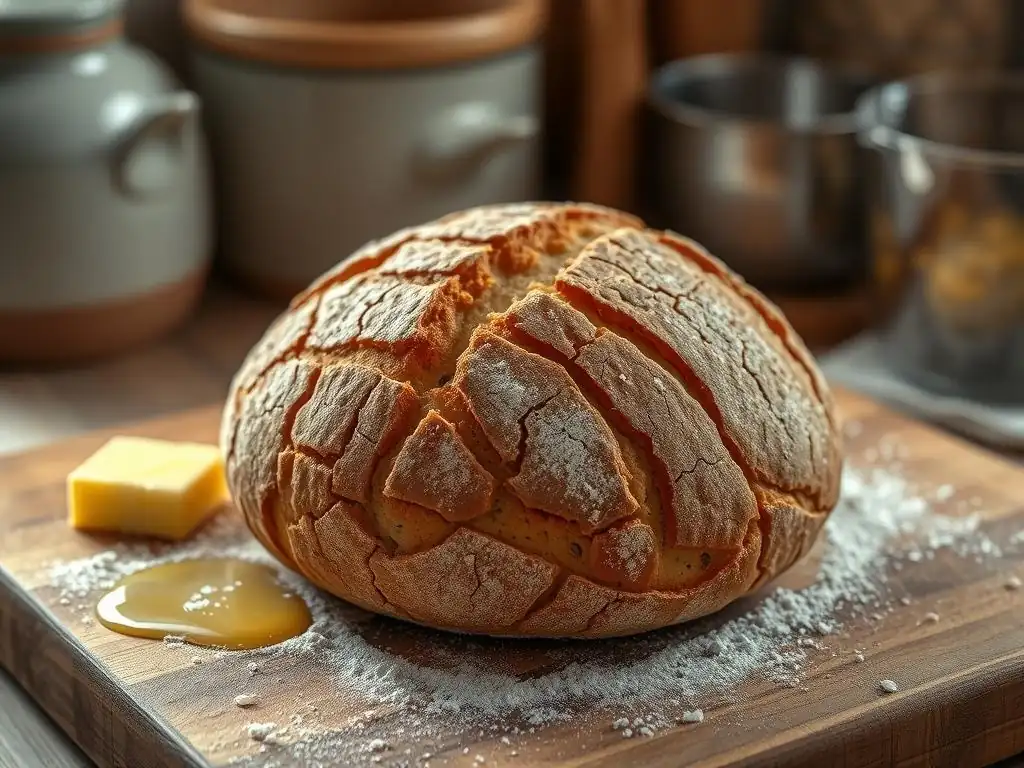
Dinkelvollkornbrot is a whole grain bread made primarily or entirely from spelt flour (Dinkelmehl). Spelt is an ancient grain, a relative of wheat, that has seen a resurgence in popularity due to its distinct nutty flavor and perceived health benefits. In Germany, spelt has long been used alongside wheat and rye, and Dinkelvollkornbrot offers a delicious, often slightly sweeter and nuttier alternative to traditional whole wheat or rye breads.
This bread is typically dense and moist, similar in texture to other German whole grain loaves. The use of whole spelt flour means the entire grain kernel is milled, retaining all the fiber, vitamins, and minerals. Dinkelvollkornbrot is a staple in many health-conscious German households and bakeries and provides a wonderful way to explore German baking using a different grain. It can be made with commercial yeast, a sourdough starter, or a combination, making it amenable to German sourdough bread recipes easy to adapt for spelt.
Dinkelvollkornbrot: Exploring Spelt Flour in German Baking
Spelt flour behaves differently than modern wheat flour. It has a more fragile gluten structure, meaning it can be easily overmixed. However, it also has a higher water absorption rate. These properties influence how Dinkelvollkornbrot dough is handled. The resulting bread often has a tender crumb and a distinctive, pleasant nutty and slightly sweet flavor that is characteristic of spelt.
In German baking, spelt is used in a variety of forms, from light sifted flour for pastries to coarse whole grain meal for hearty breads. Dinkelvollkornbrot specifically utilizes the whole grain flour, resulting in a bread packed with fiber and nutrients. It's a versatile grain that pairs well with seeds, nuts, and dried fruits, which are often added to this type of bread. Its growing popularity reflects a broader interest in ancient grains and wholesome baking.
Easy Dinkelvollkornbrot Recipe: A Healthy and Flavorful Option
Baking Dinkelvollkornbrot at home is relatively straightforward, especially compared to some high-rye loaves. It's a great option for those seeking a healthy, flavorful whole grain bread. An easy adaptation can use a combination of spelt sourdough starter and commercial yeast, or just yeast.
- Ingredients: Whole spelt flour, water, active spelt or wheat sourdough starter (optional), instant yeast (if not using enough starter or for a faster rise), salt, honey or maple syrup (optional, enhances sweetness). Additions like sunflower seeds, pumpkin seeds, or walnuts are common.
- Process:
- Combine water, starter (if using), sweetener (if using), and yeast (if using).
- Add the whole spelt flour and salt. Mix until just combined. Do not overmix spelt dough.
- If adding seeds/nuts, mix them in gently.
- Let the dough rest for 20-30 minutes (autolyse).
- Perform a few gentle stretch-and-folds over the next 1-2 hours during bulk fermentation.
- Shape the dough into a loaf (often a simple log or boule). Spelt dough can be a bit sticky and soft.
- Proof in a loaf pan or a banneton. Proofing time is typically 1-2 hours.
- Preheat oven to 220°C (425°F).
- Bake with steam for 15-20 minutes, then reduce temperature to 190°C (375°F) and bake for another 25-35 minutes, or until internal temperature is around 93-95°C (200-205°F).
- Cool completely before slicing.
This recipe provides a robust, nutty bread that's relatively easy to make, serving as a good starting point for exploring German sourdough bread recipes easy to adapt with different whole grains.
Enhance Your Dinkelvollkornbrot: Bob's Red Mill Spelt Flour for Optimal Results
The quality of the spelt flour significantly impacts the taste and texture of your Dinkelvollkornbrot.
- Recommended Ingredient: Bob's Red Mill Spelt Flour (a widely available, good quality whole spelt flour)
Using a reputable brand of whole spelt flour ensures you get the full flavor and nutritional benefits of this ancient grain. Experimenting with different millings (fine vs. coarse) can also subtly change the bread's texture.
5. Sonnenblumenkernbrot: Sunflower Seed Bread - Crunchy and Nutritious
Sonnenblumenkernbrot, or sunflower seed bread, is a popular and delicious variety found throughout Germany. It's typically a mixed grain bread, often featuring a base of rye and wheat (similar to Roggenmischbrot or Vollkornbrot) but with a generous amount of sunflower seeds incorporated into the dough and often sprinkled on the crust. The addition of sunflower seeds provides a delightful crunch, a nutty flavor, and added nutritional value, including healthy fats and protein.
This bread is known for its moist crumb and satisfying texture, enhanced by the seeds. It makes an excellent everyday bread, perfect for sandwiches or simply enjoyed with butter. The seeds toast slightly during baking, intensifying their flavor. Sonnenblumenkernbrot is a great example of how simple additions can transform a basic bread recipe into something special, and it's easily adaptable into German sourdough bread recipes easy for home bakers to try.
Sonnenblumenkernbrot: A German Bread Packed with Sunflower Seeds
Sonnenblumenkernbrot typically has a dense, moist crumb, characteristic of German mixed-grain or whole grain breads. The texture is punctuated by the numerous sunflower seeds distributed throughout the loaf. The crust is often slightly less rustic than a pure rye bread but provides a good chew, especially where seeds are baked onto the surface.
The flavor is a harmonious blend of the base bread (which can range from tangy sourdough rye-wheat to a milder whole wheat) and the rich, nutty taste of the sunflower seeds. The seeds also contribute to the bread's moistness over time. It's a bread that feels wholesome and satisfying, ideal for pairing with savory toppings or simply enjoyed on its own. The visual appeal, with seeds visible in the crumb and on the crust, is also part of its charm.
Bake Your Own Sonnenblumenkernbrot: A Simple Recipe
Baking Sonnenblumenkernbrot at home is relatively simple, especially if you start with a basic mixed-grain or whole wheat dough recipe and add the seeds. It's a great candidate for a straightforward German sourdough bread recipe easy to manage.
- Ingredients: Whole wheat flour, rye flour (optional), water, active sourdough starter (or instant yeast), salt, honey or molasses (optional), raw sunflower seeds (hulled).
- Process:
- Soak about half of the sunflower seeds in hot water for 30-60 minutes, then drain. This helps keep the crumb moist and prevents the seeds from absorbing too much moisture from the dough during baking.
- Combine flours, water, starter (or yeast), salt, and sweetener (if using). Mix until a shaggy dough forms.
- Knead the dough for 5-8 minutes until reasonably developed (less time if using mostly whole wheat, longer if using a significant amount of rye).
- Gently knead in the soaked and drained sunflower seeds.
- Bulk ferment for 2-3 hours, with a fold or two.
- Shape the dough into a loaf. If desired, mist the surface of the loaf and roll it in the remaining dry sunflower seeds to coat the crust.
- Proof in a loaf pan or a banneton for 1-2 hours.
- Preheat oven to 220°C (425°F).
- Bake with steam for 15 minutes, then reduce temperature to 190°C (375°F) and bake for another 30-40 minutes, or until golden brown and internal temperature reaches about 95°C (205°F).
- Cool completely on a wire rack.
This recipe allows for flexibility in the base dough while ensuring a generous distribution of crunchy sunflower seeds, resulting in a delightful German loaf.
Top Quality Raw Sunflower Seeds for the Best Sonnenblumenkernbrot
The flavor and texture of the seeds are important for this bread.
- Recommended Ingredient: Raw Sunflower Seeds (ensure they are fresh and hulled)
Using high-quality, fresh raw sunflower seeds will give your Sonnenblumenkernbrot the best nutty flavor and satisfying crunch. Look for seeds that haven't been sitting on the shelf for too long.
Mastering German Bread Baking: Tips and Techniques
Diving into German bread baking, whether it's a German sourdough bread recipe easy or a more complex mixed-grain loaf, involves understanding a few key principles. German breads often rely on longer fermentation times, precise handling of rye doughs (which are different from wheat), and achieving specific crust characteristics. Patience and attention to detail are your best allies.
One crucial aspect is temperature control, both for your starter and your dough's fermentation. Rye flour, common in many German breads, ferments faster than wheat and can become overly acidic if not managed properly. Learning to read your dough and starter is key. Additionally, understanding the role of steam in achieving a crisp crust is vital for many German styles.
Perfecting Your German Sourdough Starter
For German sourdough bread recipes easy to master, a healthy, active sourdough starter (Sauerteig) is paramount. A German-style starter is often built with rye flour, which ferments more quickly and produces a tangier result than a purely wheat starter. The ideal hydration level (water to flour ratio) for a German starter can vary, but often hovers around 100% or slightly less.
To perfect your starter:
- Feed it regularly, ideally daily if kept at room temperature, or weekly if refrigerated.
- Use the same type of flour for feeding that you plan to use in your bread (e.g., rye flour for a rye starter).
- Maintain a consistent feeding ratio (e.g., 1:2:2 starter:water:flour by weight) to ensure consistent activity.
- Observe its behavior: it should double or triple in volume, become bubbly, and smell pleasantly acidic (like yogurt or vinegar, depending on the flour) when active. An active starter is crucial for reliable leavening in German sourdough bread recipes easy for home use.
Achieving the Authentic German Crust
The crust is a defining feature of many German breads – it's often thick, sturdy, and deeply colored, providing a satisfying chew and protecting the moist interior. Achieving this at home requires high baking temperatures and the presence of steam during the initial phase of baking.
Methods for creating steam in a home oven:
- Using a Dutch oven: Preheat the Dutch oven with the lid on at a high temperature. Place the dough inside, score it, put the lid back on, and bake for the first 15-20 minutes. The moisture from the dough creates steam inside the pot. Remove the lid for the remainder of the bake to allow the crust to brown.
- Using a baking stone or steel: Place the dough on a preheated stone/steel. Immediately after, pour a cup of hot water into a preheated pan on the bottom rack of the oven. Close the oven door quickly to trap the steam. Be cautious when creating steam this way.
- Using a cloche or bread dome: Similar to a Dutch oven, this traps steam around the loaf.
Baking at high temperatures (220-250°C or 425-480°F) initially helps the crust set quickly before the interior is fully baked, allowing for maximum oven spring and contributing to the desired texture.
Where to Find Authentic German Baking Ingredients
Sourcing quality ingredients is key to baking authentic German breads. While basic flour and salt are widely available, some recipes might call for specific types of rye flour (like coarse rye meal or different "types" based on extraction rate), specialty seeds, or baking aids common in Germany.
- Potential Source: German Specialty Food Store Online (often carry specific flours, seeds, and baking aids imported from Germany)
Exploring online stores specializing in German foods can provide access to ingredients like specific rye flours (e.g., Roggenmehl Type 1150), coarse rye meal (Schrot), and unique seed blends that can elevate your German sourdough bread recipes easy or complex. Local health food stores might also carry different types of rye and spelt flour.
Enjoying Your Homemade German Breads: Serving Suggestions
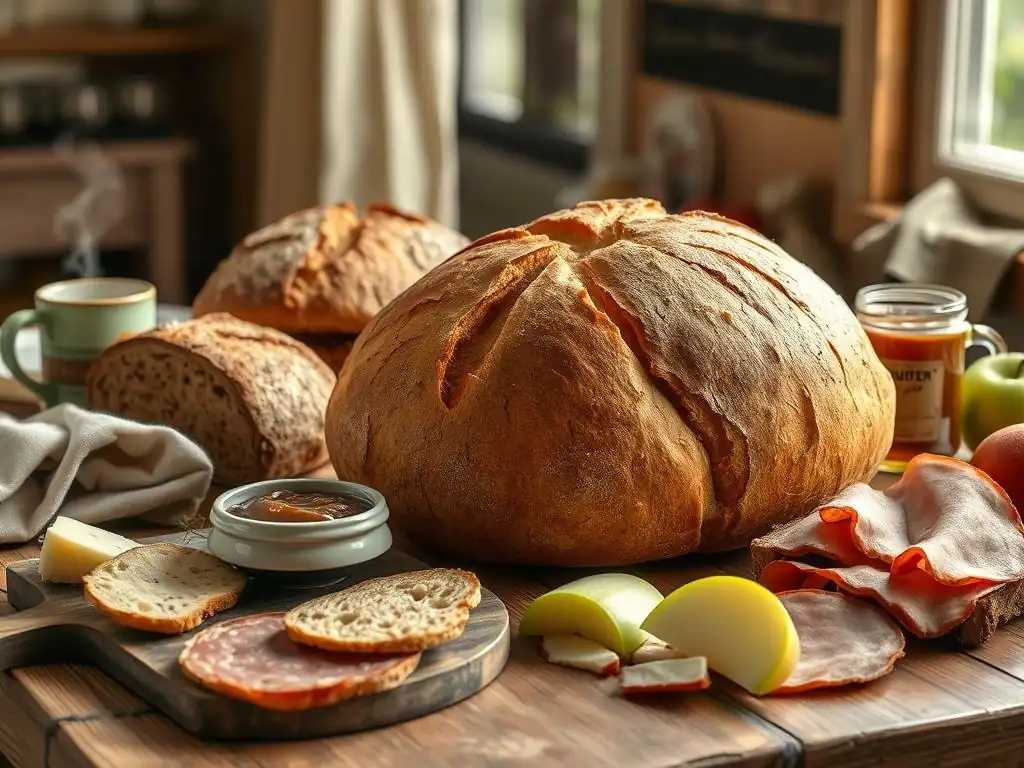
Baking a beautiful German loaf is only half the fun! The real enjoyment comes in slicing and savoring it. German breads are incredibly versatile and pair wonderfully with a wide range of toppings and meals. The hearty nature of rye and mixed-grain breads makes them perfect for open-faced sandwiches or served alongside soups and stews.
Unlike lighter, airy breads, German loaves are meant to be sliced relatively thinly. This allows you to fully appreciate the dense, moist crumb and the complex flavors. Serving your homemade bread fresh from the oven (after it has cooled completely!) is a simple pleasure that truly highlights your baking efforts.
Pairing Suggestions: Cheeses, Meats, and Spreads
German breads are the perfect canvas for savory toppings. Their sturdy structure holds up well, and their tangy or nutty flavors complement a variety of foods.
- Cheeses: Strong cheeses like aged Gouda, Emmental, or regional German cheeses such as Handkäse or Limburger. Cream cheese or quark with herbs is also a classic.
- Meats: Cold cuts like ham, salami, liverwurst (Leberwurst), or other German sausages. Smoked fish is also a fantastic pairing, especially with rye breads.
- Spreads: Butter is always a classic, whether plain or mixed with herbs. Quark-based spreads, savory dips, or even simple lard (Schmalz) are traditional options. Jams and honey can also work, particularly with slightly sweeter spelt or mixed-grain breads.
- Accompaniments: Pickled vegetables (like gherkins or sauerkraut), sliced tomatoes, cucumbers, and hard-boiled eggs are common additions to a German bread plate (Brotzeitplatte).
A slice of hearty German bread with a simple topping can be a satisfying meal in itself!
Storing Your German Bread for Maximum Freshness
Proper storage is key to keeping your homemade German bread fresh and delicious for as long as possible. Due to their dense nature and often higher rye content or use of sourdough, many German breads have excellent keeping qualities compared to purely wheat loaves.
- Store the cooled bread in a paper bag or a linen bread bag at room temperature. Avoid plastic bags, as they can trap moisture and make the crust soft and the interior potentially moldy.
- For longer storage, slice the cooled bread and freeze the slices in an airtight container or freezer bag. You can then take out individual slices as needed and toast them directly from frozen.
- If the crust softens, you can refresh the bread by briefly warming it in a hot oven (around 180°C or 350°F) for 5-10 minutes.
With proper storage, your homemade German loaves can remain enjoyable for several days, allowing you to savor your baking success.
Continuing Your German Baking Adventure
Baking German bread is a rewarding journey, and discovering these lesser-known varieties is just the beginning. There is a vast world of German bread culture waiting to be explored, from regional rolls like Brötchen and Semmeln to specialty loaves incorporating fruits, nuts, and spices. Each bread tells a story about the region it comes from and the traditions of the bakers who created it.
Whether you started with a simple Roggenmischbrot or tackled a Pumpernickel adaptation, each successful bake builds your skills and confidence. Don't be afraid to experiment with different flour ratios, hydration levels, and fermentation times. Baking is a continuous learning process, and the world of German bread offers endless opportunities for discovery and delicious results.
Exploring More Regional German Bread Recipes
Germany's regional bread map is incredibly detailed. Once you've mastered a few basics, you can delve deeper into specific regional specialties. Look for recipes for:
- Frankenlaib: A rustic rye-wheat loaf from Franconia.
- Kommissbrot: A dense, utilitarian rye bread historically baked for the military.
- Holzofenbrot: Bread baked in a wood-fired oven, often a large rye or mixed-grain loaf with a thick, dark crust.
- Schwarzbrot: A general term for dark bread, often referring to dense, high-rye loaves.
Many of these regional breads also have German sourdough bread recipes easy or adaptable for home bakers, allowing you to bring the diverse tastes of Germany into your kitchen. Researching the history and traditional methods behind these breads adds another layer of enjoyment to the baking process.
Baking is often more fun when you're part of a community. Share your successes, ask questions about challenges, and find inspiration from others who are also exploring the world of bread.
- Connect: Share photos of your German breads, ask for tips on troubleshooting your German sourdough bread recipes easy attempts, and celebrate your baking milestones.
Joining the BakeWithEase community allows you to connect with fellow baking enthusiasts, learn from their experiences, and share the joy of baking delicious bread. Happy baking!
Frequently Asked Questions
What makes German sourdough bread different from other sourdoughs?
German sourdough bread often utilizes rye flour in addition to wheat, giving it a distinct flavor and denser texture. The sauerteig (sourdough starter) itself is often cultivated differently, contributing to the unique taste.
Are German sourdough bread recipes easy to follow for beginners?
While some German sourdough recipes can be complex, BakeWithEase offers easy German sourdough bread recipes that are perfect for beginners. These recipes simplify techniques and use readily available ingredients.
Where can I find lesser-known German bread recipes besides sourdough?
BakeWithEase features a variety of German bread recipes, including yeast breads, rye breads, and sweet breads. Explore our website for step-by-step guides and easy-to-find ingredient lists.
What key ingredients are essential for a successful German sourdough loaf?
Essential ingredients include rye flour, wheat flour, water, and salt. A healthy and active sauerteig (sourdough starter) is also absolutely crucial for achieving the desired flavor and rise.
How do I store German sourdough bread to keep it fresh?
Wrap the bread in a linen cloth or paper bag and store it at room temperature. Avoid plastic bags, which can trap moisture and cause the bread to become soggy. Slicing only when needed also helps preserve freshness.
Final Reflection: The Enduring Allure of German Bread
The simple act of baking bread, especially sourdough, connects us to a rich culinary history, and Germany's lesser-known loaves offer a particularly rewarding journey. This exploration into the diverse world of German breads beyond the ubiquitous pretzel reveals a fascinating tapestry of flavors, textures, and traditions, readily accessible even to beginner bakers. The ease of adapting many of these recipes to a modern kitchen makes them surprisingly approachable, proving that authentic culinary experiences aren't always complicated.
The enduring appeal of German bread, particularly sourdough, lies not just in its taste but in its ability to evoke a sense of place and tradition. It's a tangible link to generations past, a comforting aroma that speaks of home and hearth. Bread is the staff of life,
a simple phrase, yet it encapsulates the profound significance of this staple food across cultures, and Germany's contributions are particularly noteworthy for their diversity and regional specificity. The recipes shared in this article are more than just instructions; they are keys to unlocking a deeper understanding of German culture and its culinary heritage.
Now, I invite you to roll up your sleeves and embark on your own baking adventure. Choose a recipe that sparks your curiosity, gather your ingredients, and allow the process to transport you. Don't be afraid to experiment, to adapt, and to discover your own unique variations. The journey of baking is as rewarding as the final product, and the flavors of Germany await your exploration. Let the aroma of freshly baked sourdough fill your home, a testament to the enduring magic of simple ingredients and time-honored techniques.
Unleash Your Inner Bäcker: Bake Your Way Through Germany!
Thanks for joining us on this delicious journey through Germany's lesser-known breads! We hope you've discovered some new baking inspirations. Ready to put your newfound knowledge to the test?
- Bake your favorite newfound bread! We'd love to see your creations – tag us on social media!
- Try a variation on one of the recipes, experimenting with different flours or additions. What unique twist can you create?
- Share this article with a fellow baking enthusiast – let's spread the love of German bread!
What unexpected ingredient will you add to your next loaf, inspired by our exploration of German baking traditions?