
Inside French Patisseries: What to Expect and What to Order

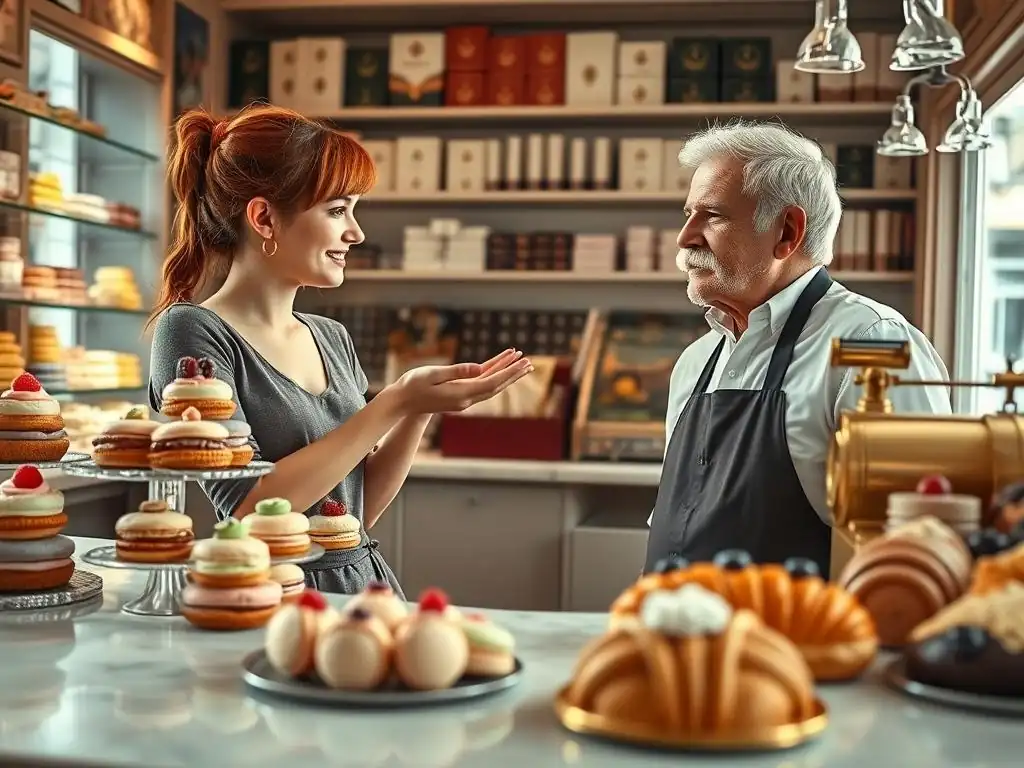
Welcome to BakeWithEase, your passport to the delicious world of baking! Ever dreamt of navigating a Parisian pâtisserie like a true local? Our latest guide, " Inside French Patisseries: What to Expect and What to Order," unlocks the secrets to confidently ordering the perfect treat. Discover the etiquette, the must-try delicacies, and the phrases that will transform your experience. Ready to embark on a sweet adventure? Prepare to tantalize your taste buds and explore the art of French pastry ordering – your journey begins now!
- Your Ultimate French Pastry Ordering Guide: A BakeWithEase.com Exclusive
- Understanding the French Patisserie Experience
- Must-Try French Pastries: A Comprehensive Ordering Guide
- Deciphering the Ingredients: A Guide to Common French Pastry Terms
- Ordering Like a Pro: Tips and Tricks for the Perfect Patisserie Visit
- Recreating the French Patisserie Experience at Home with BakeWithEase
- Conclusion: Embrace the Art of French Pastry Ordering
-
Frequently Asked Questions
- What should I expect when entering a French patisserie?
- What are some must-try French pastries that a beginner should order?
- How does ordering in a French patisserie differ from ordering in an American bakery?
- What are some common French terms I should know before ordering pastries?
- What is the typical price range I should expect for pastries in a French patisserie?
- Final Reflection: A Sweet Taste of French Culture and Culinary Adventure
- Unlock the Secrets of French Patisseries!
Your Ultimate French Pastry Ordering Guide: A BakeWithEase.com Exclusive
French patisseries are more than just places to buy sweets; they are temples dedicated to the art of baking, filled with exquisite creations that delight the senses. For anyone who loves baking or simply enjoys indulging in delicious treats, visiting a patisserie in France is an unforgettable experience. This guide is designed to help you navigate these delightful establishments, understand what makes them special, and confidently make your selections, serving as your essential French pastry ordering guide.
This guide will walk you through the atmosphere you can expect, how to decipher the stunning displays, introduce key French phrases for ordering, detail the must-try pastries, and explain some fundamental ingredients. By the end, you'll be ready to embrace the French patisserie experience like a seasoned local, or at least feel inspired to bring a touch of French baking magic into your own kitchen using BakeWithEase resources.
Understanding the French Patisserie Experience
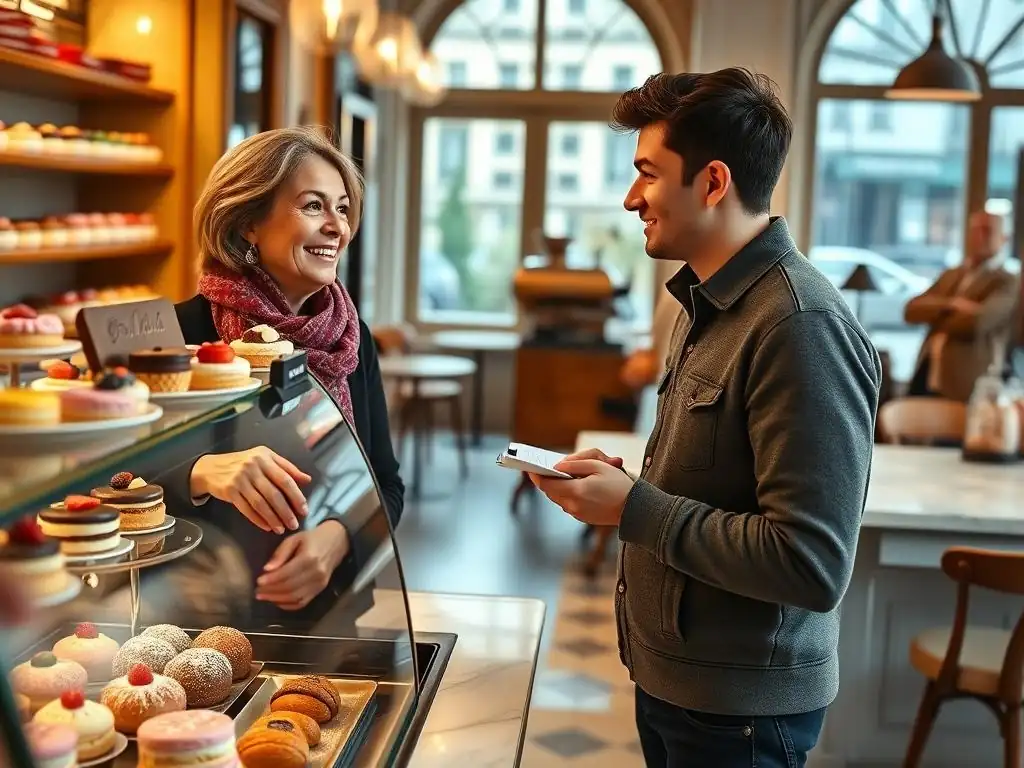
Stepping into a French patisserie is an experience unto itself, distinct from simply walking into a bakery elsewhere. It's a blend of art, tradition, and sensory delight that defines the true essence of French baking. From the moment you enter, the carefully curated environment sets the stage for the culinary treasures within.
The Ambiance: More Than Just a Bakery
The typical French patisserie ambiance is one of refined elegance and quiet reverence for the craft. You'll often find polished glass display cases, sometimes with intricate woodwork or brass accents, showcasing the pastries like jewels. The lighting is usually soft, designed to highlight the vibrant colors and delicate textures of the creations.
The air is subtly fragrant, a mix of butter, sugar, and perhaps a hint of chocolate or vanilla, rather than the overwhelming yeasty smell of a bread bakery (though many patisseries also sell bread). Expect to find everything meticulously clean and organized, reflecting the precision inherent in French pastry making. While some modern patisseries might offer a few seats, many are primarily for emporter (takeaway), with the focus solely on the beautiful display and the brief, polite interaction of ordering.
Beyond the visual appeal, the soundscape of a patisserie is typically calm. There's often a gentle hum of quiet conversation, the soft clinking of tongs against glass as a pastry is retrieved, and perhaps classical or soft background music. The staff, often dressed in neat uniforms or aprons, move with a practiced grace.
This isn't a bustling coffee shop; it's a place where the pastries are the stars, and the environment is crafted to make the act of choosing and purchasing them feel special and deliberate. It's an experience designed to slow you down and appreciate the artistry involved in each sweet creation.
The display case in a French patisserie is a work of art itself, often arranged by type of pastry or color. You'll see rows of identical, perfectly formed éclairs, stacks of colorful macarons, glistening fruit tarts, and intricately layered cakes. The precision is astounding – each pastry is usually uniform in size and appearance, a testament to the baker's skill.
The names are typically displayed on small cards in front of each item. Some names, like tarte aux fraises (strawberry tart), are quite descriptive, indicating the main ingredient. Others, like Paris-Brest or Opéra, are historical or refer to their origin, requiring a bit more knowledge or a willingness to ask.
Observing the other patrons and how they interact with the display can also be helpful. French customers often take a moment to survey the entire selection before making their choice, a silent appreciation of the offerings. Don't feel rushed; take your time to admire the craftsmanship.
Notice the details: the perfect swirl of cream on a religieuse, the glossy glaze on a chocolate éclair, the delicate layers of a mille-feuille. While the names on the cards provide identification, the visual presentation gives clues about the textures and components – look for layers, fillings visible from the side, or decorative elements that hint at the flavor profile. Mastering this visual French pastry ordering guide begins with patient observation.
Essential French Phrases for Ordering Pastries
Learning a few basic phrases can greatly enhance your patisserie experience and show respect for local customs. Even a small effort is always appreciated.
"Bonjour, je voudrais…"(Hello, I would like…) - This is the polite way to start your request."Un/Une…"(A…) - Use "un" for masculine nouns (like croissant, éclair, macaron) and "une" for feminine nouns (like tarte, mille-feuille, religieuse). If in doubt, pointing and saying "un/une" often works!"Combien coûte…?"(How much does… cost?) - Useful if the price isn't clearly displayed.
Must-Try French Pastries: A Comprehensive Ordering Guide
When faced with the dazzling array in a French patisserie, deciding what to order can be the hardest part. Here's a guide to some essential pastries you simply must try to truly experience the breadth of French baking.
The Cornerstone: Croissants and Pain au Chocolat
No French pastry experience is complete without sampling a croissant or a pain au chocolat. These flaky, buttery viennoiseries are staples of French breakfast and snacking. A classic croissant, when done right, should be incredibly light and airy inside with a shatteringly crisp exterior, made from dozens of thin layers of dough and butter. The quality of the butter is paramount, often high-fat European butter with a distinct flavor. A truly excellent croissant might have around 27 layers of dough, resulting from a complex lamination process. They are typically enjoyed plain or with jam.
The pain au chocolat, often called chocolatine in the southwest of France (a point of playful regional debate! ), is made from the same laminated dough as the croissant but is wrapped around one or two pieces of dark chocolate. The heat of baking slightly melts the chocolate, creating a warm, gooey center contrasted with the crisp pastry.
A well-made pain au chocolat should have a similar light, flaky texture to a croissant, with the added richness of the chocolate. These are typically slightly more expensive than plain croissants, perhaps costing around €1.20 - €1.80 on average in a standard patisserie, whereas a croissant might be €1.00 - €1.50.
The Classics: Éclairs, Tartes, and Mille-Feuille
Moving beyond viennoiseries, the classic pastries offer more complex textures and flavors. The éclair, meaning "lightning" in French (perhaps for how quickly it's eaten), is made from pâte à choux, a light, airy dough baked until hollow. It's then filled with crème pâtissière (pastry cream) and topped with icing, traditionally chocolate or coffee. Modern patisseries experiment with many fillings and glazes, from pistachio to passion fruit, often costing between €3.00 and €5.00 depending on the complexity and location.
Fruit tarts ( tartes aux fruits) are perennial favorites, showcasing seasonal produce atop a base of pâte sablée (sweet shortcrust pastry) or pâte sucrée (another sweet dough) and often a layer of pastry cream or almond cream ( crème d'amande). You'll find vibrant tarte aux fraises (strawberry tart) in spring and summer, tarte aux framboises (raspberry tart), tarte aux pommes (apple tart), or tarte au citron (lemon tart, often with meringue, tarte au citron meringuée) throughout the year. A typical individual fruit tart might range from €4.00 to €6.00.
The mille-feuille, meaning "thousand sheets," is a masterpiece of layering, consisting of three layers of puff pastry alternating with two layers of crème pâtissière, topped with fondant icing, often marbled. Its crisp layers and smooth cream make it a textural delight, usually priced around €4.50 - €6.50.
While the classics are essential, exploring beyond them reveals the true artistry of French patisserie. Macarons, those delicate, colorful meringue cookies sandwiched with ganache, buttercream, or jam, have gained international fame. While found in many places now, tasting them from a skilled French pâtissier is a different experience. They come in an endless variety of flavors, from classic vanilla and chocolate to innovative combinations like rose-raspberry or salted caramel, typically sold individually or by weight, often starting around €1.50 - €2.50 per macaron.
Other notable pastries include the Paris-Brest, created in 1910 to commemorate the Paris–Brest–Paris bicycle race. It's a large ring of choux pastry, sprinkled with almonds, cut in half horizontally and filled generously with a rich praline mousseline cream. It's known for its nutty flavor and substantial size, often priced similarly to a large tart slice.
The Opéra cake is another layered wonder: thin layers of almond sponge cake (known as Joconde biscuit) soaked in coffee syrup, layered with coffee buttercream and chocolate ganache, topped with a chocolate glaze. Its intense coffee and chocolate flavors and elegant appearance make it a sophisticated choice, usually found around €5.00 - €7.00 for an individual portion. Exploring these options enriches your understanding of the French pastry ordering guide possibilities.
Deciphering the Ingredients: A Guide to Common French Pastry Terms
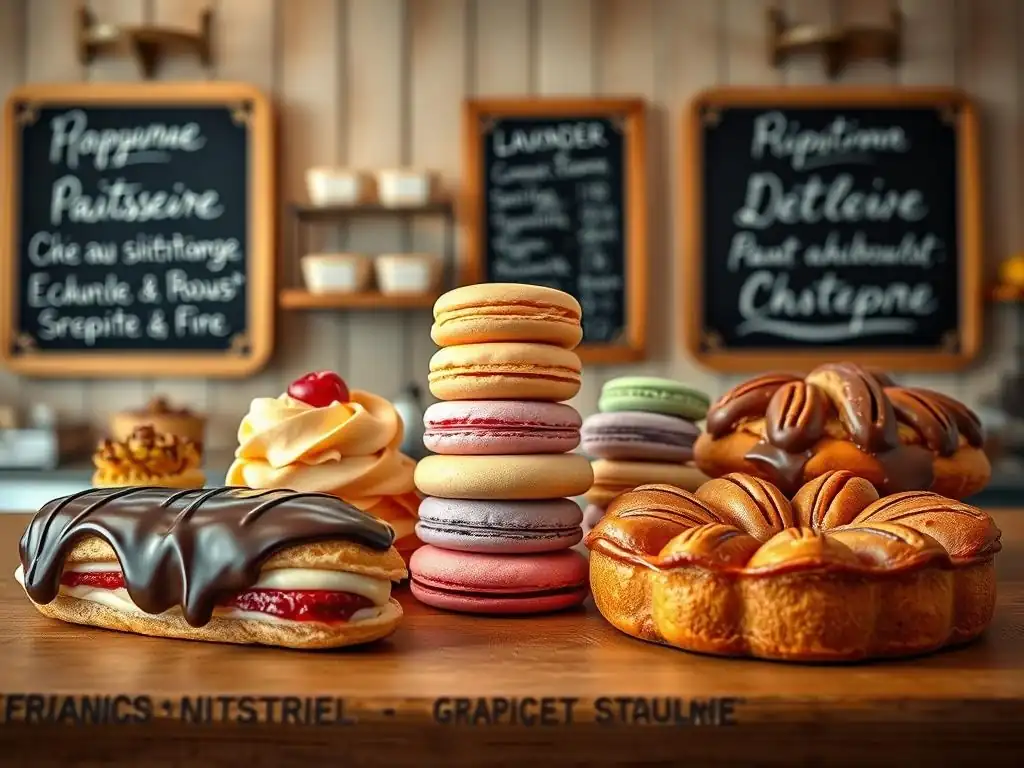
Understanding some key ingredients and dough types will help you appreciate the complexity and structure of French pastries and serve you well in your French pastry ordering guide journey.
Crème Pâtissière (Pastry Cream): The Heart of Many Pastries
Crème Pâtissière is a fundamental component in classic French baking. It's a rich, thick custard made primarily from milk, sugar, egg yolks, and a thickening agent like flour or cornstarch, often flavored with vanilla. The mixture is cooked gently until it thickens to a smooth, spreadable consistency. Its versatility is key; it serves as the filling for éclairs, the base layer for many fruit tarts, the creamy center of a mille-feuille, and can be lightened with whipped cream to create crème diplomate or enriched with butter to make crème mousseline.
The quality of crème pâtissière can significantly impact the final pastry. A well-made version is smooth, not lumpy, with a balanced sweetness and a pronounced flavor from the vanilla or other infusion. It provides moisture and richness, balancing the often crisp or airy textures of the pastry shells it fills. Many variations exist, incorporating chocolate, coffee, or fruit purées to match the overall flavor profile of a specific dessert. For example, a coffee éclair is filled with coffee-flavored crème pâtissière.
Pâte à Choux (Choux Pastry): Éclairs and More
Pâte à Choux is a unique dough that is cooked on the stovetop before being baked. It's made from water (or milk), butter, flour, and eggs. The initial cooking process forms a paste, and the eggs are then beaten in vigorously. When baked, the high moisture content creates steam, which puffs the dough up dramatically, leaving a large hollow cavity inside. This characteristic makes it perfect for filling.
This versatile dough is the foundation for several classic French pastries. Besides éclairs, it's used to make cream puffs ( choux à la crème), profiteroles (often filled with ice cream or cream and covered in chocolate sauce), gougères (savory choux with cheese), and the ring shape of the Paris-Brest. The goal is a pastry that is light and airy, with a slightly crisp exterior shell and a mostly hollow interior ready to receive its delicious filling.
Pâte Feuilletée (Puff Pastry): Croissants and Mille-Feuille
Pâte Feuilletée is a classic laminated dough, meaning it consists of many alternating layers of dough and butter. The process involves repeatedly folding and rolling out the dough with a block of butter enclosed within, creating hundreds or even thousands of thin layers. During baking, the water in the butter turns to steam, forcing the layers apart and creating the characteristic flaky texture. Achieving well-defined, separate layers is the mark of expertly made puff pastry.
This dough is the basis for some of the most iconic French pastries. Croissants and pain au chocolat are made from a leavened version called pâte levée feuilletée. The mille-feuille relies entirely on the crisp layers of puff pastry to contrast with the smooth cream. Other pastries like chaussons aux pommes (apple turnovers), palmiers, and vol-au-vents (savory puff pastry cases) also utilize this dough. The success of these pastries hinges on the flakiness and buttery richness provided by the meticulously prepared puff pastry.
Ordering Like a Pro: Tips and Tricks for the Perfect Patisserie Visit
To make the most of your visit and confidently navigate the selection, keep these tips in mind as part of your French pastry ordering guide strategy.
Know Your Preferences: Sweet, Fruity, Chocolatey?
Before you even step up to the counter, take a moment to consider what kind of flavors and textures you're in the mood for. Are you craving something intensely sweet and rich, like a chocolate ganache-filled tart? Or perhaps something lighter and fruitier, like a raspberry tart or a lemon éclair? Do you prefer creamy textures from pastry cream, or the airy crispness of choux or puff pastry?
Having a general idea of your preference can help narrow down the overwhelming options in the display case. For instance, if you love chocolate, focus on items like the Opéra, chocolate éclairs, or a tarte au chocolat. If you prefer fruit, look for seasonal tarts or pastries with visible fruit components.
It can also be fun to try something completely new or something that looks particularly visually striking, even if you don't immediately recognize the name. Many patisseries excel at seasonal creations or their own signature pastries. Don't be afraid to step outside your comfort zone; you might discover a new favorite. If you're with companions, consider ordering a few different items and sharing, allowing everyone to sample a wider variety of the patisserie's offerings. This is a great way to broaden your palate and learn more about the different styles available.
Don't Be Afraid to Ask Questions: The Staff is There to Help
While it might feel intimidating, the staff in a French patisserie are usually happy to help you make a selection, even if there's a language barrier. You can point to items and ask simple questions using the phrases mentioned earlier, like "C'est quoi?" (What is this?). They can usually tell you the main ingredients or flavor profile. For example, they might indicate if a pastry is chocolate-based, fruit-based, or filled with cream.
Many staff members in tourist areas speak at least a little English, especially in larger cities like Paris. Even if they don't, pointing and making appreciative sounds ("Ah, chocolat!") can go a long way. Don't feel pressured to rush your decision; take a moment to ask if you're genuinely curious about an ingredient or a name you don't recognize. Asking for a recommendation ("Qu'est-ce que vous recommandez?") can also lead you to a house specialty or something particularly fresh and popular that day, further refining your French pastry ordering guide skills.
Consider the Season: Seasonal Fruits Mean Seasonal Pastries
French patisseries, like French cuisine in general, place a strong emphasis on seasonal ingredients. This is particularly true for fruit tarts and pastries incorporating fresh fruit. Visiting in spring? Look for vibrant tarte aux fraises (strawberry tarts) or pastries featuring rhubarb. Summer brings an abundance of berries like raspberries ( framboises) and blueberries ( myrtilles), as well as stone fruits like apricots ( abricots) and cherries ( cerises). Autumn features apples ( pommes), pears ( poires), figs ( figues), and plums ( prunes), leading to comforting tarts and baked goods.
Even pastries that aren't solely fruit-based might incorporate seasonal flavors, such as a chestnut ( marron) éclair in the fall or a passion fruit ( fruit de la passion) tart in the summer. Paying attention to the season ensures you're tasting the freshest, most flavorful creations available. If you see a pastry featuring a fruit that is currently in season, it's often a good sign that it will be particularly delicious. This seasonal awareness is a key element of any good French pastry ordering guide.
Recreating the French Patisserie Experience at Home with BakeWithEase
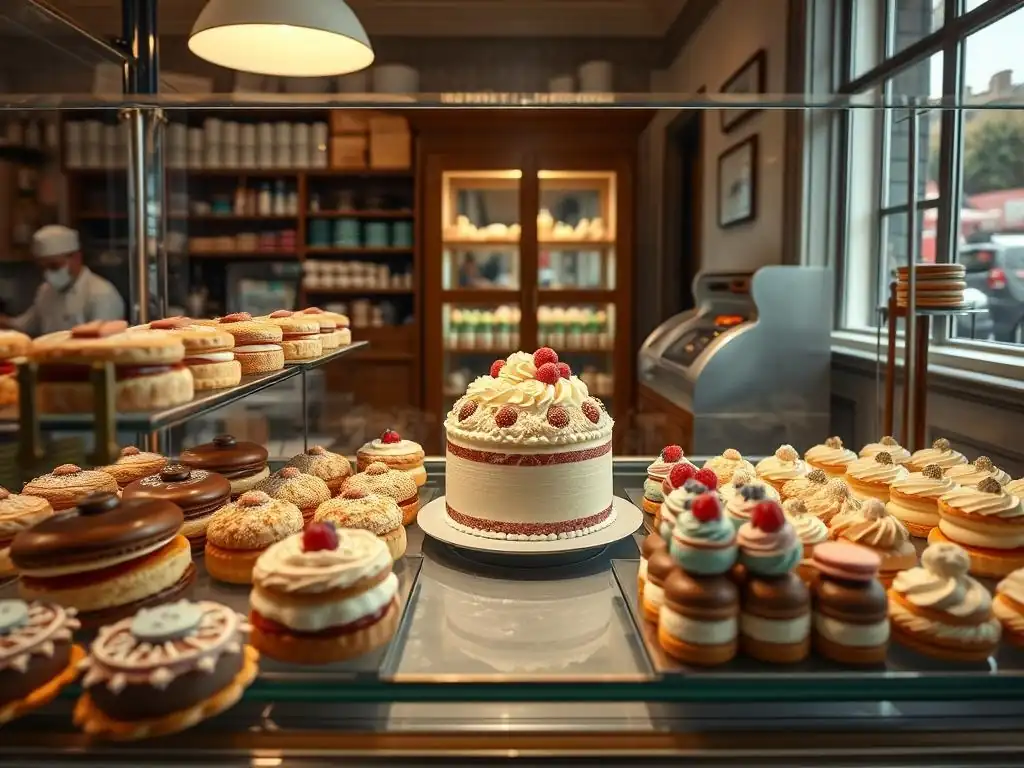
Inspired by your patisserie visit? You can bring the magic of French baking into your own kitchen. BakeWithEase offers resources to help you master classic French pastry techniques.
Our Recommended Baking Tools for French Pastries
Recreating French pastries often requires specific tools to achieve the desired results. Precision is key in many recipes. A good quality rolling pin is essential for working with laminated doughs like puff pastry, allowing you to roll evenly and thinly. A pastry mat with measurements can help ensure your dough is rolled to the correct size and thickness. For tasks like making macarons or tempering chocolate, a baking thermometer is invaluable for accuracy.
For specific pastries, specialized equipment can make a difference. Éclairs and choux puffs benefit from being piped using pastry bags and specific tips. Tarts require tart pans, often with removable bottoms for easy release. While you can start with basic tools, investing in a few key items can significantly improve your results when tackling more complex French recipes.
Exclusive BakeWithEase Recipes: Bring the Patisserie Home
Ready to try your hand at baking French classics? BakeWithEase provides detailed, easy-to-follow recipes designed for home bakers. You can find guides to making flaky croissants from scratch, mastering the delicate art of macarons with their perfect "feet," or whipping up a batch of light and airy éclairs.
These recipes break down the sometimes complex techniques of French pastry into manageable steps, offering tips and troubleshooting advice along the way. With practice and patience, you can recreate the flavors and textures you enjoyed in the patisserie right in your own kitchen, sharing the joy of French baking with friends and family.
Conclusion: Embrace the Art of French Pastry Ordering
Visiting a French patisserie is a delightful sensory experience and a chance to indulge in edible works of art. Armed with this French pastry ordering guide, you can step confidently into any patisserie, appreciate the skill and tradition behind the creations, and make informed choices. Whether you stick to the timeless classics or venture into lesser-known delights, each bite offers a taste of France's rich culinary heritage. And remember, the journey doesn't have to end there – with BakeWithEase, you can continue exploring the world of French pastry by recreating these exquisite treats at home. Bon appétit!
Frequently Asked Questions
What should I expect when entering a French patisserie?
Expect a visually stunning display of beautifully crafted pastries and a generally formal, yet friendly atmosphere. Be prepared to point and perhaps use basic French phrases.
What are some must-try French pastries that a beginner should order?
Start with classics like croissants, pain au chocolat, or macarons. These offer a good introduction to French pastry flavors and textures.
How does ordering in a French patisserie differ from ordering in an American bakery?
French patisseries often prioritize visual presentation and artisanal techniques. Expect a higher price point and smaller portions compared to American bakeries.
What are some common French terms I should know before ordering pastries?
Knowing terms like "un/une" (a/an), "s'il vous plaît" (please), and the names of specific pastries like "éclair" or "tartelette" can be helpful.
What is the typical price range I should expect for pastries in a French patisserie?
Prices vary, but expect to pay between €2-€6 per pastry, depending on the complexity and ingredients used. High-end patisseries may charge more.
Final Reflection: A Sweet Taste of French Culture and Culinary Adventure
The allure of French patisseries extends far beyond a simple sugar rush; they represent a rich tapestry of tradition, artistry, and unparalleled flavor. Navigating this world, however, can feel daunting for the uninitiated. This guide aimed to demystify the experience, empowering you to confidently order and savor the exquisite creations within.
The impact of French pastry on the global culinary landscape is undeniable. Its influence can be seen in countless bakeries and cafes worldwide, a testament to the enduring appeal of its refined techniques and exquisite flavors. The art of French pastry is not merely about creating delicious treats, but about crafting an experience, a moment of pure indulgence.
This quote, while hypothetical, encapsulates the feeling one gets when experiencing a truly exceptional French patisserie. From the delicate macarons to the flaky croissants, each pastry tells a story, a history woven into every bite.
Now, armed with this knowledge, I invite you to embark on your own culinary adventure. Don't be afraid to step inside those charming patisseries, to engage with the passionate artisans, and to let your senses guide you. The next time you see a glistening éclair or a perfectly formed tart, remember the details we've explored, and order with confidence. Let the sweet taste of France become a cherished memory, a testament to your own personal journey of discovery.
Unlock the Secrets of French Patisseries!
Thanks for joining us on this delicious journey into the heart of French patisseries! We hope you've gained a newfound appreciation for the artistry and flavour these incredible establishments offer. Now it's time to put your newfound knowledge to the test!
- Plan your next Parisian pastry pilgrimage! Imagine yourself savouring a perfectly crafted croissant, the flaky layers melting in your mouth. Research your favourite patisserie and schedule a visit – or even a whole weekend dedicated to pastry exploration!
- Share your favourite French pastry discoveries with us! Let's build a community of pastry enthusiasts. Tell us in the comments what your go-to pastry is and why you love it.
- Challenge yourself to bake a classic French pastry at home! Find a recipe online (we have some great suggestions on BakeWithEase.com!) and embark on your own baking adventure. It's more rewarding than you might think!
So, what's the first French pastry you're going to try – either in a patisserie or your own kitchen?