
The Evolution of German Bread: From Ancient Grains to Modern Bakeries

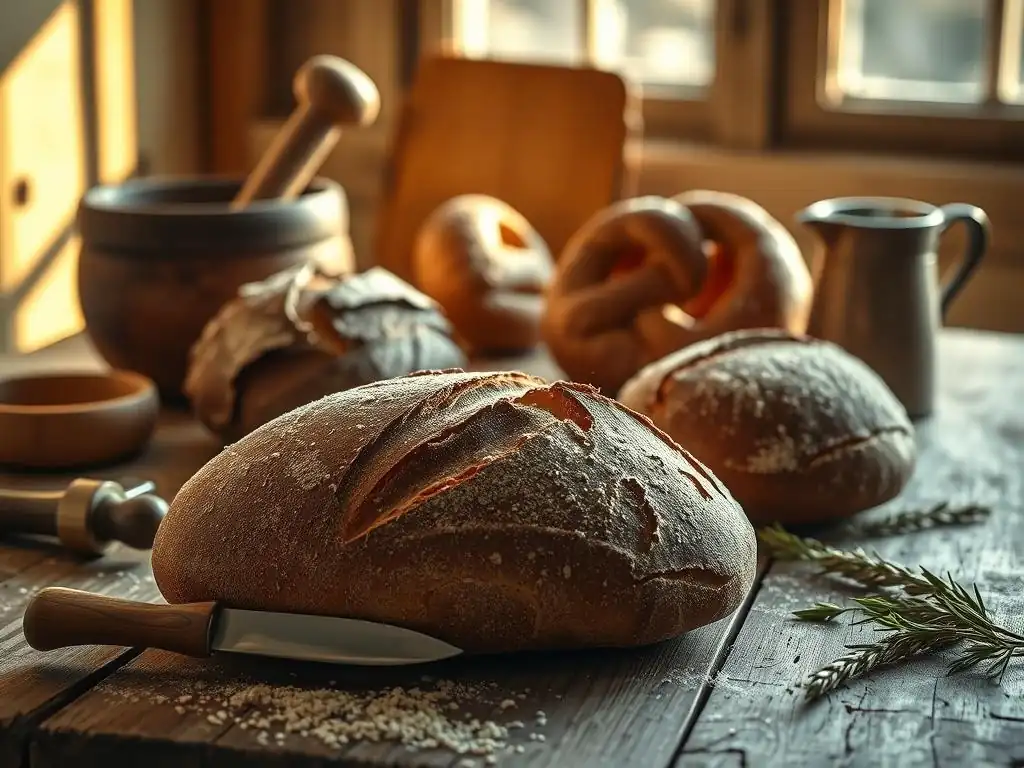
Welcome to BakeWithEase, your trusted guide to the delightful world of baking! Ever wondered how the hearty loaves of German sourdough bread evolved into the delicious staples we enjoy today? This article dives deep into the rich history and fascinating techniques behind German baking traditions. Prepare to uncover the secrets behind achieving that perfect crust and tangy flavor, and perhaps even inspire your next baking adventure. Read on to discover an easy German sourdough bread recipe and so much more!
- Exploring the Rich History of German Bread Baking Traditions
- The Rise of German Sourdough Bread: A Culinary Staple
- Unveiling the Secrets to Authentic German Sourdough
- German Bread Recipes: From Traditional to Modern Twists
- Modern Bakeries and the Future of German Bread
- Tools and Equipment for Baking German Bread at Home
- Conclusion: Embracing the Art of German Bread Baking
-
Frequently Asked Questions
- How does BakeWithEase make German sourdough bread recipes easy to follow?
- What makes German sourdough bread unique compared to other sourdough breads?
- Where can I find the "German sourdough bread recipe easy" mentioned on BakeWithEase?
- What are the key ingredients for making an authentic German sourdough bread at home?
- What kind of tips and techniques does BakeWithEase offer to improve my sourdough baking skills?
- Final Reflection: The Enduring Legacy of German Bread
- Unlock the Secrets of German Bread Baking!
Exploring the Rich History of German Bread Baking Traditions
A Journey Through German Bread Heritage: From Ancient Grains to Rustic Loaves
Germany boasts a bread culture that stretches back millennia, deeply intertwined with its agricultural history. Evidence suggests that early inhabitants were grinding grains and baking simple flatbreads as far back as 8,000 years ago. As agricultural practices evolved, so did bread making.
The Romans introduced more advanced milling techniques, and later, monastic communities played a crucial role in preserving and refining baking skills, often cultivating specific grains like rye, which thrives in cooler German climates. The medieval period saw the rise of baker guilds, ensuring quality and variety, laying the foundation for the incredible diversity we see today, estimated to include well over 300 main types of bread and countless regional variations.
This journey from ancient grains like spelt and emmer to the hearty, rustic loaves characteristic of German baking is a testament to ingenuity and tradition. Unlike many cultures that favor lighter, whiter breads, Germany has a strong preference for darker, whole-grain varieties, particularly those made with rye or a mix of rye and wheat.
These breads are often dense, packed with flavor, and designed to stay fresh for days, reflecting a history where bread was a central, sustaining part of every meal. The shift from simple hearth baking to the sophisticated ovens used by guilds and later commercial bakeries marked significant progress, but the core principles of using quality grains and often relying on natural fermentation remained constant.
Understanding the Cultural Significance of Bread in Germany
Bread, or Brot, is far more than just food in Germany; it is a cultural cornerstone, a symbol of sustenance, community, and tradition. It's not uncommon for Germans to eat bread multiple times a day – for breakfast ( Frühstück), often with butter, jam, or cold cuts, and for dinner ( Abendbrot), a traditional cold supper centered around various breads, cheeses, and meats.
This daily ritual highlights the integral role bread plays in German life, a practice less common in countries where bread is often seen as a side dish or a vehicle for sandwiches. The simple act of sharing bread at the table reinforces social bonds and connects generations.
The cultural significance is also evident in the sheer number of bakeries ( Bäckereien). While numbers have declined slightly in recent decades due to industrialization, Germany still boasts thousands of independent bakeries, far more per capita than many other European nations.
In 2022, there were still approximately 9,500 artisanal bakeries operating across the country, producing an astonishing variety of loaves daily. This strong artisanal presence reflects a deep cultural value placed on quality, craftsmanship, and local character in bread production, a sentiment that continues to inspire home bakers seeking to recreate authentic flavors, including the much-loved German sourdough bread recipe easy for beginners.
The Rise of German Sourdough Bread: A Culinary Staple
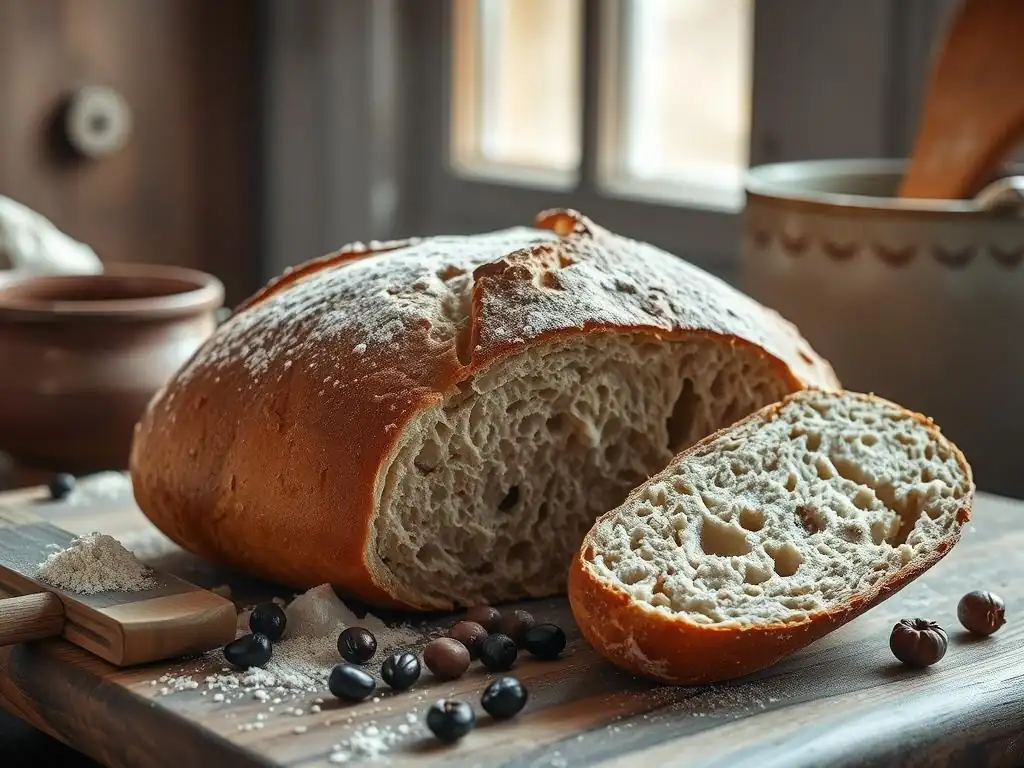
The Art of German Sourdough: History and Techniques
Sourdough baking is an ancient technique, but it holds a particularly prominent place in German bread history, especially for rye-based loaves. Rye flour contains less gluten than wheat, making it challenging to achieve a light, airy loaf using commercial yeast alone. Sourdough, with its unique combination of wild yeasts and lactic acid bacteria, provides the necessary leavening power and structure for dense rye doughs.
Historically, bakers would simply keep a portion of dough from one batch to leaven the next, a continuous cycle that maintained the starter (or Sauerteig). This method has been used for centuries, passed down through apprenticeships and family traditions.
The technique involves cultivating a starter, a living culture of microorganisms, typically from flour and water. This starter is then used to ferment the dough, a process that can take several hours or even days, depending on the desired flavor and texture. The slow fermentation develops complex flavors and aromas that are the hallmark of traditional German sourdough. Techniques vary regionally, with some bakers employing multi-stage fermentation processes or using different hydration levels to achieve specific crumb structures and crust characteristics. Mastering this process is key to an authentic German sourdough bread recipe easy enough for the home kitchen.
Why German Sourdough is a Culinary Favorite
German sourdough is celebrated globally for its distinctive tangy flavor, robust texture, and long shelf life. The unique microbial activity in the starter produces lactic and acetic acids, contributing to the bread's characteristic sourness and helping to preserve it naturally. This tangy profile pairs exceptionally well with hearty German foods like cold cuts, cheeses, and pickles. Beyond flavor, the fermentation process can also make the bread easier to digest for some people, particularly those sensitive to commercially yeasted breads, due to the breakdown of certain compounds in the flour.
The dense crumb and substantial crust of a good German sourdough provide a satisfying chew and hold up well to toppings and spreads without becoming soggy. This makes it incredibly versatile for open-faced sandwiches ( Butterbrot) or as an accompaniment to soups and stews.
The health benefits associated with naturally fermented grains, such as improved nutrient availability and lower glycemic index compared to some white breads, also contribute to its appeal. For many, the appeal lies not just in eating it, but in the rewarding process of baking it – finding a simple German sourdough recipe that works at home is a popular goal.
Unveiling the Secrets to Authentic German Sourdough
Key Ingredients for the Perfect German Sourdough Loaf
-
Rye Flour vs. Wheat Flour: Understanding the differences for optimal texture and flavor.
German sourdough often heavily features rye flour, sometimes exclusively or in combination with wheat. Rye flour is lower in gluten and higher in pentosans, which absorb more water and contribute to the dense, moist texture characteristic of many German breads. Wheat flour provides more gluten structure, helping the bread rise and creating a lighter crumb when used in a mix.
A classic German Mischbrot (mixed bread) might use a ratio like 60% rye and 40% wheat, often with the rye portion being sourdough-leavened and the wheat portion potentially using commercial yeast for extra lift. Using the right blend is crucial for an authentic German sourdough bread recipe easy to manage at home.
-
The Importance of a Strong Starter: Maintaining a healthy sourdough culture.
A strong, active sourdough starter is the heart of great German sourdough. It needs to be fed regularly with fresh flour and water to keep the wild yeasts and bacteria vigorous. A healthy starter should double or triple in size within a few hours after feeding and have a pleasant, tangy aroma. If your starter is sluggish or smells off, it might need more frequent feeding or a change in feeding ratio. A robust starter ensures reliable leavening and contributes significantly to the bread's flavor profile, making your German sourdough bread recipe easy to execute successfully.
-
Salt and Water Quality: How these seemingly simple ingredients impact the final product.
Salt is vital for flavor, crust formation, and controlling fermentation speed. Too little salt results in bland bread and uncontrolled rising; too much can inhibit yeast activity. Typically, salt makes up about 1.8% to 2.2% of the total flour weight. Water quality also matters. Chlorinated water can harm the delicate microorganisms in your starter and dough. Using filtered or bottled water is often recommended, especially when starting a new culture. The temperature of the water also affects dough temperature and fermentation rate, a key factor in achieving the desired outcome for your easy German sourdough recipe.
Mastering the Sourdough Starter: A Step-by-Step Guide for BakeWithEase Readers
-
Creating Your Own Starter: From scratch.
Creating a sourdough starter is surprisingly simple, requiring just flour and water, but it takes patience. Mix equal parts flour (rye or whole wheat works well initially) and non-chlorinated water in a jar. For example, start with 50g flour and 50g water. Stir until combined, cover loosely, and leave at room temperature.
For the next 7-14 days, discard about half of the starter each day and feed it with fresh flour and water (e.g., 50g discarded, feed with 50g fresh flour and 50g fresh water). You'll start seeing bubbles and a tangy smell develop, indicating activity. By day 10-14, it should be consistently doubling within 4-8 hours after feeding, ready for your German sourdough bread recipe easy approach.
-
Feeding and Maintaining Your Starter: Achieving consistent results.
Once your starter is active, regular feeding is key. If you bake frequently, keep it at room temperature and feed it daily. If you bake less often, store it in the refrigerator and feed it once a week.
Before baking, take the refrigerated starter out, feed it, and let it become active at room temperature until it's bubbly and passes the float test (a small dollop floats in water). The ratio of starter:flour:water can vary (e.g., 1:1:1, 1:2:2), affecting how quickly it becomes active. Consistency in feeding time and temperature helps maintain a predictable starter for your German sourdough bread recipe easy baking sessions.
-
Troubleshooting Common Starter Problems: Tips and tricks for success.
Common issues include slow activity, a liquid layer on top ("hooch"), or mold. Hooch is normal and can be stirred in or poured off; it indicates the starter is hungry. Slow activity might mean it needs warmer temperatures or more frequent feeding. If you see mold, discard the starter and start over. Foul smells (like cheese or nail polish remover) usually indicate the wrong bacteria are dominant; try more frequent feeding or switching flour types. Persistence is key; most starter issues can be resolved with consistent care, ensuring you have a reliable leaven for your easy German sourdough recipe.
German Bread Recipes: From Traditional to Modern Twists
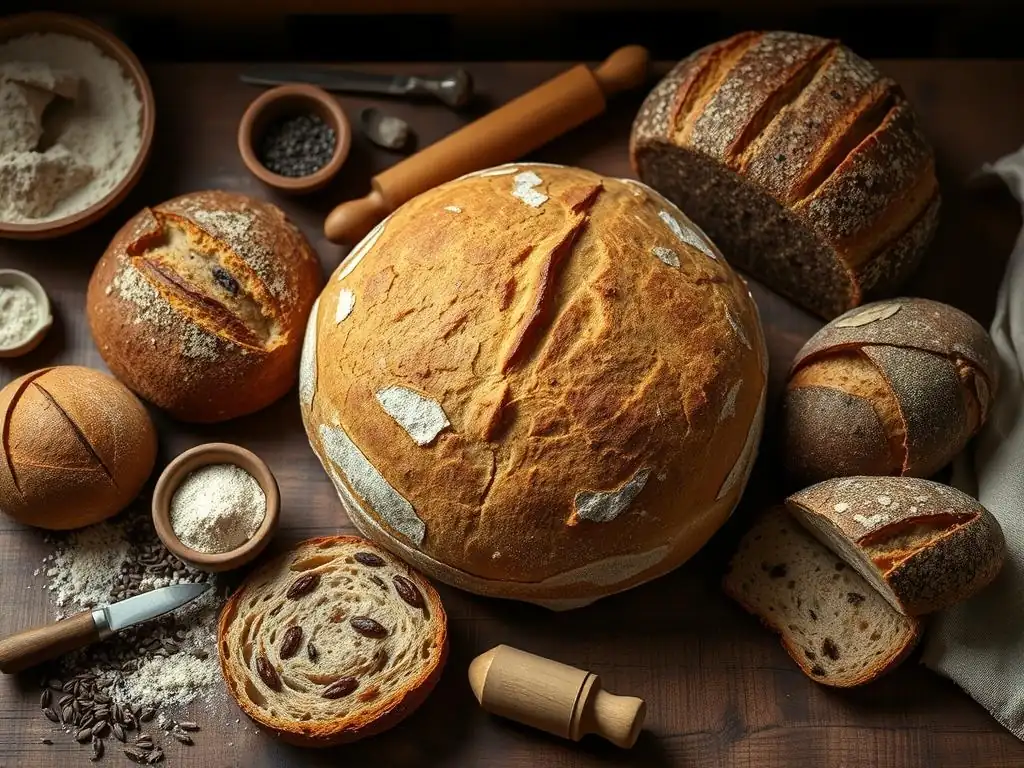
Easy German Bread Recipes for the Home Baker: BakeWithEase Style
-
Bauernbrot (Farmer's Bread): A hearty and rustic loaf.
Bauernbrot is a classic German mixed rye and wheat bread, often leavened with sourdough, sometimes with added commercial yeast. It's known for its thick, crackling crust and dense, moist crumb. A typical recipe might use 70% rye flour and 30% wheat flour. The dough is often relatively wet and shaped into a round or oval loaf. Baking usually starts at a high temperature (around 250°C) with steam to develop the crust, then lowered (to 180-200°C) to bake through. An easy German sourdough bread recipe for Bauernbrot focuses on simple mixing and shaping techniques.
-
Roggenmischbrot (Mixed Rye Bread): A classic German staple.
Roggenmischbrot is perhaps the most ubiquitous German bread, varying widely in its rye-to-wheat ratio (from 50:50 to 90:10 rye). The higher the rye content, the denser and tangier the bread. Sourdough is essential for higher-rye versions to provide lift and characteristic flavor. These loaves are often baked in loaf pans to support the dough's structure. Baking times are typically longer than for pure wheat breads, often 60-90 minutes for a 1kg loaf. Finding a reliable German sourdough bread recipe easy to follow for Roggenmischbrot is a great step into traditional German baking.
-
Sonnenblumenbrot (Sunflower Seed Bread): Adding texture and flavor.
Sonnenblumenbrot is a popular variation of Roggenmischbrot or Vollkornbrot (whole grain bread) that incorporates a generous amount of sunflower seeds, both inside the dough and sometimes sprinkled on top. The seeds add a delightful nutty flavor and crunchy texture. The base dough is often a rye-wheat mix, leavened with sourdough. The seeds are typically soaked before being added to the dough to prevent them from absorbing too much moisture during baking. This bread is hearty and makes excellent toast. An easy German sourdough recipe adaptation simply involves folding in soaked seeds during the mixing phase.
-
Pumpernickel: The dark, dense bread with a long history.
Originating from the Westphalia region, Pumpernickel is a unique, very dark, dense rye bread made primarily from whole rye kernels and rye flour, often without any added yeast. Its characteristic sweetness and deep color come from a very long, slow baking process at low temperatures (sometimes as low as 100-120°C) for 16 to 24 hours in sealed containers.
This process is more akin to steaming or cooking than traditional baking. Authentic Pumpernickel is a niche bread requiring specific techniques, but simpler versions exist that approximate its flavor and texture, sometimes using sourdough and shorter baking times for a home German sourdough bread recipe easy interpretation.
Adapting Traditional German Bread Recipes for Modern Kitchens
-
Using Stand Mixers for Kneading: Simplifying the process.
Traditional German rye doughs can be very sticky and dense, making hand kneading challenging. A stand mixer with a dough hook can significantly simplify this process. Rye dough doesn't require extensive gluten development like wheat dough, so mixing is more about incorporating ingredients evenly. For mixed rye-wheat doughs, the mixer can handle the initial mixing and a few minutes of kneading. This adaptation makes tackling a German sourdough bread recipe easy and less physically demanding.
-
Oven Temperature and Baking Times: Achieving the perfect crust and crumb.
Home ovens can vary significantly from professional bakery ovens. To achieve a good crust on German sourdough, baking at a high initial temperature (230-250°C) with steam is crucial. Steam prevents the crust from forming too quickly, allowing the loaf to expand properly and creating a thin, crispy exterior.
After 10-15 minutes, the temperature is typically lowered (to 180-200°C) for the remainder of the bake to ensure the dense interior cooks through. Baking times for a 1kg loaf can range from 45 to 90 minutes depending on the recipe and rye content. Experimentation with your specific oven is key to perfecting your easy German sourdough recipe.
-
Substituting Ingredients: Maintaining authenticity while using readily available components.
While traditional German recipes might call for specific types of rye flour (like Roggenvollkornmehl or Roggenmehl Type 1150), you can often achieve great results using readily available whole rye flour and bread flour (high-gluten wheat flour). If a recipe calls for specific seeds or grains, you can often substitute similar types (e.g., using pumpkin seeds instead of sunflower seeds). The core principles of sourdough leavening and proper fermentation remain the most critical elements, allowing for some flexibility with ingredients while still achieving a characteristically German loaf with your easy German sourdough bread recipe.
Modern Bakeries and the Future of German Bread
The Influence of Modern Techniques on Traditional German Baking
Modern technology and changing consumer habits are influencing traditional German baking. While many artisanal bakeries fiercely protect traditional methods, others are incorporating modern equipment like computer-controlled ovens, advanced mixers, and retarding proofers to improve efficiency and consistency. There's also a growing interest in using heritage grains again, sometimes milled in-house with modern mills.
Furthermore, the rise of health consciousness has led to an increased focus on whole grains, ancient grains, and naturally leavened breads, reinforcing the appeal of traditional sourdough. Some bakeries are also experimenting with new flavor combinations or adapting classic recipes to appeal to younger generations while still honoring the core principles of quality ingredients and craftsmanship inherent in German bread making.
Visiting Authentic German Bakeries: A Baking Tourism Experience
-
Recommended Bakeries in Bavaria: Highlighting bakeries that offer sourdough bread baking classes or workshops.
Bavaria, like many German regions, has a strong bakery tradition. While I cannot provide specific names or links, many artisanal bakeries in towns across Bavaria, particularly those focusing on organic or traditional methods, offer insights into German sourdough. Look for bakeries advertising Handwerk (craftsmanship) or Bio (organic). Some larger, well-established bakeries, especially in cities like Munich or Nuremberg, occasionally host workshops or offer tours where you can see the sourdough process firsthand and perhaps pick up tips for your own easy German sourdough bread recipe attempts. Inquire locally or check bakery websites for such opportunities.
-
Tasting Tours: Exploring different regional bread variations.
Exploring German bread is best done through tasting. Many cities offer food tours that include stops at traditional bakeries. Alternatively, simply visiting several bakeries in a town allows you to sample different regional specialties. For instance, in the north, you might find more dense rye breads like Pumpernickel, while the south often features more mixed-grain loaves and pretzels. Sampling a variety of sourdoughs – from light Mischbrot to dark Vollkornbrot – reveals the spectrum of flavors achievable with this versatile leavening method. Each loaf tells a story of local grains, traditions, and the baker's skill.
-
Learning from Master Bakers: Immersing yourself in the craft.
For serious enthusiasts, seeking out opportunities to learn directly from German master bakers ( Bäckermeister) offers invaluable insights. While formal apprenticeships are extensive, some master bakers offer short courses or workshops aimed at home bakers. These experiences can provide hands-on practice with dough handling, shaping techniques, and understanding fermentation cycles specific to German rye and mixed-grain sourdoughs. Learning from a master can profoundly improve your understanding and execution of an easy German sourdough bread recipe, transforming it from a simple formula into a crafted art.
Tools and Equipment for Baking German Bread at Home
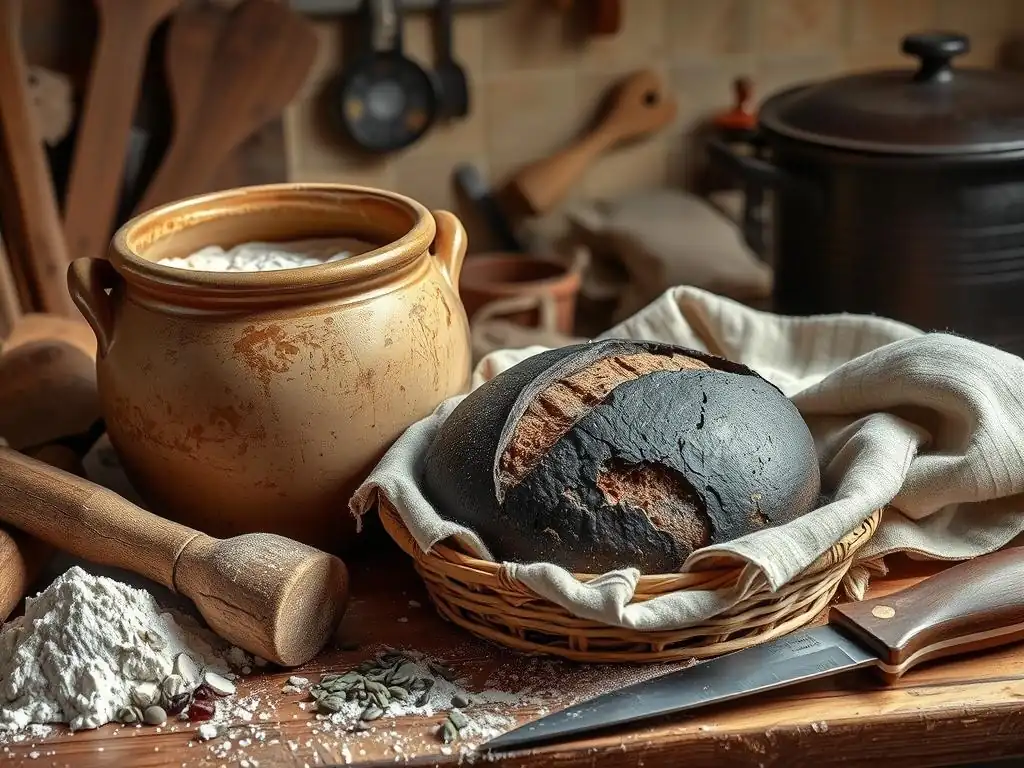
Essential Baking Tools for Beginners: BakeWithEase Recommendations
-
Banneton Baskets: For shaping and proofing sourdough.
Banneton baskets (proofing baskets), typically made from rattan or wood pulp, are invaluable for shaping and proofing sourdough loaves, especially wetter doughs common in German baking. Dusting them generously with flour prevents sticking. They help the dough hold its shape as it proofs and impart a lovely pattern on the crust. A round or oval banneton is suitable for most German-style freeform loaves.
-
Dutch Ovens: Creating a steamy environment for optimal crust development.
Baking sourdough in a preheated Dutch oven simulates the conditions of a professional deck oven with steam injection. The lid traps the moisture released by the dough, creating steam that allows the crust to expand fully before hardening. After 15-20 minutes, removing the lid allows the crust to brown and crisp up. This method is highly recommended for achieving the signature crackling crust on a German sourdough bread recipe easy bake at home.
-
Bread Knives: Slicing through crusty loaves with ease.
A good quality serrated bread knife is essential for cleanly slicing through the thick, often dense crust of German breads without crushing the interior. A long blade allows for smooth, single strokes. Investing in a sharp bread knife makes serving your homemade German sourdough a much more enjoyable experience.
-
Kitchen Scale: For precise ingredient measurements.
Baking, especially sourdough, is a science where precision matters. Measuring ingredients by weight using a kitchen scale is far more accurate than using volume measurements (cups). Flour density can vary, leading to inconsistent results. Most professional and reliable home baking recipes, including those for German sourdough, provide measurements in grams. A digital kitchen scale is an inexpensive tool that dramatically improves baking consistency for your German sourdough bread recipe easy attempts.
Advanced Baking Equipment for Experienced Bakers
-
Stone Baking Boards: Enhancing crust texture.
A preheated baking stone or steel provides a burst of heat to the bottom of the loaf, promoting excellent oven spring and developing a crisp bottom crust. While a Dutch oven provides similar benefits, baking on a stone is a traditional method used in hearth ovens. It requires a separate method for generating steam, such as a tray of hot water placed on a rack below the stone.
-
Proving Cabinets: Controlling temperature and humidity.
For bakers who want precise control over the fermentation process, a proving cabinet (or proofing box) provides a stable, warm, and humid environment. This is particularly useful for sourdough, which can be sensitive to ambient temperature fluctuations. Consistent proofing conditions lead to more predictable results in terms of rise, texture, and flavor development for complex German sourdough recipes.
-
Grain Mills: Grinding your own flour for maximum freshness.
Grinding your own flour from whole grains provides the freshest possible flour, retaining more nutrients and flavor compounds. For bakers dedicated to traditional German methods, milling organic rye or wheat berries just before baking can elevate the quality of their bread. While a significant investment, a home grain mill allows for experimentation with different grain varieties and milling levels.
Conclusion: Embracing the Art of German Bread Baking
The Enduring Appeal of German Bread: A Culinary Legacy
The appeal of German bread, particularly its rich sourdough tradition, lies in its depth of flavor, satisfying texture, and connection to a long history of craftsmanship. From the simplest Roggenbrot to elaborate seeded loaves, German breads offer a unique culinary experience that is both nourishing and delicious.
This enduring legacy is a testament to the quality of ingredients, the mastery of fermentation, and the cultural value placed on this humble yet essential food. The variety available, whether in a German bakery or attempted at home with a German sourdough bread recipe easy to follow, ensures there's a bread for every taste and occasion.
Encouraging Readers to Experiment with German Sourdough
Embarking on the journey of baking German sourdough at home is a rewarding experience. It connects you to centuries of baking tradition and allows you to create loaves that are far superior to most store-bought options. Don't be intimidated by the prospect of working with sourdough or rye. Start with a simple German sourdough bread recipe easy to manage, perhaps one that uses a mix of rye and wheat.
Focus on nurturing your starter and observing the dough. Each bake is a learning opportunity. With patience and practice, you'll soon be pulling warm, fragrant, authentic German sourdough loaves from your own oven, ready to share and enjoy.
Frequently Asked Questions
How does BakeWithEase make German sourdough bread recipes easy to follow?
BakeWithEase provides step-by-step guides with clear instructions and easy-to-find ingredients, breaking down complex processes into manageable steps. This ensures even beginners can successfully bake German sourdough.
What makes German sourdough bread unique compared to other sourdough breads?
German sourdough often uses rye flour, contributing to its distinctive flavor and dense texture. It also frequently incorporates spices like caraway seeds, setting it apart.
Where can I find the "German sourdough bread recipe easy" mentioned on BakeWithEase?
You can find the recipe directly on BakeWithEase.com, likely within the "Breads" or "Sourdough" section. Use the search function for quick access.
What are the key ingredients for making an authentic German sourdough bread at home?
The key ingredients typically include rye flour, wheat flour, sourdough starter, water, and salt. Caraway seeds are often added for that classic German flavor.
What kind of tips and techniques does BakeWithEase offer to improve my sourdough baking skills?
BakeWithEase provides tips on sourdough starter maintenance, proofing techniques, and troubleshooting common baking issues. This helps bakers of all levels improve their results.
Final Reflection: The Enduring Legacy of German Bread
The simple act of baking bread, particularly German sourdough, connects us to a rich history and a vibrant culinary tradition that continues to thrive today. From ancient grain varieties to the modern artisan bakeries, the evolution of German bread reflects not only changes in technology and ingredients but also shifting cultural values and societal structures. The enduring popularity of German bread, particularly its sourdough variations, speaks to its intrinsic quality and enduring appeal.
The journey through the history of German bread has been a fascinating exploration of cultural identity and culinary innovation. The meticulous craftsmanship involved in creating these loaves, passed down through generations, is a testament to the enduring power of tradition. Bread is the staff of life,
a simple phrase, yet it encapsulates the profound significance of bread in human history and culture. The evolution of German bread, with its diverse regional styles and techniques, reflects this deep-seated connection. This journey has personally deepened my appreciation for the artistry and dedication required to produce a truly exceptional loaf.
Now, it's your turn. Consider the simple act of baking a loaf of sourdough. It's not just about the recipe; it's about connecting with a heritage, understanding the process, and appreciating the simple pleasures of creating something delicious and nourishing with your own hands. Try your hand at a German sourdough recipe – even a simple one – and experience the satisfaction of this ancient craft firsthand. Let the aroma of freshly baked bread fill your home, and savor the taste of history with every bite.
Unlock the Secrets of German Bread Baking!
Thanks for joining us on this delicious journey through the history and artistry of German bread! We hope you've gained a new appreciation for the craft and the incredible diversity of flavors and textures. Ready to put your newfound knowledge to the test?
- Bake your own German bread masterpiece! Try out one of the recipes mentioned in the article – the results will be unbelievably rewarding.
- Share your baking journey with our community! Post photos of your creations on social media using #BakeWithEaseGermanBread and inspire others.
- Explore regional variations! Dive deeper into the unique bread traditions of a specific German region – what intriguing ingredients or techniques will you uncover?
What unique twist will you add to your next loaf of German bread? Let's discuss in the comments below!