
The Daily Ritual: Bread's Indispensable Role in German Life

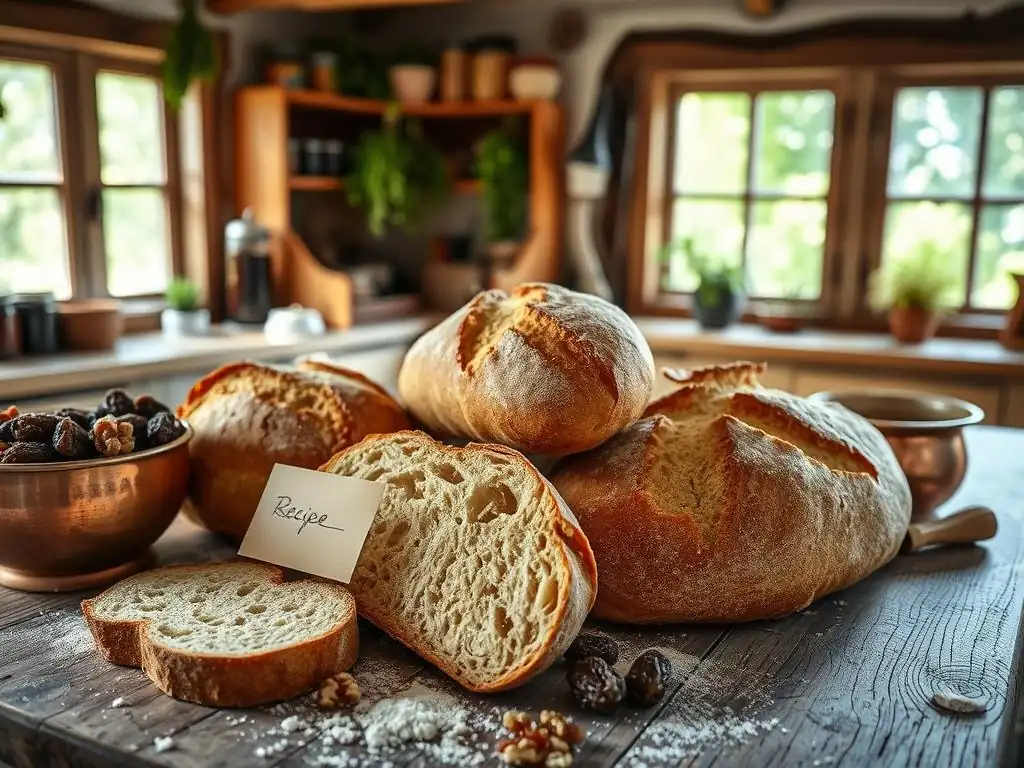
Welcome to BakeWithEase, your passport to the delicious world of baking! Ever wondered why bread holds such a special place in German culture? Dive into our exploration of The Daily Ritual: Bread's Indispensable Role in German Life and discover the secrets behind authentic German baking. From simple recipes to fascinating traditions, we'll unlock the art of creating truly exceptional bread, including German sourdough bread recipes easy enough for any home baker. Curious to uncover the heart of German baking? Your journey starts here!
- Understanding German Bread Culture: A Baker's Journey
- Decoding German Sourdough: Easy Recipes for Home Bakers
- Step-by-Step: Easy German Sourdough Bread Recipes You Can Bake Today
- Essential Tools for Baking German Sourdough at Home
- Tips and Tricks for Mastering German Sourdough
- Beyond the Recipe: Experiencing German Bread Culture
- Conclusion: Embrace the Tradition, Bake with Ease.
-
Frequently Asked Questions
- How does German culture typically view bread, especially sourdough?
- Where can I find simple German sourdough bread recipes if I'm a beginner baker?
- What makes German sourdough bread recipes different from other sourdough breads?
- What are some common ingredients used in easy German sourdough bread recipes?
- How long does it typically take to make German sourdough bread from start to finish?
- Final Reflection: The Enduring Crumb: Bread's Timeless Place in German Culture
- Unleash Your Inner Bäcker: Bake Your Way to German Tradition!
Understanding German Bread Culture: A Baker's Journey
The Importance of Brot: More Than Just Food
In Germany, bread, or Brot, is far more than just a staple food item; it is deeply woven into the cultural fabric and daily life. Germans consume a significant amount of bread, with annual consumption per person estimated to be around 56 kilograms, highlighting its central role in their diet. This isn't just sliced white bread; the landscape is dominated by dark, dense, and often hearty loaves made from rye, spelt, and whole grains, reflecting a long history of agricultural practices and regional diversity.
Bread serves as the foundation for various meals throughout the day. Breakfast ( Frühstück) frequently features a selection of fresh rolls ( Brötchen) or slices of dark bread with butter, cheese, cold cuts, or jam. The traditional evening meal, Abendbrot (literally "evening bread"), is typically a simple, cold spread centered around different types of bread served with an assortment of toppings. This highlights bread's function not just as sustenance, but as a social anchor, bringing families together.
Exploring Regional Variations: From Pumpernickel to Roggenbrot
Germany boasts an astonishing variety of bread types, often cited as having over 300 distinct kinds, with regional specialties being a source of great pride. This diversity stems from historical factors like the country's fragmented past, varied climates influencing grain availability, and local baking traditions passed down through generations. Traveling through Germany offers a unique culinary tour dictated by its bakeries.
For instance, the dark, dense, and slightly sweet Pumpernickel is a slow-baked rye bread originating from the Westphalia region. Its unique texture and flavor come from a long, low-temperature baking process, sometimes lasting over 16 hours. In contrast, a Roggenbrot (rye bread) from Bavaria might be lighter in color and density than its northern counterparts, often incorporating sourdough for tang and structure. The specific blend of flours, leavening methods (yeast, sourdough, or both), and additions like seeds or spices create this rich tapestry of flavors and textures, making each loaf a reflection of its regional heritage.
Decoding German Sourdough: Easy Recipes for Home Bakers
What Makes German Sourdough Unique?
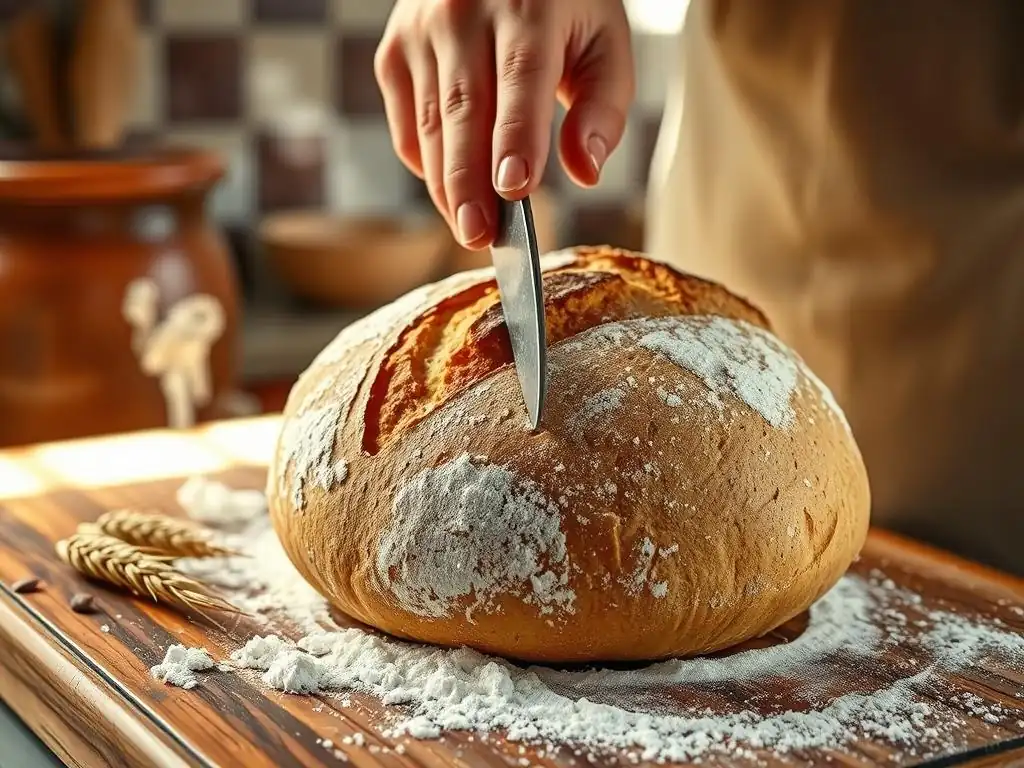
German sourdough bread stands out due to its characteristic tang, dense crumb, and often high proportion of rye flour. While sourdough is used globally, the German approach frequently emphasizes rye's unique fermentation properties and the complex flavors developed during a slower, often cooler, bulk fermentation and proofing process. This contrasts with some sourdough traditions that focus solely on wheat and a lighter, airier crumb.
The distinct sourness comes from lactic and acetic acids produced by the diverse community of wild yeasts and lactic acid bacteria in the starter. In German sourdough, especially rye-heavy loaves, lactic acid often dominates, contributing a creamy, yogurt-like tang, while acetic acid adds a sharper, vinegary note. Mastering the starter's health and the fermentation temperature is key to controlling this balance and achieving the desired flavor profile in your easy German sourdough bread recipes.
Key Ingredients for Authentic German Sourdough Bread Recipes
Creating authentic German sourdough bread at home relies on a few core ingredients that contribute significantly to its texture and flavor. Understanding the role of each is crucial for success.
Stone-Ground Rye Flour: The Heart of German Bread
Rye flour is a cornerstone of many traditional German breads, particularly the dark, hearty varieties. Unlike wheat, rye has a lower gluten content and different starches that contribute to a denser, moister crumb. Stone-ground rye is preferred by many traditional bakers because the milling process retains more of the grain's nutrients and flavor compounds, resulting in a richer, more complex taste.
Using a significant percentage of rye flour requires adapting techniques compared to baking with 100% wheat. Rye ferments differently and doesn't develop gluten networks in the same way. This is where the sourdough starter becomes particularly important, as the acids it produces help break down pentosans (complex carbohydrates in rye) which improves the crumb structure and moisture retention, essential for authentic German sourdough bread recipes.
Sourdough Starter: Cultivating the Tang
A vibrant and active sourdough starter is the living leavening agent that gives German sourdough its lift, flavor, and longevity. This mixture of fermented flour and water hosts wild yeasts and lactic acid bacteria. For German-style bread, particularly those with high rye content, it's common to use a rye-based starter or a stiff starter (less hydrated) which can influence the acid production, often favoring lactic acid.
Maintaining a healthy starter involves regular feeding (adding fresh flour and water) to keep the microbial population active. A mature starter, typically several weeks or months old, provides a more reliable and flavorful result. Using a strong, active starter is fundamental to achieving a good rise and the characteristic tang when baking easy German sourdough bread recipes at home.
Caraway Seeds and Other Spices: Adding Depth of Flavor
While not universally present in all German sourdough breads, caraway seeds are a classic addition, particularly in rye loaves. Their distinct anise-like flavor complements the tang of the sourdough and the earthiness of the rye beautifully. They can be added whole to the dough or sprinkled on top before baking.
Beyond caraway, other spices like coriander, fennel seeds, or even ground cumin are sometimes included, especially in regional variations. These spices aren't just for flavor; some, like caraway, are traditionally believed to aid digestion. Incorporating these spices, even in small amounts, can elevate your easy German sourdough bread recipes, adding layers of complexity and authenticity.
Step-by-Step: Easy German Sourdough Bread Recipes You Can Bake Today
Recipe 1: Classic German Rye Sourdough (Roggenbrot) - A Beginner's Guide
This recipe provides a simplified approach to a classic Roggenbrot, focusing on ease for those new to baking German sourdough bread recipes. It typically uses a higher proportion of rye flour (often 60-80%) and relies heavily on the sourdough starter for leavening and flavor. The process is forgiving, making it a great starting point.
The key to this easy German sourdough recipe lies in understanding rye dough. It's stickier and less elastic than wheat dough. You won't knead it like a traditional wheat loaf. Instead, gentle mixing and minimal handling are preferred. The long fermentation time develops the complex flavors characteristic of German rye bread.
Step 1: Preparing the Sourdough Starter
Before you begin mixing the main dough, ensure your sourdough starter is active and bubbly. This usually involves taking a small amount of your mature starter and feeding it with fresh rye flour and water, letting it sit at room temperature until it doubles or triples in size, typically 4-12 hours depending on temperature and starter activity. A floating test (a small piece floats in water) is a good indicator of readiness.
For this easy German sourdough recipe, you'll typically use a good portion of this active starter, often referred to as the 'levain' or 'preferment'. Using an active starter is crucial for providing the necessary lift for the dense rye dough and initiating the flavor development process effectively.
Step 2: Mixing the Dough: Achieving the Right Consistency
In a large bowl, combine your active sourdough starter, warm water, rye flour, a smaller amount of wheat flour (if using a mixed flour recipe), salt, and any optional seeds like caraway. Unlike wheat dough, rye dough will be very sticky and resemble a thick batter or paste rather than a firm dough. Use a strong spoon or dough whisk to mix until all ingredients are just combined.
Avoid overmixing. The goal is simply to hydrate the flour and distribute the starter evenly. The consistency should be thick enough to hold some shape but too sticky to handle easily. This high hydration is typical for rye bread and contributes to its moist crumb.
Step 3: Shaping and Proofing: Building Flavor and Structure
Since rye dough is sticky, shaping is different. Often, it involves simply forming a rough loaf shape on a floured surface or directly into a well-floured proofing basket (banneton). Rye dough doesn't develop a strong gluten structure, so traditional tension-building shaping methods are less effective.
Proofing (the final rise) for this easy German sourdough recipe is crucial for flavor development. It can take several hours at room temperature or, ideally, a longer period (8-16 hours) in the refrigerator. Cold proofing slows the yeast activity while allowing the beneficial bacteria in the sourdough to produce more flavor compounds, resulting in a more complex and tangy loaf.
Step 4: Baking to Perfection: Achieving a Crispy Crust
Preheat your oven with a baking vessel inside (like a Dutch oven or baking stone with a steam setup) to a high temperature, typically around 240-250°C (475-480°F). Carefully transfer the proofed dough into the hot vessel. Baking rye bread often involves baking at high heat initially, sometimes with steam, to allow for maximum oven spring before reducing the temperature to ensure the interior cooks through without burning the crust.
Bake for 20-30 minutes with the lid on (if using a Dutch oven) or with steam, then remove the lid/steam source and reduce the temperature to around 200-220°C (390-430°F) for another 30-40 minutes, or until the internal temperature reaches around 96-98°C (205-208°F). The crust of a good Roggenbrot should be firm and dark, while the interior remains moist and dense.
Recipe 2: Westphalian Pumpernickel: A Long and Slow Bake
Westphalian Pumpernickel is a unique example of German sourdough bread recipes due to its distinctive dark color, sweetness, and incredibly dense, moist texture. It is traditionally made from coarse rye meal and relies on a very long, low-temperature baking process rather than significant leavening for its structure.
This bread is less about a dramatic rise and more about the Maillard reaction and caramelization that occur during its extended bake. It's often baked in sealed tins to retain moisture, resulting in a bread that is almost cake-like in its density and sweetness, with a malty, slightly chocolatey flavor profile.
Understanding the Unique Baking Process: Low and Slow
The defining characteristic of Pumpernickel is its baking method. Traditional Pumpernickel is baked at very low temperatures, typically between 100°C and 120°C (212°F to 250°F), for a remarkably long time, often 16 to 24 hours. This process isn't really baking in the conventional sense but more akin to steaming or cooking at low heat.
This extended, low-temperature exposure allows complex sugars in the rye to caramelize slowly, contributing to the bread's dark color and inherent sweetness. The sourdough starter provides some leavening and flavor, but the structure is primarily built through this unique cooking method, which gelatinizes the starches and creates the bread's signature density.
Alternative Baking Methods: Using a Slow Cooker
While traditional Pumpernickel requires a special oven or long oven time, home bakers looking for easy German sourdough bread recipes can adapt the process using a slow cooker. This method simulates the low, consistent heat needed for the long bake. The dough, often a simple mix of coarse rye meal, water, sourdough starter, and salt (sometimes with molasses or malt extract for color and sweetness), is placed in a greased tin and then into a slow cooker with a bit of water for steam.
Baking in a slow cooker typically takes 8-12 hours on the low setting. This method is highly effective for achieving the characteristic moist, dense crumb and dark color without tying up your oven for a full day. It's a fantastic way to make this traditional German bread more accessible for home bakers.
The Flavor Profile: Dark, Sweet, and Complex
The flavor of Westphalian Pumpernickel is unlike most other breads. It is intensely dark, with rich notes of caramel, molasses, and sometimes a subtle bitterness from the long bake. The texture is very dense and moist, almost chewy, with visible grains of rye meal.
The sourdough tang is present but often subdued by the sweetness developed during the long cooking process. It pairs wonderfully with smoked fish, strong cheeses, or simply butter. Understanding this unique flavor profile is key to appreciating this distinct style of German sourdough bread.
Recipe 3: Easy German Wheat Sourdough Bread (Weizenmischbrot)
While rye is iconic, many popular German breads are Mischbrot, meaning mixed flour bread, often a blend of wheat and rye. A Weizenmischbrot typically contains more wheat than rye (e.g., 60% wheat, 40% rye), resulting in a loaf that is lighter in texture and color than pure rye bread but still benefits from the flavor and keeping qualities that rye and sourdough provide. This makes it an excellent candidate for easy German sourdough bread recipes that bridge the gap between pure rye and pure wheat loaves.
This type of bread offers a softer crumb and a more open structure compared to Roggenbrot, making it versatile for sandwiches and toast. The presence of wheat gluten allows for easier handling and shaping, making it particularly approachable for beginners experimenting with German-style sourdough.
Incorporating Wheat for a Lighter Loaf
Adding a significant proportion of wheat flour (like bread flour or all-purpose flour) to your German sourdough recipe introduces gluten, which creates a more elastic dough capable of trapping more gas produced by the yeast. This results in a bread with a higher rise and a less dense crumb compared to pure rye loaves.
The balance between wheat and rye is key. A common ratio for Weizenmischbrot is 70% wheat and 30% rye, but variations exist. The wheat provides structure and lightness, while the rye and sourdough contribute depth of flavor, moisture, and a characteristic tang. This blend makes for a very forgiving and easy German sourdough bread recipe.
Tips for Achieving a Perfect Rise
With more wheat in the dough, achieving a good rise becomes more feasible than with pure rye. Ensure your sourdough starter is vigorous. Autolysing (mixing flour and water and letting it rest before adding salt and starter) can help the wheat flour hydrate and begin gluten development. Gentle folding during the bulk fermentation (like stretch and folds) can further strengthen the dough structure without overworking it, which is still important even with the rye content.
Proofing times will vary depending on temperature and the ratio of wheat to rye. A dough with more wheat might proof faster than a high-rye dough. Watch the dough, not the clock; it should look visibly increased in size (though perhaps not doubled, especially with higher rye percentages) and feel light and airy. Cold proofing can still be beneficial for flavor.
Perfect Pairings and Serving Suggestions
Weizenmischbrot is incredibly versatile. Its balanced flavor profile, with a pleasant tang from the sourdough and the familiar taste of wheat, makes it suitable for almost any topping.
Consider serving it:
- Toasted with butter and jam for breakfast.
- As the base for open-faced sandwiches with cheese, cold cuts, or smoked salmon.
- Alongside soups and stews to soak up rich broths.
- With a simple spread like Quark (a type of German cheese) and herbs.
This easy German sourdough recipe is perfect for daily enjoyment.
Essential Tools for Baking German Sourdough at Home
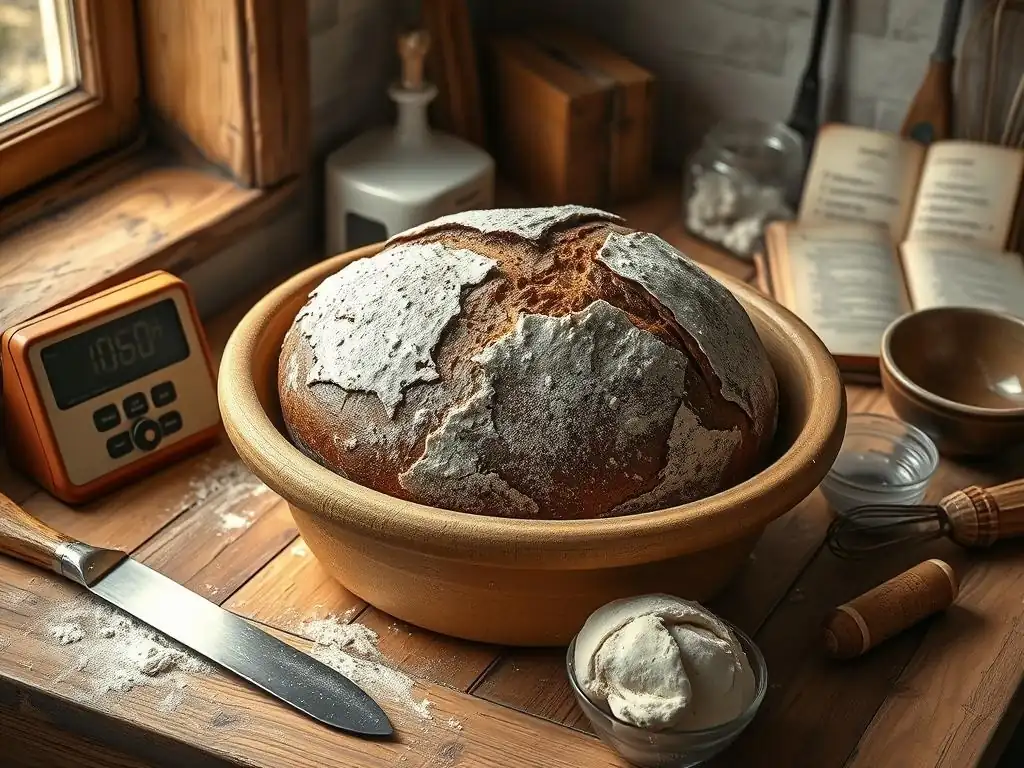
Having the right tools can significantly simplify the process of baking German sourdough bread, especially when tackling less forgiving rye doughs. While you can start with minimal equipment, a few key items will improve your results and make baking more enjoyable.
Bread Baking Essentials: From Scales to Scrapers
Baking, particularly sourdough, relies on precision. While some recipes use volume measurements, weighing ingredients is far more accurate and leads to consistent results. Beyond measurement, tools that help handle sticky dough and manage the baking environment are invaluable.
Digital Kitchen Scale: Precise Measurements for Perfect Results
A digital kitchen scale is arguably the most important tool for serious bread baking, especially for sourdough and recipes involving different flour types like those in German baking. Flour density varies, and accurately measuring by weight (grams are standard in most bread recipes) ensures you have the correct hydration ratio, which is critical for the success of your easy German sourdough bread recipes.
Measuring water, flour, salt, and starter by weight eliminates guesswork and variability. A good scale should measure in grams and ounces and have a tare function to zero out the weight of your container. This precision is key to replicating recipes and troubleshooting when things go wrong.
Dough Scraper: Essential for Handling Sticky Dough
Rye dough, common in German sourdough bread recipes, is notoriously sticky. A dough scraper, either a plastic bowl scraper or a sturdy metal bench scraper, is indispensable for handling, dividing, and cleaning up this type of dough.
A bowl scraper helps you get every bit of dough out of the mixing bowl, while a bench scraper is perfect for portioning dough on your counter and for scraping up sticky residue. They make working with high-hydration or rye-heavy doughs much less frustrating and are relatively inexpensive tools that make a big difference.
Bread Lame: Scoring for a Perfect Rise
A bread lame (pronounced "lahm") is a tool with a sharp blade used to score the surface of bread dough just before baking. Scoring serves several purposes: it controls where the bread expands in the oven (oven spring), prevents the crust from cracking randomly, and allows you to create beautiful patterns on your loaf.
While a sharp knife can work for some doughs, a lame provides a cleaner, deeper cut, which is essential for achieving a good bloom and structure, particularly with sourdough. For German sourdough bread, simple, deep cuts are often preferred to allow the dense dough to expand properly. It's a simple tool that significantly impacts the final appearance and structure of your baked bread.
Tips and Tricks for Mastering German Sourdough
Baking German sourdough bread, even easy German sourdough bread recipes, involves working with living cultures and unique flours. Here are some tips to help you navigate common challenges and improve your results.
Troubleshooting Common Baking Problems
Encountering issues is part of the learning process in sourdough baking. Common problems include a lack of rise, a dense or gummy crumb, or a pale crust. Often, these issues can be traced back to the starter's activity, the fermentation process, or baking environment.
If your bread doesn't rise, your starter might not be active enough, or the dough might be under-proofed. A gummy crumb can result from underbaking or cutting the bread too soon after it comes out of the oven (it needs time to set). A pale crust might indicate insufficient baking time, too low a temperature, or lack of steam. Keeping a baking journal can help you track variables and identify potential causes for troubleshooting.
Achieving a Crispy Crust: Steam and Temperature Control
A hallmark of many excellent German breads is a substantial, crispy crust. Achieving this at home requires high temperatures and the presence of steam during the initial phase of baking. Steam keeps the surface of the dough moist, allowing it to expand fully before the crust sets. Once the crust has set, the steam is removed, and the high heat finishes the bake, creating that desirable crispness.
Using a Dutch oven is one of the easiest ways to create a steamy environment in a home oven. The preheated pot and lid trap the moisture released by the dough. Alternatively, you can place a tray of water or ice cubes on the bottom rack of your oven when you preheat it and spray the oven walls with water just before loading the bread. Baking at high temperatures (around 230-250°C or 450-480°F) is also crucial for developing a thick, flavorful crust.
Storing Your German Sourdough Bread: Keeping it Fresh
Proper storage is essential to keep your homemade German sourdough bread fresh and preserve its texture and flavor. Unlike commercially produced breads with preservatives, sourdough relies on its natural acidity to inhibit mold, but it can still dry out.
Once completely cooled, store the bread at room temperature. Avoid refrigeration, as it can actually stale bread faster. A linen bread bag or wrapping the loaf in beeswax wraps allows the crust to remain somewhat crisp while protecting the interior. For longer storage, slice the cooled bread and freeze the slices in an airtight container or freezer bag. Thawed and lightly toasted, it's almost as good as fresh.
Experimenting with Flavors: Adding Your Own Twist
Once you've mastered the basic easy German sourdough bread recipes, don't hesitate to experiment! German bread culture is all about regional variation, so feel free to personalize your loaves.
Consider adding different seeds (sunflower, pumpkin, sesame, poppy) to the dough or crust. Incorporate cooked grains or sprouted rye for added texture and nutrition. A touch of malt extract or molasses can deepen the color and sweetness, especially in rye loaves. You could also experiment with different spice blends beyond caraway, perhaps incorporating anise or fennel for a different aromatic profile. Your kitchen is your bakery – have fun with it!
Beyond the Recipe: Experiencing German Bread Culture
Baking German sourdough bread at home is a wonderful way to connect with this rich tradition. However, experiencing German bread culture firsthand is a sensory journey that deepens appreciation for the craft.
Visiting German Bakeries: A Sensory Delight
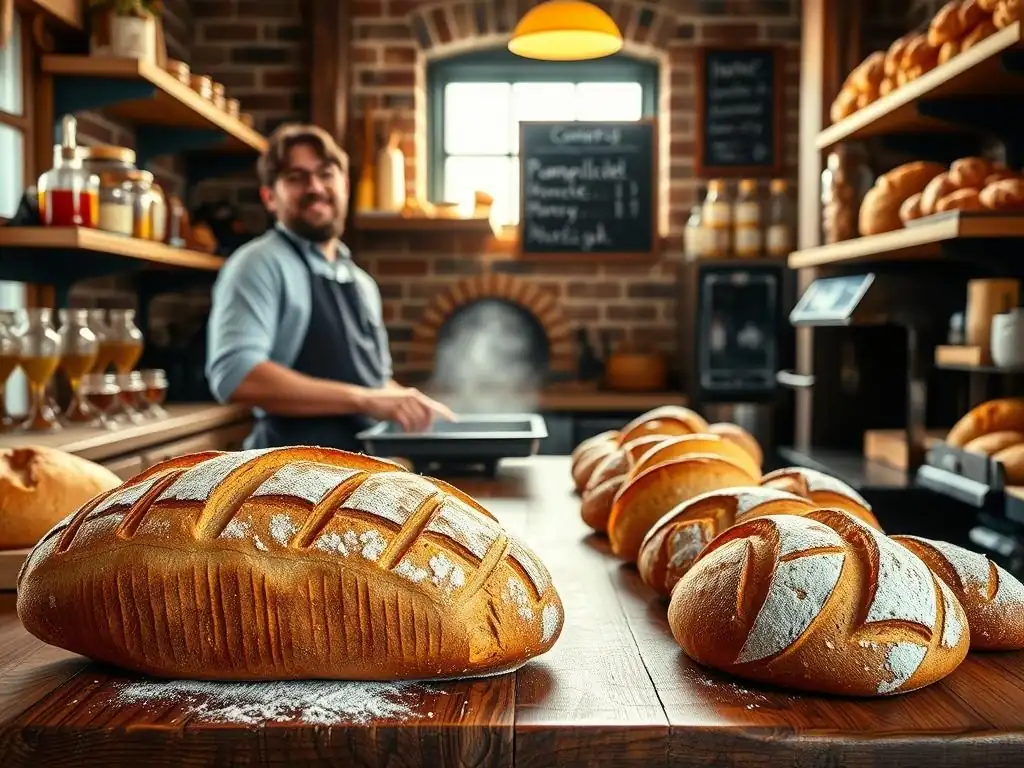
A visit to a German bakery ( Bäckerei) is a must for any bread enthusiast. The sheer variety on display is often staggering – rows and rows of loaves in different shapes, sizes, colors, and textures. The aroma of freshly baked bread fills the air.
Unlike bakeries in some other countries, German bakeries often specialize in a wide range of breads, from crusty Brötchen to dense Vollkornbrot (whole grain bread), alongside cakes and pastries. Many are independent, family-run businesses with techniques and recipes passed down through generations. Stepping into a Bäckerei offers a direct connection to the daily ritual of German bread consumption and the skilled artisans who keep the tradition alive.
Bread Festivals and Traditions: Celebrating the Harvest
Bread is so important in Germany that it's celebrated with festivals and traditions throughout the year. Harvest festivals ( Erntedankfest) often feature parades with elaborate bread sculptures and the blessing of the harvest, including grain and bread.
Specific regional bread festivals highlight local specialties. These events are not just about eating; they are cultural gatherings that showcase the history, techniques, and community surrounding bread production. They offer insights into the agricultural roots of German bread culture and the pride associated with local baking traditions.
Learning from German Bakers: Immersing Yourself in the Craft
For those truly passionate about mastering German sourdough bread recipes and techniques, seeking out opportunities to learn directly from German bakers can be incredibly rewarding. Some bakeries offer workshops or classes, providing hands-on experience with traditional methods, including working with sourdough starters and high-rye doughs.
Engaging with experienced bakers allows you to learn nuances that are difficult to capture in recipes alone, such as feeling the correct dough consistency or understanding the subtle signs of fermentation. It's an immersive way to deepen your skills and appreciation for the craft behind authentic German bread.
Conclusion: Embrace the Tradition, Bake with Ease.
German bread culture is a fascinating world of diverse flavors, textures, and traditions, with sourdough playing a central role, especially in the beloved rye and mixed-flour loaves. From the dense, sweet Pumpernickel of the north to the tangy Roggenbrot found throughout the country, each loaf tells a story of regional heritage and skilled craftsmanship.
Embarking on the journey to bake easy German sourdough bread recipes at home is a rewarding experience. While it requires patience and attention to detail, the process of cultivating a starter, working with unique flours like rye, and mastering fermentation yields bread with unparalleled flavor and character. With the right tools, a little practice, and a willingness to experiment, you can bring a piece of this rich daily ritual into your own kitchen. Embrace the tradition, follow these easy German sourdough recipes, and bake with ease!
Frequently Asked Questions
How does German culture typically view bread, especially sourdough?
German culture places a very high value on bread, viewing it as a staple food and a cornerstone of meals. Sourdough, in particular, is often seen as a high-quality, traditional bread.
Where can I find simple German sourdough bread recipes if I'm a beginner baker?
BakeWithEase.com is a great resource, offering easy-to-follow recipes and step-by-step guides for bakers of all levels, including beginners looking to try German sourdough.
What makes German sourdough bread recipes different from other sourdough breads?
German sourdough breads often use rye flour in addition to wheat, giving them a distinct flavor and texture. They may also incorporate unique spice blends or seeds.
What are some common ingredients used in easy German sourdough bread recipes?
Common ingredients include rye flour, wheat flour, sourdough starter, water, salt, and sometimes spices like caraway seeds or fennel seeds.
How long does it typically take to make German sourdough bread from start to finish?
Making sourdough bread requires time for the starter to activate and the dough to rise. The entire process, from start to baking, can take around 24-48 hours, but much of that is hands-off time.
Final Reflection: The Enduring Crumb: Bread's Timeless Place in German Culture
The simple act of baking and sharing bread remains a powerful symbol of German culture, a tradition deeply intertwined with daily life and far from fading in our modern world. While readily available supermarket loaves might seem to challenge this, the enduring popularity of homemade bread, particularly sourdough, speaks volumes about the continued desire for connection to tradition and the pursuit of quality, handcrafted food. The search for "German sourdough bread recipes easy" reflects this very desire.
The influence of bread transcends mere sustenance; it's a cultural cornerstone, woven into the fabric of family gatherings, festive celebrations, and everyday routines. It represents a connection to the past, a tangible link to generations of bakers who perfected their craft. Bread is the staff of life,
a simple phrase, yet it encapsulates the profound significance of this humble food. The rise and fall of the dough, the satisfying aroma of baking bread, these are sensory experiences that resonate deeply, fostering a sense of comfort and belonging.
Consider the impact of your own daily choices. Will you continue to seek out the convenience of mass-produced bread, or will you embrace the rewarding challenge of creating your own sourdough loaf? I invite you to explore the simple joy of baking, to connect with the rich history embedded in each crumb, and to experience the satisfaction of sharing a piece of this timeless tradition with those you love. The journey to mastering a German sourdough recipe might seem daunting, but the rewards – both culinary and cultural – are immeasurable.
Unleash Your Inner Bäcker: Bake Your Way to German Tradition!
Thanks for exploring the world of German bread with us! You've now unlocked the secrets to its rich history and cultural significance. Ready to put your newfound knowledge to the test?
- Master a classic German bread recipe: Start with a simple recipe like Schwarzbrot or a pretzel—it's easier than you think!
- Share your baking journey: Tag us on social media with your creations using #BakeWithEaseGermanBread and inspire others to join the fun.
- Discover more German baking traditions: Dive into our recipe archives to uncover even more delicious and cultural delights from Germany.
What German bread will you bake first, and what unique twist will you add to make it your own?