
Planning Your Delicious Getaway: Booking Your First Chocolate Tasting Tour

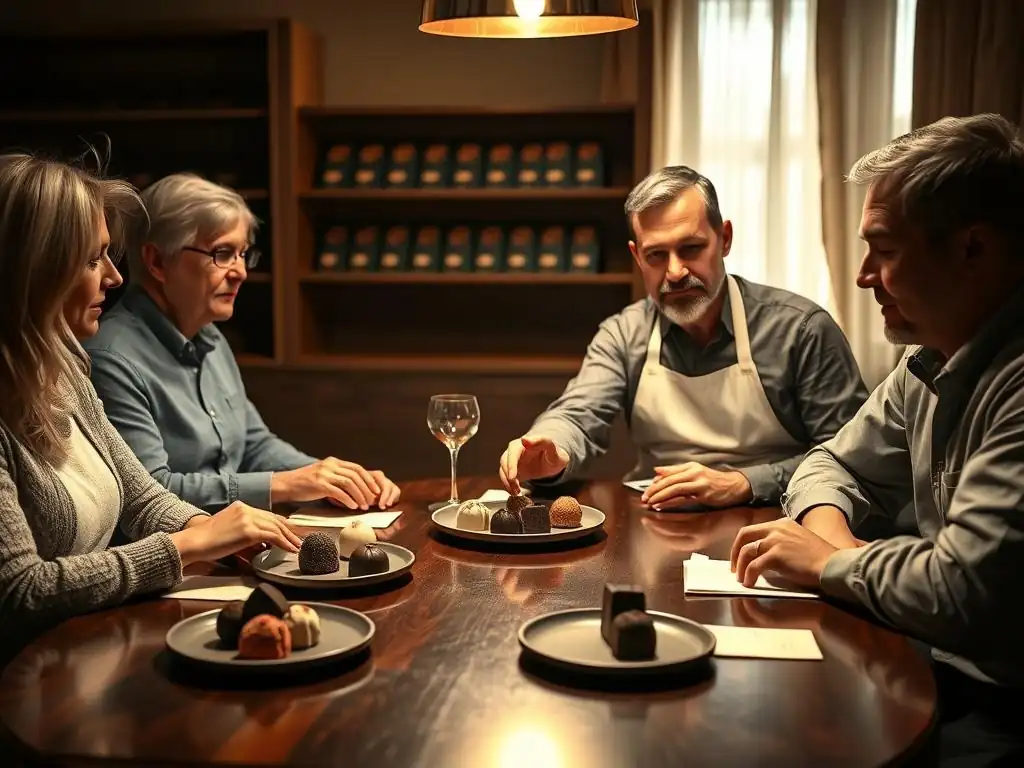
Welcome to BakeWithEase, your passport to a sweeter world! Are you ready to transform your love for chocolate into an unforgettable adventure? Dive into our guide on Planning Your Delicious Getaway: Booking Your First Chocolate Tasting Tour. Discover insider tips and tricks to curate the perfect chocolate tasting tour, and unlock a world of decadent experiences. What are the secrets to finding the perfect tour, and how can you ensure it's a truly unforgettable experience? Let's explore!
- Introduction: Embarking on Your Chocolate Tasting Adventure
- Step 1: Defining Your Chocolate Tasting Tour Dreams
-
Step 2: Researching and Selecting the Perfect Chocolate Tasting Tour
- Identifying Reputable Chocolate Tasting Tour Operators: Checking Online Reviews
- Comparing Tour Itineraries: Factory Tours, Workshops, and Guided Tastings
- The Importance of Inclusions: Accommodation, Meals, and Transportation Logistics
- Comparing Zurich Chocolate Tours with Brussels Chocolate Workshops
- Step 3: Booking Your Chocolate Tasting Tour and Securing Your Spot
-
Step 4: Preparing for Your Chocolate Tasting Tour
- Packing Essentials for a Chocolate Lover: Water Bottle, Notepad, and Crackers
- Learning Basic Chocolate Tasting Terminology: Aroma, Texture, and Flavor
- Understanding the Ethics of Chocolate Production: Fair Trade and Sustainability
- Recommended Reading: "Bean-to-Bar Chocolate: America's Craft Chocolate Revolution" by Megan Giller
- Step 5: Maximizing Your Chocolate Tasting Experience
- Conclusion: Savoring the Sweet Rewards of Your Chocolate Tasting Tour
-
Frequently Asked Questions
- How do I choose the right chocolate tasting tour for me?
- What should I expect during a chocolate tasting tour?
- How far in advance should I book a chocolate tasting tour?
- What are some things to consider when planning my travel around the chocolate tasting tour?
- What kind of clothes should I wear to a chocolate tasting tour?
- Final Reflection: Savor the Moment, Plan the Journey
- Unlock Your Inner Chocoholic: Plan Your Dream Tasting Tour Today!
Introduction: Embarking on Your Chocolate Tasting Adventure
Why Chocolate Tasting Tours are the Ultimate Experience for Baking Enthusiasts
For anyone who finds joy in the sweet science of baking, a chocolate tasting tour is a natural and exciting extension of that passion. It offers a unique opportunity to go beyond using chocolate as an ingredient and truly understand its journey from bean to bar.
These tours provide insights into the intricate processes of cocoa farming, fermentation, roasting, grinding, conching, and tempering – steps that directly impact the flavor profiles we encounter in our baking projects. Learning about the origins of different cocoa beans, like Criollo from Venezuela or Forastero from Ghana, can profoundly change how you select and appreciate chocolate in your recipes, adding a new layer of expertise to your creations.
Furthermore, a chocolate tasting tour provides hands-on or observational experiences that deepen your appreciation for quality chocolate. You might witness chocolatiers at work, learn about specific techniques like truffle making or ganache preparation, or participate in guided tastings that train your palate to discern subtle notes of fruit, nuts, or spice. This sensory education is invaluable.
It's not just about consuming chocolate; it's about understanding its complex chemistry and artistry. For a baking enthusiast, this knowledge translates directly into better ingredient choices and a more informed approach to incorporating chocolate into cakes, cookies, pastries, and confections, ultimately elevating your baking game.
From BakeWithEase Kitchen to Global Chocolate Exploration: A Perfect Pairing
At BakeWithEase, we're all about making baking accessible and enjoyable, helping you create delicious treats right in your own kitchen. Planning a chocolate tasting tour is like taking that passion for deliciousness and bringing it onto a global stage. It allows you to connect with the source of one of your most beloved ingredients. Imagine learning about the specific fermentation process used for cocoa beans in a region and then tasting how that process affects the chocolate you might use in your next batch of brownies – it's a tangible link between global production and your home baking.
These tours also expose you to different chocolate traditions and innovations from around the world. You might discover unique flavor combinations in Belgium, observe the precision of Swiss chocolatiers, or explore the craft bean-to-bar movement in countries like the United States or those closer to cocoa origins. This exposure broadens your culinary horizon and can inspire new ideas for your baking. Understanding regional preferences, ingredient pairings, and presentation styles seen on a tour can spark creativity back in your BakeWithEase kitchen, encouraging you to experiment with different types of chocolate and techniques, making your baking adventures even more exciting.
Step 1: Defining Your Chocolate Tasting Tour Dreams
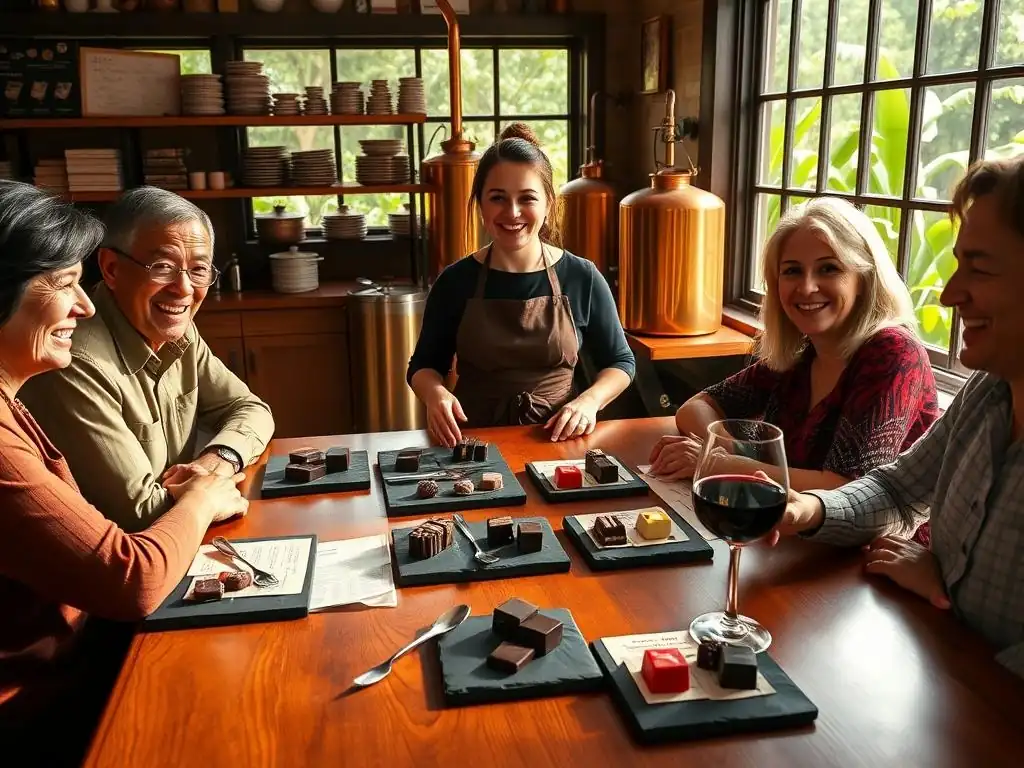
Understanding Your Chocolate Preferences: Dark, Milk, or White Chocolate Focus?
Before you begin the chocolate tasting tour planning, it's helpful to consider your personal preferences. Are you a devotee of deep, intense dark chocolate, perhaps favoring varieties with cocoa percentages upwards of 70%? Or do you lean towards the creamy sweetness of milk chocolate, enjoying its rich, smooth texture?
Perhaps you're curious about the nuances of white chocolate, which, while technically not chocolate due to the absence of cocoa solids, offers its own unique profile based on cocoa butter quality and dairy content. Knowing your preference can help you select tours that specialize in certain types or origins, ensuring the experience aligns with your palate.
Many tours will offer a range of chocolate types, but some might have a particular focus. For example, a tour focusing on single-origin dark chocolates might be perfect for a connoisseur, while a family-friendly tour might include more milk and white chocolate options. Consider what you hope to learn and taste.
Do you want to explore the difference between a 65% dark chocolate from Ecuador versus one from Madagascar? Or are you more interested in seeing how different levels of milk or sugar impact the final taste? Reflecting on these preferences is a crucial first step in effective chocolate tasting tour planning.
Setting a Budget for Your Chocolate Indulgence: Balancing Cost and Experience
Chocolate tasting tour planning requires setting a realistic budget, as costs can vary significantly based on location, tour duration, inclusions, and exclusivity. Basic walking tours focused solely on guided tastings in a city might range from $50 to $150 per person. More in-depth experiences that include factory visits, hands-on workshops, or multiple stops with transportation could cost anywhere from $200 to $500 or even more, especially if meals or significant take-home samples are part of the package. Luxury or private tours can reach $1000+ per person.
When budgeting, consider not just the tour price itself but also associated costs like travel to the destination, accommodation, meals outside the tour, and any chocolate purchases you might be tempted to make (and you will be tempted!). A tour might seem expensive upfront, but if it includes transportation, multiple tastings, and a substantial workshop element, it might offer better value than a cheaper tour where you have to arrange transport between locations and pay extra for samples or activities. Balancing the desired experience with what you're willing to spend is key to successful chocolate tasting tour planning.
Choosing Your Ideal Destination: Switzerland, Belgium, or France?
The world is full of incredible chocolate destinations, each offering a unique cultural and chocolate experience. Switzerland is synonymous with smooth, milky chocolate, thanks to pioneers like Daniel Peter who invented milk chocolate and Rodolphe Lindt who developed conching. Tours here often highlight large-scale production alongside artisanal shops. Belgium boasts a rich tradition of pralines (filled chocolates) and is known for its high standards and numerous independent chocolatiers. Walking tours exploring the countless chocolate shops in cities like Brussels or Bruges are popular.
France, particularly Paris, offers sophistication and artistry, with chocolatiers often treating chocolate making as a high art form, focusing on elegant pastries ( pâtisserie) and exquisite flavor combinations. Other notable destinations include Italy (especially Turin for gianduja), Spain (historically significant as the first European country to encounter cocoa), and increasingly, countries closer to the cocoa source in Latin America or Africa, which offer fascinating bean-to-bar experiences. Your destination choice will heavily influence the style and focus of your chocolate tasting tour planning.
Step 2: Researching and Selecting the Perfect Chocolate Tasting Tour
Identifying Reputable Chocolate Tasting Tour Operators: Checking Online Reviews
A critical step in chocolate tasting tour planning is finding operators who are knowledgeable, reliable, and provide a great experience. Start by searching online for tours in your chosen destination. Look for operators with clear websites that detail their itineraries, guides' expertise, and company history. Customer reviews on platforms like TripAdvisor, Google Reviews, or the booking sites themselves are invaluable. Pay attention to comments regarding the guide's knowledge and enthusiasm, the quality of the chocolate samples, the organization of the tour, and whether the tour lived up to its description.
Look for patterns in reviews – multiple mentions of a guide's passion or the exceptional quality of chocolate samples are positive signs. Conversely, repeated complaints about feeling rushed, insufficient samples, or a lack of information indicate potential issues. Don't just look at the star rating; read the actual comments to understand the context. A few negative reviews are normal, but a consistent theme of dissatisfaction across many reviews should give you pause during your chocolate tasting tour planning.
Comparing Tour Itineraries: Factory Tours, Workshops, and Guided Tastings
Tour itineraries can vary widely, offering different types of experiences. A typical tour might combine a guided walk through a chocolate district with stops at several chocolateries for tastings. Other tours might include a visit to a small artisanal workshop to see chocolate being made on a smaller scale. More comprehensive tours could take you to a larger factory, offering insights into mass production processes (though access to actual production lines can be limited).
Consider what kind of experience you prioritize during your chocolate tasting tour planning. Are you eager to get hands-on with a chocolate making workshop, perhaps learning to temper chocolate or create your own truffles? Or are you more interested in a purely sensory journey focused on guided tastings where an expert teaches you how to properly evaluate chocolate using criteria like snap, aroma, melt, and flavor notes? Some tours might even include pairings with beverages like wine, coffee, or spirits. Compare the activities offered in different tour options to find the one that best matches your interests.
The Importance of Inclusions: Accommodation, Meals, and Transportation Logistics
When comparing tour prices as part of your chocolate tasting tour planning, carefully review what is included in the cost. The most common inclusions are the guided tour itself and the chocolate samples tasted during the tour. Some tours might include a beverage pairing. More extensive tours, particularly those that travel outside a city center to a factory, will often include transportation. This is a significant inclusion, as arranging your own transport can be time-consuming and potentially more expensive.
Less common, but occasionally found in multi-day or premium tours, are inclusions like meals (lunch or dinner) or even accommodation. For shorter city tours, these are rarely included. Always check the fine print to understand what is covered. Are the samples generous or just small bites? Is transportation door-to-door or from a central meeting point? Are there any potential hidden costs? Understanding all inclusions (and exclusions) is vital for accurate budgeting and ensuring you know exactly what to expect from your chocolate adventure.
Comparing Zurich Chocolate Tours with Brussels Chocolate Workshops
Let's look at two specific examples to highlight itinerary differences in chocolate tasting tour planning. A typical Zurich chocolate tour might focus on the city's elegant confiseries and the history of Swiss chocolate production. An itinerary might include visits to 3-5 high-end chocolate shops like Sprüngli or Teuscher, with guided tastings at each. It might involve a pleasant walk through the city center, perhaps mentioning historical figures like Lindt. The focus is often on tasting finished pralines, truffles, and bars, appreciating the quality and tradition. These tours often last 2-3 hours and cost around $80-$120.
In contrast, a Brussels chocolate workshop often centers around a more hands-on experience. While it might start with a brief history of Belgian chocolate and a tasting, a significant portion of the 2-3 hour session is dedicated to teaching participants how to make specific items, like pralines or mendiants. You might learn tempering techniques or how to fill and decorate chocolates.
You typically get to take home a box of the chocolates you made, in addition to tasting some prepared by the instructor. These workshops can range from $70 to $150, depending on the length and the amount of chocolate you get to take home. Comparing these distinct approaches is key during your chocolate tasting tour planning.
Step 3: Booking Your Chocolate Tasting Tour and Securing Your Spot
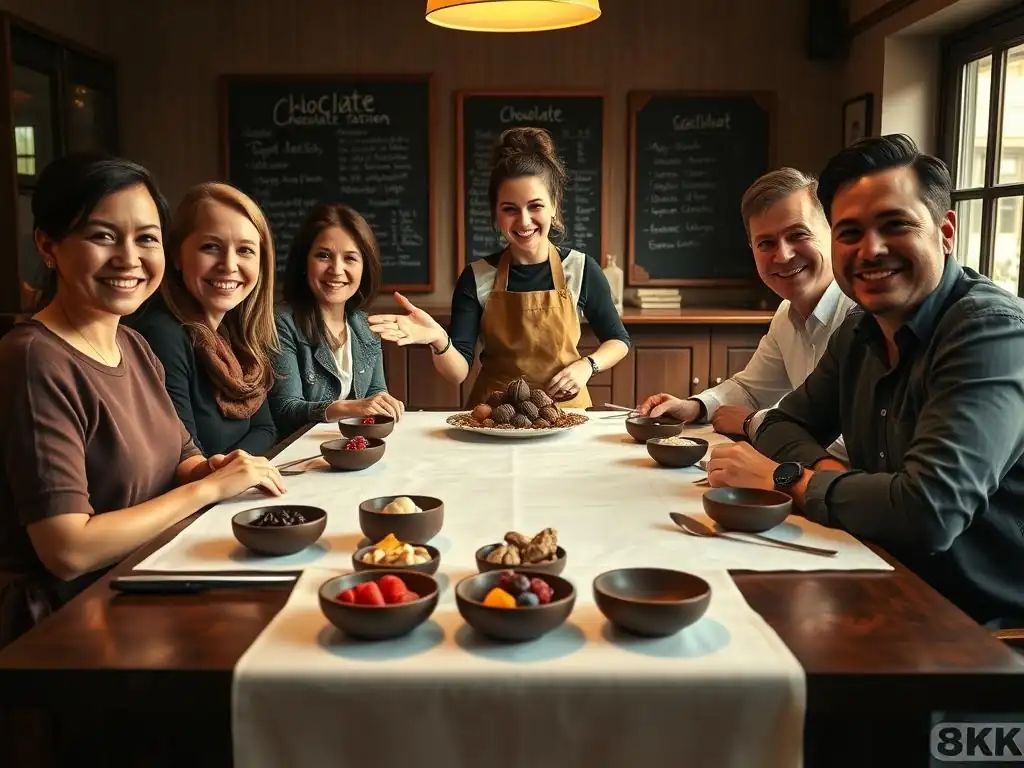
Once you've selected a potential tour, the next step in chocolate tasting tour planning is booking. Several online platforms aggregate tours from various operators worldwide, such as Viator (a TripAdvisor company) and GetYourGuide. These platforms offer convenience, allowing you to compare many tours side-by-side, read consolidated reviews, and book securely in one place. They often have user-friendly interfaces and customer support. However, they act as intermediaries, and sometimes booking directly with the tour operator's website can offer benefits.
Booking directly with the tour operator might occasionally provide a slightly better price (as they avoid platform commissions), access to more dates or times not listed elsewhere, or the opportunity to ask specific questions directly about the tour details before booking. For very small or highly specialized operators, direct booking might be the only option. When navigating these platforms during your chocolate tasting tour planning, compare prices for the exact same tour, check availability, and review the booking terms carefully, regardless of whether you use an aggregator or book direct.
Understanding Cancellation Policies and Travel Insurance: Protecting Your Investment
A crucial but often overlooked aspect of chocolate tasting tour planning is understanding cancellation policies. Life happens, and sometimes plans need to change. Most tour operators and booking platforms have specific rules regarding cancellations.
Common policies include free cancellation up to 24 or 48 hours before the tour start time. Cancelling within that window or not showing up usually results in no refund. Some tours, particularly those with limited spots or significant upfront costs for the operator (like workshops with materials), may have stricter policies, perhaps only offering a partial refund or no refund within a week of the tour date.
For more expensive tours, or if you are booking multiple tours as part of a larger trip, considering travel insurance that covers tour cancellations for specific reasons (like illness or travel delays) is wise. Read the tour operator's cancellation policy thoroughly before booking so you are aware of the terms. Knowing the policy provides peace of mind during your chocolate tasting tour planning, allowing you to book confidently while understanding the potential risks if your plans change unexpectedly.
Utilizing Discount Codes and Special Offers: Finding the Best Deals
Saving a bit of money on your chocolate tasting tour planning can free up funds for extra chocolate purchases later! Keep an eye out for discount codes and special offers. Booking platforms like Viator and GetYourGuide often have seasonal sales, first-time user discounts, or promotional codes tied to partnerships. Signing up for their newsletters or following them on social media can alert you to these opportunities.
Tour operators themselves might offer discounts for booking directly, booking multiple tours, or for specific groups (e.g., students, seniors). Sometimes, visiting local tourism websites for your destination can reveal special offers or package deals that include tours. While you shouldn't let a discount dictate your entire chocolate tasting tour planning process, taking a few minutes to search for available codes or offers before clicking the final booking button can potentially lead to a pleasant saving on your sweet adventure.
Step 4: Preparing for Your Chocolate Tasting Tour
Packing Essentials for a Chocolate Lover: Water Bottle, Notepad, and Crackers
To fully enjoy your tour, a little preparation goes a long way. When packing for your chocolate tasting tour planning, consider bringing a reusable water bottle. Staying hydrated is important, especially when tasting rich foods like chocolate, as it helps cleanse your palate between samples. A small notepad and pen are invaluable for jotting down notes about the chocolates you taste – their origin, cocoa percentage, flavor notes, and where you can buy them. This helps you remember your favorites long after the tour is over.
Another helpful item is a small, plain cracker or piece of bread. Similar to water, this can help reset your palate between different chocolate samples, allowing you to better appreciate the unique characteristics of each one. Avoid bringing anything with strong flavors like mints or chewing gum just before or during the tour, as these can interfere with your ability to taste the subtle nuances of the chocolate. Comfortable shoes are also a must, as many tours involve walking.
Learning Basic Chocolate Tasting Terminology: Aroma, Texture, and Flavor
Familiarizing yourself with basic chocolate tasting terminology will enhance your experience significantly. When chocolate tasting tour planning, look up terms like "aroma" (the smell of the chocolate), "snap" (the sound chocolate makes when broken cleanly – indicates proper tempering), "melt" (how the chocolate dissolves in your mouth), and "texture" (smooth, gritty, creamy, etc.). Understanding flavor notes is also key; experts look for notes beyond just "chocolatey," identifying hints of fruit (berry, citrus), nuts (almond, hazelnut), spices (vanilla, cinnamon), floral notes, or even earthy and woody undertones.
During the tasting portion of your tour, guides will likely use these terms. Knowing them beforehand will help you follow along and articulate your own perceptions. You might hear terms like "conching" (the process of smoothing and refining chocolate) or "tempering" (heating and cooling chocolate to stabilize cocoa butter crystals). A little homework on vocabulary will make the guided tasting much more informative and interactive, allowing you to engage more deeply with the chocolate and the experts.
Understanding the Ethics of Chocolate Production: Fair Trade and Sustainability
For many chocolate lovers, understanding the journey of cocoa goes beyond just taste; it involves the people and places that produce it. As part of your chocolate tasting tour planning, consider learning about the ethics of chocolate production. Issues like fair wages for cocoa farmers, preventing child labor, and sustainable farming practices are critical in the industry. Terms like "Fair Trade," "Direct Trade," and various certification logos (like Rainforest Alliance or UTZ) indicate efforts towards more ethical sourcing, though the effectiveness and standards of these can vary.
Many artisanal and bean-to-bar chocolate makers featured on tours prioritize ethical sourcing and transparency. Learning about their relationships with farmers and their commitment to sustainable practices adds another layer of appreciation for the chocolate you are tasting. Don't hesitate to ask your tour guide or the chocolatiers you meet about their sourcing practices. Understanding the ethical landscape makes your chocolate enjoyment more responsible and informed, which is an increasingly important aspect of modern chocolate tasting tour planning.
Recommended Reading: "Bean-to-Bar Chocolate: America's Craft Chocolate Revolution" by Megan Giller
To further prepare for your tour and deepen your chocolate knowledge, consider some reading. A highly recommended book is "Bean-to-Bar Chocolate: America's Craft Chocolate Revolution" by Megan Giller. While focused on the US craft chocolate scene, it provides an excellent introduction to the bean-to-bar process, explains key terminology, profiles various chocolate makers, and discusses the nuances of tasting and ethical sourcing.
Reading a book like this before your tour will give you a solid foundation in understanding the complexities of chocolate making and the factors that contribute to quality and flavor. It can also inspire questions to ask during your tour, making the experience more interactive and educational. While this specific book focuses on the US, the principles of bean-to-bar production and tasting discussed are applicable globally and highly relevant for anyone undertaking chocolate tasting tour planning.
Step 5: Maximizing Your Chocolate Tasting Experience
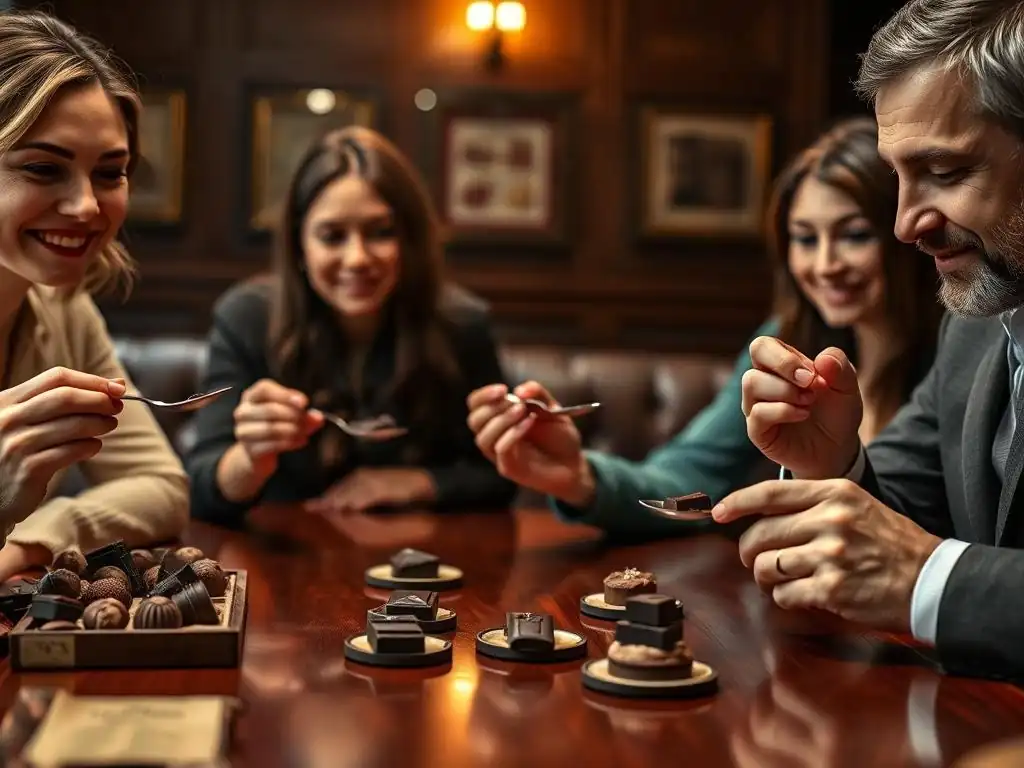
Engaging with Chocolate Makers and Experts: Asking Questions and Taking Notes
Your tour guide and any chocolatiers or factory representatives you meet are incredible resources. Don't be shy! Engage with them by asking questions. Based on your preparation, you might ask about specific fermentation techniques, the origin of the beans used in a particular bar, the challenges of sourcing ethically, or the process of tempering chocolate. Your notepad is perfect for jotting down their answers, along with the names of specific chocolates or techniques that pique your interest.
Active participation enhances the learning experience tenfold. It shows your genuine interest and often encourages the experts to share even more fascinating details. Think of it as a unique opportunity to learn directly from those who live and breathe chocolate. This interaction is one of the most rewarding parts of chocolate tasting tour planning and execution.
Taking Detailed Tasting Notes: Using a Chocolate Tasting Journal
To truly capture the sensory journey of your tour, consider dedicating a section of your notepad or a small journal specifically to chocolate tasting notes. For each sample, write down:
- The name of the chocolate/product
- The cocoa percentage (if applicable)
- The origin of the beans (if known)
- Your observations on its appearance (color, sheen)
- Its aroma
- Its snap (if you break a piece)
- Its texture as it melts
- The flavor notes you detect (initial flavors, mid-palate, finish)
- Your overall impression
Using a structured approach helps you focus on the different aspects of the chocolate and trains your palate to become more discerning. Reviewing these notes later will not only bring back sweet memories but also serve as a personal database of your favorite chocolates and producers, invaluable for future baking and purchasing decisions after your chocolate tasting tour planning is complete.
Pairing Chocolate with Wine, Cheese, and Coffee: Enhancing the Flavor
Some tours might include pairings, or you might want to experiment on your own based on what you learn. Chocolate pairs wonderfully with various beverages and foods, and exploring these combinations can unlock new flavor dimensions. Dark chocolate with its intensity often complements red wines, while milk chocolate can pair well with certain white wines or even sparkling wine. Port wine is a classic pairing for rich, dark chocolate desserts.
Coffee is another natural partner, with different roasts bringing out different notes in the chocolate. Don't overlook cheese pairings – a sharp cheddar can be surprisingly good with dark chocolate, and creamy cheeses can contrast nicely with milk chocolate. Some tours might also explore pairings with spirits like whiskey or rum. Learning the principles of these pairings adds another layer of sophistication to your chocolate appreciation, extending the value beyond the tour itself.
Capturing Memories: Photography Tips for Chocolate Tasting Tours
While the focus is on taste and learning, capturing visual memories of your tour is also part of the fun. Use your phone or camera to photograph the beautiful chocolate displays, the artisanal workshops (if permitted), the interesting equipment, and of course, the delicious samples themselves. Pay attention to lighting – natural light is usually best for food photography. Try different angles to capture the texture and details of the chocolate.
Be mindful of others on the tour and respect any rules about photography in specific locations, such as production areas. A few well-composed photos can serve as wonderful reminders of your experience and are great for sharing (perhaps with the BakeWithEase community!). Don't get so caught up in taking pictures that you forget to taste and learn, but definitely document the highlights of your chocolate tasting tour planning adventure.
Conclusion: Savoring the Sweet Rewards of Your Chocolate Tasting Tour
Your chocolate tasting tour is not just a personal journey; it's an experience that can enrich your baking and inspire others. We encourage you to share your discoveries with the BakeWithEase community. Post about the amazing chocolates you tasted, the fascinating facts you learned, the chocolatiers who impressed you, and maybe even how the experience has changed the way you think about using chocolate in your recipes.
Your insights can help fellow baking enthusiasts who are considering their own chocolate tasting tour planning. Did you find an incredible single-origin bar? Learn a tempering tip? Discover a unique flavor pairing? Sharing these details helps build our collective knowledge and keeps the passion for baking and chocolate alive.
Planning Your Next Chocolate-Fueled Adventure: Keep Exploring!
Completing your first chocolate tasting tour is just the beginning! The world of chocolate is vast and ever-evolving. Perhaps your tour in Brussels sparked an interest in Italian gianduja, or your Zurich visit made you curious about bean-to-bar producers closer to home. Use what you learned and experienced to fuel your next chocolate-fueled adventure.
Maybe the next step in your chocolate tasting tour planning is visiting a different country known for its chocolate, or perhaps focusing on a specific type of experience, like an intensive chocolate making retreat. The knowledge and palate you've developed will make every future chocolate encounter, whether on a tour or simply choosing a bar at the store, more informed and enjoyable. Keep exploring, keep tasting, and keep baking with the wonderful ingredient that is chocolate!
Frequently Asked Questions
How do I choose the right chocolate tasting tour for me?
Consider your budget, interests (e.g., bean-to-bar, specific regions), and group size. Read reviews and compare itineraries to find a tour that aligns with your preferences.
What should I expect during a chocolate tasting tour?
Expect to sample different types of chocolate, learn about the chocolate-making process, and potentially visit chocolate farms or factories. Some tours may also include pairings with other foods or beverages.
How far in advance should I book a chocolate tasting tour?
It's generally recommended to book several weeks or months in advance, especially for popular tours or during peak seasons. This ensures availability and allows for travel planning.
What are some things to consider when planning my travel around the chocolate tasting tour?
Think about transportation to and from the tour location, accommodation options, and other nearby attractions you might want to visit. Factor in travel time to avoid rushing.
What kind of clothes should I wear to a chocolate tasting tour?
Wear comfortable clothing and shoes, as some tours may involve walking or standing for extended periods. Avoid strong perfumes or scents that could interfere with your chocolate tasting experience.
Final Reflection: Savor the Moment, Plan the Journey
The allure of a chocolate tasting tour transcends mere indulgence; it's a curated experience that awakens the senses and connects us to the rich history and artistry of chocolate. From bean to bar, the journey offers a deeper appreciation for this beloved treat, and with careful planning, it can become an unforgettable adventure. This article has explored the key steps in planning your first chocolate tasting tour, ensuring you maximize your enjoyment and create lasting memories.
The impact of thoughtfully planned experiences, like a chocolate tasting tour, resonates far beyond the immediate gratification. It's a testament to the power of intentionality, of slowing down to savor the details, and of connecting with both the product and the people behind it. The best things in life are not things.
– Unknown. This quote, while seemingly simple, speaks volumes about the value of experiences over material possessions, a sentiment perfectly encapsulated by the joy of a well-planned chocolate tasting tour. The memories created, the knowledge gained, and the connections forged contribute to a richer, more fulfilling life.
Now, it's your turn. Don't just dream of indulging in exquisite chocolates and learning about their fascinating origins; take the first step. Research your options, consider your preferences, and begin crafting your perfect chocolate tasting tour.
Embrace the process, allow yourself to be surprised and delighted, and remember that the journey itself is as important as the destination. The rich aroma, the velvety texture, the explosion of flavor – these are the moments that will linger long after the last bite, enriching your life in ways you might not expect. So, go ahead, plan your delicious getaway – your senses will thank you.
Unlock Your Inner Chocoholic: Plan Your Dream Tasting Tour Today!
Thanks for joining us on this delicious journey into the world of chocolate tasting! We hope you’ve discovered the joy and excitement of planning your perfect chocolate escape. Ready to turn those dreams into a reality?
- Book your first chocolate tasting tour now! Many amazing experiences are just a click away – imagine indulging in rich, decadent flavors and learning the secrets behind your favorite treats.
- Share your chocolate dreams! Tell us about your ideal chocolate tasting experience – what kind of chocolate are you most excited to try? What destinations tempt your taste buds?
- Explore local chocolatiers near you. Discover hidden gems and artisanal creations right in your neighborhood – you might be surprised by what you find!
So, what unique flavor profile will you savor first on your chocolate adventure?