
Your Ultimate Guide to France's Most Divine Patisseries

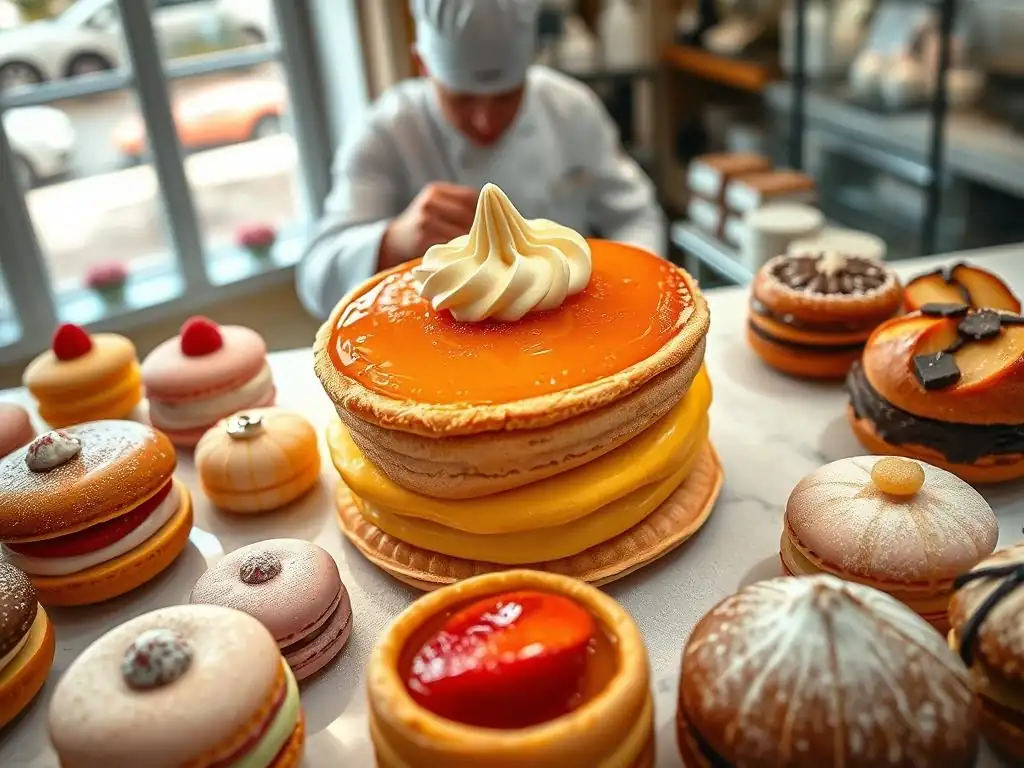
Welcome to BakeWithEase!
Ever dreamt of recreating those exquisite French pastries you devoured on your last trip? Unlock the secrets to crafting perfect croissants, delicate macarons, and other divine creations with our expert guide to French pastry baking techniques. Prepare to be transported to a Parisian patisserie, one delicious bite at a time. Curious how to achieve that flaky perfection? Read on to discover the time-tested methods that will elevate your baking game to new heights!
- Discovering the Art of French Pastry Baking Techniques: A Baker's Journey
- Planning Your Pastry Pilgrimage: Where to Find the Best French Baking
- Mastering Essential French Pastry Baking Techniques: A Home Baker's Guide
- Must-Try French Pastries: A Culinary Bucket List
- Bringing French Pastry Home: Essential Baking Tools and Resources
- Advanced French Pastry Baking Techniques: Taking Your Skills to the Next Level
- Conclusion: Embrace the Art of French Pastry Baking and Bon Appétit!
-
Frequently Asked Questions
- What are some fundamental French pastry baking techniques every baker should know?
- Where can I find reliable step-by-step guides for baking classic French pastries?
- What makes French pastry baking different from baking other types of desserts?
- What are some common mistakes to avoid when using French pastry baking techniques?
- Does BakeWithEase offer recipes for both beginner and advanced bakers interested in French pastry baking?
- Final Reflection: The Sweet Legacy of French Pastry Baking Techniques
- Unleash Your Inner Pâtissier!
Discovering the Art of French Pastry Baking Techniques: A Baker's Journey
Unveiling the Secrets of Authentic French Pastry
Embarking on a journey into the world of French pastry baking techniques is like stepping into a realm of culinary precision and artistic expression. It's not just about following a recipe; it's about understanding the why behind each step – why the butter must be cold for puff pastry, why egg whites are whipped just so for macarons, or why a specific flour yields the perfect crumb. This deep understanding is what elevates simple ingredients into edible masterpieces. The secrets lie in centuries-old traditions, passed down through generations of pâtissiers who honed their craft in bustling kitchens across France.
Authentic French pastry demands patience and an appreciation for detail. Consider the classic croissant: achieving those hundreds of delicate, flaky layers requires precise lamination, a process involving multiple folds and rests. This technique, a cornerstone of French pastry baking techniques, ensures the butter melts slowly during baking, creating steam that separates the dough layers.
It's this meticulous attention to detail, from the initial mixing of ingredients to the final bake, that defines the unparalleled quality and texture of true French pastries. Mastering these fundamental French pastry baking techniques is the first step for any aspiring baker wishing to replicate the magic at home.
Why France is a Pastry Paradise
France's reputation as a pastry paradise is deeply rooted in its rich agricultural history and culinary philosophy. The country boasts exceptional dairy products, particularly its high-fat, flavorful butter, which is crucial for pastries like croissants and brioche. French flour, often less processed and with varying protein levels suited for different applications, also plays a significant role. Furthermore, the cultural significance placed on food, where eating is not just sustenance but a cherished experience, has fostered an environment where the art of baking has been refined to its highest form.
Beyond ingredients, France's commitment to culinary education, through prestigious schools like Le Cordon Bleu and countless artisanal apprenticeships, ensures that the knowledge and techniques of French pastry baking techniques are preserved and continuously evolved. Cities like Paris, Lyon, and smaller regional towns each boast unique specialties, reflecting local ingredients and historical influences. This combination of superior ingredients, dedicated craftsmanship, and a profound cultural appreciation for fine food makes France the undisputed global leader in pastry.
Planning Your Pastry Pilgrimage: Where to Find the Best French Baking
Paris: The Epicenter of French Pastry Excellence
Paris is undeniably the heart of the French pastry world, home to legendary pâtisseries and countless talented artisans. A walk down almost any street can lead you to a shop displaying dazzling arrays of colorful macarons, perfectly glazed tarts, and impossibly flaky viennoiseries. The concentration of talent here means intense competition, driving innovation while preserving traditional French pastry baking techniques. From historic houses established over a century ago to avant-garde shops pushing the boundaries of flavor and form, Paris offers an unparalleled density of high-quality pastry experiences.
The sheer variety in Paris is staggering. You can find everything from simple, rustic pain de campagne in a local boulangerie to intricate, multi-layered entremets in a high-end pâtisserie. Many renowned chefs, like Pierre Hermé or Cédric Grolet, have flagship stores here, showcasing their unique interpretations of classic French pastry baking techniques. A pastry tour of Paris could easily involve sampling dozens of different treats, each offering a distinct taste of the city's diverse and dynamic baking scene.
Exploring Parisian Patisseries
Exploring Parisian patisseries is an adventure for the senses. Start with classic establishments like Ladurée, famous for its delicate macarons since the 1860s, selling millions annually across its global locations. Don't miss Angelina, renowned for its decadent chocolat chaud and Mont Blanc pastry, a meringue base topped with whipped cream and chestnut cream vermicelli, a recipe largely unchanged since its creation in 1903. For a taste of modern artistry, visit a shop by Christophe Michalak, known for his playful and innovative approach to French pastry baking techniques, often presenting desserts in unconventional ways or containers.
Beyond the famous names, seek out smaller, neighborhood pâtisseries. These often offer incredibly fresh products made on-site, reflecting the baker's personal touch. A simple pain au chocolat from a local spot near your accommodation can be just as revelatory as a creation from a celebrity chef. Many Parisian bakeries open early, around 7 AM, allowing you to start your day with warm, fresh-baked goods. Prices for individual pastries typically range from €3 to €8, depending on complexity and the establishment's reputation.
Parisian Pastry Baking Classes
For those eager to learn French pastry baking techniques firsthand, Paris offers numerous opportunities. Various schools and individual chefs host workshops ranging from a few hours to intensive week-long courses. Le Cordon Bleu Paris, a globally recognized institution, offers professional diploma programs, but also shorter courses for enthusiasts covering specific techniques like viennoiserie or macaron making. These workshops often cost between €150 and €300 for a half-day session, providing hands-on experience.
Smaller studios and independent chefs also run classes, often focusing on specific pastries or skills. For example, you might find a class dedicated solely to mastering the croissant or learning to make classic French tarts. These classes provide invaluable insights into the precise measurements, timing, and handling techniques crucial for success. Learning French pastry baking techniques directly from experienced Parisian bakers is an unforgettable experience that brings the craft to life.
Beyond Paris: Regional French Pastry Gems
While Paris is the capital, France's regions boast their own unique and delicious pastry traditions, showcasing a diversity of French pastry baking techniques shaped by local history and ingredients. Venturing outside the capital reveals treats you might not find anywhere else, offering a broader understanding of the country's rich culinary tapestry. Exploring these regional specialties is a delightful detour on any pastry pilgrimage.
From the buttery richness of Brittany to the praline-infused delights of Lyon, each region tells a story through its baked goods. Discovering these local treasures requires a willingness to explore smaller towns and markets, often rewarding you with authentic flavors and techniques passed down through generations of regional bakers. It's a chance to see how French pastry baking techniques adapt and evolve across different landscapes and cultures within France.
Lyon: Discovering Lyonnaise Specialties
Lyon, often considered the gastronomic capital of France, has its own distinct pastry scene, with the tarte aux pralines being perhaps the most famous example. This vibrant pink tart features a filling made from crushed pink pralines (almonds coated in cooked sugar dyed pink) bound with cream or butter, all nestled in a sweet pastry crust. It's a visually striking and intensely sweet treat, showcasing a specific regional application of French pastry baking techniques.
Another Lyonnaise specialty is the coussin de Lyon, a small, green, cushion-shaped confection made of silk chocolate ganache flavored with curaçao, encased in almond paste. While technically a confectionery, its production involves precise techniques akin to pastry work. Lyon's bakeries also excel at classic viennoiseries and tarts, often with a focus on high-quality local butter and fruits. Visiting a boulangerie-pâtisserie in Lyon provides a delicious glimpse into the Rhone-Alpes region's contribution to French pastry baking techniques.
Brittany: Indulging in Breton Delights
Brittany is synonymous with butter, and its pastries reflect this glorious abundance. The kouign-amann (Breton for "butter cake") is the quintessential example: layers of dough, butter, and sugar folded together and baked until caramelized and crisp on the outside, soft and buttery within. Making a proper kouign-amann involves a complex lamination process similar to croissant dough, but with the added challenge of incorporating a significant amount of sugar within the layers, demanding mastery of specific French pastry baking techniques.
Another Breton treasure is the far breton, a dense, flan-like cake often studded with prunes. Made from a simple batter of flour, sugar, eggs, milk, and butter, it's baked until golden and slightly jiggly. While less technically demanding than the kouign-amann, achieving the perfect texture requires careful temperature control and baking time. Brittany's coastal location also means excellent access to sea salt, which is often used to enhance the flavor of their rich, buttery pastries, adding a signature touch to their French pastry baking techniques.
Mastering Essential French Pastry Baking Techniques: A Home Baker's Guide
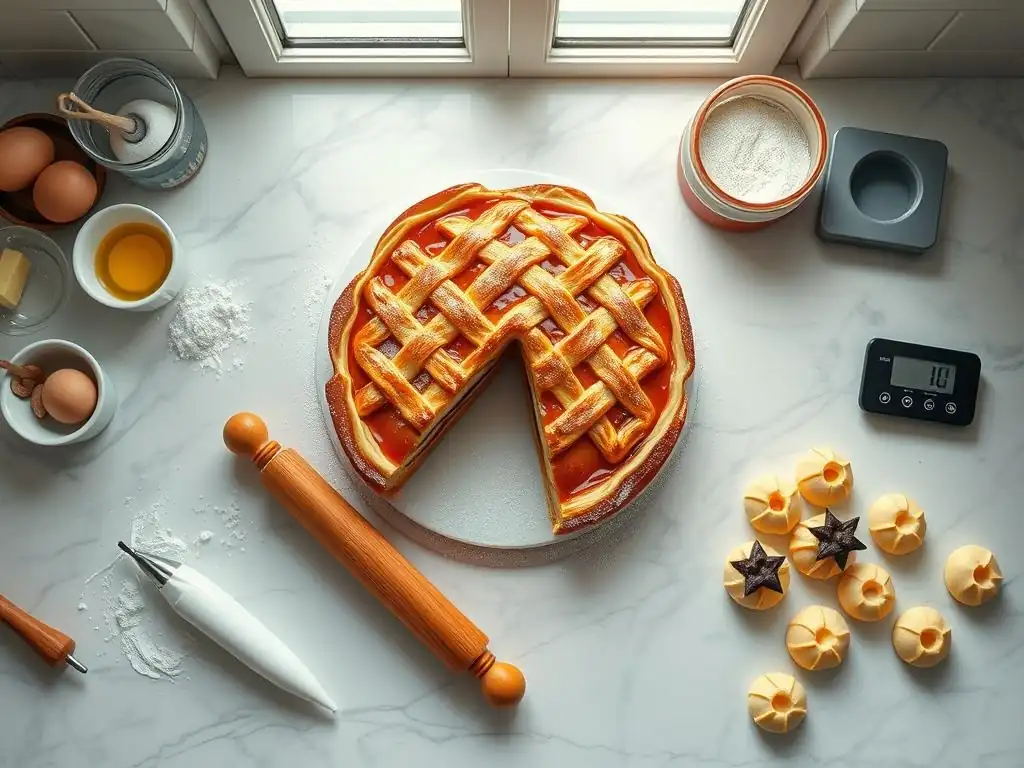
Bringing the magic of French pastry into your own kitchen is a rewarding endeavor. While some techniques require practice, many fundamental French pastry baking techniques are accessible to home bakers with patience and attention to detail. Starting with the basics and gradually building your skills is the key to success. Understanding the role of key ingredients is the first crucial step.
Dedication to quality ingredients is paramount. Just as a painter needs good paint, a baker needs good butter, flour, and eggs. Learning the nuances of these components and how they interact is fundamental. Then, focusing on mastering core techniques like making pastry cream or choux paste will unlock the ability to create a wide range of classic French desserts.
The Fundamentals: Understanding French Pastry Ingredients
Success in French pastry baking techniques begins with understanding and selecting the right ingredients. French recipes are often precise, and substituting ingredients without understanding their properties can lead to disappointing results. Quality is key, as are the specific characteristics of traditional French baking staples.
The careful selection and handling of ingredients like butter, flour, eggs, and sugar are foundational. For example, the temperature of eggs or milk can significantly impact the outcome of a batter or cream. Using ingredients at the specified temperature is a simple yet critical aspect of French pastry baking techniques.
The Importance of French Butter
Butter is not just an ingredient in French pastry; it's a star player. French butter typically has a higher fat content (around 82-84%) compared to many American butters (often 80%). This higher fat content contributes to flakiness in laminated doughs, richness in cakes, and superior flavor overall. Cultured butter, common in France, also adds a tangy depth that enhances the final taste.
Using high-quality butter, ideally one with a higher fat percentage, will significantly elevate your results when practicing French pastry baking techniques. The flavor and texture it imparts are essential for achieving that authentic French taste. When making croissants or puff pastry, the plasticity of the butter is also important; it needs to be cold but pliable enough to fold without breaking.
Selecting the Right Flour
French baking utilizes different types of flour, often classified by type numbers (T45, T55, T65, etc.) which relate to the amount of mineral content (ash) left after milling. T45 is a fine, low-ash flour often used for delicate pastries like cakes and brioche. T55 is a versatile all-purpose flour commonly used for tarts, choux pastry, and some breads. T65 is typically used for rustic breads and some regional specialties.
For home bakers outside France, finding exact equivalents can be tricky. However, understanding the protein content is a good proxy. A lower protein all-purpose flour (around 9-10%) is often suitable for cakes and tarts, while a slightly higher protein flour (11-12%) can work for choux or laminated doughs, though bread flour is sometimes preferred for maximum gluten development in croissants. Choosing the right flour based on the desired texture is a fundamental aspect of French pastry baking techniques.
Essential French Pastry Techniques You Can Learn at Home
Many core French pastry baking techniques are achievable for home bakers with practice. Mastering a few key preparations opens the door to countless classic desserts. Patience and precision are your best friends in this journey.
Focusing on fundamental techniques like making pastry cream, choux paste, or a simple tart dough provides a strong foundation. Once these basics are mastered, you can build upon them to create more complex pastries. Don't be discouraged by initial failures; even professional bakers had to learn through trial and error.
Crème Pâtissière: Mastering the Classic Pastry Cream
Crème pâtissière, or pastry cream, is a staple filling in countless French desserts, from tarts and eclairs to mille-feuille. It's a rich, thick custard typically made from milk, sugar, egg yolks, flour or cornstarch, and vanilla. The key to perfect pastry cream is cooking it gently but thoroughly to thicken without scorching and ensuring the starch is fully cooked to avoid a raw flour taste.
Making crème pâtissière involves tempering the egg yolks with hot milk, then cooking the mixture over medium heat while whisking constantly until it thickens significantly. Removing it from the heat at just the right moment is crucial. Cooling it quickly, often by spreading it on a baking sheet or placing the bowl in an ice bath, prevents bacterial growth and ensures a smooth texture. Covering the surface directly with plastic wrap prevents a skin from forming. Mastering this foundational element is vital for many French pastry baking techniques.
Tools for Perfect Crème Pâtissière
Achieving smooth, lump-free crème pâtissière is easier with the right tools.
- A heavy-bottomed saucepan: Distributes heat evenly, reducing the risk of scorching. A 2-3 quart size is standard for most home recipes.
- A sturdy whisk: Essential for constant stirring to prevent lumps and ensure even thickening. A balloon whisk works well.
- A heatproof rubber spatula: Useful for scraping the sides and bottom of the pan to ensure all parts cook evenly.
- A fine-mesh sieve: Optional, but helpful for straining the finished cream if any small lumps form, ensuring a silky texture.
- Plastic wrap: To cover the surface of the finished cream directly while it cools, preventing a skin.
Pâte à Choux: Creating Eclairs and Profiteroles
Pâte à choux, or choux pastry, is a unique cooked dough used to make eclairs, profiteroles (choux au craquelin), gougères (savory cheese puffs), and more. It's made by cooking flour, water, and butter together, then incorporating eggs one by one to create a thick, glossy paste. The magic happens in the oven: the high moisture content turns to steam, inflating the hollow shells.
The success of pâte à choux relies on getting the consistency right after adding the eggs – it should be thick enough to hold its shape when piped but not too stiff. Baking at a high initial temperature helps the dough rise rapidly, while reducing the heat allows the shells to dry out and become crisp. Avoid opening the oven door too early, as this can cause the puffs to collapse. Mastering this technique is fundamental for creating many classic French pastry shapes.
Essential Pâte à Choux Equipment
Having the right tools makes working with pâte à choux much smoother.
- Heavy-bottomed saucepan: Again, for even heat distribution when cooking the initial paste.
- Wooden spoon or sturdy spatula: For mixing the dough vigorously in the pan.
- Stand mixer with paddle attachment: Makes incorporating the eggs much easier and ensures the correct consistency. Can be done by hand, but requires significant effort.
- Piping bag and round or star tips: Essential for shaping eclairs, profiteroles, and other forms neatly. A large round tip (like an Ateco 805 or 806) or a star tip (like an Ateco 826) are common.
- Baking sheets: Standard flat baking sheets are needed.
- Parchment paper or silicone baking mats: Prevents sticking and allows for easy cleanup.
Laminated Dough: The Art of Croissants and Pain au Chocolat
Laminated dough, such as puff pastry (pâte feuilletée) and croissant dough (pâte levée feuilletée), is perhaps the most challenging but rewarding of French pastry baking techniques for home bakers. It involves encasing a block of cold butter within dough and repeatedly folding and rolling the dough (turns) to create hundreds or even thousands of alternating layers of dough and butter. When baked, the butter melts and creates steam, separating the layers into a light, flaky structure.
The keys to successful lamination are keeping the dough and butter cold throughout the process, maintaining consistent thickness during rolling, and allowing adequate resting time in the refrigerator between turns. If the butter gets too warm, it can melt into the dough, preventing separation. The number of turns and the type of folding (single or double) vary depending on the recipe and desired outcome. Mastering this technique requires patience and practice, but the result – a perfectly flaky croissant – is well worth the effort.
Achieving Perfect Lamination
Perfect lamination is the hallmark of excellent croissants and puff pastry.
- Use cold butter: The butter block and the dough must be kept cold (around 40-50°F or 4-10°C) throughout the process. Work quickly and refrigerate frequently.
- Use high-fat butter: As mentioned, butter with 82-84% fat is ideal.
- Maintain consistent thickness: Roll the dough evenly for each turn to ensure layers are uniform.
- Rest the dough: Allow ample chilling time (30-60 minutes) in the refrigerator between each fold to relax the gluten and firm up the butter.
- Seal the edges: Pinch the edges of the dough after enclosing the butter and after each fold to prevent butter from leaking out during rolling or baking.
- Clean cuts: Use a sharp knife or pastry wheel to cut the dough neatly before shaping; a dull tool can seal the layers together.
Must-Try French Pastries: A Culinary Bucket List
France offers an astonishing array of pastries, each with its own history and charm. While the list could be endless, certain iconic treats stand out as essential experiences for anyone exploring French pastry baking techniques.
These pastries represent a cross-section of fundamental techniques and flavors. Sampling them in France or attempting to recreate them at home provides a delicious education in the art of French baking.
The Iconic Croissant: A Flaky Masterpiece
The croissant is perhaps the most globally recognized symbol of French baking. Made from laminated dough (pâte levée feuilletée), a good croissant is incredibly light and airy with a shatteringly crisp exterior and a tender, honeycomb-like interior structure. Its crescent shape is said to originate from Vienna's kipferl, but the French perfected the laminated technique we know today.
A truly exceptional croissant is a testament to mastered French pastry baking techniques. It should not be greasy, but richly flavored with butter. When you break it open, you should hear a distinct crunch and see numerous delicate layers within. Enjoyed plain or with jam, it's the quintessential French breakfast pastry.
The Exquisite Macaron: A Symphony of Flavors
Macarons are small, delicate almond meringue cookies with a creamy filling sandwiched between two shells. Known for their vibrant colors and vast array of flavors, they require precision in technique. The shells are made from ground almonds, egg whites, and sugar, and the process involves achieving the correct meringue consistency ("macaronage") and allowing the shells to rest before baking ("croutage") to develop a slight skin.
The filling is typically a ganache, buttercream, or fruit curd. The contrast between the slightly crisp shell, the chewy interior, and the smooth, flavorful filling is what makes the macaron so delightful. Mastering the macaron shell is a challenging but rewarding aspect of French pastry baking techniques, requiring careful temperature control, accurate weighing of ingredients, and attention to detail.
The Elegant Eclair: A Cream-Filled Delight
The eclair, meaning "lightning" in French (perhaps due to how quickly it's eaten? ), is a classic made from pâte à choux dough, typically filled with crème pâtissière and topped with glaze, often chocolate. Its elongated shape distinguishes it from round profiteroles.
A well-made eclair has a light, airy shell that is crisp on the outside and hollow inside, perfect for holding a generous amount of smooth, rich pastry cream. The glaze should be shiny and flavorful, complementing the filling. Making eclairs involves piping the choux dough accurately and mastering the baking process to ensure the shells hold their shape and puff correctly, demonstrating proficiency in specific French pastry baking techniques.
The Decadent Opera Cake: Layers of Coffee and Chocolate
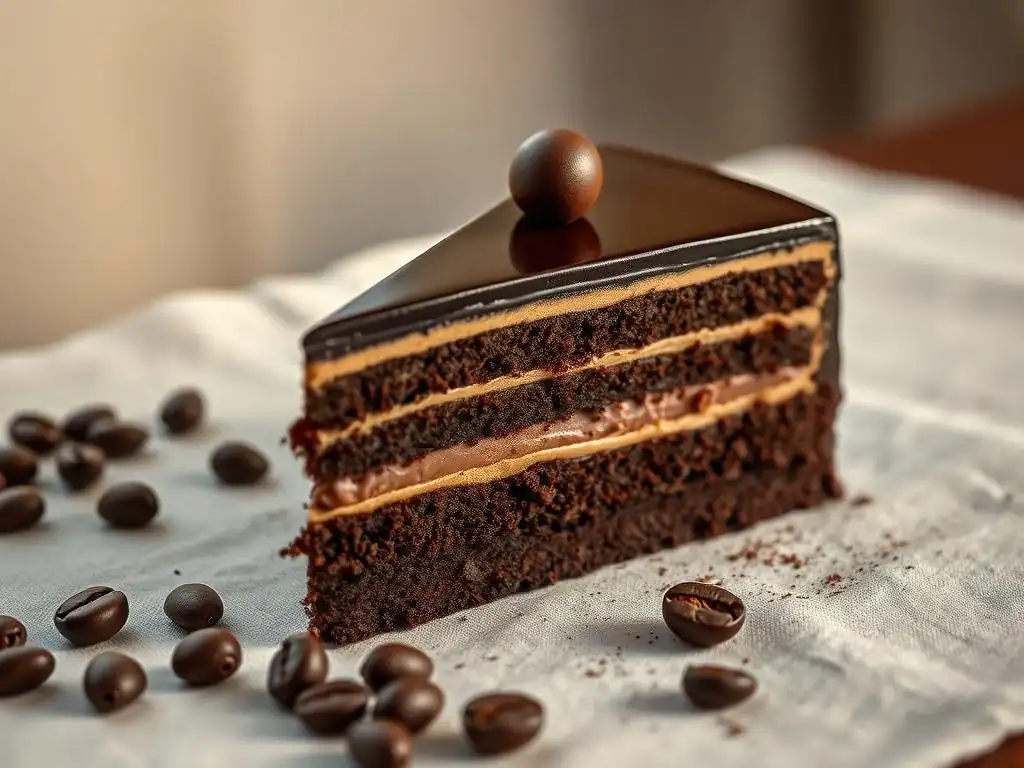
The Opéra cake is an elegant, multi-layered French dessert made with almond sponge cake (Joconde), soaked in coffee syrup, layered with coffee buttercream and chocolate ganache, and topped with a chocolate glaze. It's a relatively modern classic, popularized in the 1950s, known for its precise, geometric layers and rich, intense flavors.
Creating an Opéra cake requires assembling several different components, each demanding specific French pastry baking techniques: baking a thin sponge cake, making a smooth coffee buttercream, preparing a rich ganache, and mastering a glossy chocolate glaze. The layers must be even and the flavors balanced for a truly decadent experience.
Tarte Tatin: The Upside-Down Apple Tart Perfection
Tarte Tatin is a classic French dessert originating from the Loire Valley, famously created accidentally by the Tatin sisters who supposedly caramelized apples in butter and sugar before realizing they hadn't put the pastry on the bottom, so they placed it on top and baked it upside down. The result is a stunning tart with caramelized apples and a buttery, crisp pastry base.
While seemingly simple, achieving the perfect caramelization without burning, ensuring the apples are tender but hold their shape, and getting the pastry base just right requires skill. It typically uses a simple pâte brisée (shortcrust pastry) or pâte feuilletée (puff pastry). Mastering Tarte Tatin involves understanding how heat affects sugar and fruit, and executing the inversion correctly – a delicious example of rustic French pastry baking techniques.
Bringing French Pastry Home: Essential Baking Tools and Resources
Equipping yourself with the right tools and knowledge is crucial when you decide to tackle French pastry baking techniques in your own kitchen. While some items are essential, others can make the process smoother and yield better results.
Investing in quality equipment that is suitable for the specific demands of French pastry can make a significant difference in your success. Similarly, having reliable resources, like well-regarded cookbooks, provides guidance and inspiration.
Recommended Cookbooks for Mastering French Pastry Baking Techniques
- "Patisserie" by Christophe Felder: A comprehensive guide with detailed instructions and step-by-step photos for over 200 classic French pastry recipes. Felder is a renowned French pastry chef, and this book is considered a standard reference.
- "Pierre Hermé Pastries" by Pierre Hermé: While some recipes are advanced, this book offers a glimpse into the mind of one of the world's most innovative pâtissiers. It's great for inspiration and understanding high-level French pastry baking techniques, especially for macarons.
- "Baking with Julia" by Dorie Greenspan (based on the Julia Child series): While not exclusively French, it covers many French classics with clear explanations suitable for home bakers, often incorporating insights from French pastry chefs.
- "The Art of French Pastry" by Jacquy Pfeiffer: Written by a co-founder of the French Pastry School in Chicago, this book provides solid foundational knowledge and techniques from a classic perspective.
Essential Baking Equipment for French Pastry Success
Having the right tools can significantly impact your French pastry baking techniques. Precision and consistency are key, and good equipment helps achieve that.
While you don't need a professional kitchen setup, certain items are highly recommended for anyone serious about mastering French pastries.
Stand Mixer Recommendations
A stand mixer is invaluable for many French pastry baking techniques, particularly for kneading brioche or croissant dough, whipping meringues for macarons, or making large batches of pastry cream. Look for a mixer with a dough hook, whisk, and paddle attachment.
- KitchenAid Artisan or Professional series: Widely regarded as reliable and durable, available in various sizes (5-7 quarts are popular for home baking). Prices typically range from $400 to $600+.
- Cuisinart Stand Mixers: Offer good performance and features at competitive price points, often in the $200-$400 range.
- Kenwood Stand Mixers: Popular in Europe, known for powerful motors and robust construction, though potentially more expensive and harder to find in some regions.
Baking Sheets and Pans
Reliable baking sheets and pans are fundamental. For French pastry, you'll frequently need rimmed baking sheets and various tart pans.
- Aluminum Half Sheet Pans: Standard size (approx. 18x13 inches) used for baking cookies, choux, viennoiseries, and more. Look for sturdy, heavy-gauge aluminum for even heating. Prices range from $15 to $30 per pan.
- Perforated Baking Sheets: Beneficial for baking items like choux pastry or macarons as the holes allow for better air circulation, promoting even drying and baking.
- Tart Pans with Removable Bottoms: Essential for making tarts. Common sizes include 9-inch round and rectangular shapes. Removable bottoms make unmolding easier. Prices are typically $10-$25 per pan.
- Silicone Baking Mats (like Silpat): Place on baking sheets to prevent sticking and promote even browning. Indispensable for macarons and choux pastry. A standard half-sheet size mat costs around $20-$30.
Advanced French Pastry Baking Techniques: Taking Your Skills to the Next Level
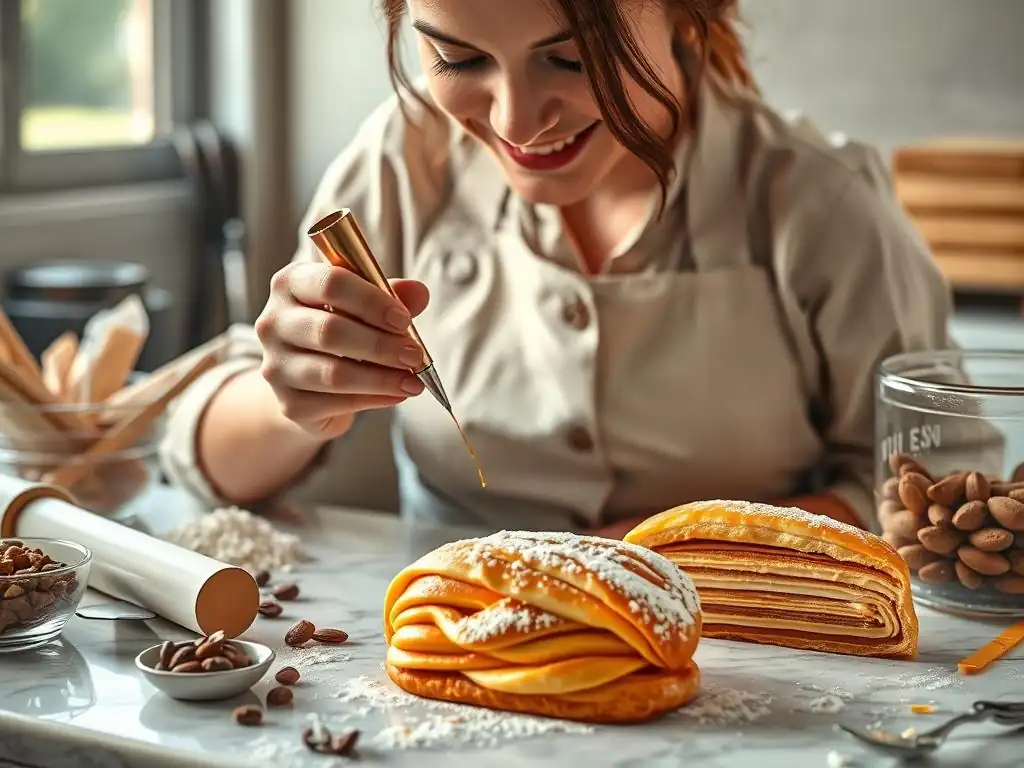
Once you've mastered the fundamentals, you might be ready to explore more advanced French pastry baking techniques. These skills often involve working with delicate ingredients or executing complex processes to create visually stunning and technically impressive desserts.
Exploring these techniques requires patience, precision, and a willingness to experiment. They are often used in high-end patisseries to create intricate entremets, detailed decorations, and perfect finishes.
Tempering Chocolate: Achieving a Glossy Finish
Tempering chocolate is the process of heating and cooling chocolate to specific temperatures to stabilize the cocoa butter crystals. This results in chocolate that is shiny, snaps cleanly when broken, and doesn't melt easily at room temperature. It's essential for making chocolate decorations, dipping truffles, or coating pastries like eclairs with a professional finish.
There are several methods for tempering (tabling, seeding, microwave), but all involve precise temperature control. Melting chocolate too quickly or letting it get too hot can cause it to seize or bloom (develop grayish streaks). Mastering chocolate tempering is a key skill for creating beautiful, professional-looking French pastries and confections.
Sugar Work: Creating Stunning Decorations
Sugar work involves heating sugar to various stages of caramelization to create decorative elements like spun sugar, pulled sugar, blown sugar, or poured sugar pieces. These techniques are often used for showpieces or elaborate dessert presentations in high-end patisseries.
Working with hot sugar is challenging and requires caution due to the high temperatures involved (often exceeding 300°F or 150°C). It demands speed, precision, and an understanding of sugar's properties as it cools and hardens. While perhaps not necessary for everyday home baking, it's a fascinating aspect of advanced French pastry baking techniques.
Working with Gelatin: Mastering Mousse and Bavaroise
Gelatin is a common ingredient in French pastry, used as a gelling agent to set mousses, bavaroise, fruit jellies (gelées), and some creams. It provides a smooth, melt-in-your-mouth texture that cannot be achieved with starch alone. Gelatin comes in sheets (leaf gelatin) or powder form, and proper hydration and melting are crucial for its effectiveness.
Working with gelatin involves blooming it in cold liquid before gently heating it to dissolve. It must then be incorporated carefully into the base mixture, ensuring it is evenly distributed and doesn't set prematurely. Understanding how gelatin functions and how much to use for different applications is essential for mastering these delicate French pastry baking techniques.
Conclusion: Embrace the Art of French Pastry Baking and Bon Appétit!
Exploring the world of French pastry baking techniques, whether through travel or in your own kitchen, is a truly enriching experience. From the simple elegance of a perfectly baked croissant to the intricate layers of an Opéra cake, each pastry tells a story of tradition, skill, and passion.
Embracing these techniques allows you to connect with centuries of culinary history and create moments of pure deliciousness. Don't be intimidated; start with the basics, practice patiently, and enjoy the process. With dedication and a willingness to learn, you can bring the divine flavors of France into your home kitchen. So gather your ingredients, preheat your oven, and bon appétit!
Frequently Asked Questions
What are some fundamental French pastry baking techniques every baker should know?
Some fundamental techniques include mastering pâte à choux for éclairs, understanding laminating dough for croissants, and achieving the right consistency for crème pâtissière. These form the basis for many French pastry creations.
Where can I find reliable step-by-step guides for baking classic French pastries?
BakeWithEase.com offers step-by-step guides with easy-to-find ingredients, making it a great resource. Our tutorials cover a range of pastries, from beginner-friendly to more advanced projects.
What makes French pastry baking different from baking other types of desserts?
French pastry baking often emphasizes precision, technique, and high-quality ingredients. This contributes to the delicate textures and complex flavors that characterize French patisseries.
What are some common mistakes to avoid when using French pastry baking techniques?
Avoid overmixing dough, using ingredients that are not at the correct temperature, and rushing the resting or proofing process. These can significantly impact the final texture and flavor of your French pastries.
Does BakeWithEase offer recipes for both beginner and advanced bakers interested in French pastry baking?
Yes, BakeWithEase caters to bakers of all levels. We provide recipes for beginner-friendly pastries like madeleines, as well as more advanced projects like croissants and macarons.
Final Reflection: The Sweet Legacy of French Pastry Baking Techniques
The art of French pastry baking is not just a culinary skill; it is a celebration of culture, tradition, and creativity that remains profoundly relevant today. As we navigate through a world increasingly influenced by globalization, the timeless techniques of French pastry making continue to inspire bakers and food enthusiasts alike, reminding us of the beauty that can be created with passion and precision. The delicate balance of flavors and textures found in these pastries is a testament to the dedication of generations of artisans who have perfected their craft.
The influence of French pastry extends far beyond the kitchen; it permeates our social gatherings, elevates our celebrations, and even shapes our daily rituals. The joy of sharing a beautifully crafted éclair or a flaky croissant is a universal experience that brings people together, fostering connections and creating memories. As renowned chef Pierre Hermé once said, "> Pastry is the art of making something beautiful out of simple ingredients." This sentiment resonates deeply, as it encapsulates the essence of what makes French pastry so enchanting and enduring in our culinary landscape.
As you reflect on the techniques and traditions explored in this guide, I invite you to embrace the spirit of French pastry baking in your own life. Consider experimenting with these techniques in your kitchen, allowing the process to inspire creativity and joy. Whether you are a seasoned baker or a curious novice, the world of French pastries offers endless opportunities for exploration and delight. Let each whisk, fold, and bake be a reminder of the artistry involved in creating something truly divine, and may you find sweetness in both the process and the results.
Unleash Your Inner Pâtissier!
Thanks for joining us on this delicious journey through France's most incredible patisseries! We hope you've discovered some new favorites and gained inspiration for your own baking adventures. Ready to take the next step?
- Try recreating your favorite pastry: Challenge yourself to bake one of the delectable treats we featured. We have plenty of recipes on BakeWithEase.com to get you started!
- Share your baking journey: Post a photo of your creation on social media and tag us – we'd love to see your results!
- Explore a local patisserie: If you're near a French bakery, or one inspired by French tradition, treat yourself to a visit and experience the magic firsthand!
What delectable creation will you bake first? Let us know in the comments below!