
What Makes German Bakeries So Special? An Inside Look

Welcome to BakeWithEase!
Ever wondered what secrets lie behind the irresistible allure of German bakeries? Get ready to embark on a delicious journey! This week, we're diving deep into German bakery recipes – uncovering easy-to-follow methods that bring the authentic flavors of Germany right to your kitchen. Prepare to be inspired by our inside look at what makes these baked goods so special, and discover how you can recreate these traditional treats with ease!
- Unveiling the Secrets of Authentic German Baking: A Journey Through Tradition
- The Foundations: Understanding German Baking Traditions
- The Art of German Bread: More Than Just a Loaf
- German Pastries: A Sweet Symphony of Flavors
- Recreating the German Bakery Experience at Home
- Conclusion: Embrace the Art of German Baking
-
Frequently Asked Questions
- What makes German bakery recipes stand out from other baking traditions?
- Are German bakery recipes generally considered easy to make for beginners?
- What are some common ingredients found in German bakery recipes?
- Where can I find reliable and easy-to-follow German bakery recipes?
- What is the key to successfully baking a German recipe at home?
- Final Reflection: The Enduring Charm of German Baking
- Unleash Your Inner Bäcker: Take Your Baking to the Next Level!
Unveiling the Secrets of Authentic German Baking: A Journey Through Tradition
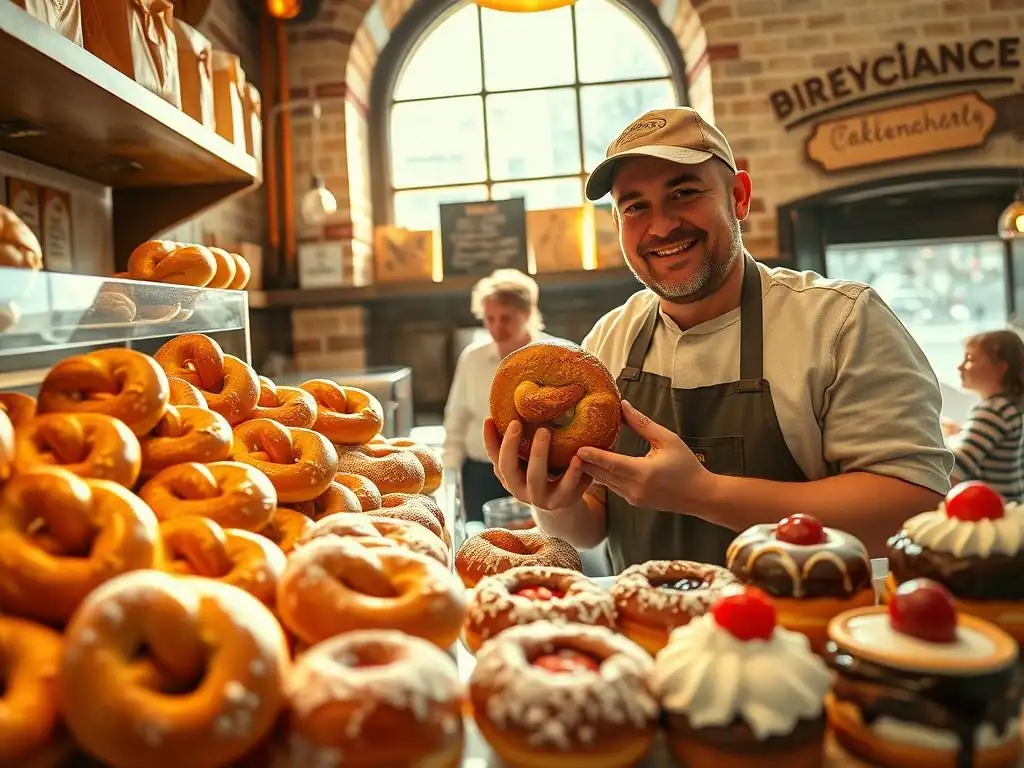
German bakeries, known as "Bäckereien," are more than just places to buy bread; they are cornerstones of community life and culinary heritage. Stepping into a German bakery is an immersive experience, filled with the aroma of freshly baked goods and a dizzying array of shapes, sizes, and textures.
Unlike many other baking traditions that might focus heavily on sweet pastries, German baking has a profound reverence for bread, particularly dark, dense, and hearty loaves made from rye and other whole grains. This emphasis on wholesome, flavorful bread is a key differentiator and a source of national pride, reflecting centuries of agricultural and culinary evolution.
The dedication to quality and variety is evident in the sheer number of bread types available across Germany, estimated to be over 3,200 distinct varieties registered by the German Bread Institute. This incredible diversity is a testament to regional traditions, local ingredients, and the skill of generations of bakers. Beyond bread, German bakeries also offer a delightful selection of cakes, pastries, and rolls, each with its own history and place in the daily rhythm of German life. Exploring German bakery recipes easy to tackle at home is a wonderful way to connect with this rich culture.
The Foundations: Understanding German Baking Traditions
A History Steeped in Flour: The Roots of German Bakery Culture
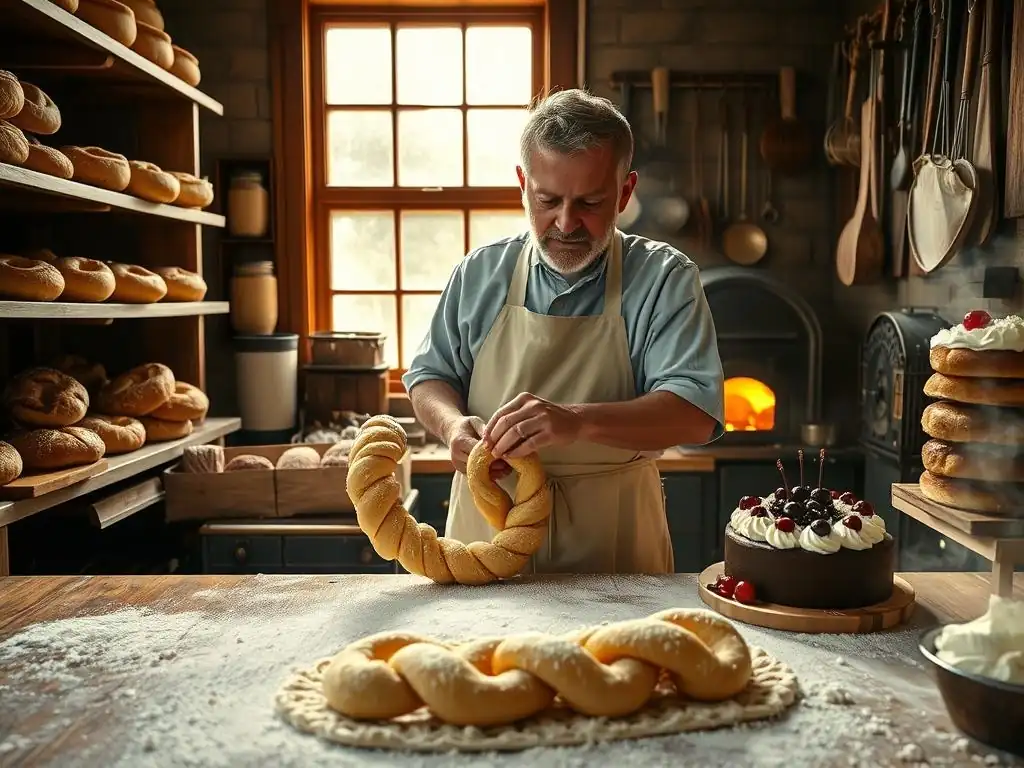
The history of German baking is deeply intertwined with the country's geography and agricultural landscape. Rye and other grains like spelt and barley thrived in the cooler climates and diverse soils of Germany, leading to a bread culture centered around these hearty grains rather than just wheat. Archaeological evidence suggests bread making has been practiced in the region for thousands of years, with significant developments occurring during the Roman era and the Middle Ages, when monasteries became centers of baking knowledge and innovation. Guilds of bakers emerged, establishing strict standards for quality and craftsmanship that persist to this day.
The 20th century brought challenges, including wars and economic shifts, but the core traditions endured. After World War II, the demand for traditional, nourishing bread remained strong, helping to preserve ancient techniques and recipes. Today, while large industrial bakeries exist, the small, independent "Handwerksbäckerei" (craft bakery) remains a cherished institution, upholding the legacy of slow fermentation, natural starters, and regional specialties. This historical depth is what gives German baked goods their unique character and makes exploring German bakery recipes easy and rewarding for home bakers.
The Cornerstone: Quality Ingredients in Authentic German Baked Goods
The exceptional quality of German baked goods begins with the ingredients. German bakers place a high value on using natural, often locally sourced, components. This commitment extends from the flour and water to the leavening agents and any additions like seeds or spices. The focus is on flavor development through natural processes rather than relying on artificial enhancers or rapid production methods. This meticulous approach to ingredients is fundamental to achieving the authentic taste and texture that German bakeries are famous for.
Specific ingredients play crucial roles. High-quality flours, often stone-ground or milled in traditional ways, provide the structure and base flavor. Natural sourdough starters, nurtured over years, contribute complexity and tang. Fresh butter, cream, and quark are essential for enriching pastries and cakes. Even simple additions like salt, caraway seeds, or poppy seeds are chosen for their quality and ability to enhance the overall sensory experience. Understanding these core ingredients is the first step in recreating German bakery recipes easy enough for your own kitchen.
-
Exploring the Use of German Rye Flour: Aurora Mühle vs. Bauckhof Comparison
Rye flour is a cornerstone of German bread making. It's known for its lower gluten content compared to wheat, requiring different techniques to achieve a good rise and structure. German millers like Aurora Mühle and Bauckhof produce various types of rye flour (e.g., Type 1150, Type 1370), each suited for different bread types, from lighter mixed-rye loaves to dense pumpernickel. The specific type and grind of rye flour significantly impact the bread's flavor, texture, and density.
-
The Importance of German Butter: Achieving Richness and Flavor
German butter, often with a higher fat content than standard American butter (around 82% fat), contributes significantly to the richness and flakiness of pastries and the tender crumb of cakes. Its pure, creamy flavor enhances the overall taste profile without overpowering other ingredients. Using high-quality butter is non-negotiable for authentic results.
-
Sourcing Authentic German Baking Ingredients: Online Retailers and Specialty Shops
While not every ingredient needs to be imported, sourcing specific items like certain types of rye flour, poppy seeds, or quark can elevate your baking. Many online retailers specialize in European food goods, and local European delis or specialty food stores may also carry authentic German baking ingredients. Learning where to find these components makes attempting German bakery recipes easy and more rewarding.
The Art of German Bread: More Than Just a Loaf
German bread is celebrated worldwide for its density, complex flavors, and incredible variety. It's a staple food, consumed at every meal, from breakfast "Brötchen" (rolls) to hearty dinner loaves. The focus is often on whole grains, long fermentation times, and robust crusts. Unlike the light, airy white bread common in some other cultures, German bread is substantial, providing lasting energy and pairing perfectly with savory toppings like cheese, sausage, or pickles. Mastering German bakery recipes easy or complex starts with appreciating this unique bread culture.
The diversity is astounding – walk into a German bakery, and you'll find everything from dark, chewy pumpernickel to lighter rye-wheat mixes, seed-studded loaves, and regional specialties. Each bread has a specific name, often indicating its ingredients, shape, or origin (e.g., Paderborner, Kommissbrot). This deep connection to specific bread types highlights the cultural significance of bread in Germany and offers endless possibilities for home bakers eager to explore German bakery recipes easy to adapt.
German Bread Recipes Easy: Mastering the Basics
Embarking on German bread baking at home can seem daunting due to the focus on rye and sourdough, but many German bakery recipes easy enough for beginners exist. Starting with simpler mixed-flour recipes or those using commercial yeast can build confidence. The key is understanding the basic principles: the role of different flours, the importance of proper kneading (or lack thereof for high-rye doughs), and temperature control during fermentation and baking. Once you grasp these fundamentals, the world of German bread opens up.
Focusing on a few core types can provide a solid foundation. Rye bread is central, pumpernickel offers a unique challenge and reward, and pretzels are a fun, iconic bake. Many German bakery recipes easy to find online provide step-by-step guidance.
-
Rye Bread (Roggenbrot): The Heart of German Baking.
Rye bread is arguably the most iconic German bread. It varies widely in rye content, from 50% to 100%. High-rye loaves are dense, moist, and have a tangy flavor, often requiring a sourdough starter. Mixed rye-wheat breads (Mischbrot) are lighter and more common for daily consumption. Baking rye bread often involves longer fermentation and lower baking temperatures than wheat bread.
-
Pumpernickel: The Dark and Dense Delight.
Originating from the Westphalia region, Pumpernickel is a very dark, dense, and slightly sweet rye bread made with coarse rye meal. It's traditionally baked in a sealed tin at low temperatures (around 120-150°C or 250-300°F) for 16-24 hours. The long, slow baking process caramelizes the starches, giving it its signature dark color and sweet, earthy flavor. It's typically sliced very thinly.
-
Pretzels (Brezeln): A Salty Symbol of German Bakeries.
Soft pretzels are a beloved snack and bakery item across Germany, particularly in Bavaria. Made from a simple yeasted wheat dough, their characteristic chewy interior and dark, shiny crust are achieved by dipping the dough in a solution of food-grade lye (sodium hydroxide) or baking soda before baking. This alkaline bath promotes the Maillard reaction, giving pretzels their unique color and flavor. They are typically sprinkled with coarse salt.
Decoding the Flavor: Unique German Bread-Making Techniques
Achieving the distinctive taste and texture of German bread relies on specific techniques that differ from standard wheat bread baking. These methods have evolved over centuries to work with the properties of rye flour and to develop deep, complex flavors. Understanding these techniques is crucial for anyone attempting German bakery recipes easy or advanced.
One of the most significant techniques is the widespread use of sourdough. Given rye's low gluten content, sourdough starters provide essential leavening and structure. The long fermentation times associated with sourdough also develop the characteristic tangy flavor profile. Other techniques include using different types of starters or pre-ferments (like "Poolish" or "Biga"), specific kneading methods for high-rye doughs, and baking in ways that promote a thick, flavorful crust while keeping the interior moist.
-
The Sourdough Starter Secret: Achieving Tangy Perfection
Sourdough is central to traditional German bread. A healthy, active rye or mixed-flour sourdough starter provides both leavening and the signature tangy flavor. Maintaining a starter involves regular feeding and care. Using a mature starter is key to a good rise and complex flavor development in rye-heavy loaves.
-
The Importance of Fermentation: Developing Complex Flavors
German bread often involves long fermentation periods, sometimes spanning hours or even days, especially with sourdough. This slow process allows enzymes to break down starches and proteins, developing complex flavors and improving digestibility. Proper fermentation is critical for the structure and taste of dense rye breads.
-
German Bread Baking Equipment: Must-Have Tools for Success
While you can bake German bread with basic kitchen tools, certain items can improve results. A sturdy stand mixer with a dough hook is helpful for mixing dense doughs. Proofing baskets (bannetons) help shaped loaves hold their form during the final rise and impart attractive patterns on the crust. A baking stone or steel helps create a crisp bottom crust, and a Dutch oven or cloche can mimic the steam injection used in professional ovens, crucial for a good crust development.
German Pastries: A Sweet Symphony of Flavors
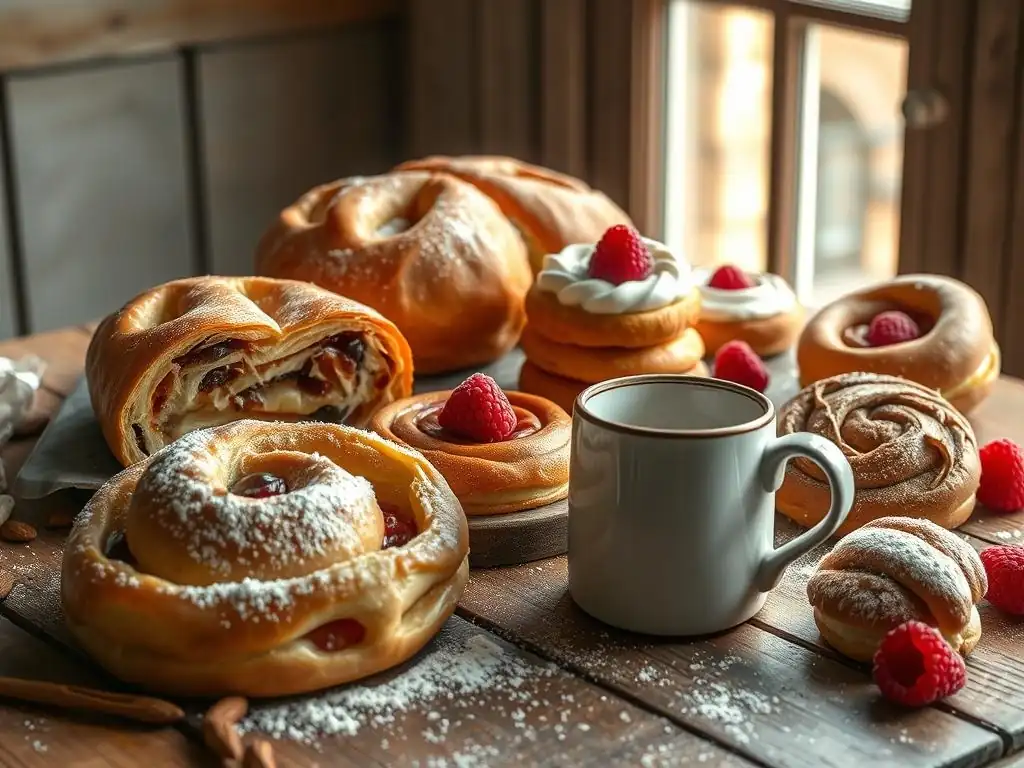
While bread takes center stage, German bakeries also boast an incredible selection of cakes, tarts, cookies, and small pastries ("Feingebäck"). These sweet treats often feature fruit, nuts, quark cheese, and rich creams. They range from simple butter cakes and fruit tarts to elaborate layered tortes. German pastries, like their bread counterparts, emphasize quality ingredients and traditional methods, resulting in comforting, flavorful desserts perfect for "Kaffee und Kuchen" (coffee and cake) time.
The variety is impressive, catering to all tastes. You'll find everything from flaky puff pastry items filled with fruit or pudding to dense, moist cakes made with nuts or poppy seeds. Many German bakery recipes easy to follow can be found for these delightful sweets.
Indulge Your Senses: Iconic German Pastries and Cakes
German pastries and cakes are known for their generous fillings, rich textures, and balanced sweetness. They often highlight seasonal fruits like cherries, apples, and plums, or feature nuts like almonds and hazelnuts. Cream, quark, and chocolate are also prominent ingredients. These iconic treats offer a delicious glimpse into the sweeter side of German baking traditions.
Exploring these classic recipes provides a fantastic entry point for home bakers looking for German bakery recipes easy to master.
-
Black Forest Cake (Schwarzwälder Kirschtorte): A Chocolate Cherry Masterpiece.
Perhaps the most internationally famous German cake, Black Forest cake features layers of moist chocolate sponge cake, whipped cream, cherries, and Kirschwasser (cherry brandy). It's traditionally decorated with more whipped cream, chocolate shavings, and cherries. The balance of rich chocolate, tart cherries, and boozy cream is its hallmark.
-
Bee Sting Cake (Bienenstich): Almond and Honey Goodness.
Bienenstich is a popular sheet cake consisting of a sweet yeast dough base, a creamy vanilla pudding or cream filling, and a topping of caramelized almonds and honey. The name "Bee Sting" supposedly comes from the sweet, sticky topping that might attract bees, or perhaps from a historical anecdote involving bakers and bees.
-
Apple Strudel (Apfelstrudel): A Classic Comfort Food.
While often associated with Austria, Apple Strudel is widely popular in Germany. It consists of a very thin, stretched dough filled with spiced apples, raisins, and sometimes breadcrumbs or nuts. The strudel is rolled up and baked until golden and flaky. It's typically served warm, often with vanilla sauce or whipped cream.
Mastering German Pastry Recipes Easy: Tips and Tricks
Tackling German pastry recipes easy at home is achievable with a few key insights. Understanding ingredients like quark and mastering techniques like working with yeast doughs or creating delicate fillings are essential. German pastry making often involves precision, especially with doughs and fillings, but the results are well worth the effort.
Focusing on quality ingredients and paying attention to detail in each step will help you recreate authentic flavors and textures.
-
Working with German Quark: Achieving a Creamy Texture
Quark is a fresh dairy product similar to a very thick yogurt or cream cheese but with a unique tangy flavor and smooth texture. It's a staple in German baking, used in cheesecakes (Käsekuchen), tortes, and fillings. It provides richness and moisture without the heaviness of some other cheeses. If authentic quark is unavailable, a mix of Greek yogurt and cream cheese can serve as an approximation in many recipes.
-
The Art of German Cake Decoration: Elevating Your Baking
German cake decoration often leans towards rustic elegance rather than elaborate frosting work. Whipped cream, fresh fruit, chocolate shavings, nuts, and simple glazes are common. The focus is often on highlighting the quality of the cake itself and its fillings. Simple techniques like dusting with powdered sugar or arranging fruit artistically can elevate your German bakery recipes easy to make visually.
-
Essential German Pastry-Making Tools: From Rolling Pins to Cookie Cutters
Basic baking tools are sufficient for many German pastries. A good rolling pin is essential for doughs and tarts. Various-sized cake pans, springform pans (especially for cheesecakes and tortes), and cookie cutters for traditional shapes are useful. Muffin tins are perfect for small cakes or tarts. Precise measuring tools are also important for consistent results.
Recreating the German Bakery Experience at Home
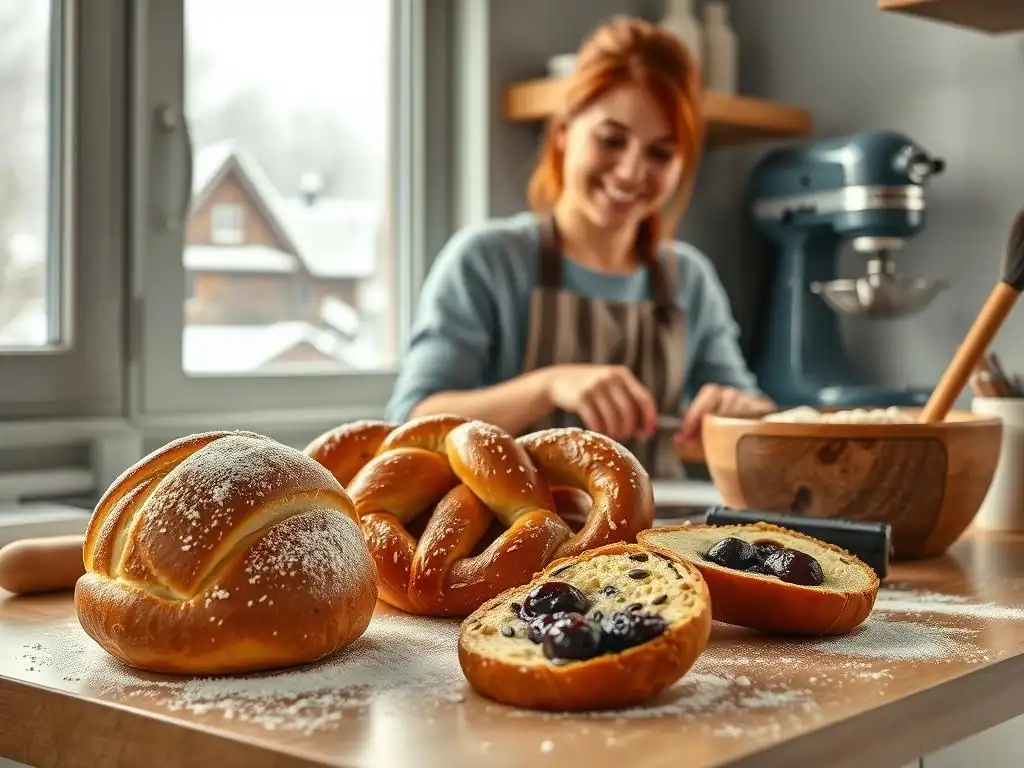
Bringing the magic of a German bakery into your own kitchen is a rewarding endeavor. With so many German bakery recipes easy to find and adapt, you can enjoy the authentic tastes and aromas without needing to travel. It's about more than just following a recipe; it's about understanding the spirit of German baking – the appreciation for quality ingredients, the patience for fermentation, and the joy of sharing delicious, homemade goods.
Starting with simpler German bakery recipes easy for beginners is a great way to build confidence before tackling more complex sourdough loaves or layered tortes. The process itself can be a relaxing and fulfilling hobby.
Easy German Bakery Recipes for Beginners: Start Your Baking Adventure
Beginning your journey into German baking doesn't require advanced skills. Many classic items have simpler versions that are perfect for newcomers. These recipes often use readily available ingredients and fewer complex techniques, allowing you to get a taste of German baking success quickly.
-
Simple German Bread Recipe: A Step-by-Step Guide.
A basic Mischbrot (mixed rye-wheat bread) using commercial yeast is an excellent starting point. These recipes typically involve straightforward mixing, a single rise, shaping, and baking. They offer a taste of the German bread experience without the commitment of managing a sourdough starter.
-
Quick German Pastry Recipe: A Sweet Treat in Minutes.
Recipes for items like simple butterkuchen (butter cake), streusel cake, or easy fruit tarts using pre-made dough or a simple batter can provide a quick and delicious introduction to German sweets. These often require minimal shaping and come together relatively fast.
Bringing the Aroma Home: Tips for Achieving Authentic German Flavors
Beyond the recipes themselves, several factors contribute to achieving that authentic German bakery flavor and experience in your home. It involves understanding the nuances of specific ingredients, using spices correctly, and even creating the right atmosphere.
Think about the environment in which German goods are traditionally baked and enjoyed. Replicating elements of this can enhance your baking and tasting experience. Exploring communities of fellow German baking enthusiasts can also provide valuable tips and inspiration for tackling German bakery recipes easy or challenging.
-
Using Spices in German Baking: A Guide to Flavor Profiles
German baking often incorporates spices that are less common in American baking. Caraway seeds are frequently used in rye bread. Anise, fennel, and coriander seeds appear in some bread and rolls. Sweet baking features cinnamon, cloves, cardamom, and sometimes even pepper in items like gingerbread (Lebkuchen). Using fresh, high-quality spices is key to achieving the intended flavor profiles.
-
Creating a German Baking Ambiance: Setting the Stage for Success
The sensory experience of a German bakery is part of its charm. While you can't replicate it exactly, you can enhance your home baking. Ensure good ventilation to manage steam, but let the wonderful aromas fill your kitchen. Consider playing some traditional German music or brewing a pot of coffee or tea to enjoy with your freshly baked goods.
-
Finding German Baking Communities: Connecting with Fellow Bakers
Joining online forums, social media groups, or local baking clubs focused on German or European baking can be incredibly helpful. You can share successes, troubleshoot challenges, and discover new German bakery recipes easy to try. Learning from others who share your passion makes the journey more enjoyable.
Conclusion: Embrace the Art of German Baking
Exploring the world of German bakeries reveals a rich tapestry of tradition, quality, and incredible flavor. From the hearty, complex breads rooted in centuries of history to the delightful array of pastries and cakes, there's something to captivate every baking enthusiast. Understanding the emphasis on quality ingredients, specific techniques like sourdough fermentation, and regional specialties unlocks the secrets behind their enduring appeal.
Whether you're a seasoned baker or just starting out, there are countless German bakery recipes easy enough to attempt at home. By focusing on core ingredients, mastering fundamental techniques, and embracing the process, you can recreate the authentic tastes and aromas that make German baking so special. So, tie on your apron, preheat your oven, and get ready to embark on a delicious journey into the art of German baking.
Frequently Asked Questions
What makes German bakery recipes stand out from other baking traditions?
German bakery recipes often emphasize hearty flavors and traditional techniques, utilizing ingredients like rye flour and spices like cardamom. This creates a unique taste profile that is distinctly German.
Are German bakery recipes generally considered easy to make for beginners?
While some German recipes can be complex, many are surprisingly easy to follow, especially those featured on BakeWithEase.com. Look for recipes specifically labeled as beginner-friendly.
What are some common ingredients found in German bakery recipes?
Common ingredients include rye flour, marzipan, spices like cardamom and cinnamon, and various types of nuts. Many recipes also feature fresh fruits and cream cheese.
Where can I find reliable and easy-to-follow German bakery recipes?
BakeWithEase.com is a great resource for mastering German baking. Our website offers step-by-step guides and easy-to-find ingredients for all skill levels.
What is the key to successfully baking a German recipe at home?
The key is to follow the recipe carefully, paying attention to measurements and baking times. Using high-quality ingredients will also enhance the flavor and texture of your baked goods.
Final Reflection: The Enduring Charm of German Baking
The simple act of baking a loaf of bread, a pretzel, or a stollen connects us to generations past, and the enduring popularity of German baking traditions reflects a timeless appeal. These recipes, often passed down through families, represent more than just culinary skills; they embody a sense of heritage, community, and the comforting warmth of a perfectly crafted pastry. The ease with which many of these recipes can be adapted for home bakers, as explored in this article, only amplifies their enduring charm.
The influence of German baking extends far beyond the borders of Germany itself. Its impact on global culinary landscapes is undeniable, with countless variations and adaptations found worldwide. The dedication to quality ingredients and precise techniques, often passed down through apprenticeships, ensures a consistent standard of excellence. Baking is a labor of love, and the reward is a taste of home.
This sentiment perfectly encapsulates the heart of German baking, a tradition that transcends mere sustenance and becomes a powerful symbol of connection and cultural identity.
Now, consider your own kitchen. Imagine the aroma of freshly baked bread filling your home, the satisfaction of creating something delicious and meaningful with your own hands. Don't be intimidated by the seemingly complex recipes; embrace the simplicity and joy of German baking. Start small, perhaps with a simple pretzel or a batch of buttery cookies. Let the process transport you, even for a moment, to a cozy German bakery, and experience the magic of creating something truly special. The journey of discovery awaits – your own personal taste of German baking history.
Unleash Your Inner Bäcker: Take Your Baking to the Next Level!
Thanks for taking the time to explore the magic of German bakeries with us! We hope you now have a deeper appreciation for the artistry and tradition behind their incredible breads and pastries. Ready to put your newfound knowledge to the test?
- Try a new German bread recipe: We encourage you to dive into the world of sourdoughs, pretzels, and rye breads. Many excellent recipes are readily available online! This is your chance to experience the authentic flavors for yourself.
- Share your baking journey: Tag us on social media (@BakeWithEase) with pictures of your creations – we’d love to see what you bake!
- Discover a local German bakery (or a great German bakery near you): Visit a local German bakery, or even a European style bakery, to savor the real deal and support local artisans.
What's your favorite German bread or pastry, and where will you find the ingredients to make it? Let's discuss in the comments below!