
Beyond the Croissant: MustTry Pastries in France's Hidden Gems

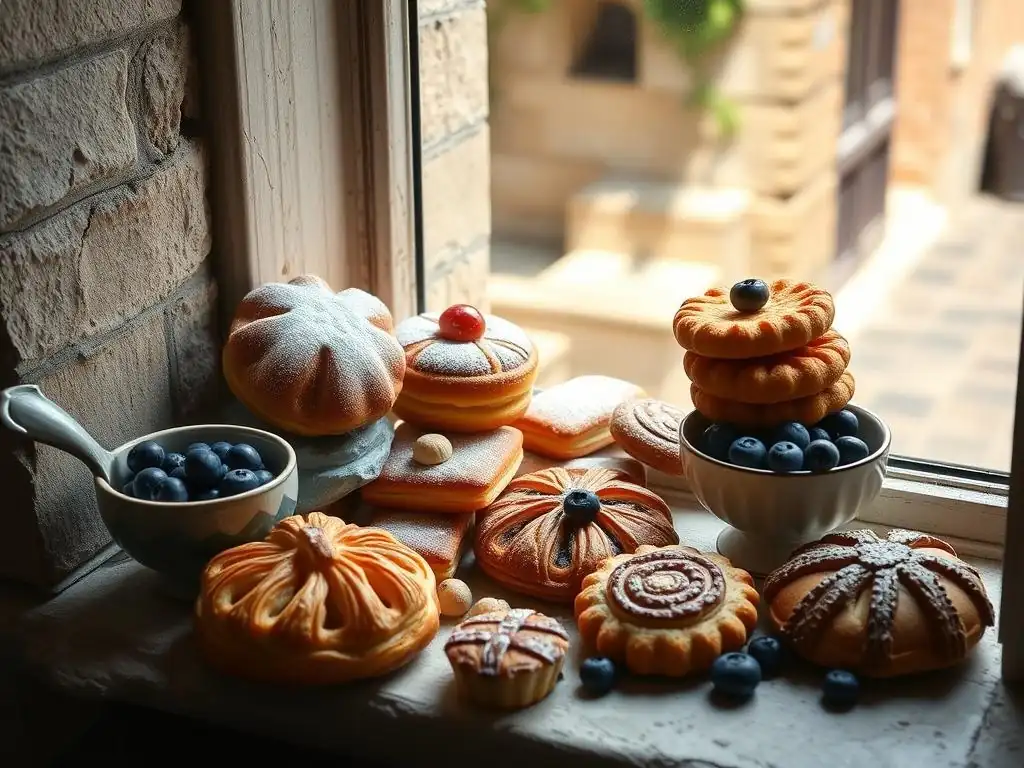
Welcome to BakeWithEase, your passport to the delightful world of baking! Ever dreamed of crafting authentic French pastries without the fuss? Get ready to discover beginner-friendly French pastry recipes that go beyond the typical croissant and unlock the secrets of France's lesser-known, yet equally exquisite, baking treasures. Prepare to be inspired as we embark on a culinary journey, exploring must-try pastries hidden in France's charming corners. Intrigued? Let's begin...
- Discover Beginner-Friendly French Pastry Recipes Beyond the Basics
- Exploring France's Best-Kept Pastry Secrets: A Baker's Guide
- Must-Try French Pastries & Beginner-Friendly Baking Techniques
- Elevate Your Baking Skills with Online Pastry Courses
- Plan Your Baking Trip to France: Culinary Experiences
- Conclusion: Mastering Beginner-Friendly French Pastry Recipes
-
Frequently Asked Questions
- What makes a French pastry recipe beginner-friendly?
- What are some "hidden gem" pastries besides croissants that BakeWithEase recommends?
- Where can I find easy-to-find ingredients for French pastries?
- Does BakeWithEase offer step-by-step guides for making French pastries?
- How can I improve my baking skills to eventually master more complex French pastry recipes?
- Final Reflection: A Sweet Journey Beyond the Tourist Trail
- Unearth Your Next Favorite French Pastry!
Discover Beginner-Friendly French Pastry Recipes Beyond the Basics
France is a paradise for pastry lovers, famous worldwide for its flaky croissants and delicate macarons. But venture beyond the well-trodden path, and you'll discover a treasure trove of regional specialties, many of which are surprisingly accessible for home bakers looking to expand their skills. Mastering beginner-friendly French pastry recipes opens up a world of delightful flavors and textures right in your own kitchen. Forget the intimidation; embracing these hidden gems is a fantastic way to deepen your appreciation for French baking and impress your friends and family.
This journey isn't just about replicating famous treats; it's about understanding the foundations of French patisserie in a way that feels achievable and fun. We'll explore some lesser-known but equally delicious pastries that are perfect candidates for beginner French pastry enthusiasts. From buttery layers to creamy fillings, these recipes offer a taste of France's diverse culinary landscape and provide excellent opportunities to practice fundamental baking techniques that are essential for any aspiring baker.
Exploring France's Best-Kept Pastry Secrets: A Baker's Guide
France's culinary landscape is incredibly rich and varied, with each region boasting its own unique specialties. While Parisian patisseries might be the most famous, the true heart of French baking often lies in the provincial towns and villages. These hidden gems offer pastries steeped in local history and tradition, developed over generations using ingredients sourced from the surrounding countryside. Exploring these regional delights provides a deeper understanding of French culture and its connection to food.
For the home baker, this regional diversity means an exciting array of beginner-friendly French pastry recipes waiting to be discovered. Many provincial pastries rely on simpler techniques than their elaborate Parisian counterparts, focusing instead on the quality of a few key ingredients – think fresh butter from Normandy, fruit from the Loire Valley, or local honey. By trying these less intimidating recipes, beginners can build confidence and skill before tackling more complex challenges, making the world of French baking feel much more approachable.
Why Venture Beyond the Croissant?
While the croissant is an undisputed icon of French baking, focusing solely on it means missing out on an incredible diversity of textures, flavors, and techniques that France has to offer. The country is home to literally hundreds of distinct regional pastries, each telling a story of local ingredients, climate, and history. Exploring these other options allows bakers to expand their repertoire significantly and discover new favorites that might be better suited to their personal tastes or skill level.
Furthermore, many regional French pastries are surprisingly well-suited for beginner-friendly French pastry recipes. Unlike the multi-day, highly technical process of lamination required for perfect croissants, pastries like a simple fruit tart from Provence or a rustic cake from the countryside often involve more straightforward mixing, shaping, and baking techniques. This makes them ideal entry points for those new to French baking, providing rewarding results without the steep learning curve, and building a solid foundation for future baking adventures.
Must-Try French Pastries & Beginner-Friendly Baking Techniques
Embarking on your journey into French baking doesn't have to start with the most intimidating classics. Many delightful regional pastries offer a fantastic introduction to French techniques using processes that are quite manageable for beginners. Focusing on these allows you to build confidence and skill step-by-step.
Let's explore a few examples of these hidden gems that are perfect for learning beginner-friendly French pastry recipes and mastering essential baking skills. Each offers a unique challenge and reward, proving that French patisserie is within reach for anyone eager to learn.
1. Kouign Amann: The Buttery Delight from Brittany
Originating from the Brittany region of France, the Kouign Amann (pronounced kween a-mon) is a round, multi-layered cake, similar to a croissant but with layers of butter and sugar folded in, resulting in a caramelized, crispy exterior and a soft, buttery interior. Its name literally translates to "butter cake" in Breton, and for good reason – butter is a key component, often making up a significant percentage of the dough's weight.
Despite its seemingly complex appearance with all those layers, the fundamental technique of folding butter into dough is surprisingly accessible for beginners, offering a great introduction to lamination on a smaller, less demanding scale than a full croissant.
Making Kouign Amann involves creating a simple yeast dough, incorporating generous amounts of butter and sugar through a series of folds, and then baking until the sugar caramelizes beautifully. While it requires attention to detail and temperature control, the process is more forgiving than traditional puff pastry or croissant dough. The reward is a pastry that is intensely buttery, sweet, and has a unique texture – simultaneously flaky, dense, and chewy in the caramelized parts. It's a perfect example of a regional French pastry that provides a delicious challenge for those seeking beginner-friendly French pastry recipes.
Easy Kouign Amann Recipe for Home Bakers
Making Kouign Amann at home is a rewarding experience, and a simplified approach can make it quite beginner-friendly. Start with a basic enriched dough, incorporating yeast, flour, a little sugar, salt, and water. The key difference from a standard dough is the generous amount of butter and sugar you'll incorporate later.
Once your basic dough is ready and slightly rested, the process involves enclosing a large block of cold butter and sugar within the dough and then performing several "turns" or folds. This is where the layers are created. Chill the dough between turns to keep the butter cold and firm. After the final folds, the dough is typically cut, shaped into small rounds, coated in more sugar, and baked in muffin tins or rings to help them hold their shape and encourage caramelization.
Essential Tools for Kouign Amann Success: Affiliate Links
Having the right tools can make the Kouign Amann process smoother and more successful.
- Rolling Pin: A good, sturdy rolling pin is essential for evenly rolling out the dough and butter block during the lamination process.
- Pastry Brush: Useful for brushing off excess flour between folds and potentially for adding a final wash before baking, though often the sugar coating is sufficient.
- Silicone Baking Mat: Provides a non-stick surface for rolling out dough and helps with easy cleanup after dealing with buttery, sugary dough.
2. Canelés de Bordeaux: The Rum-Infused Custard Treat
Canelés (pronounced ka-ne-lay) are small, fluted pastries from the Bordeaux region of France, known for their dark, thick caramelized crust and soft, tender, rum-and-vanilla-flavored custard interior. Their distinctive shape comes from the special fluted molds they are baked in. While achieving the perfect crust can take a little practice, the batter itself is surprisingly simple to make, requiring no complex dough work or lamination, making it a fantastic option for beginner-friendly French pastry recipes.
The batter is essentially a thin custard made from milk, flour, sugar, eggs, vanilla, and a significant amount of rum. It's typically prepared well in advance (often 24-48 hours) and allowed to rest in the refrigerator, which is crucial for the texture and flavor development. Baking them correctly requires high heat and traditionally involves coating the molds with a mixture of beeswax and butter to achieve that signature crust, though modern recipes often use just butter or non-stick sprays for simplicity, which is great for beginners.
Beginner's Guide to Making Canelés at Home
Making Canelés is less about dough handling and more about batter preparation and baking technique. Start by infusing your milk with vanilla bean and bringing it to a simmer. Whisk together flour, sugar, and eggs, then gradually whisk in the hot milk. Stir in the rum. The critical step for beginners is resting the batter in the fridge for at least a day; this allows the flour to hydrate fully and the flavors to meld.
When ready to bake, prepare your molds. Traditionally, this involves melting beeswax with butter and coating the molds, letting the coating set, and repeating. For a simpler approach, thoroughly buttering and flouring (or just buttering very well) non-stick molds can work. Pour the chilled batter into the prepared molds, filling them almost to the top. Bake at a high temperature initially to set the crust, then lower the temperature to cook the interior through. Achieving the perfect dark crust might take a few tries, but the delicious custard inside is rewarding from the start.
Key Ingredients & Equipment for Perfect Canelés: Affiliate Opportunities
Specific equipment and ingredients are key to achieving the classic Canelé result.
- Canelé Copper Molds: Traditional copper molds conduct heat exceptionally well, helping to create the signature dark, caramelized crust. While silicone molds are easier for beginners, copper is the gold standard for texture.
- Beeswax: Used in the traditional method for coating the molds, contributing to the unique crust and release. Food-grade beeswax is necessary.
- High-Quality Rum: The rum is a crucial flavor component. Using a good quality dark or amber rum will significantly impact the final taste of the custard.
3. Tarte Tropézienne: The Creamy Brioche from Saint-Tropez
The Tarte Tropézienne is a delightful creation from Saint-Tropez, a town on the French Riviera. It's essentially a large, round brioche bun, sliced horizontally and filled with a rich, smooth mixture of two creams – typically a pastry cream (crème pâtissière) and a diplomat cream (crème diplomate, which is pastry cream lightened with whipped cream). The top is traditionally sprinkled with pearl sugar. This pastry is a fantastic introduction to enriched doughs and classic French cream fillings, making it a great addition to any beginner-friendly French pastry recipes list.
What makes it accessible for beginners is that while brioche dough requires kneading and rising time, it's less temperamental than laminated doughs. The creams, while classic, are also fundamental French techniques that are relatively straightforward to master with a few key steps. The assembly is simple: bake the brioche, let it cool, slice, fill, and dust with sugar. It's a celebration of texture – the soft, slightly sweet brioche contrasting with the light, creamy filling.
Simplified Tarte Tropézienne Recipe for Novice Bakers
Creating a Tarte Tropézienne at home involves making a simple, enriched brioche dough. This typically starts with activating yeast in warm milk, then mixing it with flour, sugar, eggs, and salt. The key is gradually incorporating softened butter until the dough is smooth, elastic, and shiny. Kneading is important, either by hand or with a mixer, to develop the gluten.
After kneading, the dough requires a first rise, often in a warm place, followed by a chilling period in the refrigerator, which makes it easier to handle. Shape the dough into a round, flatten slightly, and let it rise again. Brush with egg wash and sprinkle with pearl sugar before baking until golden brown and cooked through. While the brioche bakes, prepare your pastry cream, let it cool, and then lighten it with whipped cream to make the diplomat cream. Once the brioche is cool, slice it in half, fill generously with the cream, replace the top, and enjoy!
Tools and Ingredients to Bake Your Own Tarte Tropézienne: Affiliate Suggestions
These items will help you successfully bake a delicious Tarte Tropézienne.
- Stand Mixer: While brioche can be kneaded by hand, a stand mixer with a dough hook makes the process significantly easier and ensures proper gluten development for a light, airy texture.
- Brioche Baking Pan: A round cake pan or a specific brioche mold (like a fluted ring) can help the brioche maintain its shape as it rises and bakes.
- Vanilla Extract: Essential for flavoring both the brioche dough and the pastry cream, ensuring that classic sweet, aromatic taste.
4. Puits d'Amour: The Wells of Love Pastry
Puits d'Amour (pronounced pwee da-moor), meaning "wells of love," are elegant small pastries consisting of a puff pastry shell filled with pastry cream or Chiboust cream (pastry cream lightened with meringue) and often topped with a layer of caramelized sugar or red fruit glaze. While puff pastry might seem intimidating, store-bought or a simplified rough puff pastry recipe makes this dessert surprisingly accessible for those exploring beginner-friendly French pastry recipes.
The charm of Puits d'Amour lies in the contrast between the crispy, flaky puff pastry and the smooth, rich cream filling, often finished with a delicate, crackly layer of caramelized sugar (like a miniature crème brûlée top) or a vibrant red fruit jelly. It's a pastry that looks sophisticated but can be broken down into manageable steps for the home baker. Mastering the pastry cream and assembly is the main focus here, rather than complex dough lamination from scratch.
Easy Puits d'Amour Recipe with Step-by-Step Instructions
To make Puits d'Amour, you'll need puff pastry. Using good-quality store-bought puff pastry is a perfectly acceptable and beginner-friendly option. Roll out the pastry and cut out rounds or rings. Place these rings on a baking sheet and bake until puffed and golden brown. The centers will naturally form a slight "well."
While the pastry bakes and cools, prepare your filling. A classic pastry cream is a good starting point. Heat milk with vanilla. Whisk egg yolks and sugar until pale, then whisk in flour or cornstarch.
Gradually whisk in the hot milk, then cook the mixture over medium heat, stirring constantly, until it thickens into a smooth, rich cream. Let it cool completely. Once the pastry shells are cool, fill the "wells" generously with the cooled pastry cream. For the classic finish, sprinkle the top of the cream with granulated sugar and use a blowtorch or broiler to caramelize it until golden brown and bubbly.
Equip Yourself for Puits d'Amour Success: Monetization Opportunities
These tools are helpful for assembling and finishing Puits d'Amour.
- Piping Bags & Tips: Essential for neatly filling the baked puff pastry shells with cream. A large round tip works well.
- Saucepan: Needed for making the pastry cream filling. A heavy-bottomed saucepan helps prevent scorching.
- Granulated Sugar: Used both in the pastry cream and, crucially, for sprinkling on top of the filled pastry before caramelizing the "well."
Elevate Your Baking Skills with Online Pastry Courses
Once you've dipped your toes into beginner-friendly French pastry recipes and gained confidence with these regional delights, you might be ready to take your skills to the next level. Online pastry courses offer a structured way to learn more advanced techniques, understand the science behind baking, and master classic French patisserie from expert instructors. These platforms often provide detailed video tutorials, printable recipes, and even feedback forums, allowing you to learn at your own pace from the comfort of your kitchen.
Investing in an online course can accelerate your learning curve significantly. You can delve deeper into topics like mastering different types of dough (including classic puff pastry and brioche from scratch), creating various fillings and glazes, and perfecting decorative techniques. Many courses break down complex pastries into manageable steps, making even seemingly daunting recipes achievable. It's a valuable resource for anyone serious about improving their French baking prowess beyond the beginner stage.
Plan Your Baking Trip to France: Culinary Experiences

For the ultimate immersion in French baking, consider planning a culinary trip to France. Visiting local bakeries (boulangeries and pâtisseries) in different regions allows you to taste authentic versions of the pastries you've been baking and discover new ones. Witnessing skilled artisans at work can be incredibly inspiring and educational. Imagine trying a fresh Kouign Amann in a small town in Brittany or a perfect Canelé in Bordeaux!
Beyond simply tasting, many regions offer hands-on baking classes or workshops for tourists. These experiences provide a unique opportunity to learn traditional techniques directly from French bakers, often using local ingredients. Participating in a short class can offer insights that are hard to gain from recipes alone and provide unforgettable memories. Planning a trip around France's diverse pastry landscape is a dream for any baking enthusiast and a wonderful way to complement your practice with beginner-friendly French pastry recipes at home.
Conclusion: Mastering Beginner-Friendly French Pastry Recipes
Exploring the world of French pastries beyond the ubiquitous croissant reveals a wealth of delicious and achievable options for home bakers. From the buttery layers of Brittany's Kouign Amann to the rum-kissed custard of Bordeaux's Canelés, and the creamy simplicity of the Tarte Tropézienne or the elegant Puits d'Amour, many regional specialties offer fantastic entry points into French patisserie. Focusing on these beginner-friendly French pastry recipes allows you to build fundamental skills like dough handling, cream making, and layering in a less intimidating way.
Don't be discouraged by the reputation for complexity that French baking sometimes carries. With clear instructions, a little patience, and the right tools, you can successfully recreate these delightful treats in your own kitchen. As you gain confidence, you can gradually tackle more intricate recipes, perhaps even venturing into making your own puff pastry from scratch. The journey of mastering French baking is a rewarding one, filled with delicious discoveries and the satisfaction of creating something truly special with your own hands. Happy baking!
Frequently Asked Questions
What makes a French pastry recipe beginner-friendly?
Beginner-friendly recipes typically use simple ingredients and have clear, step-by-step instructions. They also often avoid complex techniques that require a high level of skill.
While the article details specific pastries, generally, "hidden gems" refer to less widely known regional specialties. Local bakeries often hold the key to discovering these delicious treats.
Where can I find easy-to-find ingredients for French pastries?
Most basic baking ingredients are available in well-stocked supermarkets. You may need to visit a specialty store for certain authentic French ingredients.
Does BakeWithEase offer step-by-step guides for making French pastries?
Yes, BakeWithEase.com provides detailed, step-by-step guides to help bakers of all levels create delicious French pastries. We focus on simplifying complex techniques.
How can I improve my baking skills to eventually master more complex French pastry recipes?
Start with simple recipes and gradually increase the difficulty. Focus on understanding the fundamentals of baking and practice consistently to hone your skills.
Final Reflection: A Sweet Journey Beyond the Tourist Trail
The pursuit of the perfect pastry transcends mere culinary skill; it's a journey of discovery, a testament to patience, and a celebration of tradition. This exploration of lesser-known French pastries, designed with the beginner baker in mind, reveals a world of flavor and technique far beyond the ubiquitous croissant. The recipes shared here are not just instructions, but invitations to engage with a rich cultural heritage, one delicious bite at a time.
The impact of these simple yet elegant pastries extends far beyond the kitchen. They represent a connection to a history steeped in artistry and precision, a legacy passed down through generations. These recipes, while accessible to newcomers, offer a glimpse into the dedication and passion that define French pastry making. As Julia Child once wisely said, Find something you're passionate about and keep tremendously interested in it.
This passion, I believe, is the secret ingredient that elevates a simple pastry into a truly memorable experience.
Now, I invite you to roll up your sleeves, gather your ingredients, and embark on your own culinary adventure. Don't be intimidated by the seemingly complex techniques; embrace the challenge, savor the process, and allow the aroma of freshly baked goods to fill your home with warmth and joy. The reward? Not just delicious pastries, but a deeper appreciation for the art of French baking and a newfound confidence in your own culinary abilities. Let the journey begin!
Unearth Your Next Favorite French Pastry!
Thanks for exploring the delightful world of French pastries with us! We hope you’ve discovered some hidden gems you can’t wait to try. Ready to embark on your own pastry adventure?
- Indulge in a local patisserie: Find a charming bakery near you (or plan a trip!) and savor a pastry inspired by today's discoveries. Let us know in the comments which one you choose!
- Share your pastry passion: Tag a friend who'd love to explore these hidden treats with you on social media! #BakeWithEase #FrenchPastries
- Experiment with a new recipe: Many of these pastries have home baking versions – challenge yourself to recreate the magic in your own kitchen!
What unique pastry experience are you most excited to try next?