
Planning Your Trip: MustVisit Bakeries for German Bread Lovers

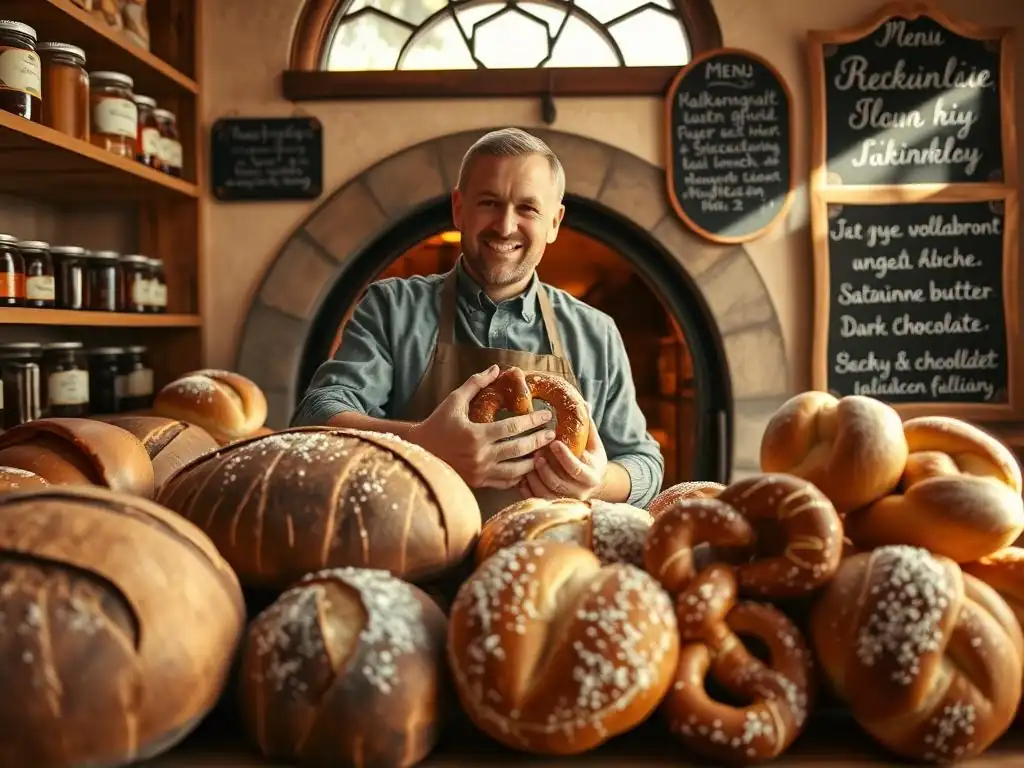
Welcome to BakeWithEase! Are you dreaming of a perfect German bread pilgrimage? Planning Your Trip: Must-Visit Bakeries for German Bread Lovers reveals insider tips for an unforgettable German bread bakery tour. Discover hidden gems and essential stops that will tantalize your taste buds and deepen your appreciation for authentic German baking. But where do you even begin crafting such a delicious adventure? Let's unravel the secrets to a perfectly planned tour...
- Your Ultimate Guide to a German Bread Bakery Tour
- Planning Your German Bread Bakery Tour: Essential Tips
- Finding the Best German Bakeries: A Region-by-Region Guide
- Must-Try German Breads on Your Bakery Tour
- Bringing the Taste of Germany Home: Souvenirs for Bread Lovers
- Tips for a Smooth and Enjoyable German Bread Bakery Tour
- Conclusion: Savoring the Flavors of Germany, One Bakery at a Time
-
Frequently Asked Questions
- What are some key considerations when planning a German bread bakery tour?
- How can I find the best German bread bakeries to visit?
- What types of bread should I try during my German bread bakery tour?
- Are there any specific etiquette tips I should keep in mind when visiting German bakeries?
- How can I make the most of my German bread bakery tour experience?
- Final Reflection: The Crumbs of a Journey, the Bread of Memories
- Unleash Your Inner Bäcker: Bake Your Own German Bread!
Your Ultimate Guide to a German Bread Bakery Tour
For anyone passionate about baking or simply loves the hearty, diverse world of German bread, planning a German bread bakery tour is an absolute must. This journey isn't just about visiting shops; it's an immersive experience into a rich culinary heritage, exploring centuries-old traditions, regional specialties, and the daily rhythm of German life centered around the local Bäckerei. Getting the best German bread bakery tour tips can transform a simple vacation into an unforgettable adventure filled with delicious discoveries.
This guide aims to provide essential German bread bakery tour tips, helping you navigate the planning process, from setting a budget and choosing the best time to visit, to identifying must-try breads and finding hidden gems. Whether you're a seasoned traveler or embarking on your first trip to Germany, these tips will ensure your bread-focused exploration is smooth, enjoyable, and incredibly tasty.
Immerse Yourself in German Baking Culture: A Bread Lover's Dream
Germany boasts an unparalleled diversity in bread, with estimates suggesting over 3,200 different types of bread and some 1,200 kinds of pastries and rolls. This incredible variety stems from historical factors, including a fragmented political landscape until the late 19th century, which fostered distinct regional baking traditions. A German bread bakery tour offers a direct window into this cultural tapestry, allowing you to taste breads that reflect local history, available grains, and unique baking techniques passed down through generations.
Walking into a German bakery is an experience in itself – the aroma of freshly baked goods, the visual feast of shelves laden with loaves of all shapes and sizes, from dense rye Roggenbrot to light wheat Weizenbrot, and the cheerful bustle of locals picking up their daily bread. Understanding this daily ritual is key to appreciating the significance of bread in German culture. It's not just food; it's a fundamental part of meals, celebrations, and daily life, making a German bread bakery tour a deeply cultural as well as culinary exploration.
Planning Your German Bread Bakery Tour: Essential Tips

Planning is crucial for any successful trip, and a German bread bakery tour is no exception. Thinking about logistics like budget, timing, and communication beforehand will help you maximize your time and bread sampling opportunities. These initial German bread bakery tour tips lay the groundwork for a smooth and enjoyable journey through Germany's fascinating bread landscape.
Setting Your Bread-Focused Travel Budget
When budgeting for your German bread bakery tour, consider that enjoying delicious bread daily is relatively affordable, but costs can add up if you're visiting multiple bakeries or adding coffee and pastries. A single Brötchen (bread roll) might cost between €0.30 and €0.80, while a loaf of specialty bread can range from €3.00 to €6.00 or more, depending on size and ingredients. Factor in daily costs for breakfast (often bread-based), snacks, and maybe a coffee or pastry stop, which could add €5 to €15 per person per day just for bakery items.
Beyond the bread itself, remember to budget for travel between cities or regions (train tickets can vary widely based on booking time and distance), local transportation (public transport passes are often economical), accommodation, and other meals. If you plan to take any baking classes or guided food tours, these will be additional expenses, potentially ranging from €50 to €150 or more per person. A realistic budget for a bread-focused trip could range from €70-€150+ per person per day, depending on your travel style and how many bakeries you plan to visit.
When to Go: Best Time to Visit Germany for Bread Lovers
Choosing the right time for your German bread bakery tour depends on your preferences for weather, crowds, and specific seasonal baked goods. Spring (April-May) and Autumn (September-October) generally offer pleasant temperatures for walking and exploring cities, with fewer crowds than the peak summer months. Autumn is particularly appealing as it coincides with harvest season, and many bakeries feature breads made with fresh grains.
Winter, especially December, brings the magic of Christmas markets and a wealth of festive baked goods like Stollen (a rich fruit bread) and various spiced cookies ( Plätzchen). While it can be cold, the cozy atmosphere of bakeries and the unique seasonal offerings make it a special time for a German bread bakery tour. Summer (June-August) offers long daylight hours and warm weather, ideal for enjoying bakery treats outdoors, but major tourist areas will be more crowded.
Essential German Phrases for Your Bakery Adventure
Knowing a few basic German phrases will greatly enhance your German bread bakery tour experience and show respect for local culture. Most bakers appreciate the effort, even if you're not fluent. Here are some phrases to get you started:
Ich hätte gerne...(I would like...) - Use this followed by the name of the bread or pastry.Was kostet das?(How much does that cost?)Vielen Dank!(Many thanks!)Auf Wiedersehen!(Goodbye!)Ein Brötchen, bitte.(One roll, please.)Eine Scheibe Brot, bitte.(One slice of bread, please - less common for buying whole loaves, but useful at markets or cafes).Schmeckt sehr gut!(It tastes very good!)
Practicing these simple phrases will make ordering easier and more enjoyable. Don't be afraid to ask questions about the bread – bakers are often proud to share information about their craft.
Finding the Best German Bakeries: A Region-by-Region Guide
Germany's bread diversity is deeply regional. To truly appreciate the breadth of German baking, a German bread bakery tour should ideally cover several different areas. This section offers a glimpse into the distinct bread traditions of key regions and tips on what to look for. These German bread bakery tour tips focus on regional specialties.
Exploring Bavarian Bread Traditions: Must-Visit Bakeries in Munich
Bavaria, particularly Munich, is famous for its pretzels ( Brezeln) and hearty rye and mixed-grain breads. A classic Bavarian breakfast often includes Brezeln, white sausages ( Weißwurst), and sweet mustard. When planning your German bread bakery tour in Munich, look for bakeries that bake their pretzels fresh throughout the day, recognizable by their glossy, deep brown crust and soft, chewy interior.
Beyond pretzels, Munich bakeries excel in dense, dark breads. Bayerisches Roggenbrot (Bavarian Rye Bread) is a staple. Many bakeries also offer Seelen, a long, thin baguette-like roll with a crispy crust and soft, airy interior, originating from Swabia but popular here. Seek out traditional bakeries that have been operating for decades, often found in older neighborhoods or near markets like the Viktualienmarkt. These establishments are where you'll find authentic, time-tested recipes.
Discovering Rhineland Rye: Unforgettable Bakeries in Cologne
The Rhineland region, with Cologne as a major hub, has a strong tradition of baking dense, dark rye breads, heavily influenced by the Westphalian Pumpernickel style. While true Pumpernickel takes a very long time to bake at low temperatures, variations of dark rye bread are widely available. A German bread bakery tour in Cologne should include sampling breads with varying levels of rye content and different starters.
Look for bakeries specializing in Roggenmischbrot (mixed rye and wheat bread) with a higher percentage of rye, resulting in a tangier, more robust flavor. Some bakeries still use traditional wood-fired ovens, imparting a unique smoky flavor to their loaves. Exploring the smaller streets and neighborhoods away from the main tourist areas can reveal charming, family-run bakeries offering regional specialties that have changed little over generations.
Sampling Swabian Breads: Top Bakeries in Stuttgart
Swabia, centered around Stuttgart, is known for its unique bread creations, particularly Laugengebäck (lye rolls and pretzels) with distinct shapes and textures, and the aforementioned Seelen. Swabian pretzels often have thinner 'arms' and a thicker 'belly' compared to their Bavarian counterparts. A German bread bakery tour here offers a chance to compare these regional variations.
Seelen are a must-try; their name means "souls," and legend says they were originally baked for All Souls' Day. They are typically topped with caraway seeds and coarse salt. Swabian bakeries also produce excellent Holzofenbrot (wood-fired oven bread), often substantial loaves with a thick, crackling crust. Visiting local markets in Stuttgart can also provide access to regional bakers who sell directly to the public.
While major cities offer a wide selection, some of the most authentic and unique bread experiences can be found in smaller towns and rural areas during your German bread bakery tour. Here, bakeries often serve a smaller community and rely on hyper-local ingredients and very traditional methods. Finding these hidden gems requires a bit more exploration, perhaps by car or by taking local buses or regional trains.
Look for signs indicating Holzofenbäckerei (wood-fired oven bakery) or Bio-Bäckerei (organic bakery), which often signifies a commitment to quality and tradition. Engaging with locals can also yield valuable German bread bakery tour tips on which small-town bakeries are truly exceptional. These rural bakeries might specialize in breads made from grains grown nearby or feature recipes tied to specific local festivals or historical events.
Must-Try German Breads on Your Bakery Tour
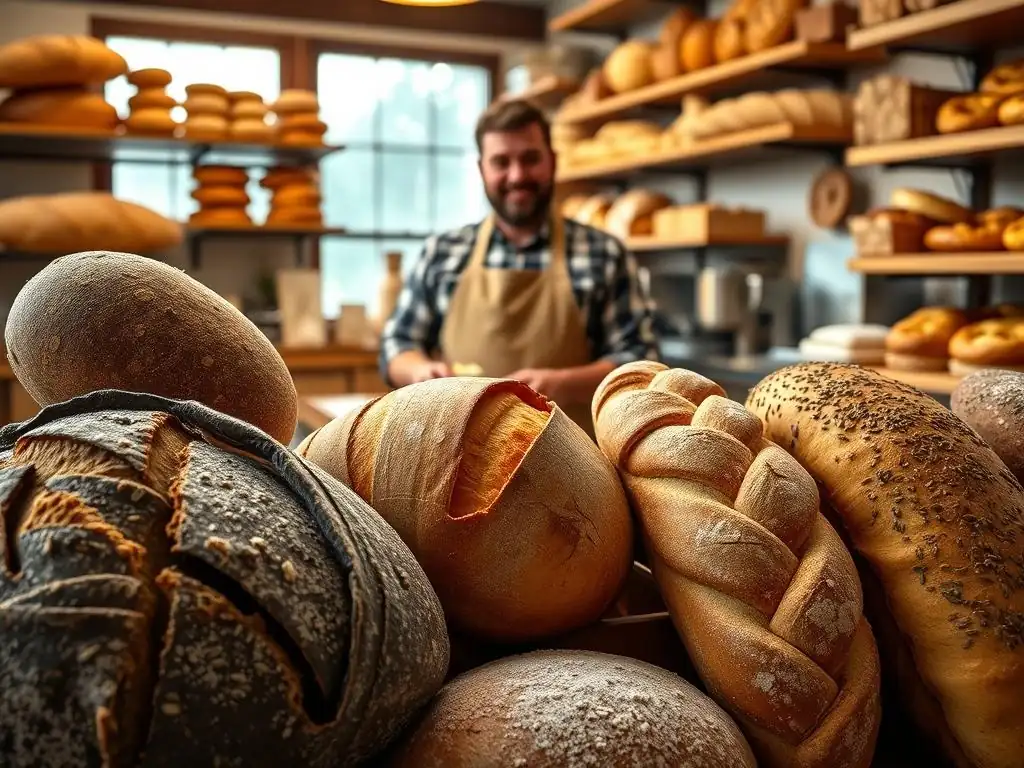
No German bread bakery tour is complete without sampling the iconic breads that define the country's baking landscape. While the variety is vast, a few stand out as essential tasting experiences. These are some key types to seek out, providing crucial German bread bakery tour tips on what to look for.
Sourdough Rye Bread (Sauerteigbrot): A German Staple
Sourdough rye bread, or Sauerteigbrot, is arguably the backbone of German bread culture. Made using a sourdough starter (a fermented mixture of flour and water), these breads are known for their slightly tangy flavor, dense crumb, and long shelf life. They are typically made with a high percentage of rye flour, which gives them their characteristic dark color and hearty texture.
The percentage of rye varies greatly, from Roggenbrot (100% rye) to Roggenmischbrot (mixed rye and wheat), where the rye content is usually between 50% and 90%. High-rye loaves are often baked in a tin to support their structure. Sampling different Sauerteigbrot varieties in various regions is a highlight of any German bread bakery tour, revealing subtle differences in starter cultures, baking times, and flour types.
Pretzel (Brezel): The Iconic German Snack
The German Brezel, or pretzel, is far more than just a snack; it's a cultural symbol, especially in Southern Germany. Made from wheat dough that is briefly dipped in a hot lye solution before baking, it develops a unique, glossy, dark brown crust and a soft, chewy interior. It's typically topped with coarse salt.
Authentic German pretzels are best enjoyed fresh from the oven. They should have a deep color, a distinct 'break' where the lye solution briefly interrupted the browning, and a fluffy inside contrasting with the firm crust. While often eaten plain or with butter, they are also served with cheese, cold cuts, or as a side dish. Trying pretzels from different bakeries during your German bread bakery tour allows you to compare textures, saltiness, and the crucial lye flavor.
Pumpernickel: A Dark and Dense Delight
Pumpernickel is a very dark, dense, and slightly sweet rye bread traditionally made in the Westphalia region. Its characteristic color and flavor come from a long, low-temperature baking process (sometimes up to 16-24 hours) and the use of whole rye grains, often including a sourdough starter. True Pumpernickel contains no yeast and is baked in a sealed tin.
This bread has a unique texture and a complex, slightly malty or even chocolatey flavor due to the Maillard reaction occurring during the prolonged baking. It's typically sold in small, pre-sliced rectangular loaves and is often served with smoked fish, ham, or cheese. Finding authentic, traditionally baked Pumpernickel is a special experience on a German bread bakery tour focused on regional specialties.
Brötchen: German Bread Rolls for Every Occasion
Brötchen (literally "small bread") are the ubiquitous German bread rolls, essential for breakfast and as a side with meals. While they may seem simple, the variety is immense, from the classic Schrippe (Berlin) or Semmel (Bavaria) – a basic white roll – to Mohnbrötchen (poppy seed), Sesambrötchen (sesame seed), Vollkornbrötchen (whole grain), and many regional variations.
A good Brötchen should have a crispy crust and a light, airy interior. Germans often buy them fresh daily. Trying different types of Brötchen from various bakeries during your German bread bakery tour is a simple yet rewarding way to appreciate the daily bread culture. They are perfect for making sandwiches on the go or enjoying with butter and jam in the morning.
Bringing the Taste of Germany Home: Souvenirs for Bread Lovers
Your German bread bakery tour doesn't have to end when you leave Germany. There are many ways to bring the flavors and techniques of German baking back to your own kitchen. These German bread bakery tour tips focus on edible and practical souvenirs.
German Bread Baking Kits: Bake Authentic Bread at Home
For an easy way to recreate German bread at home, look for pre-packaged German bread baking mixes or kits. These often contain a blend of specific flours, leavening agents, and seeds or spices needed for particular German bread types like Bauernbrot (farmer's bread) or various rye mixes. They provide a convenient starting point for capturing that authentic taste.
While perhaps not as rewarding as baking from scratch, these kits can be a fun way to share your German bread bakery tour experience with friends and family back home. They are widely available in supermarkets, department stores, and sometimes even in larger bakeries or specialty food shops.
German Baking Books: Mastering Traditional Recipes
To truly delve into German bread baking, consider purchasing a German baking cookbook. Look for books that focus on traditional recipes ( traditionelle Rezepte) or regional specialties. While many excellent German cookbooks are available, finding ones translated into English might require searching online or in larger international bookstores in Germany.
Alternatively, if you're comfortable with translation tools, purchasing a German-language book can provide access to a wider range of authentic recipes. These books often include detailed instructions, background information on ingredients like specific types of rye or wheat flour, and tips on using sourdough starters, giving you comprehensive German bread bakery tour tips for your home baking.
German Baking Tools: Essential Equipment for Bread Making
Many German baking techniques benefit from specific tools. While you don't need a full professional setup, bringing back a few key items can elevate your home bread-making. Consider purchasing a good quality Gärkörbchen (proofing basket), often made from rattan or wood pulp, which helps dough maintain its shape during the final rise and imparts a lovely pattern on the crust.
Other useful tools might include a sturdy dough scraper ( Teigschaber), a lame or scoring tool ( Brotmesser), or even specific loaf pans used for baking dense rye breads. Visiting kitchen supply stores or even department stores in Germany during your German bread bakery tour can be a good way to find these practical souvenirs.
Tips for a Smooth and Enjoyable German Bread Bakery Tour
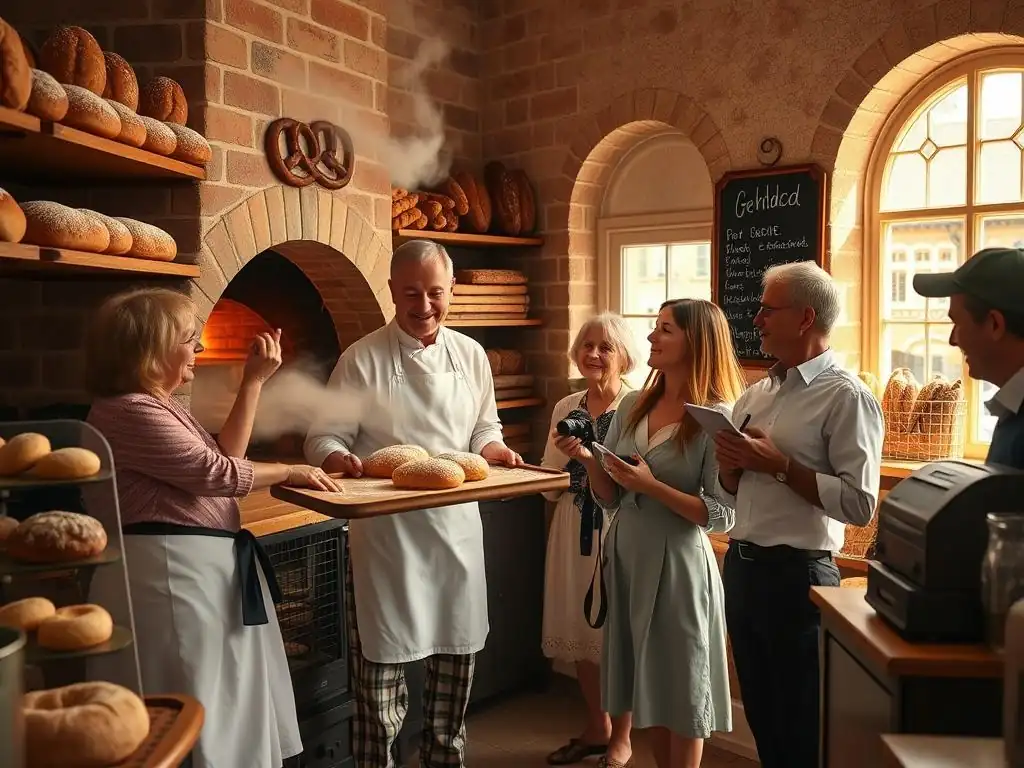
Beyond the bread itself, practical considerations for travel, accommodation, and local customs are essential for a successful German bread bakery tour. These final German bread bakery tour tips cover the logistical aspects of your trip.
Transportation Tips: Getting Around Germany Efficiently
Germany has an excellent and extensive public transportation network, making it relatively easy to navigate your German bread bakery tour. The Deutsche Bahn (DB) train system connects cities efficiently, with various ticket options including regional passes and the Deutschland-Ticket (a monthly pass valid on regional and local transport). Booking long-distance trains in advance often results in lower fares.
Within cities, public transport (buses, trams, subways - U-Bahn, commuter trains - S-Bahn) is reliable. Consider purchasing a day pass or a multi-day ticket if you plan to use public transport frequently. Walking is also a great way to discover neighborhood bakeries and enjoy the sights. For exploring rural bakeries, renting a car might be the most flexible option.
Accommodation Recommendations: Staying Near Bakeries
When choosing accommodation for your German bread bakery tour, consider staying in areas with a high concentration of bakeries or with easy access to public transport hubs. Staying near a train station can be convenient for inter-city travel, while a hotel or guesthouse in a lively neighborhood might put you within walking distance of several local bakeries.
Look for hotels that offer a traditional German breakfast, as this often includes a selection of fresh Brötchen, cold cuts, cheese, and jams, allowing you to sample different rolls right at your accommodation. Alternatively, staying in a self-catering apartment can give you the flexibility to buy loaves from bakeries and enjoy them at your leisure.
Respecting Local Customs: Bakery Etiquette in Germany
Understanding basic bakery etiquette will make your German bread bakery tour smoother. When entering a busy bakery, it's common to take a number from a dispenser if one is available. Wait for your number to be called before approaching the counter. If there's no number system, simply wait in line.
When selecting bread rolls ( Brötchen) or pastries, use the provided tongs ( Zange) or paper bags/trays instead of your hands. Point clearly to what you want or use the German phrases you've learned. Be ready to pay promptly, often with cash, although card payments are becoming more common, especially in larger bakeries or cities. A friendly "Guten Tag" (Good day) when entering and "Danke, Tschüss" (Thanks, Bye) when leaving is always appreciated.
Conclusion: Savoring the Flavors of Germany, One Bakery at a Time
Embarking on a German bread bakery tour is a deeply rewarding experience for any bread enthusiast. It's a journey that offers not just incredible flavors and textures but also a genuine connection to German culture and tradition. From the dense, tangy rye loaves of the north to the iconic pretzels of the south, every region tells a story through its bread.
By using these German bread bakery tour tips to plan your trip, budget effectively, explore diverse regions, sample essential breads, and bring a piece of Germany home, you're set for an unforgettable culinary adventure. Remember to slow down, savor each bite, and enjoy the simple pleasure of discovering delicious, freshly baked bread in its homeland.
Your German Bread Bakery Tour Awaits!
Ready to plan your delicious escape? Armed with these German bread bakery tour tips, you have the foundation to create a personalized itinerary that caters to your specific bread interests. Whether you focus on sourdough, pretzels, or regional specialties, the rich world of German bread awaits your exploration. Start researching specific bakeries in the cities or regions you plan to visit, check opening hours, and perhaps even look for local bread festivals happening during your travel dates. The aroma of freshly baked bread is calling!
Frequently Asked Questions
What are some key considerations when planning a German bread bakery tour?
Planning involves researching regional bread specialities, understanding bakery opening hours, and considering transportation options between bakeries.
How can I find the best German bread bakeries to visit?
Look for local recommendations online and in travel guides. Check reviews and ratings to ensure they are known for quality and authenticity. Prioritize bakeries with a long-standing tradition.
What types of bread should I try during my German bread bakery tour?
Sample a variety of breads, including Roggenbrot (rye bread), Vollkornbrot (whole grain bread), and regional specialties like Pumpernickel. Don't forget to try sweet breads and pastries as well.
Are there any specific etiquette tips I should keep in mind when visiting German bakeries?
Be mindful of queueing systems, and be prepared to order in German, even if just a few basic phrases. It's customary to say Danke (thank you) and Bitte (you're welcome). Cash is often preferred.
How can I make the most of my German bread bakery tour experience?
Engage with the bakers and staff to learn about their craft and the history of their bakery. Take notes and pictures to remember your favorite breads and bakeries. Consider purchasing a bread-making souvenir to take home.
Final Reflection: The Crumbs of a Journey, the Bread of Memories
The pursuit of the perfect pretzel, the irresistible allure of a fresh sourdough, the simple joy of a warm, crusty roll – these are not just culinary experiences; they are the heart of German baking tradition. This journey through Germany's must-visit bakeries highlights a cultural richness often overlooked in travel planning. More than just a list of locations, this article underscores the importance of experiencing a country through its food, its history, and the passionate artisans who keep these traditions alive.
The impact of this culinary exploration extends beyond a satisfied stomach. It's about connecting with the history embedded in each recipe, the stories whispered through generations of bakers, and the sense of community fostered around the shared love of bread. Bread is the staff of life,
a simple phrase, yet it encapsulates the profound significance of this staple food in German culture and beyond. This article aims to inspire you to seek out these hidden gems, not just for the deliciousness, but for the deeper cultural immersion they offer.
Now, as you close this article, consider your own travel style. Do you prioritize iconic landmarks, or do you seek out the authentic, the less-traveled path? I challenge you to incorporate the spirit of this exploration into your future travels.
Seek out the local bakeries, the hidden cafes, the places where the heart of a culture truly beats. Let the aroma of freshly baked bread guide you, not just to a delicious treat, but to a richer, more meaningful travel experience. Embrace the unexpected, savor the moments, and let the crumbs of your journey become the bread of your memories.
Unleash Your Inner Bäcker: Bake Your Own German Bread!
Thanks for joining us on this delicious journey through Germany's best bakeries! We hope you've found inspiration for your next trip (and maybe even some new baking ideas!). Ready to take your love of German bread to the next level?
- Try your hand at a classic German bread recipe: We've got plenty of easy-to-follow recipes on BakeWithEase.com to get you started. Think pretzel rolls, hearty rye bread, or even the iconic sourdough!
- Share your baking adventures: Tag us on social media with your creations using #BakeWithEaseGermanBread – we’d love to see what you create!
- Explore our other German baking guides: Discover even more delectable treats and expand your baking repertoire with our collection of traditional recipes.
So, what incredible German bread are you going to bake first? Let us know in the comments below!