
More Than Just Food: The Cultural Significance of German Bread

Welcome to BakeWithEase, your passport to a world of delicious baking adventures! Ever wondered about the rich history and cultural tapestry woven into a simple loaf? Dive into our latest article and uncover the captivating cultural significance of German bread. This journey explores not just recipes, but the stories, traditions, and heritage baked into every slice. Ready to discover the depth and history behind one of the world's most beloved culinary staples? Let's get baking... and exploring!
Introduction: Understanding German Bread and its Rich Cultural History
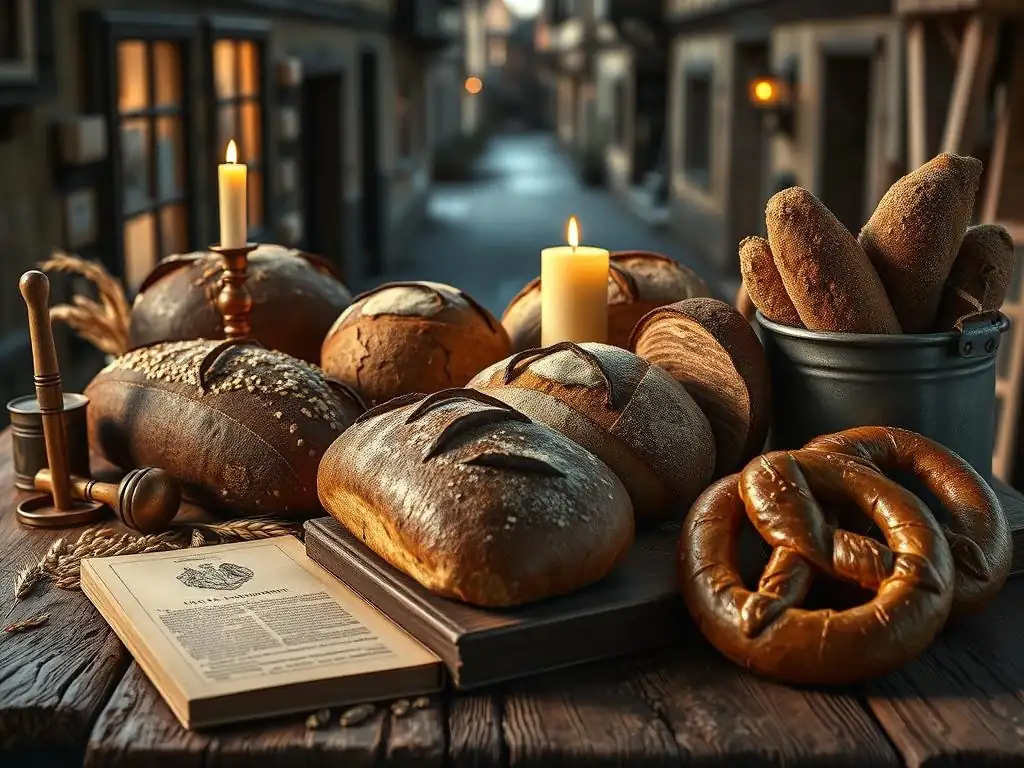
German bread is far more than just a daily food item; it is deeply woven into the fabric of German identity and history. Unlike many cultures where white bread is the norm, Germany boasts an astonishing diversity of breads, predominantly based on rye, spelt, and whole grains. This preference for darker, heartier loaves reflects centuries of agricultural practice and regional traditions. Exploring German bread means taking a journey through its long and fascinating past, understanding how historical events, geography, and local customs have shaped this unique culinary landscape.
The sheer variety is staggering, with estimates often citing over 300 main types and more than 1,000 different kinds of small bread rolls and baked goods. This incredible range highlights the regionality of German cuisine, where each area prides itself on its distinct bread specialties.
From the dark, dense Pumpernickel of Westphalia to the multitude of light and airy Brötchen found across the country, each bread tells a story. Delving into the German bread cultural significance history reveals how this staple has served not only as sustenance but as a symbol of community, heritage, and even resistance throughout different eras.
- What makes German bread so culturally significant?
- How has the history of Germany influenced its bread culture?
- What are some common types of German bread, and why are they important?
- Where can I find authentic German bread recipes and baking techniques?
- How can I incorporate the cultural significance of German bread into my own baking?
The Historical Roots of German Bread Culture: A Deep Dive
From Ancient Grains to Modern Bakeries: Tracing the History of German Bread
The history of German bread baking stretches back thousands of years, originating with early Germanic tribes who cultivated grains like spelt and barley. Archaeological evidence from sites dating back to the Neolithic period shows rudimentary ovens and carbonized grain, indicating early forms of baking. As agriculture developed and communities grew, bread became a central part of the diet, providing essential calories and nutrients, especially in regions where wheat was less dominant than hardier grains like rye. The Roman influence introduced more sophisticated milling techniques and oven designs, further advancing the craft.
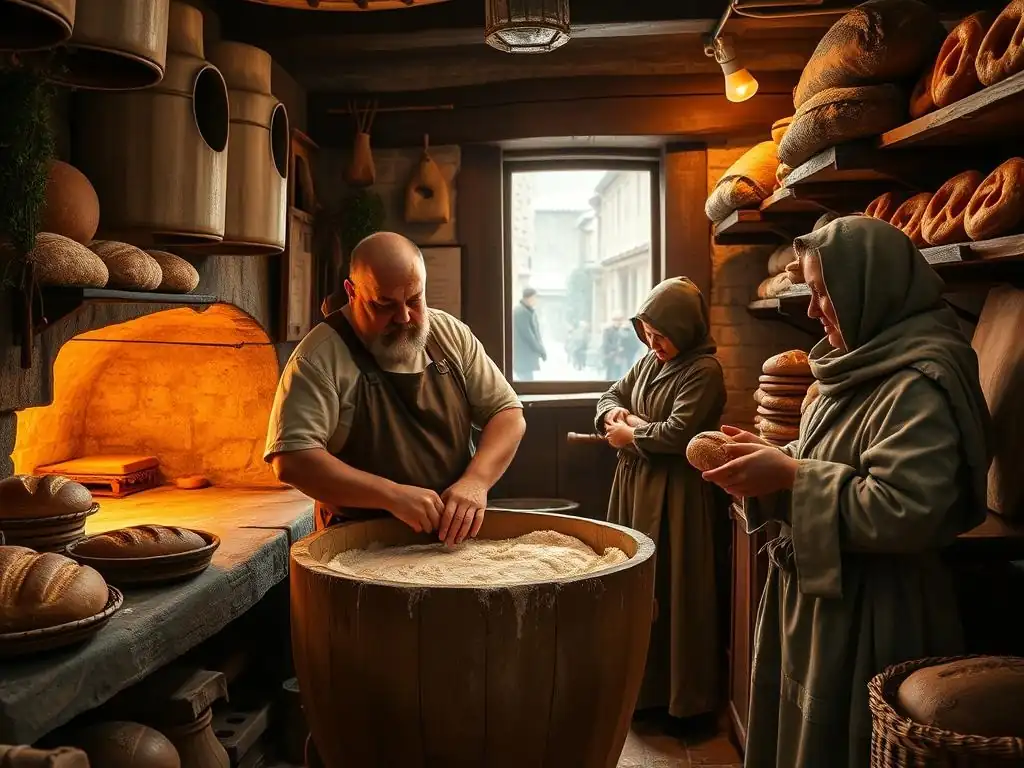
During the Middle Ages, bread production became more organized, with bakeries emerging in towns and cities. Guilds were formed to regulate the trade, ensuring quality and fair prices. Rye bread, in particular, gained prominence, especially in northern and eastern Germany, where the climate was more suitable for growing rye than wheat.
This period solidified the regional differences in bread types that persist today. Wars and economic shifts throughout the centuries impacted grain availability and baking practices, but the fundamental importance of bread as a staple food and a symbol of sustenance remained constant, contributing significantly to the German bread cultural significance history.
The Evolution of German Bakeries: From Family Ovens to Artisan Craft
For centuries, bread baking was often a household chore, performed in communal ovens or simple hearths. As towns grew, specialized bakers began to emerge, first serving the wealthy, then the wider population. The development of guilds in the medieval period marked a significant step, formalizing training and standards for bakers. These guilds controlled membership, apprenticeships (typically lasting several years), and the quality of ingredients and finished products, fostering a strong tradition of craftsmanship.
The Industrial Revolution brought changes, with the potential for mass-produced bread. However, unlike some other countries, Germany largely retained its strong tradition of local, independent bakeries. While larger bakeries exist, the preference for fresh, diverse, and regionally specific bread kept the artisan baker relevant. Today, Germany boasts an estimated 10,000 to 13,000 independent bakeries, many of which are family-owned, some for generations. This enduring presence of local bakeries underscores the continued value placed on quality, tradition, and the personal touch in German bread production.
The Cultural Significance of German Bread: More Than Just a Staple Food
Bread as a Symbol of Home and Heritage in Germany
Bread holds a profound symbolic meaning in Germany, often representing home, security, and community. The act of sharing bread is a sign of hospitality, and a freshly baked loaf is a comforting presence in many households. For Germans living abroad, the taste and smell of authentic German bread are often intensely nostalgic, a direct link back to their roots and childhood memories. This emotional connection highlights the deep cultural significance of German bread, positioning it as a tangible piece of national identity.
Historically, bread's significance was even more pronounced during times of scarcity. Having enough bread meant survival and stability. This historical context has instilled a deep respect for bread, often reflected in customs such as never throwing away stale bread (it's used for breadcrumbs or other dishes) or the tradition of making a small cross on the top of a loaf before baking to bless it. Bread is not just consumed; it is revered, a symbol of hard work, nature's bounty, and the continuity of generations.
German Bread in Festivals and Traditions: A Celebratory Food
Bread plays a central role in numerous German festivals and traditions throughout the year, underscoring its cultural significance of German bread. One prominent example is the "Erntedankfest" (Harvest Festival), where elaborate bread loaves, often braided or shaped into symbols, are baked and displayed as part of the Thanksgiving celebrations, representing gratitude for the harvest. These loaves are frequently blessed in churches and sometimes distributed to the poor.
Another tradition involves specific types of bread baked for holidays. For instance, Stollen, a rich fruit bread, is synonymous with Christmas, its shape said to resemble the infant Jesus wrapped in swaddling clothes. Various regional festivals also feature unique bread specialties. The symbolic use of bread in these events, from religious ceremonies to community gatherings, demonstrates its integral role in celebrating key moments in the calendar and reinforcing communal bonds through shared food.
Exploring Regional Varieties of German Bread: A Taste of Germany
Pumpernickel: The Westphalian Dark Rye Bread and its Unique Legacy
Pumpernickel is perhaps one of Germany's most famous and distinctive breads, originating from the Westphalia region. This dense, dark rye bread is traditionally made from coarse rye meal and baked for an exceptionally long time at a low temperature, often 16-24 hours, sometimes even longer. This unique baking process caramelizes the sugars in the rye, giving Pumpernickel its characteristic deep brown color and slightly sweet, earthy flavor.
The history of Pumpernickel is debated, with legends tracing it back centuries. Its long shelf life made it an ideal food for travelers and armies in the past. Unlike many breads that rely on a strong rise, Pumpernickel has a compact structure due to the slow baking and the nature of the coarse rye. Its enduring popularity, both within Germany and internationally, speaks to its unique taste profile and its status as a symbol of Westphalian culinary heritage.
Brotchen: The Versatile German Bread Roll: A Daily Delight
Brötchen, meaning "small bread," are the ubiquitous German bread rolls found in bakeries across the country every morning. While seemingly simple, there is a vast array of Brötchen types, varying in shape, size, and the grains or seeds used. Common varieties include the classic "Schrippe" (a long, scored roll) in Berlin, the "Semmel" (a round roll) in Bavaria, and rolls topped with sesame, poppy, or sunflower seeds.
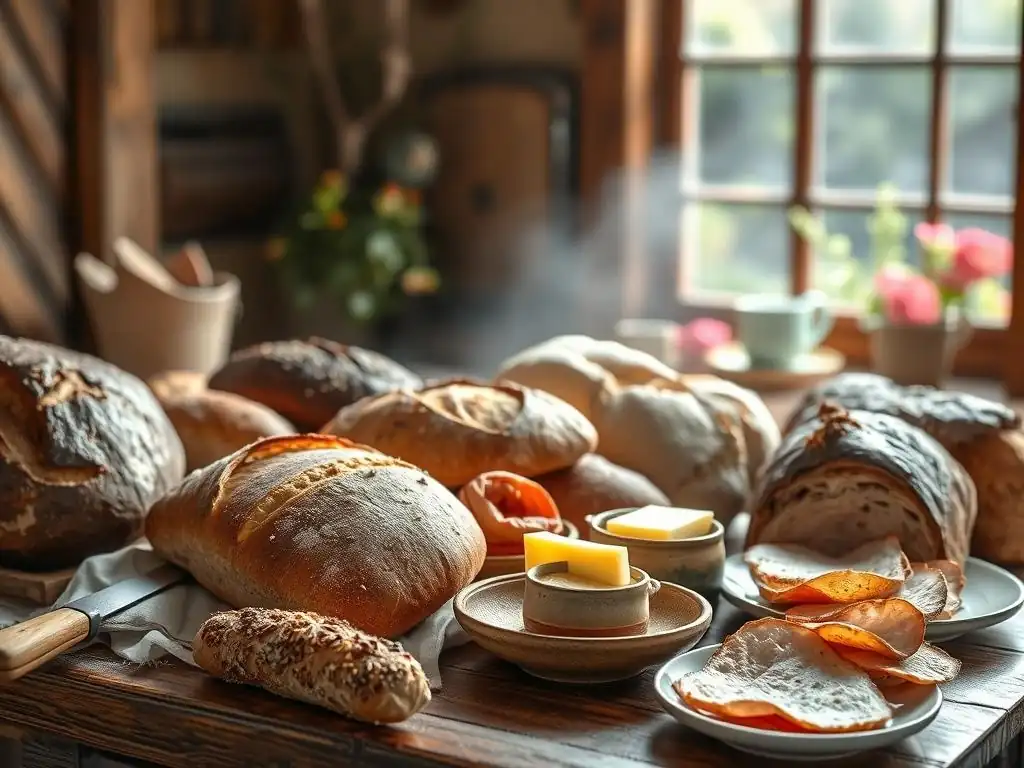
Brötchen are an essential part of the German breakfast table, typically split open and spread with butter, jam, cheese, or cold cuts. They are also popular for making sandwiches for lunch. The crisp crust and often slightly chewy interior make them incredibly satisfying. The sheer variety and daily consumption of Brötchen underscore their importance as a daily staple, showcasing the accessibility and everyday pleasure derived from German bread culture.
Schwarzbrot: The Hearty Dark Rye Bread: A Nutritional Powerpowerhouse
Schwarzbrot, or "black bread," is a term that encompasses several types of dark, dense rye breads common in Germany, including varieties similar to Pumpernickel but often with a slightly shorter baking time or different rye grades. These breads are typically made with a high proportion of whole rye flour or cracked rye kernels, often leavened with sourdough. The result is a moist, heavy loaf with a rich, robust flavor.
Beyond their taste, Schwarzbrot varieties are prized for their nutritional value. They are high in fiber, B vitamins, and minerals, and their complex carbohydrates provide sustained energy. Their density means they are incredibly filling, making them a satisfying base for open-faced sandwiches or enjoyed simply with butter. Schwarzbrot exemplifies the German preference for hearty, healthy, and flavorful whole-grain breads, a key aspect of the cultural significance of German bread rooted in practicality and well-being.
The Art of German Bread Baking: Techniques and Traditions
Sourdough Starter: The Soul of Authentic German Bread
Sourdough is fundamental to traditional German bread baking, particularly for rye breads. A sourdough starter is a living culture of wild yeasts and lactic acid bacteria, typically made from flour and water. Unlike commercial yeast, which provides a quick, consistent rise, sourdough fermentation is slower and more complex, developing deeper flavors and improving the texture and keeping qualities of the bread.
Maintaining a healthy sourdough starter is an art passed down through generations of bakers. The balance of temperature, hydration, and feeding schedule is crucial. The wild yeasts provide lift, while the bacteria produce lactic and acetic acids, contributing to the characteristic tang of sourdough rye. This reliance on natural fermentation methods is a cornerstone of traditional German baking, connecting modern bakers to ancient practices and giving German bread its unique character.
Traditional Baking Methods: Preserving the Flavor of German Bread
Beyond sourdough, several traditional methods contribute to the distinctive quality of German bread. Many regional breads are baked in stone or brick ovens, which retain and distribute heat evenly, creating a superior crust and crumb structure. The use of indirect heat or steam in some ovens also plays a role in developing a chewy interior and a crispy crust.
Another important technique is the use of different dough handling methods depending on the grain. Rye doughs are often stickier and require different handling than wheat doughs. Traditional German bakers master these nuances, understanding how variations in kneading, proofing time, and baking temperature affect the final loaf. These time-honored techniques, refined over centuries, are essential for preserving the authentic flavors and textures that define German bread, contributing significantly to its enduring cultural significance of German bread.
Bakeries in Germany: Experiencing the Bread Culture Firsthand
Visiting Local Bakeries: A Culinary Journey Through Germany
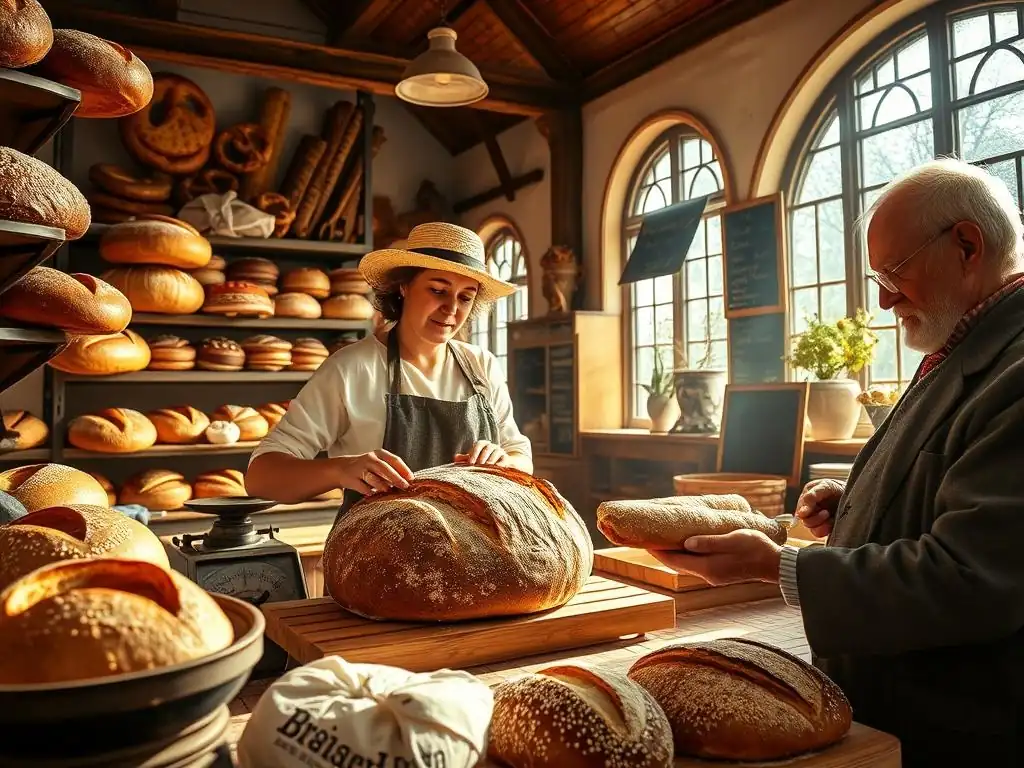
Experiencing German bread culture firsthand is best done by visiting local bakeries, known as "Bäckereien." These are not just places to buy bread; they are community hubs, often opening early in the morning to serve fresh Brötchen and coffee. Each bakery often has its own loyal clientele and signature products, reflecting regional preferences and the baker's personal touch.
Stepping into a German bakery is a sensory delight – the smell of fresh bread, the sight of dozens of different loaves and rolls, and the sounds of customers greeting the baker. Engaging with the baker and asking about the different types of bread can be an enriching experience. Many bakeries also offer a small selection of pastries and cakes, but the focus is undeniably on bread, showcasing the incredible diversity and quality available daily.
Bread Museums and Festivals: Immersing Yourself in German Bread Culture
For those wanting a deeper dive into the history and significance of German bread, visiting a bread museum is highly recommended. The German Bread Museum (Deutsches Brotmuseum) in Ulm, for example, offers fascinating insights into the history of bread making, its cultural importance, and its role in human civilization. It houses exhibits on everything from ancient grains to modern baking technology.
Throughout the year, various towns and regions host bread-related festivals. These events celebrate local baking traditions, offer opportunities to sample a wide variety of breads, and often include demonstrations of traditional baking techniques. Participating in such a festival provides an immersive experience, highlighting the vibrant, living aspect of German bread culture and its deep roots in the community, further cementing the understanding of German bread cultural significance history.
Conclusion: Appreciating the Enduring Cultural Significance of German Bread.
German bread is much more than a dietary staple; it is a cornerstone of German culture, history, and identity. Its rich history, stretching from ancient times through the evolution of artisan bakeries, reveals a deep connection between the land, the people, and the craft of baking. The sheer diversity of regional varieties, each with its own story and characteristics, speaks to the country's regional pride and culinary heritage.
The enduring cultural significance of German bread is evident in its symbolic role in homes and festivals, representing comfort, community, and tradition. The dedication to traditional baking methods, particularly the art of sourdough, underscores a commitment to quality and flavor that has been passed down through generations.
Exploring German bakeries, museums, and festivals offers a tangible way to appreciate this vital aspect of German life. Understanding the German bread cultural significance history provides a deeper appreciation for the dedication, skill, and passion that goes into creating each loaf, making German bread a truly exceptional part of the global baking landscape.
Frequently Asked Questions
What makes German bread so culturally significant?
German bread is deeply rooted in the country's history and traditions. It represents more than just sustenance; it symbolizes community, heritage, and regional identity.
How has the history of Germany influenced its bread culture?
Germany's diverse history, including regional kingdoms and trade routes, led to a wide variety of bread styles and ingredients. This resulted in a rich tapestry of bread traditions, reflecting the country's fragmented past and regional specialties.
What are some common types of German bread, and why are they important?
Common types include Roggenbrot (rye bread), Pumpernickel, and Brötchen (rolls), each with unique characteristics. They are important because they showcase traditional baking techniques and locally sourced grains, representing the diversity of German baking.
Where can I find authentic German bread recipes and baking techniques?
Websites like BakeWithEase.com offer simple recipes, techniques, and tips for baking German bread. Resources like these provide step-by-step guides and easy-to-find ingredients, making it accessible for bakers of all levels to explore German bread baking.
How can I incorporate the cultural significance of German bread into my own baking?
By understanding the history and traditions behind each bread, you can appreciate the craftsmanship and ingredients used. Embrace authentic recipes and techniques, and share the stories and meaning behind the bread with others, fostering a deeper connection to German culture.
Final Reflection: The Enduring Crumbs of German Bread Culture
The enduring legacy of German bread isn't merely about sustenance; it's a powerful testament to history, community, and identity. From the humble rye loaf to the elaborate pretzel, bread has woven itself into the very fabric of German society, a thread that continues to hold strong in the modern world. Its significance transcends simple nourishment, shaping social interactions, religious practices, and even national pride.
The profound impact of bread on German culture is something I've personally witnessed, from the aroma wafting from village bakeries to the shared joy of breaking bread with family and friends. Bread is the staff of life,
a proverb as old as time itself, rings especially true when considering the deep-rooted connection between the German people and their bread. This isn't just about calories; it's about tradition, craftsmanship, and the enduring power of shared experiences built around a simple, yet profoundly meaningful, food. The recipes, passed down through generations, carry with them stories, memories, and a sense of belonging that transcends geographical boundaries.
Consider the role bread plays in your own life. What memories, traditions, or feelings are associated with the bread you eat? I urge you to take a moment to appreciate the cultural significance of bread, not just in Germany, but in your own community. Explore the history behind the loaves you consume, learn about the bakers who craft them, and savor the rich tapestry of flavors and traditions that are baked into every slice. Let the simple act of eating bread become a mindful experience, connecting you to the past, present, and future of culinary heritage.
Unleash Your Inner Bäcker: Dive Deeper into German Bread Culture!
Thanks for exploring the fascinating world of German bread with us! You've now unlocked a deeper appreciation for the rich history and cultural nuances baked into every loaf. Ready to take your newfound knowledge further?
- Bake your own pretzel! Find a simple recipe online and experience the joy of creating this iconic German treat. It's easier than you think!
- Share your favorite German bread experiences! Tell us about your personal connections to different types of bread in the comments below – we'd love to hear your stories.
- Explore regional variations: Research different German bread types from specific regions and discover the unique stories behind their ingredients and baking methods.
What's your favorite German bread, and why does it hold such special meaning for you?