
Unlock the Secrets of Chocolate: Your Essential Guide to Tasting Tours

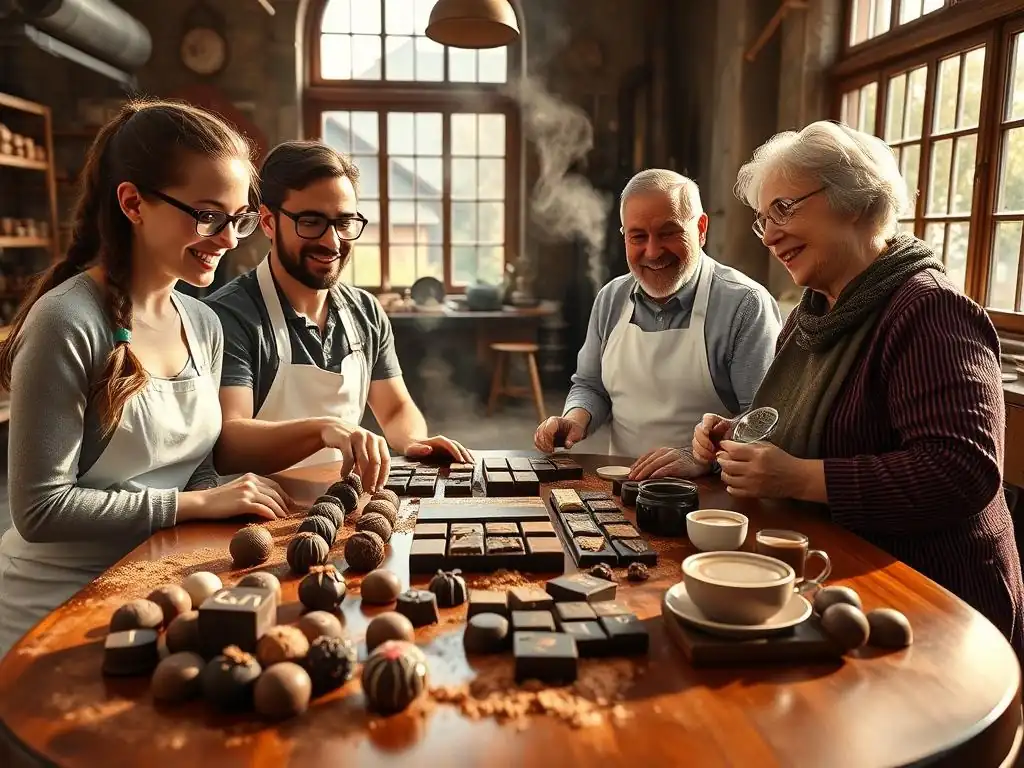
Welcome to BakeWithEase, your passport to a sweeter world! Are you ready to embark on a decadent adventure? This isn't just about baking; it's about experiencing the magic of chocolate. Our exploration of chocolate tasting tour guides will unlock a whole new dimension of flavor, revealing the hidden artistry and passion behind every bite. But where do you even begin? Let's dive in and discover how to transform your next trip into an unforgettable chocolate pilgrimage...
- Discovering the World of Chocolate Tasting Tours: An Introduction
- Planning Your Perfect Chocolate Tasting Tour Adventure
- Enhancing Your Chocolate Tasting Experience: A Step-by-Step Guide
- Essential Tools for the Chocolate Tasting Tourist
- Mastering the Art of Chocolate Tasting: Tips and Techniques
- Chocolate Tasting Tour Reviews: Real Experiences and Recommendations
- Extending Your Chocolate Experience: Baking with Fine Chocolate at Home
- Decoding the Chocolate: Understanding Chocolate Types
- Chocolate Tasting Tour: A Guide for Chocolate Enthusiasts - Conclusion.
-
Frequently Asked Questions
- What exactly is a chocolate tasting tour?
- Who would most enjoy a chocolate tasting tour?
- What should I expect to learn on a typical chocolate tasting tour?
- What are some things to consider when choosing a chocolate tasting tour?
- How can I prepare for a chocolate tasting tour to maximize my experience?
- Final Reflection: The Enduring Allure of Chocolate and the Journey of Taste
- Unleash Your Inner Chocoholic: Start Your Tasting Adventure Today!
Discovering the World of Chocolate Tasting Tours: An Introduction
What is a Chocolate Tasting Tour and Why Should You Go?
A chocolate tasting tour is an immersive experience designed to guide participants through the complex world of chocolate, from its origins as a cacao bean to the finished bar. These tours often involve visiting chocolate makers, chocolatiers, or specialized shops, offering insights into the production process, ingredient sourcing, and the art of sensory evaluation. It's more than just eating chocolate; it's about understanding its history, geography, and craftsmanship. A comprehensive chocolate tasting tour guide helps enthusiasts appreciate the nuances of flavor, texture, and aroma that make each chocolate unique.
Embarking on a chocolate tasting tour is a fantastic way for baking enthusiasts and chocolate lovers alike to deepen their appreciation for this beloved ingredient. By understanding the quality and characteristics of different chocolates, you gain valuable knowledge that can elevate your home baking. Imagine knowing exactly which single-origin dark chocolate will lend the perfect fruity note to your brownies or which milk chocolate offers the creamiest texture for ganache. These tours provide a sensory education that transcends simple consumption, making you a more informed consumer and potentially a better baker.
Understanding the Appeal: From Bean to Bar and Beyond
The allure of a chocolate tasting tour lies in its ability to connect consumers directly to the source and process of their favorite treat. Many tours highlight the "bean-to-bar" movement, showcasing how cacao beans are roasted, ground, and conched into chocolate right on site. This transparency demystifies the process and highlights the skill and dedication involved. For instance, some tours might demonstrate how cacao beans from specific regions, like Madagascar or Ecuador, possess inherent flavor profiles—perhaps bright red fruit notes or deep, earthy undertones—that are preserved through careful processing.
Beyond the technical aspects, chocolate tasting tours often delve into the cultural and historical significance of chocolate. Cacao has been cultivated for thousands of years, originating in Mesoamerica where it was used by ancient civilizations like the Maya and Aztec. Understanding this rich history adds another layer of appreciation to the tasting experience.
A good chocolate tasting tour guide can transport you through time and geography, explaining how chocolate evolved from a bitter ceremonial drink to the diverse array of bars, truffles, and confections we enjoy today. This journey from a humble bean to a global phenomenon is a captivating narrative that enhances every bite.
Planning Your Perfect Chocolate Tasting Tour Adventure
Choosing the Right Destination: Top Chocolate Regions Worldwide
Selecting the destination is the first exciting step in planning your chocolate adventure. Some cities and regions are renowned globally for their chocolate heritage and innovation. A premier chocolate tasting tour guide often points towards places like Switzerland, famous for its creamy milk chocolate and precision; Belgium, known for its pralines and artisanal chocolatiers; or France, celebrated for its elegant ganaches and pastries incorporating chocolate. Each region offers a distinct style and focus, from large-scale production facilities to small, family-run shops.
However, the world of chocolate extends far beyond Europe. Latin America, the origin of cacao, boasts destinations like Ecuador and Peru, which are gaining recognition for their high-quality single-origin beans and burgeoning craft chocolate scenes. In North America, cities like San Francisco have become hubs for the bean-to-bar movement, with numerous small makers pushing creative boundaries. When choosing, consider what kind of experience you seek: are you interested in traditional techniques, modern craft chocolate, or perhaps the history of a major chocolate company? Researching the specific tours available in each location is key to finding the perfect fit.
Europe: Switzerland, Belgium, and Beyond
Europe holds a legendary status in the chocolate world. Switzerland, consuming roughly 11 kilograms of chocolate per person annually (one of the highest rates globally), offers tours that often highlight its famous milk chocolate production and large-scale facilities, though artisanal makers are also present. Belgium, on the other hand, prides itself on its vast network of small chocolatiers, with Brussels alone boasting dozens.
A Belgian chocolate tasting tour guide will likely lead you through historic arcades, sampling exquisite pralines and learning about tempering techniques. Italy, France, and Spain also offer rich chocolate traditions, often integrated with pastries and desserts, providing a slightly different, yet equally delightful, experience.
The Americas: From Ecuador to San Francisco
The Americas offer a diverse range of chocolate experiences, connecting directly to the source of cacao. Ecuador, a major cacao producer, provides opportunities to visit cacao farms and see the fermentation and drying processes firsthand before tasting the resulting chocolate. Countries like Peru and Colombia are also developing strong craft chocolate industries.
In North America, San Francisco's Bay Area is a hotbed for bean-to-bar chocolate makers, many offering factory tours and extensive tasting sessions focusing on single-origin bars. Hershey, Pennsylvania, often dubbed "Chocolate Town USA," offers a unique experience centered around the history and production of one of the world's largest chocolate companies, providing a different perspective on the industry compared to artisanal tours.
Considering Local Tours: Hershey, Pennsylvania's Chocolate Delights
While international destinations offer unique insights, exploring local chocolate tours can be equally rewarding and more accessible. Hershey, Pennsylvania, for example, provides a large-scale, family-friendly look at chocolate production. While less focused on artisanal tasting notes, tours here demonstrate the massive scale of modern chocolate manufacturing and the history of a major American brand.
A Hershey-specific chocolate tasting tour guide might include visits to Hershey's Chocolate World Attraction, offering interactive exhibits and samples. This type of tour provides a different perspective than a small-batch bean-to-bar experience, focusing more on industrial processes and brand history, which can still be fascinating for anyone interested in how chocolate makes its way to store shelves globally.
Setting a Budget: From Affordable Delights to Luxury Experiences
Chocolate tasting tours vary significantly in cost, catering to different budgets. Basic walking tours in a city, visiting several shops for samples and brief explanations, might range from $30 to $60 per person. These are often group tours and provide a good overview. Mid-range tours, perhaps including a visit to a smaller factory or a more in-depth guided tasting session, could cost between $70 and $120. These tours often offer more detailed information and higher-quality chocolate samples.
On the higher end, luxury chocolate experiences, private tours, or workshops with master chocolatiers can cost upwards of $150 or even several hundred dollars per person. These exclusive experiences might include hands-on elements, pairings with fine wines or spirits, or access to rare and expensive chocolates. When budgeting, consider not just the tour price but also travel costs, accommodation, and any additional chocolate purchases you might be tempted to make along the way! A good chocolate tasting tour guide resource will often provide pricing tiers or ranges to help you plan your finances effectively.
Timing is Everything: Best Seasons for Chocolate Tourism
The best time to go on a chocolate tasting tour can depend on location and personal preference. In many European cities, spring and fall offer pleasant weather for walking between locations, avoiding the peak summer crowds and heat (which isn't ideal for carrying chocolate!). The period leading up to major holidays like Easter and Christmas can also be exciting, as chocolatiers often create special seasonal treats, although shops might be busier.
For tours in cacao-growing regions like parts of Latin America, the dry season might be preferable for visiting farms. For example, in Ecuador, the dry season typically runs from June to November, which can make farm visits more comfortable. Ultimately, chocolate is enjoyed year-round, so tours are available throughout the year in most urban centers. Consider local events or chocolate festivals that might coincide with your visit, as these can offer additional tasting opportunities and insights.
Enhancing Your Chocolate Tasting Experience: A Step-by-Step Guide
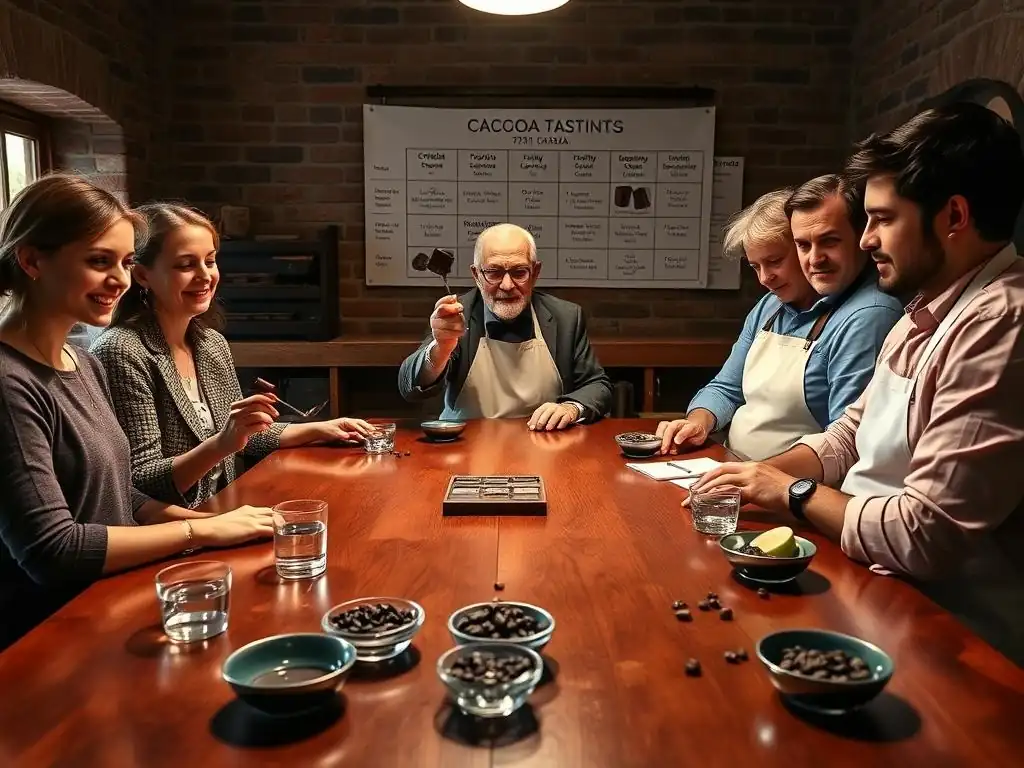
Before You Go: Researching Chocolate Makers and Tasting Notes
Preparation is key to maximizing your chocolate tasting tour experience. Before you even arrive at your destination, take some time to research the chocolate makers or shops you'll be visiting. Look up their history, their philosophy (e.g., focus on single-origin, ethical sourcing, specific techniques), and read reviews if available. Understanding a maker's background can provide valuable context during the tasting. For example, knowing that a particular company works directly with farmers in a specific region like the Tumaco province of Colombia might help you understand the unique earthy or floral notes present in their chocolate.
Familiarize yourself with basic chocolate tasting terminology and concepts. What does "conching" mean? What are "cacao nibs"? Reading up on common flavor profiles—like fruity, nutty, floral, spicy, or earthy—will prepare your palate and vocabulary. Many chocolate review websites or blogs offer tasting notes for specific bars, giving you an idea of what to expect. This pre-tour research acts as your personal chocolate tasting tour guide, setting expectations and enhancing your ability to appreciate the details presented during the actual tour.
At the Tasting: Engaging Your Senses and Taking Notes
During the chocolate tasting, it's crucial to engage all your senses. Start by looking at the chocolate: observe its color, sheen, and snap. A good quality dark chocolate should have a deep color and a firm, audible snap when broken. Next, smell the chocolate: break off a piece near your nose and inhale deeply. What aromas do you detect? Vanilla, fruit, nuts, spices? The "nose" is a critical part of the tasting experience.
Finally, the taste. Don't just chew and swallow. Let a small piece melt slowly on your tongue. Pay attention to the texture (smooth, grainy, creamy) as it melts. As the chocolate dissolves, new flavors will emerge.
Note the initial flavors, the mid-palate development, and the finish (how long the flavors linger). Taking notes throughout this process is invaluable. Jot down your observations on appearance, aroma, flavor notes, texture, and your overall impression. This systematic approach, often guided by the tour leader who acts as your in-person chocolate tasting tour guide, helps you articulate your experience and remember specific chocolates later.
Understanding Chocolate Vocabulary: From "Nibs" to "Nose"
To fully appreciate a chocolate tasting tour, it helps to understand some common terms used in the chocolate world. Cacao nibs are small pieces of crushed, roasted cacao beans – essentially chocolate in its rawest form before sugar and cocoa butter are added; they offer an intense, pure chocolate flavor. The nose refers to the aroma of the chocolate, evaluated before tasting. Conching is a crucial step in chocolate making where the chocolate mass is mixed and aerated, developing texture and flavor, often for hours or even days.
Other terms you might encounter include terroir, referring to the environmental factors (soil, climate, altitude) that influence the flavor of the cacao bean, much like in wine. Bloom is a common issue where fat or sugar crystals rise to the surface, affecting appearance but not necessarily flavor. Understanding this vocabulary, perhaps by keeping a glossary handy or noting terms explained by your chocolate tasting tour guide, allows you to engage more deeply with the process and discussions during the tour.
Essential Tools for the Chocolate Tasting Tourist
The Perfect Notebook and Pen: Documenting Your Chocolate Journey
A dedicated notebook and pen are perhaps the most fundamental tools for any serious chocolate enthusiast embarking on a tasting tour. Relying solely on memory can lead to confusion, especially after sampling multiple chocolates. A physical notebook allows you to quickly jot down observations about each sample – the maker, origin, cacao percentage, appearance, aroma, flavor notes, and texture. You can sketch the shape of a unique truffle or note the specific snap of a bar.
Using a pen rather than a pencil ensures your notes don't smudge, especially important if you're moving between humid locations or handling chocolate. Choose a notebook that is portable but large enough to write comfortably. Some people prefer ruled pages, while others like blank pages for more freeform notes or sketches. This simple act of documentation transforms a fleeting experience into a lasting record, helping you track your preferences and learn from each tasting.
Chocolate Tasting Journal: A Professional Approach
For those serious about developing their palate, a structured chocolate tasting journal can be highly beneficial. Unlike a simple notebook, a journal often has pre-printed templates for each tasting entry, prompting you to evaluate specific criteria. These templates might include fields for:
- Date and Location
- Chocolate Maker and Name
- Cacao Percentage and Origin
- Appearance (Color, Sheen, Snap)
- Aroma (Initial, Developed)
- Flavor Notes (Specific descriptors like berry, citrus, caramel, etc.)
- Texture (Smooth, Gritty, Melty)
- Overall Impression and Rating
Using a journal provides a consistent method for evaluating different chocolates, making it easier to compare them over time and identify patterns in your preferences. It encourages a more analytical approach to tasting, turning you into a more discerning chocolate connoisseur and an even better chocolate tasting tour guide for your own future explorations.
Water Bottle & Palate Cleansers: Maintaining a Fresh Taste
To accurately taste multiple chocolate samples, it is essential to cleanse your palate between each one. Carrying a water bottle is crucial – plain water is the most effective and neutral palate cleanser. Sip water generously between tasting different chocolates, especially when moving from a lower cacao percentage to a higher one, or between vastly different flavor profiles (e.g., a fruity dark chocolate and a milky caramel one).
Some tours may provide palate cleansers like plain bread or apple slices, which can also work. However, having your own water ensures you can cleanse your palate whenever needed, preventing residual flavors from one chocolate from interfering with your perception of the next. Avoiding coffee, tea, or sugary drinks during a tasting is also wise, as they can coat the tongue or introduce their own strong flavors.
On-the-Go Chocolate Kit: Your Essential Chocolate Tasting Supplies
Beyond the notebook and water, a few other items can enhance your chocolate tasting tour experience. Consider a small, insulated bag or container, especially if you plan on purchasing chocolate during the tour, to protect it from melting, particularly in warmer climates or during travel. A small, clean knife or chocolate cutter can be useful if samples are provided in large pieces or bars, allowing you to break off manageable tasting portions neatly.
Some enthusiasts also carry a small scale to measure precise tasting portions, although this is less common on casual tours. A penlight can be helpful for examining the sheen and texture of chocolate, especially in dimly lit shops or factories. While not strictly necessary, having these items can make your journey as a chocolate tasting tour guide for yourself smoother and more enjoyable, ensuring you're prepared for any situation.
Mastering the Art of Chocolate Tasting: Tips and Techniques
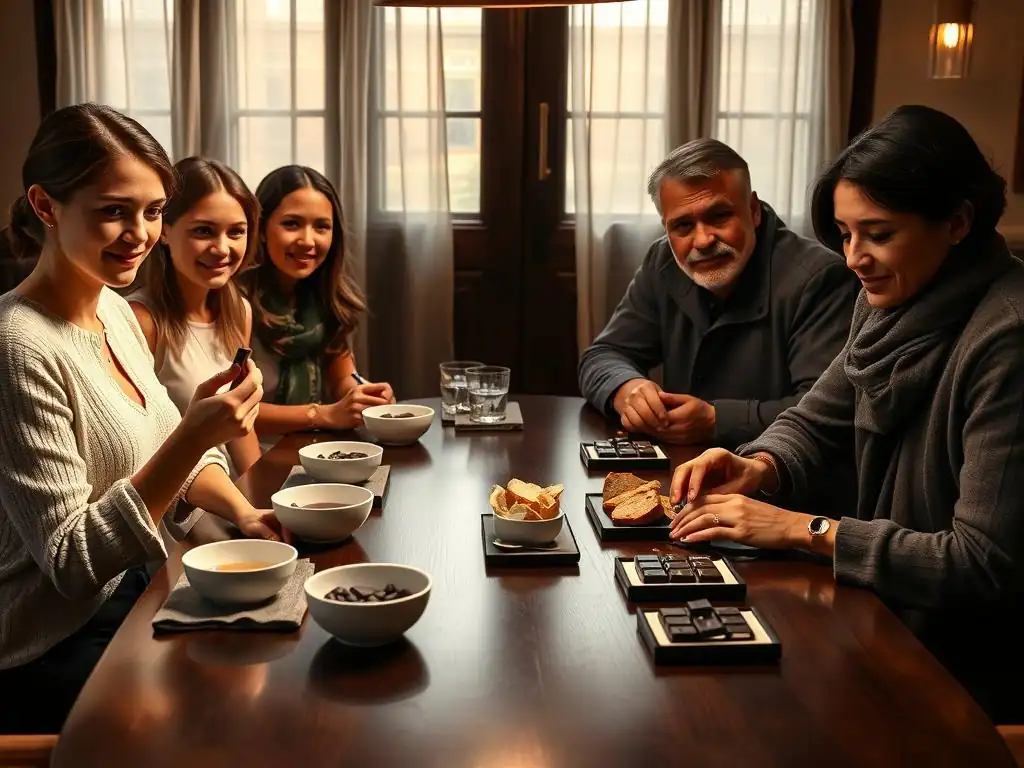
Identifying Flavor Profiles: Sweet, Bitter, Fruity, and More
Mastering chocolate tasting involves learning to identify and articulate the various flavor profiles present. Beyond the basic sweet and bitter, chocolate offers a surprisingly complex array of notes. Dark chocolates, especially those from single origins, can exhibit flavors ranging from bright red berries (common in Madagascan cacao) and citrus fruits to earthy, woody, or even olive-like notes. Milk chocolate introduces dairy flavors, caramel, and often maltiness.
Practice is key. Try tasting different chocolates side-by-side, focusing on identifying specific notes. Is that a hint of cherry? Or is it more like plum? Is the bitterness sharp or mellow? Use a flavor wheel designed for chocolate (easily found online) as a guide to expand your vocabulary and recognize subtle nuances. A skilled chocolate tasting tour guide will often walk you through these profiles, helping you pinpoint the flavors you're experiencing.
Recognizing Origin Characteristics: The Impact of Terroir
Just as wine grapes express the characteristics of their environment, cacao beans are profoundly influenced by their terroir. The soil composition, climate, altitude, and even the fermentation and drying methods used on the farm contribute to the unique flavor profile of beans from a specific region or even a specific farm. For example, cacao from the Chuao region of Venezuela is legendary for its complex, balanced flavor with notes of nuts and fruit.
Many craft chocolate makers highlight the origin of their beans on the packaging, allowing you to explore how terroir impacts taste. A tasting tour focused on single-origin chocolates will often explain these differences. Pay attention to how chocolates from different countries or regions taste – comparing a bar made with beans from Ghana (often described as "classic chocolatey," sometimes nutty or fudgy) to one from the Dominican Republic (often more fruity, sometimes earthy) can be incredibly enlightening. This understanding deepens your appreciation for the global journey of chocolate.
Pairing Chocolate: Exploring Coffee, Wine, and Cheese Combinations
Expanding your chocolate tasting skills can involve exploring pairings with other beverages and foods. Chocolate pairs wonderfully with coffee, with certain roasts complementing specific chocolate notes. For instance, a medium-roast coffee might pair well with a fruity dark chocolate, while a darker roast could stand up to the intensity of a high-percentage bittersweet chocolate.
Wine and chocolate pairings can be more challenging, as the tannins in both can sometimes clash. Generally, fortified wines like Port or Sherry, or sweet wines, work better than dry red wines. A late-harvest Zinfandel might complement a dark chocolate with berry notes. Cheese is another intriguing pairing partner; aged cheddar or blue cheese can create fascinating contrasts with dark chocolate. Many chocolate tasting tours or workshops, especially those with a luxury focus, include guided pairing sessions, offering expert insights into creating harmonious flavor combinations.
Chocolate Tasting Tour Reviews: Real Experiences and Recommendations
Scharffen Berger Chocolate Maker Factory Tour: A Detailed Analysis
Scharffen Berger, a pioneer in the American craft chocolate movement now owned by Hershey, historically offered factory tours that provided a detailed look at their bean-to-bar process. A typical tour might have started by explaining the origin of their beans, sourced from various regions globally. Participants would then walk through the facility, observing key steps like roasting, winnowing (removing the shell from the nib), grinding the nibs into liquid chocolate (cocoa liquor), conching, and tempering.
The highlight was often the tasting portion, where visitors could sample chocolate at different stages of refinement or taste a range of finished bars with varying cacao percentages and origins. While specific tour details may vary over time and location (their main facility has moved), the focus remained on the technical aspects of making high-quality dark chocolate. Reviews from past visitors often praised the informative nature of the tour and the quality of the samples, highlighting it as an excellent experience for understanding the craft behind the bar.
Valrhona L'École du Grand Chocolat Workshop: Comparing Their Chocolate-Making Workshop with Other Options
Valrhona, a premium French chocolate maker, offers intensive professional training at L'École du Grand Chocolat locations worldwide. While not a typical public "tour" in the sense of a factory walk-through, their workshops provide an unparalleled deep dive into working with high-quality chocolate, often including significant tasting components. These workshops are geared towards pastry chefs and serious enthusiasts and can last from a single day to multiple days, focusing on techniques like ganache making, tempering, molding, and creating complex desserts.
Comparing a Valrhona workshop to a standard chocolate tasting tour reveals different objectives. A tasting tour focuses on sensory evaluation, origin, and basic production overview. A Valrhona workshop focuses on using high-quality chocolate in baking and pastry applications, though tasting is integral to understanding the product. While significantly more expensive and time-intensive, these workshops offer hands-on experience and expert guidance that a simple tasting tour cannot provide, making them ideal for those looking to elevate their baking skills alongside their tasting palate.
Have you been on a memorable chocolate tasting tour? Sharing your experiences can be incredibly helpful for others planning their adventures. What was the highlight of the tour? Did you discover a new favorite chocolate maker? Were there any unexpected insights or tips you learned?
- Consider sharing details like:
- The city and tour operator.
- What the tour included (factory visit, multiple shops, tasting session).
- The cost and value for money.
- Any specific chocolates that stood out.
- Tips for future participants.
Your personal account serves as a valuable resource, acting as a real-world chocolate tasting tour guide for fellow enthusiasts. Whether it was a guided walk through the chocolate shops of Paris or a bean-to-bar factory visit in Brooklyn, your perspective adds richness to the collective knowledge of chocolate tourism.
Extending Your Chocolate Experience: Baking with Fine Chocolate at Home
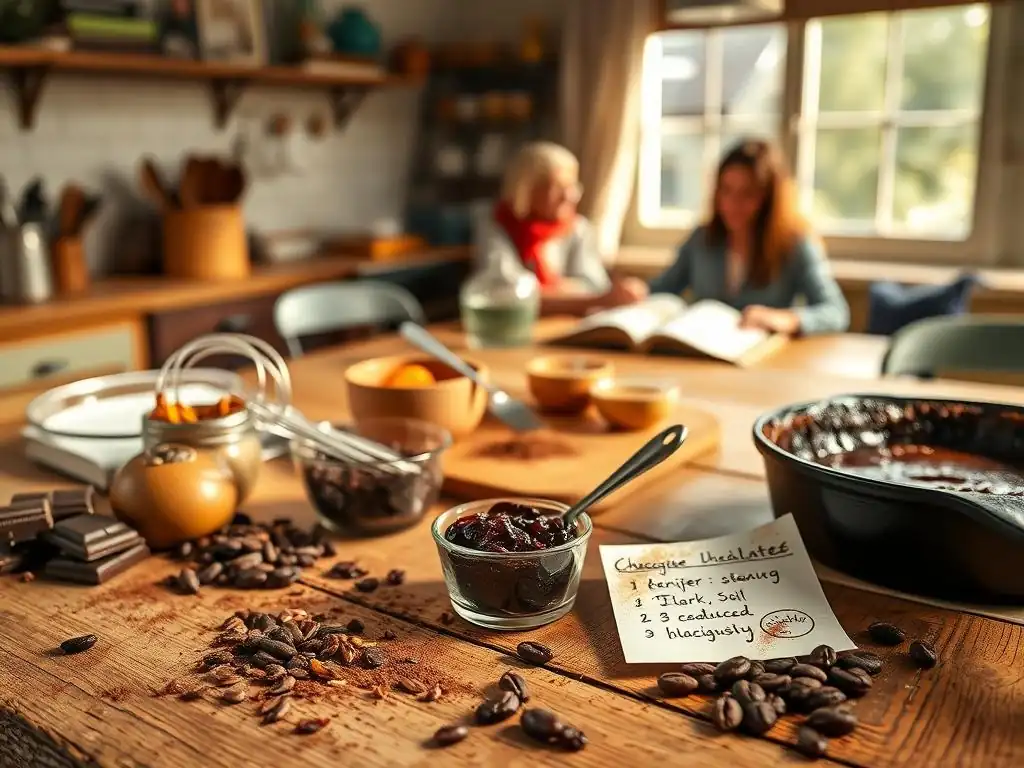
From Tasting to Baking: Incorporating High-Quality Chocolate into Your Recipes
The knowledge gained from a chocolate tasting tour directly translates into better home baking. By understanding the flavor profiles of different chocolates – recognizing a chocolate with high fluidity perfect for tempering or one with intense fruit notes ideal for a dark chocolate cake – you can make more informed choices in your recipes. A rich, high-quality dark chocolate with specific origin characteristics can add depth and complexity to brownies or cookies that a standard baking chip simply cannot replicate.
Consider your tasting notes when selecting chocolate for a recipe. If you tasted a dark chocolate from Ecuador with prominent floral notes, try using it in a recipe where those notes can shine, perhaps a simple chocolate mousse or a ganache filling. If you discovered a creamy, high-cocoa milk chocolate on your tour, it might be perfect for a sophisticated chocolate chip cookie recipe. The goal is to match the chocolate's characteristics to the desired outcome of your baked good.
Recommended Chocolate Brands for Home Baking: Valrhona vs. Guittard
For home bakers seeking to elevate their results, using high-quality chocolate is paramount. Brands often recommended by pastry professionals include Valrhona and Guittard. Valrhona, a French brand, is renowned for its couverture chocolates (high cocoa butter content, ideal for melting and tempering) with distinct flavor profiles from specific bean origins (e.g., Manjari from Madagascar, Guanaja blend). Their products, often available in feves (small oval pieces), are known for consistency and complex flavors.
Guittard, a long-standing American chocolate maker based in California, offers a wide range of products from baking chips to couverture. They are known for quality and approachability, with options suitable for various applications. Their Akoma Semisweet or their wafers are popular choices for cookies and cakes. While both are excellent, they offer slightly different flavor profiles and characteristics. Experimenting with both, perhaps guided by your tasting tour experiences, will help you find your preferred brand and type for different baking projects. Other reputable brands include Callebaut, Scharffen Berger, and Ghirardelli's higher-end baking bars.
Chocolate-Focused Baking Classes: Elevate Your Skills
To further bridge the gap between chocolate tasting and baking, consider taking chocolate-focused baking classes. Many culinary schools and independent bakeries offer workshops specifically dedicated to working with chocolate. These classes can teach essential techniques like proper tempering (achieving that glossy finish and satisfying snap), making stable ganaches, molding chocolates, and incorporating different types of chocolate into pastries and desserts.
Learning from experienced instructors, often using high-quality chocolates similar to those you might encounter on a tasting tour, provides hands-on experience that complements theoretical knowledge. A class focused on chocolate croissants might teach you how to choose the right chocolate baton for melting consistency. A truffle-making class will emphasize the role of quality chocolate in the final texture and flavor. These classes enhance your technical skills, allowing you to fully leverage the potential of the fine chocolates you've learned to appreciate through tasting.
Decoding the Chocolate: Understanding Chocolate Types
Dark Chocolate: The Intense Flavor
Dark chocolate is made from cocoa solids, cocoa butter, and sugar, with little to no milk solids. Its intensity is largely determined by the percentage of cocoa solids it contains, which can range from around 35% for bittersweet chocolate up to 100% for unsweetened chocolate. Higher percentages generally mean more intense cocoa flavor and less sweetness.
The flavor profile of dark chocolate is incredibly diverse, influenced by the origin of the beans and the manufacturing process. It can range from deeply bitter and earthy to bright, fruity, floral, or even spicy. Tasting different dark chocolates side-by-side, varying in percentage and origin, is the best way to understand this spectrum. It's a favorite for baking when a rich, pure chocolate flavor is desired.
Milk Chocolate: The Sweet Indulgence
Milk chocolate contains cocoa solids, cocoa butter, sugar, and milk solids (either as milk powder, liquid milk, or condensed milk). The addition of milk solids gives it a creamier texture and a sweeter, milder flavor compared to dark chocolate. Cocoa percentages in milk chocolate typically range from around 10% (the legal minimum in some regions) up to 50% or more for "dark milk" chocolates.
The flavor notes in milk chocolate often include caramel, malt, vanilla, and creamy dairy notes, alongside the chocolate flavor. The balance between cocoa and milk varies greatly between brands and styles. While often seen as less complex than dark chocolate by connoisseurs, high-quality milk chocolate made with good beans and sufficient cocoa content can offer a sophisticated and incredibly satisfying experience. It's a versatile chocolate in baking, adding sweetness and creaminess to recipes.
White Chocolate: The Creamy Delight
White chocolate is unique in that it contains no cocoa solids, only cocoa butter, sugar, milk solids, and often vanilla. Legally, it must contain a certain percentage of cocoa butter (often around 20% in the US, higher in Europe) to be called chocolate. Its flavor profile is dominated by creamy, sweet, and vanilla notes, with the quality largely depending on the quality of the cocoa butter and milk solids used.
Good quality white chocolate should melt smoothly and have a rich, creamy texture. Poor quality white chocolate can be overly sweet or waxy due to lower cocoa butter content or the use of vegetable fats. While some purists argue it's not "real" chocolate because it lacks cocoa solids, it is a legitimate confectionery product and a popular ingredient in baking, adding sweetness and richness without the brown color or bitter notes of dark or milk chocolate.
Ruby Chocolate: The Fruity Sensation
Ruby chocolate is a relatively new type of chocolate, introduced in 2017 by Barry Callebaut. It is made from 'ruby' cacao beans and processed to bring out a naturally occurring pink color and a distinctive fruity flavor profile, described as notes of berry and a slight tanginess, without the addition of berries, flavorings, or colorants.
Ruby chocolate offers a completely different sensory experience from dark, milk, or white chocolate. Its unique color makes it visually striking, and its tart, fruity notes provide an intriguing contrast to the typical sweetness of chocolate. While its application in baking is still being explored, it offers exciting possibilities for adding a unique flavor dimension and visual appeal to desserts. Experiencing ruby chocolate on a tasting tour provides a glimpse into the innovation happening in the chocolate world.
Chocolate Tasting Tour: A Guide for Chocolate Enthusiasts - Conclusion.
Frequently Asked Questions
What exactly is a chocolate tasting tour?
A chocolate tasting tour is an guided experience that takes you through the process of chocolate creation and consumption. Participants learn about the origins of chocolate, the different types of beans, and how to properly taste and appreciate the nuances of various chocolates.
Who would most enjoy a chocolate tasting tour?
Anyone with a love for chocolate! These tours are especially enjoyable for those interested in learning more about the craft and artistry behind chocolate making, or those wanting to refine their palate.
What should I expect to learn on a typical chocolate tasting tour?
Expect to learn about chocolate origins and bean varieties, the manufacturing process from bean to bar, and how to effectively taste chocolate to identify different flavor profiles.
What are some things to consider when choosing a chocolate tasting tour?
Consider the tour's focus (e.g., bean-to-bar, specific regions), the length of the tour, and the number of chocolates included in the tasting. Also, check reviews for past participants' experiences.
How can I prepare for a chocolate tasting tour to maximize my experience?
Avoid strong flavors or perfumes before the tour. Arrive with an open mind and palate, and be prepared to take notes on the different chocolates you taste.
Final Reflection: The Enduring Allure of Chocolate and the Journey of Taste
The world of chocolate is far more complex and nuanced than a simple sweet treat; it's a journey of sensory exploration, cultural heritage, and artisanal craftsmanship. This guide has explored the exciting world of chocolate tasting tours, highlighting the unique experiences and knowledge they offer. From bean to bar, understanding the process elevates the simple act of indulging into a truly enriching experience.
The impact of chocolate on our culture is undeniable, woven into celebrations, traditions, and everyday moments across the globe. It's a universal language of pleasure, connecting us through shared experiences and a common appreciation for its rich flavors and textures. There is nothing better than a friend, unless it is a friend with chocolate.
This sentiment, while playful, speaks to the powerful social element inherent in sharing chocolate and the memories created around it. The tours discussed here are not just about tasting; they're about fostering community and appreciation for this remarkable product.
Now, it's your turn. Consider the next time you savor a piece of chocolate – take a moment to appreciate the journey it took to reach your palate. Seek out a chocolate tasting tour near you, and allow yourself to be transported to a world of flavor, history, and connection. Embrace the opportunity to learn, to discover, and to deepen your appreciation for this truly remarkable treat. The world of chocolate awaits your exploration.
Unleash Your Inner Chocoholic: Start Your Tasting Adventure Today!
Thanks for exploring the wonderful world of chocolate with us! We hope you’ve gained a newfound appreciation for the art of chocolate tasting. Now it's time to put your knowledge into practice!
- Embark on a local chocolate tasting tour: Many cities offer unique experiences – discover the hidden gems in your area! This is the perfect way to apply what you’ve learned and experience the nuances firsthand.
- Share your newfound chocolate expertise: Tell your friends and family about your favorite chocolate discoveries! Start a conversation – you might even inspire them to join you on your next tasting adventure.
- Create your own personalized chocolate tasting notes: Keep track of your experiences by journaling your tasting notes – record your observations and develop your own unique palate. This will enhance your future tastings and allow you to track your evolving preferences.
Ready to transform your appreciation for chocolate into an unforgettable journey? What unique flavor profile are you most excited to explore next?