
Your Ultimate Guide to Exploring German Bread Culture as a Tourist

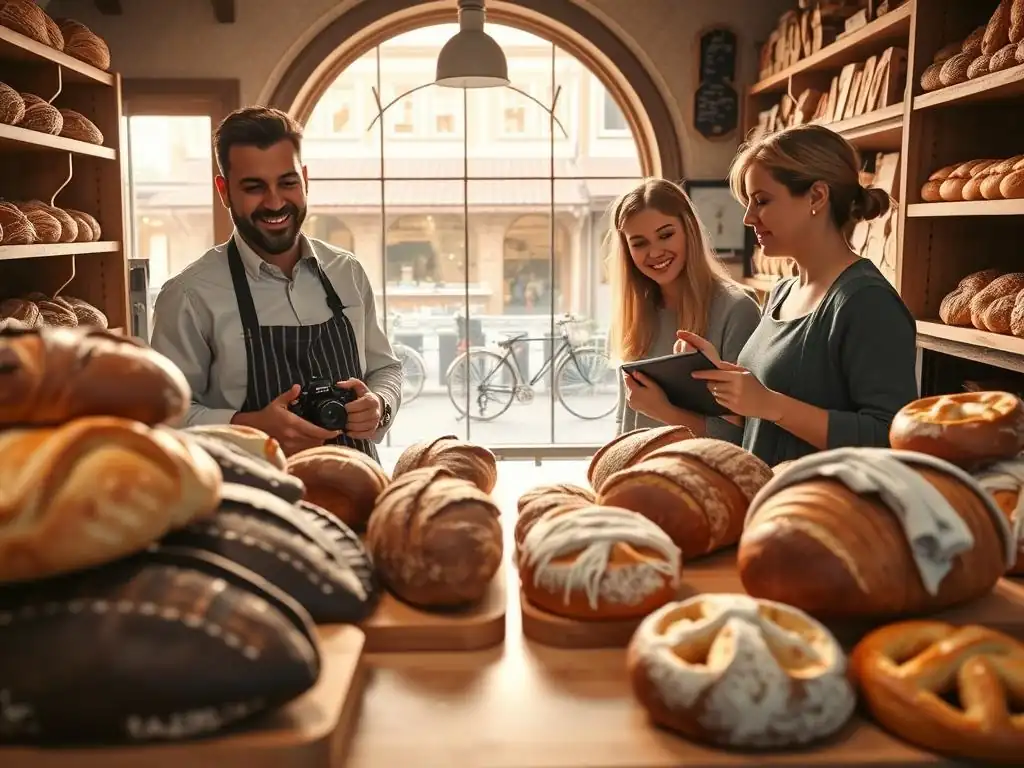
Welcome to BakeWithEase, your passport to the delicious world of baking! Are you ready to embark on a culinary journey through Germany? Prepare your taste buds as we unveil the secrets and regional specialties in our German bread tourist guide. Discover where to find the most authentic Brot, Brötchen, and beyond, and get ready to experience German baking culture like never before. Intrigued? Let's begin your flavorful adventure!
- Your Ultimate German Bread Tourist Guide: Exploring Bakeries & Traditions
- Discovering Authentic German Bread: A Tourist's Comprehensive Guide
- Must-Try German Breads: A Baker's Tour of Regional Specialties
- Building Your German Bread Itinerary: Essential Tips for the Baking Tourist
- German Bread Baking at Home: Bringing the Taste of Germany to Your Kitchen
- Maximizing Your German Bread Experience: Tours, Classes, and More
- Conclusion: Savoring the Flavors of Germany, One Loaf at a Time
-
Frequently Asked Questions
- What types of German bread are most popular among tourists?
- Where can I find the best German bread in Germany as a tourist?
- What ingredients make German bread unique?
- Are there any specific German bread-related customs I should be aware of as a tourist?
- What are some easy German bread recipes I can try at home after my trip?
- Final Reflection: A Slice of Life: The Enduring Allure of German Bread
- Unlock the Secrets of German Bread: Your Baking Journey Starts Now!
Your Ultimate German Bread Tourist Guide: Exploring Bakeries & Traditions
Discovering Authentic German Bread: A Tourist's Comprehensive Guide
Planning Your German Bread Adventure: What to Expect
Embarking on a German bread tour is a delightful journey for any food enthusiast. As a German bread tourist guide, prepare to be amazed by the sheer variety available. Germany boasts an incredible diversity of bread, often cited as having over 3,000 different types of bread and small baked goods. This isn't just a statistic; it translates into a unique experience in almost every bakery you enter. Expect to find shelves laden with loaves of all shapes, sizes, and colors, from dense, dark rye breads to light, crusty wheat rolls, and everything in between.
Your daily routine might quickly shift to include a morning stop at a local bakery ( Bäckerei) to pick up fresh Brötchen (rolls) for breakfast, or an afternoon visit to sample regional specialties. Unlike some cultures where bread is merely a side dish, in Germany, bread often takes center stage, enjoyed with simple toppings like butter, cheese, or cold cuts, allowing the complex flavors of the bread itself to shine.
Be ready for rich textures, deep aromas, and a profound connection to tradition that permeates every bite. This is more than just eating; it's immersing yourself in a vital part of German culture.
Why German Bread is Unique: A History and Tradition Deep Dive
The distinctiveness of German bread is deeply rooted in history and geography. Unlike many countries that historically relied heavily on wheat, Germany's climate and soil were particularly suited for growing rye. This led to the development of a strong tradition of baking with rye flour, which is denser and lower in gluten than wheat flour, requiring different techniques. The widespread use of sourdough ( Sauerteig) is another defining characteristic. Sourdough not only acts as a leavening agent but also imparts a complex flavor profile and helps preserve the bread, crucial in times before modern preservatives.
Furthermore, Germany's historical political fragmentation into numerous small states fostered regional culinary identities. Each region developed its own bread specialties, utilizing local grains and adapting techniques over centuries. This rich tapestry of regional variations persists today, meaning the bread you find in Bavaria will be significantly different from what you encounter in the Rhineland or East Frisia. This historical evolution, combined with a strong emphasis on traditional craftsmanship ( Handwerksbäckerei), ensures that German bread remains a unique and cherished part of the nation's heritage.
Must-Try German Breads: A Baker's Tour of Regional Specialties
The Hearty Rye: Pumpernickel and its Variations
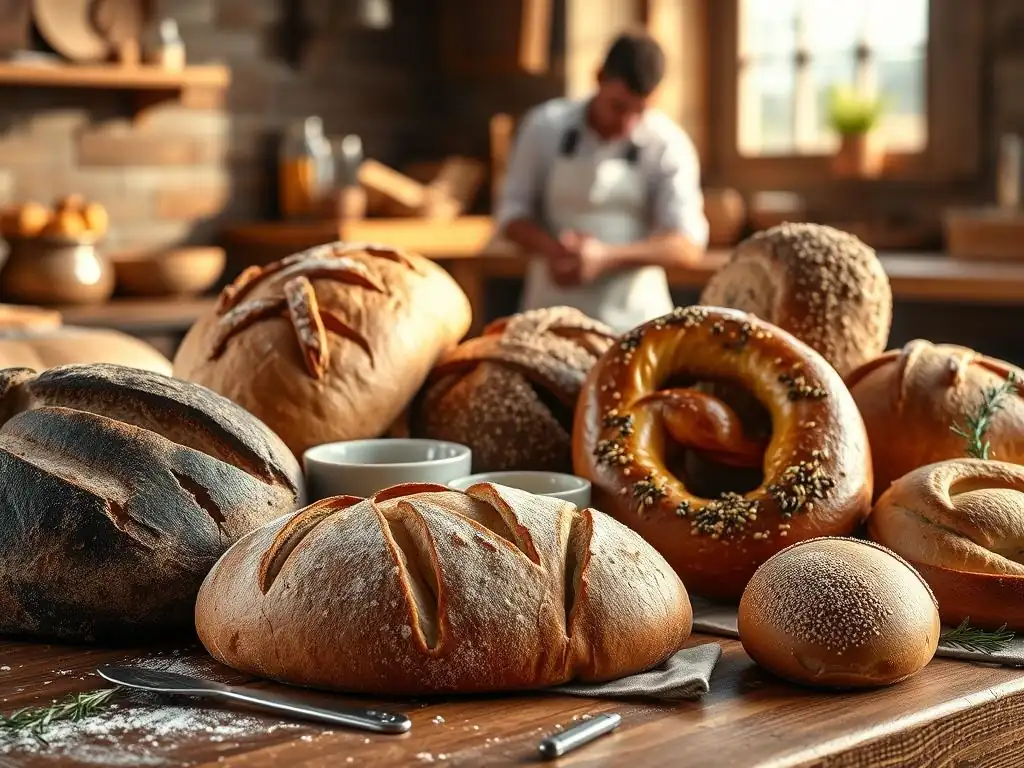
Pumpernickel is perhaps one of Germany's most famous rye breads, particularly associated with the Westphalia region. Its defining characteristic is its deep, dark color and slightly sweet, earthy flavor. This is achieved through an exceptionally long baking process, often steaming rather than baking in the conventional sense, at low temperatures for anywhere from 16 to 24 hours. This slow cooking caramelizes the sugars in the rye, resulting in its distinctive taste and moist, dense texture without a crust.
Finding authentic Pumpernickel means seeking out bakeries in its region of origin, Westphalia. Traditional Handwerksbäckereien there still adhere to the time-honored methods, often using whole rye grains and a sourdough starter, sometimes adding sugar beet syrup for sweetness. When you find a true Westphalian Pumpernickel, notice its weight and density; a thin slice is surprisingly filling. It's traditionally served with savory toppings like ham or cheese, or even sweet spreads, showcasing its versatility. Look for bakeries proudly advertising their regional specialties when you visit this area.
The Crusty Classics: Brotchen and its Many Faces
Brötchen (the diminutive of Brot, meaning "small bread") are the ubiquitous rolls that are a staple of the German breakfast table and popular throughout the day. While the name Brötchen is widely understood, regional names abound, such as Schrippe in Berlin, Semmel in Bavaria and Austria, Rundstück in the North, or Weck in the Southwest. Despite the names, they generally share a common goal: a wonderfully crisp crust and a soft, airy interior.
The variations come not just in name but also in shape and toppings. Kaisersemmeln (Emperor's rolls) are a classic, recognized by their distinctive star pattern pressed into the top. Other Brötchen might be oval, round, or elongated, often topped with seeds like sesame, poppy, sunflower, or pumpkin seeds, or even coarse salt. They are best enjoyed fresh from the oven, split open and buttered, or piled high with cold cuts, cheese, or jam. As a German bread tourist guide, sampling Brötchen from different bakeries is a simple yet essential experience.
The Pretzel Perfection: Brezel and its Regional Twists
The Brezel (or Bretzel in some regions, and known internationally as a pretzel) is an iconic German baked good, instantly recognizable by its looped shape. The magic of the classic savory Brezel lies in the brief dip in a hot lye solution before baking. This alkaline bath is crucial; it gelatinizes the starch on the surface, creating the signature dark, shiny, and chewy crust while keeping the inside soft and fluffy. Coarse salt is typically sprinkled on before baking.
While the classic savory Brezel with salt is king, especially in Bavaria where it's a perfect accompaniment to beer, regional variations exist. Some bakeries offer cheese-baked Brezeln, or those topped with seeds. Sweet Brezeln also exist, often made from a richer dough, sometimes glazed or dusted with sugar, particularly popular in some northern regions. In Munich, you'll find Brezeln that are often larger and softer than those elsewhere, designed to be torn and shared. Seek out bakeries with a reputation for their Brezel quality – the perfect texture balance is key.
The Festive Breads: Stollen and Weckmann
German baking culture truly shines during the festive seasons with special breads like Stollen and Weckmann. Stollen is a rich, fruitcake-like bread traditionally eaten during the Christmas season. Originating in Dresden, the Dresdner Christstollen is particularly famous and protected by geographical indication. It's typically made with yeast dough, butter, dried fruits (like raisins, candied orange and lemon peel), nuts, and often a core of marzipan. After baking, it's generously coated in melted butter and dusted with powdered sugar, symbolizing the swaddled Christ child.
Weckmann, also known by various regional names like Stutenkerl or Klausenmann, is a sweet bread shaped like a man, traditionally enjoyed around St. Martin's Day (November 11th) or St. Nicholas Day (December 6th), particularly in the Rhineland and parts of Southern Germany. Made from a sweet yeast dough, he is often decorated with raisins for eyes and buttons and frequently holds a clay pipe. These festive breads highlight the deep connection between baking, tradition, and seasonal celebrations in Germany, offering a delicious glimpse into local customs for the German bread tourist guide.
Building Your German Bread Itinerary: Essential Tips for the Baking Tourist
Finding Local Bakeries: Beyond the Tourist Traps
To truly experience authentic German bread, venture beyond the obvious chain bakeries often found in high-traffic tourist areas. While convenient, they may not offer the same quality or regional specificity as traditional, independent bakeries. Start by using online resources like Google Maps, Yelp, or local German food blogs. Look for high ratings and read reviews, paying attention to comments about freshness, variety, and traditional methods. Searching for "beste Bäckerei [City Name]" (best bakery in [City Name]) can yield promising results.
A truly effective method for any German bread tourist guide is to simply ask locals. Your hotel receptionist, a shopkeeper, or even someone you strike up a conversation with at a market can point you towards their favorite neighborhood Bäckerei. Locals know where the best quality and value are found. Additionally, keep an eye out for signage. Traditional bakeries often display signs indicating they are a Handwerksbäckerei (craft bakery) or a Meisterbetrieb (master craftsman's business), signaling a commitment to traditional techniques and quality ingredients.
Understanding German Baking Terminology: A Mini-Dictionary for Bread Lovers
Navigating a German bakery counter can be overwhelming due to the sheer variety and specific terminology. Learning a few key German words will significantly enhance your experience as a German bread tourist guide. Essential terms include Roggenbrot (rye bread), Weizenbrot (wheat bread), Mischbrot (mixed bread, typically rye and wheat), and Sauerteigbrot (sourdough bread). Knowing these basics helps you understand the main ingredients.
Beyond the grain type, look for descriptive terms. Vollkornbrot means whole grain bread. Kernig suggests a bread with lots of seeds or grains visible. If you see frisch gebacken, it means freshly baked. Bakery menus might list specific types like Schwarzbrot (a very dark rye bread, often similar to Pumpernickel but less sweet), Graubrot (grey bread, usually a rye-wheat mix), or names indicating their shape or ingredients like Sonnenblumenkernbrot (sunflower seed bread). Don't be afraid to point and ask, "Was ist das?" (What is that? ).
Etiquette in German Bakeries: Ordering and Enjoying Your Bread
Ordering in a German bakery is generally straightforward and friendly. Start with a polite greeting like "Guten Tag" (Good day). When it's your turn, state clearly what you would like, for example, "Ich hätte gerne zwei Brötchen, bitte" (I would like two rolls, please) or "Ein Stück von diesem Roggenbrot, bitte" (A piece of this rye bread, please). You can usually indicate the size of the piece you want for larger loaves. The staff will often ask if you want it sliced ( geschnitten). Most bakeries only accept cash for small purchases, although card payments are becoming more common.
When enjoying your bread, especially rolls, it's common to split them open horizontally before adding toppings. For larger loaves, a slice is typically eaten as an open-faced sandwich or with a meal. There's no strict rule on how to eat it, but appreciating the bread's texture and flavor is key. Tipping is not mandatory for over-the-counter service at a bakery, but if you're particularly pleased with the service or purchase a large amount, rounding up the total or leaving a small amount (e.g., 50 cents to 1 Euro) is appreciated, though not expected like in a sit-down restaurant.
German Bread Baking at Home: Bringing the Taste of Germany to Your Kitchen
Essential Ingredients for German Bread Baking
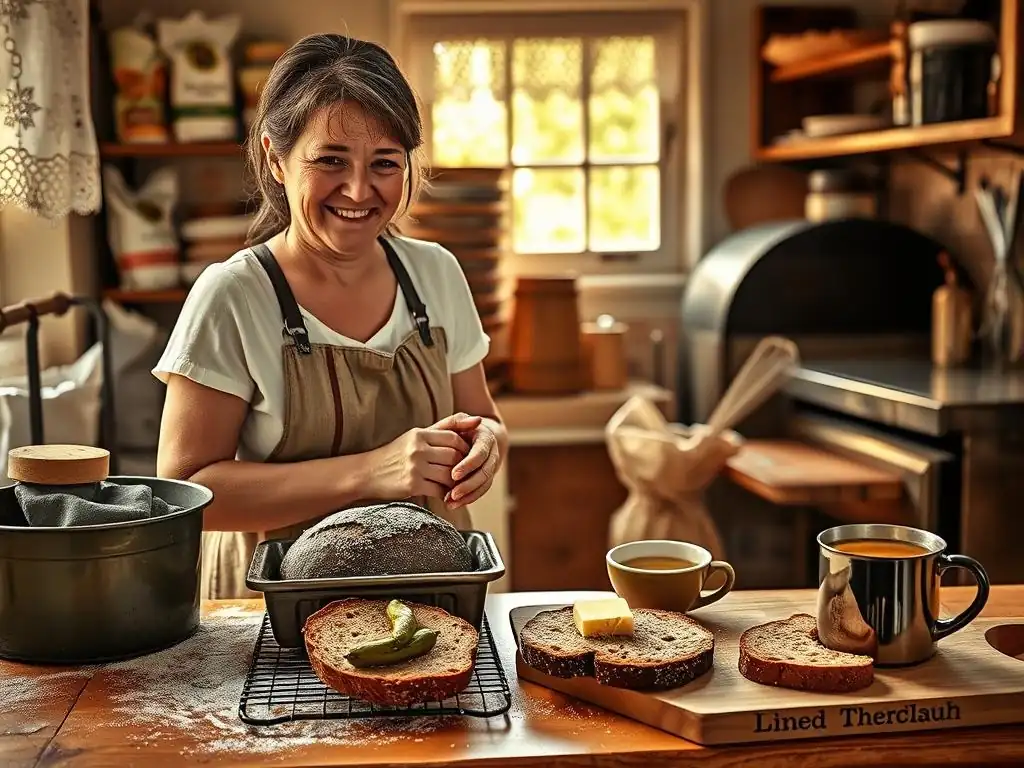
Recreating authentic German bread flavors at home requires understanding and sourcing specific ingredients. German rye flour, for instance, differs from many North American or UK rye flours. It's often milled to different grades (types, indicated by numbers like Type 1150 or Type 1370) which affect its color and protein content. Using the correct type of rye flour is crucial for achieving the right texture and density in traditional German recipes.
Sourdough starter, or Sauerteig, is arguably the single most important ingredient for many classic German breads. It provides leavening, but more significantly, contributes the characteristic tangy flavor and improves the bread's keeping quality. Maintaining an active, healthy starter is key to successful sourdough baking. Another ingredient sometimes used, particularly in rye breads, is malt extract or malt syrup, which adds color, sweetness, and helps with fermentation, contributing to a deeper flavor profile.
Simple German Bread Recipes for Beginners
Starting your German bread baking journey doesn't have to be intimidating. Many classic German breads can be adapted into beginner-friendly recipes. A simple Brötchen recipe is an excellent starting point. These rolls typically use a mix of wheat and sometimes a little rye flour, yeast, water, salt, and a touch of sugar or malt. The process involves mixing, kneading, a relatively short proofing time, shaping into small rolls, and baking at a high temperature to achieve that coveted crispy crust.
While traditional Pumpernickel involves a very long steaming process, simplified versions exist for home bakers. These often use a combination of coarse and fine rye flour, molasses or sugar beet syrup for color and sweetness, and baking powder or yeast in addition to or instead of sourdough for a quicker rise. While not identical to the 20-hour version, these recipes capture the essence of the dark, moist rye bread and are a great way for a German bread tourist guide to bring a piece of their travels back to the kitchen.
Advanced German Bread Baking Techniques
For those looking to deepen their skills, mastering sourdough is fundamental to many advanced German bread recipes. This involves understanding how to create and maintain a robust, active sourdough starter, recognizing its readiness for baking, and learning how to adjust recipes based on its activity. Sourdough baking requires patience and practice, but the resulting complex flavors and textures are incredibly rewarding.
Beyond sourdough, advanced techniques include working with high-percentage rye doughs, which are sticky and require different handling than wheat doughs (often shaped with wet hands or in pans). Learning various shaping techniques for loaves like Kommissbrot (a dense rye loaf often baked in a rectangular pan) or scoring patterns for freeform loaves allows bakers to achieve specific crust development and aesthetics. Understanding fermentation times and temperatures is also crucial for developing flavor and achieving the desired crumb structure in these traditional breads.
Maximizing Your German Bread Experience: Tours, Classes, and More
Guided Bread Tours: Exploring Bakeries with Experts
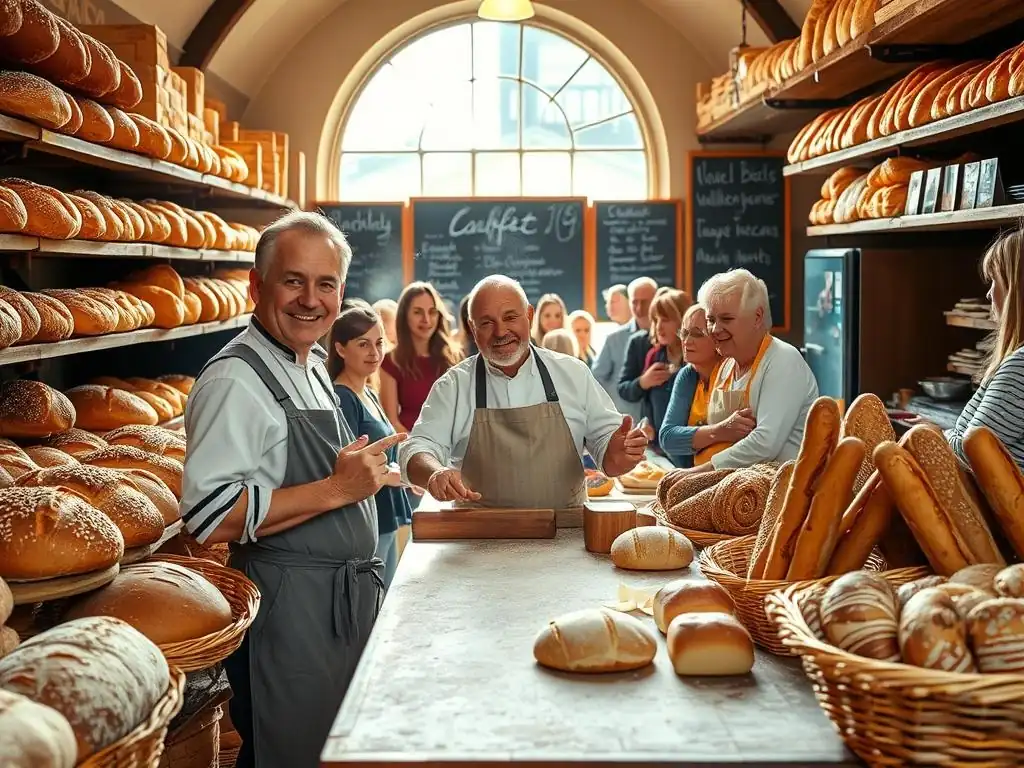
For a truly immersive experience as a German bread tourist guide, consider joining a guided bread tour. While not as widely advertised as historical walking tours, specialized food tours focusing on bakeries and bread culture are becoming more popular in larger cities or regions known for specific bread types. You can often find these by searching online for "German bread tour," "bakery tour Germany," or "[City Name] food tour with bakeries."
What to expect on a bread tour varies, but they typically involve visits to several different bakeries, often including traditional establishments that might be harder to find on your own. You'll get to sample a variety of breads and rolls, learn about their history, ingredients, and baking processes from knowledgeable guides, and sometimes even get a peek behind the scenes. These tours offer insider tips and a curated experience that highlights the best of the local bread scene.
German Bread Baking Classes: Learning from the Masters
Taking a German bread baking class is an excellent way to gain hands-on experience and deepen your understanding of the craft. These classes are offered by various institutions, including culinary schools, community colleges, and sometimes even independent bakeries looking to share their passion. Searching online for "German bread baking class Germany" or "[City Name] baking workshop" can help you find options.
In a baking class, you'll typically work alongside experienced bakers, learning fundamental techniques like mixing rye dough, shaping rolls, or working with sourdough. You'll gain practical knowledge about ingredients, fermentation, and baking temperatures specific to German breads. It's a fantastic opportunity to ask questions, troubleshoot common baking issues, and leave with not only freshly baked bread but also the skills and confidence to recreate German favorites in your own kitchen, truly enhancing your journey as a German bread tourist guide.
Conclusion: Savoring the Flavors of Germany, One Loaf at a Time
Recap of Key Takeaways for the German Bread Tourist
Exploring German bread culture as a tourist is a rich and rewarding experience, offering far more than just delicious food. We've seen that planning involves anticipating an incredible variety and integrating bakery visits into your daily rhythm. Understanding the historical significance of rye, sourdough, and regionalism reveals why German bread is so unique. Identifying must-try types like hearty Pumpernickel, versatile Brötchen, iconic Brezeln, and festive Stollen and Weckmann provides a delicious roadmap.
Building your itinerary is enhanced by knowing how to find authentic local bakeries beyond tourist traps, learning essential baking terminology to navigate menus, and understanding simple bakery etiquette. For those inspired to bake at home, identifying key ingredients and exploring recipes from simple rolls to advanced sourdough techniques brings the experience full circle. Finally, maximizing your journey through guided tours and baking classes offers deeper engagement with this fascinating culinary world.
Encouragement to Explore and Embrace German Baking Culture
Whether you are a seasoned baker or simply a lover of good food, we hope this German bread tourist guide encourages you to dive headfirst into Germany's extraordinary bread landscape. Each loaf tells a story of tradition, craftsmanship, and regional identity. Don't hesitate to try new varieties, visit small neighborhood bakeries, and ask questions about the breads you encounter.
Embrace the opportunity to savor the simple pleasure of a perfect Brötchen or the complex depth of a traditional rye loaf. Your taste buds will thank you, and you'll gain a truly authentic insight into the heart of German culture, one wonderful bread at a time.
Frequently Asked Questions
What types of German bread are most popular among tourists?
Many tourists enjoy trying Pretzels (Brezeln), Rye Bread (Roggenbrot), and Pumpernickel. These offer a diverse taste of German baking traditions.
Where can I find the best German bread in Germany as a tourist?
Look for traditional bakeries (Bäckereien) in local neighborhoods or farmers' markets. These often offer the most authentic experiences.
What ingredients make German bread unique?
German bread often uses rye flour, sourdough starters, and a variety of whole grains. This gives it a distinct flavor and texture.
It's considered polite to buy bread fresh daily and enjoy it with simple accompaniments. Also, learn basic German bread names to order easily.
What are some easy German bread recipes I can try at home after my trip?
Start with a simple rye bread recipe or a Pretzel recipe. BakeWithEase.com provides easy-to-follow guides for both.
Final Reflection: A Slice of Life: The Enduring Allure of German Bread
The rich tapestry of German bread culture, far from being a relic of the past, remains a vibrant and essential part of the modern German experience. Its influence extends beyond simple sustenance; it's a cornerstone of social gatherings, a testament to centuries of tradition, and a delicious window into regional identity. Understanding this deeply ingrained aspect of German life enriches any visit, transforming a simple meal into a cultural immersion.
The sheer variety and quality of German bread, from the rustic sourdough to the delicate pretzels, have profoundly impacted my own understanding of food and culture. It's more than just carbohydrates; it's a reflection of history, craftsmanship, and community. As the saying goes, Bread is the staff of life,
and in Germany, this staff is carved with exquisite detail and imbued with generations of knowledge. The experience of tasting these breads, learning their stories, and witnessing their creation has left an indelible mark on my appreciation for both culinary artistry and the power of tradition.
Now, it's your turn. Consider how your next trip might be enhanced by a deeper engagement with the local cuisine. Don't just eat; experience. Seek out the local Bäckerei, engage with the bakers, and savor the unique flavors of each region. Let the aroma of freshly baked bread guide you, and allow yourself to be transported to a world where simple ingredients tell complex stories. Embrace the opportunity to connect with German culture on a truly profound level – one delicious loaf at a time.
Unlock the Secrets of German Bread: Your Baking Journey Starts Now!
Thanks for exploring the wonderful world of German bread with us! We hope you've gained a new appreciation for the artistry and tradition behind these delicious loaves. Ready to take your newfound knowledge further?
- Bake your own pretzel: This is your chance to put your newly acquired knowledge to the test! Find a simple recipe online and experience the satisfaction of crafting a classic German treat.
- Share your baking adventures: Snap a picture of your creation and share it on social media using #BakeWithEaseGermanBread – let's inspire others to explore this delicious culture!
- Explore local bakeries near you: Even if you're not in Germany, many local bakeries offer delicious breads inspired by German traditions. See if you can find a unique loaf to try!
So, what delicious German bread will you bake or try first? Let us know in the comments below!