
The Baker's Perspective: Learning from German Bread Masters

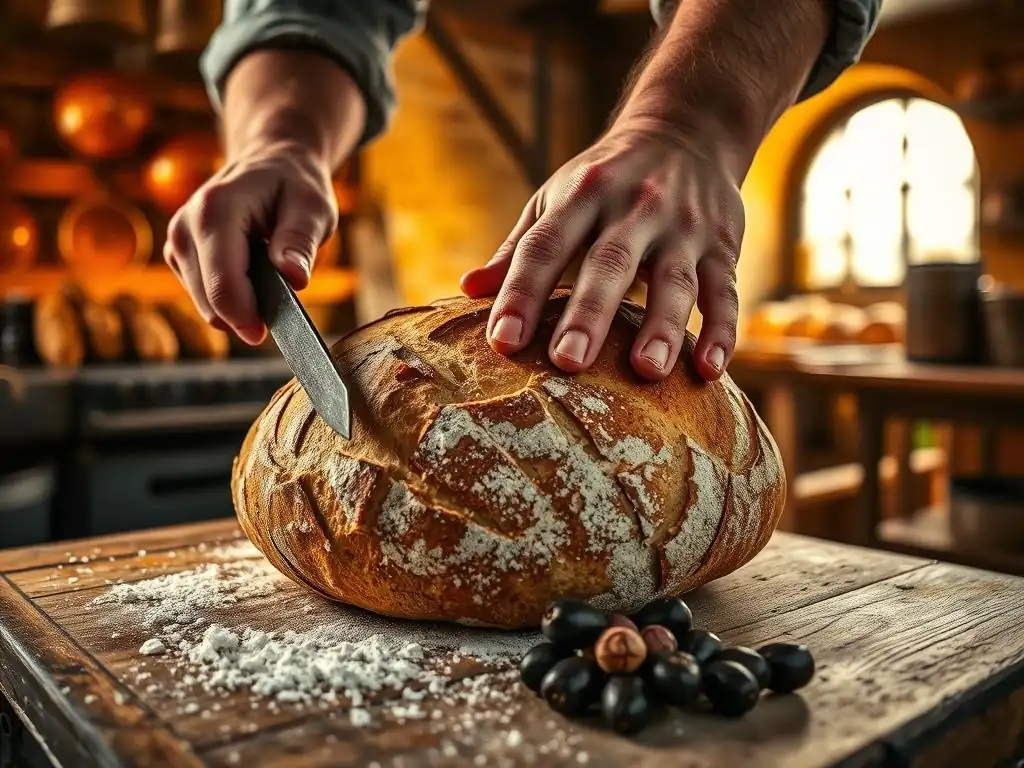
Welcome to BakeWithEase, your companion on a delicious journey into the world of baking! Ever wondered what secrets lie behind the perfectly crusty loaf of German sourdough bread? This time, we are taking a new approach and sharing experiences from bakers around the world. Intrigued? Join us as we explore the Baker's Perspective on authentic techniques and time-honored traditions, starting with this easy-to-follow guide inspired by German bread masters. Get ready to elevate your baking game!
- Introduction: Embarking on a German Sourdough Bread Adventure
- Understanding German Bread: More Than Just Sourdough
- Mastering the German Sourdough Starter: The Soul of the Bread
- The German Sourdough Bread Recipe: A Step-by-Step Guide
- Troubleshooting Common Sourdough Problems: A Baker's Guide
- Experiencing German Bread Culture: Beyond the Recipe
- Conclusion: Your Journey to Mastering German Sourdough
-
Frequently Asked Questions
- What makes German sourdough bread unique and worth trying?
- Where can I find an easy German sourdough bread recipe for beginners?
- What are the key ingredients that differentiate German sourdough from other sourdough breads?
- What is the best way to achieve the characteristic tangy flavor of German sourdough?
- What tools or equipment are essential for baking German sourdough at home?
- Final Reflection: The Enduring Legacy of German Bread
- Unleash Your Inner Bäckermeister!
Introduction: Embarking on a German Sourdough Bread Adventure
Germany boasts over 3,200 recognized bread varieties, earning it the title of “bread basket of Europe.” Embarking on a German sourdough bread recipe easy journey means more than following a list of ingredients; it’s a cultural immersion into centuries-old baking traditions. Whether you’re a novice baker or an aspiring artisan, understanding the nuances of German bread elevates your home baking to an art form.
From the first stretch of dough to the crackling crust, mastering German sourdough connects you to bakers who have honed their craft in small village bakeries and metropolitan bakehouses alike. In this guide, you’ll discover not only how to bake a perfect loaf, but also the stories behind the recipes and the regional quirks that make each German bread unique.
Understanding German Bread: More Than Just Sourdough
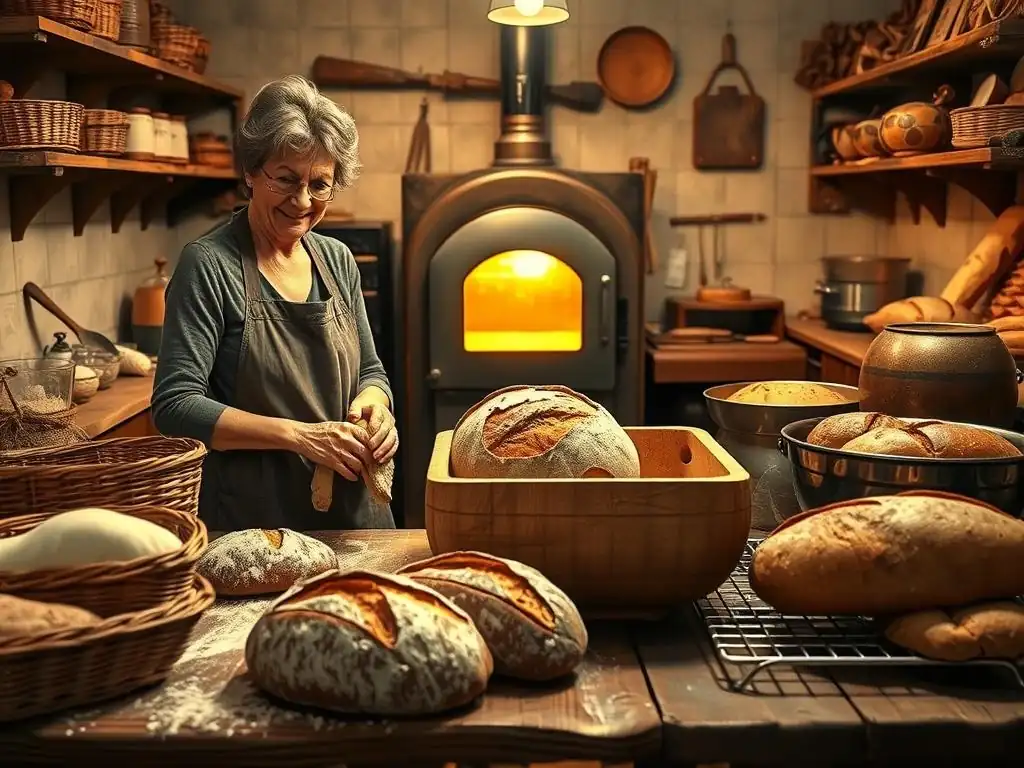
German bread isn’t a monolith; it’s a tapestry of textures, flavors, and grains. While sourdough—or Sauerteig—is celebrated worldwide, German bakers excel in a spectrum that ranges from the dense, earthy Pumpernickel of Westphalia to the light, nutty Vollkornbrot of Bavaria. Each loaf tells a regional tale, shaped by local agriculture, climate, and centuries of expertise.
Beyond its flavour profile, German bread culture emphasizes community and sustainability. In cities such as Munich and Dresden, neighborhood bakers receive daily shipments of freshly milled flours from nearby mills, ensuring consistency and supporting local farmers. This farm-to-oven approach underscores why German sourdough bread recipe easy is more than a trend—it’s a heritage.
The Diversity of German Breads: A Baker's Overview
Germany’s 16 states offer distinct bread identities. For example, in Saxony, Stollen—a fruit-studded sweet bread—is a Christmas staple, while Franconia prides itself on the robust, open-crumbed Zwiebelbrot scented with onions. Nationally, rye-based breads constitute nearly 60% of production, reflecting rye’s adaptability to cooler northern climates.
Artisanal bakeries like Berlin’s Zeit für Brot produce upwards of 250 loaves daily, each with subtle differences in hydration, fermentation time, and scoring pattern. Sampling multiple loaves side by side, you’ll note that a single ingredient tweak—say, switching from Type 1150 wheat flour to whole-grain—can transform crumb structure and crust coloration dramatically.
The Importance of Rye: A Key Ingredient in Authentic German Bread
Rye flour, rich in soluble fibers and pentosans, contributes to the characteristic density and tang of German loaves. In Germany, “Roggenmischbrot” blends rye and wheat flours in ratios ranging from 30:70 to 70:30, balancing strength and extensibility. This versatility allows bakers to craft breads that stay fresh for up to a week without preservatives.
Nutritionally, rye’s glycemic index hovers around 50, compared to 70 for white wheat flour, making German-style sourdough a healthier choice for sustained energy release. Many traditional recipes call for sauerteig fermentation lasting 12–18 hours, where lactic acid bacteria further break down complex carbohydrates, enhancing both digestibility and flavor.
Mastering the German Sourdough Starter: The Soul of the Bread
A vibrant starter is the beating heart of authentic German sourdough. Unlike commercial yeast, a sourdough culture develops unique microbial communities— Lactobacillus sanfranciscensis and Candida milleri—that impart the signature mild tang. In German bakeries, starters age gracefully; some family-run shops maintain cultures over 20 years old.
Developing your own starter fosters a deep connection to the bread you bake. With consistent feeding, temperature control, and water quality, your culture will adapt to your environment, yielding a loaf that is both personal and reproducibly delicious.
Creating Your German Sourdough Starter: A Step-by-Step Guide
Begin with equal parts whole-rye flour and filtered water. Over five days, you’ll see the magic unfold:
# Day 1
50g rye flour
50g water
Mix and rest 24 hours at 22°C.

# Day 2–5
Feed with 50g rye flour + 50g water every 24 hours.
Discard half before each feeding.
By Day 5, expect a bubbly, mildly acidic starter with a pH around 4.2. This acidity level ensures proper enzymatic activity for gluten development and flavor complexity.
“A starter is never ‘done’—it’s a living entity that grows and changes with every feeding.”
Store your matured starter in the refrigerator if baking less frequently, or keep it at room temperature for daily use.
Maintaining Your German Sourdough Starter: Feeding and Care Tips
Consistency is key. Aim to feed your starter twice daily if kept at room temperature (20–24°C). A typical schedule might include:
- Morning: 100g flour + 100g water
- Evening: 100g flour + 100g water
Task List for Starter Maintenance:
- [ ] Discard half of the starter before feeding
- [ ] Use filtered or mineral water
- [ ] Keep a clean, loosely covered container
- [ ] Stir vigorously to incorporate air
If your starter develops a grayish liquid (hooch), it’s a sign it’s hungry—pour off the hooch and resume regular feedings. Over time, you’ll learn your starter’s rhythm, adjusting hydration between 75%–100% for preferred consistency.
The German Sourdough Bread Recipe: A Step-by-Step Guide
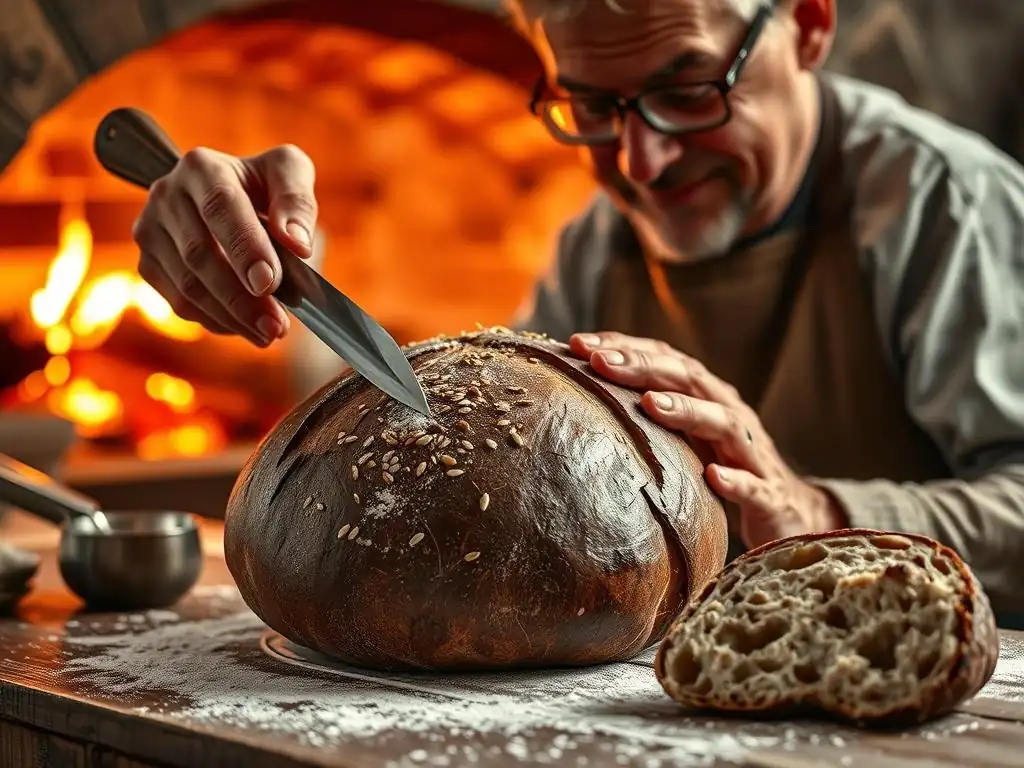
Equipped with a thriving starter, you’re ready for a classic German sourdough. This “German sourdough bread recipe easy” version balances tradition with simplicity, calling for minimal equipment and accessible ingredients.
First, gather:
- 200g active starter (100% hydration)
- 500g Type 1050 wheat flour
- 200g whole-rye flour
- 650ml water (70% overall hydration)
- 12g fine sea salt
Ingredient Breakdown: Choosing the Right Flour and Water
Opt for Type 1050 flour, widely available in European markets, with an extraction rate of ~86%. Its mineral content (approx. 0.55% ash) supports robust gluten formation. Whole-rye flour (Type 1150) introduces the signature rye flavors and dark crumb.
Water quality matters:
- Municipal water with chlorine can inhibit fermentation.
- Filtered or bottled spring water with balanced mineral content (50–150 ppm total dissolved solids) yields optimal microbial health.
Mixing, Kneading, and Proofing: The Art of German Bread Making
- Autolyse: Combine flours with 600ml water. Rest 30 minutes to hydrate.
- Add starter and salt dissolved in 50ml water.
- Stretch and fold every 30 minutes for 3 hours.
- Mix ingredients until no dry spots.
- Every 30 min:
  1. Reach under dough.
  2. Stretch away from you.
  3. Fold back.
Bulk proof at 24°C for 4–5 hours, watching for a 50% volume increase. Shape into a bâtard or boule, then proof in a floured banneton for 2 hours.
Baking Your German Sourdough Bread: Temperature and Time
Preheat oven to 250°C with a steam tray. Transfer loaf onto a baking stone and create steam by pouring 200ml boiling water into the tray. Bake schedule:
- 250°C for 15 minutes (with steam)
- 230°C for 25 minutes (without steam)
Aim for an internal temperature of 96°C. A crisp, mahogany crust and an open crumb with 1–2cm irregular holes signal success.
Troubleshooting Common Sourdough Problems: A Baker's Guide
Even seasoned bakers encounter hurdles. Whether your loaf turns out flat or overly sour, understanding the science behind each step helps you troubleshoot effectively.
Environmental factors like ambient temperature and humidity can speed up or slow down fermentation. Recording your process in a baking journal allows you to correlate specific conditions with outcomes.
Addressing Common Issues: Flat Bread, Dense Crumb, and Sour Taste
-
Flat Loaf: May result from underproofing or weak gluten development.
• Ensure adequate stretch-and-fold sessions.
• Allow full bulk fermentation (loaf should rise ~50%). -
Dense Crumb: Could indicate low hydration or inactive starter.
• Increase water by 5–10% next batch.
• Feed starter twice daily for 3 days before baking. -
Overly Sour: Extended fermentation increases acidity.
• Reduce bulk proof by 1–2 hours.
• Use a cooler proofing temperature (20°C instead of 24°C).
Perfecting Your Technique: Tips for Consistent Results
- Weigh Everything: Digital scales accurate to 1g are non-negotiable.
- Control Fermentation Temps: Use proofing boxes or warm ovens set to 24°C.
- Rotate Baking Stone: Mid-bake rotation ensures even crust color.
- Patience and Observation: Look for visual cues—dough should show air pockets during shaping.
By fine-tuning these variables, your German sourdough bread recipe easy approach will yield consistent, bakery-quality loaves.
Experiencing German Bread Culture: Beyond the Recipe
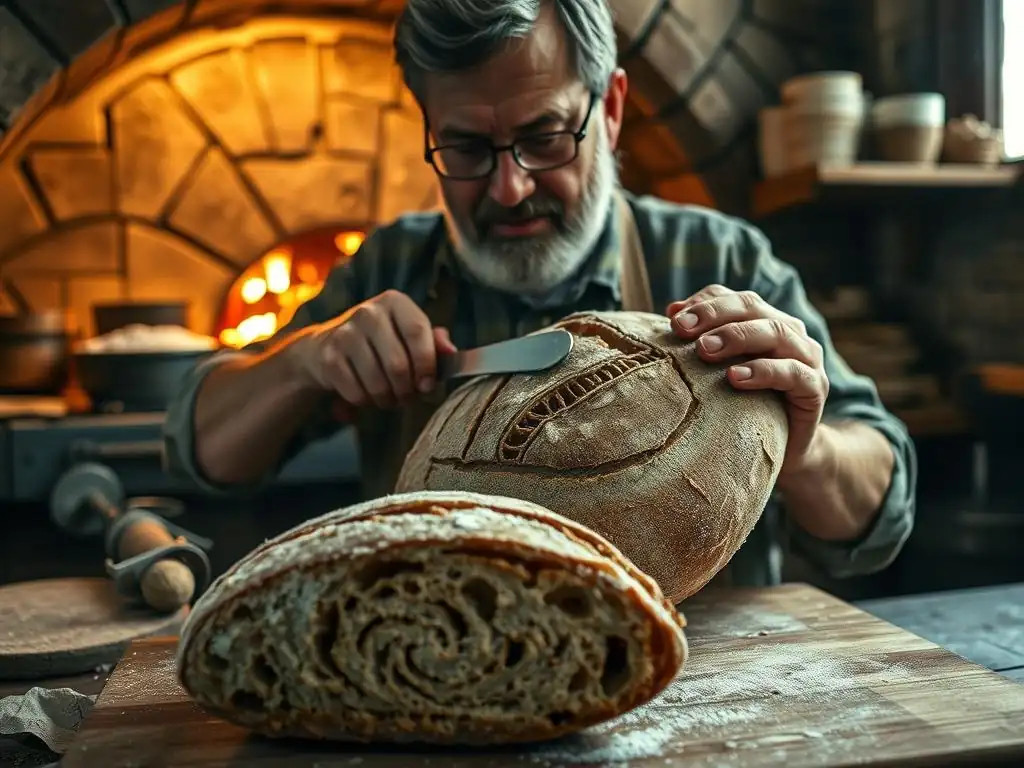
To truly appreciate German sourdough, immerse yourself in local traditions. From early-morning bakery runs to regional bread festivals, experiencing the culture enriches your own practice.
In 2022, Germany hosted over 150 regional bread festivals, drawing more than 200,000 visitors eager to taste and learn. Such events showcase everything from ancient grain tastings to hands-on stone-milling demonstrations.
Visiting German Bakeries: A Culinary Adventure
Plan a walking tour through Cologne or Leipzig, sampling 10–12 bakeries over a weekend. Look for signs of quality:
- Wood-fired ovens
- On-site milling stones
- Long fermentation times displayed on chalkboards
Engage bakers in conversation—many are proud to share ratios, proofing times, and even starter “birthdates.” This direct exchange deepens your understanding and builds connections across continents.
German Baking Classes and Workshops: Learning from the Masters
Institutes like the German Bread Academy in Münster offer weekend intensives focusing on sourdough and regional specialties. Fees range from €150 to €300, inclusive of ingredients and printed manuals. Class sizes are typically 8–10 students, ensuring hands-on guidance.
Alternatively, masterclasses led by award-winning bakers—such as Brot-Botschafter Johannes Staack—provide insider tips on scoring patterns and steam-management techniques that you won’t find in recipe books.
Conclusion: Your Journey to Mastering German Sourdough
From cultivating a lively starter to pulling a golden loaf from the oven, learning from German bread masters is a rewarding path. Armed with a grasp of rye’s significance, precise techniques, and cultural insights, you’ll bake German sourdough bread recipe easy that rivals those found in Berlin’s oldest Konditoreien.
Embrace each challenge as part of your baker’s education. With patience, practice, and a pinch of German tradition, your home oven becomes a portal to centuries-old bakeries—one perfect loaf at a time.
Frequently Asked Questions
What makes German sourdough bread unique and worth trying?
German sourdough bread often boasts a robust, tangy flavor and a denser crumb structure compared to other sourdough varieties. Its unique taste profile is often attributed to the types of flour used and the longer fermentation processes.
Where can I find an easy German sourdough bread recipe for beginners?
While a truly easy German sourdough recipe might be debated, BakeWithEase.com provides accessible recipes and tips. Look for recipes that emphasize clear, step-by-step instructions and easily obtainable ingredients.
What are the key ingredients that differentiate German sourdough from other sourdough breads?
German sourdough recipes frequently incorporate rye flour in addition to wheat flour. The specific ratios and types of flour used contribute significantly to the distinctive flavor and texture.
What is the best way to achieve the characteristic tangy flavor of German sourdough?
The length of the fermentation process is crucial for developing the tangy flavor. Employing a longer, cooler fermentation, often overnight, allows the sourdough culture to produce more lactic acid, resulting in a more pronounced tang.
What tools or equipment are essential for baking German sourdough at home?
While not strictly essential, a Dutch oven is highly recommended for achieving a crispy crust and even baking. A kitchen scale is also useful for accurate measurements, especially when working with sourdough starters.
Final Reflection: The Enduring Legacy of German Bread
The meticulous craft of German bread making, far from being a relic of the past, offers a vital lesson in mindful creation and the pursuit of excellence in our fast-paced modern world. The simple act of nurturing a sourdough starter, patiently waiting for the perfect rise, and understanding the nuances of flour and water, speaks to a deeper connection with food and tradition that is increasingly valuable in our era of instant gratification. This connection, explored through the lens of German bread masters, transcends mere culinary skill; it's a philosophy of patience, precision, and respect for the ingredients.
The influence of German baking traditions extends far beyond the kitchen; it represents a cultural heritage that emphasizes quality, authenticity, and a deep appreciation for the simple pleasures. The dedication and artistry involved in crafting a perfect loaf resonate with a growing global interest in artisanal foods and sustainable practices. Bread is the staff of life,
a simple phrase, yet it encapsulates the profound significance of this staple food, and the care with which it should be made. This sentiment, deeply ingrained in German baking culture, is a powerful reminder of the importance of mindful consumption and the value of traditional techniques.
Now, consider your own kitchen. Imagine the satisfaction of creating a loaf of German sourdough, not just from a recipe, but from an understanding of the process, the patience, and the respect for the ingredients. You don't need to become a master baker overnight, but by embracing the spirit of mindful creation, you can bring a piece of this rich tradition into your life. Start small, nurture your starter, and savor the journey. The reward? Not just delicious bread, but a deeper connection to your food, your heritage, and yourself.
Unleash Your Inner Bäckermeister!
Thanks for taking the time to explore the world of German bread making! We hope you’ve gained valuable insights into the techniques and traditions that create these iconic loaves. Now it’s time to put your knowledge into practice.
- Start baking your own sourdough: This is the heart of German bread baking, and mastering it unlocks a whole new world of flavor and texture. Try our simple sourdough starter recipe (link to imaginary recipe on bakewithease.com would go here) for a fantastic starting point.
- Share your baking journey: Show us your creations! Use #BakeWithEaseGermanBread on social media to connect with fellow bakers and inspire others.
- Explore regional variations: Germany boasts incredible regional bread diversity. Why not try researching a specific region and its signature bread? You might discover your new favorite loaf!
What unique German bread will you bake first? Let us know in the comments!