
More Than Macarons: Exploring France's Diverse Pastry Landscape

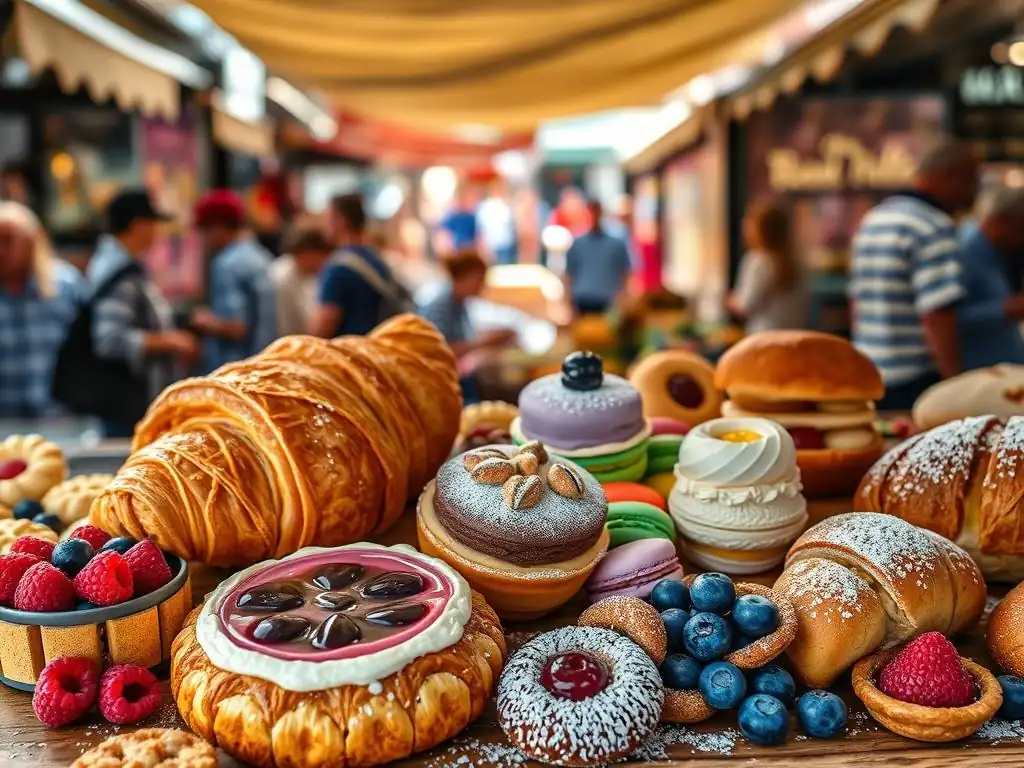
Welcome to BakeWithEase, your passport to the delightful world of baking! Ever wondered if there's more to French pastry than just macarons? Prepare to be enchanted! This article dives into French pastry recipes for beginners, revealing the secrets to crafting authentic, delectable treats from the heart of France. Discover the surprisingly simple techniques behind these iconic pastries and unlock a world of flavor. Ready to begin your baking adventure?
- Discovering Delicious French Pastries Beyond the Macaron: Beginner-Friendly Recipes for BakeWithEase
- The Best French Pastries for Beginners: Easy Baking Recipes & Techniques
- Mastering Basic French Pastry Techniques: Essential Skills for Beginners
- French Pastry Recipes for Beginners: Tips & Tricks for Flawless Results
- Conclusion: Embrace the World of French Pastry with These Easy Recipes
-
Frequently Asked Questions
- What makes French pastries appealing to beginner bakers?
- Are all French pastries incredibly complicated to make?
- Where can I find easy-to-follow French pastry recipes for beginners?
- What are some essential tools needed for baking French pastries at home?
- What are some common mistakes to avoid when baking French pastries for the first time?
- Final Reflection: A Sweet Journey Beyond the Macaron
- Unveil Your Inner Pâtissier: Take the Next Step in Your French Pastry Journey
Discovering Delicious French Pastries Beyond the Macaron: Beginner-Friendly Recipes for BakeWithEase
Unveiling France's Rich Pastry Heritage: A Baker's Paradise
France is globally renowned for its exquisite pastries, and while the delicate macaron often steals the spotlight, the landscape of French patisserie is vast and incredibly diverse. From rustic tarts enjoyed in countryside bakeries to intricate layered cakes found in Parisian salons, there's a depth of flavor and technique that goes far beyond a simple colorful meringue cookie.
Exploring this rich heritage offers a rewarding journey for any home baker, especially those looking for accessible entry points into the world of pâtisserie. Many classic French pastry recipes for beginners are surprisingly straightforward, requiring basic techniques and readily available ingredients, making them perfect for building confidence in the kitchen.
This journey into French baking isn't just about replicating famous desserts; it's about understanding the philosophy behind them – a focus on quality ingredients, precise techniques, and balancing flavors. Think of the flaky layers of a croissant (though perhaps not a beginner project! ), the creamy richness of a chocolate éclair filling, or the simple elegance of a tarte Tatin.
Each pastry tells a story of regional traditions and culinary evolution. For those just starting out, tackling French pastry recipes for beginners provides a fantastic foundation, introducing fundamental skills like making simple batters, understanding ingredient interactions, and achieving desired textures without the complexity of advanced lamination or tempering techniques.
The Best French Pastries for Beginners: Easy Baking Recipes & Techniques
Option 1: Classic Crêpes - A Gateway to French Baking
Crêpes are arguably one of the easiest and most forgiving French delights to master, making them an ideal starting point for anyone exploring French pastry recipes for beginners. These incredibly thin pancakes require just a handful of pantry staples – flour, eggs, milk, a touch of sugar and salt, and melted butter. The batter comes together quickly, often requiring just a brief rest before cooking. Their simplicity belies their versatility; crêpes can be served for breakfast, dessert, or even as a savory main course, filled with anything from Nutella and bananas to ham and cheese.
Mastering the crêpe involves learning to pour a thin layer of batter and swirling the pan to coat the surface evenly. While a non-stick pan is helpful, a well-seasoned traditional crêpe pan, like those made by De Buyer, can achieve a beautiful golden-brown finish. A simple crêpe spreader helps ensure uniform thinness. Once cooked, they can be folded or rolled and dusted with powdered sugar, drizzled with syrup, or filled generously. This basic skill builds confidence and introduces the concept of working with thin batters and pan-cooking, essential for other simple French preparations.
Option 2: Financiers - Almond Delight with a Brown Butter Twist
Financiers are small, moist cakes traditionally made with brown butter (beurre noisette) and almond flour, often baked in small rectangular molds resembling gold bars, hence their name. Their texture is delightfully tender and slightly chewy, with a rich, nutty flavor from the browned butter and almonds. They are significantly simpler to make than many other French cakes, often involving just melting butter, whisking ingredients, and pouring into molds. This straightforward process makes them excellent French pastry recipes for beginners.
The key to a great financier lies in the brown butter, which is simply butter gently heated until the milk solids turn a toasted brown color and smell nutty. This technique is easy to learn and adds a depth of flavor that elevates the simple ingredients. Using a silicone financier mold, like those from Silikomart, makes popping the finished cakes out a breeze.
High-quality almond flour, such as that from Bob's Red Mill, ensures a fine texture and prominent almond taste. Financiers are perfect for afternoon tea or as a light dessert, showcasing how simple ingredients and one key technique can create something truly special.
Option 3: Madeleines - Shell-Shaped Cakes with a Hint of Lemon
Madeleines are small sponge cakes with a distinctive shell shape, traditionally flavored with lemon zest. Proust famously immortalized them in literature, linking their delicate crumb and subtle flavor to powerful memories. While they require a special pan, the batter itself is quite simple – a basic mix of flour, sugar, eggs, butter, and flavoring. The magic happens during baking, where the batter rises to form a characteristic "hump" on one side. This makes them a delightful challenge and a rewarding success for beginners.
Achieving the perfect madeleine hump often involves chilling the batter and baking the cakes in a preheated, well-buttered and floured pan, like a non-stick USA Pan madeleine pan. The quick bake time, usually under 10 minutes, means you can enjoy warm, fresh madeleines relatively quickly. Adding a good quality vanilla extract, such as Nielsen-Massey, complements the lemon zest beautifully. Madeleines are versatile; while lemon is classic, variations with orange zest, chocolate chips, or even matcha are popular. Decorating them is minimal, perhaps just a dusting of powdered sugar, making the process approachable for newcomers.
Option 4: Mousse au Chocolat - A Decadent Chocolate Dream
Mousse au chocolat is a quintessential French dessert that requires absolutely no baking, making it an ideal candidate among French pastry recipes for beginners who might be hesitant about oven temperatures or precise baking times. At its core, it's a simple combination of melted chocolate, eggs (separated), and sometimes butter or cream, whipped into a light, airy, yet intensely flavorful dessert. The richness comes from the quality of the chocolate, and the airy texture comes from the carefully folded-in whipped egg whites or cream.
Success with mousse au chocolat hinges on using good quality chocolate, such as Valrhona dark chocolate, which provides deep flavor without being overly sweet. The technique involves gently melting the chocolate, whisking in egg yolks, and then carefully folding in stiffly beaten egg whites (achieved with sturdy whisks like OXO Good Grips) to incorporate air. Serving in elegant ramekins, like those from Le Creuset, enhances the dessert's appeal.
While it requires chilling time, the active preparation is minimal, yielding an impressive dessert that's perfect for entertaining or simply indulging. It teaches basic whisking and folding techniques vital for many other dessert preparations.
Mastering Basic French Pastry Techniques: Essential Skills for Beginners
The Importance of High-Quality Ingredients: Setting Yourself Up for Success
In French baking, perhaps more than in many other cuisines, the quality of your ingredients plays a paramount role in the final outcome. French patisserie emphasizes pure, clean flavors, and these are best achieved with ingredients that are themselves flavorful and of high standard. Using premium butter, such as an 82% butterfat European-style butter, significantly impacts the taste and texture of pastries compared to standard lower-fat butter. Its higher fat content contributes to flakiness in doughs and richness in cakes and creams. Similarly, using fresh, high-quality eggs is crucial for structure and richness in batters and mousses.
Flour quality also matters. While specific French flours (like T45 or T55) are ideal, using a good quality all-purpose flour with a moderate protein content (around 10-12%) is perfectly acceptable for many beginner French pastry recipes. The flavor of your chocolate, vanilla extract, and even sugar can dramatically alter the final product.
Opting for pure vanilla extract over imitation, or using fine-grain sugar that dissolves easily, contributes to a smoother texture and better taste. Investing a little more in key ingredients ensures that your efforts in following French pastry recipes for beginners are rewarded with truly delicious results that capture the essence of French baking.
Essential Baking Equipment for French Pastry Beginners: Building Your Arsenal
While you don't need a professional kitchen setup to start exploring French pastry recipes for beginners, having a few essential tools can make the process smoother and more successful. A good set of mixing bowls in various sizes is fundamental for preparing batters and creams. Accurate measuring tools, including both dry measuring cups and spoons, and ideally a digital scale for precision (French recipes often use grams), are crucial for consistent results. Precision in measurement is a hallmark of French baking.
A reliable hand mixer or stand mixer is invaluable for whipping egg whites, creaming butter and sugar, or mixing batters evenly. Whisks are essential for aerating ingredients like eggs or cream. For pastries requiring molds, having the specific pan (like a madeleine or financier mold) is necessary to achieve the correct shape, adding to the authentic experience.
Parchment paper is your best friend for lining pans and ensuring easy release. While not strictly equipment, a good quality oven thermometer can help verify your oven's temperature, which is vital for baking success, especially for delicate items. Building this basic arsenal provides the foundation for tackling a wide range of French pastry recipes.
French Pastry Recipes for Beginners: Tips & Tricks for Flawless Results
Common Mistakes and How to Avoid Them: A Beginner's Guide to Success
Embarking on French pastry recipes for beginners can sometimes feel intimidating, but being aware of common pitfalls can help you navigate the process smoothly. One frequent mistake is not accurately measuring ingredients, especially flour. Scooping flour directly from the bag can compact it, leading to too much flour and a dry product.
Instead, gently spoon flour into your measuring cup and level it off, or even better, use a kitchen scale for precise weight measurements as preferred in traditional French baking. Another common issue is overmixing batters, particularly those for cakes like madeleines or financiers, which can develop the gluten and result in a tough texture instead of a tender crumb. Mix only until just combined.
Temperature is also a critical factor often overlooked. Ensure eggs, butter, and milk are at the temperature specified in the recipe (usually room temperature for optimal emulsification and volume). Baking temperatures need to be accurate; ovens can vary significantly, so using an oven thermometer helps prevent issues like uneven baking or burning.
For items like crêpes, not letting the batter rest can lead to a less tender result; the resting period allows the flour to hydrate and the gluten to relax. Finally, don't open the oven door too early when baking delicate items like madeleines; sudden temperature drops can cause them to sink. Patience and attention to detail are key when working with French pastry recipes.
Scaling Up Your Skills: From Beginner to Advanced French Pastry Chef
Once you've mastered simple French pastry recipes for beginners like crêpes, financiers, madeleines, and mousse, you can gradually introduce more complex techniques and recipes. The skills you've learned – accurate measuring, understanding ingredient roles, gentle folding, and temperature control – are foundational. Your next steps might involve tackling pâte à choux (choux pastry) for eclairs or cream puffs, which builds on your understanding of batters and baking science to create hollow shells perfect for filling.
Lamination, the process of creating thin layers of dough and butter for croissants or puff pastry, is a significant step up but is achievable with practice. Starting with a simpler rough puff pastry can be a good intermediate step before attempting classic croissant dough. Exploring different types of tarts, like fruit tarts with pastry cream or lemon meringue pie, introduces you to making different doughs (pâte sablée or pâte sucrée) and various fillings.
Each new recipe and technique builds upon the last, expanding your repertoire and confidence. Remember that even experienced pastry chefs had to start somewhere; persistence and a willingness to learn from mistakes are your greatest assets on the journey from baking beginner to a more advanced French pastry enthusiast.
Conclusion: Embrace the World of French Pastry with These Easy Recipes
Frequently Asked Questions
What makes French pastries appealing to beginner bakers?
French pastries often use simple techniques and readily available ingredients, making them approachable for beginners. Many recipes, like clafoutis or crepes, are surprisingly easy to master.
Are all French pastries incredibly complicated to make?
No, while some French pastries are complex, many are quite simple. Basic recipes like madeleines or simple tarts can be excellent starting points for aspiring bakers.
Where can I find easy-to-follow French pastry recipes for beginners?
Websites like BakeWithEase.com offer step-by-step guides and simplified recipes specifically designed for beginners. Look for recipes that emphasize clear instructions.
What are some essential tools needed for baking French pastries at home?
While specialized equipment can be helpful, you can start with basic tools. A good mixing bowl, a whisk, a rolling pin, and baking sheets are usually sufficient to get started.
What are some common mistakes to avoid when baking French pastries for the first time?
One common mistake is overmixing the dough, which can lead to tough pastries. Also, carefully measuring ingredients is crucial for achieving the desired results.
Final Reflection: A Sweet Journey Beyond the Macaron
The allure of French pastries extends far beyond the delicate shell of a macaron; it's a rich tapestry woven from centuries of tradition, innovation, and simple, yet masterful techniques. This exploration into the diverse world of French baking has hopefully demonstrated that even beginners can unlock the secrets to creating these delightful treats. The accessibility of many classic recipes, when broken down into manageable steps, opens a world of culinary adventure for anyone willing to try.
The impact of French pastry on global cuisine is undeniable. Its influence stretches from the elegant patisseries of Paris to the humble home kitchens around the world, shaping our understanding of sweetness and artistry. The art of pastry is not just about making delicious food, it's about creating an experience, a memory.
This quote, though not from a specific source, encapsulates the enduring power of these creations to evoke emotion and connect us to a rich cultural heritage. From the rustic charm of a simple pain au chocolat to the refined elegance of a mille-feuille, each pastry tells a story, a testament to the dedication and passion of generations of bakers.
Now, it's your turn. Don't be intimidated by the seemingly complex techniques. Choose a recipe that sparks your interest – perhaps a classic croissant, a creamy éclair, or even a simple madeleine – and embark on your own culinary journey. Embrace the process, celebrate the small victories, and savor the sweet rewards of your efforts. The world of French pastry awaits, and with a little patience and practice, you can unlock its delicious secrets and create your own unforgettable moments.
Unveil Your Inner Pâtissier: Take the Next Step in Your French Pastry Journey
Thanks for exploring the delightful world of French pastries with us! We hope you discovered new favorites and a deeper appreciation for the artistry behind these delectable treats. Ready to put your newfound knowledge into action?
- Bake your own masterpiece: Try one of the recipes mentioned in the article, or explore our extensive recipe library on BakeWithEase.com for more inspiration. Let us know how it turns out!
- Share your baking adventures: Tag us on social media using #BakeWithEase and show off your French pastry creations. We'd love to see them!
- Challenge a friend: Nominate a fellow baking enthusiast to explore a new French pastry with you and share your experiences.
So, what delicious French pastry will you conquer next?