
Learn from the Masters: International Baking Schools with Renowned Chefs


Welcome to BakeWithEase, your passport to the delectable world of baking! Ever dreamed of honing your skills under the watchful eye of a world-renowned chef? This week we delve into the fascinating and often complex world of the international baking school application process. Discover where the culinary elite train, and unlock the secrets to making your application stand out. Are you ready to bake your way to a global culinary adventure? Let's get started!
- Exploring Baking Education: A Global Perspective
- Why Choose a Specialized Baking School?
- Admissions: Preparing for Baking School Applications
- Featured Baking Schools: Leading Institutions Worldwide
- Beyond the Curriculum: Enriching Your Baking Education
- Achieving Culinary Success: From Student to Professional
- Essential Baking Equipment for Culinary School
-
Frequently Asked Questions
- What are the typical prerequisites for applying to an international baking school?
- How can I best prepare my application for a competitive international baking school?
- What is the average cost of attending an international baking school and are scholarships available?
- How does the curriculum of an international baking school differ from a domestic one?
- What career opportunities become available after graduating from an international baking school?
- Final Reflection: The Sweet Taste of Global Skill
- Unleash Your Inner Pastry Chef!
Exploring Baking Education: A Global Perspective
The world of baking is vast and rich, spanning continents and cultures, each offering unique techniques, ingredients, and traditions. While self-teaching and online resources like BakeWithEase are fantastic for getting started and refining skills, pursuing formal education at an international baking school can provide an unparalleled depth of knowledge and hands-on experience. These institutions, often steeped in history or at the forefront of culinary innovation, offer immersive programs designed to transform passionate hobbyists into skilled professionals or elevate existing bakers to master status.
Embarking on a journey to an international baking school means immersing yourself in a different culinary environment, learning from chefs who are recognized leaders in their fields, and gaining exposure to global baking standards. Whether your dream is to perfect the flaky layers of a French croissant in Paris, master the complex art of Italian panettone, or explore the science behind artisanal American sourdough, there is a school somewhere in the world tailored to your specific interests. This global perspective not only broadens your technical skills but also enriches your understanding of the cultural significance of baked goods.
Why Choose a Specialized Baking School?

Advanced Techniques and Skill Refinement
Specialized baking schools offer rigorous training focused on precision, consistency, and mastering complex techniques that are difficult to fully grasp through self-study alone. Instructors, often seasoned professionals with years of industry experience, provide personalized feedback and demonstrations that are crucial for developing muscle memory and understanding the nuances of ingredients and processes. For example, achieving the perfect lamination for puff pastry or croissants requires specific handling of dough and butter, precise temperatures, and expert folding techniques typically taught and practiced extensively in a formal setting.
Beyond foundational skills, these programs delve into advanced areas like sugar artistry, chocolate showpieces, complex viennoiserie, and intricate cake decoration. Students might spend weeks focusing solely on the science of fermentation for bread, or the crystalline structure of chocolate for tempering. A typical intensive program could involve hundreds of hours dedicated purely to hands-on practice under expert supervision, far exceeding what most home bakers can achieve, leading to a significant leap in technical proficiency and the ability to consistently produce high-quality results under pressure.
Regional Baking Expertise: From Viennoiserie to Sourdough
Different regions are renowned for specific types of baked goods, and specialized schools often have deep roots in these traditions. Studying in France, for instance, offers direct access to the secrets of classic viennoiserie and patisserie, learning techniques passed down through generations. You might spend a significant portion of your time mastering pain au chocolat, tarte tatin, or classic éclair production using traditional methods and local ingredients.
Similarly, schools in Italy might focus on regional breads, pastries like cornetti, or the intricate process of naturally leavened holiday breads like panettone and pandoro. In the United States, institutions often highlight artisanal bread making, particularly sourdough, and contemporary pastry trends. Learning these regional specialties in situ provides invaluable context, not just for the techniques but also for the cultural significance and history behind the food, enriching your understanding and appreciation of global baking heritage.
Career Networking: Connecting with Industry Leaders
Attending a reputable baking school provides unparalleled opportunities to build a professional network within the culinary industry. Instructors are often well-connected chefs who can offer insights, mentorship, and potential job leads. Schools frequently host guest lecturers, industry events, and career fairs, bringing students into direct contact with owners of renowned bakeries, restaurant pastry chefs, and ingredient suppliers.
Many programs also include internship components, placing students in professional kitchens where they can gain real-world experience and make valuable connections. For instance, graduates from top schools might intern at Michelin-starred restaurants or world-famous patisseries. This network is crucial for future career progression, whether you aim to work in established institutions, open your own business, or become a baking consultant. The relationships forged during your time in school can open doors that might otherwise remain closed.
Admissions: Preparing for Baking School Applications
Navigating the international baking school application process requires careful planning and preparation. Each institution has unique requirements, deadlines, and selection criteria. It's essential to research thoroughly and understand what each school is looking for in prospective students. This preparation phase is critical for presenting yourself effectively and increasing your chances of acceptance into your desired program.
The international baking school application process typically involves submitting an application form, providing academic transcripts, writing a personal essay or motivation letter, and potentially undergoing an interview. Some schools may also require letters of recommendation or a portfolio showcasing your existing baking skills. Starting this process early allows ample time to gather all necessary documents, refine your essays, and prepare for any required assessments.
Application Strategies: Demonstrating Passion and Potential
Your application is your opportunity to tell your story and demonstrate why you are a good fit for their program. A strong application goes beyond just listing past experiences; it conveys your genuine passion for baking and your potential for growth. In your personal essay or motivation letter, share your baking journey, what inspires you, your long-term goals, and specifically why you want to attend their school. Mentioning specific chefs, techniques, or aspects of their curriculum that resonate with you shows you've done your research and are serious about their program.
Highlight any relevant experience, even if it's self-taught or volunteer work. Did you bake for local events? Experiment extensively with sourdough at home? Take online classes? Quantify achievements where possible – e.g., "Successfully baked 50 custom cakes for various events." Many schools appreciate seeing dedication and initiative. The international baking school application process is competitive, so showcasing your unique perspective and unwavering commitment to the craft is paramount.
Portfolio Development: Showcasing Culinary Creations
While not always mandatory, a portfolio can significantly enhance your international baking school application process. It provides tangible evidence of your skills and creativity. Your portfolio should feature high-quality photographs of your best work, showcasing a range of techniques if possible – from bread and pastries to cakes and decorative items. Include brief descriptions for each item, mentioning the ingredients, techniques used, and perhaps any challenges or lessons learned during its creation.
Select pieces that demonstrate your understanding of fundamental baking principles as well as any areas of particular interest or flair. A well-curated portfolio acts as a visual resume, allowing the admissions committee to assess your current skill level and artistic sensibility. Even if you are a beginner, showing careful execution and attention to detail in simpler items can be impressive.
Language Proficiency: Achieving Effective Communication
For international schools, language proficiency is often a key requirement. If the program is taught in a language other than your native tongue, you will likely need to provide proof of proficiency, such as scores from standardized tests like TOEFL (for English), IELTS (for English), or DELF/DALF (for French). The required level varies by institution and program, but generally, a level sufficient for academic study and classroom interaction is necessary.
Effective communication with instructors, classmates, and future colleagues is vital in a professional kitchen environment. Even if the program is taught in English, studying in a non-English speaking country means daily life will require some level of local language skill. Some schools may offer preparatory language courses or require a minimum level before enrollment. Check the specific language requirements carefully as part of your international baking school application process.
Funding Options: Scholarships and Financial Aid
Investing in a specialized baking education, especially internationally, can be substantial. Tuition fees, living expenses, materials, and travel costs all add up. For example, a year-long professional program could range from approximately $20,000 to over $50,000 USD, not including living costs which can vary greatly depending on the city. Fortunately, various funding options exist to help aspiring bakers finance their studies.
Many international baking schools offer their own scholarships based on merit or financial need. It's crucial to check each school's website for available aid and application deadlines, as these are often separate from the program application deadline. Additionally, external scholarships from culinary foundations, professional organizations, or government programs may be available. Exploring student loans, grants, and even crowdfunding are other avenues to consider when planning for the financial aspect of your international baking school application process.
Featured Baking Schools: Leading Institutions Worldwide

École Valrhona (France): Chocolate Expertise
École Valrhona, with its flagship school in Tain l'Hermitage, France, and locations in Brooklyn, USA, and Tokyo, Japan, is world-renowned for its focus on chocolate and contemporary pastry. Founded by the premium chocolate manufacturer Valrhona, the school offers a unique perspective rooted in deep knowledge of cocoa and chocolate science. It caters to professionals looking to refine their skills and master the art of working with chocolate in all its forms, from tempering and molding to creating intricate chocolate decorations and incorporating it into complex pastries.
The school offers a variety of programs, ranging from intensive multi-day master classes focused on specific topics like "Chocolate Candies and Bonbons" or "Modern Tarts" to longer professional training programs designed for career changers or those seeking comprehensive training. Class sizes are typically small, ensuring personalized attention from the chef-instructors. The curriculum emphasizes both technical precision and artistic expression, pushing students to innovate while respecting classic French techniques.
Courses Offered: Chocolate Master Classes and Professional Training
École Valrhona's course catalog is extensive, primarily focused on chocolate and pastry. They offer specialized master classes that can last from 2 to 5 days, covering topics like chocolate tempering techniques, creating ganaches and fillings, crafting chocolate showpieces, viennoiserie, plated desserts, and modern cake design. These classes are ideal for professionals seeking to update specific skills or learn new trends.
In addition to short classes, they offer longer professional training programs, such as intensive pastry programs designed to provide a comprehensive foundation in French pastry techniques, with a strong emphasis on chocolate applications. These programs are often structured to combine theoretical knowledge with extensive hands-on practice, preparing students for roles in high-end patisseries or restaurants.
Renowned Chefs: Frédéric Bau and Enric Rovira
The instructors at École Valrhona are highly respected professionals in the world of pastry and chocolate. Frédéric Bau, the Creative Director of Valrhona and founder of the school, is a visionary pastry chef known for his innovative approach to using chocolate. His expertise and philosophy heavily influence the school's curriculum and teaching methods.
Other notable chefs associated with the school, like Enric Rovira (though often a guest instructor/consultant rather than full-time), bring diverse international perspectives and specialized skills. The school also features a rotating roster of MOFs (Meilleurs Ouvriers de France) and World Pastry Champions as guest instructors, providing students with the opportunity to learn directly from some of the most accomplished pastry chefs globally.
Application Requirements: Application Form, Culinary Experience, and Motivation Letter
The specific requirements for the international baking school application process at École Valrhona vary depending on the program. For short master classes, online registration and payment are typically sufficient, though some may have prerequisites regarding professional experience. For more intensive or professional training programs, the application process is more rigorous.
Prospective students are usually required to submit a detailed application form outlining their background and goals. Demonstrating prior culinary experience, whether through work history, other training, or significant self-taught skills, is often necessary. A strong motivation letter explaining your interest in the program and your career aspirations is also a standard requirement. Some programs may also request a resume or portfolio.
King Arthur Baking School (USA): Sourdough and Bread Mastery
King Arthur Baking School, part of the historic King Arthur Baking Company, has locations in Norwich, Vermont, and Burlington, Washington, USA. It stands out for its deep commitment to teaching home bakers and professionals the art and science of bread making, with a particular emphasis on sourdough and traditional American baking. The school fosters a friendly, accessible environment, making complex techniques understandable and achievable for bakers of all levels.
While they offer classes on a wide range of topics from cakes and cookies to pastries, bread is their undeniable specialty. They are particularly renowned for their comprehensive sourdough courses, attracting students eager to demystify the process of creating and maintaining a healthy starter and baking consistently excellent naturally leavened loaves. Their approach combines clear instruction with hands-on practice, often using the same high-quality flours and ingredients that King Arthur sells.
Courses Offered: Bread Baking, Sourdough, and Specialty Baking
King Arthur Baking School offers a diverse schedule of classes, ranging from half-day introductory workshops to multi-day intensive courses. Their bread offerings are extensive, covering fundamentals like yeasted breads, enriched doughs (like brioche and challah), and regional American breads. Their sourdough classes are particularly popular, teaching students everything from starter maintenance and hydration levels to shaping techniques and baking in various ovens.
Beyond bread, they offer classes on pies, tarts, cookies, cakes, and holiday specialties. They also feature professional-level intensives designed for those working in or planning to enter the baking industry, focusing on scaling recipes, production methods, and efficiency. The curriculum is constantly updated to reflect current baking trends and techniques.
Renowned Chefs: Jeffrey Hamelman and Amy Scherber
King Arthur Baking School benefits from association with highly respected figures in the baking world. Jeffrey Hamelman, author of the seminal book "Bread: A Baker's Book of Techniques and Recipes" and a certified Master Baker, previously served as the bakery director for King Arthur and has been a significant influence on the school's bread curriculum. While he may not teach every class, his methods and philosophy are deeply embedded in their programs.
Amy Scherber, founder of Amy's Bread in New York City and author of "Amy's Bread," is another acclaimed baker whose expertise aligns with King Arthur's focus on artisanal bread. The school's resident instructors are also experienced bakers and educators, passionate about sharing their knowledge and making baking accessible and enjoyable for everyone.
Application Requirements: Online Registration and Course Fees
The international baking school application process for King Arthur Baking School is generally straightforward, primarily involving online registration for specific classes or programs. Unlike schools with longer, degree-granting programs, King Arthur operates on a course-by-course basis, though they do offer multi-day intensives.
Prospective students browse the online schedule, select the desired class based on topic, date, and location, and register directly through the website. Payment of the course fee secures a spot. Some advanced or professional-level classes may list recommended prerequisites, but formal applications with essays or portfolios are not typically required for most offerings, making it highly accessible for both serious hobbyists and professionals seeking targeted training.
Notter School of Pastry Arts (USA): Sugar and Chocolate Showpieces
Located in Orlando, Florida, USA, the Notter School of Pastry Arts is highly regarded, particularly for its intensive programs focused on advanced pastry techniques, sugar work, and chocolate artistry. Founded by world-renowned pastry chef Ewald Notter, known for his incredible sugar and chocolate showpieces and numerous competition wins, the school provides hands-on training designed to cultivate high-level technical skills and artistic expression essential for competitive pastry environments and high-end establishments.
The school's curriculum is heavily influenced by Chef Notter's expertise and his background in European pastry traditions combined with modern techniques. It attracts students from around the globe specifically interested in mastering the intricate skills required for creating elaborate dessert presentations and edible art. The focus is on developing precision, speed, and creativity under the guidance of experienced instructors.
Courses Offered: Intensive Pastry Program and Advanced Techniques
The Notter School of Pastry Arts offers a flagship 16-week Intensive Pastry Program that provides a comprehensive foundation in classical and contemporary pastry arts. This program covers everything from fundamental doughs and creams to advanced cakes, plated desserts, chocolates, and sugar work. It is designed for students seeking a focused, accelerated path into the professional pastry world.
In addition to the intensive program, the school offers shorter, specialized classes ranging from 1 to 5 days, focusing on specific advanced techniques. These include classes dedicated solely to sugar pulling and blowing, chocolate molding and showpieces, advanced tempering, intricate cake decorating, and specific types of pastries like macarons or éclairs. These shorter courses allow professionals to hone specific skills or learn new specialties.
Renowned Chefs: Ewald Notter
The primary renowned chef associated with the Notter School of Pastry Arts is its founder, Ewald Notter. Chef Notter is a legend in the pastry world, a certified Master Pastry Chef, and a multiple gold medal winner in prestigious international competitions, including the Culinary World Cup and the Culinary Olympics. He is particularly celebrated for his breathtaking sugar and chocolate showpieces, pushing the boundaries of edible art.
While Chef Notter may not personally teach every class, his curriculum, standards, and often his direct guidance shape the training provided at the school. Other instructors at the school are also accomplished pastry chefs with significant industry experience, ensuring that students receive high-quality instruction aligned with Chef Notter's philosophy and technical standards.
Application Requirements: Application Form and Interview
The international baking school application process for the Notter School of Pastry Arts, particularly for its Intensive Pastry Program, is more involved than registering for a short class. Prospective students must typically submit a detailed application form providing personal information, educational background, and any relevant work experience.
Following the initial application submission, candidates are often required to participate in an interview, which may be conducted in person or via video call for international applicants. This interview allows the school to assess the applicant's motivation, goals, understanding of the program's rigor, and suitability for a fast-paced, intensive learning environment. While a portfolio is not always explicitly listed as mandatory, having one prepared to discuss your skills and passion during the interview can be beneficial.
Richemont Centre of Excellence in Baking (Switzerland): Bread and Pastry Innovation
Located in Lucerne, Switzerland, the Richemont Centre of Excellence is a leading international school specializing in bread, pastry, and confectionery. With a strong focus on quality, innovation, and Swiss precision, Richemont offers programs that blend traditional craftsmanship with modern technology and business management principles. It serves as a hub for bakers and confectioners from around the world seeking advanced training and professional development.
Richemont is particularly known for its expertise in bread technology and its comprehensive approach that includes not just baking techniques but also aspects of production efficiency, quality control, and business administration relevant to running a bakery or pastry shop. The school maintains close ties with the industry, ensuring its curriculum remains relevant to current market demands and future trends.
Courses Offered: Bread Technology, Pastry Design, and Management Courses
Richemont offers a wide range of courses catering to different levels and interests, from apprentices to experienced professionals and business owners. Their offerings include intensive programs in bread technology, covering everything from grain science and fermentation control to baking processes and product development. They also provide comprehensive pastry programs focusing on classic Swiss and European pastries, chocolate work, and dessert design.
Unique to Richemont are courses focused on management, sales, and marketing specifically tailored for the baking and confectionery industry. They offer programs on quality management, food safety standards, and operational efficiency. These courses reflect Richemont's understanding that successful baking professionals often need strong business acumen in addition to technical skills.
Renowned Chefs: Rolf Mürner and Reto Schmid
Richemont attracts and collaborates with highly respected figures in the Swiss and international baking community. While not having one single founder like Notter or a direct association with a specific brand like Valrhona or King Arthur, Richemont's reputation is built on its expert faculty and guest instructors. Chefs like Rolf Mürner, a celebrated Swiss Pastry Chef and World Chocolate Master, often conduct masterclasses or contribute to the curriculum, bringing high-level competition and artistic expertise.
Reto Schmid, another prominent Swiss baker and head of the Swiss Baking and Confectionery Association, may be involved in professional development programs and setting industry standards taught at the school. The strength of Richemont lies in its faculty of experienced master bakers and confectioners who are deeply involved in the industry and committed to passing on their knowledge and skills.
Application Requirements: Prior Baking Experience and Application Form
The international baking school application process for programs at Richemont often requires applicants to demonstrate prior experience in the baking or confectionery field. This could be through formal training, apprenticeships, or professional work experience. The level and type of required experience vary depending on the specific course or program you are applying for, with advanced courses naturally requiring more established skills.
Prospective students must submit a detailed application form. For certain professional diplomas or master programs, providing a resume or CV detailing your work history and qualifications is mandatory. While interviews or portfolios might not be universally required for all courses, they could be part of the process for longer or more competitive programs. It's essential to check the specific requirements for the desired course on the Richemont website.
Beyond the Curriculum: Enriching Your Baking Education
Attending an international baking school is about more than just the classes you take. The experience extends far beyond the classroom walls, offering invaluable opportunities for personal and professional growth. Fully immersing yourself in the culinary culture surrounding your chosen school, engaging with peers from diverse backgrounds, and actively seeking out experiences outside of scheduled lessons are crucial for maximizing your educational investment.
This includes everything from exploring local markets for ingredients and visiting renowned bakeries and restaurants to participating in industry events and competitions. These external experiences provide context for what you are learning, expose you to different operational styles, and further inspire your creativity. They are integral components of a holistic baking education.
Industry Internships: Practical Application of Skills
Many reputable international baking schools incorporate mandatory or optional industry internships into their programs. These internships provide students with critical real-world experience in professional kitchens, bakeries, hotels, or pastry shops. Working alongside seasoned professionals, students apply the techniques and knowledge learned in school in a high-pressure, fast-paced environment.
An internship allows you to gain practical skills in production flow, time management, teamwork, and customer service that are difficult to replicate in a classroom setting. It's an opportunity to understand the daily realities of the industry, refine your craft under commercial conditions, and build your resume. Successful internships often lead to job offers or valuable professional references, making them a vital bridge between student life and a professional career.
Professional Connections: Building a Culinary Community
The network you build at baking school is one of its most enduring benefits. Your classmates come from diverse backgrounds and often share your passion, forming a supportive community that can last long after graduation. These peers may become future colleagues, business partners, or sources of inspiration and support throughout your career.
Furthermore, the relationships developed with instructors and guest chefs are invaluable. These mentors can offer guidance, advice, and connections within the industry. Participating in school events, alumni activities, and local culinary gatherings expands this network further. A strong professional community provides a support system, facilitates learning about new trends and opportunities, and can significantly impact your career trajectory.
Continuous Practice: Perfecting Your Craft
Formal education provides a strong foundation, but the journey to becoming a master baker requires continuous, dedicated practice. The skills learned in school, particularly complex techniques like sugar work or intricate bread shaping, require constant repetition to achieve mastery and consistency. The structured environment of a school provides initial intensive practice, but maintaining and improving these skills post-graduation is essential.
This means dedicating time outside of class and after graduation to bake regularly, experiment with recipes, and challenge yourself with new techniques. The discipline of consistent practice refines muscle memory, deepens your understanding of ingredients and processes, and allows you to develop your own unique style. Baking is a craft that rewards patience and persistent effort.
Achieving Culinary Success: From Student to Professional
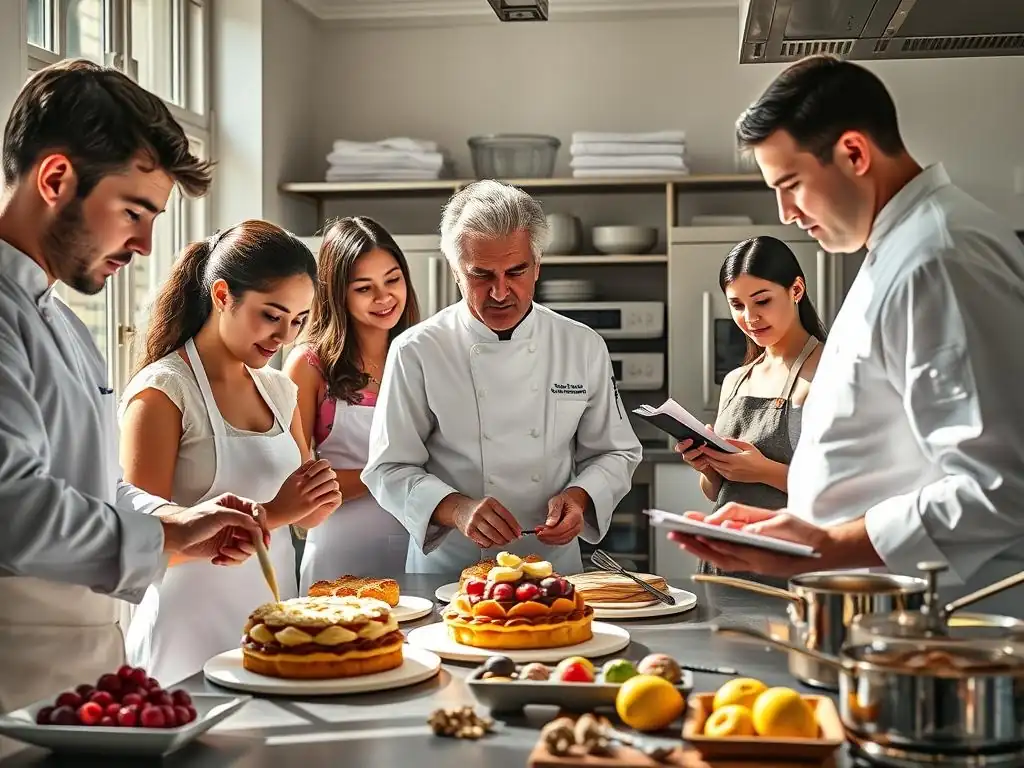
Graduating from an international baking school marks a significant milestone, transitioning from student to aspiring professional. The skills, knowledge, and network acquired provide a strong launchpad, but success in the competitive culinary world requires more than just technical ability. It involves developing a unique identity, finding your place in the industry, and staying adaptable to evolving trends.
This phase is about applying what you've learned, gaining practical experience, and continuously learning and refining your approach. Whether you aim to work in a bustling bakery, a fine-dining restaurant, start your own business, or explore other avenues, the foundation from school, combined with real-world application, is key to building a fulfilling career.
Developing a Unique Style: Finding Your Niche
While formal training teaches classic techniques and established recipes, finding your voice as a baker involves developing a unique style. This could manifest in signature flavor combinations, artistic presentation, a focus on specific ingredients (like ancient grains or regional produce), or a particular approach to a classic item. Developing your style involves experimenting, drawing inspiration from various sources, and understanding your personal aesthetic and culinary philosophy.
It might mean specializing in a niche area, such as vegan pastries, gluten-free bread, or highly artistic celebration cakes. Identifying and cultivating your niche helps you stand out in the market and connect with a specific audience. This process of self-discovery and creative refinement is ongoing throughout your career.
Career Opportunities: Bakeries, Restaurants, and Beyond
A professional baking education opens doors to a wide array of career opportunities. The most common paths include working as a baker or pastry chef in bakeries, patisseries, restaurants, hotels, or catering companies. In larger establishments, this might involve specializing in specific areas like bread, viennoiserie, or plated desserts.
Beyond traditional kitchens, graduates can pursue roles as recipe developers for food companies or publications, culinary instructors, food stylists, or consultants. Some choose to open their own bakeries or pastry shops, becoming entrepreneurs who manage all aspects of the business from production to sales. The average salary for a pastry chef in the US can range significantly, from around $40,000 annually for entry-level positions to $70,000+ for experienced executive pastry chefs, depending heavily on location, establishment type, and experience.
Trends in Baking: Innovation and Sustainability
The baking industry is constantly evolving, influenced by changing consumer preferences, health consciousness, and global concerns. Staying abreast of current trends is crucial for long-term success. This includes adapting to dietary requirements (like gluten-free, vegan, and sugar-free baking), incorporating healthier ingredients (such as alternative flours and natural sweeteners), and exploring new flavor profiles inspired by global cuisines.
Sustainability is another major trend, involving sourcing ingredients ethically, reducing food waste, using eco-friendly packaging, and minimizing energy consumption. Successful bakers are increasingly adopting sustainable practices and highlighting them to consumers. Innovation in techniques, equipment, and business models also shapes the future of the industry, requiring professionals to be adaptable and committed to lifelong learning.
Essential Baking Equipment for Culinary School
While baking schools provide the necessary tools and equipment during classes, understanding and becoming proficient with professional-grade machinery is a key part of the learning experience. These tools are designed for efficiency, precision, and handling larger volumes than typical home equipment. Familiarity with them is crucial for working in a commercial setting.
Students will encounter and learn to operate various specialized pieces of equipment throughout their training. While the specific brands and models might vary between schools, the fundamental types of equipment used in professional baking environments are consistent.
Professional Ovens: Rational Ovens
Professional ovens are the heart of any bakery or pastry kitchen. Schools often use high-quality convection ovens, deck ovens, or combi-ovens. Rational ovens, for instance, are a brand frequently found in professional kitchens, known for their advanced features, precise temperature and humidity control, and programming capabilities.
Learning to use a professional oven involves understanding heat distribution, managing multiple racks or decks, utilizing steam injection for bread crusts, and programming complex baking cycles. Unlike home ovens, these units are built for heavy use and consistent performance, requiring specific operating procedures and cleaning protocols that students must master.
Dough Sheeters: Rollmatic Dough Sheeters
Dough sheeters are indispensable tools for producing consistent, thin doughs for pastries like croissants, puff pastry, and tarts. They automate the laborious process of rolling dough, ensuring uniform thickness and preventing overworking the dough, which is critical for achieving the desired texture and layers in laminated products. Rollmatic is a well-known brand producing reliable dough sheeters.
Using a dough sheeter involves understanding how to feed the dough correctly, adjusting the roller gap precisely, and handling large sheets of dough. This equipment significantly increases production capacity and consistency compared to manual rolling, making it an essential skill for anyone working in a high-volume pastry environment.
Chocolate Tempering Machines: Selmi Chocolate Tempering Machines
Working with chocolate requires precise temperature control, a process known as tempering, to achieve a smooth, glossy finish and proper snap. While small batches can be tempered manually, professional settings rely on tempering machines for efficiency and consistency. Selmi chocolate tempering machines are a popular choice in culinary schools and professional kitchens, known for their reliability and ability to maintain chocolate at the perfect working temperature.
Learning to use a tempering machine involves understanding the different temperature curves for various types of chocolate (dark, milk, white), operating the machine's heating and cooling systems, and maintaining the chocolate throughout the working period. This skill is vital for any pastry chef or chocolatier who needs to produce tempered chocolate products like bonbons, bars, or decorations consistently.
Frequently Asked Questions
What are the typical prerequisites for applying to an international baking school?
Generally, applicants need a high school diploma or equivalent and may be required to submit a portfolio showcasing their baking skills. Some schools might also require an entrance exam or interview.
How can I best prepare my application for a competitive international baking school?
Focus on building a strong portfolio demonstrating your passion and skill. Gather letters of recommendation from chefs or baking professionals who know your work. Highlight any relevant work experience or courses you've taken.
What is the average cost of attending an international baking school and are scholarships available?
The cost varies greatly depending on the school and program, but expect a significant investment. Many schools offer scholarships and financial aid based on merit or need. Research external funding opportunities as well.
How does the curriculum of an international baking school differ from a domestic one?
International schools often emphasize global baking traditions and techniques. They may offer specialized courses on regional pastries, breads, and desserts. Plus, there's the added benefit of cultural immersion.
What career opportunities become available after graduating from an international baking school?
Graduates can pursue careers as pastry chefs, bakers, or food stylists. Opportunities exist in restaurants, hotels, bakeries, and catering companies. Some may even open their own baking businesses.
Final Reflection: The Sweet Taste of Global Skill
The pursuit of culinary excellence transcends borders, and the international baking school application process is a testament to this global passion. Securing a place at one of these prestigious institutions represents not just a career choice, but a commitment to mastering a craft, a dedication to pushing creative boundaries, and a desire to connect with a vibrant international community of bakers. The competitive nature of these programs underscores the high value placed on skilled pastry chefs worldwide.
The influence of these schools extends far beyond the classroom, shaping the culinary landscape with innovative techniques and globally-inspired creations. Their graduates become ambassadors for their craft, carrying the torch of excellence to bakeries and kitchens across the globe. Their impact is felt in every beautifully crafted croissant, every exquisitely decorated cake, and every perfectly risen loaf of bread. As Julia Child once said, Find something you're passionate about and keep tremendously interested in it.
This passion, nurtured within the walls of these international baking schools, is what truly elevates the art of baking.
Now, consider your own aspirations. What excites you about the world of baking? What unique skills and perspectives do you bring to the table? The journey to applying to an international baking school might seem daunting, but remember the passion that ignited your interest in the first place. Embrace the challenge, hone your skills, and let your dedication shine through in your application. The sweet taste of success awaits those who dare to dream big and work tirelessly to achieve their goals.
Unleash Your Inner Pastry Chef!
Thanks for exploring the world of renowned international baking schools with us! We hope you've found inspiration and a clearer path to perfecting your baking skills. Ready to take the next step?
- Enroll in a course: Dive deeper into the techniques and recipes that sparked your interest. Many schools offer online options, making it easier than ever to learn from the best.
- Share your baking journey: Connect with other passionate bakers on our BakeWithEase community forums—share your successes, ask questions, and inspire others.
- Explore further: Research different baking styles from around the globe and discover your next culinary adventure.
So, what delicious creation will you bake first after being inspired by these masterful schools?