
Accredited Baking Schools Abroad for Professional Development

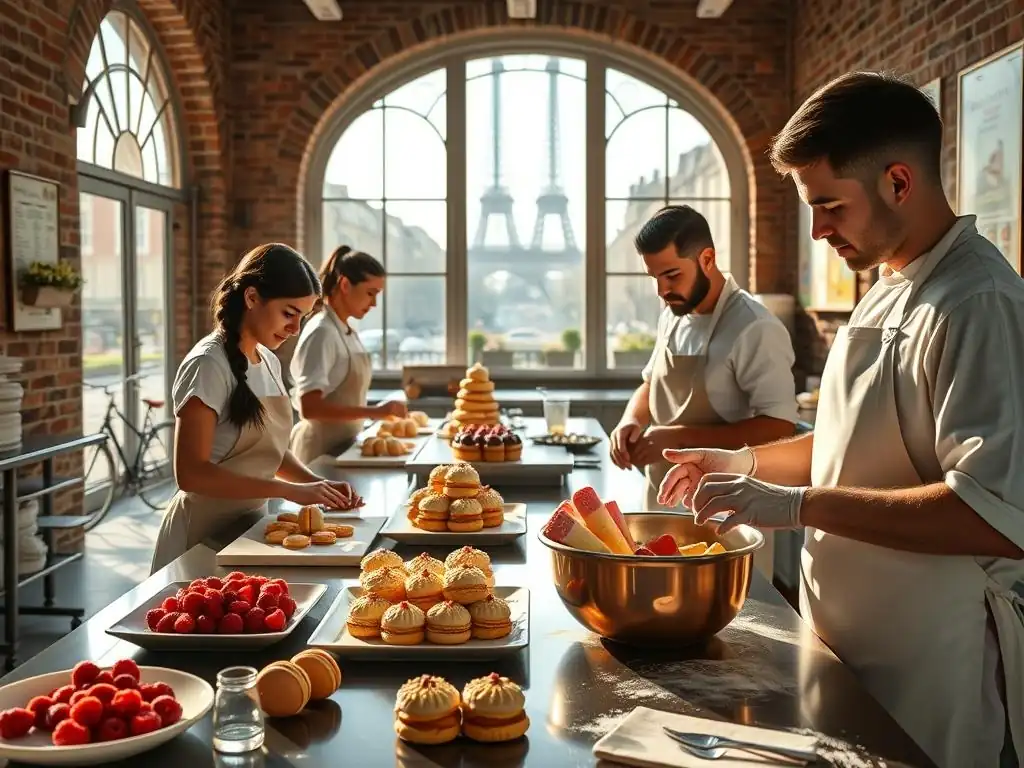
Welcome to BakeWithEase, your passport to the delicious world of baking!
Are you dreaming of taking your passion for pastry to the next level? This guide delves into the exciting realm of international baking school enrollment options, revealing how you can elevate your skills and experience the rich culinary traditions of other cultures. Prepare to discover accredited programs abroad that could transform your baking journey, one delectable lesson at a time. Curious about where your flour-dusted dreams could lead? Let's explore!
- Top Baking Academies: A Comparative Overview
- Factors to Consider When Choosing a Baking School
- Maximizing Your Investment: Career Paths After Baking School
- Essential Baking Tools and Equipment for Success
- Conclusion: Embarking on Your Baking Education
-
Frequently Asked Questions
- How can I find accredited international baking schools?
- What are the benefits of attending an international baking school compared to a local one?
- What types of programs are typically offered at international baking schools?
- What are the typical admission requirements for international baking schools?
- What are the potential career paths after graduating from an international baking school?
- Final Reflection: The Sweet Taste of Global Opportunity
- Unleash Your Inner Pastry Chef: Take the Next Step
Top Baking Academies: A Comparative Overview
Embarking on a professional baking journey often starts with formal education. Exploring accredited baking schools is a crucial step, and understanding the distinct offerings of top institutions can help clarify your path. These schools provide structured learning environments, expert instruction, and often valuable industry connections, making them key considerations when evaluating international baking school enrollment options.
From intensive pastry programs in bustling cities to specialized bread courses nestled in picturesque landscapes, the variety of top-tier baking academies is impressive. Each institution brings its own unique philosophy, curriculum focus, and learning environment, catering to different career aspirations and learning styles.
The French Pastry School (Chicago): Intensive Pastry Arts
Located in the heart of Chicago, The French Pastry School is renowned for its intensive, hands-on programs focused exclusively on pastry arts. Founded by Chefs Jacquy Pfeiffer and Sébastien Canonne, M.O.F., the school emphasizes classic French techniques while incorporating modern innovations. Their flagship program, L'Art de la Pâtisserie, is a comprehensive course typically lasting around 24 weeks, designed to immerse students in everything from foundational doughs and creams to intricate chocolate work and showpieces.
The school prides itself on small class sizes, ensuring personalized attention from world-class instructors, many of whom hold prestigious titles like Meilleur Ouvrier de France (M.O.F.). Students spend significant time in state-of-the-art kitchens, gaining practical experience that directly translates to the professional environment. The intensive nature of their programs makes them a popular choice for individuals seeking a rapid, in-depth immersion into the world of professional pastry, offering focused international baking school enrollment options for those prioritizing specialized skills.
King Arthur Baking School (Vermont): Bread Baking Expertise
Nestled in Norwich, Vermont, the King Arthur Baking School offers a different kind of immersive experience, primarily focused on the art and science of bread baking, alongside a variety of pastry and baking classes. While they offer shorter, recreational classes, their professional-level workshops and intensives provide deep dives into specific areas like sourdough, viennoiserie, or advanced bread techniques. These programs can range from a few days to several weeks, offering flexible international baking school enrollment options for specific skill acquisition.
The school benefits from its connection to the historic King Arthur Baking Company, drawing on centuries of baking knowledge and a deep commitment to quality ingredients and techniques. Classes are often taught by highly experienced bakers and educators, emphasizing hands-on practice and a thorough understanding of baking principles. The serene Vermont setting provides a unique, focused environment for mastering the nuances of fermentation, dough development, and achieving the perfect crust and crumb.
Culinary Arts Academy Switzerland: European Culinary Excellence
For those considering international baking school enrollment options with a distinctly European flair, the Culinary Arts Academy Switzerland (CAA) offers programs that blend Swiss precision with global culinary trends. Located across multiple campuses, including sites in Lucerne and Le Bouveret, CAA provides comprehensive culinary and pastry programs. Their degrees and diplomas, often in partnership with institutions like the University of Derby (UK), can range from short certificates (around 8-9 weeks) to bachelor's degrees (3 years).
CAA's curriculum often includes paid internships in renowned establishments within Switzerland or internationally, providing invaluable real-world experience. The focus is on developing not just technical skills but also management and business acumen, preparing graduates for leadership roles. Studying in Switzerland also offers exposure to European culinary traditions, ingredients, and a high standard of hospitality, making it an attractive destination for those seeking a robust international baking program.
Johnson & Wales University (USA): Comprehensive Culinary Education
Johnson & Wales University (JWU), with campuses in Providence, Rhode Island, and Charlotte, North Carolina, provides a broad spectrum of culinary education, including comprehensive baking and pastry arts programs. Unlike schools focused solely on baking, JWU offers degree programs (Associate and Bachelor's) that integrate baking with broader culinary and hospitality management principles. These programs typically span two to four years, offering extensive international baking school enrollment options within the United States.
JWU's approach combines rigorous hands-on training with academic coursework covering subjects like food safety, nutrition, business management, and menu development. Students gain experience in various kitchen environments, from basic production labs to fine-dining simulations. The university's strong industry connections facilitate extensive internship opportunities and robust career services, preparing graduates for diverse roles across the food industry, from bakeries and restaurants to corporate test kitchens and cruise lines.
Factors to Consider When Choosing a Baking School

Selecting the right baking school is a pivotal decision that can significantly shape your future career. Beyond just looking at names, prospective students must carefully evaluate several key factors to find the best fit for their goals, learning style, and resources. This critical assessment is essential when navigating the many international baking school enrollment options available worldwide.
Taking the time to research and compare institutions based on specific criteria ensures that your investment in education yields the maximum return, both in terms of skill development and career opportunities. Consider your personal aspirations – do you dream of opening your own bakery, working in a Michelin-starred restaurant, or developing recipes? Your answers will help guide your evaluation process.
Accreditation and Reputation
Accreditation is a formal recognition that an institution meets certain standards of educational quality. For culinary and baking schools in the U.S., this often involves accreditation by bodies recognized by the Council for Higher Education Accreditation (CHEA) or the U.S. Department of Education. While international accreditation varies, looking for recognized national or international bodies (like the American Culinary Federation - ACF, which certifies programs, or specific national education ministries) ensures the program adheres to established benchmarks and that credits or diplomas are widely recognized.
Beyond formal accreditation, a school's reputation within the industry is paramount. Talk to alumni, research the achievements of graduates, and look at the caliber of establishments where they find employment. A school with a strong reputation often has better industry connections, leading to superior internship and job placement opportunities. Choosing a reputable, accredited institution is a fundamental step when exploring international baking school enrollment options, as it validates the quality of your training to future employers globally.
Curriculum and Specialization
The curriculum is the backbone of any baking program. Examine the course list in detail: Does it cover the specific areas you're interested in (e.g., artisanal bread, classic French pastry, chocolate artistry, cake decorating)? Some schools offer broad culinary programs with a baking focus, while others specialize exclusively in pastry and baking arts. Consider the balance between theoretical knowledge (food science, nutrition, cost control) and practical, hands-on kitchen time. A strong program provides a solid foundation across various techniques while allowing for some level of specialization.
Program length and intensity also vary greatly, from short, intensive certificate programs (e.g., 8-12 weeks) to multi-year associate or bachelor's degrees (e.g., 2-4 years). Intensive programs are great for quick skill acquisition and career changes, while longer degrees often include broader business or management training. Carefully comparing the curriculum and available specializations is vital when assessing international baking school enrollment options to ensure the program aligns with your specific career goals.
Location and Cultural Immersion
The location of a baking school offers more than just a change of scenery; it can profoundly impact your learning experience. Studying in a region known for specific culinary traditions (like France for pastry or Italy for bread) provides unparalleled cultural immersion, exposing you to local ingredients, techniques, and food culture firsthand. This is particularly relevant when considering international baking school enrollment options.
Beyond culinary exposure, consider the practical aspects of the location: cost of living, access to housing, transportation, and the local job market for potential internships or post-graduation employment. Studying abroad also offers personal growth through navigating a new culture and potentially a new language. Weigh the educational benefits of a location's culinary heritage against the logistical and financial considerations.
Cost and Funding Options
The cost of a professional baking education can be substantial, encompassing tuition, fees, supplies (uniforms, knives, books), ingredients, and living expenses. Program costs vary widely depending on the institution, location, and program length. Intensive certificate programs might range from $10,000 to $30,000+, while multi-year degree programs at universities could cost $30,000 to $60,000+ per year, excluding living costs.
It's crucial to research the total estimated cost and explore available funding options. Many schools offer scholarships based on merit or financial need. Other options include federal or private student loans, grants, and payment plans. Some international baking school enrollment options might also have specific funding opportunities or partnerships available to international students. Don't let the sticker price deter you; a thorough investigation into financial aid can make seemingly expensive programs accessible.
Faculty Expertise
The quality of instruction is paramount to a successful baking education. Research the faculty members at prospective schools. Do they have significant industry experience? Have they worked in notable establishments, won awards, or published books? Learning from chefs with real-world experience provides invaluable insights into the demands and realities of the professional kitchen.
Look for schools where instructors are not just skilled practitioners but also effective educators, capable of clearly explaining techniques and providing constructive feedback. Some schools also feature guest lecturers or workshops by renowned chefs, offering exposure to diverse perspectives and advanced skills. The expertise and passion of the faculty are key indicators of the quality of education you will receive when exploring international baking school enrollment options.
Maximizing Your Investment: Career Paths After Baking School
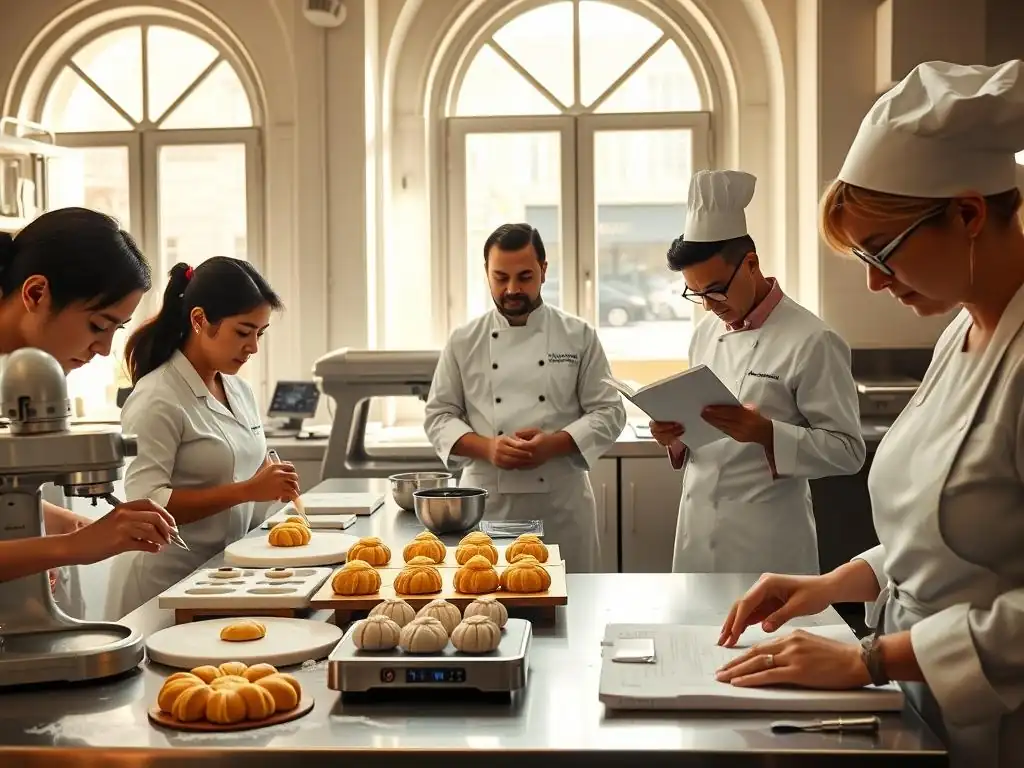
Completing a professional baking program opens doors to a wide array of exciting career opportunities beyond just working in a traditional bakery. The skills learned in an accredited institution are highly transferable and valued across the vast landscape of the food industry. Understanding these potential paths helps illuminate the return on investment from your international baking school enrollment options.
Graduates can leverage their technical skills, creativity, and understanding of ingredients and processes in diverse roles, from hands-on production to management, education, and media. The specific path often depends on the program's focus, the individual's passion, and networking built during and after school.
Executive Pastry Chef
An Executive Pastry Chef typically oversees the pastry and baking operations in large establishments like hotels, resorts, high-end restaurants, or cruise ships. This role requires not only exceptional technical baking and pastry skills but also strong leadership, management, and organizational abilities. Responsibilities include developing menus, costing, ordering supplies, managing staff, ensuring quality control, and maintaining hygiene standards.
This is a high-level position demanding significant experience and a broad skill set. Executive Pastry Chefs are often innovators, creating signature desserts and baked goods that reflect the establishment's brand. Salaries vary greatly based on the location and size of the operation, but experienced Executive Pastry Chefs in top venues can command six-figure incomes. Pursuing advanced international baking school enrollment options focusing on management or complex techniques can be a stepping stone to this role.
Head Baker
The Head Baker is responsible for all bread production in a bakery, restaurant, or large-scale food production facility. This role requires deep expertise in various bread-making techniques, including sourdough, yeasted breads, and enriched doughs. Responsibilities include developing and managing production schedules, ordering ingredients, overseeing staff, ensuring consistency and quality of products, and maintaining equipment.
Head Bakers must understand the science of baking, including fermentation, dough hydration, and oven temperatures, often working demanding early morning or overnight shifts. This role is crucial to the success of any bread-focused business. Average salaries can range from $50,000 to $70,000 per year, depending on experience and location, with potential for higher earnings in larger operations or ownership roles. Specialized international baking school enrollment options in bread are highly beneficial for this career path.
Food Stylist
A Food Stylist works to make food visually appealing for photography, film, television, and print media (cookbooks, magazines, advertisements). While not solely a baking role, a strong foundation in baking and pastry arts is incredibly valuable for stylists specializing in baked goods, cakes, and desserts. They understand how different ingredients behave under lights, how to make glazes shine, and how to perfectly arrange pastries.
This career requires a keen eye for detail, creativity, and patience. Food stylists often work freelance or are employed by advertising agencies, production companies, or publishers. It's a less traditional path but one where a baking school education provides the technical knowledge needed to manipulate and present baked goods effectively. Income varies widely based on experience, clientele, and project scope.
Recipe Developer
Recipe Developers create, test, and refine recipes for various purposes, including cookbooks, food websites, magazines, food manufacturers, and restaurants. This role requires a thorough understanding of baking principles, ingredient functionality, and the ability to write clear, concise instructions. Creativity, precision, and an analytical approach to problem-solving are essential.
Recipe Developers often work in test kitchens or as freelancers. They must be able to adapt recipes for different skill levels or dietary requirements and ensure consistent results. A baking education provides the foundational knowledge of techniques and ingredients necessary for successful recipe creation and troubleshooting. Salaries can range depending on experience and whether working for a company or freelance, but it's a rewarding path for those who love experimenting and teaching through food.
Culinary Educator
For those passionate about sharing their knowledge and skills, becoming a Culinary Educator is a fulfilling career path. This involves teaching baking and pastry arts at culinary schools, technical colleges, community centers, or offering private workshops. Educators need strong technical skills, excellent communication abilities, patience, and a desire to mentor aspiring bakers.
Teaching roles often require significant industry experience in addition to formal education. Some positions might require teaching certifications or advanced degrees. Culinary educators play a vital role in shaping the next generation of bakers and pastry chefs. Salaries vary based on the institution and level of teaching, but it's a stable career option for those who enjoy the academic side of baking and guiding others.
Essential Baking Tools and Equipment for Success
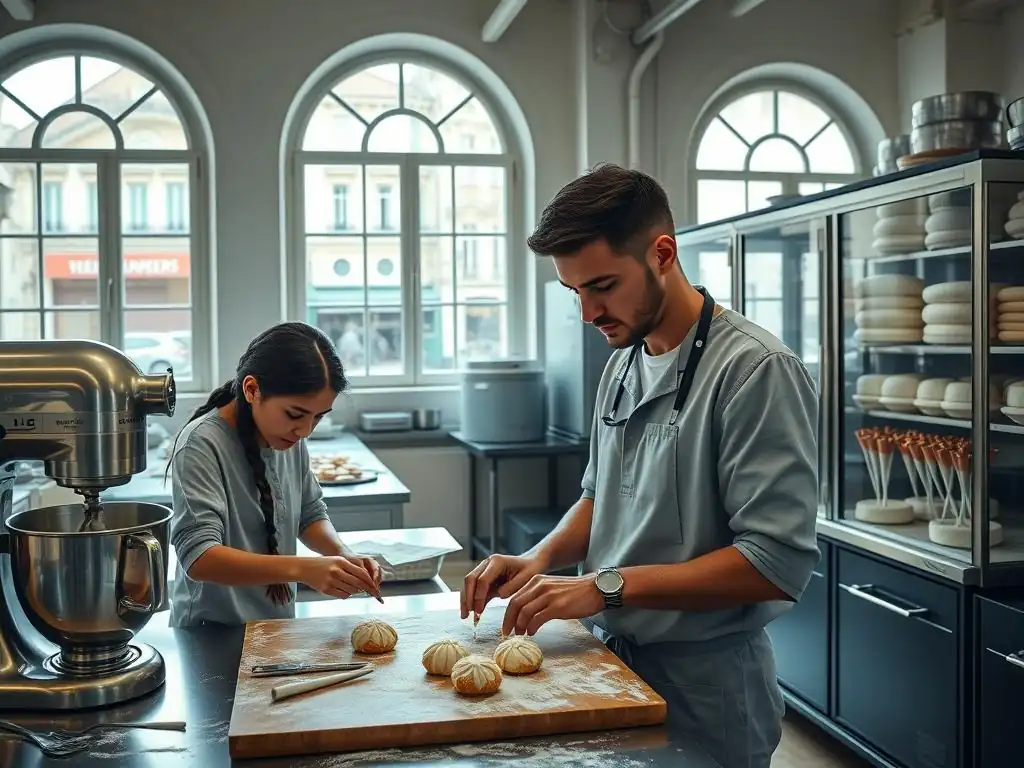
Success in professional baking relies not only on skill and knowledge but also on having the right tools and equipment. While a baking school will introduce you to professional-grade machinery, understanding the fundamental tools and their variations is key, whether you're equipping a home kitchen for practice or planning for a future professional setting. Familiarity with common equipment is part of the comprehensive knowledge gained from international baking school enrollment options.
From mixing dough to baking loaves and decorating cakes, specific tools are designed to make tasks more efficient and results more consistent. Investing in quality equipment, where possible, can make a significant difference in your baking journey, allowing you to execute techniques learned in school more effectively.
Stand Mixers: KitchenAid vs. Ankarsrum
Stand mixers are workhorse appliances in any baking environment. The KitchenAid stand mixer is ubiquitous in home kitchens and often used in educational settings for smaller batches. Known for its planetary mixing action (the beater moves around the bowl while spinning), it's versatile for whipping, mixing batters, and kneading dough with the appropriate hook. Models like the Professional 600 series offer robust power for home use.
The Ankarsrum Original mixer, while less common in standard home kitchens in some regions, is highly regarded, particularly for bread dough. It uses a unique design where the bowl rotates while the dough hook or roller remains relatively stationary, mimicking hand kneading. This action is often gentler on dough and can handle very large batches. Professional kitchens might use heavy-duty commercial mixers (like Hobart), but understanding the principles demonstrated by these popular home/prosumer models is fundamental after exploring international baking school enrollment options.
Ovens: Rational Combi Ovens vs. Bakers Pride Deck Ovens
Professional ovens are a major investment and come in various types suited for different baking needs. Rational Combi Ovens are highly versatile, combining convection heat with steam and dry heat options. They are excellent for baking items that benefit from controlled humidity, like lean bread (for crust development) or delicate pastries, and can also be used for cooking other foods. They offer precise temperature and humidity control, often with programmable settings.
Bakers Pride Deck Ovens are classic ovens, particularly favored for baking bread and pizza directly on a stone or steel deck. They provide consistent, radiant heat from the top and bottom, creating excellent crust development. Deck ovens are often stacked and are known for their durability and ability to maintain stable temperatures even when loading/unloading. Understanding the different heat sources and capabilities of commercial ovens is crucial knowledge gained from international baking school enrollment options focused on production.
Baking Pans and Molds: Silpat vs. Nordic Ware
The right baking surfaces and molds are essential for achieving desired shapes and textures. Silpat is a brand name for non-stick silicone baking mats, used on baking sheets. They provide an excellent non-stick surface for cookies, pastries, meringues, and more, eliminating the need for parchment paper or greasing in many cases. They promote even browning on the bottom and are durable and reusable.
Nordic Ware is well-known for its cast aluminum bundt pans and other decorative cake and pastry molds. These pans are prized for their intricate designs, even heat distribution, and durability. They are commonly used for cakes, but their various shapes can also be used for molded breads or frozen desserts. Both Silpat and Nordic Ware represent quality options within their categories, fundamental tools encountered after international baking school enrollment options.
Measuring Tools: OXO Digital Scales vs. Pyrex Measuring Cups
Accurate measurement is non-negotiable in baking. While Pyrex Measuring Cups (liquid and dry) are standard in many kitchens for volume measurements, professional baking increasingly relies on weight for precision. OXO Digital Scales are popular examples of reliable kitchen scales that measure ingredients by weight (grams, ounces, pounds).
Measuring by weight is more accurate because it's not affected by how ingredients are packed (like flour) or variations in volume due to particle size. A recipe calling for 100 grams of flour will always be 100 grams, whereas a cup of flour can vary significantly. Learning to use a digital scale accurately is a fundamental skill emphasized in professional programs and is key to consistently reproducing recipes learned during international baking school enrollment options.
Conclusion: Embarking on Your Baking Education
Choosing to pursue a professional baking education is a significant step towards transforming a passion into a career. As you've explored, there are numerous accredited baking schools offering diverse programs, from intensive specialized courses to comprehensive degree pathways. Each institution provides unique international baking school enrollment options, allowing you to tailor your education to your specific interests and career goals.
Carefully considering factors like accreditation, curriculum, location, cost, and faculty expertise will help you identify the best fit among the many excellent programs available. Whether you aspire to be an Executive Pastry Chef, a Head Baker, a Food Stylist, or a Culinary Educator, the foundational knowledge and practical skills gained from a reputable baking school are invaluable. Equipped with the right education and essential tools, you'll be well-prepared to embark on a rewarding and delicious career in the world of baking.
Frequently Asked Questions
How can I find accredited international baking schools?
Look for schools that offer recognized culinary certifications and have positive reviews from former students. Check for accreditation by reputable culinary organizations.
What are the benefits of attending an international baking school compared to a local one?
International schools often offer exposure to diverse baking techniques and global culinary traditions. This can lead to unique career opportunities and a broader skillset.
What types of programs are typically offered at international baking schools?
Programs range from short courses focused on specific baking skills, like pastry or bread making, to longer diploma or degree programs in culinary arts with a baking specialization.
What are the typical admission requirements for international baking schools?
Requirements vary, but often include a high school diploma, a personal essay or statement of intent, and sometimes a practical baking assessment or interview.
What are the potential career paths after graduating from an international baking school?
Graduates can pursue careers as pastry chefs, bakers, bakery owners, or food stylists. Others may find opportunities in culinary research and development or teaching.
Final Reflection: The Sweet Taste of Global Opportunity
The pursuit of culinary excellence knows no borders, and the demand for skilled, internationally-trained bakers continues to rise. This burgeoning field offers not just a career, but a chance to explore diverse culinary traditions and contribute to a global community of passionate artisans. The options presented in this article highlight the exciting possibilities available to aspiring bakers seeking international accreditation and professional development.
The journey of a baker, whether it's mastering the delicate art of French macarons or the robust techniques of Italian bread making, is a testament to dedication and a love for the craft. It's a journey that transcends geographical boundaries, fostering creativity and collaboration across cultures. The best bakers are those who are constantly learning and evolving, embracing new techniques and flavors from around the world.
This sentiment underscores the importance of seeking out international training opportunities to broaden one's skillset and perspective. The impact of these schools extends beyond individual careers; they shape the global culinary landscape, enriching our collective experience with diverse and innovative baked goods.
Now, consider your own aspirations. What flavors ignite your passion? What techniques beckon you to explore? This article has presented a range of options, but the ultimate choice rests with you. Embrace the opportunity to invest in your future, to refine your skills, and to embark on a journey that will not only enhance your career but also enrich your life. The world of international baking awaits – are you ready to rise to the occasion?
Unleash Your Inner Pastry Chef: Take the Next Step
Thanks for taking the time to explore the world of accredited baking schools abroad! We hope you found the insights on programs and locations invaluable. Ready to turn your passion into a career?
- Enroll in a program: Research the schools highlighted in the article and take the leap towards your culinary dreams. Explore their curriculums and application processes – you’re closer than you think!
- Share your baking journey: Tell us about your favorite baking school or dream destination! Let's inspire others to pursue their passions in the comments below.
- Find your baking niche: What specific area of baking excites you most? Consider specializing in pastries, bread making, or even chocolate artistry – the possibilities are endless!
Ready to start your delicious adventure? What's the first step you'll take to make your baking dreams a reality?