
Taste Like a Pro: Mastering the Art of Chocolate Tasting on Tour

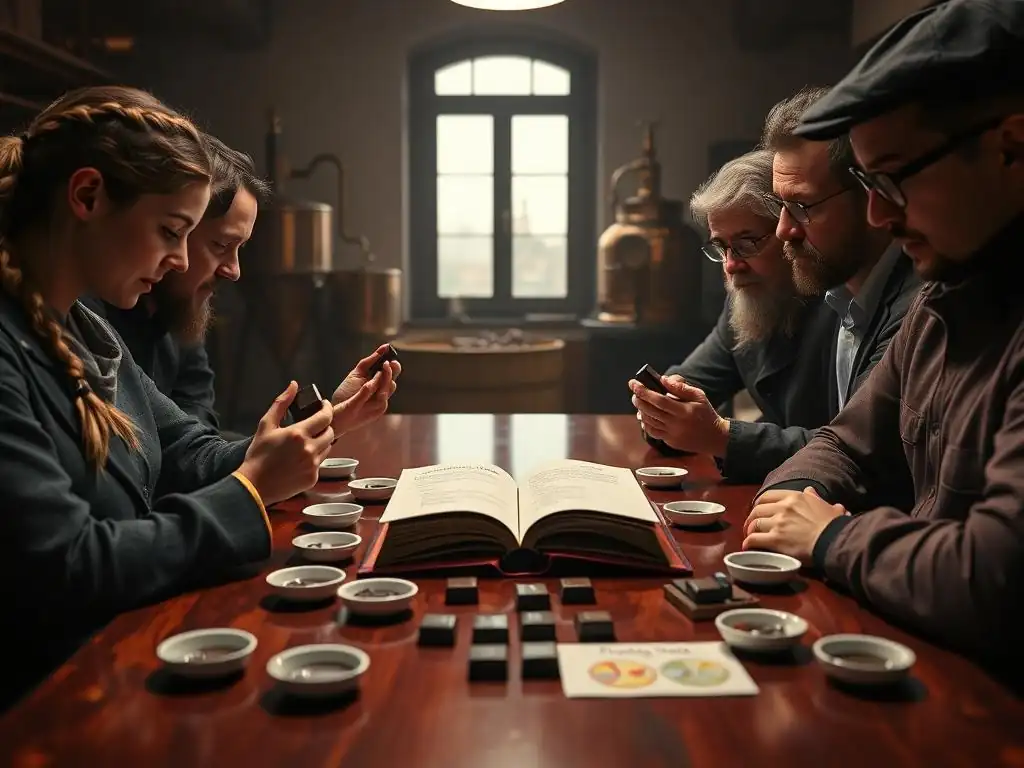
Welcome to BakeWithEase, your passport to a sweeter world! Ever wondered what separates a good chocolate from an amazing one? This week, we're taking your palate on a journey. Dive into our Chocolate Tasting Notes Guide and unlock the secrets to truly understanding the complexities of this beloved ingredient. Are you ready to elevate your baking (and tasting!) skills? Let's explore the delicious world of chocolate together...
- Unlocking the Secrets of Chocolate: Your Chocolate Tasting Notes Guide
- Preparing for Your Chocolate Tasting Tour: The Essential Toolkit
-
Frequently Asked Questions
- What are the key elements to consider when tasting chocolate, according to BakeWithEase?
- Does BakeWithEase offer resources for beginners to learn about chocolate tasting?
- What types of chocolate does BakeWithEase recommend for practicing tasting notes?
- Can I find information on BakeWithEase about identifying the origin of chocolate beans through tasting?
- How does BakeWithEase's approach to baking support learning about chocolate tasting?
- Final Reflection: The Enduring Allure of Chocolate, One Taste at a Time
- Unleash Your Inner Chocolate Connoisseur!
Unlocking the Secrets of Chocolate: Your Chocolate Tasting Notes Guide
What is Chocolate Tasting and Why Should You Care?
Chocolate tasting is a deliberate, sensory exploration of chocolate that goes far beyond simply eating a piece. It's an art form focused on identifying and appreciating the complex layers of flavor, aroma, texture, and appearance present in a chocolate sample. Think of it like wine or coffee tasting, but with a delightful cocoa twist.
It involves engaging all your senses to understand the nuances that distinguish one chocolate from another, influenced by factors like cocoa origin, fermentation, roasting, and conching processes. Developing your ability to discern these characteristics allows you to move from passive consumption to active appreciation, unlocking a deeper understanding of this beloved confection. A comprehensive Chocolate tasting notes guide is your roadmap for this journey, helping you articulate what your senses perceive.
Caring about chocolate tasting elevates your entire chocolate experience. It enables you to appreciate the craftsmanship behind fine chocolate, much like a baker understands the science and art of sourdough. By learning to identify specific notes – perhaps hints of red fruit, nutty undertones, or floral aromas – you can better choose chocolates that align with your preferences and truly savor each bite. Furthermore, understanding tasting notes connects you to the origins and makers of the chocolate. For instance, a chocolate from Madagascar might consistently exhibit bright, fruity notes due to its unique terroir and fermentation methods, while a bar from Ecuador might present more floral or earthy tones. This deeper appreciation transforms chocolate from a simple treat into a complex culinary subject, making your baking and pairing decisions more informed and exciting. Mastering your Chocolate tasting notes guide skills is the first step towards becoming a true chocolate connoisseur.
Preparing for Your Chocolate Tasting Tour: The Essential Toolkit
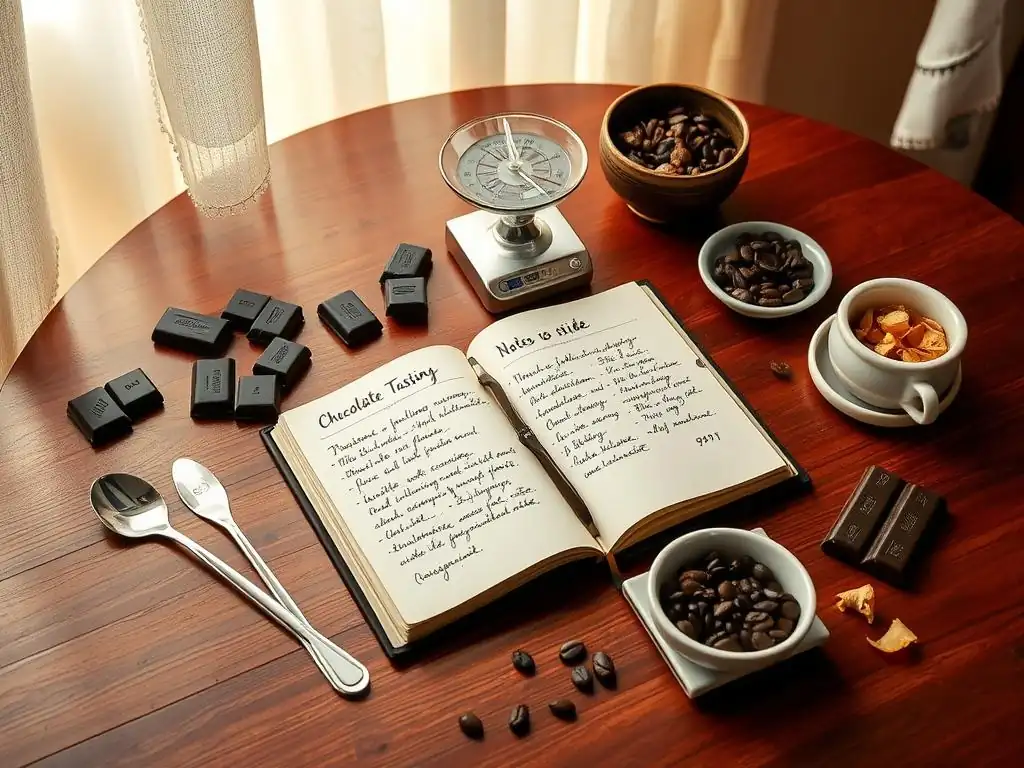
Assembling Your Sensory Kit: Tools for the Discerning Chocolate Taster
Embarking on a chocolate tasting tour is an exciting adventure for your palate, and having a few simple tools can significantly enhance your experience. While the tour organizers will provide the chocolate, bringing your own small kit ensures you're fully prepared to engage your senses and capture your impressions effectively. The most basic yet crucial element is something to cleanse your palate between samples; plain water or neutral crackers are essential.
Avoid flavored water or heavily salted crackers, as these can interfere with your ability to taste the pure notes of the chocolate. A sip of water or a small bite of a cracker helps reset your taste buds, making sure you can fully appreciate the next sample without lingering flavors from the previous one. Many professional tasters swear by distilled water for its neutrality.
Beyond palate cleansers, documenting your experience is key to building your Chocolate tasting notes guide. A small notebook and pen are indispensable for jotting down your observations on appearance, aroma, snap, texture, and flavor as you taste each chocolate. This allows you to compare notes later, track your preferences, and remember specific details about different chocolates you encounter.
For those looking to delve deeper into aroma identification, an optional tool is an aroma wheel designed specifically for chocolate. These wheels categorize common chocolate aromas, from fruity and floral to nutty, spicy, and roasted, helping you put words to the complex scents you detect. While not strictly necessary for a beginner, it can be a fascinating aid in expanding your vocabulary and understanding the aromatic profile of chocolate.
Understanding Chocolate Tasting Terminology: A Glossary of Flavors
To effectively use a Chocolate tasting notes guide and communicate your perceptions, it's incredibly helpful to familiarize yourself with common chocolate tasting terminology. Just as bakers use terms like "crumb," "proofing," or "gluten development," chocolate tasters have a specific vocabulary to describe the sensory journey. Understanding terms like "snap" (the sound a chocolate makes when broken), "mouthfeel" (how it feels in your mouth – smooth, gritty, creamy?
), and "finish" (the lingering taste after you swallow) provides a framework for your observations. Flavor descriptors are perhaps the most extensive part of this lexicon, covering everything from fruity notes (cherry, raisin, citrus), floral notes (jasmine, rose), nutty notes (almond, walnut), to more complex notes like earthy, woody, spicy (cinnamon, clove), or even savory.
Learning these terms isn't about sounding like an expert; it's about giving you the language to articulate your personal experience. When you taste a chocolate and perceive a hint of coffee, knowing the term "roasted" or "coffee" helps you describe it accurately in your notes. If a chocolate melts particularly smoothly on your tongue, using the word "velvety" captures that sensation more precisely than just saying "smooth."
Many Chocolate tasting notes guide resources include glossaries specifically for this purpose. Spending a little time reviewing common terms before your tour can significantly enhance your ability to identify and record the diverse characteristics you encounter, making the entire experience more enriching and memorable.
Frequently Asked Questions
What are the key elements to consider when tasting chocolate, according to BakeWithEase?
When tasting chocolate, focus on the appearance, aroma, texture, and flavor to gain a complete sensory experience. These elements are crucial to discern the quality and origin of the chocolate.
Does BakeWithEase offer resources for beginners to learn about chocolate tasting?
Yes, BakeWithEase provides simple recipes, step-by-step guides, and easy-to-find ingredient lists specifically designed for bakers of all levels, including beginners exploring chocolate tasting.
What types of chocolate does BakeWithEase recommend for practicing tasting notes?
BakeWithEase suggests starting with a variety of chocolates, like milk chocolate, dark chocolate, and white chocolate, to understand the differences in flavor profiles and cocoa percentages.
Can I find information on BakeWithEase about identifying the origin of chocolate beans through tasting?
While not directly stated in the provided context, BakeWithEase focuses on mastering the art of baking and likely provides resources on understanding how different origins impact flavor profiles of chocolate used in baking.
How does BakeWithEase's approach to baking support learning about chocolate tasting?
BakeWithEase encourages experimentation with chocolate in various recipes, allowing bakers to understand flavor interactions and develop a palate for identifying subtle nuances in different chocolates.
Final Reflection: The Enduring Allure of Chocolate, One Taste at a Time
The art of chocolate tasting transcends mere indulgence; it's a journey of sensory exploration that connects us to history, culture, and the very essence of flavor. From bean to bar, understanding the nuances of chocolate unlocks a world of appreciation far beyond simple sweetness. This journey, as detailed in this guide, empowers you to become a discerning taster, capable of identifying subtle notes and appreciating the craftsmanship behind each piece.
The impact of chocolate on our cultural landscape is undeniable, woven into celebrations, traditions, and everyday moments. It's a comfort, a luxury, and a symbol of shared experience. As we've explored the diverse profiles of chocolate, from the bright acidity of a fine single-origin to the rich complexity of a blended bar, we've touched upon the dedication and artistry of those who cultivate the cacao bean and craft the final product. Chocolate is a gift from the gods,
a sentiment echoed throughout history, speaks to its enduring power to delight and inspire. This journey of discovery, both personal and collective, highlights the importance of mindful consumption and appreciation for the intricate process behind each delectable bite.
Now, armed with a deeper understanding of chocolate tasting techniques and the factors that influence flavor, I invite you to embark on your own tasting adventures. Seek out new experiences, explore different origins, and allow yourself to be captivated by the multifaceted world of chocolate. Don't just eat it; experience it. Let the notes dance on your palate, and share your discoveries with others. The world of chocolate awaits – savor every moment.
Unleash Your Inner Chocolate Connoisseur!
Thanks for joining us on this delicious journey into the world of chocolate tasting! We hope you've gained a newfound appreciation for the nuances and complexities of this beloved treat. Now it's time to put your newfound knowledge into practice.
- Plan your next chocolate adventure: Identify a local chocolatier or artisan shop and schedule a tasting experience. This is the perfect opportunity to apply what you’ve learned and discover new favorites.
- Share your chocolate discoveries: Tell your friends about your new-found passion for chocolate tasting! Share this article with them and inspire them to embark on their own tasting journeys.
- Experiment with flavor pairings: Challenge yourself to create your own unique chocolate pairings at home, using the insights you gained today. What unexpected combinations will you discover?
Ready to elevate your chocolate experience? What unique flavor pairing are you most excited to try?