
Your Guide to Perfect Christmas Pudding (Simplified)

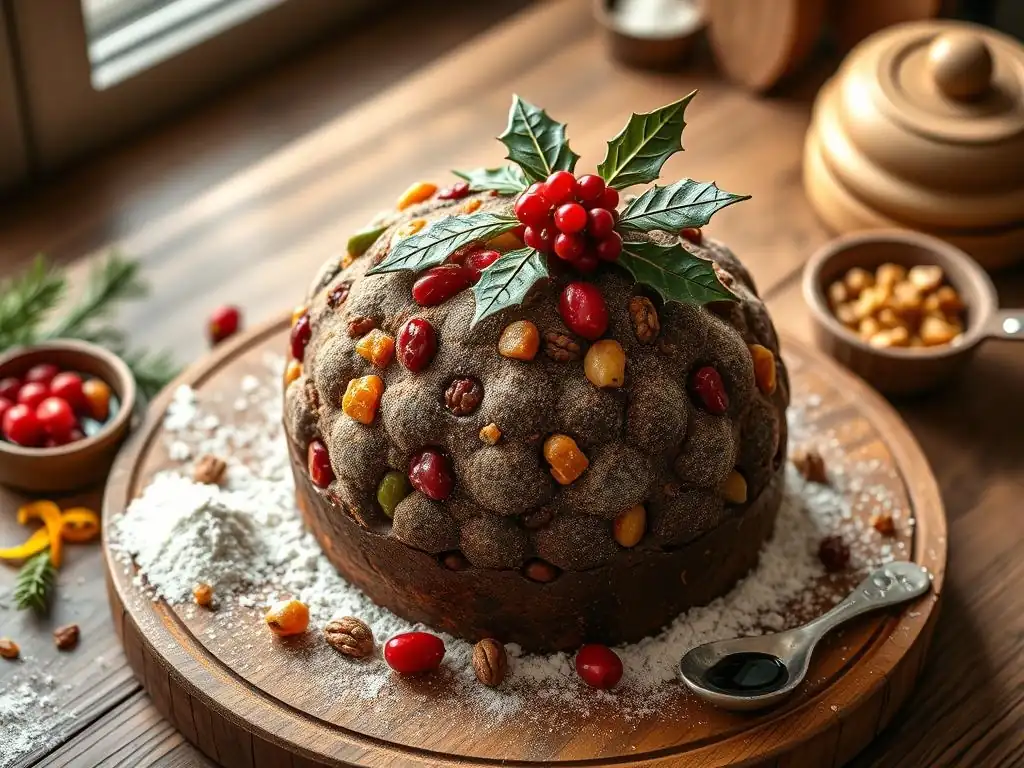
Welcome to BakeWithEase, where the magic of baking comes to life! Ever dreamed of a show-stopping Christmas dessert without the holiday stress? You're in the right place. Dive into our guide and discover an easy Christmas pudding recipe that simplifies the process without sacrificing flavor. Get ready to impress your loved ones with a festive treat that's surprisingly simple to make. Intrigued? Let's get baking!
- Your Guide to Perfect Christmas Pudding - BakeWithEase.com
- Introduction to Easy Christmas Pudding Baking
- Key Ingredients for a Delicious & Easy Christmas Pudding
- Step-by-Step Guide to Making Your Christmas Pudding
- Tips & Tricks for a Foolproof Christmas Pudding
- Serving and Enjoying Your Homemade Christmas Pudding
- Frequently Asked Questions
- Conclusion: Enjoy Your Effortlessly Baked Christmas Pudding
- Frequently Asked Questions
- Final Reflection: The Enduring Magic of a Simple Christmas Pudding
- Unlock the Secrets to Christmas Pudding Perfection!
Your Guide to Perfect Christmas Pudding - BakeWithEase.com
Introduction to Easy Christmas Pudding Baking
Why This Recipe is Perfect for Beginners
Making a traditional Christmas pudding can seem daunting, often shrouded in tales of complex steps and hours of steaming. However, this easy Christmas pudding recipe is specifically designed to demystify the process, breaking it down into simple, manageable steps. We focus on clear instructions, readily available ingredients, and techniques that even a novice baker can master.
Forget the stress often associated with holiday baking; our aim is to equip you with the confidence and knowledge to create a delicious, festive pudding without the fuss. This recipe prioritizes simplicity without compromising on the rich, deep flavors that make Christmas pudding a cherished holiday classic.
Our approach removes common hurdles, such as overly complicated ingredient lists or obscure methods. We use standard kitchen equipment and provide timings that are realistic for a home kitchen. For instance, while traditional recipes might call for specific, hard-to-find fats, we offer accessible alternatives.
The instructions for this easy Christmas pudding recipe are written in plain language, ensuring that each stage is easy to follow, from preparing the fruit mix to the final steaming. By simplifying the process, we make achieving that perfect, moist, and flavorful pudding an enjoyable part of your Christmas preparations, rather than a source of anxiety.
BakeWithEase's Approach to Stress-Free Holiday Baking
At BakeWithEase.com, our philosophy centers on empowering home bakers to create delightful treats with confidence and minimal stress, especially during busy holiday seasons. Our easy Christmas pudding recipe embodies this principle by focusing on reliability and ease of execution. We test our recipes thoroughly to ensure they work consistently, providing helpful tips and potential troubleshooting advice upfront. We understand that holiday baking should be a joyful activity, not a source of frustration.
This dedication to stress-free baking extends beyond just the recipe itself. We provide context on why certain steps are important (like why soaking the fruit matters) and offer flexibility where possible (suggesting different steaming methods). Our goal is to build your baking intuition alongside teaching you how to make a specific dish. By understanding the 'why' behind the steps in this easy Christmas pudding recipe, you'll feel more in control and less likely to panic if something doesn't look exactly as expected. This educational yet friendly approach is what makes baking with BakeWithEase a truly enjoyable experience.
Key Ingredients for a Delicious & Easy Christmas Pudding
Understanding the Role of Dried Fruits
Dried fruits are the heart and soul of a Christmas pudding, providing sweetness, moisture, and complex flavor. A typical mix includes raisins, currants, and sultanas, often in roughly equal proportions, totaling around 400-500 grams for a standard pudding. These fruits plump up when soaked, contributing significantly to the pudding's moist texture. The natural sugars in the fruits also caramelize during the long cooking process, deepening the color and flavor of your easy Christmas pudding.
Beyond the core trio, you can add other dried fruits like chopped apricots, figs, or even dried cranberries for variation. Candied peel is also a traditional addition, offering a slightly bitter, aromatic counterpoint to the sweetness. The key is to use a generous amount and ensure they are well-distributed throughout the batter.
Soaking the fruits overnight, often in alcohol or juice, is a crucial first step as it rehydrates them, preventing them from absorbing moisture from the batter during cooking and resulting in a dry pudding. This simple preparation step is vital for a moist and delicious easy Christmas pudding.
Choosing the Right Suet
Suet, traditionally beef suet, is a key fat source in Christmas pudding, contributing to its unique texture and richness. It's essentially the fat from around the kidneys of beef. When cooked slowly, suet melts and coats the flour and fruit particles, preventing them from sticking together and creating a light, crumbly texture rather than a dense, cake-like one. For this easy Christmas pudding recipe, we recommend using pre-shredded or vegetarian suet, which is widely available and easier to work with than fresh suet.
Vegetarian suet is a popular alternative made from vegetable oils, often blended with rice flour. It performs very similarly to beef suet in puddings and is an excellent choice for those avoiding animal products. A standard recipe might call for around 100-150 grams of shredded suet. The suet is typically mixed with the dry ingredients before the wet ingredients are added. Its fine shredding helps it distribute evenly throughout the batter, ensuring that characteristic texture is achieved throughout your easy Christmas pudding.
The Importance of Spices
Spices are indispensable for giving Christmas pudding its signature warm, aromatic, and festive flavor profile. A classic blend typically includes ground cinnamon, nutmeg, cloves, and ginger. These spices work together to complement the rich dried fruits and dark sugars used in the recipe. The exact quantities can vary, but a common starting point might be 1-2 teaspoons of cinnamon, 1/2 teaspoon of nutmeg, 1/4 teaspoon of cloves, and 1/2 teaspoon of ginger for a pudding serving 6-8 people.
These spices do more than just add flavor; they also contribute to the overall aroma of the pudding as it steams, filling your home with festive scents. Using freshly ground spices whenever possible will yield a more vibrant flavor compared to pre-ground spices that have been sitting on the shelf for a long time. Feel free to adjust the spice levels to your preference; some people enjoy a more intensely spiced pudding, while others prefer a milder note. Getting the spice balance right is crucial for a truly delicious easy Christmas pudding.
Step-by-Step Guide to Making Your Christmas Pudding
Step 1: Preparing the Fruit Maceration
The first and arguably most crucial step for a moist easy Christmas pudding is to prepare the dried fruits. Begin by gathering your chosen mix of dried fruits, such as 150g raisins, 150g sultanas, and 100g currants. Place these in a large mixing bowl. Now, add your liquid for soaking. Traditionally, this is brandy or rum, about 100-150ml, which infuses the fruit with deep flavor and helps with preservation. If you prefer a non-alcoholic version, use orange juice, apple juice, or strong cold tea. Add any candied peel you're using at this stage as well.
Stir the fruits and liquid together thoroughly, ensuring all the fruit is coated. Cover the bowl and leave the mixture to macerate. For the best results, leave it overnight, or even for 24-48 hours, stirring occasionally. This allows the fruit to absorb the liquid and become plump and juicy. This simple preparation step is key to preventing a dry easy Christmas pudding and developing those wonderful complex flavors.
Step 2: Combining the Dry Ingredients
While your fruit is soaking, or just before you plan to mix everything, prepare your dry ingredients. In a separate large mixing bowl, whisk together the flour, breadcrumbs, suet, sugar, and spices. For a standard pudding, you might use around 100g plain flour, 100g fresh breadcrumbs (made from stale bread), 100g shredded suet (beef or vegetarian), 100g dark brown sugar (like muscovado for richness), and your chosen spice blend (e.g., 1 tsp cinnamon, 0.5 tsp nutmeg, 0.25 tsp cloves, 0.5 tsp ginger).
Ensure all the dry ingredients are well combined. The breadcrumbs add lightness and help absorb moisture, while the suet provides richness and the characteristic texture. The dark brown sugar contributes to the deep color and molasses-like flavor of the finished easy Christmas pudding. Using a whisk helps to aerate the flour and evenly distribute the suet and spices, preventing clumps.
Step 3: Mixing Wet and Dry Ingredients
Now it's time to bring everything together. Add the soaked fruit mixture (including any unabsorbed liquid) to the bowl of dry ingredients. In a separate small bowl, whisk together the wet ingredients: typically 2-3 large eggs and a tablespoon of treacle or molasses (for color and depth of flavor). Some recipes also add a splash of milk or more alcohol here if the mixture seems too dry.
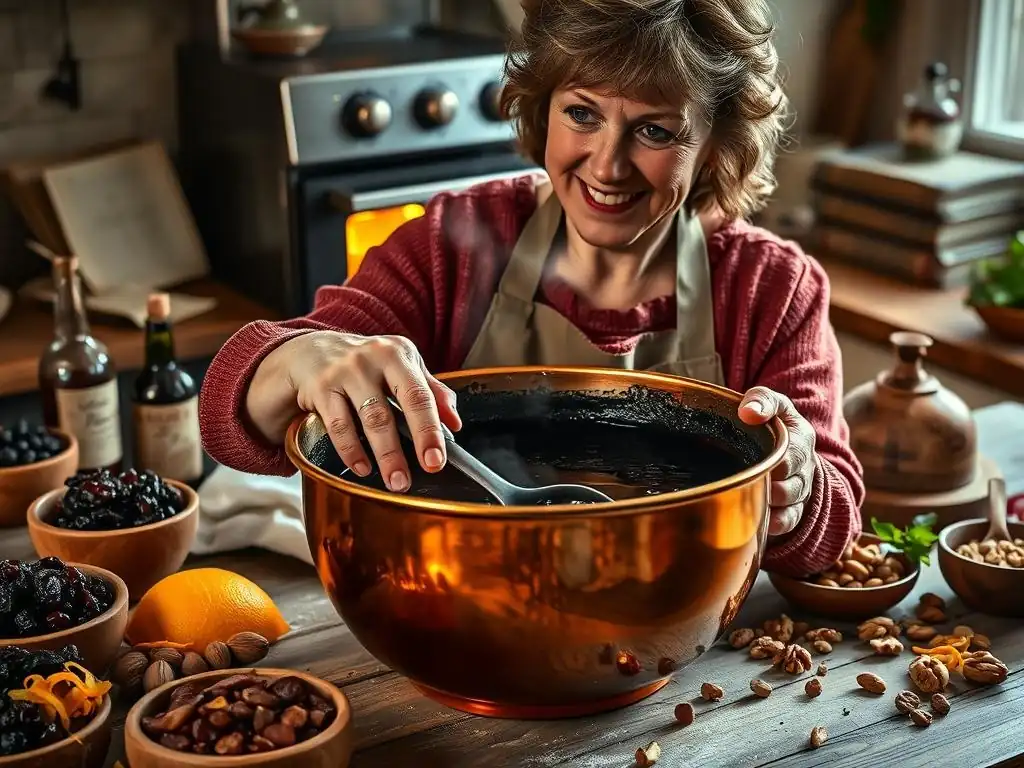
Pour the wet ingredients into the large bowl with the fruit and dry mixture. Using a large spoon or your hands (a fun, traditional step! ), mix everything together thoroughly. Stir until all the dry ingredients are fully incorporated and the mixture is evenly combined. The consistency should be moist but not overly wet; it should feel dense and sticky. This is the point where, traditionally, everyone in the household takes a turn stirring the pudding mixture and making a wish – a lovely tradition to incorporate into making your easy Christmas pudding!
Step 4: Steaming Your Christmas Pudding
Steaming is the traditional and best method for cooking Christmas pudding, resulting in a wonderfully moist and dense texture. You will need a pudding basin, typically ceramic or plastic, with a capacity of about 1-1.5 liters. Grease the basin well with butter or suet. Spoon the pudding mixture into the prepared basin, pressing it down gently to remove any air pockets. Fill the basin only about two-thirds full to allow for expansion.
To prepare for steaming, cover the top of the basin with a layer of baking paper and then a layer of foil. Pleat a fold in the center of both the paper and foil to allow the pudding to expand. Secure the cover tightly around the rim of the basin with string. You can also create a handle with string across the top for easier lifting.
Place the covered basin in a large pot or steamer containing simmering water. The water should come about halfway up the sides of the basin. Cover the pot with a tight-fitting lid.
Steam the pudding for a significant amount of time – typically 6 to 8 hours for a standard-sized pudding. Check the water level periodically and top up with boiling water as needed to prevent the pot from boiling dry. This long, gentle cooking process is essential for developing the deep flavor and characteristic texture of your easy Christmas pudding.
Alternative Cooking Methods: Slow Cooker & Microwave
If you don't have a large enough pot for traditional steaming or want a slightly less hands-on method, a slow cooker is an excellent alternative. Place a trivet or heatproof saucer in the bottom of your slow cooker pot. Place the prepared pudding basin (covered as for traditional steaming) on top.
Carefully pour hot water into the slow cooker pot until it comes halfway up the sides of the basin. Cover the slow cooker and cook on the LOW setting for 8-10 hours, or until the pudding is firm and cooked through. This method is very forgiving and requires less monitoring of the water level.
For a much quicker option, a microwave can be used, although the texture will be slightly different – usually lighter and more cake-like, and the flavor won't be as deep as a long-steamed pudding. Use a microwave-safe pudding basin. Cover it tightly with microwave-safe cling film, poking a few holes for steam to escape.
Microwave on medium power (around 50-60%) for 15-20 minutes for a small pudding (around 500g mix), or 25-30 minutes for a larger one, checking for firmness. Allow it to stand for 5-10 minutes before uncovering. While it won't have the same traditional density, this is a viable option for a very quick easy Christmas pudding.
Step 5: Cooling, Storing, and Maturing
Once steamed, carefully remove the pudding basin from the pot or slow cooker. Remove the foil and paper cover. Allow the pudding to cool in the basin for about 30 minutes before attempting to turn it out. If you plan to mature the pudding, you won't turn it out yet. Instead, re-cover the pudding in the basin with fresh baking paper and foil, securing tightly with string.
For the best flavor and texture, Christmas pudding benefits greatly from maturing. Store the covered pudding in a cool, dark place (like a pantry) for at least two weeks, but ideally for a month or even longer. The flavors meld and deepen over time.
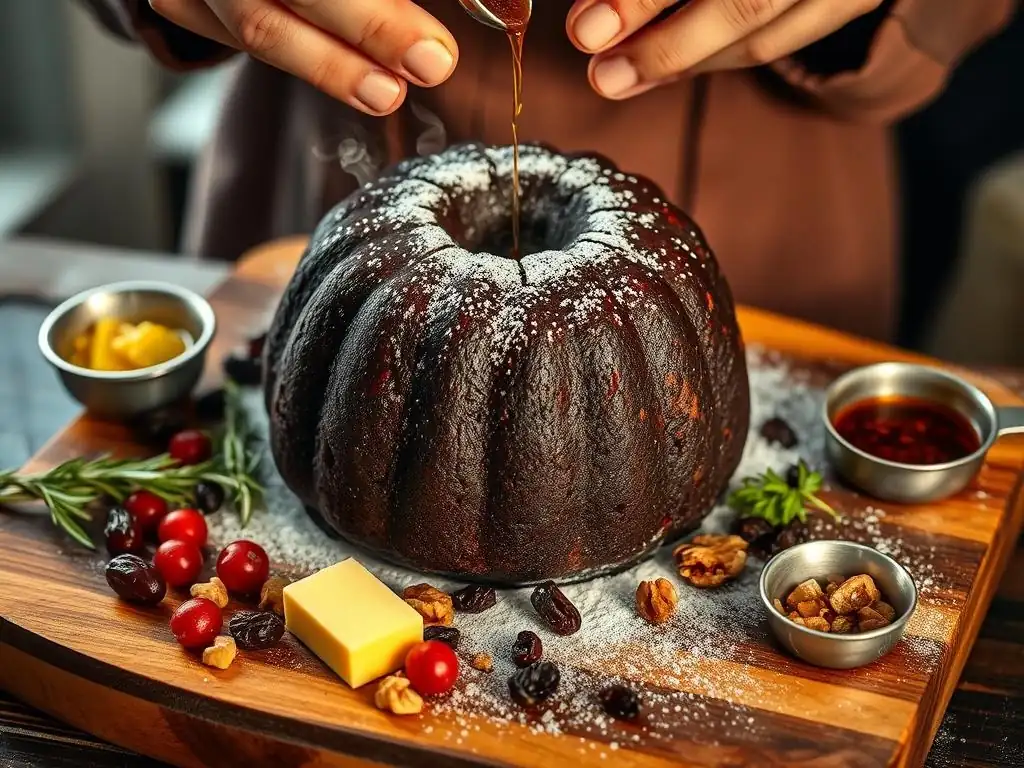
Some people like to 'feed' the pudding periodically during storage by poking holes in the top and pouring a tablespoon or two of brandy or rum over it. When you're ready to serve, the pudding will need to be reheated by steaming again (see serving section). Proper cooling and storage are essential steps for a truly magnificent easy Christmas pudding experience.
Tips & Tricks for a Foolproof Christmas Pudding
Preventing a Dry Christmas Pudding
A common disappointment when making Christmas pudding is ending up with a dry result instead of a moist, rich one. The primary culprit is often insufficient moisture absorption by the dried fruits before cooking. Ensure you soak your dried fruits for a minimum of 8 hours, preferably longer (up to 24-48 hours), in enough liquid (alcohol or juice) so they become plump and rehydrated. This step is non-negotiable for a moist easy Christmas pudding.
Another factor is the cooking method and duration. Steaming is superior to baking or microwaving for moisture retention. Ensure the water level in your steaming pot or slow cooker remains consistent throughout the cooking time; if the pot boils dry, the pudding can become dry and even burn. Using fresh breadcrumbs instead of dried ones also adds more moisture to the batter. Finally, don't overcook the pudding; steam it just until it is firm to the touch. Following these steps will significantly reduce the risk of a dry easy Christmas pudding.
Achieving a Rich, Dark Color
The characteristic dark color of Christmas pudding comes primarily from the ingredients used, particularly the sugars and the long, slow cooking process. Using dark sugars like dark brown muscovado sugar or dark soft brown sugar is key, as they contain more molasses than white or light brown sugars. Black treacle or molasses is another ingredient specifically added for its deep color and slightly bitter, caramelized flavor; even a tablespoon makes a significant difference.
The Maillard reaction and caramelization that occur during the extended steaming time also contribute significantly to the darkening of the pudding. The longer the pudding steams and the longer it matures, the darker its color will become. So, don't rush the steaming process, and allow your easy Christmas pudding to mature for at least a few weeks if possible. The interaction of the sugars, fruits, and fats over time in a warm, moist environment naturally develops that desired rich, dark hue.
Flavor Variations: Adding Alcohol and Extracts
While brandy and rum are traditional choices for soaking the fruit and adding flavor, you can easily vary the alcohol used in your easy Christmas pudding. Dark rum provides a rich, slightly spicy note, while brandy offers a more classic, smooth warmth. Other options include whisky, sherry, or even a dark stout or ale, which can add interesting depth. Consider using about 150-200ml of your chosen alcohol in total, split between soaking the fruit and potentially adding a splash to the batter.
For a non-alcoholic version, strong cold black tea, orange juice, apple juice, or cranberry juice work well for soaking the fruit and providing moisture. You can also enhance the flavor with extracts. A teaspoon of vanilla extract adds a lovely sweetness. A touch of almond extract complements the fruit flavors. For an extra festive touch, consider adding the zest of an orange or lemon to the batter, which brightens the overall taste profile of your easy Christmas pudding.
Troubleshooting Common Issues
What to do if your pudding is too wet
If, after the recommended steaming time, your easy Christmas pudding still seems too soft, wobbly, or wet in the center, it likely needs more cooking time. Re-cover the basin tightly with fresh paper and foil and return it to the steamer or slow cooker. Continue steaming for another 1-2 hours, checking for firmness. A skewer inserted into the center should come out relatively clean, although it will likely be sticky due to the fruit and sugar. Ensure your steaming water is consistently simmering throughout this extended cooking period.
Another reason for a wet pudding could be using too much liquid in the batter initially or not allowing the fruit to drain slightly if there was excessive unabsorbed liquid after soaking (though usually, you want to include it). If you suspect the batter was too wet from the start, you might try adding a tablespoon or two of extra breadcrumbs or flour when mixing, though this is hard to correct after steaming has begun. The best approach for an undercooked, wet pudding is simply to steam it longer.
What to do if your pudding is too dry
A dry easy Christmas pudding is often a result of insufficient moisture in the initial batter, either from not soaking the fruit long enough, not using enough liquid overall, or using too much dry ingredient like flour or dry breadcrumbs. It can also happen if the pudding was overcooked or the steaming pot ran dry. If you discover your pudding is dry after it's cooked and cooled, you can try to remedy it during the reheating process.
When you reheat the pudding by steaming, ensure there is plenty of water. You can also gently 'feed' the pudding by poking holes in the top with a skewer and pouring a tablespoon or two of hot brandy, rum, or even orange juice over it before re-steaming. This liquid will soak into the pudding as it heats. While this won't completely transform a very dry pudding, it can add some much-needed moisture and flavor when serving.
Serving and Enjoying Your Homemade Christmas Pudding
Reheating Your Christmas Pudding
When Christmas Day (or any day you choose to enjoy it) arrives, your matured easy Christmas pudding will need reheating. The best method is steaming, which keeps it moist. If you stored it in the basin, simply re-cover it securely with fresh baking paper and foil. Place the basin in a pot with simmering water coming halfway up the sides, cover, and steam for about 1-1.5 hours for a standard-sized pudding (around 1-1.5 liters).
If you turned the pudding out for storage or are reheating individual portions, you can place slices in a heatproof bowl, cover, and steam over a pan of simmering water for 20-30 minutes. Alternatively, individual slices can be gently reheated in a microwave on medium power for 1-3 minutes per slice, depending on thickness, though steaming is preferred for texture. Ensure the pudding is piping hot all the way through before serving.
Traditional Christmas Pudding Accompaniments
Christmas pudding is traditionally served with a rich sauce or cream to complement its dense, fruity flavor. The most classic accompaniment is brandy butter, a sweet mixture of butter, sugar, and brandy that melts decadently over the hot pudding. Another popular choice is a creamy vanilla custard or crème anglaise, either homemade or good quality store-bought.
Other delightful options include clotted cream for extra richness, or a simple dollop of whipped cream. For a lighter touch, a fruit coulis or a scoop of vanilla ice cream provides a lovely contrast in temperature and texture. Offering a selection of accompaniments allows guests to choose their favorite way to enjoy your delicious easy Christmas pudding.
Brandy Butter Recipe
Making brandy butter is wonderfully simple and takes mere minutes. You'll need 100g unsalted butter, softened; 200g icing sugar (confectioners' sugar); and 3-4 tablespoons of brandy (or rum, or orange juice for a non-alcoholic version).
In a medium bowl, beat the softened butter until creamy. Gradually sift in the icing sugar, beating well after each addition until the mixture is smooth and pale. Slowly beat in the brandy, one tablespoon at a time, until fully incorporated and the mixture is light and fluffy.
Be careful not to add the liquid too quickly, or the mixture might curdle. Scrape the mixture into a serving dish or shape it into a log, cover, and chill until firm. Serve scoops or slices of the chilled brandy butter alongside hot Christmas pudding, allowing it to melt into a luscious sauce.
Custard Recipe
Homemade custard elevates any dessert, and it's surprisingly easy to make. You'll need 4 large egg yolks, 50g caster sugar, 1 teaspoon vanilla extract or paste, and 500ml whole milk or double cream (or a mix).
Gently heat the milk (or cream/mix) in a saucepan until just simmering – do not boil. In a separate bowl, whisk the egg yolks and sugar together until pale and slightly thickened. Gradually pour the hot milk onto the egg mixture, whisking constantly to temper the eggs. Return the mixture to the clean saucepan and cook over a low heat, stirring continuously with a wooden spoon or heatproof spatula.
Cook until the custard thickens enough to coat the back of the spoon (it should not boil!). Stir in the vanilla extract. Pour the custard into a jug or bowl, pressing cling film directly onto the surface to prevent a skin from forming. Serve warm with your easy Christmas pudding.
Creative Ways to Serve Leftover Pudding
If by some miracle you have leftover easy Christmas pudding, there are several delicious ways to enjoy it beyond just reheating slices. One popular method is to crumble the leftover pudding and mix it with a little cream cheese or mascarpone, then roll the mixture into balls and coat them in melted chocolate to make festive pudding truffles.
Another idea is to incorporate crumbled pudding into bread and butter pudding or use it as a filling for baked apples or pears. You can also pan-fry slices of leftover pudding in a little butter until caramelized and crispy on the edges – these are fantastic served with ice cream for a quick dessert. Leftover pudding can also be crumbled into muffin batter or used as a base layer in individual trifles with layers of cream, fruit, and jelly. Don't let any of your delicious easy Christmas pudding go to waste!
Frequently Asked Questions
Can I make Christmas pudding ahead of time?
Absolutely! Christmas pudding is one of those rare desserts that benefits significantly from being made in advance. It is traditionally made on 'Stir-up Sunday', the last Sunday before Advent, which is typically late November. This allows the pudding several weeks to mature, during which the flavors deepen and meld beautifully.
After steaming, the pudding should be cooled, re-covered securely, and stored in a cool, dark place. As mentioned, some people 'feed' it periodically with a little alcohol. Making your easy Christmas pudding ahead of time not only improves the flavor but also spreads out your holiday baking tasks, reducing stress closer to Christmas Day.
What is suet and can I substitute it?
Suet is the hard fat found around the kidneys of cattle or sheep. It is traditionally used in dishes like Christmas pudding and dumplings because it has a high melting point. When heated, it melts slowly, creating tiny pockets in the mixture, which results in a lighter, more crumbly texture compared to butter or other fats that might make the pudding heavy or greasy.
Yes, you can substitute suet. The most common substitute, and the one we recommend for this easy Christmas pudding recipe if you prefer not to use beef suet, is vegetarian suet. This is typically made from vegetable oils (often palm oil) combined with rice flour or other ingredients to mimic the texture and performance of animal suet. It works very well in puddings and is widely available. Other fats like butter or shortening can be used, but they will slightly alter the texture, making the pudding denser.
How long does Christmas pudding last?
Properly made and stored Christmas pudding has an incredibly long shelf life due to its high sugar and alcohol content (if using alcohol). After steaming and cooling, when wrapped securely and stored in a cool, dark place, it can last for several months, often well beyond Christmas. Many families make their pudding in November and enjoy it throughout the festive season and even into the new year.
If you 'feed' it with alcohol periodically during storage, this further aids preservation. When stored correctly, the flavors simply continue to develop. Just ensure it is kept in a cool, dry place away from pests. If you notice any signs of mold or an off smell, discard it, but this is rare with properly stored pudding.
My Christmas pudding is too heavy. What did I do wrong?
A heavy or dense Christmas pudding can be caused by a few factors, often related to the balance of ingredients or the cooking method. One common reason is not using enough suet or using a substitute that doesn't provide the same lightness. Suet is crucial for creating that slightly crumbly, less dense texture. Ensure you used the correct amount of shredded suet as specified in the easy Christmas pudding recipe.
Another factor can be the breadcrumbs; using dried breadcrumbs instead of fresh ones can sometimes make the pudding heavier, as can using too little breadcrumb relative to flour. Overmixing the batter can also contribute to a dense texture by developing the gluten in the flour too much. Finally, insufficient steaming time or using a cooking method other than steaming (like baking) can result in a heavier, more cake-like pudding rather than the traditional moist, dense, yet light texture achieved through long steaming.
Conclusion: Enjoy Your Effortlessly Baked Christmas Pudding
Celebrate the Holidays with a Classic Dessert, Made Easy
You've now journeyed through the steps to create a truly magnificent easy Christmas pudding right in your own kitchen. From understanding the role of each ingredient to mastering the steaming process and learning how to troubleshoot common issues, you have all the tools you need. This simplified approach demonstrates that achieving a rich, flavorful, and perfectly textured Christmas pudding is well within reach for any home baker, regardless of experience level.
This festive season, instead of buying a ready-made pudding, take pride in serving a homemade classic. The aroma filling your home as it steams, the shared tradition of stirring the mix, and the joy of presenting your creation at the table all add to the magic of the holidays. We hope this easy Christmas pudding recipe from BakeWithEase empowers you to embrace this wonderful tradition and share the delicious results with your loved ones. Happy baking and happy holidays!
Frequently Asked Questions
What makes this Christmas pudding recipe "easy"?
This recipe focuses on simplified steps and readily available ingredients, making it perfect for even beginner bakers. We eliminate complex techniques for a foolproof result.
Can I make this Christmas pudding ahead of time?
Yes, absolutely! Christmas pudding is traditionally made weeks or even months in advance. This allows the flavors to meld and deepen, resulting in a richer taste.
What substitutions can I make in this Christmas pudding recipe?
You can substitute dried fruits based on your preferences. For example, use different types of nuts or replace some of the dried apricots with cranberries.
How long does Christmas pudding last after it's made?
When stored properly in a cool, dark place, Christmas pudding can last for several months. Regular "feeding" with brandy or rum helps to preserve it.
What's the best way to reheat Christmas pudding?
The best way is to steam it again for a few hours. You can also microwave it in short bursts, but steaming is recommended for even heating and optimal texture.
Final Reflection: The Enduring Magic of a Simple Christmas Pudding
The pursuit of the perfect Christmas pudding needn't be a Herculean task. This year, let's reclaim the joy of this festive tradition, stripping away the unnecessary complexities and embracing the simplicity of a truly delicious dessert. The recipes explored in this guide prove that achieving exceptional flavour doesn't require hours of painstaking work or a pantry overflowing with obscure ingredients.
The enduring appeal of Christmas pudding lies not just in its rich taste, but in its symbolic representation of warmth, family, and shared traditions. It's a dish that transcends generations, carrying with it the weight of memories and the promise of festive cheer. As we navigate increasingly busy lives, the ability to create something so meaningful with relative ease is a powerful reminder of what truly matters. The best things in life are simple.
This sentiment perfectly encapsulates the spirit of this simplified approach to Christmas pudding making.
This Christmas, I encourage you to step away from the pressure of perfection and embrace the joy of creating something delicious and meaningful. Try one of the recipes outlined in this guide, and experience the satisfaction of crafting a truly special dessert for yourself and your loved ones. Let the aroma of warming spices and the taste of rich fruit fill your home with the spirit of the season, proving that sometimes, the simplest things are the most rewarding. Happy baking!
Unlock the Secrets to Christmas Pudding Perfection!
Thanks for joining us on this delicious journey to Christmas pudding mastery! You've now got the knowledge to create a truly unforgettable dessert. Ready to take your baking to the next level?
- Bake your perfect pudding today! Use our simplified recipe (found within the article) to impress your friends and family.
- Share your baking triumphs (or challenges!) with us on social media using #BakeWithEaseChristmasPudding. Let’s inspire each other!
- Explore our other holiday recipes for a complete festive feast. You might discover your new favorite dessert!
What delicious twist will you add to your Christmas pudding this year?