
Foolproof Basic Quiche Recipe

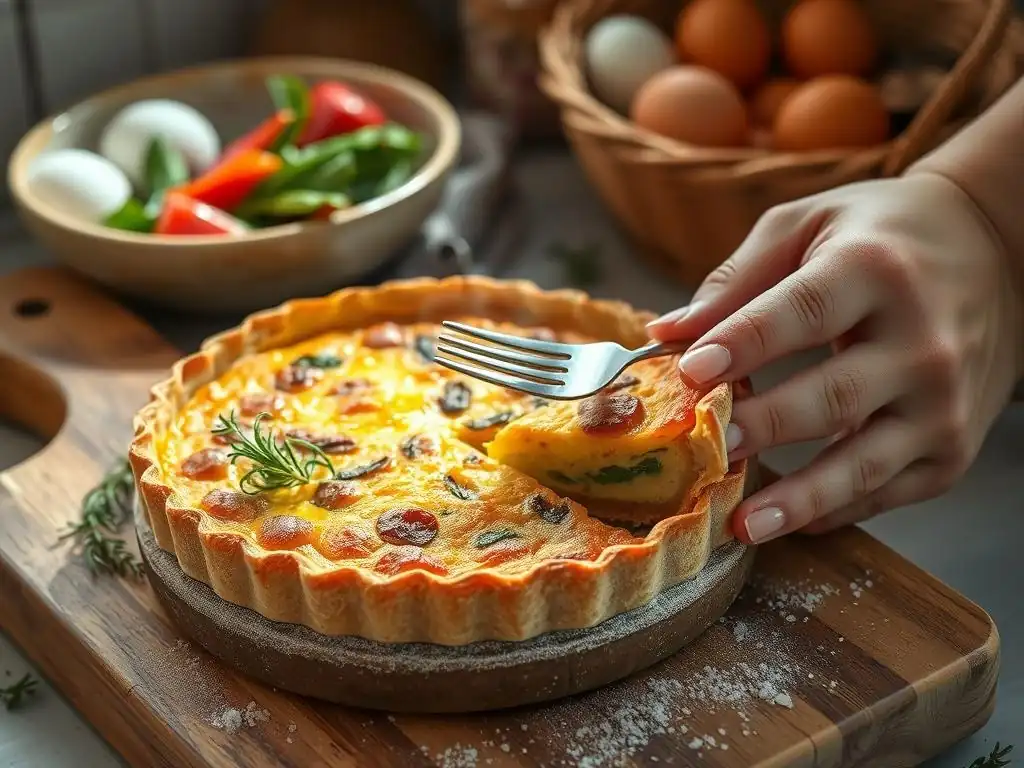
Welcome to BakeWithEase, your kitchen companion for effortless baking! Ever dreamt of creating a savory masterpiece with minimal fuss? Our Foolproof Basic Quiche Recipe is your gateway to culinary confidence. Discover how to craft this classic dish with simple steps and readily available ingredients, and unlock a world of delicious possibilities. Ready to impress? Let's get baking!
- Introduction to Baking the Perfect Quiche Lorraine
- Gathering Your Ingredients: The Key to Authentic Flavor
- Step-by-Step Guide to Making the Shortcrust Pastry
- Preparing the Filling: Rich and Savory
- Assembling and Baking Your Quiche Lorraine
- Cooling and Serving Your Exquisite Quiche
- Troubleshooting Common Quiche Challenges
- Storing and Reheating Your Quiche Lorraine
- Mastering Quiche Lorraine: Advanced Techniques and Variations
- Conclusion: Savor Your Homemade Quiche Lorraine!
- Frequently Asked Questions
- Final Reflection: The Enduring Power of the Simple Quiche
- Unlock Your Inner Pastry Chef: Master the Quiche!
Introduction to Baking the Perfect Quiche Lorraine
Welcome to the wonderful world of quiche! If you've ever thought baking a savory tart seemed complicated, think again. This guide walks you through creating a classic Quiche Lorraine, a dish renowned for its creamy filling and crisp pastry shell. It's a surprisingly straightforward process that yields impressive results, making it an excellent project for anyone looking for an easy basic quiche recipe. We'll break down each step, ensuring success even if you're just starting your baking journey.
Mastering an easy basic quiche recipe like this one opens up a world of possibilities in your kitchen. Quiche is incredibly versatile, perfect for brunch, lunch, or a light dinner. This particular recipe focuses on the traditional French version, known for its rich custard and savory bacon (lardons). By following these simple steps, you'll gain confidence in handling pastry and creating a delicious, comforting dish that you'll want to make again and again.
What is Quiche Lorraine? A Traditional French Tart
Quiche Lorraine is a classic French savory tart originating from the Lorraine region of France. Traditionally, it consists of a pastry crust filled with a custard made from eggs, cream or milk, and lardons (small strips or cubes of smoked bacon). Over time, variations have emerged, sometimes including cheese, particularly Gruyère or Emmental, although purists often omit cheese in the original Quiche Lorraine to let the flavors of the bacon and rich custard shine.
The defining characteristic of Quiche Lorraine is its simplicity and the quality of its core ingredients. Unlike many modern quiches loaded with vegetables or various meats, the authentic version relies on the smoky flavor of the lardons perfectly balanced by the smooth, delicate custard. Getting this balance right is key to achieving the classic taste and texture that makes this dish a timeless favorite and a perfect starting point for an easy basic quiche recipe.
Why This Quiche Lorraine Recipe is Ideal for Any Cook
This specific Quiche Lorraine recipe is designed with ease and reliability in mind, making it perfect for bakers of all skill levels. We've streamlined the process without sacrificing flavor or authenticity, focusing on techniques that minimize potential pitfalls. From preparing the pastry dough to achieving the perfect custard consistency, each step is explained clearly, empowering you to create a beautiful and delicious quiche with confidence.
Furthermore, mastering this easy basic quiche recipe provides a solid foundation for future culinary adventures. Once you understand the fundamentals of blind baking a crust and creating a stable custard, you can easily adapt the recipe to include other fillings, such as vegetables, different cheeses, or other meats. It's a foundational skill that proves savory baking can be just as accessible and rewarding as sweet baking.
Gathering Your Ingredients: The Key to Authentic Flavor
The success of any great dish, especially something as simple as a classic Quiche Lorraine, hinges on the quality of its ingredients. While this is an easy basic quiche recipe, choosing fresh, flavorful components will elevate your final product from good to truly exceptional. Taking a moment to gather and prepare everything before you start is a crucial step in ensuring a smooth and enjoyable baking process.
Think of your ingredients as the building blocks. For the pastry, you'll need just a few simple items like flour, butter, and salt. The filling requires eggs, cream, and those essential lardons. Having everything measured and ready not only saves time but also prevents mid-recipe scrambles, allowing you to focus on the techniques that make this easy basic quiche recipe so foolproof.
Essential Ingredients for Your Quiche Lorraine
To make a classic Quiche Lorraine, you will need ingredients for both the pastry and the filling. For the pastry, gather approximately 250 grams of all-purpose flour, 125 grams of cold, unsalted butter cut into small cubes, a pinch of salt, and about 60-80 milliliters of ice water. These simple components combine to create a tender and flaky crust that perfectly complements the rich filling.
For the filling, the core ingredients are 3 large eggs, about 250-300 milliliters of heavy cream (also known as double cream), approximately 150-200 grams of smoked lardons (or diced smoked bacon), salt, pepper, and a pinch of freshly grated nutmeg. Nutmeg is a traditional spice in Quiche Lorraine and adds a subtle warmth that enhances the savory flavors without overpowering them. Using heavy cream rather than milk contributes significantly to the rich, creamy texture of the finished custard.
Ingredient Quality and Sourcing for Optimal Taste
The quality of your ingredients significantly impacts the final taste of your easy basic quiche recipe. For the butter in the pastry, using a good quality, high-fat butter (around 80% fat content) will yield a flakier and more flavorful crust. Ensure the butter is very cold before incorporating it into the flour; this is key to creating those desirable layers in the pastry.
When it comes to the lardons, seek out smoked bacon or lardons with good flavor and not excessive fat. Rendering them properly will remove excess grease, leaving you with crispy, flavorful pieces to distribute throughout the quiche. For the dairy, use fresh, full-fat heavy cream for the richest custard. While some recipes use a mix of milk and cream, opting for heavy cream provides the most luxurious and traditional texture for your easy basic quiche recipe.
Step-by-Step Guide to Making the Shortcrust Pastry
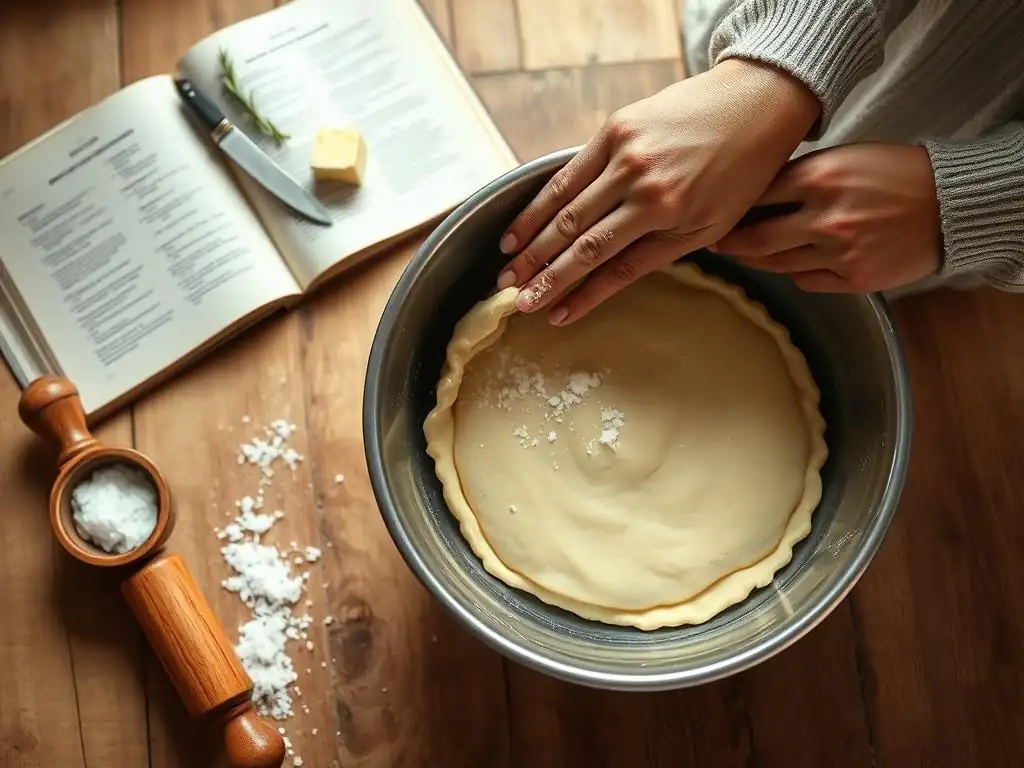
Making shortcrust pastry from scratch might seem daunting, but it's a fundamental skill in baking and surprisingly simple with the right technique. This part of our easy basic quiche recipe focuses on creating a tender, buttery shell that provides the perfect foundation for the rich filling. The key lies in keeping the ingredients cold and handling the dough minimally to avoid developing too much gluten.
We'll walk you through the process, from combining the ingredients to achieving the right consistency. Remember, pastry dough is forgiving; even if it doesn't look perfect, it will likely bake up beautifully. This section is designed to demystify pastry making, making your easy basic quiche recipe truly accessible.
Crafting a Buttery Shortcrust Pastry for Quiche
Start by combining the flour and salt in a large bowl. Add the cold, cubed butter. Using your fingertips or a pastry blender, cut the butter into the flour until the mixture resembles coarse crumbs, with some larger pea-sized pieces of butter remaining. This step is crucial as these butter pieces will melt during baking, creating steam and contributing to flakiness. Avoid overworking the mixture; speed and a light touch are your friends here.
Next, gradually add the ice water, one tablespoon at a time, mixing gently with a fork or your hands until the dough just comes together. You may not need all the water; stop adding once the dough forms a cohesive mass that isn't sticky.
Turn the dough out onto a lightly floured surface, gently bring it together, flatten it into a disc, wrap it tightly in plastic wrap, and refrigerate for at least 30 minutes. This chilling period allows the gluten to relax and the fat to firm up, making the dough easier to roll and ensuring a tender crust.
Achieving a Tender and Crisp Pastry
The secret to a tender and crisp pastry lies in temperature and technique. Keeping the butter and water very cold is paramount; cold butter melts slower in the oven, producing steam that creates flaky layers. Overworking the dough develops gluten, which can result in a tough crust, similar to bread dough. Therefore, handle the dough as little as possible and avoid kneading.
Rolling the dough also requires a light hand. Roll from the center outwards, rotating the dough frequently to prevent sticking and ensure an even thickness, aiming for about 3-4 millimeters (approximately 1/8 inch). If the dough becomes too soft while rolling, pop it back into the refrigerator for a few minutes. These small steps contribute significantly to achieving the desired tender and crisp texture for your easy basic quiche recipe crust.
Shaping and Pre-Baking the Pastry Shell (Blind Baking)
Once your dough is chilled and ready, roll it out to a circle large enough to fit your pie or tart pan, typically 23-25 cm (9-10 inches) in diameter, with some overhang. Carefully transfer the rolled dough into your pan, gently pressing it into the bottom and up the sides. Trim the excess dough, leaving about a 1-2 cm (1/2 inch) overhang, which can be folded inwards or crimped decorately. Prick the bottom of the pastry shell all over with a fork; this prevents it from puffing up during baking.
Blind baking is essential for a quiche crust. It involves partially or fully baking the crust before adding the filling. Line the pastry shell with parchment paper or foil and fill it with pie weights, dried beans, or rice. Bake in a preheated oven at about 190°C (375°F) for 15-20 minutes, or until the edges are lightly golden. Remove the weights and paper, then bake for another 5-10 minutes until the bottom looks dry and set. This step prevents a soggy bottom crust, a common issue in quiche.
Ensuring a Firm and Even Crust
To ensure a firm and even crust during blind baking, make sure the pie weights (or beans/rice) fill the shell completely, right up to the edges. This supports the sides and prevents them from collapsing. The initial baking with weights sets the structure. Removing the weights and baking for a few more minutes allows the bottom of the crust to dry out and become slightly golden, ensuring it can support the wet custard filling without becoming soft or undercooked.
Another tip is to ensure your oven is properly preheated to the specified temperature. An oven that isn't hot enough can cause the butter to melt too slowly, resulting in a less flaky crust. If you notice the edges browning too quickly during the second stage of blind baking, you can loosely cover them with foil strips. These simple techniques guarantee a robust and perfectly baked crust for your easy basic quiche recipe.
Preparing the Filling: Rich and Savory
With your pastry shell pre-baked and ready, it's time to turn your attention to the heart of the Quiche Lorraine: the rich and savory filling. This section focuses on creating the classic creamy custard base and preparing the essential lardons. The beauty of this easy basic quiche recipe lies in the simplicity of the filling, allowing the quality of the ingredients to shine through.
Getting the custard right is crucial for that signature silky texture. We'll discuss the perfect ratio of eggs to cream and how to infuse it with just the right amount of seasoning. Preparing the lardons involves rendering them until they are crispy and flavorful, adding a wonderful smoky counterpoint to the creamy custard.
Creating the Custard Base: Eggs, Cream, and Nutmeg
The custard base for Quiche Lorraine is a simple yet elegant mixture. In a medium bowl, whisk together the eggs until just combined – avoid over-whisking, which can incorporate too much air. Gradually whisk in the heavy cream. The standard ratio is roughly 3 eggs to 250-300ml of heavy cream, but slight variations are acceptable depending on the size of your pan and desired richness.
Season the custard generously with salt and freshly ground black pepper. Then, add that crucial pinch of freshly grated nutmeg. Nutmeg adds a subtle, warm depth that is characteristic of traditional Quiche Lorraine. Stir everything together until well combined, but again, avoid creating excessive foam on the surface. This simple custard mixture is the foundation of your easy basic quiche recipe's delicious filling.
Rendering and Adding the Lardons: Smoky Goodness
The lardons provide the essential savory, smoky element to Quiche Lorraine. Heat a skillet over medium heat (no need for added oil, as the lardons will release their own fat). Add the lardons or diced smoked bacon and cook, stirring occasionally, until they are crispy and have rendered much of their fat. This usually takes about 5-8 minutes.
Once crispy, use a slotted spoon to remove the lardons from the skillet, leaving the rendered fat behind. Place the cooked lardons on a paper towel-lined plate to drain any excess grease. You want flavorful, crispy pieces of bacon distributed throughout the quiche, not sitting in a pool of grease. These rendered lardons are then ready to be added to your pre-baked pastry shell before pouring in the custard.
Selecting High-Quality Lardons for Quiche
Choosing high-quality lardons or smoked bacon makes a significant difference in the flavor of your easy basic quiche recipe. Look for bacon that is naturally smoked rather than liquid-smoked, as this often provides a deeper, more authentic flavor. Thicker-cut bacon can also work well, just dice it into smaller pieces (about 1 cm or 1/2 inch cubes) for even distribution.
Consider the fat content as well. While rendering removes much of the fat, bacon that is excessively fatty might not crisp up as nicely. Butcher shops often offer good quality smoked bacon that can be cut to your specifications. Using flavorful, crispy lardons ensures that every bite of your homemade Quiche Lorraine is packed with that signature smoky goodness.
Assembling and Baking Your Quiche Lorraine
With the pastry shell pre-baked and the filling components ready, it's time to bring everything together and bake your Quiche Lorraine to golden perfection. This is where the magic happens, as the liquid custard transforms into a set, creamy filling within the crisp pastry shell. This step is straightforward, completing your easy basic quiche recipe.
Careful assembly and monitoring during baking are key to success. We'll guide you through adding the lardons and custard to the shell and achieving the perfect bake temperature and time for a beautifully set quiche with a golden-brown top.
Pouring the Filling into the Prepared Crust
Begin by scattering the cooked and drained lardons evenly over the bottom of the pre-baked pastry shell. Ensure they are distributed across the entire base so you get some in every slice. If you are using cheese (though traditionalists often omit it), sprinkle a layer of grated Gruyère or Emmental over the lardons at this point. About 50-100 grams of cheese is usually sufficient if you choose to include it.
Carefully pour the prepared custard mixture over the lardons (and cheese, if using) in the pastry shell. Pour slowly and evenly to avoid disturbing the lardons too much. Fill the shell almost to the top, leaving a small amount of space for the custard to expand slightly as it bakes. The filling should come up to the level of the pastry edge.
Baking to Perfection: Temperature and Visual Cues
Bake the assembled quiche in a preheated oven at a moderate temperature, typically around 180°C (350°F). A moderate temperature allows the custard to set slowly and evenly without curdling or cracking. Place the quiche on a baking sheet before putting it in the oven; this makes it easier to handle and catches any potential drips.
Bake for approximately 30-45 minutes. The exact time will vary depending on your oven and the depth of your quiche. You'll know it's ready when the edges of the custard are set and slightly puffed, the center appears mostly set (it might still have a slight wobble), and the top is a beautiful golden brown.
Monitoring Doneness: Achieving a Golden-Brown Hue
Monitoring your quiche as it bakes is crucial for achieving the perfect result. After about 30 minutes, start checking for doneness. Gently jiggle the pan; the center should look mostly set, maybe with a slight ripple. A toothpick or knife inserted about halfway between the center and the edge should come out clean. Avoid inserting it directly in the center, as it may not be fully set there yet.
The top should develop an appealing golden-brown color. If the top is browning too quickly before the center is set, you can loosely tent the quiche with aluminum foil. If the crust edges start to look too dark, you can also wrap just the edges with foil strips. Aim for a uniformly golden surface, which indicates the custard is properly cooked through and your easy basic quiche recipe is a success.
Cooling and Serving Your Exquisite Quiche
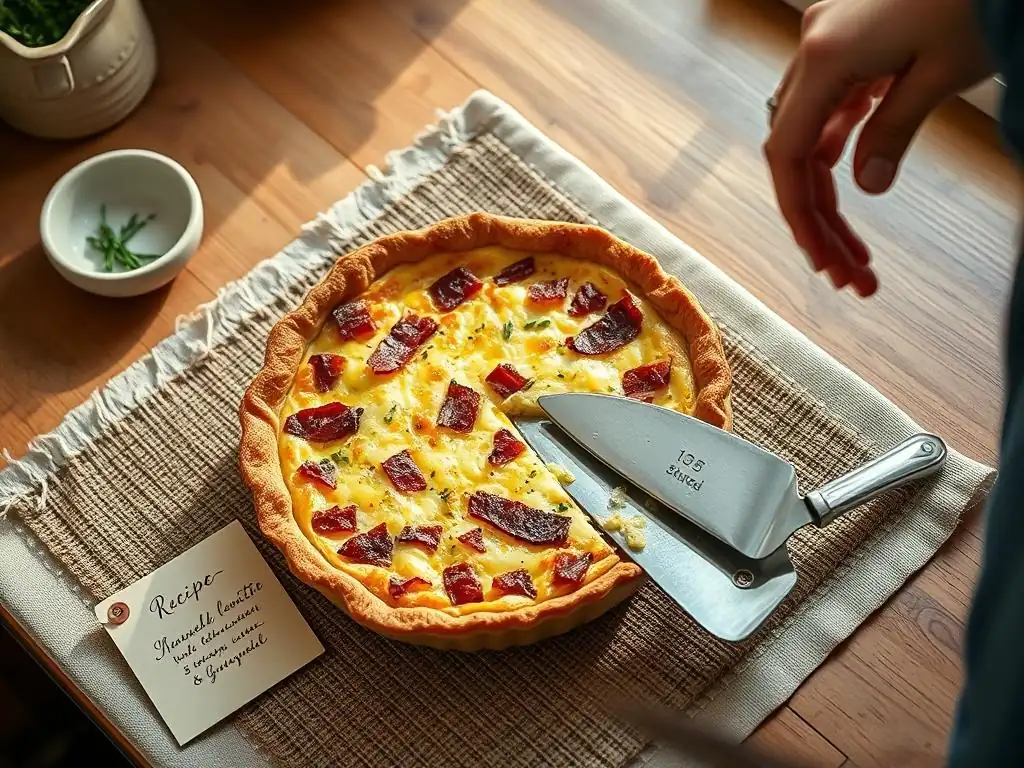
Once your Quiche Lorraine is baked to golden perfection, the hardest part is waiting! Allowing the quiche to cool and set properly before slicing is absolutely essential. Cutting into a hot quiche will result in a runny, messy slice rather than the clean, defined wedge you're aiming for. This final step ensures your easy basic quiche recipe yields perfect results every time.
We'll cover the necessary cooling time and offer some classic serving suggestions that pair wonderfully with the rich flavors of Quiche Lorraine. Enjoying your homemade creation is the reward for following this simple process!
Allowing the Quiche to Rest and Set
After removing the quiche from the oven, place it on a wire rack to cool. It's tempting to slice right in, but resist the urge! The custard needs time to finish setting and firm up as it cools. This process allows the proteins in the eggs and cream to stabilize, resulting in that smooth, sliceable texture.
Allow the quiche to cool for at least 15-20 minutes before attempting to slice it. For best results and cleaner slices, letting it cool for 30-60 minutes is ideal. The quiche will still be warm, but the filling will be much firmer. If you're serving it completely cold, allow it to cool fully at room temperature for several hours or chill it in the refrigerator.
Serving Suggestions: A Culinary Tradition
Quiche Lorraine is incredibly versatile and can be enjoyed warm, at room temperature, or even cold. It makes a fantastic centerpiece for brunch or lunch, and a satisfying light dinner. Serve it as is for a simple yet elegant meal, or pair it with complementary dishes to create a more substantial plate.
A classic way to serve Quiche Lorraine is simply with a fresh green salad. The slight acidity of a vinaigrette dressing cuts through the richness of the quiche beautifully. Other popular accompaniments include steamed asparagus, roasted cherry tomatoes, or a simple side of crusty bread.
Complementary Dishes for Quiche Lorraine
To round out your meal featuring this easy basic quiche recipe, consider pairing it with a light and fresh side. A simple salad with mixed greens, cucumbers, and a lemon vinaigrette is a perfect choice. The crispness and acidity provide a refreshing contrast to the creamy, savory quiche.
Other excellent options include blanched or roasted vegetables like green beans, broccoli, or bell peppers. For a heartier meal, a small cup of soup, such as a clear consommé or a light vegetable soup, works well. Avoid heavy or overly rich side dishes that might compete with or overpower the delicate flavors of the Quiche Lorraine.
Troubleshooting Common Quiche Challenges
Even with an easy basic quiche recipe, baking can sometimes present small challenges. Knowing how to identify and fix common issues like a watery filling or a burnt crust can save your quiche and your sanity. Don't be discouraged if your first attempt isn't absolutely perfect; troubleshooting is part of the learning process in baking.
This section addresses some of the most frequent problems bakers encounter when making quiche and provides simple solutions. By understanding the potential pitfalls, you'll be better equipped to achieve flawless results with your homemade Quiche Lorraine.
Avoiding a Watery Quiche Filling
A watery quiche filling is often caused by liquid seeping from ingredients into the custard or from undercooked custard. If you include vegetables (which aren't traditional in Quiche Lorraine but common in variations), ensure they are cooked and thoroughly drained to remove excess moisture before adding them to the quiche. For this classic recipe, the main culprit could be undercooked custard or not properly rendering the lardons.
Ensure the quiche is baked until the center is mostly set, with only a slight wobble. An underbaked custard will remain liquidy. Also, make sure you drain the rendered lardons thoroughly on paper towels before adding them to the shell; leaving excess fat or moisture on the bacon pieces can contribute to a watery bottom layer in the filling. Blind baking the crust properly is also key to preventing moisture from the filling from making the bottom crust soggy, which can sometimes appear as a watery layer.
Preventing a Burnt Pastry Crust
A burnt pastry crust, particularly around the edges, is a frustrating issue. This often happens because the thinner edges of the pastry cook faster than the center filling. The simplest way to prevent this is to protect the edges during baking.
Once the edges of your pastry start to look golden brown (typically after about 20-25 minutes of baking the full quiche), loosely cover them with strips of aluminum foil. You can mold the foil strips to fit just over the crust edge, leaving the center exposed to continue baking and browning. This simple technique deflects heat from the edges, allowing the rest of the quiche to finish baking without the crust overcooking.
Achieving a Smooth and Creamy Texture
Achieving a smooth and creamy custard texture is the hallmark of a great Quiche Lorraine. The primary factor here is avoiding overcooking the custard. Baking at a moderate temperature (around 180°C/350°F) is crucial, as high heat can cause the eggs to cook too quickly and curdle, resulting in a grainy or rubbery texture.
Another tip is to avoid over-whisking the eggs and cream; incorporating too much air can lead to a less dense, sometimes tougher texture. Finally, allowing the quiche to cool and set properly after baking is vital. The custard continues to set as it cools, transforming from a wobbly liquid to a firm, creamy solid. Patience during the cooling stage is key to that perfect sliceable texture.
Storing and Reheating Your Quiche Lorraine
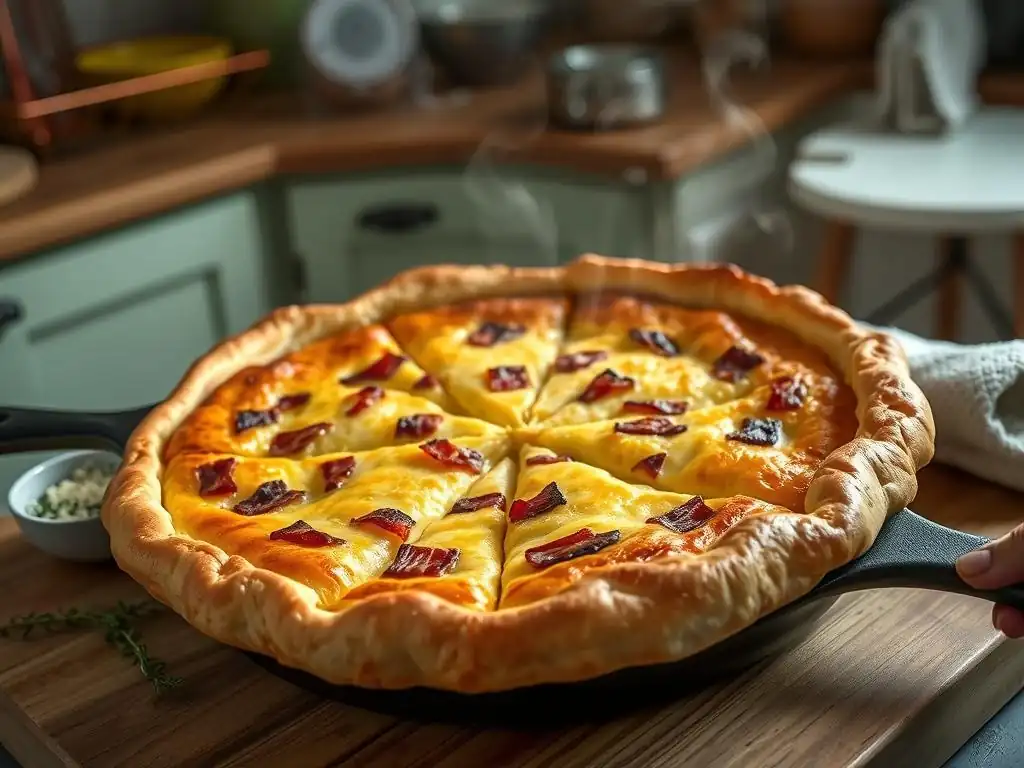
One of the great things about Quiche Lorraine is that it keeps well, making leftovers a delicious treat. Proper storage ensures that the quiche retains its flavor and texture. Knowing how to reheat it correctly is also important to bring it back to its best state without drying out the crust or making the filling rubbery.
This section provides practical advice on storing your homemade quiche, whether you've made this easy basic quiche recipe specifically for leftovers or have some remaining after a meal. We'll also cover the best methods for reheating to enjoy your delicious creation again.
Preserving the Freshness of Leftover Quiche
To store leftover Quiche Lorraine, first ensure it has cooled completely to room temperature. Storing warm quiche can create condensation, making the crust soggy. Once cool, cover the quiche tightly with plastic wrap or aluminum foil. If you've removed slices, store individual slices in an airtight container.
Properly stored in the refrigerator, Quiche Lorraine will typically keep for 3-4 days. For longer storage, you can freeze quiche. Wrap individual slices or the whole cooled quiche tightly in plastic wrap, then wrap again in aluminum foil or place in a freezer-safe bag. Frozen quiche can last for 1-2 months, although the crust quality may slightly diminish upon thawing.
Reheating Quiche for Optimal Taste and Texture
The best way to reheat Quiche Lorraine is in the oven. This method helps the crust crisp up again and gently warms the filling without overcooking it. Preheat your oven to a moderate temperature, around 160°C (325°F).
Place the quiche (or slices) on a baking sheet. If reheating a whole quiche, you might want to loosely tent it with foil to prevent the top from browning further. Reheat for about 15-25 minutes for a whole quiche, or 10-15 minutes for slices, until heated through. Avoid using a microwave if possible, as it can make the crust soggy and the filling rubbery, compromising the quality of your easy basic quiche recipe results.
Mastering Quiche Lorraine: Advanced Techniques and Variations
Once you've successfully made this easy basic quiche recipe, you might feel inspired to explore variations and refine your technique. Mastering the fundamentals provides a fantastic springboard for experimentation. While the classic Quiche Lorraine is perfect in its simplicity, understanding how different ingredients and methods can alter the outcome is part of the fun of baking.
This section briefly touches on ways you can expand upon your basic quiche knowledge, from trying different pastry types to incorporating other flavors. Think of these as next steps on your quiche-making journey, building upon the confidence gained from this straightforward recipe.
Exploring Different Pastry Dough Options
While a classic shortcrust pastry is traditional for Quiche Lorraine and featured in this easy basic quiche recipe, you can experiment with other doughs. A pâte sucrée (sweet shortcrust) could be used for a slightly richer, sweeter crust, although it's less common for savory quiche. A rough puff pastry or even store-bought puff pastry can provide a much flakier, lighter texture, creating a different mouthfeel compared to the dense, buttery shortcrust.
Each pastry type offers a unique characteristic. Puff pastry, for instance, will rise significantly and create many delicate layers. Shortcrust provides a more solid, crumbly base. Trying different doughs allows you to discover your personal preference and adapt the crust to complement various fillings you might try in the future, beyond this easy basic quiche recipe.
Experimenting with Cheese and Herb Infusions
While classic Quiche Lorraine omits cheese, adding it is a popular variation that many enjoy. Gruyère is the most traditional cheese to add, offering a nutty, slightly sweet flavor that pairs beautifully with bacon. Other cheeses like Emmental, Swiss, or even a sharp cheddar can also work, though they will alter the flavor profile.
Adding herbs to the custard is another way to introduce subtle variations. A pinch of freshly chopped chives, parsley, or even a hint of thyme can add freshness and complexity. These small additions can transform your easy basic quiche recipe into something slightly different while still honoring its origins.
Gruyère and Emmental Cheese Variations
If you decide to add cheese to your Quiche Lorraine, Gruyère and Emmental are the top choices for authenticity. Gruyère is a firm yellow Swiss cheese with a distinct, nutty, and slightly sweet flavor that melts beautifully. It adds a wonderful depth to the creamy custard without overpowering the bacon.
Emmental, another Swiss cheese famous for its holes, is milder than Gruyère but still provides a pleasant, nutty flavor and excellent melting properties. Using a mix of Gruyère and Emmental is also common and offers a balanced flavor profile. Typically, you'd sprinkle about 50-100 grams of grated cheese over the lardons before pouring in the custard. This simple addition turns your easy basic quiche recipe into a "Quiche Lorraine with cheese," a popular variation enjoyed worldwide.
Conclusion: Savor Your Homemade Quiche Lorraine!
Congratulations! You've successfully navigated the steps to create a delicious, classic Quiche Lorraine using this easy basic quiche recipe. From crafting the buttery pastry to perfecting the creamy, savory filling, you've built a fundamental baking skill that will serve you well. This dish is a testament to how simple, quality ingredients and straightforward techniques can combine to produce something truly exquisite.
Whether you enjoy it warm from the oven or cooled for a picnic, your homemade Quiche Lorraine is a versatile and comforting treat. Feel proud of your accomplishment and share it with friends and family. As you become more comfortable, don't hesitate to try the suggested variations, but always remember this foundational easy basic quiche recipe as your reliable starting point. Happy baking and even happier eating!
Frequently Asked Questions
What makes this quiche recipe "foolproof"?
This recipe is foolproof because it uses a simple, pre-made crust and a straightforward filling ratio, minimizing common baking errors. We also provide clear, step-by-step instructions.
Can I substitute ingredients in this basic quiche recipe?
Yes, you can! Feel free to substitute cheese, vegetables, or meats to suit your tastes. Just be mindful of the moisture content of your fillings to avoid a soggy quiche.
What is the best way to prevent a soggy quiche crust?
Blind-baking the crust is crucial. This involves baking the crust partially before adding the filling to ensure it's crisp and golden brown before the liquid filling is added.
How long does this quiche keep, and how should I store it?
Properly stored, the quiche will keep in the refrigerator for 3-4 days. Ensure it's completely cooled before wrapping it tightly or placing it in an airtight container for optimal freshness.
Can I freeze this basic quiche recipe?
Yes, you can freeze it after it's baked and cooled completely. Wrap it tightly in plastic wrap and then foil for up to 2 months. Thaw overnight in the refrigerator before reheating.
Final Reflection: The Enduring Power of the Simple Quiche
The humble quiche, a seemingly simple dish, holds a surprising power to connect us to culinary traditions, foster creativity in the kitchen, and bring joy to our tables. Its ease of preparation belies the versatility and satisfaction it offers, making it a perfect centerpiece for both weeknight dinners and special occasions. This recipe, designed for accessibility, aims to empower everyone to experience the magic of this classic dish.
The quiche's enduring appeal lies not just in its deliciousness, but in its adaptability. It's a blank canvas, welcoming a myriad of ingredients and reflecting the diverse flavors of different cultures and seasons. Cooking is at once child's play and adult joy. And cooking done with care is an act of love.
– Craig Claiborne. This quote perfectly encapsulates the heart of quiche-making: a simple process imbued with intention and care, resulting in a dish that nourishes both body and soul. The ability to personalize a quiche, to add your own unique twist, makes it a truly personal culinary experience.
Now, I invite you to step into your kitchen, armed with this foolproof recipe and a spirit of culinary adventure. Don't be afraid to experiment! Try different cheeses, vegetables, or even meats. Let the simple act of creating a quiche become a moment of mindful creation, a chance to connect with yourself and those you share it with. The most rewarding part of cooking, often, is the joy of sharing the fruits of your labor. So, go forth, create your own masterpiece, and savor the delicious results.
Unlock Your Inner Pastry Chef: Master the Quiche!
Thanks for spending time with us and discovering the joy of creating a perfect quiche! You’ve now got the skills to impress your family and friends with this classic dish. Ready to take your baking to the next level?
- Make it your own! Experiment with different cheeses, vegetables, and meats to create your signature quiche. Let your creativity shine!
- Share your creation! Post a picture of your masterpiece on social media and tag us – we’d love to see your quiche creations!
- Challenge a friend: See who can create the most inventive quiche variation. Post your creations and compare notes!
What unique ingredient will you add to your next quiche adventure?