
Healthier Swaps for Popular Kids' Party Treats

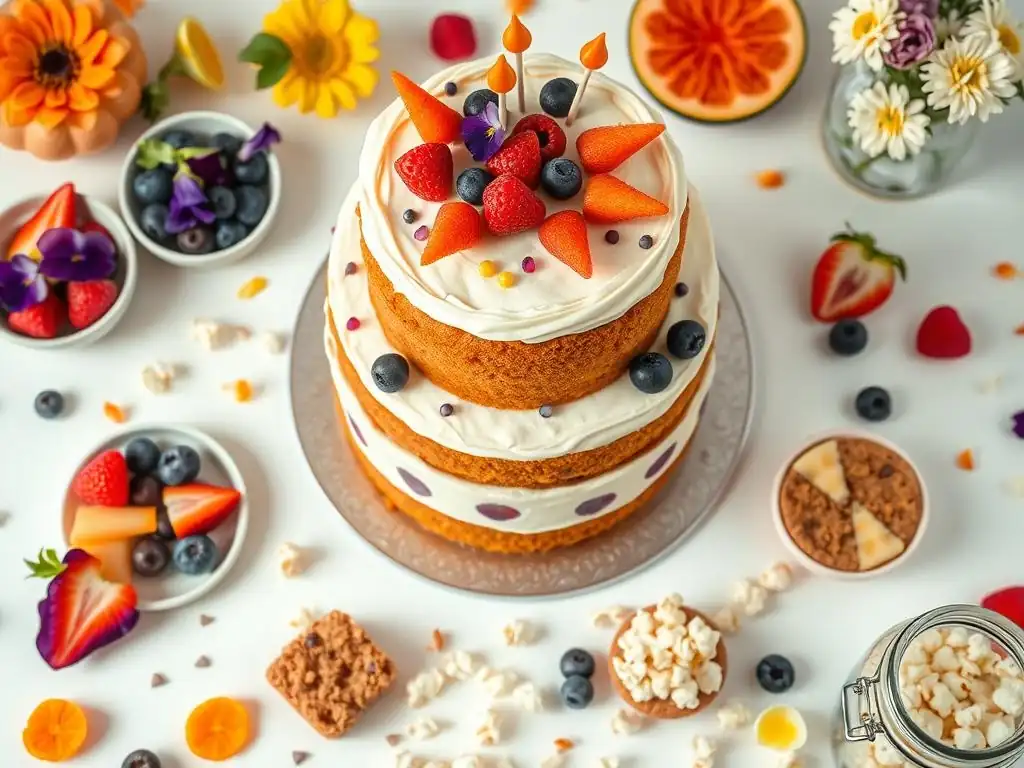
Welcome to BakeWithEase, where delicious baking meets effortless execution! Are you looking to create a memorable and, dare we say, slightly healthier birthday celebration for your little one? Then you're in the right place. We're diving into the world of healthy kids' birthday cakes and treats, offering clever ingredient swaps and simple techniques to create party favorites that are both fun and nourishing. Intrigued? Discover how you can indulge without the guilt and make this birthday the best one yet!
- Introduction: Making Kids' Party Treats Healthier
- The Challenge: Navigating Common Party Food Pitfalls
- Cake Transformations: Healthier Birthday Cake Options
- Sweet Treat Upgrades: Beyond the Cake
- Savory Snack Swaps: Healthier Alternatives
- Drink Alternatives: Avoiding Sugary Drinks
- Recipe Spotlight: Whole Wheat Carrot Cake
- Tips for Success: Encouraging Kids to Enjoy Healthier Treats
- Conclusion: A Healthier and Happier Celebration
-
Frequently Asked Questions
- What are some healthier alternatives to traditional frosting for a kids' birthday cake?
- Can I make a healthier cake without sacrificing flavor?
- What are some healthy swaps for sugar in a cake recipe?
- Are there healthy options for decorating a kids' birthday cake?
- How can I make a cake healthier without my kids noticing the difference?
- Final Reflection: Sweetening the Celebration: A Healthier Approach to Kids' Parties
- Unleash Your Inner Party Planner: Healthier Treats, Happy Kids!
Introduction: Making Kids' Party Treats Healthier
Your Guide to Nutritious and Fun Kids' Parties
Planning a kids' party is exciting, filled with decorations, games, and, of course, treats! While the joy of celebration is paramount, it's also an opportunity to offer delicious options that are kinder to little bodies than traditional sugary snacks. This guide will walk you through simple, effective swaps that keep the fun factor high while boosting the nutritional value of the party spread, ensuring kids can enjoy themselves without the inevitable sugar crash. We believe you can bake with ease and health in mind, making every bite count towards a happy, energetic celebration.
Creating a balanced party menu doesn't mean sacrificing taste or fun. It's about smart substitutions and creative presentations. From swapping out refined sugars for natural sweeteners in a healthier version of a kids' birthday cake to offering vibrant fruit instead of candy, these changes can significantly impact how kids feel during and after the party. Our goal is to empower you to bake and prepare treats that kids will genuinely love, proving that 'healthy' and 'party-ready' can absolutely go hand-in-hand.
Why Traditional Party Treats Can Be Problematic
Traditional kids' party foods often rely heavily on refined sugar, white flour, and artificial colors and flavors. Think bright pink cupcakes, sugary sodas, and bags of salty, fried chips. While these are undeniably appealing to kids, consuming large quantities can lead to rapid spikes and crashes in blood sugar, affecting mood, energy levels, and concentration. A typical slice of conventional birthday cake, for instance, can contain upwards of 30-40 grams of sugar, far exceeding recommended daily limits for children.
Beyond the immediate effects, a diet high in processed foods contributes to longer-term health concerns. Regular consumption of sugary drinks and snacks is linked to increased risks of dental cavities, weight gain, and establishing unhealthy eating habits from a young age. Navigating these pitfalls requires conscious choices about the ingredients we use, especially when it comes to celebratory staples like the much-anticipated kids' birthday cake.
The Benefits of Healthier Choices for Children
Opting for healthier alternatives provides children with sustained energy throughout the party, reducing hyperactivity followed by fatigue. Nutrient-dense swaps, like using whole grains, fruits, and vegetables, offer essential vitamins, minerals, and fiber that support growth and development. For example, serving fruit provides natural sugars for energy along with vital Vitamin C and fiber, unlike processed candies which offer little nutritional value.
Furthermore, introducing children to healthier versions of party favorites helps broaden their palates and encourages positive relationships with food. When a healthy kids' birthday cake made with whole wheat and naturally sweetened is just as exciting as a conventional one, it teaches kids that nutritious food can also be delicious and fun. These early exposures can help shape lifelong healthy eating habits, making future food choices easier and more beneficial.
Cake Transformations: Healthier Birthday Cake Options
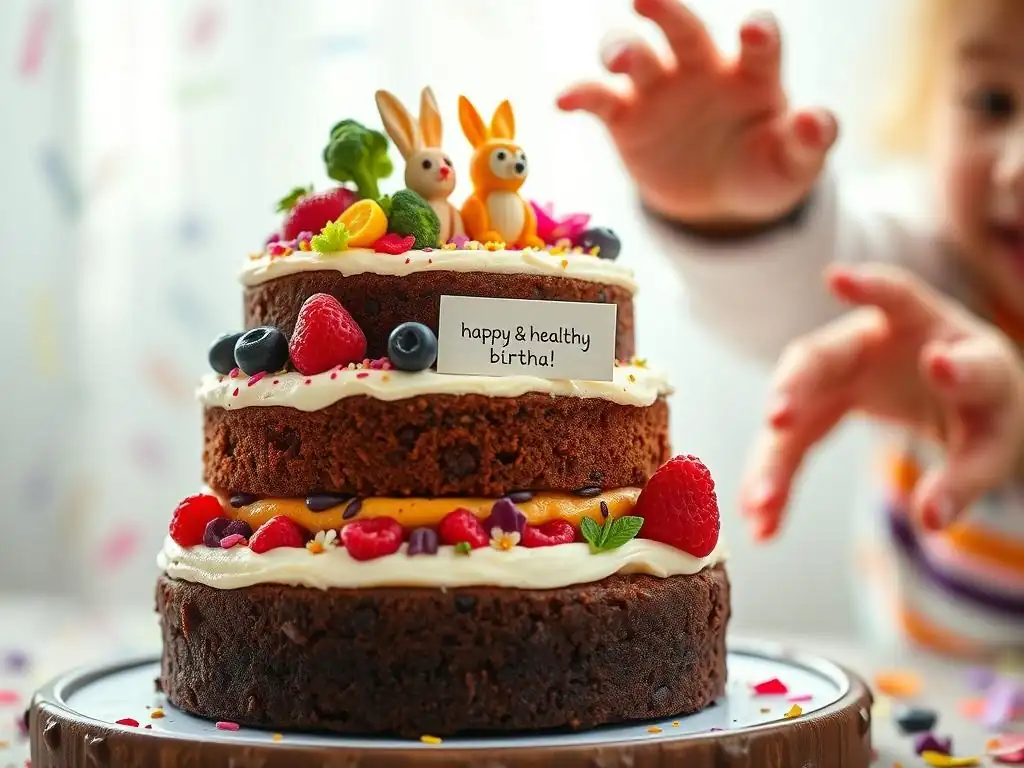
Rethinking the Birthday Cake: Reducing Sugar and Processed Ingredients
The birthday cake is often the centerpiece of any kids' party, making it a prime candidate for a healthy makeover. The primary goal is to significantly reduce added sugars and swap refined flours for whole grains. Instead of cups of white sugar, consider using natural sweeteners like maple syrup, honey (for children over one year old), or mashed ripe bananas and applesauce, which also add moisture and flavor. Whole wheat flour or a blend of whole wheat and oat flour can replace all-purpose flour, boosting fiber content.
Incorporating fruits and vegetables directly into the cake batter is another excellent strategy. Shredded carrots, zucchini, mashed sweet potato, or pureed pumpkin not only add nutrients and fiber but also contribute natural sweetness and moisture, allowing you to further decrease added sugars. Spices like cinnamon and nutmeg enhance flavor without needing extra sweetness. By making these thoughtful changes, you create a delightful and healthy kids' birthday cake that everyone can feel good about.
Healthy Birthday Cake Ideas: Whole Wheat Carrot Cake
A whole wheat carrot cake is a fantastic example of a healthy kids' birthday cake that doesn't compromise on taste or festive appeal. Using whole wheat flour provides more fiber and nutrients compared to white flour. The natural sweetness and moisture from a generous amount of shredded carrots (perhaps 2 cups for a standard 8-inch cake) allow for a significant reduction in added sugar. You might use half the amount of sugar called for in a traditional recipe, supplementing sweetness with a quarter cup of applesauce or a few tablespoons of maple syrup.
Adding spices like cinnamon, nutmeg, and ginger enhances the warm, comforting flavor profile, making the cake feel indulgent even with less sugar. You can also include add-ins like raisins or chopped walnuts (if no allergies) for texture and nutritional boosts. This type of cake is naturally moist and flavorful, proving that a healthy kids' birthday cake can be just as exciting and delicious as a conventional one, making it a perfect centerpiece for the celebration.
Frosting Alternatives: Greek Yogurt Frosting with Honey
Traditional buttercream frosting is notoriously high in sugar and butter. A lighter, more nutritious alternative is a Greek yogurt-based frosting. Greek yogurt provides protein and a pleasant tanginess that pairs well with sweetness. Simply combine plain, full-fat Greek yogurt with a natural sweetener like honey or maple syrup and a splash of vanilla extract. For a thicker consistency, you can strain the yogurt first or add a tablespoon of cornstarch or tapioca starch.
Another option is a cream cheese frosting made with significantly less powdered sugar. You can use half or even a third of the sugar typically called for, enhancing the flavor with lemon zest or vanilla bean paste. For a vibrant, naturally colored frosting, blend in a small amount of fruit puree, like raspberry or blueberry, which also adds natural sweetness and cuts down on the need for added sugar. These frosting alternatives make your healthy kids' birthday cake even better for little party-goers.
Decorating: Fresh Berries and Natural Food Coloring
Decorating a healthy kids' birthday cake can be just as fun and visually appealing as decorating a traditional one, using natural elements. Fresh berries like strawberries, blueberries, and raspberries are vibrant, naturally sweet, and packed with antioxidants. Arrange them in fun patterns, create shapes, or cover the cake top entirely for a stunning, colorful effect.
For vibrant colors without artificial dyes, turn to natural food coloring sources. A small amount of beetroot juice can create pinks and reds. Turmeric can yield yellow, spinach juice a light green, and blueberry puree a lovely purple or blue hue. These natural colorings can be incorporated into your healthier frosting alternatives or used to paint designs directly onto the cake surface using a fine brush. Edible flowers or thinly sliced fruit cut into shapes also make beautiful and healthy decorations for any healthy kids' birthday cake.
Sweet Treat Upgrades: Beyond the Cake
Swapping Sugary Candies: Fruit Skewers with Yogurt Dip
Instead of bowls overflowing with processed sugary candies, offer colorful fruit skewers. Cubes of melon, grapes, strawberries, blueberries, and pineapple threaded onto small skewers are visually appealing and naturally sweet. They provide vitamins, fiber, and hydration. A study showed that children are more likely to eat fruit when it's presented in a fun, accessible way like on a skewer.
Pair the fruit skewers with a healthy dip. A simple dip made from plain Greek yogurt mixed with a little honey or maple syrup and a dash of vanilla extract adds protein and calcium. You can even add a spoonful of cocoa powder for a chocolatey version. This swap replaces empty calories with nutrient-rich options that are just as exciting for kids to eat.
Traditional cookies often contain large amounts of butter, white flour, and sugar. Healthier versions can be made by using whole wheat flour or oat flour, reducing the amount of added sugar, and incorporating healthier fats like applesauce or mashed banana to replace some of the butter. Oatmeal raisin cookies are a classic that adapts well; the oats add fiber, and raisins provide natural sweetness.
When baking, try reducing the sugar by a third or even half. You can also swap some sugar for a natural sweetener like maple syrup or use mashed ripe banana. For example, a batch of cookies might typically call for 1 cup of sugar; you could use 1/2 cup sugar and 1/4 cup mashed banana or applesauce. This adjustment significantly lowers the sugar content while keeping the cookies moist and delicious.
Energy Bites: Peanut Butter and Date Energy Bites
Energy bites are incredibly easy to make, require no baking, and are packed with nutrients. A simple recipe involves blending pitted dates (about 1 cup) with rolled oats (about 1 cup) and peanut butter (about 1/2 cup) in a food processor until the mixture comes together. Roll the mixture into small balls about 1 inch in diameter. This basic recipe provides fiber, protein, and healthy fats.
You can customize energy bites by adding shredded coconut, chia seeds, flax seeds, cocoa powder, or chopped nuts (if no allergies). These bites are naturally sweet from the dates and provide sustained energy, making them a much better alternative to sugary processed snacks. They are portion-controlled and easy for little hands to grab and enjoy.
Homemade Popsicles: Fruit and Vegetable Popsicles
Store-bought popsicles are often made primarily from high-fructose corn syrup and artificial colors. Making your own at home allows you to control the ingredients entirely. Blend fresh or frozen fruits like berries, mango, or pineapple with a liquid base like coconut water, orange juice (100% juice), or plain yogurt. For added nutrients, sneak in some vegetables like spinach or kale; they blend seamlessly into fruit-heavy mixtures without significantly altering the taste, especially with strong flavors like berries or pineapple.
Pour the mixture into popsicle molds and freeze. You can make layered popsicles with different fruit blends for visual appeal. These homemade versions are refreshing, hydrating, and full of vitamins, containing only the natural sugars from the fruits and vegetables used. A batch might yield 8-10 popsicles, providing a healthy treat option for multiple kids.
Savory Snack Swaps: Healthier Alternatives
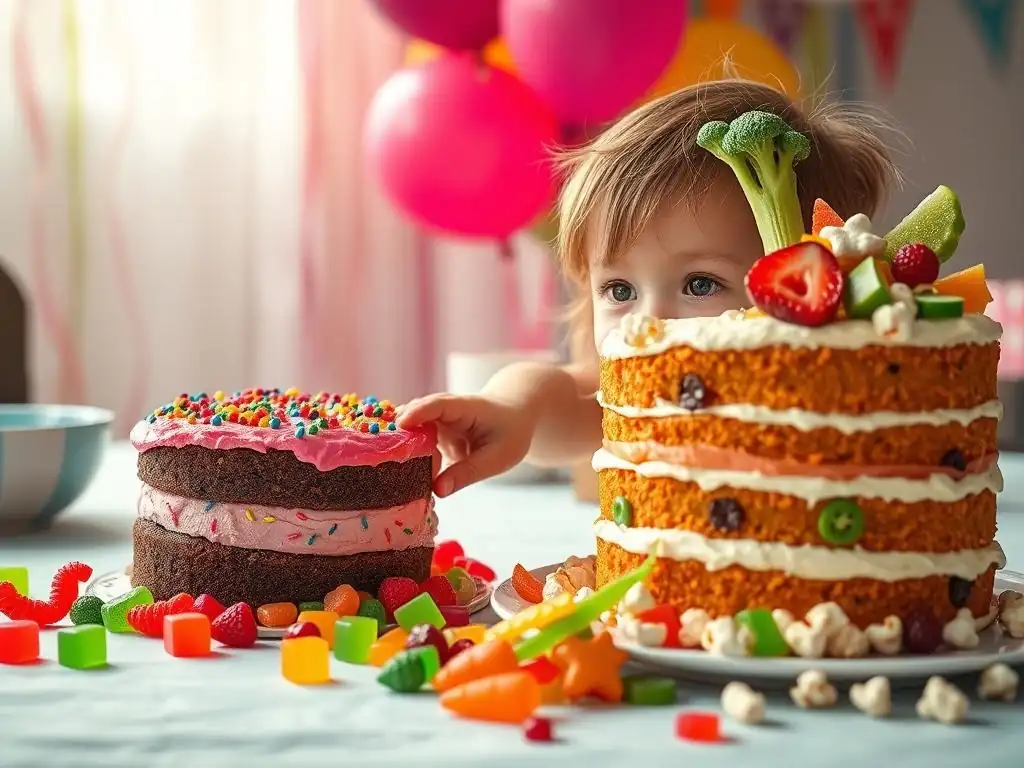
Ditching the Chips: Bell Pepper Strips with Guacamole
Salty, fried potato chips are a party staple but offer little nutritional value. Replace them with vibrant, crunchy bell pepper strips in various colors (red, yellow, orange). Bell peppers are rich in Vitamin C and offer a satisfying crunch. Cut them into easy-to-dip strips. Cucumber sticks, carrot sticks, and celery sticks are also great additions to a veggie platter.
Pair the vegetable sticks with healthy dips like guacamole or hummus. Guacamole provides healthy monounsaturated fats, while hummus is a good source of plant-based protein and fiber. Making these dips from scratch allows you to control the sodium content. For example, a cup of hummus can be made with a can of chickpeas, tahini, lemon juice, garlic, and a pinch of salt, a far cry from the preservatives and high sodium found in some store-bought versions.
Healthier Pizza Options: Cauliflower Crust Pizza with Lean Protein and Veggies
Pizza is a guaranteed crowd-pleaser, but traditional white-crust pizza with greasy toppings can be heavy and less nutritious. A healthier alternative is using a cauliflower crust, which adds vegetables and reduces refined carbohydrates. You can buy pre-made cauliflower crusts or make your own by ricing cauliflower, draining excess moisture, and binding it with egg and cheese.
Top the pizza with a low-sugar tomato sauce, lean protein like grilled chicken or turkey pepperoni, and plenty of vegetables such as spinach, mushrooms, bell peppers, and onions. Using part-skim mozzarella cheese reduces saturated fat. Baking these mini pizzas or a large one cut into small squares offers a fun, familiar food in a much more nutritious package.
Mini Quiches: Spinach and Feta Mini Quiches
Instead of sausage rolls or mini hot dogs, offer savory mini quiches. These can be made with whole wheat pastry dough or even crustless for a gluten-free option. Fillings can include nutrient-rich ingredients like spinach, broccoli florets, cherry tomatoes, and lean protein such as diced ham or crumbled turkey bacon.
Whisk eggs with a splash of milk (dairy or non-dairy) and some cheese like feta or cheddar. Pour the mixture into mini muffin tins lined with dough or simply greased if making crustless quiches. Bake until set and golden. These mini quiches are portion-controlled, easy to eat, and provide protein and vegetables, making them a substantial and healthy savory snack.
Popcorn: Air-Popped with Nutritional Yeast
Buttered, heavily salted popcorn isn't the healthiest snack. However, air-popped popcorn is a whole grain and can be a great healthy option. Air-popping avoids the need for oil or butter during the cooking process. A standard air popper can pop about 1/2 cup of kernels, yielding several cups of fluffy popcorn.
Instead of excessive salt and butter, season air-popped popcorn with nutritional yeast. Nutritional yeast has a cheesy, savory flavor and is a good source of B vitamins. A sprinkle of garlic powder or smoked paprika can also add flavor without added sodium. This creates a light, fiber-rich snack that kids often enjoy.
Drink Alternatives: Avoiding Sugary Drinks
Water Infusions: Cucumber and Mint Infused Water
Sugary sodas and fruit juices are major sources of empty calories and contribute to sugar spikes. Plain water is the best choice, but for a party, make it more appealing with infusions. Simply add slices of cucumber and sprigs of fresh mint to a pitcher of cold water. Let it sit for at least 30 minutes to allow the flavors to meld.
Other delicious and refreshing combinations include lemon and lime slices, orange and berries, or ginger and pear. Infused water offers a hint of flavor without any added sugar or artificial ingredients, encouraging kids to stay hydrated in a healthy way. It's visually appealing and a sophisticated alternative to sugary drinks.
Homemade Lemonade: Stevia-Sweetened Lemonade
Lemonade can be a refreshing option, but traditional recipes call for large amounts of sugar. Make a healthier version using a natural, calorie-free sweetener like stevia or erythritol. Combine fresh lemon juice with water and sweeten to taste with the alternative sweetener. A basic recipe might use 1 cup of lemon juice, 6-8 cups of water, and stevia equivalent to 1/2 to 1 cup of sugar.
This allows you to control the sweetness level and avoid the negative effects of refined sugar. You can also add other fruits like berries or a splash of pure fruit juice (like cranberry or cherry) for color and a touch of natural sweetness, while still keeping the overall sugar content much lower than store-bought options.
Fruit Smoothies: Spinach, Banana, and Berry Smoothie
Smoothies made with whole fruits and vegetables are packed with nutrients and fiber. A simple and popular combination is spinach, banana, and berries. The sweetness of the banana and berries masks the flavor of the spinach, making it an easy way to get kids to consume leafy greens. Blend a handful of spinach with a ripe banana, a cup of mixed berries (fresh or frozen), and a liquid base like milk (dairy or non-dairy) or yogurt.
Avoid adding extra sugar or juice concentrates. The fruit provides enough natural sweetness. Smoothies can be served in small cups or fun containers. They offer vitamins, minerals, fiber, and antioxidants, providing sustained energy unlike sugary drinks.
Sparkling Water: Flavored Sparkling Water with Fruit Slices
For kids who enjoy bubbly drinks, flavored sparkling water is a great alternative to soda. Choose brands that use natural flavors and contain no added sugar or artificial sweeteners. Even better, make your own by adding fresh fruit slices (like oranges, limes, or grapefruit) or a splash of 100% fruit juice to plain sparkling water.
This provides the fun fizziness of soda without the high sugar content. Serving it in festive cups with colorful straws makes it feel special for a party. It's a hydrating and low-calorie option that feels like a treat.
Recipe Spotlight: Whole Wheat Carrot Cake
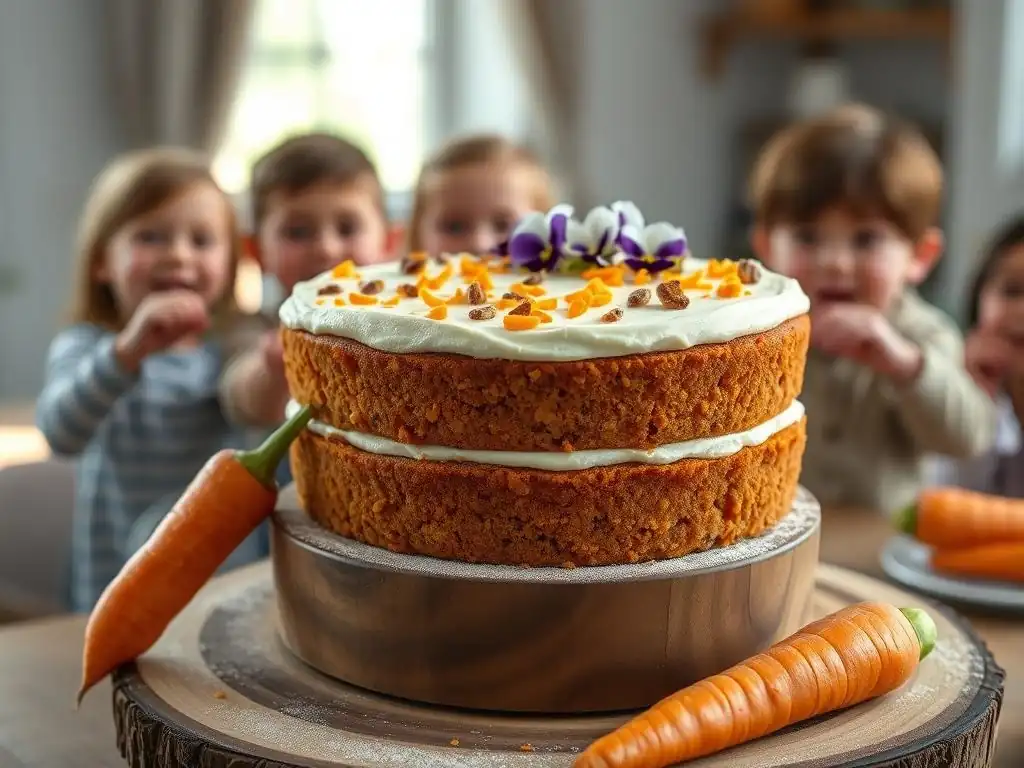
A Delicious and Nutritious Twist on a Classic
Our Whole Wheat Carrot Cake is designed to be a delightful and healthy kids' birthday cake option. It takes the beloved flavors of a classic carrot cake – the warmth of cinnamon, the sweetness of carrots, the richness of cream cheese frosting – and adapts them to be significantly more nutritious. By swapping refined ingredients for whole wheat flour, natural sweeteners, and plenty of vegetables, we create a cake that's higher in fiber, lower in added sugar, and still incredibly moist and flavorful.
This recipe proves that you don't have to compromise on taste or the celebratory feel to offer a healthier alternative. It's a fantastic centerpiece for any kids' party, providing a slice of indulgence that parents can feel good about their children enjoying. Baking this healthy kids' birthday cake is a step towards creating healthier traditions without losing any of the fun.
Ingredients for a Healthier Carrot Cake
To bake this healthy kids' birthday cake, you'll need:
- 1 ½ cups whole wheat flour
- 1 teaspoon baking soda
- ½ teaspoon baking powder
- ½ teaspoon salt
- 1 teaspoon ground cinnamon
- ¼ teaspoon ground nutmeg
- ¼ teaspoon ground ginger
- 2 cups finely grated carrots (about 3-4 medium carrots)
- ¾ cup unsweetened applesauce or mashed ripe banana
- ½ cup packed brown sugar (or use maple syrup equivalent)
- ¼ cup vegetable oil (or melted coconut oil)
- 2 large eggs
- 1 teaspoon vanilla extract
- Optional: ½ cup chopped walnuts or pecans (if no allergies), ½ cup raisins
These ingredients focus on whole grains, natural sweetness from fruit and vegetables, and reduced added sugar compared to typical recipes. Using brown sugar adds moisture and a deeper flavor profile with less volume than white sugar.
Step-by-Step Baking Instructions
- Preheat your oven to 350°F (175°C). Grease and flour an 8-inch round cake pan or a 9x13 inch rectangular pan.
- In a large bowl, whisk together the whole wheat flour, baking soda, baking powder, salt, cinnamon, nutmeg, and ginger.
- In a separate medium bowl, whisk together the grated carrots, applesauce/mashed banana, brown sugar (or maple syrup), vegetable oil, eggs, and vanilla extract until well combined.
- Pour the wet ingredients into the dry ingredients and stir until just combined. Do not overmix. If using, fold in the nuts and raisins.
- Pour the batter evenly into the prepared pan.
- Bake for 30-40 minutes for a round pan, or 25-35 minutes for a rectangular pan, or until a toothpick inserted into the center comes out clean. Baking time will vary slightly based on your oven and pan size.
- Let the cake cool in the pan for 10 minutes before inverting it onto a wire rack to cool completely.
Allowing the cake to cool completely before frosting is crucial for the frosting to set properly. This simple process yields a delicious and moist healthy kids' birthday cake ready for your chosen healthy frosting.
Tips for a Moist and Flavorful Carrot Cake
Achieving a moist and flavorful healthy kids' birthday cake relies on a few key techniques. Firstly, ensure your carrots are finely grated; this helps them soften and integrate seamlessly into the batter, releasing their moisture and sweetness. Using unsweetened applesauce or mashed banana is also vital for moisture and allowing you to reduce added fats and sugars.
Secondly, avoid overmixing the batter once the wet and dry ingredients are combined. Overmixing develops the gluten in the whole wheat flour too much, which can result in a tougher cake. Mix just until no dry streaks remain. Lastly, do not overbake! Check for doneness using the toothpick test a few minutes before the minimum suggested baking time. An overbaked cake will be dry. These simple tips ensure your healthy kids' birthday cake is perfectly moist and delicious every time.
Tips for Success: Encouraging Kids to Enjoy Healthier Treats
Presentation: Creative Plating and Fun Shapes
Kids eat with their eyes! Making healthier treats visually appealing is key to encouraging them to try new things. Use cookie cutters to create fun shapes from fruit slices, vegetable sticks, or healthier sandwiches. Arrange food on platters in colorful patterns or build edible structures. For instance, fruit skewers can be arranged to look like a rainbow.
Serve dips in small, colorful bowls with an array of dippers. A healthy kids' birthday cake can be decorated with vibrant fruit patterns or naturally colored frosting swirls. Even simple things like using fun plates, cups, and napkins can make healthy options seem more exciting and part of the party fun.
Involving Kids in Preparation
Getting kids involved in the kitchen is a fantastic way to introduce them to healthier foods and make them more willing to try what they've helped create. Let them wash fruits and vegetables, stir batters, measure ingredients (under supervision), or decorate cookies and the healthy kids' birthday cake with healthier toppings.
When kids feel a sense of ownership over the food, they are more likely to be adventurous eaters. This also provides a great opportunity to talk about where food comes from and why certain ingredients are good for their bodies in a fun, low-pressure environment.
Gradual Transition to Healthier Options
If kids are used to traditional, sugary party foods, don't overhaul everything at once. Introduce healthier swaps gradually. Start by replacing sugary drinks with infused water, or offering a mix of conventional and healthier snacks. Over time, you can increase the proportion of healthier options.
For the birthday cake, perhaps start with a slightly modified recipe and gradually reduce sugar and increase whole grains in subsequent years. This slow transition helps children adjust to new tastes and textures without feeling deprived or resistant to the changes. Consistency over time builds healthier habits.
Positive Reinforcement and Healthy Eating Role Modeling
Focus on the positives when presenting healthier options. Instead of saying "This is healthy because it has less sugar," try highlighting how delicious and fun the food is. Praise kids for trying new things, regardless of whether they love it. Avoid making food a source of conflict or using treats as rewards or punishments.
Most importantly, be a good role model. Let kids see you enjoying the healthy foods you prepare. When parents and caregivers demonstrate healthy eating habits and express enjoyment in nutritious foods, children are much more likely to follow suit. Sharing a slice of the healthy kids' birthday cake with genuine enthusiasm sets a great example.
Conclusion: A Healthier and Happier Celebration
Creating Delicious and Nutritious Treats
Transforming kids' party treats into healthier versions is entirely achievable and incredibly rewarding. By making simple swaps – using whole grains, natural sweeteners, plenty of fruits and vegetables, and lean proteins – you can create a spread that is both delicious and genuinely good for the children enjoying it. From a revamped healthy kids' birthday cake to vibrant fruit skewers and savory veggie bites, the possibilities are endless and creative.
Embracing healthier swaps means reducing the reliance on empty calories and processed ingredients, providing kids with the sustained energy they need to run, play, and celebrate. These changes contribute not just to a happier party experience but also help lay the foundation for positive eating habits in the future.
Celebrating with Health in Mind
Ultimately, the goal of a kids' party is to celebrate and have fun. By incorporating healthier options, you ensure that the celebration supports the children's well-being rather than detracting from it. A party featuring nutritious and tasty food allows kids to enjoy themselves to the fullest, minimizing sugar-induced highs and lows.
Hosting a party where the healthy kids' birthday cake is a highlight, alongside other wholesome treats, demonstrates that health and celebration can coexist beautifully. It's about finding balance and making conscious choices that nourish growing bodies while still embracing the joy and excitement of special occasions. Celebrate healthily, bake with ease, and create memories that taste good and feel good too!
Frequently Asked Questions
What are some healthier alternatives to traditional frosting for a kids' birthday cake?
Instead of sugary buttercream, try a frosting made with Greek yogurt and honey or a fruit puree-based frosting. These options offer natural sweetness and can be significantly lower in sugar.
Can I make a healthier cake without sacrificing flavor?
Absolutely! Using whole wheat flour (or a blend) and adding fruit purees like applesauce or mashed bananas can enhance flavor and provide nutrients. Experiment with spices like cinnamon and nutmeg for added warmth.
What are some healthy swaps for sugar in a cake recipe?
Consider using natural sweeteners like maple syrup or honey in moderation. You can also reduce the total amount of sugar called for in the recipe, as many recipes use more sugar than necessary.
Are there healthy options for decorating a kids' birthday cake?
Yes! Opt for fresh fruits, berries, and homemade fruit leather. Avoid overly processed sprinkles and candies, and consider using dark chocolate shavings sparingly.
How can I make a cake healthier without my kids noticing the difference?
Gradually introduce healthier swaps. Start by replacing a portion of the white flour with whole wheat and reducing the sugar slightly. Focus on enhancing flavors with fruit and spices so the changes are less noticeable.
Final Reflection: Sweetening the Celebration: A Healthier Approach to Kids' Parties
The pursuit of healthier alternatives for children's party treats isn't just a trend; it's a vital shift in prioritizing children's well-being. We've explored numerous delicious and nutritious swaps for classic party favorites, demonstrating that fun and healthy can, and should, coexist. This isn't about deprivation, but about mindful choices that contribute to a brighter, healthier future for our children.
The impact of our food choices on children's health and development is profound and far-reaching. It shapes their palates, influences their long-term eating habits, and contributes significantly to their overall well-being. This isn't just about avoiding sugar crashes at birthday parties; it's about fostering a positive relationship with food from a young age. We are what we repeatedly do. Excellence, then, is not an act, but a habit.
– Aristotle. This quote perfectly encapsulates the importance of establishing healthy eating habits early in life, setting the stage for a lifetime of mindful choices.
Now, it's your turn. Consider the birthday parties you've attended or hosted. What small changes could you make to incorporate healthier options without sacrificing the fun and festivity? Perhaps you'll try one of the recipes highlighted in this article, or perhaps you'll be inspired to explore other creative and nutritious alternatives. Remember, every small step towards healthier choices contributes to a bigger, brighter picture – a picture of happy, healthy children celebrating life's milestones with joy and nourishment.
Unleash Your Inner Party Planner: Healthier Treats, Happy Kids!
Thanks for taking the time to explore healthier alternatives for your little ones' next party! We hope you found some delicious and easy swaps to make celebrations both fun and nutritious. Now, let's get those party plans in motion:
- Craft your healthier party menu: Start with one or two swaps from the article and see how easy it is to make a big difference!
- Share your creations!: Show off your healthy party treats on social media using #BakeWithEaseHealthyParty. We'd love to see your culinary masterpieces!
- Join our community: Have questions or want more healthy recipe ideas? Head over to our forum and connect with other parents!
What's one swap you're most excited to try at your next party?