
Simple Guide to Baking with Christmas Spices

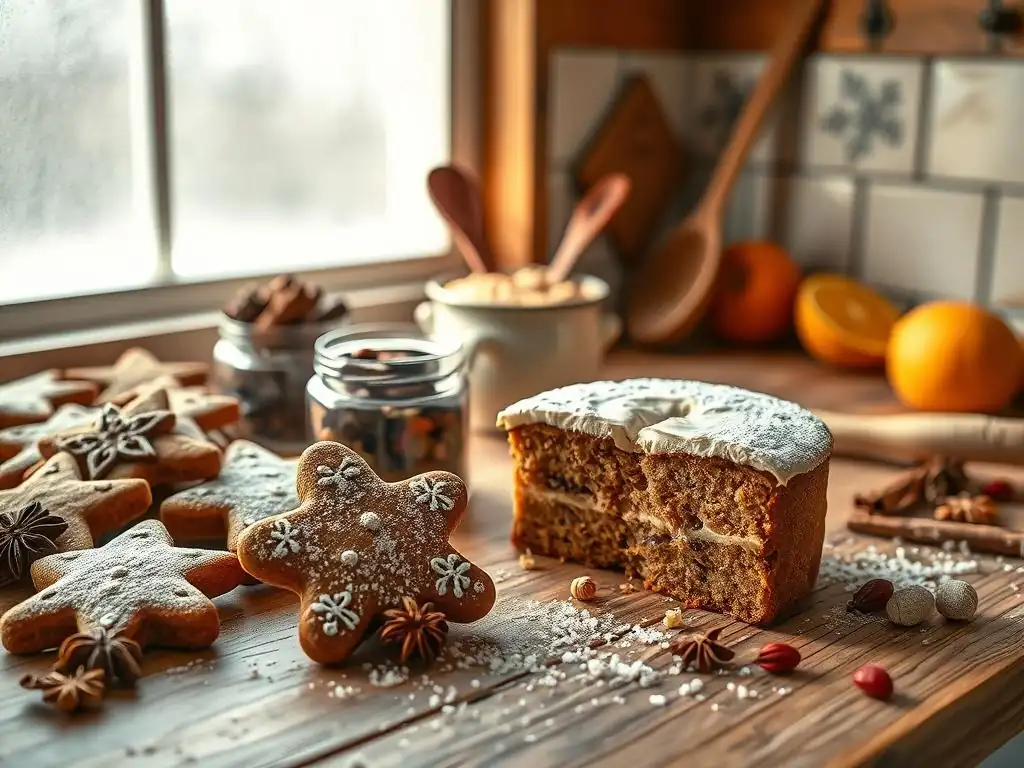
Welcome to BakeWithEase, your trusted guide to the delightful world of baking! Ever wondered how to perfectly infuse your holiday treats with that quintessential Christmas warmth? Our Simple Guide to Baking with Christmas Spices unlocks the secrets to using these aromatic wonders, transforming ordinary recipes into extraordinary festive delights. Ready to elevate your holiday baking and fill your kitchen with irresistible scents? Let's get started!
- Baking with Winter Spices: A Flavorful Guide
- Introduction to Winter Spice Baking
- Essential Winter Spices for Baking
- Creating Your Own Winter Spice Blends
- Winter Spice Baking Recipes: Beginner-Friendly
- Tips and Tricks for Baking with Winter Spices
- Exploring Different Winter Spice Combinations
- Troubleshooting Common Issues
- Elevating Your Winter Spice Baking
- Conclusion: Mastering Winter Spice Baking
-
Frequently Asked Questions
- What are the most common Christmas spices used in baking?
- Where can I find high-quality Christmas spices for baking?
- How should I store my Christmas spices to maintain their freshness?
- How much Christmas spice should I use in my baking recipes?
- Can I substitute one Christmas spice for another in a recipe?
- Final Reflection: The Enduring Magic of Christmas Spices
- Unleash Your Inner Baker: Festive Baking Awaits!
Baking with Winter Spices: A Flavorful Guide
Welcome to the wonderful world of baking with winter spices! As the days grow shorter and the air turns crisp, our kitchens beckon with the promise of warm, comforting aromas. This guide is designed to help you explore how simple ingredients like cinnamon, nutmeg, and ginger can transform your baked goods into festive delights.
Whether you're a seasoned baker or just starting out, mastering the art of incorporating these fragrant spices will elevate your holiday treats and fill your home with the spirit of the season. Get ready to embark on a delicious journey with this essential Christmas spices baking guide.
Introduction to Winter Spice Baking
The tradition of using spices like cinnamon, cloves, and ginger in baking dates back centuries, often associated with celebrations and the cooler months. These spices not only add incredible flavor but also evoke feelings of warmth, comfort, and nostalgia. Learning how to use them effectively is a key part of creating memorable baked goods, especially during the holiday season. This section lays the groundwork for understanding the appeal and benefits of using winter spices in your kitchen.
Discover the Delight of Baking with Winter Spices
There's a unique magic that happens when winter spices meet warm dough or batter. The complex aromas they release while baking are simply intoxicating, turning your kitchen into a fragrant haven. Imagine the smell of fresh gingerbread cookies or a spiced apple pie bubbling in the oven – these are the quintessential scents of winter baking.
Beyond the aroma, these spices add layers of flavor, from the sweet warmth of cinnamon to the peppery bite of ginger, creating depth and richness in everything from simple muffins to elaborate cakes. It's this sensory experience that makes baking with Christmas spices such a cherished activity.
Exploring different spices and combinations allows for endless creativity. A basic shortbread can become a festive treat with a hint of ginger and cardamom, while a simple sugar cookie dough transforms into something special with a pinch of nutmeg and clove. This Christmas spices baking guide is your starting point for discovering these delightful possibilities. You'll learn how to choose the right spices, combine them effectively, and enhance your favorite recipes, making your holiday baking truly stand out.
Why Use Winter Spices in Your Baking?
Using winter spices in baking offers numerous benefits, extending beyond just flavor and aroma. Historically, many spices were used for preservation, especially before modern refrigeration was common. While that's less of a concern today, spices still contribute to the overall appeal of baked goods. They can balance sweetness, add warmth, and provide a pleasant complexity that plain dough or batter lacks. For instance, cinnamon's natural sweetness can complement sugar, while ginger's heat adds an exciting contrast.
Furthermore, winter spices are deeply intertwined with holiday traditions around the world. Incorporating them into your baking connects you to this rich history and creates a sense of occasion. Think of classic recipes like German Lebkuchen (gingerbread), Italian Panettone (often spiced), or American pumpkin pie – all heavily reliant on these seasonal flavors. Mastering the use of these spices is essential for anyone wanting to create authentic and beloved holiday treats. This Christmas spices baking guide provides the knowledge to do just that, ensuring your baked goods are not only delicious but also steeped in festive tradition.
Essential Winter Spices for Baking
Certain spices are considered staples when it comes to winter and holiday baking. While there are many fragrant options available, a core group forms the foundation of most classic recipes. Understanding the individual characteristics of these essential spices is crucial for building flavor profiles and creating balanced, delicious baked goods. This section dives into the key players you'll encounter in almost any Christmas spices baking guide.
Cinnamon: The Heart of Winter Baking
Cinnamon is arguably the most iconic winter spice, instantly recognizable by its warm, sweet, and slightly woody aroma. It comes in various forms, including quills (sticks) and ground powder. The two main types are Cassia cinnamon (more common, stronger, and spicier, often from Indonesia or Vietnam) and Ceylon cinnamon (sweeter, more delicate, and often called "true" cinnamon, primarily from Sri Lanka).
For most everyday baking, Cassia is perfectly fine and provides that familiar punchy flavor found in cinnamon rolls, apple pies, and snickerdoodles. A common starting point in many recipes is 1 to 2 teaspoons of ground cinnamon per batch of cookies or one cake.
Its versatility is unmatched; cinnamon pairs wonderfully with fruits like apples and pears, chocolate, nuts, and dairy. It adds warmth without being overpowering when used correctly. Too much, however, can become slightly bitter or overwhelmingly pungent. When following a Christmas spices baking guide, pay close attention to the specified type and amount of cinnamon, as it forms the base layer for many festive flavors. Store ground cinnamon in an airtight container away from light and heat; while it doesn't spoil, its potency diminishes over time, typically losing significant aroma after about six months to a year.
Nutmeg: Adding Warmth and Comfort
Nutmeg offers a warm, slightly sweet, and nutty flavor with subtle piney or citrusy undertones. It's a key component in many creamy desserts, custards, and baked goods like gingerbread, pumpkin pie, and spice cakes. Nutmeg is available pre-ground, but for the best flavor, it's highly recommended to buy whole nutmeg and grate it fresh using a microplane or fine grater just before adding it to your recipe. Freshly grated nutmeg is significantly more aromatic and flavorful than pre-ground, which can lose its volatile oils quickly.
A little nutmeg goes a long way. Recipes typically call for small amounts, often a quarter to a half teaspoon of ground nutmeg for a standard cake or pie filling. Its flavor is potent and can easily overpower other ingredients if used excessively.
Nutmeg pairs exceptionally well with dairy, eggs, and other warm spices like cinnamon and cloves. When developing your skills with a Christmas spices baking guide, experiment with adding just a pinch of freshly grated nutmeg to whipped cream, eggnog, or even a simple sugar cookie dough to experience its comforting depth. Store whole nutmeg in a cool, dark place, and it will retain its flavor for years.
Ginger: A Zesty Winter Spice
Ginger brings a unique combination of warmth, pungency, and a slightly peppery bite to baking. It's a cornerstone of gingerbread in all its forms – cookies, cakes, and houses – and is also fantastic in muffins, loaves, and spiced fruit desserts. Ginger is commonly used in baking as ground dried ginger, which has a concentrated, warm flavor. Fresh ginger (grated or minced) is also used, particularly in more complex recipes or glazes, offering a brighter, spicier note, but ground ginger is the standard for consistent results in most baked goods.
Ground ginger is quite potent, so like nutmeg, it's typically used in smaller quantities, perhaps half a teaspoon to a teaspoon per batch of cookies or cake, depending on how prominent you want the ginger flavor to be. It pairs wonderfully with molasses, brown sugar, citrus fruits, and other warm spices. For a classic gingerbread flavor profile, combine ginger with cinnamon, cloves, and a touch of nutmeg.
Following a Christmas spices baking guide often involves finding the right balance of ginger's heat with the sweetness and other spice notes in a recipe. Store ground ginger in an airtight container, aiming to use it within six months for optimal flavor.
Cloves: Intensifying Winter Flavors
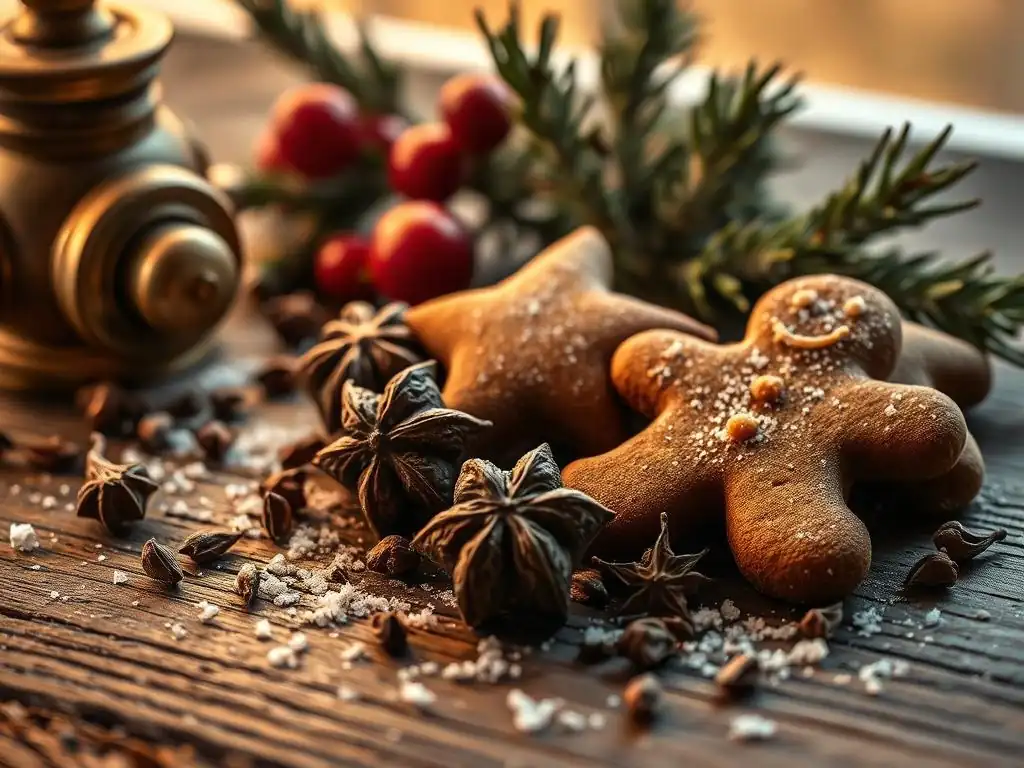
Cloves are small, nail-shaped spice buds known for their intensely aromatic, pungent, and slightly sweet yet biting flavor. They are one of the most potent spices used in baking and must be used sparingly to avoid overpowering other flavors or leaving a numbing sensation on the tongue. Cloves are often used in conjunction with cinnamon, nutmeg, and ginger in spice blends for gingerbread, pumpkin pie, mulled wine (though not baking, it highlights clove's use in winter), and spiced cakes.
Ground cloves are the most common form for baking. Due to their strength, recipes rarely call for more than a quarter or half a teaspoon for an entire cake or batch of cookies. When combining cloves with other spices in a blend, they typically make up the smallest proportion. Their flavor is warm, slightly bitter, and adds a deep, resonant note to baked goods.
If you're new to using cloves, start with slightly less than the recipe calls for and adjust to your preference in future batches. This Christmas spices baking guide emphasizes careful measurement, especially with potent spices like cloves. Store ground cloves in an airtight container and try to use within six months.
Allspice: The Secret to Complex Winter Spice
Allspice is a unique spice derived from the dried, unripe berries of the Pimenta dioica tree, native to the Caribbean and Central America. Its name comes from the fact that its flavor profile seems to combine notes of cinnamon, nutmeg, and cloves, though it is a single spice, not a blend. It offers a warm, sweet, and aromatic flavor that is slightly less pungent than cloves but more complex than cinnamon alone. Allspice is a key ingredient in Jamaican jerk seasoning but is also widely used in baking, particularly in fruit pies, spice cakes, muffins, and cookies.
Like nutmeg and cloves, allspice is quite potent, though generally less so than cloves. It is typically used in amounts similar to or slightly more than nutmeg, often ranging from a quarter to a half teaspoon in a recipe. Allspice works beautifully with fruits like apples, pears, and bananas, and complements other warm spices seamlessly.
It adds a depth and roundness to spice blends that is hard to replicate with individual spices. Incorporating allspice is a great way to add complexity to your standard spice cake or cookie recipe, making it a valuable addition to your repertoire as you follow this Christmas spices baking guide. Store ground allspice in an airtight container and aim to use it within six months.
Star Anise: An Aromatic Winter Spice
Star anise is the seed pod of the Chinese evergreen tree Illicium verum. It has a distinct licorice-like flavor, similar to aniseed but often described as warmer and slightly more pungent. While perhaps less common than cinnamon or ginger in traditional Western baking, star anise is a beautiful addition to winter spice blends, particularly when paired with fruits, chocolate, or in spiced syrups. It adds a unique aromatic quality that can elevate classic recipes.
Star anise is available as whole stars or ground. The whole stars are wonderful for infusing flavor into liquids like milk (for custards or cakes) or simple syrups, which can then be used in baking. Ground star anise is potent and should be used very sparingly, often just a pinch (1/8 to 1/4 teaspoon) in a recipe to provide a subtle background note rather than an upfront licorice punch.
It pairs well with cinnamon, ginger, and citrus. While not in every Christmas spices baking guide, exploring star anise can add a sophisticated twist to your holiday creations, such as infusing it into the liquid for a spiced pear tart or adding a tiny pinch to chocolate cookies. Whole star anise retains its flavor much longer than ground; store both in airtight containers.
Creating Your Own Winter Spice Blends
While you can buy pre-mixed spice blends, creating your own allows you to customize the flavor profile to your exact preference. It's also a great way to ensure freshness, as you're using your own high-quality individual spices. A homemade blend can be used in place of the individual spices called for in many recipes, offering convenience and a consistent flavor throughout your baking. This section will guide you through making a classic blend and adjusting it.
Recipe for a Classic Winter Spice Blend
A foundational winter spice blend often includes cinnamon, ginger, nutmeg, and cloves. Here is a simple recipe ratio to get you started:
- 4 parts ground cinnamon
- 2 parts ground ginger
- 1 part ground nutmeg
- 1 part ground cloves
For example, to make a small batch perfect for testing or a few recipes, you could use:
- 4 tablespoons ground cinnamon
- 2 tablespoons ground ginger
- 1 tablespoon ground nutmeg
- 1 tablespoon ground cloves
Combine all the ground spices in a small bowl and whisk thoroughly to ensure they are evenly distributed. Transfer the blend to a clean, airtight jar or container. Label the container with the name of the blend and the date it was made.
This basic blend provides a warm, balanced flavor profile suitable for most recipes calling for "mixed spice," "pumpkin pie spice" (though that often includes allspice), or simply a combination of these individual spices. When using this blend in a recipe that calls for individual spices, you'll need to estimate the total amount; for example, if a recipe calls for 1 tsp cinnamon, 1/2 tsp ginger, and 1/4 tsp each of nutmeg and cloves, that's a total of 2 tsp of individual spices, so you'd likely use about 1.5 to 2 teaspoons of your blend, adjusting based on strength.
Tips for Adjusting Spice Ratios
The beauty of making your own blend is the ability to fine-tune it. If you prefer a stronger ginger kick, increase the proportion of ginger in your next batch. If you find cloves too dominant, reduce their amount relative to the other spices. Consider what flavors you want to emphasize. For a brighter blend, you might increase ginger and add a pinch of allspice. For a warmer, sweeter blend, emphasize cinnamon and nutmeg. Some bakers like to add a tiny pinch of black pepper for a subtle heat or a touch of cardamom for an exotic note.
Keep track of your adjustments. Write down the ratios you use and note how you liked the resulting flavor in your baked goods. Over time, you'll develop a signature blend that perfectly suits your taste and baking style. Remember to mix only enough blend that you think you'll use within a few months to ensure maximum freshness and potency. Storing the individual spices separately and blending small batches as needed is the best way to maintain quality, a crucial tip for any serious baker following a Christmas spices baking guide.
Winter Spice Baking Recipes: Beginner-Friendly
Getting started with winter spice baking doesn't have to be intimidating. Many classic recipes are surprisingly simple and offer a perfect opportunity to practice using spices effectively. These beginner-friendly recipes focus on straightforward techniques while highlighting the delicious flavors of the season. They are excellent starting points for anyone new to using a Christmas spices baking guide.
Shortbread cookies are wonderfully simple, typically made with just butter, sugar, and flour. Adding winter spices transforms them into festive treats. This recipe uses a classic 3-2-1 ratio (3 parts flour, 2 parts butter, 1 part sugar) by weight, a reliable starting point for shortbread.
Ingredients:
- 225g (1 cup) unsalted butter, softened
- 115g (½ cup) granulated sugar or superfine sugar
- 225g (1 ¾ cups) all-purpose flour
- 1 teaspoon ground cinnamon
- ½ teaspoon ground ginger
- ¼ teaspoon ground nutmeg
- Pinch of salt
Instructions:
- In a large bowl, cream the softened butter and sugar together until light and fluffy (about 3-5 minutes with an electric mixer).
- In a separate small bowl, whisk together the flour, cinnamon, ginger, nutmeg, and salt.
- Gradually add the dry ingredients to the butter mixture, mixing on low speed until just combined and a dough forms. Do not overmix.
- Gather the dough into a ball, flatten slightly, wrap in plastic wrap, and chill in the refrigerator for at least 30 minutes.
- Preheat your oven to 325°F (160°C). Line baking sheets with parchment paper.
- Roll out the chilled dough on a lightly floured surface to about ½ inch thickness. Cut into desired shapes using cookie cutters or cut into fingers/squares with a knife.
- Place cookies on the prepared baking sheets, leaving about 1 inch between them. Prick each cookie a few times with a fork.
- Bake for 15-20 minutes, or until the edges are lightly golden. Baking time will vary depending on cookie thickness and size.
- Let cool on the baking sheet for 5-10 minutes before transferring to a wire rack to cool completely.
This recipe yields about 12-18 cookies, depending on size. The spices infuse the buttery dough, creating a wonderfully aromatic and flavorful cookie perfect for gifting or enjoying with a hot drink. It's a fantastic entry point into using a Christmas spices baking guide for simple, classic cookies.
Winter Spice Bundt Cake: Easy Baking Instructions
A Bundt cake is forgiving and impressive, making it ideal for beginners. This recipe uses a simple butter cake base enhanced with a generous dose of winter spices.
Ingredients:
- 2 ½ cups all-purpose flour
- 1 ½ teaspoons baking powder
- ½ teaspoon baking soda
- 1 teaspoon ground cinnamon
- ½ teaspoon ground ginger
- ¼ teaspoon ground nutmeg
- ⅛ teaspoon ground cloves
- ½ teaspoon salt
- ½ cup (1 stick) unsalted butter, softened
- 1 ¾ cups granulated sugar
- 2 large eggs
- 1 teaspoon vanilla extract
- 1 cup buttermilk (or milk mixed with 1 tbsp vinegar/lemon juice)
Instructions:
- Preheat oven to 350°F (175°C). Grease and flour a standard 10-12 cup Bundt pan thoroughly.
- In a medium bowl, whisk together the flour, baking powder, baking soda, cinnamon, ginger, nutmeg, cloves, and salt.
- In a large bowl, cream the softened butter and sugar until light and fluffy (about 5 minutes).
- Beat in the eggs one at a time, mixing well after each addition. Stir in the vanilla extract.
- In a small bowl, whisk or shake the buttermilk.
- Alternately add the dry ingredients and the buttermilk to the wet ingredients, beginning and ending with the dry ingredients (e.g., add ⅓ dry, mix, add ½ buttermilk, mix, add ⅓ dry, mix, add remaining buttermilk, mix, add remaining dry, mix until just combined). Do not overmix.
- Pour the batter evenly into the prepared Bundt pan. Tap the pan gently on the counter to remove air bubbles.
- Bake for 45-55 minutes, or until a wooden skewer inserted into the center comes out clean.
- Let the cake cool in the pan on a wire rack for 10-15 minutes before inverting it onto the rack to cool completely.
This cake is delicious plain, dusted with powdered sugar, or drizzled with a simple glaze made from powdered sugar and milk/orange juice. The spices create a warm, inviting aroma as it bakes, embodying the spirit of a Christmas spices baking guide.
Spiced Apple Muffins: A Step-by-Step Guide
Muffins are quick, easy, and perfect for incorporating fruits and spices. These spiced apple muffins are moist and flavorful, ideal for breakfast or a snack.
Ingredients:
- 2 cups all-purpose flour
- ¾ cup granulated sugar
- 2 teaspoons baking powder
- 1 teaspoon ground cinnamon
- ½ teaspoon ground allspice
- ¼ teaspoon ground nutmeg
- ½ teaspoon salt
- 1 large egg, lightly beaten
- 1 cup milk
- ⅓ cup vegetable oil or melted butter
- 1 teaspoon vanilla extract
- 1 ½ cups peeled, cored, and finely diced apple (about 1-2 medium apples)
Instructions:
- Preheat oven to 400°F (200°C). Line a 12-cup muffin tin with paper liners or grease the cups well.
- In a large bowl, whisk together the flour, sugar, baking powder, cinnamon, allspice, nutmeg, and salt.
- In a separate medium bowl, whisk together the egg, milk, oil/melted butter, and vanilla extract.
- Pour the wet ingredients into the dry ingredients. Stir with a spoon or spatula until just combined. The batter will be lumpy; do not overmix.
- Gently fold in the diced apple.
- Divide the batter evenly among the prepared muffin cups, filling each about two-thirds full.
- Bake for 18-22 minutes, or until a wooden skewer inserted into the center of a muffin comes out clean and the tops are golden brown.
- Let the muffins cool in the tin for a few minutes before transferring them to a wire rack to cool completely.
These muffins are best enjoyed warm. The combination of apple and spices is a classic winter pairing, making this recipe a staple from any good Christmas spices baking guide. The simple mixing method (muffin method) ensures they are quick to prepare.
Tips and Tricks for Baking with Winter Spices
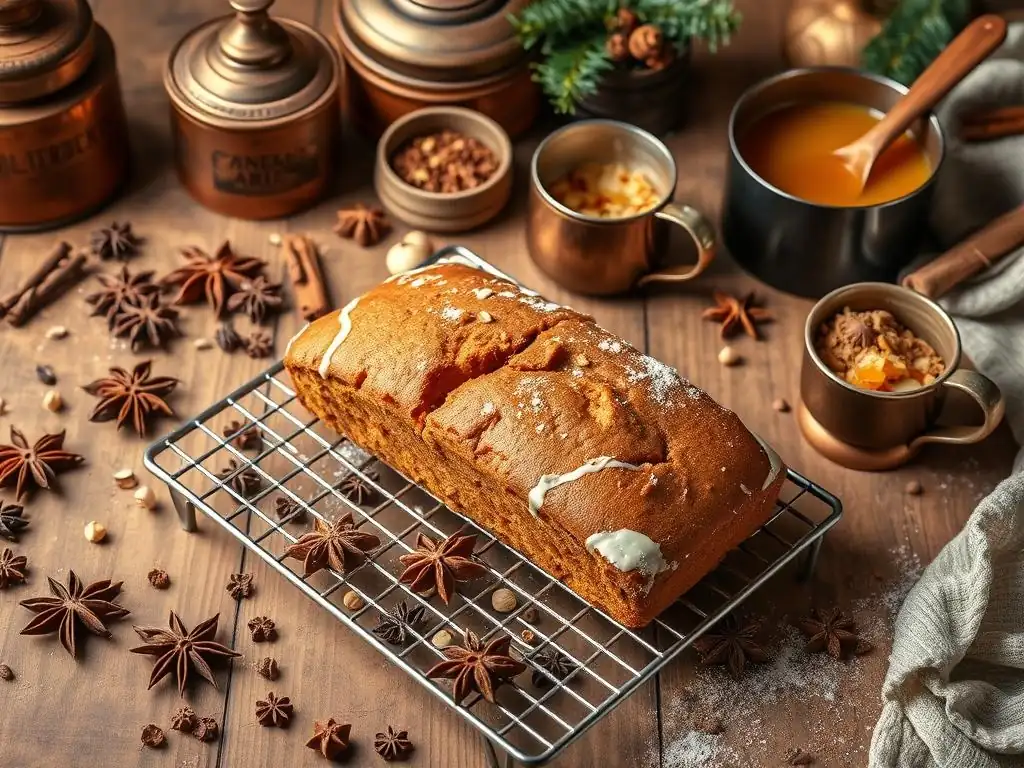
Achieving the perfect balance of spice flavors in your baking involves more than just following a recipe. Understanding how to measure, store, and combine spices is key to consistent, delicious results. These tips and tricks will help you refine your skills and get the most out of your spice rack, enhancing your journey through this Christmas spices baking guide.
Measuring Spices Accurately
Accurate measurement is crucial when working with potent spices like cloves or nutmeg. While a slight variation in cinnamon might not ruin a recipe, too much clove can be overwhelming. Always use proper measuring spoons and level off the excess spice with a straight edge, like the back of a knife. Simply scooping from the jar can result in too much spice, especially if it's packed down. For very small amounts (like ⅛ or ¼ teaspoon), precision is even more important.
- Use dedicated measuring spoons for dry ingredients.
- Fill the spoon gently and level it off.
- For fresh nutmeg or other whole spices, use a microplane for fine grating and measure the resulting amount carefully.
- When a recipe calls for a "pinch," this is typically less than ⅛ teaspoon, often just what you can pick up between your thumb and forefinger. Use sparingly until you're comfortable estimating.
Storing Spices for Freshness
The potency of ground spices diminishes over time because their volatile oils evaporate. Proper storage is essential to maintain their flavor and aroma. Always store spices in airtight containers away from heat, light, and moisture. A cupboard or pantry away from the oven is ideal. Avoid storing them above the stove, where heat and steam can quickly degrade them.
Whole spices (like cinnamon sticks, whole nutmeg, or star anise) retain their freshness much longer than ground spices, often for several years. Ground spices, however, are best used within 6 to 12 months for optimal flavor. While they won't necessarily spoil, their impact in baking will lessen considerably. To check if a ground spice is still fresh, rub a small amount between your fingers and smell it; if the aroma is weak or absent, it's time to replace it. Investing in fresh spices regularly is a worthwhile endeavor for anyone serious about their Christmas spices baking guide efforts.
Balancing Spice Flavors
Balancing spice flavors is an art that comes with practice. The goal is often to create a harmonious blend where no single spice dominates unless intentionally desired (like a strong ginger cookie). Consider the other ingredients in your recipe. Spices interact differently with fruits, chocolate, dairy, and different types of sugar or sweeteners.
- Start with established ratios from trusted recipes or spice blends.
- Taste your batter or dough before baking if possible (e.g., raw cookie dough or cake batter before adding eggs, if safe). While not a perfect indicator, it can give you a hint of the spice intensity.
- Consider the sweetness and richness of the baked good. Richer, sweeter items can often handle more spice without being overpowered.
- If a recipe feels like it needs more spice after baking, you can sometimes add spice to glazes, icings, or toppings.
- Don't be afraid to slightly tweak trusted recipes based on your preference over time.
Substituting Spices in Recipes
Sometimes you might not have a specific spice on hand, or you might have a preference for one spice over another. While perfect substitutions are rare, you can often make reasonable swaps, especially within the family of warm winter spices.
Here are some common substitutions:
- Ground Cinnamon: Can sometimes substitute for allspice (use slightly more) or less commonly, nutmeg or ginger (will change flavor profile significantly).
- Ground Nutmeg: Can often be substituted with allspice or a mix of cinnamon and cloves (use sparingly).
- Ground Ginger: Difficult to substitute directly for its unique heat. Allspice or a mix of cinnamon and cloves might offer warmth but won't replicate the zesty bite.
- Ground Cloves: Very potent. A small amount of allspice or a mix of nutmeg and cinnamon can provide some warmth, but the pungent intensity of clove is hard to mimic. Use substitutions for cloves very cautiously.
- Allspice: Can often be substituted with a blend of cinnamon, nutmeg, and clove (e.g., 1 part cinnamon, ½ part nutmeg, ¼ part clove for 1 part allspice).
Important: When substituting, start with a smaller amount than the recipe calls for the original spice, especially with potent ones, and add more if needed. Substituting spices will change the final flavor profile, so embrace it as an experiment! This understanding is valuable for any baker using a Christmas spices baking guide and wanting flexibility.
Exploring Different Winter Spice Combinations
Beyond the classic blends, there's a vast world of spice combinations waiting to be explored. Pairing spices thoughtfully can lead to unique and memorable baked goods. This section encourages you to experiment and discover new favorite flavor profiles, going beyond the basics presented in a standard Christmas spices baking guide.
Spice Pairings for Baked Goods
Certain spices naturally complement specific ingredients commonly used in baking. Understanding these pairings can help you create more harmonious and delicious results.
- Apples & Pears: Cinnamon, nutmeg, allspice, ginger, cloves, cardamom, star anise. Classic pairing: Cinnamon and nutmeg. Adventurous pairing: Ginger and star anise.
- Pumpkin & Squash: Cinnamon, nutmeg, ginger, cloves, allspice. This is the classic "pumpkin pie spice" blend.
- Chocolate: Cinnamon, chili powder (a pinch for depth), ginger, sometimes a tiny bit of clove or cardamom. Cinnamon and chocolate are a classic pairing.
- Citrus (Orange, Lemon): Ginger, cardamom, star anise, sometimes a hint of cinnamon or clove. Ginger and orange are excellent together.
- Molasses: Ginger, cinnamon, cloves, nutmeg, allspice. Molasses is the perfect partner for robust spice blends, as seen in gingerbread.
- Nuts: Cinnamon, nutmeg, cardamom.
- Creamy Desserts (Custards, Cheesecakes): Nutmeg, cinnamon, vanilla (though not a spice, it complements spices), sometimes a tiny hint of clove. Freshly grated nutmeg on custard is classic.
Consider the dominant flavor of your main ingredient and choose spices that enhance rather than compete with it. A delicate vanilla cake might be overwhelmed by a heavy hand of cloves, while a rich gingerbread can handle a much more robust spice blend.
Unique Spice Blend Ideas
Don't limit yourself to the traditional blends. Get creative and develop your own signature mixes for different types of baked goods. Here are a few ideas to spark your imagination:
- Citrus-Ginger Blend: Ground ginger, ground cardamom, dried orange peel powder (or finely grated zest dried and ground). Great for muffins, scones, or glazes.
- Warm Chocolate Blend: Ground cinnamon, a tiny pinch of cayenne pepper (optional), ground ginger. Fantastic in chocolate cookies, cakes, or brownies.
- Middle Eastern Inspired: Ground cardamom, ground cinnamon, a pinch of ground cloves, a tiny pinch of black pepper. Excellent in coffee cakes or cookies with nuts.
- Anise-Apple Blend: Ground star anise, ground cinnamon, a pinch of ground ginger. Lovely in apple tarts or spiced apple cider cakes.
Experiment with small batches of these blends. Try them in a simple sugar cookie or a basic muffin recipe to see how they taste before committing to a larger batch or a more complex recipe. Document your ratios and results! Building your own unique spice blends is a rewarding part of becoming a confident baker, a skill that complements any Christmas spices baking guide.
Troubleshooting Common Issues
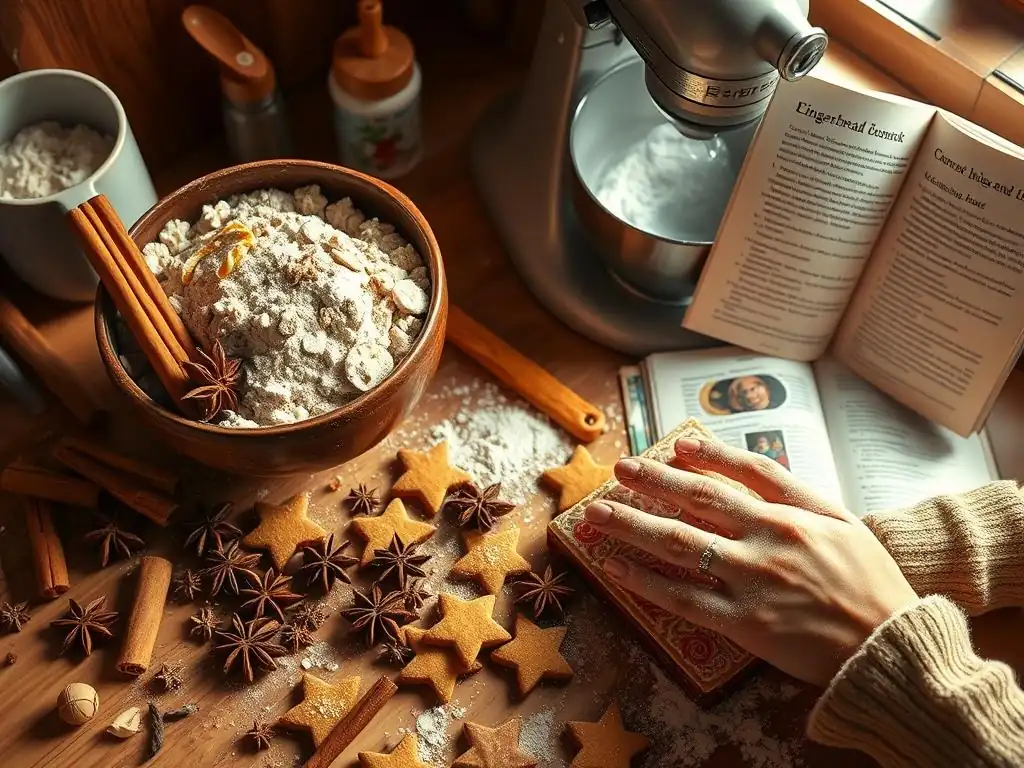
Even experienced bakers encounter challenges. When working with spices, certain issues can arise that affect the flavor or texture of your baked goods. Knowing how to identify and address these problems is key to consistent success. This section helps you navigate potential pitfalls discussed in any comprehensive Christmas spices baking guide.
Dealing with Bitter Spices
Bitterness in spiced baked goods can stem from a few sources. The most common is using too much of a potent spice, particularly cloves or nutmeg. Both can impart a bitter or medicinal flavor when used in excess. Another cause can be old or stale spices; as spices age, their flavor profile can change, sometimes developing bitter notes. Finally, over-baking can also contribute to bitterness, as can the interaction of certain spices with leavening agents or specific fats at high heat.
If your baked good tastes bitter due to spice:
- For future batches: Reduce the amount of the most potent spices (cloves, nutmeg, perhaps ginger). Ensure your spices are fresh.
- For the current batch: If the bitterness is mild, sometimes a sweet glaze, icing, or a dusting of powdered sugar can help mask it. Serving with whipped cream or a sweet sauce can also balance the flavor. Unfortunately, once baked, it's difficult to remove bitterness caused by over-spicing. This highlights the importance of accurate measurement and starting with less if unsure, a key takeaway from any Christmas spices baking guide.
Avoiding a Muddy Flavor
A "muddy" or indistinct flavor in spiced baked goods often occurs when spices are not properly balanced, or when too many different spices are used in high quantities without clear definition. Instead of bright, distinct notes, you get a muddled, unidentifiable "spicy" taste that lacks vibrancy. This can also happen if spices are old and lack punch, requiring you to use more, which can then lead to muddiness.
To avoid a muddy flavor:
- Ensure Spice Freshness: Use spices that are within their prime (ideally used within 6-12 months of grinding).
- Focus on Key Flavors: Don't feel the need to use every winter spice in one recipe. Sometimes, focusing on 2-3 well-paired spices (like cinnamon and ginger, or cinnamon and nutmeg) creates a cleaner, more defined flavor.
- Measure Accurately: Avoid guesswork, especially with blends.
- Consider the Recipe Base: Some bases (like a very rich, dense cake) can handle more spice than lighter ones. Ensure the spice level is appropriate for the vehicle.
- Layer Flavors: Instead of dumping all spices in at once, consider if any could be infused into a liquid (like milk or butter) or added to a topping for a brighter finish.
A well-executed Christmas spices baking guide emphasizes clarity and balance in flavor, helping you avoid this common pitfall.
Elevating Your Winter Spice Baking
Once you've mastered the basics of using winter spices, you can explore ways to make your baked goods even more special. Adding complementary flavors and focusing on presentation can take your creations from delicious to truly spectacular. These techniques add polish and depth, enhancing the impact of your Christmas spices baking guide skills.
Adding Extracts for Flavor Enhancement
Extracts can work in tandem with spices to deepen and enhance flavor profiles. While spices provide warmth and complex notes, extracts often offer a more direct, aromatic punch.
- Vanilla Extract: The most common extract, vanilla pairs beautifully with almost all winter spices. It adds a layer of sweetness and aroma that rounds out the spice flavors. Use a good quality pure vanilla extract for the best results.
- Almond Extract: A few drops of almond extract can add a lovely, subtle nutty background that complements spices like cinnamon and cardamom, especially in cookies or cakes.
- Orange or Lemon Extract: Citrus extracts add brightness and zest. They pair exceptionally well with ginger, cardamom, and star anise, lifting the overall flavor profile and cutting through richness. Use sparingly, as citrus extracts can be quite potent.
- Maple Extract: Can enhance the warm, comforting notes of cinnamon, nutmeg, and ginger, especially in recipes using brown sugar or molasses.
Use extracts judiciously. They should enhance the spices, not overpower them. Typically, a teaspoon or two of vanilla is standard, while stronger extracts like almond or citrus might only require a quarter or half teaspoon. Experiment to find your preferred balance.
Garnishing and Decorating Spiced Treats
The visual appeal of your baked goods is just as important as the taste. Garnishes and decorations can highlight the flavors within and add a festive touch.
- Simple Dusting: A light dusting of powdered sugar or a mix of powdered sugar and cinnamon/nutmeg is quick and elegant for cakes, muffins, or cookies.
- Glazes & Icings: A simple glaze made from powdered sugar and a liquid (milk, water, citrus juice) can be flavored with a pinch of the same spices used in the bake, or even a complementary extract like orange or maple. A cream cheese frosting spiced with cinnamon and nutmeg is classic on gingerbread or spice cake.
- Spiced Sugar: Mix granulated sugar with a pinch of cinnamon, nutmeg, or cardamom and sprinkle over muffins, scones, or cookie dough before baking for a sparkly, flavorful crust.
- Candied Ginger or Orange Peel: These add intense bursts of flavor and appealing texture. Use them as a topping or stirred into batters.
- Whole Spices: While not for eating, a whole star anise, cinnamon stick piece, or clove bud can be used decoratively on top of glazes or frostings just before serving (ensure guests know not to eat them).
Presentation matters! Taking the time to garnish your spiced treats makes them look as inviting as they smell and taste, completing the experience outlined in this Christmas spices baking guide.
Conclusion: Mastering Winter Spice Baking
Embarking on the journey of baking with winter spices opens up a world of incredible flavors and aromas, deeply connected to the holiday season and feelings of warmth and comfort. From understanding the individual characteristics of cinnamon, ginger, and cloves to mastering the art of blending and troubleshooting, you've gained valuable insights from this Christmas spices baking guide. Remember that baking is an ongoing learning process, and working with spices is a fantastic way to hone your skills and develop your personal style.
Enjoy the Flavors of Winter
Now that you have the knowledge, it's time to put it into practice. Fill your kitchen with the delightful scents of cinnamon, nutmeg, ginger, and cloves. Whether you choose to bake classic spiced shortbread, a comforting Bundt cake, or experiment with your own unique spice blends, the process itself is a rewarding part of the winter experience. Baking with these seasonal spices not only creates delicious treats but also builds memories and shares warmth with those around you. So, gather your spices, preheat your oven, and savor every step.
Baking is often about sharing. Package up those spiced cookies for neighbors, bring a warm spice cake to a gathering, or simply enjoy a fresh-from-the-oven muffin with your family. The joy of baking, especially with the evocative flavors of winter, is amplified when shared. Don't be afraid to talk about your process, the spices you used, or how you adapted a recipe – it's a great way to connect with others who share a love for baking. We hope this Christmas spices baking guide has inspired you to bake often and share generously throughout the season! Happy baking!
Frequently Asked Questions
What are the most common Christmas spices used in baking?
The most common Christmas spices include cinnamon, nutmeg, and ginger. Other popular choices are cloves, allspice, and cardamom, often used in combination for a richer flavor profile.
Where can I find high-quality Christmas spices for baking?
You can find high-quality Christmas spices at most grocery stores, specialty spice shops, and online retailers. Look for spices that are freshly ground for the best aroma and flavor.
How should I store my Christmas spices to maintain their freshness?
Store your Christmas spices in airtight containers in a cool, dark, and dry place. Avoid storing them near heat or moisture, as this can cause them to lose their potency quickly.
How much Christmas spice should I use in my baking recipes?
Start with a small amount, typically 1/4 to 1/2 teaspoon per cup of flour, and adjust to taste. Remember that spices can vary in strength, so it's always best to err on the side of caution.
Can I substitute one Christmas spice for another in a recipe?
Yes, you can often substitute spices, but be mindful of the flavor profile. For example, you could substitute allspice for a combination of cinnamon, nutmeg, and cloves. Always consider the overall taste you're aiming for.
Final Reflection: The Enduring Magic of Christmas Spices
The comforting aroma of cinnamon, cloves, and nutmeg isn't just a seasonal scent; it's a powerful evocation of warmth, family, and cherished memories, a tradition woven into the fabric of our winter celebrations. This simple guide has explored the versatility of these classic Christmas spices, showcasing how easily they can transform everyday baking into something truly special. The recipes provided are just a starting point; the true magic lies in the experimentation and the joy of creating something delicious and meaningful.
The influence of these spices extends far beyond the kitchen. They represent a connection to history, to generations past who used these same ingredients to create festive treats. The enduring appeal of these flavors speaks to a deeper human need for comfort and connection during the colder months. The best things in life are the simple things.
This simple truth rings especially true when considering the profound impact of a warm, spice-filled cookie or a fragrant slice of cake shared with loved ones.
Now, as you put away your mixing bowls and savor the lingering scent of Christmas spices, I encourage you to consider the power of simple ingredients to create lasting memories. Don't limit yourself to the recipes within this guide; let this be a springboard for your own culinary creativity. Experiment with different combinations, explore new recipes, and most importantly, share the joy of baking with those you cherish. The warmth of a shared treat, infused with the magic of Christmas spices, is a gift that keeps on giving.
Unleash Your Inner Baker: Festive Baking Awaits!
Thanks for taking the time to explore the wonderful world of Christmas spices! We hope you've discovered new flavor combinations to delight your senses and impress your loved ones. Ready to bring those festive flavors to life?
- Bake your favorite Christmas treat using the spice combinations we explored. Try a new recipe or put your own spin on a classic! This is your chance to experiment and have fun.
- Share your creations with friends and family – and don’t forget to tag us on social media! Let's inspire each other with deliciousness.
- Challenge yourself: Experiment with a completely new spice blend inspired by what you learned today. What unexpected flavor profiles can you create?
What unique twist will you add to your next Christmas baking project? Let us know in the comments below!