
Unlock the Secret to Moist Christmas Cakes

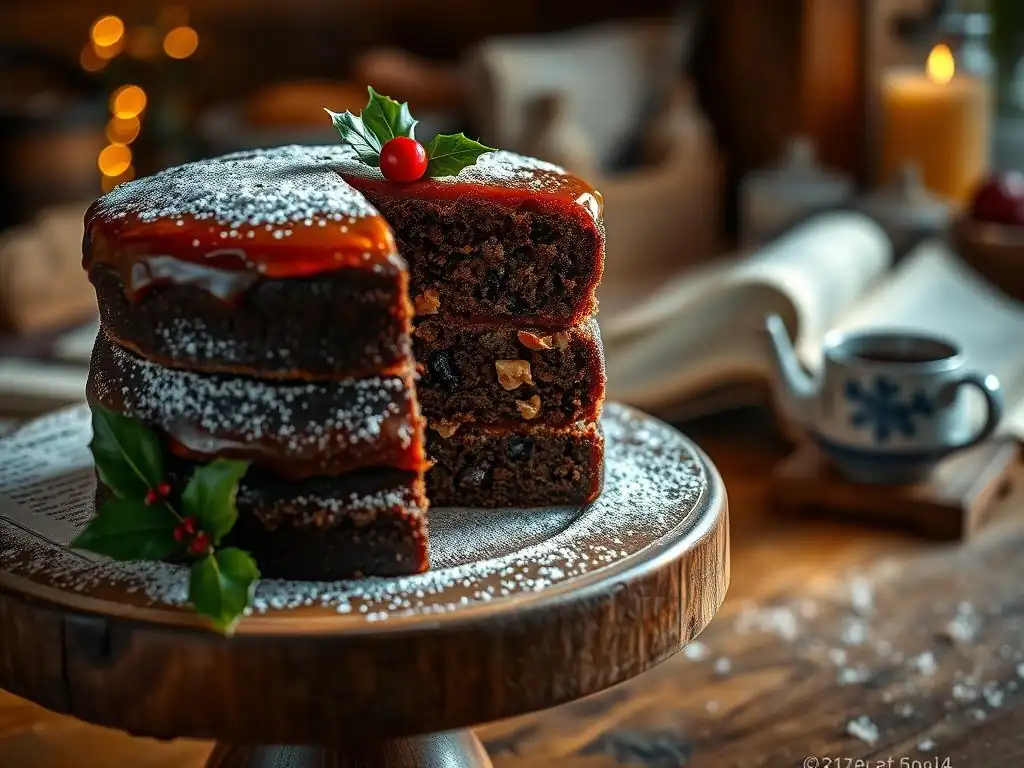
Welcome to BakeWithEase, your trusted guide to baking brilliance! Ever wondered how to achieve that perfect, melt-in-your-mouth texture in your Christmas cake? This isn't just another recipe; it's a journey to mastering the art of a truly moist Christmas cake. Discover our easy recipe and unlock the secrets that will make your holiday baking unforgettable. Intrigued? Let's get started and banish dry Christmas cakes forever!
- Unlock the Secret to Moist Christmas Cakes: BakeWithEase's Guide
- Introduction: The Quest for the Perfect Moist Christmas Cake
- Understanding the Key Ingredients for a Super Moist Christmas Cake
- BakeWithEase's Step-by-Step Guide to a Guaranteed Moist Christmas Cake Recipe Easy
- Flavor Variations for Your Moist Christmas Cake: Beyond the Traditional
- Troubleshooting: Common Mistakes and How to Avoid Them for a Moist Christmas Cake
- Tips and Tricks for the Best Moist Christmas Cake Ever
- Conclusion: Enjoy Your Perfectly Moist Christmas Cake with BakeWithEase
-
Frequently Asked Questions
- What makes a Christmas cake dry, and how can I avoid it?
- Can I make a Christmas cake ahead of time, and will it stay moist?
- What are the key ingredients for ensuring a moist Christmas cake?
- Is there a substitute for alcohol in a Christmas cake recipe to keep it moist?
- What are some common mistakes to avoid when baking a moist Christmas cake?
- Final Reflection: The Enduring Magic of a Perfectly Moist Christmas Cake
- Unlock Your Christmas Cake Baking Mastery!
Unlock the Secret to Moist Christmas Cakes: BakeWithEase's Guide
Introduction: The Quest for the Perfect Moist Christmas Cake
Why a Moist Christmas Cake Matters This Holiday Season
The Christmas season is synonymous with warmth, family gatherings, and, of course, delicious baking. Among the many festive treats, the Christmas cake holds a special place, often prepared weeks in advance to mature its rich flavors. However, a common pitfall many home bakers face is ending up with a dry, crumbly cake instead of the moist, luscious confection they envisioned.
Achieving that perfect texture is paramount; it elevates the cake from merely edible to truly unforgettable, making it a highlight of holiday celebrations. A moist Christmas cake is not just a dessert; it's a tradition, a centerpiece, and a symbol of festive abundance.
Beyond tradition, the texture of a moist Christmas cake significantly impacts the overall eating experience. A dry cake can be difficult to swallow, lacks depth of flavor, and feels less luxurious. Conversely, a cake that is beautifully moist melts in your mouth, allowing the complex flavors of dried fruits, spices, and spirits to shine through.
It's the difference between a simple fruitcake and a truly exceptional one. This desired moisture is achievable with the right techniques and understanding of ingredients, ensuring your efforts result in a cake that is not only visually stunning but also delightfully tender and flavorful, becoming a cherished part of your family's holiday memories.
BakeWithEase's Promise: An Easy Recipe for Unforgettable Moistness
At BakeWithEase, we understand the challenges and joys of holiday baking. Our mission is to demystify complex recipes and provide accessible, step-by-step guides that guarantee success, even for beginner bakers. Our promise for this moist Christmas cake recipe easy guide is to equip you with the knowledge and techniques needed to achieve unparalleled moisture every time. We've simplified the process, focusing on the critical steps that impact texture, so you can bake with confidence and less stress during the busy holiday season.
This guide goes beyond just listing ingredients and instructions. We delve into the why behind each step, explaining how specific actions contribute to the cake's final texture and flavor. From selecting the right fats to mastering baking times, we cover all the essential elements. Our easy moist Christmas cake recipe approach ensures that you won't just follow instructions blindly, but truly understand the science of baking a moist cake. Prepare to bake a Christmas cake that stays wonderfully moist for weeks, delighting everyone who takes a bite and cementing your reputation as a holiday baking star.
Understanding the Key Ingredients for a Super Moist Christmas Cake
The Role of Fats: Butter, Oil, and the Secret to Richness
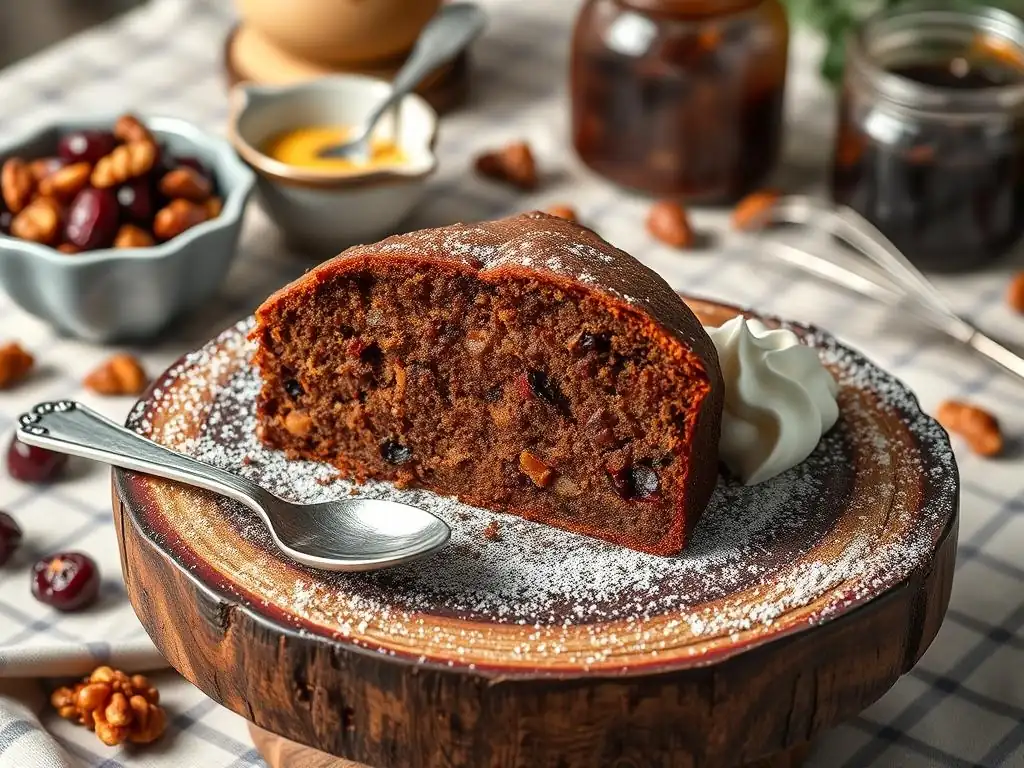
Fats are fundamental to achieving a super moist Christmas cake. Butter provides rich flavor and helps create a tender crumb structure when creamed with sugar, incorporating air. The process of creaming butter and sugar until light and fluffy is crucial; it introduces tiny air pockets that expand during baking, contributing to a lighter texture while the fat coats flour particles, preventing gluten development and thus dryness. Using softened, but not melted, butter is key for effective creaming.
In addition to butter, some recipes incorporate oil or other fats like shortening. Vegetable oil, for instance, remains liquid at room temperature and coats flour particles more effectively than solid fats, resulting in an incredibly tender and moist cake, even after cooling. A combination of butter for flavor and oil for moisture is often the secret behind the best moist Christmas cake. Approximately 1 cup (225g) of butter or a mix of butter and oil for a standard 9-inch cake provides ample richness and moisture.
The Importance of Liquid: Juices, Alcohol, and Hydration
Liquid ingredients are vital for hydrating the dry components and contributing to the cake's overall moisture. In a traditional Christmas cake, this often comes from sources like orange juice, milk, or spirits such as brandy, rum, or sherry. These liquids interact with the flour and other ingredients, forming the batter and providing the necessary hydration for the cake to bake properly and retain moisture.
Alcohol, in particular, plays a dual role. It contributes complex flavors that deepen over time as the cake matures, and its hygroscopic nature (meaning it attracts and holds water molecules) helps keep the cake moist for extended periods.
While a typical recipe might use around 1/2 cup (120ml) of liquid for hydration, the amount of alcohol used for soaking and feeding can vary significantly, often totaling 1/4 cup (60ml) or more added over several weeks. Using a combination of fruit juice during mixing and alcohol post-baking is a classic strategy for maximum flavor and moisture retention in a moist Christmas cake.
Choosing the Right Flour: Balancing Structure and Tenderness
The type of flour used significantly impacts the cake's texture. All-purpose flour is common for Christmas cakes as it provides enough structure to hold the heavy fruit load without becoming excessively dense. However, using a flour with a slightly lower protein content, like cake flour, can result in a more tender crumb. The key is to balance structure (provided by gluten development from protein) with tenderness (achieved by limiting gluten and adding fats/liquids).
For a super moist Christmas cake, it's often recommended to use a measuring technique that prevents over-packing the flour, such as the spoon-and-level method. This ensures you don't add too much flour, which can lead to a dry cake. For example, a standard recipe might call for 2 cups (approx. 240g) of all-purpose flour. Using this amount correctly, combined with sufficient fat and liquid, helps create a balanced structure that is both sturdy and tender, capable of supporting the fruit while remaining beautifully moist.
Dried Fruits and Nuts: Enhancing Flavor and Moisture Retention
Dried fruits are the heart of a Christmas cake, contributing not only intense flavor but also significant moisture. Fruits like raisins, currants, sultanas, candied peel, and glacé cherries contain natural sugars and absorb liquid, plumping up and releasing moisture into the cake during baking and maturation. Using a generous amount of fruit, perhaps 3-4 cups (approx. 500-700g) for a standard cake, is essential for both flavor and moisture.
Nuts, such as almonds, walnuts, or pecans, add texture and richness from their natural oils. While they don't contribute moisture in the same way as fruits, their presence complements the dense, moist crumb. Soaking the dried fruits before adding them to the batter is a critical step for ensuring they are plump and juicy, preventing them from absorbing moisture from the batter during baking, which would otherwise lead to a dry cake. Soaking in hot tea, fruit juice, or alcohol for several hours or even overnight makes a significant difference in achieving a moist Christmas cake.
BakeWithEase's Step-by-Step Guide to a Guaranteed Moist Christmas Cake Recipe Easy
Step 1: Preparing Your Ingredients for Ultimate Moisture
Soaking Dried Fruits: A Crucial Step for Plumpness
Before you even think about mixing batter, the first and arguably most important step for a guaranteed moist Christmas cake recipe easy is properly preparing your dried fruits. This means soaking them thoroughly. Measure out your desired mix of dried fruits – typically a combination of sultanas, raisins, currants, and mixed peel. For a 9-inch cake, you might use around 600g of mixed fruit. Place them in a bowl and cover with a liquid like hot tea, orange juice, or your chosen spirit (such as brandy or rum). Ensure the liquid covers the fruit completely.
Allow the fruits to soak for at least 4-6 hours, or ideally, overnight. As they soak, the fruits will absorb the liquid, becoming plump and juicy. This pre-hydration is vital because dry fruits will draw moisture from the cake batter during baking, resulting in a drier cake. Soaked fruits, on the other hand, release moisture into the cake, contributing to its overall moistness and tenderness. Drain any excess liquid before adding the fruits to your batter, but don't rinse them.
Measuring Accurately: Precision Baking for Perfect Results
Baking is a science, and precision in measuring ingredients is key to achieving consistent, successful results, especially when aiming for a moist Christmas cake. Using kitchen scales to weigh dry ingredients like flour, sugar, and fruit is highly recommended for accuracy. Volume measurements can vary depending on how ingredients are packed into cups. For example, a cup of flour can weigh anywhere from 120g to 150g depending on how it's measured.
When measuring flour by volume, always use the spoon-and-level method: gently spoon the flour into your measuring cup until it overflows, then level it off with a straight edge without packing it down. For liquid ingredients, use liquid measuring cups placed on a flat surface to ensure you read the measurement at eye level. Accurate measurements ensure the proper ratio of wet to dry ingredients, which is fundamental for a super moist Christmas cake.
Step 2: Mixing the Batter for Maximum Moisture Retention
Creaming Butter and Sugar: Achieving a Light and Airy Base
The creaming method is foundational for many cakes, including a moist Christmas cake. Start with softened butter (it should be pliable but not melted) and granulated or brown sugar. In a large bowl, beat the butter and sugar together using an electric mixer or a wooden spoon. The goal is to incorporate air into the mixture, making it light and fluffy and pale yellow in color. This process typically takes 5-7 minutes with an electric mixer.
Proper creaming creates tiny air pockets that will expand in the oven, contributing to the cake's rise and preventing it from being too dense. It also ensures the sugar crystals are evenly distributed and partially dissolved by the fat, leading to a smoother texture. Skipping this step or not creaming enough will result in a heavier, potentially drier cake. For instance, using 225g of butter and 200g of sugar, cream until the volume visibly increases and the mixture is significantly lighter.
Adding Eggs Gradually: Emulsification for a Smooth Texture
Eggs play a crucial role in structure, richness, and binding the ingredients together. For a moist Christmas cake, it's important to add eggs one at a time to the creamed butter and sugar mixture, beating well after each addition. This process helps to emulsify the batter, creating a smooth, stable mixture. If you add eggs too quickly, the mixture can curdle, which might affect the final texture.
Ensure your eggs are at room temperature before adding them, as they emulsify better with the softened butter. For a standard recipe using 3-4 large eggs, beat each egg into the mixture until fully incorporated and the batter returns to a smooth consistency before adding the next. This gradual addition ensures the fat and liquid components combine effectively, leading to a more uniform crumb and enhanced moisture retention.
Incorporating Dry Ingredients: Preventing Overmixing and Dryness
Once the wet ingredients are combined, it's time to add the dry ingredients (flour, spices, baking powder if used). For a super moist Christmas cake, the key here is gentle mixing. Add the dry ingredients in portions, alternating with any remaining liquid (like milk or juice), starting and ending with the dry ingredients. Mix on a low speed or fold by hand using a spatula until just combined.
Overmixing the batter develops the gluten in the flour, which can lead to a tough, dry cake. Stop mixing as soon as you no longer see streaks of dry flour. The batter for a Christmas cake is typically quite thick due to the high ratio of fruit. Gently fold in your soaked, drained fruits and nuts at the end. This minimal mixing approach after adding flour is crucial for maintaining a tender crumb and ensuring your moist Christmas cake recipe easy delivers on its promise of moisture.
Step 3: Baking to Perfection: Preventing a Dry Christmas Cake
Oven Temperature and Baking Time: The Keys to Even Baking
Correct oven temperature and baking time are critical for preventing a dry Christmas cake. Christmas cakes are typically baked at a lower temperature for a longer period compared to other cakes. A common temperature is around 140-150°C (285-300°F). This gentle heat ensures the cake bakes through evenly without the edges drying out or the top burning before the center is cooked.
Baking time will vary depending on the size and depth of your cake tin. A standard 9-inch round cake might take 2.5 to 3.5 hours. It's essential to preheat your oven accurately using an oven thermometer if possible, as oven temperatures can vary. To prevent the top and sides from drying or burning during the long bake, wrap the outside of the cake tin with a layer of brown paper tied with string, and loosely cover the top with foil for the last half to two-thirds of the baking time.
The Skewer Test: Ensuring the Cake is Perfectly Done
Knowing exactly when your moist Christmas cake is ready is vital to prevent over-baking, which is a primary cause of dryness. The most reliable method is the skewer test. About 30 minutes before the estimated end of the baking time, gently insert a long, thin skewer or cocktail stick into the center of the cake. Be careful not to pierce the fruit.
If the skewer comes out clean or with just a few moist crumbs attached (not wet batter), the cake is done. If it comes out with wet batter, continue baking and check again every 15-20 minutes. Over-baking even by a short amount of time can significantly reduce moisture. For example, if the recipe suggests 3 hours, start checking around 2.5 hours. This simple test is your best defense against a dry Christmas cake.
Step 4: Post-Baking Secrets for Extra Moisture
Syruping Your Cake: Adding an Extra Layer of Moisture and Flavor
Once the cake is out of the oven and still warm, you can add an extra layer of moisture and flavor by "feeding" it with a syrup or spirit. While still in its tin, prick the top of the cake all over with a skewer. Then, spoon or brush your chosen liquid – often brandy, rum, sherry, or a simple sugar syrup – evenly over the surface. The warm cake will absorb the liquid readily.
The amount of liquid used for this initial feeding can vary, but starting with 2-3 tablespoons for a 9-inch cake is common. You can repeat this process every week or two as the cake matures, adding another tablespoon or two each time. This regular feeding not only keeps the moist Christmas cake wonderfully hydrated but also allows the flavors of the spirit to permeate the cake, enhancing its complexity and richness over time.
Wrapping and Storing: Preserving Moisture for Days
Proper wrapping and storage are just as important as the baking process for preserving the moisture of your moist Christmas cake. Once the cake has cooled completely in its tin, remove it and wrap it first in greaseproof paper or parchment paper, then tightly in a layer of foil. The double layer helps to create a seal that locks in moisture.
Store the wrapped cake in an airtight container in a cool, dark place (like a pantry) or in the refrigerator if your home is warm. Avoid slicing the cake until you are ready to serve it, as cutting exposes the interior to air, which can lead to drying. Stored correctly, a super moist Christmas cake fed regularly can last for several weeks or even months, becoming more flavorful and moist over time, a true testament to successful holiday baking.
Flavor Variations for Your Moist Christmas Cake: Beyond the Traditional
Adding Citrus Zest: A Zesty Twist on a Classic
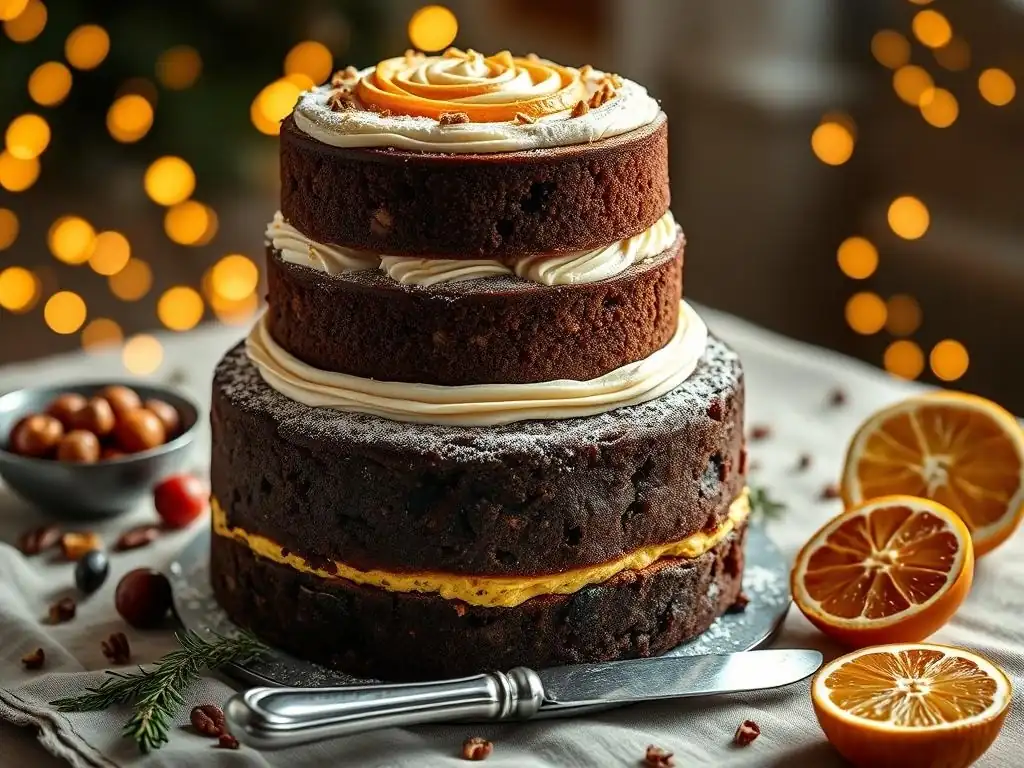
While traditional Christmas cakes are rich with fruit and spice, adding citrus zest can brighten the flavor profile and contribute to the cake's overall freshness. The oils in citrus zest, particularly orange and lemon, are highly aromatic and pair beautifully with the dark, deep flavors of dried fruits and spirits. For a standard recipe, the zest of one large orange and one lemon can make a significant difference.
When incorporating citrus zest, ensure you only grate the colored part of the peel, avoiding the bitter white pith underneath. Add the zest to the butter and sugar creaming stage or with the wet ingredients to ensure its flavor is evenly distributed throughout the batter. This simple addition provides a lovely counterpoint to the sweetness and richness, resulting in a moist Christmas cake with a subtle, refreshing lift.
Infusing with Spices: Warming Flavors for a Festive Treat
Spices are essential to the warming, festive character of a Christmas cake. A classic mix includes ground cinnamon, nutmeg, cloves, and ginger. The precise blend and quantity can be adjusted to personal preference, but a typical recipe might use 1-2 teaspoons of cinnamon, 1/2 teaspoon of nutmeg, 1/4 teaspoon of cloves, and 1/2 teaspoon of ginger.
Ensure your ground spices are fresh for the most potent flavor. You can also add a pinch of allspice or mixed spice for complexity. Add the spices to the dry ingredients and whisk them together before combining with the wet ingredients. This ensures the spices are evenly distributed. These warming spices not only infuse the moist Christmas cake with signature holiday flavor but also complement the richness of the fruit and fat.
Incorporating Chocolate: A Decadent Addition for Chocolate Lovers
For those who adore chocolate, adding it to a Christmas cake might seem unconventional, but it creates a truly decadent and super moist Christmas cake. Dark chocolate, with its slightly bitter notes, pairs surprisingly well with dried fruits and spices. You can incorporate chocolate in several ways: adding cocoa powder to the dry ingredients, folding in chocolate chips or chunks with the dried fruit, or even drizzling melted chocolate over the finished cake.
Adding 1/4 to 1/2 cup (20-40g) of good quality cocoa powder to the flour mixture can deepen the cake's color and add a subtle chocolatey depth. Folding in 1/2 cup (approx. 80g) of dark chocolate chips or chopped chocolate adds pockets of melted chocolate throughout the cake, enhancing moisture and richness. This variation appeals to chocolate enthusiasts and offers a modern twist on the traditional moist Christmas cake recipe easy.
Troubleshooting: Common Mistakes and How to Avoid Them for a Moist Christmas Cake
Cake is Too Dry: Diagnosing and Correcting the Issue
A common complaint is a dry Christmas cake. This can stem from several issues. Over-baking is a prime culprit; even a few extra minutes in the oven can bake out essential moisture. Ensure you use the skewer test and check for doneness at the earliest recommended time. Using inaccurate ingredient measurements, particularly too much flour or not enough liquid/fat, also leads to dryness. Weighing ingredients offers greater precision than volume.
Another cause is insufficient fruit soaking. Dry fruits absorb moisture from the batter, leaving the cake dry. Always soak your fruits thoroughly beforehand. If your cake is dry after baking, don't despair entirely. You can attempt to rescue it by feeding it generously with syrup or spirit over several days, allowing the liquid to absorb slowly. While it might not reach peak moisture levels, it can significantly improve the texture. Future attempts should focus on accurate measurements, proper fruit soaking, and vigilant baking time.
Cake is Too Dense: Achieving a Lighter Texture
While Christmas cakes are traditionally denser than sponge cakes, an overly dense or heavy cake can be unappealing. This is often caused by insufficient leavening (if a recipe uses baking powder) or, more commonly, by not properly creaming the butter and sugar. Creaming incorporates air, which helps the cake rise and creates a lighter crumb structure. Ensure your butter is softened and you cream for the full recommended time until the mixture is light and fluffy.
Overmixing the batter after adding the flour is another significant contributor to density. This develops gluten, making the cake tough and heavy. Mix only until the dry ingredients are just incorporated. For a moist Christmas cake recipe easy, the focus is on gentle handling of the batter once flour is added. Using room temperature eggs also helps create a smoother batter that is less likely to become dense.
Fruit Sinks to the Bottom: Preventing Fruit Fallout
It's frustrating to slice into a beautiful moist Christmas cake only to find all the fruit has sunk to the bottom. This usually happens because the fruit is too heavy for the batter to support, or the batter is too thin. Ensure your soaked fruits are well-drained before adding them to the batter; excess liquid adds weight.
A simple trick to prevent fruit sinking is to toss the soaked, drained fruit with a tablespoon or two of the flour from the recipe before folding it into the batter. The light coating of flour helps the fruit "stick" to the batter and remain suspended during baking. Ensure your batter consistency is correct – it should be quite thick for a Christmas cake due to the high fruit content. If the batter seems too thin, double-check your liquid measurements.
Tips and Tricks for the Best Moist Christmas Cake Ever
Using Brown Sugar: Adding Molasses for Extra Moisture
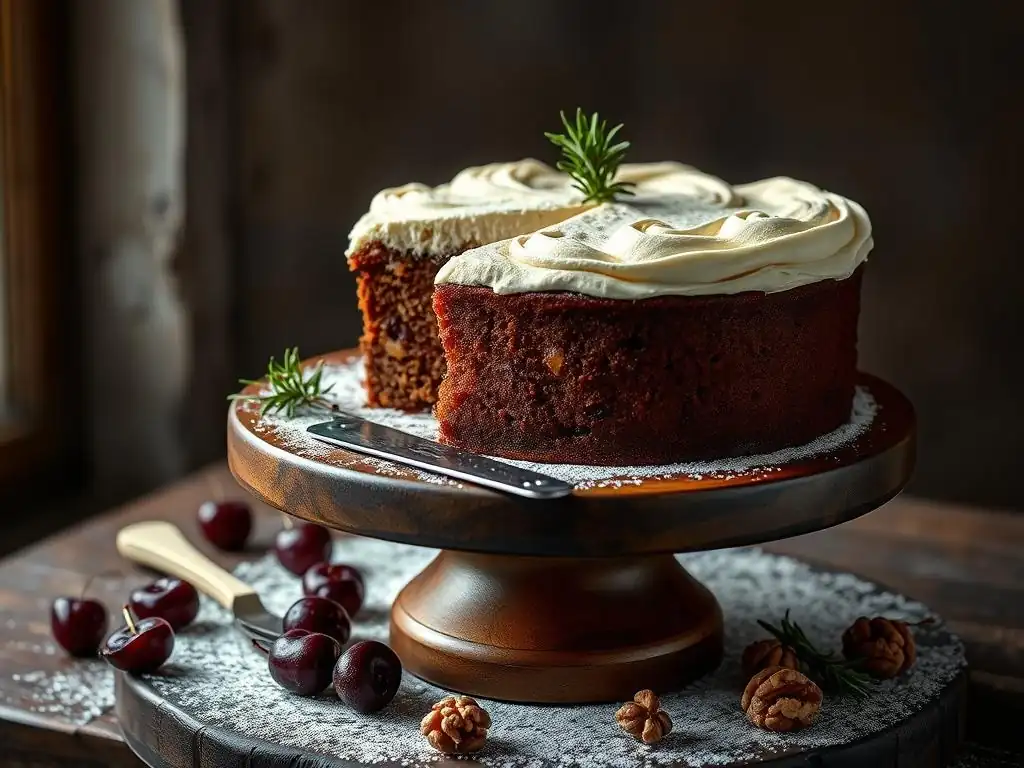
Swapping some or all of the granulated sugar for brown sugar is an excellent tip for achieving a super moist Christmas cake. Brown sugar contains molasses, which is hygroscopic, meaning it attracts and retains moisture. This natural property of molasses helps keep the cake soft and moist for a longer period compared to using only white sugar.
Light or dark brown sugar can be used, with dark brown sugar providing a more pronounced molasses flavor and potentially slightly more moisture due to its higher molasses content. For instance, if a recipe calls for 200g of granulated sugar, you might use 100g granulated and 100g brown sugar, or even replace it entirely depending on the desired flavor intensity. This simple substitution can make a noticeable difference in the tenderness and moistness of your moist Christmas cake recipe easy.
Adding Applesauce or Yogurt: A Secret Ingredient for Tenderness
Ingredients like applesauce, plain yogurt, sour cream, or even mayonnaise (though less common in Christmas cakes) can add significant moisture and tenderness without adding excessive fat. These ingredients contribute liquid and sometimes fat, and their acidity can also interact with baking soda (if used) to aid in leavening, resulting in a softer crumb.
Adding 1/4 to 1/2 cup (approx. 60-120g) of unsweetened applesauce or plain yogurt to the wet ingredients can replace some of the fat or liquid in a traditional recipe. These ingredients create a very tender and moist Christmas cake by keeping the crumb soft and preventing it from drying out. Start with a small amount and see how it affects your favorite recipe; you might find it's the secret ingredient you've been missing for the best moist Christmas cake.
The Importance of Resting the Cake: Developing Flavors and Moisture
One of the most crucial steps for a truly exceptional moist Christmas cake is allowing it to rest and mature after baking. Unlike many cakes that are best eaten fresh, Christmas cakes benefit immensely from sitting for at least two weeks, and ideally longer, before slicing. During this resting period, the flavors meld and deepen, and the cake's texture becomes more uniformly moist as the internal moisture distributes itself and any added spirits are absorbed.
Store the wrapped and potentially fed cake in an airtight container. Regularly feeding the cake with a tablespoon or two of spirit every week or two during this maturation period further enhances its moisture and flavor. This patience is rewarded with a cake that is far superior in taste and texture to one eaten immediately after baking. Plan ahead and bake your moist Christmas cake recipe easy well in advance of your holiday celebrations to enjoy its full potential.
Conclusion: Enjoy Your Perfectly Moist Christmas Cake with BakeWithEase
You've done it! By following these steps and tips from BakeWithEase, you've unlocked the secret to a perfectly moist Christmas cake. This holiday season, you can confidently share your baking success with friends and family. There's immense joy in presenting a homemade Christmas cake, especially one that is not only beautiful to look at but also wonderfully tender and moist to eat.
Slice into your matured cake and savor the rich flavors and delightful texture. Share generous portions, perhaps accompanied by a cup of tea or coffee, or a glass of sherry or brandy. Your super moist Christmas cake is more than just a dessert; it's a labor of love, a piece of holiday tradition, and a way to spread warmth and cheer. Take pride in your accomplishment and enjoy the smiles your delicious cake brings to the faces of your loved ones.
BakeWithEase: Your Partner in Baking Success This Christmas and Beyond
At BakeWithEase, we are passionate about empowering home bakers of all levels to create delicious treats. Our goal is to provide clear, reliable, and easy-to-follow guides, like this one for making a moist Christmas cake recipe easy. We believe that baking should be a joyful and rewarding experience, not a source of frustration.
Whether you're tackling your first Christmas cake or aiming to perfect your long-standing tradition, BakeWithEase is here to support you. Explore our website for more recipes, techniques, and tips throughout the year. We are your trusted partner in the kitchen, helping you achieve baking success this Christmas and for every occasion beyond. Happy baking, and happy holidays from BakeWithEase!
Frequently Asked Questions
What makes a Christmas cake dry, and how can I avoid it?
A dry Christmas cake is often due to overbaking or lack of moisture. Ensuring proper oven temperature and adding ingredients like molasses or fruit soaked in alcohol can help keep it moist.
Can I make a Christmas cake ahead of time, and will it stay moist?
Yes, Christmas cakes are often made weeks or even months in advance! Regular feeding with alcohol, like brandy or rum, helps to preserve moisture and develop flavor.
What are the key ingredients for ensuring a moist Christmas cake?
Key ingredients include dried fruits that have been soaked, brown sugar (which retains more moisture than white), and a good amount of butter or oil to add richness.
Is there a substitute for alcohol in a Christmas cake recipe to keep it moist?
You can substitute alcohol with fruit juice like apple or orange, or even strong tea. These provide moisture and flavor, though the cake won't have the same preserving qualities as with alcohol.
What are some common mistakes to avoid when baking a moist Christmas cake?
Avoid overmixing the batter, as this can develop gluten and make the cake tough. Also, don't overbake it; use a toothpick test to check for doneness, and be sure to bake it in a low oven.
Final Reflection: The Enduring Magic of a Perfectly Moist Christmas Cake
The quest for the ultimate moist Christmas cake is more than just a culinary pursuit; it's a timeless tradition reflecting our desire for comfort, connection, and festive joy. This year, more than ever, the simple act of baking a cake – a moist, delicious Christmas cake, specifically – offers a powerful antidote to the stresses of modern life. The comforting aroma, the shared experience of baking, and the ultimate satisfaction of a perfectly executed recipe all contribute to a sense of warmth and belonging that we deeply crave during the holiday season.
The enduring appeal of the Christmas cake lies not just in its taste, but in its symbolism. It represents the culmination of a year's work, a moment of pause and reflection before the new year begins. The meticulous process of preparing the ingredients, the careful attention to detail during baking, and the anticipation of sharing the finished product with loved ones all contribute to a rich and meaningful experience. Christmas is not a time nor a season, but a state of mind. To cherish peace and goodwill, to be plenteous in mercy, is to have the real spirit of Christmas.
– Calvin Coolidge. This quote perfectly encapsulates the spirit of generosity and warmth that a perfectly moist Christmas cake embodies.
So, as you prepare for the holidays, I encourage you to embrace the challenge of creating your own moist Christmas masterpiece. Don't be afraid to experiment, to adapt the recipe to your own tastes, and to savor the process as much as the result. This isn't just about baking a cake; it's about creating a memory, a tradition, and a taste of true holiday magic. Let the aroma fill your home, share the joy with your loved ones, and let the moistness of your Christmas cake be a testament to the sweetness of the season.
Unlock Your Christmas Cake Baking Mastery!
Thanks for taking the time to explore the secrets to a perfectly moist Christmas cake! We hope you now feel confident in creating a festive treat your loved ones will adore. Ready to take your baking skills to the next level?
- Bake your dream Christmas cake this year! Use the tips and techniques you've learned to create a show-stopping cake that's bursting with flavor and moisture. Don't forget to adapt the recipe to your own preferences and experiment!
- Share your baking triumphs (and challenges!) with us! We’d love to see your creations and hear your feedback on our guide. Post a picture on social media using #BakeWithEaseChristmas.
- Explore our other holiday baking recipes for more inspiration! From gingerbread to mince pies, we have a treasure trove of festive recipes waiting for you.
What innovative twist will you add to your next Christmas cake masterpiece? Let's hear your ideas in the comments below!