
Best Sourdough Books for Absolute Beginners

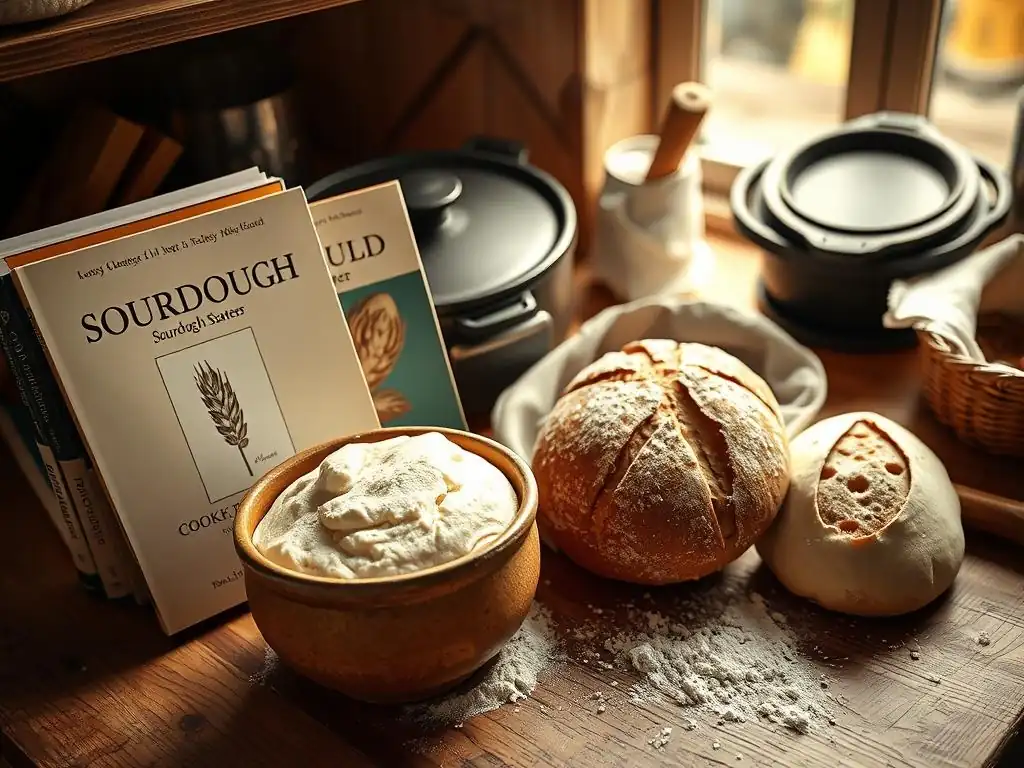
Welcome to BakeWithEase, your trusted companion on your baking journey! Ever dreamt of creating that perfectly tangy, crusty loaf of sourdough? Sourdough baking for beginners can feel intimidating, but it doesn't have to be. Discover the best resources to guide you through every step, from nurturing your starter to mastering scoring techniques. Ready to unlock the secrets of sourdough? Let's dive in!
- Best Sourdough Books for Absolute Beginners: Your Path to Baking Mastery
- Introduction: Embark on Your Sourdough Journey with the Right Guide
- Why Choose Sourdough Baking? Unveiling the Benefits for Beginners
-
Key Considerations When Choosing a Sourdough Book for New Bakers
- 1. "Tartine Bread" by Chad Robertson: A Classic Introduction to Sourdough
- 2. "Sourdough Baking for Beginners" by Nicole Hunn: A Step-by-Step Guide
- 3. "The Perfect Loaf" by Maurizio Leo: Demystifying Sourdough for the Home Baker
- 4. "Sourdough Cookbook" by Sara Owens: A Collection of Beginner-Friendly Recipes
- Choosing the Right Book for Your Sourdough Baking Journey: Recommendations Based on Your Needs
- Beyond the Books: Essential Tools for Sourdough Baking Success
- Mastering Sourdough Baking: Tips and Tricks for Beginners
- Conclusion: Your Sourdough Adventure Starts Now!
-
Frequently Asked Questions
- What makes a sourdough book good for absolute beginners?
- Are there specific sourdough baking books that focus on using readily available ingredients?
- How important is it for a sourdough book to have detailed photographic guides?
- Should I look for a book that only covers sourdough bread, or one that includes other sourdough recipes?
- What are the most common mistakes beginners make with sourdough, and how can a book help avoid them?
- Final Reflection: The Joyful Rise of Sourdough, One Loaf at a Time
- Unleash Your Inner Baker: Start Your Sourdough Journey Today!
Best Sourdough Books for Absolute Beginners: Your Path to Baking Mastery
Introduction: Embark on Your Sourdough Journey with the Right Guide
Stepping into the world of sourdough baking can feel like opening a door to a rich, rewarding culinary tradition. For many, the idea of creating a living starter and transforming simple flour and water into a beautifully tangy loaf is both exciting and a little intimidating. The process of sourdough baking for beginners involves understanding fermentation, managing a starter, and mastering shaping and baking techniques. It's a craft that builds upon foundational knowledge, and having the right guidance from the start is crucial for success and enjoyment.
Fortunately, countless resources exist to help aspiring bakers navigate the nuances of sourdough. While online tutorials and videos offer quick tips, a well-structured book provides a comprehensive foundation, offering detailed explanations, troubleshooting advice, and a progression of recipes designed to build confidence. Choosing the best sourdough book for absolute beginners can significantly smooth your learning curve, transforming potential frustration into fulfilling baking triumphs. This article will explore some highly-regarded books that simplify sourdough baking for beginners, helping you find the perfect companion for your kitchen adventure.
Why Choose Sourdough Baking? Unveiling the Benefits for Beginners
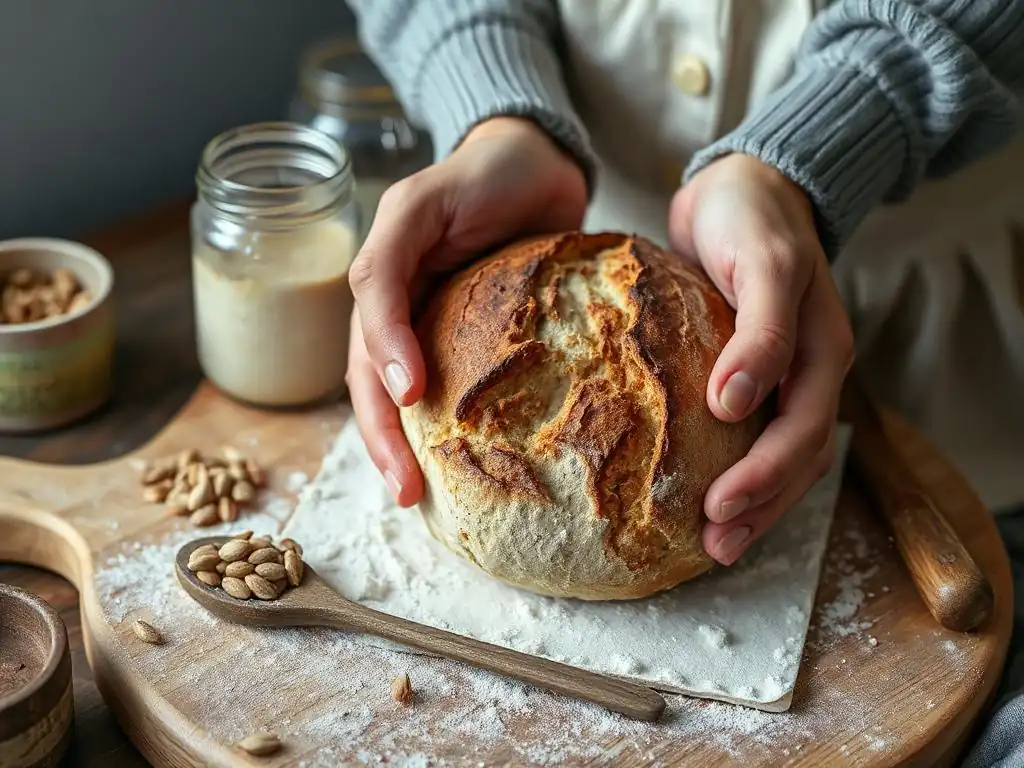
Sourdough baking offers a unique blend of science, art, and delicious results that makes it a compelling choice for home bakers, even those just starting out. Unlike commercial yeast-leavened breads, sourdough relies on a natural fermentation process driven by wild yeast and bacteria present in flour and the environment. This process not only imparts the characteristic tangy flavor but also contributes to a bread with a wonderful texture and often a more digestible crumb. For beginners, mastering sourdough baking is a rewarding challenge that deepens their understanding of ingredients and fermentation.
Beyond the sensory pleasures of aroma, flavor, and texture, baking sourdough at home provides a sense of accomplishment. Successfully nurturing a starter, seeing it bubble and grow, and then using it to create your first rustic loaf is incredibly satisfying. Furthermore, sourdough bread often has a longer shelf life compared to quick-yeast breads due to its acidity. Engaging in sourdough baking for beginners isn't just about following a recipe; it's about learning patience, observation, and adapting to the living nature of your starter and dough, skills that benefit any baker.
Key Considerations When Choosing a Sourdough Book for New Bakers
Selecting your first sourdough book is an important step. The right guide should demystify the process, not complicate it. Here are some key factors to consider when looking for the best sourdough book for absolute beginners:
- Clarity of Instructions: Are the steps easy to follow? Look for books with detailed, unambiguous instructions, especially regarding starter maintenance and dough handling.
- Focus on Fundamentals: Does the book thoroughly explain the 'why' behind the steps? Understanding concepts like hydration, fermentation times, and starter activity is vital.
- Beginner-Friendly Recipes: Does it start with simple recipes before moving to more complex ones? A good book will offer basic loaves and perhaps discard recipes before tackling advanced techniques.
- Troubleshooting Guide: Does it address common problems beginners face, like a sluggish starter or dense loaf? A dedicated section on troubleshooting is invaluable.
- Visual Aids: Are there helpful photos or illustrations? Seeing what the dough should look like at different stages can be incredibly reassuring.
Choosing a book that aligns with your learning style and provides solid foundational knowledge is key to making sourdough baking for beginners a successful and enjoyable experience. Don't be afraid to look for guides specifically marketed towards novices.
1. "Tartine Bread" by Chad Robertson: A Classic Introduction to Sourdough
"Tartine Bread" by Chad Robertson is often cited as a seminal work in the world of artisan bread baking, including sourdough. While not exclusively aimed at absolute beginners, its detailed approach to understanding fermentation and dough handling provides a robust foundation that many new bakers appreciate.
Robertson's method, centered around the concept of "country bread," emphasizes minimal handling, long fermentation times, and baking in a Dutch oven, techniques that consistently produce high-quality loaves. The book dedicates significant sections to describing the principles of fermentation, building a starter, and understanding the subtle cues of dough development, making it a comprehensive reference for those serious about mastering the craft from the ground up.
The book includes step-by-step photo guides for key processes like mixing, folding, and shaping, which are particularly helpful for visual learners embarking on sourdough baking for beginners. While some of the initial recipes might seem intimidating due to their detail and focus on feel rather than strict timing, the underlying philosophy of working with the dough's natural rhythm is invaluable. Many bakers consider working through "Tartine Bread" a foundational education, providing a deep understanding of the process that goes beyond just following recipes, preparing them for a lifetime of successful sourdough baking.
2. "Sourdough Baking for Beginners" by Nicole Hunn: A Step-by-Step Guide
As the title suggests, "Sourdough Baking for Beginners" by Nicole Hunn (from the blog "Or Whatever You Do") is explicitly designed for those new to the craft. This book takes a highly accessible, step-by-step approach, breaking down the sourdough process into manageable parts. It starts with the absolute basics, including how to create and maintain a healthy sourdough starter, often the first hurdle for newcomers. The instructions are clear, concise, and written in a friendly, encouraging tone, removing much of the mystery that can surround sourdough.
The recipes in Hunn's book are specifically curated to be achievable for beginners. They often feature simpler methods and less intimidating shapes than some advanced texts. The book provides troubleshooting tips integrated throughout, addressing common issues like inactive starters or loaves that don't rise properly. For someone looking for a straightforward, no-nonsense guide to get their first successful sourdough loaf out of the oven without feeling overwhelmed, "Sourdough Baking for Beginners" is an excellent resource that builds confidence through achievable results.
3. "The Perfect Loaf" by Maurizio Leo: Demystifying Sourdough for the Home Baker
"The Perfect Loaf" by Maurizio Leo, based on his popular website of the same name, is renowned for its meticulous detail, scientific explanations, and stunning photography, making complex sourdough concepts understandable for the home baker. While it delves deeply into the science of fermentation, dough hydration, and starter activity, Leo has a gift for explaining these topics in a way that is both informative and practical.
The book provides detailed schedules and visual cues for every stage of the baking process, from mixing the dough to achieving the perfect bake, which is incredibly helpful for beginners who may not yet trust their intuition.
What sets "The Perfect Loaf" apart is its systematic approach and extensive testing of variables. Leo explains why certain steps are necessary and how to adjust techniques based on factors like room temperature or flour type. The book includes foundational recipes with incredible detail, often showing the dough's appearance at various stages. While it might seem dense initially, the clarity and thoroughness make it an exceptional resource for beginners who appreciate understanding the underlying principles, equipping them with the knowledge to troubleshoot and adapt as they gain experience with sourdough baking.
4. "Sourdough Cookbook" by Sara Owens: A Collection of Beginner-Friendly Recipes
"Sourdough Cookbook" by Sara Owens focuses heavily on providing a wide variety of recipes that utilize sourdough starter, including many that are accessible to beginners. While it covers the essentials of starter maintenance, its primary strength lies in offering numerous ways to use both active starter and discard. For someone new to sourdough who wants to quickly move beyond just baking a basic loaf and explore other possibilities, this book is a great source of inspiration. It includes recipes for pancakes, waffles, muffins, crackers, and other baked goods, alongside simpler bread recipes.
The recipes in Owens' book are often less complex than those found in highly technical bread books, making them ideal for building confidence. They provide clear ingredient lists and straightforward instructions. This focus on variety and accessibility makes "Sourdough Cookbook" appealing to beginners who want to integrate sourdough into their everyday baking repertoire without needing to master advanced bread-making techniques immediately. It demonstrates the versatility of sourdough starter, showing that sourdough baking for beginners can extend far beyond just rustic loaves.
Choosing the Right Book for Your Sourdough Baking Journey: Recommendations Based on Your Needs
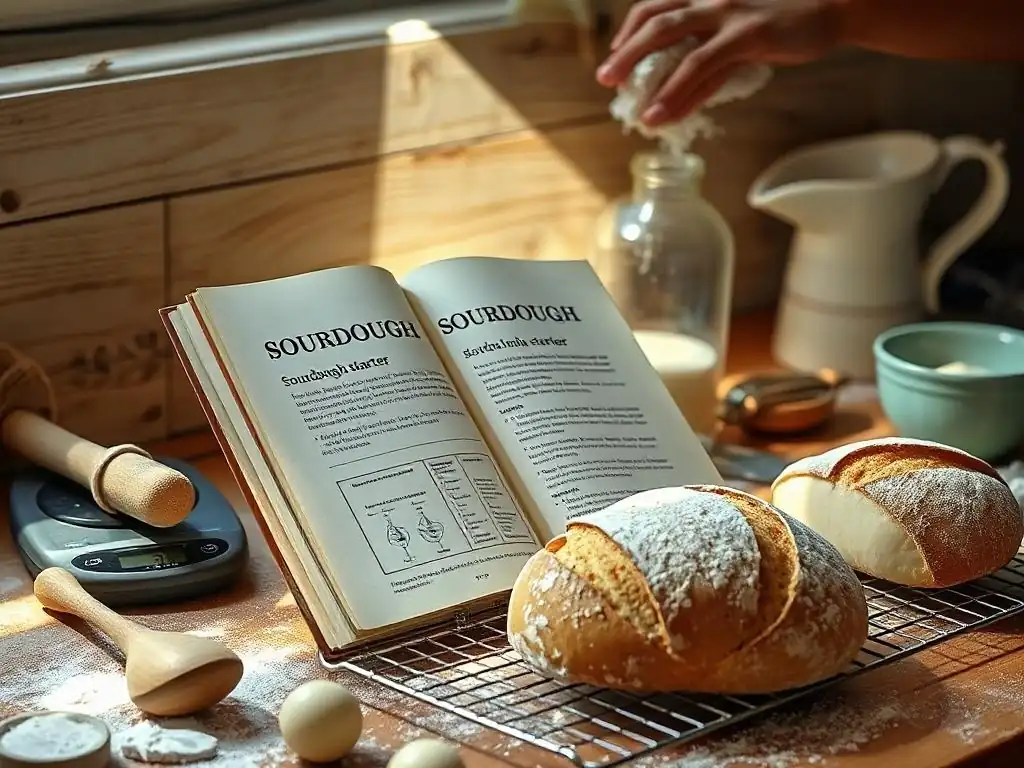
Deciding which sourdough book is best for you depends on your learning style and goals. If you are someone who thrives on understanding the deep science and meticulous detail behind the process and wants a foundational text that will serve you for years, "Tartine Bread" or "The Perfect Loaf" could be excellent choices, despite their depth. They offer a comprehensive education in artisan baking principles.
Alternatively, if you prefer a gentle introduction with simplified instructions and a focus on achieving successful results quickly, "Sourdough Baking for Beginners" by Nicole Hunn is specifically tailored for your needs. It breaks down the process into the most fundamental steps. For those eager to explore the versatility of sourdough starter in various recipes beyond just bread, "Sourdough Cookbook" by Sara Owens offers a wide array of beginner-friendly options.
Consider your comfort level with detailed technical information versus a more recipe-focused approach when making your selection. Ultimately, the best book is the one that inspires you to start and keeps you baking.
Beyond the Books: Essential Tools for Sourdough Baking Success
While a good book provides the knowledge, having a few essential tools can significantly improve your sourdough baking experience, especially for beginners. You don't need a professional bakery setup, but some basic equipment makes the process smoother and more consistent.
Here's a simple list of tools that are highly recommended for sourdough baking for beginners:
- Digital Scale: Accurate measurements are crucial in baking, particularly with sourdough where hydration levels are key. Measuring flour and water by weight (grams) is far more precise than volume (cups).
- Proofing Baskets (Bannetons): These baskets, typically lined with linen, help the dough hold its shape during the final rise and impart a lovely pattern on the crust. A common size is around 8-9 inches (20-23 cm) for a standard loaf.
- Dutch Oven or Baking Stone/Steel: To achieve a good crust at home, you need high heat and steam. A Dutch oven traps the steam released by the dough, creating a perfect environment. Alternatively, a baking stone or steel combined with a steam setup (like a tray of hot water or ice cubes) works well. A 5-7 quart (approx. 5-6.5 liter) Dutch oven is a popular size for standard loaves.
- Bench Scraper: Useful for dividing dough, scraping dough from surfaces, and general cleanup. Both metal and plastic versions are helpful.
- Lame or Sharp Razor Blade: For scoring the dough before baking. Scoring controls where the bread expands, allowing for a beautiful oven spring and preventing blowouts.
Having these tools ready when you start your sourdough baking for beginners journey will help you execute the techniques described in your chosen book more effectively.
Mastering Sourdough Baking: Tips and Tricks for Beginners
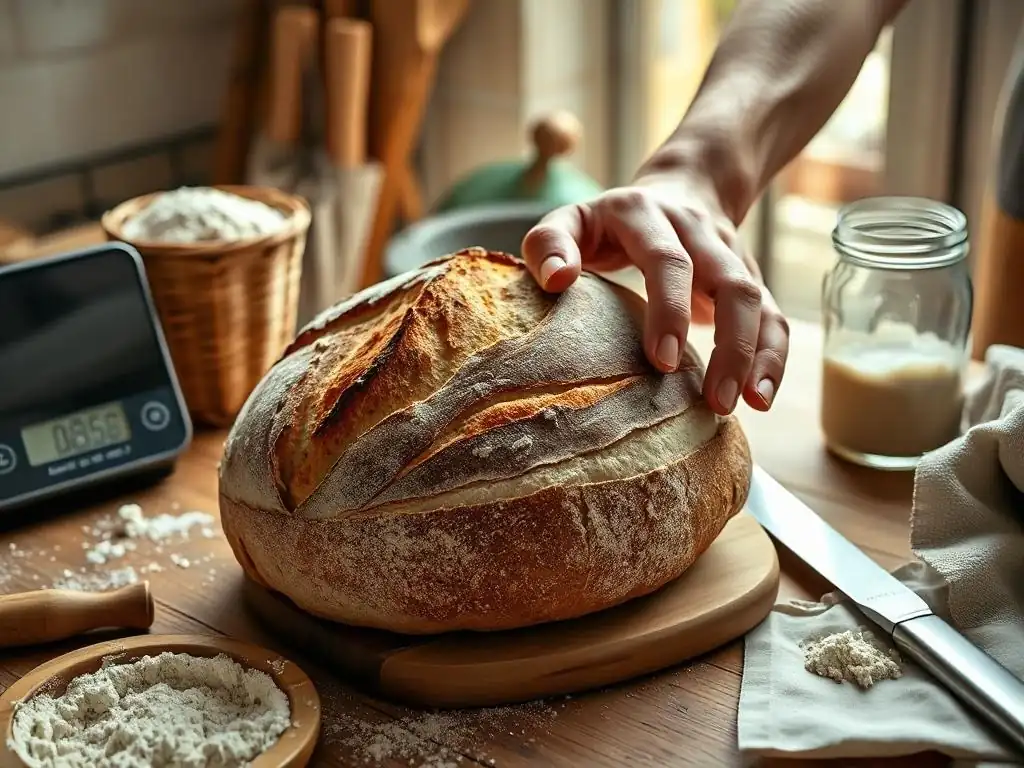
Starting with sourdough can feel like a steep learning curve, but a few simple tips can make the process much less daunting for beginners. Patience and observation are your greatest allies. Your starter is a living culture, and its activity will vary based on temperature, hydration, and feeding schedule. Don't get discouraged if your first few attempts aren't perfect; every bake is a learning opportunity.
Here are some practical tips for sourdough baking for beginners:
- Establish a Regular Feeding Schedule for Your Starter: Consistency is key. Feeding your starter around the same time each day helps maintain its health and predictability. Many beginners find a 1:1:1 ratio (starter:water:flour by weight) easy to manage.
- Pay Attention to Dough Temperature: Fermentation is heavily influenced by temperature. Your book might specify target dough temperatures. Using slightly warmer water can help if your kitchen is cool, while colder water can slow things down if it's warm. Aiming for a final dough temperature between 75-80°F (24-27°C) is often recommended for bulk fermentation.
- Learn to Read Your Dough: Don't just rely on timings in recipes. Feel the dough – is it elastic? Does it pass the windowpane test? Look for visual cues like bubbles forming during bulk fermentation. These signs are often more reliable than the clock.
- Don't Be Afraid of Hydration: Many sourdough recipes use high hydration (a high ratio of water to flour), which can result in a sticky dough initially. While challenging, higher hydration often leads to a more open crumb. Start with moderate hydration (around 65-70%) and work your way up as you gain confidence.
- Practice Scoring: Scoring isn't just for looks; it controls the oven spring. Practice on smaller pieces of dough or even playdough to get a feel for the blade angle and depth before attempting it on your final loaf.
By focusing on these fundamentals and being willing to learn from each bake, your journey in sourdough baking for beginners will be filled with rewarding progress and delicious bread.
Conclusion: Your Sourdough Adventure Starts Now!
Embarking on the path of sourdough baking for beginners is an exciting step into a world of natural fermentation, incredible flavor, and rewarding craftsmanship. While it may seem complex initially, armed with the right knowledge and a willingness to learn, you can absolutely master this ancient art. The books discussed here offer different pathways into the world of sourdough, each providing valuable insights and guidance tailored to the novice baker.
Whether you choose a comprehensive technical guide, a step-by-step manual, a scientific exploration, or a recipe-focused collection, the most important thing is to simply begin. Get your starter going, measure your ingredients carefully, and follow the instructions in your chosen book. Embrace the process, learn from your experiments, and enjoy the journey. Soon, you'll be pulling your own beautifully baked, tangy sourdough loaves from your oven, a testament to your newfound skill in sourdough baking. Your delicious adventure starts today!
Frequently Asked Questions
What makes a sourdough book good for absolute beginners?
A good sourdough book for beginners focuses on simple instructions and clearly explains the science behind the process. It should also include troubleshooting tips to address common issues.
Are there specific sourdough baking books that focus on using readily available ingredients?
Yes, some books emphasize using common flours and avoid complicated or hard-to-find ingredients. They also guide you on creating your own starter from scratch.
How important is it for a sourdough book to have detailed photographic guides?
Visual aids are extremely helpful, especially for beginners. Books with step-by-step photos can greatly improve understanding of techniques like shaping and scoring dough.
Should I look for a book that only covers sourdough bread, or one that includes other sourdough recipes?
That depends on your interests! A book dedicated solely to bread offers in-depth knowledge on that topic. However, a book with diverse recipes can introduce you to various applications of sourdough.
What are the most common mistakes beginners make with sourdough, and how can a book help avoid them?
Common mistakes include improper starter maintenance, over- or under-proofing, and incorrect hydration levels. A good book provides guidance on avoiding these pitfalls with clear explanations and troubleshooting advice.
Final Reflection: The Joyful Rise of Sourdough, One Loaf at a Time
The enduring appeal of sourdough baking, particularly for beginners, lies not just in the delicious results, but in the journey itself. This exploration of the best books for novice sourdough bakers highlights a growing trend: a desire to connect with food on a deeper, more hands-on level, to master a craft that rewards patience and precision. The seemingly simple act of baking bread becomes a meditative practice, a testament to the power of slow food in a fast-paced world.
The impact of sourdough's resurgence is undeniable; it's more than just a culinary trend, it's a cultural shift. We're seeing a renewed appreciation for traditional techniques, a rejection of instant gratification, and a growing interest in understanding the process behind our food. This resonates deeply with me, as someone who found immense satisfaction in mastering this seemingly complex art. The best things in life are worth waiting for,
and this couldn't be truer for the perfectly risen sourdough loaf.
Now, it's your turn. Don't be intimidated by the seemingly complex world of sourdough. Choose a book from our list, gather your ingredients, and embark on this rewarding journey. Embrace the unpredictable nature of the starter, celebrate the small victories, and savor the incredible taste of a loaf you've created with your own two hands. The satisfaction you'll find is immeasurable, a testament to the power of patience, practice, and the simple joy of baking.
Unleash Your Inner Baker: Start Your Sourdough Journey Today!
Thanks for taking the time to explore the world of sourdough with us! We hope you've discovered the perfect book to kickstart your baking adventure. Ready to get those starter cultures bubbling?
- Dive into your chosen book and begin your sourdough journey! Don't be afraid to experiment – that's half the fun!
- Share your baking triumphs (and even your mishaps!) on social media using #BakeWithEaseSourdough. Let's build a community of passionate sourdough bakers.
- Consider starting a sourdough journal: Record your recipes, techniques, and observations. You’ll be amazed at how much you learn from this process.
What unique sourdough creation will you bake first? Let us know in the comments below!