
Best Sourdough Books to Help You Fix Common Problems

Welcome to BakeWithEase, your haven for all things baking! Are you ready to conquer the enigmatic world of sourdough? Tired of dense loaves and frustrating failures? Our latest guide dives deep into the Sourdough Troubleshooting Book Guide, revealing the best resources to diagnose and finally fix those common problems. Uncover the secrets hidden within these pages and transform your sourdough journey from frustrating to fulfilling. Ready to bake with confidence? Let's get started!
- Best Sourdough Books to Help You Fix Common Problems: BakeWithEase Guide
- Sourdough Troubleshooting Book Guide: Master the Art of Sourdough Baking
- Why You Need a Sourdough Troubleshooting Book
-
Top Sourdough Troubleshooting Books: Our Expert Recommendations
- 1. Tartine Bread by Chad Robertson: A Classic for Understanding Sourdough Fundamentals
- 2. The Perfect Loaf by Maurizio Leo: Deep Dive into Sourdough Science
- 3. Sourdough: A Practical Guide for Making Delicious Breads at Home by Sarah Owens: Focus on Flavor and Technique
- 4. Bread Baking for Beginners by Bonnie Ohara: Mastering the Fundamentals
- Common Sourdough Problems and How These Books Can Help
- Choosing the Right Sourdough Troubleshooting Book for You
- Elevate Your Sourdough Baking with Expert Guidance
-
Frequently Asked Questions
- What is the main focus of a sourdough troubleshooting book guide?
- Why should I consider buying a sourdough troubleshooting book guide?
- What kinds of problems do sourdough troubleshooting book guides typically address?
- Are sourdough troubleshooting book guides only for experienced bakers?
- Besides troubleshooting, do sourdough troubleshooting book guides offer other benefits?
- Final Reflection: The Ever-Evolving Art of Sourdough Baking
- Unleash Your Inner Sourdough Master!
Best Sourdough Books to Help You Fix Common Problems: BakeWithEase Guide
Sourdough Troubleshooting Book Guide: Master the Art of Sourdough Baking
Embarking on the sourdough journey is incredibly rewarding, but it often comes with its unique set of challenges. From gummy crumbs to flat loaves, bakers of all levels encounter hurdles. That's where a reliable resource becomes invaluable. This sourdough troubleshooting book guide is designed to point you towards the best books that can help you navigate these common issues and elevate your baking skills. Think of these books as your personal mentors, providing insights, techniques, and the science behind successful sourdough.
Why You Need a Sourdough Troubleshooting Book

Even experienced bakers benefit from a comprehensive sourdough troubleshooting book. Baking is a science and an art, and understanding the 'why' behind common problems is crucial for consistent results. A good guide doesn't just tell you what to do; it explains why a problem occurred and how to prevent it in the future. Having a dedicated sourdough troubleshooting book guide by your side can save you time, frustration, and ingredients by providing targeted solutions.
Identifying Common Sourdough Issues: A Preventative Approach
Understanding the root causes of sourdough problems is the first step toward fixing them, and a good book helps you do just that. Many issues, like poor rise or dense texture, stem from fundamental misunderstandings of fermentation, hydration, or gluten development.
For instance, a common problem is an inactive starter, often caused by improper feeding schedules or temperatures. A detailed sourdough troubleshooting book guide will typically provide charts illustrating optimal feeding ratios and temperature ranges for different starter hydration levels, often showing how a starter's activity changes over a 24-hour period at various temperatures (e.g., peaking at 75°F-80°F, slowing significantly below 65°F).
Moreover, these guides help you recognize the visual cues of a healthy dough versus a struggling one. They might include descriptions or diagrams showing how dough should look and feel at different stages: after autolyse, bulk fermentation, and proofing. For example, recognizing insufficient gluten development (dough tears easily, lacks elasticity) or over-fermentation (dough is overly bubbly, fragile, smells strongly acidic) are critical skills.
A solid sourdough troubleshooting book will explain the signs to look for, often providing specific examples of dough behavior and linking it directly to potential issues like inadequate kneading or incorrect proofing times relative to ambient temperature. This preventative knowledge, gleaned from a detailed guide, significantly reduces the likelihood of encountering major problems down the line.
Mastering Sourdough Techniques: Building a Strong Foundation
Beyond troubleshooting specific issues, the best sourdough books reinforce fundamental techniques that are essential for consistent success. Achieving the perfect crumb structure, for example, relies heavily on mastering steps like autolyse, stretching and folding, shaping, and scoring. Many books dedicate significant sections to these foundational elements, explaining the purpose of each step in detail. They might provide step-by-step photo guides or detailed descriptions of shaping methods like the boule or batard, emphasizing techniques to build tension and create a strong crust.
Furthermore, these guides often delve into the nuances of fermentation timing and temperature, which are critical variables in sourdough baking. They explain how ambient temperature affects fermentation speed and how to adjust bulk fermentation and proofing times accordingly.
Some books even offer specific timelines for different hydration levels or flour types, providing concrete examples like "at 75°F ambient temperature with 75% hydration using bread flour, bulk fermentation might take 4-5 hours, followed by a cold proof of 12-18 hours." By mastering these core techniques through the guidance of a reliable sourdough troubleshooting book, bakers build a robust understanding that prevents many problems before they start.
Expanding Your Sourdough Knowledge: Beyond the Basics
A comprehensive sourdough troubleshooting book guide goes beyond just fixing loaf issues; it expands your overall understanding of the complex microbial world within your starter and dough. These books often delve into the science behind sourdough, explaining the symbiotic relationship between wild yeast and lactic acid bacteria, and how this affects flavor, rise, and texture. They might discuss the impact of different flour types (e.g., whole wheat vs. white, rye vs. spelt) on starter activity and dough handling, sometimes providing data on protein content or absorption rates.
Additionally, advanced sourdough troubleshooting books explore variables like hydration percentages (often ranging from 60% to over 85% for different styles) and salt ratios (typically 1.8% to 2.2% of total flour weight), explaining how small adjustments dramatically influence the final loaf. They might touch upon the effects of different baking vessels (Dutch oven, baking stone, etc.) or steaming methods on crust development and oven spring. This deeper knowledge, facilitated by a detailed sourdough troubleshooting book, empowers you to not only fix problems but also to experiment confidently and develop your own signature sourdough style.
Top Sourdough Troubleshooting Books: Our Expert Recommendations
Choosing the right sourdough troubleshooting book can feel overwhelming with so many options available. To simplify your search, we've curated a list of highly-regarded books known for their clear instruction, foundational knowledge, and ability to help bakers overcome common challenges. These selections cover a range of approaches, from scientific deep-dives to practical, accessible guides, ensuring there's a perfect sourdough troubleshooting book guide for every baker's needs.
1. Tartine Bread by Chad Robertson: A Classic for Understanding Sourdough Fundamentals
Chad Robertson's Tartine Bread is a cornerstone text for serious bread bakers. While not exclusively a sourdough troubleshooting book, its detailed explanations of the entire process, rooted in traditional San Francisco baking, provide an unparalleled foundation. The book emphasizes simplicity, quality ingredients, and patience, guiding bakers through the nuances of fermentation and handling high-hydration doughs. Its influence on the modern sourdough movement is undeniable.
Understanding Tartine Bread's Approach to Sourdough Baking
Tartine Bread presents a specific, revered method focused on high-hydration dough (often around 75-80%) and long, slow fermentation. Robertson meticulously details the process from building a levain (starter refreshment) through mixing, bulk fermentation with specific fold timings (e.g., folds every 30 minutes for 2.5 hours), shaping, and baking.
The book provides insights into assessing dough readiness by feel and appearance rather than strict timing, encouraging bakers to develop intuition. It often includes hydration percentages for various doughs and outlines typical fermentation times at specific room temperatures (like 70-75°F), although emphasizing that these are guides dependent on your environment and starter activity.
How Tartine Bread Helps with Sourdough Troubleshooting
While not structured as a problem/solution manual, Tartine Bread's comprehensive approach to fundamental techniques is its primary troubleshooting strength. Problems like dense crumb or poor rise are often a result of incorrect fermentation or weak gluten structure. By following Robertson's precise instructions on building dough strength through folds and recognizing the signs of proper bulk fermentation (dough should be jiggly, increased in volume by a certain percentage - often described visually rather than numerically), bakers naturally prevent these issues.
If a loaf is flat, revisiting the sections on shaping and building tension will likely reveal areas for improvement, as the book details how proper shaping provides the structure needed for oven spring. The focus on developing a healthy, active levain is also key to avoiding issues like lack of rise or overly sour flavor, as an inactive starter is a common culprit.
2. The Perfect Loaf by Maurizio Leo: Deep Dive into Sourdough Science
Maurizio Leo's The Perfect Loaf, an extension of his popular website, is celebrated for its scientific yet accessible approach to sourdough. This book is an excellent sourdough troubleshooting book guide for those who want to understand the 'why' behind every step. Leo breaks down complex concepts like fermentation pathways, protease activity, and hydration in a way that is easy to grasp, empowering bakers to make informed decisions and diagnose issues effectively.
Exploring Maurizio Leo's Scientific Approach to Sourdough
Leo provides detailed explanations of the microbiology and chemistry involved in sourdough baking. He delves into topics like the optimal pH range for dough development (often targeting a specific pH level before baking for ideal oven spring and flavor) and the role of different types of flour, including their protein content and how it affects hydration and gluten development.
The book includes specific temperature and timing charts, often presenting data-driven insights on how varying these factors impacts dough structure and fermentation activity. For example, he might show how proofing at a slightly lower temperature (e.g., 38°F vs. 45°F in the fridge) affects acid production and final flavor over a 12-24 hour period.
Using The Perfect Loaf to Solve Sourdough Problems
The Perfect Loaf excels as a sourdough troubleshooting book because it equips bakers with the knowledge to identify the cause of a problem, not just a potential fix. For a dense loaf, Leo's explanation of gluten development and fermentation activity helps diagnose if the issue was insufficient kneading/folding or under/over-fermentation. If oven spring is lacking, understanding the role of dough strength, surface tension (from shaping), and internal acidity (pH) allows the baker to pinpoint the specific failure point.
The book's detailed hydration guides and flour analysis help bakers understand why a recipe might behave differently with their specific ingredients, offering adjustments. If your sourdough is too sour, Leo's discussion on fermentation temperature and duration provides clues on how to manage acid production by adjusting proofing times or temperatures. This scientific foundation makes The Perfect Loaf a powerful sourdough troubleshooting book guide for identifying and correcting issues systematically.
3. Sourdough: A Practical Guide for Making Delicious Breads at Home by Sarah Owens: Focus on Flavor and Technique
Sarah Owens, a James Beard Award winner, offers a practical and inspiring guide in Sourdough. Her book is less about strict science and more about intuitive baking, emphasizing the connection between baker, ingredients, and the living sourdough culture. While it provides solid foundational techniques, it particularly shines in its exploration of flavor development, making it a valuable sourdough troubleshooting book guide for those struggling with bland or unbalanced loaves.
Sarah Owens' Emphasis on Flavor Development in Sourdough
Owens focuses on how ingredients and fermentation techniques contribute to the nuanced flavors of sourdough. She explores the use of different flours, grains (like rye, spelt, or einkorn), and even inclusions (seeds, herbs, fruits) to build complexity. The book provides guidance on adjusting fermentation length and temperature to influence the balance of lactic and acetic acids, which are key to sourdough's characteristic tang. For instance, she might discuss how longer, colder fermentation (e.g., 18-24 hours in a 40°F refrigerator) tends to promote more acetic acid, resulting in a tangier loaf, compared to warmer fermentation.
Troubleshooting Flavor Issues with Sourdough: A Practical Guide
If your sourdough is consistently bland or excessively sour, Sourdough: A Practical Guide serves as an excellent sourdough troubleshooting book. Owens' detailed descriptions of how different fermentation parameters affect flavor provide clear pathways for adjustment. For a bland loaf, she might suggest increasing fermentation time or using a higher percentage of whole grain flour in the starter or dough to boost microbial activity and flavor compounds.
If the loaf is too sour, her guidance on managing fermentation temperature and duration helps identify if the starter is over-fermented or if the bulk/final proof was too long or warm. The book also offers insights into ingredient quality and how factors like flour type and water quality can impact flavor, guiding bakers to make better ingredient choices to enhance their sourdough's taste profile.
4. Bread Baking for Beginners by Bonnie Ohara: Mastering the Fundamentals
Bonnie Ohara's Bread Baking for Beginners is an ideal entry point for those new to the world of sourdough. While not solely a sourdough troubleshooting book, its clear, step-by-step instructions and focus on fundamental techniques make it incredibly effective at preventing common beginner mistakes. Ohara demystifies the process, building confidence and providing a solid base from which to tackle more complex issues later.
Bread Baking for Beginners' Approach to Sourdough
Ohara introduces sourdough in a non-intimidating way, focusing on simple, reliable methods. The book provides clear instructions for creating and maintaining a starter, often suggesting straightforward feeding ratios (like 1:1:1 flour:water:starter) and a consistent feeding schedule. It breaks down the baking process into manageable steps, explaining the purpose of each stage from mixing to baking. Recipes are typically designed with beginners in mind, often using more forgiving hydration levels (e.g., 65-70%) compared to some advanced texts. The emphasis is on building comfort and understanding the basic flow of sourdough baking.
Troubleshooting with Bread Baking for Beginners
For the beginner baker encountering their first sourdough problems, Bread Baking for Beginners acts as an excellent initial sourdough troubleshooting book guide. Issues like inactive starter, dense crumb, or poor shape are often addressed by revisiting the fundamental steps Ohara outlines. If a starter isn't active, her clear instructions on feeding and temperature provide immediate points for correction.
If a loaf is dense, the book's focus on proper mixing and initial fermentation cues helps identify if the dough didn't develop enough strength or ferment sufficiently. While it might not delve into the deep scientific reasons behind every problem, its clear, step-by-step guidance allows beginners to quickly identify where their process deviated from the recommended path and how to get back on track. It's a practical, hands-on approach to fixing early-stage sourdough issues.
Common Sourdough Problems and How These Books Can Help

Even with the best intentions and techniques, sourdough baking can present challenges. Understanding the most frequent issues and knowing where to find solutions in your sourdough troubleshooting book guide is key to improving. Here, we look at some common problems and how the recommended books offer pathways to resolution.
Problem 1: Dense Sourdough Loaf
A dense or gummy crumb is one of the most disappointing outcomes for a sourdough baker. Instead of a light, airy interior with irregular holes, you get a heavy, uniform texture. This is a frequent issue that a good sourdough troubleshooting book can help you tackle.
Identifying the Cause of Dense Sourdough
The primary culprits for a dense sourdough loaf are often related to fermentation and dough strength. Under-fermentation is a common cause; the yeast and bacteria haven't had enough time or optimal conditions to produce sufficient gas to leaven the dough. This can be due to an inactive starter, too short a bulk fermentation, or proofing at too cold a temperature.
Another major factor is insufficient dough strength; if the gluten network isn't properly developed through mixing, stretching, and folding, the dough cannot hold the gas produced during fermentation and baking, leading to collapse or a tight crumb. Over-proofing can also lead to a dense loaf, as the gluten structure weakens after peaking, causing the dough to deflate.
Solutions from Our Recommended Books
Each of our recommended books offers insights into preventing and fixing dense sourdough. Tartine Bread addresses this through its rigorous method of developing dough strength via specific folding schedules and emphasizing the visual cues of proper bulk fermentation. Following its guidance on recognizing when the dough has achieved sufficient volume increase and structure is critical.
The Perfect Loaf provides scientific context, explaining how factors like dough pH and temperature affect fermentation speed and gluten structure breakdown. Its detailed temperature/timing charts help bakers ensure their fermentation is neither too short nor too long for their specific conditions. Sourdough: A Practical Guide reinforces the importance of intuitive feel and recognizing dough readiness, encouraging bakers to trust their senses rather than strict timers which can prevent under- or over-fermentation.
Bread Baking for Beginners helps beginners avoid this issue by providing clear, reliable timelines for simpler recipes and emphasizing the importance of using an active starter, preventing the most basic cause of poor rise. Consulting any of these guides as a sourdough troubleshooting book will provide specific techniques or diagnostics to address density.
Problem 2: Lack of Oven Spring
Oven spring, the final dramatic rise a loaf gets in the hot oven, is crucial for achieving a beautiful shape and open crumb. When a loaf spreads out or rises very little, it's a sign that something in the process wasn't quite right. This is a classic problem addressed in a comprehensive sourdough troubleshooting book guide.
Understanding Oven Spring and Its Importance
Oven spring occurs when the gas trapped in the dough expands rapidly due to the oven's heat, and the water in the dough turns to steam, further expanding the air pockets. A strong gluten network is essential to contain this expanding gas and steam, allowing the loaf to hold its shape and rise upwards. Proper surface tension, achieved through skilled shaping, also directs the expansion upwards rather than outwards. Insufficient fermentation (not enough gas produced), over-fermentation (gluten structure weakened), weak gluten development, poor shaping, or inadequate oven temperature/steam can all contribute to a lack of oven spring.
Troubleshooting Oven Spring Issues with Expert Guidance
Our recommended books provide targeted advice for improving oven spring. Tartine Bread emphasizes building strong dough structure through its folding regimen and achieving proper surface tension during shaping – both critical for upward expansion. Its techniques for baking in a Dutch oven create the necessary steam for maximum spring.
The Perfect Loaf explains the science behind oven spring, including the role of dough temperature, pH, and the Maillard reaction on crust formation, helping bakers understand why their loaf might be failing to spring. It provides specific temperature guidelines for baking and discusses the impact of different baking setups on oven spring. Sourdough: A Practical Guide reinforces the importance of recognizing dough readiness before baking; putting an under- or over-proofed loaf into the oven will result in poor spring regardless of other factors.
Bread Baking for Beginners teaches fundamental shaping techniques that help build the necessary tension for oven spring, a key skill for new bakers. Using these as a sourdough troubleshooting book allows you to identify which specific step in your process needs refinement to improve oven spring.
Problem 3: Overly Sour or Bland Sourdough
The characteristic tang of sourdough is desirable, but sometimes the flavor is unbalanced – either too acidic and vinegary or surprisingly flat and bland. Achieving the perfect flavor profile is an art, and a good sourdough troubleshooting book can guide you.
Diagnosing Flavor Imbalances in Sourdough
Sourdough flavor is primarily determined by the balance between lactic acid (milder, yogurt-like) and acetic acid (sharper, vinegar-like), produced by different types of lactic acid bacteria in the starter and dough. Temperature and fermentation time are the biggest influences. Warmer fermentation (above 75°F) tends to favor lactic acid production, resulting in a milder tang.
Colder, longer fermentation (especially in the refrigerator) favors acetic acid, leading to a more pronounced sourness. An overly active or neglected starter can also contribute to off-flavors. Blandness, conversely, often results from insufficient fermentation time or using a starter that isn't mature or active enough to develop complex flavors.
Achieving the Perfect Flavor Profile with Book-Based Techniques
Our recommended books offer strategies for controlling flavor. Sourdough: A Practical Guide is particularly strong here, with Sarah Owens dedicating significant attention to how ingredient choices (flour types) and fermentation parameters influence the flavor profile. She provides guidance on adjusting fermentation temperature and duration to achieve a desired level of tang.
The Perfect Loaf offers a scientific breakdown of acid production, detailing how temperature and time affect the ratio of lactic to acetic acid. Maurizio Leo's charts and explanations empower bakers to intentionally manipulate these factors. Tartine Bread, while focused on a specific flavor profile, teaches the importance of a healthy, regularly fed levain as the foundation for good flavor.
It emphasizes the taste and smell of the starter and dough throughout the process. Bread Baking for Beginners helps establish good starter maintenance habits, which is the first step in preventing both overly sour and bland loaves by ensuring a balanced microbial population. Consulting these resources as a sourdough troubleshooting book allows you to make targeted adjustments to your process based on the flavor results you are getting.
Choosing the Right Sourdough Troubleshooting Book for You
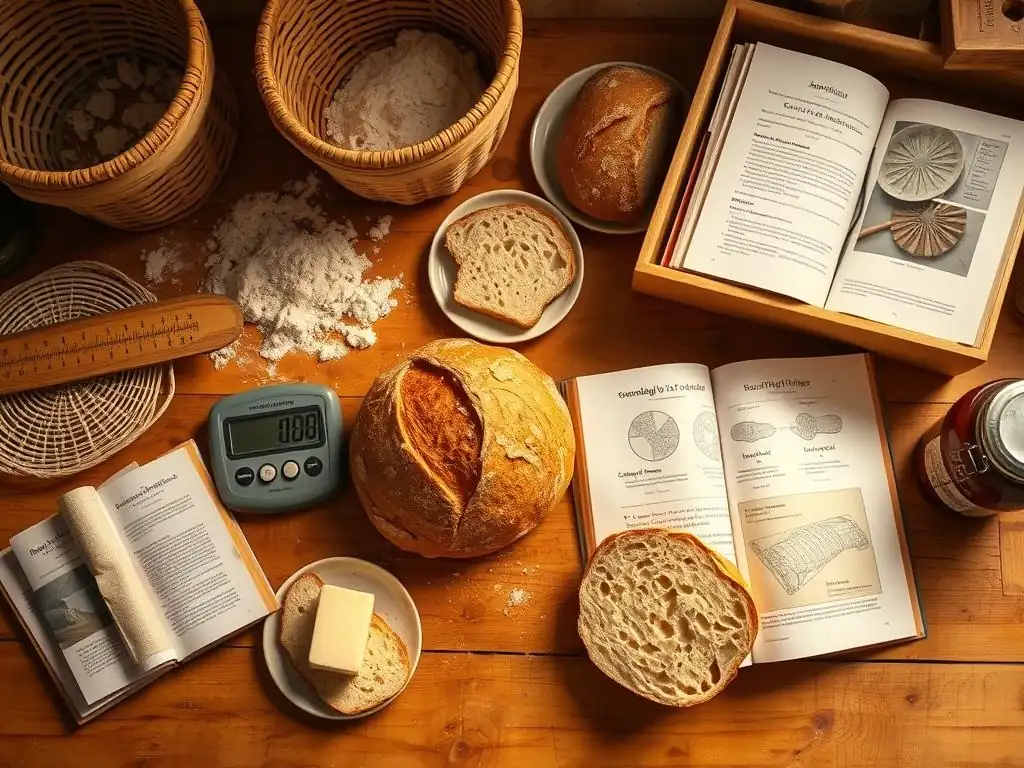
With several excellent options available, selecting the best sourdough troubleshooting book guide depends on your personal needs and baking experience. Consider where you are in your sourdough journey and what specific challenges you most often face.
Consider Your Skill Level: Beginner, Intermediate, or Advanced
Your current baking skill level is a crucial factor in choosing a sourdough troubleshooting book.
- Beginner: If you are just starting out or struggling with the very basics (maintaining a starter, getting a consistent rise), a book like Bread Baking for Beginners or the foundational sections of Tartine Bread might be most helpful. They focus on clear, step-by-step instructions and building confidence.
- Intermediate: If you've had some success but encounter specific issues like inconsistent crumb, poor oven spring, or flavor imbalances, books like Tartine Bread or Sourdough: A Practical Guide can help refine your technique and understanding.
- Advanced: For experienced bakers looking to deepen their knowledge, understand the science, and tackle more complex problems or experiment with variables, The Perfect Loaf is an exceptional resource. Its detailed explanations provide the tools for advanced sourdough troubleshooting.
Identify Your Specific Needs: Focus on Technique, Science, or Flavor
Think about what aspect of sourdough baking you want to improve or understand better.
- Technique: If you feel your hands-on skills (mixing, folding, shaping) are lacking, focus on books with detailed visual guides and clear procedural instructions, such as Tartine Bread or Bread Baking for Beginners.
- Science: If you want to understand the 'why' behind sourdough – the microbiology, chemistry, and how variables like temperature and hydration truly function – The Perfect Loaf offers unparalleled depth. This scientific understanding is powerful for diagnosing complex issues, making it a strong sourdough troubleshooting book guide.
- Flavor: If you are trying to achieve a specific tang level or explore different flavor profiles using various flours and techniques, Sourdough: A Practical Guide provides excellent insights into flavor development.
Read Reviews and Compare Recommendations
Before making a final decision on your sourdough troubleshooting book, take some time to read reviews from other bakers. Look for feedback that aligns with your own experiences and challenges. Compare how different books explain concepts or approach specific problems you've encountered. Many online communities and forums discuss the strengths and weaknesses of popular sourdough books, offering real-world perspectives on how effectively they function as a sourdough troubleshooting book guide in practice.
Elevate Your Sourdough Baking with Expert Guidance
Investing in a quality sourdough troubleshooting book is an investment in your baking journey. These guides provide the knowledge and techniques needed to move beyond basic recipes and consistently produce beautiful, delicious loaves. Whether you need help fixing a dense crumb, achieving better oven spring, or perfecting your sourdough's flavor, there's a book out there that can serve as your ultimate sourdough troubleshooting book guide. By learning from experienced bakers and understanding the principles behind sourdough, you'll not only fix problems but also gain the confidence to experiment and truly master the art of baking with ease.
Frequently Asked Questions
What is the main focus of a sourdough troubleshooting book guide?
These books primarily focus on identifying and resolving common issues encountered during the sourdough baking process, such as starter problems or dough inconsistencies. They offer practical solutions and explanations.
Why should I consider buying a sourdough troubleshooting book guide?
A guide can save you time and frustration by providing expert advice on diagnosing and correcting sourdough baking errors. It can improve your baking success rate and overall understanding.
What kinds of problems do sourdough troubleshooting book guides typically address?
They cover a wide range of issues, including weak starters, dense loaves, excessive sourness, and problems with rise and texture. They offer solutions for each.
Are sourdough troubleshooting book guides only for experienced bakers?
No, many guides cater to all skill levels, from beginners to more experienced bakers looking to refine their techniques. They explain complex concepts in an accessible manner.
Besides troubleshooting, do sourdough troubleshooting book guides offer other benefits?
Yes, they often include detailed recipes, baking techniques, and tips for maintaining a healthy sourdough starter. They provide a comprehensive understanding of sourdough baking.
Final Reflection: The Ever-Evolving Art of Sourdough Baking
The pursuit of the perfect sourdough loaf is a journey, not a destination, and this journey is paved with both triumphs and trials. Many aspiring bakers find themselves frustrated by inconsistent results, leading them to seek out reliable resources for troubleshooting. This guide, designed to help navigate the complexities of sourdough baking, highlights the crucial role that the right book can play in transforming frustration into flour-powered fulfillment.
The enduring appeal of sourdough lies not just in the delicious, tangy bread it produces, but in the process itself. It's a testament to the power of patience, observation, and a deep connection with the natural world. Bread is the staff of life,
the old saying goes, and in the case of sourdough, that staff is crafted with a symbiotic relationship between flour, water, and time. This intimate process, however, can be challenging, demanding a keen eye for detail and a willingness to learn from mistakes. The books reviewed here offer a pathway to mastering this art, providing invaluable insights and practical solutions for common problems.
Now, it's your turn. Consider the challenges you've faced in your own sourdough journey. What lessons have you learned? Which techniques have proven most effective? Don't be afraid to experiment, to embrace the imperfections, and to learn from each loaf, whether it's a masterpiece or a slightly less-than-perfect attempt. The path to sourdough mastery is a rewarding one, filled with the delicious aroma of freshly baked bread and the satisfaction of creating something truly special with your own two hands. So, grab your favorite sourdough book, gather your ingredients, and embark on your next baking adventure!
Unleash Your Inner Sourdough Master!
Thanks for taking the time to explore the world of sourdough with us! We hope you now feel more confident tackling those tricky baking challenges. Ready to take your sourdough skills to the next level?
- Dive deeper into your favorite sourdough technique: Pick one specific area from the article (e.g., shaping, scoring, hydration) and practice it for the next few bakes. Focus on mastering that single element for consistent results.
- Share your sourdough journey: Snap a photo of your latest loaf and post it on social media – use #BakeWithEase to connect with other sourdough enthusiasts!
- Leave a comment below: What's your biggest sourdough struggle, and which tip from the article will you try first?
Ready to bake your best sourdough yet?