
Mastering Festive Biscotti for Coffee Lovers

Welcome to BakeWithEase, your kitchen companion on a journey to baking brilliance! Ever dreamt of crafting the perfect biscotti, the kind that elevates your coffee break to a truly festive occasion? Get ready to unlock the secrets of festive biscotti recipes for coffee lovers, with our step-by-step guide that will transform you into a biscotti maestro. Curious about how to achieve that satisfying crunch and irresistible flavor? Let's dive in and discover the delightful world of biscotti, one delicious bite at a time...
- Mastering Festive Biscotti for Coffee Lovers: BakeWithEase's Guide
- Introduction: Elevate Your Coffee Break with Homemade Festive Biscotti
- Understanding the Fundamentals of Biscotti Baking
- Festive Biscotti Recipes for Coffee Dipping
- Tips and Tricks for Perfect Biscotti Every Time
- Flavor Variations and Creative Biscotti Ideas
- Storing Your Homemade Festive Biscotti
- Troubleshooting Common Biscotti Baking Problems
- Conclusion: Enjoying Your Homemade Festive Biscotti with Coffee
- Frequently Asked Questions
- Final Reflection: The Enduring Joy of Festive Biscotti
- Unleash Your Inner Biscotti Maestro!
Mastering Festive Biscotti for Coffee Lovers: BakeWithEase's Guide
Introduction: Elevate Your Coffee Break with Homemade Festive Biscotti
What Makes Biscotti the Perfect Holiday Treat?
Biscotti, with its delightful crunch and enduring shelf life, stands out as an exceptional treat, particularly during the bustling holiday season. Unlike delicate cakes or pastries that require immediate consumption, properly baked biscotti can remain fresh for weeks when stored correctly. This longevity makes it ideal for preparing ahead of time, significantly easing the burden of last-minute holiday baking preparations. Imagine having a batch of delicious festive biscotti ready to go for unexpected guests or as a quick, satisfying snack amidst holiday chaos.
Furthermore, the sturdy nature of biscotti makes it incredibly versatile for gifting. A beautifully packaged assortment of homemade festive biscotti makes a thoughtful and personal present that travels well, perfect for sharing with friends, family, or colleagues. The ability to customize flavors means you can create unique blends that capture the essence of the holidays, like incorporating warming spices, festive dried fruits, or rich chocolate, ensuring there's a perfect biscotti for everyone's taste. This combination of practicality and personalization solidifies biscotti's place as a holiday baking star.
Why Coffee Lovers Adore Biscotti
For coffee enthusiasts, biscotti is more than just a cookie; it's the ultimate coffee companion. Its inherent dryness and firm texture make it perfectly suited for dipping into a hot cup of coffee, espresso, or even tea. This dipping ritual softens the biscotti slightly, infusing it with the beverage's flavor while releasing its own aromas and tastes, creating a multi-sensory experience. The satisfying crunch followed by a yielding texture is a sensory delight that enhances the simple pleasure of enjoying a warm drink.
The pairing is also functional. The sturdy nature of biscotti means it won't crumble and disintegrate upon contact with liquid, unlike softer cookies. It holds its shape just long enough to soak up some of the coffee's warmth and flavor before being enjoyed. This practical attribute, combined with the vast array of flavors that complement coffee so well – think almond, hazelnut, chocolate, or spices – makes biscotti a natural and beloved partner for any coffee break. Crafting festive biscotti recipes coffee lovers will adore is a surefire way to spread cheer.
Understanding the Fundamentals of Biscotti Baking
Key Ingredients for Authentic Biscotti
The Role of Flour in Biscotti Texture
Flour is the foundational ingredient in biscotti, providing structure and body to the dough. Typically, all-purpose flour is used, as it offers a good balance of protein content to create a dough that is sturdy enough to handle shaping and slicing, yet tender enough to be enjoyable after the second bake. The amount of flour used directly impacts the dough's consistency; too little can result in a sticky, unmanageable dough, while too much can make the biscotti dry and crumbly. Achieving the correct flour-to-liquid ratio is crucial for the characteristic biscotti texture.
The protein in flour, primarily gluten, develops when kneaded, providing elasticity and strength. While biscotti doesn't require extensive kneading like bread, the gluten still plays a role in holding the loaf shape during the first bake and preventing excessive spreading. Using the right type and amount of flour ensures the biscotti holds its form, slices cleanly after the first bake, and achieves that desirable crispness without becoming excessively hard after the second bake.
Sweeteners: Choosing the Right Sugar for Your Biscotti
Sugar in biscotti serves multiple purposes: it provides sweetness, contributes to tenderness, and aids in browning during baking. Granulated sugar is the most common choice, as it dissolves easily and contributes to the classic crisp texture. The amount of sugar can be adjusted slightly based on preference, but it's important not to reduce it too drastically, as sugar also affects the dough's structure and moisture retention.
Some festive biscotti recipes coffee might incorporate brown sugar, either partially or entirely. Brown sugar adds moisture due to its molasses content, resulting in a slightly softer, chewier biscotti and a richer flavor profile. Using a mix of granulated and brown sugar can offer a balance between crispness and tenderness. The type of sugar also influences the browning during the second bake; sugars caramelize, giving the biscotti its appealing golden-brown color and depth of flavor.
Nuts and Flavors: Customizing Your Biscotti
Nuts are a quintessential addition to many biscotti recipes, providing crunch, flavor, and substance. Almonds are traditional, often used whole or roughly chopped, but walnuts, hazelnuts, pistachios, and pecans are also popular choices. Toasting nuts before adding them to the dough significantly enhances their flavor, bringing out their natural oils and aromas. This simple step can elevate the taste of your festive biscotti considerably.
Beyond nuts, the flavoring possibilities are vast. Extracts like vanilla, almond, or orange zest are common. Spices such as cinnamon, nutmeg, cardamom, or ginger add warmth, especially perfect for holiday variations. Dried fruits like cranberries, cherries, or apricots add bursts of sweetness and chewiness. Chocolate chips, cocoa powder, or even espresso powder can be folded in for rich, decadent flavors. These additions are typically mixed into the dough towards the end, ensuring they are evenly distributed throughout the biscotti loaves.
Essential Equipment for Baking Biscotti
Baking biscotti doesn't require a vast array of specialized tools, making it accessible for most home bakers. The most crucial items include standard baking essentials. You will need:
- Large mixing bowls for combining ingredients.
- Measuring cups and spoons for accuracy.
- A sturdy wooden spoon or spatula for mixing the dense dough.
- A baking sheet (or two) lined with parchment paper or a silicone mat.
- A sharp chef's knife or serrated knife for slicing the baked loaf.
These basic tools are sufficient for getting started with most festive biscotti recipes coffee. The key is having reliable measuring tools and a good baking surface to ensure even baking and prevent sticking.
For shaping the dough, while hands work perfectly fine, a bench scraper can be helpful for handling the slightly sticky dough and forming neat logs on the baking sheet. An electric mixer (stand or hand-held) can also be used for creaming butter and sugar and incorporating eggs, though the dough often becomes too stiff for machine mixing once the flour is added, requiring hand mixing to finish. Having a cooling rack is also essential for allowing the biscotti slices to cool completely after the second bake, ensuring maximum crispness.
Festive Biscotti Recipes for Coffee Dipping
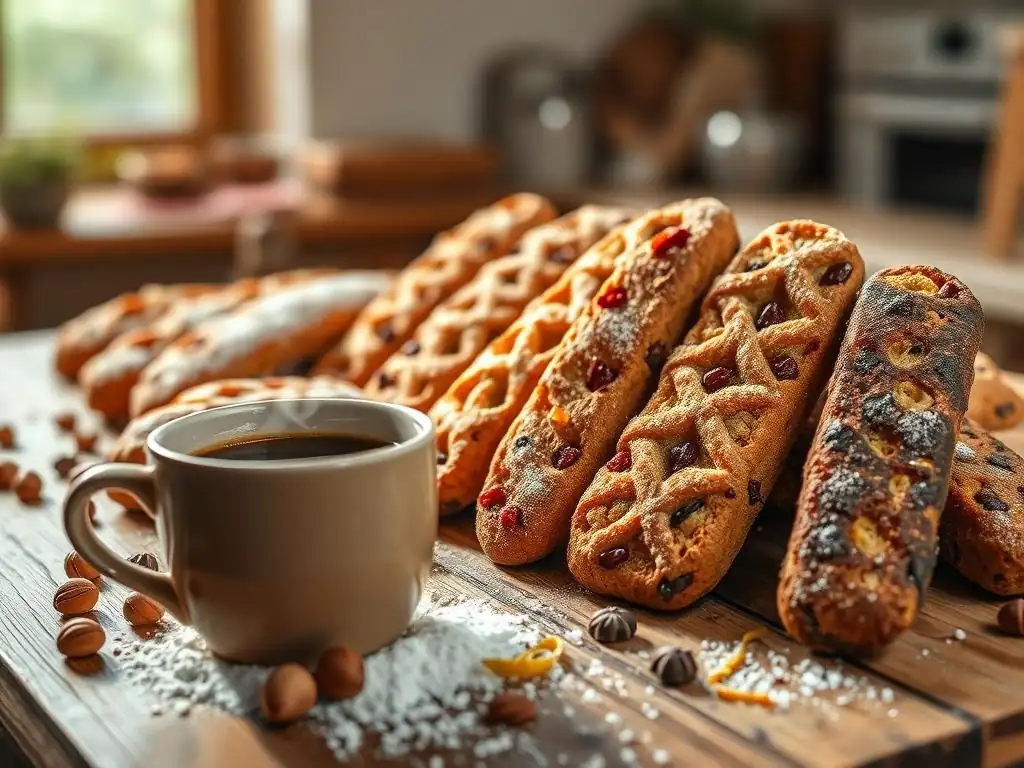
Recipe 1: Classic Almond Biscotti with Orange Zest
Ingredient List for Classic Almond Biscotti
To bake a batch of classic almond biscotti perfect for coffee dipping, you'll need a few key ingredients. This recipe yields approximately 24-30 pieces, depending on slice thickness.
- Dry Ingredients:
- 2 cups all-purpose flour (about 240 grams)
- 1 teaspoon baking powder
- 1/2 teaspoon salt
- 1 cup granulated sugar (about 200 grams)
- 1 cup whole almonds, lightly toasted (about 120 grams)
- Wet Ingredients:
- 2 large eggs
- 1 teaspoon vanilla extract
- Zest of one large orange
This combination provides a foundational structure with the flour, a classic sweetness and crispness from the sugar, and the signature almond crunch. The vanilla and orange zest infuse the biscotti with warm, aromatic flavors that pair beautifully with coffee, making these festive biscotti recipes coffee-ready. Ensure all dry ingredients are whisked together to evenly distribute the baking powder and salt before combining with the wet ingredients.
Step-by-Step Baking Instructions
Baking classic almond biscotti involves two distinct stages. First, preheat your oven to around 325°F (160°C). In a large bowl, whisk together the flour, baking powder, and salt. In a separate bowl, beat the eggs with the sugar until light and fluffy, then stir in the vanilla extract and orange zest. Gradually add the dry ingredients to the wet ingredients, mixing until just combined. The dough will be quite stiff. Fold in the toasted almonds.
Next, turn the dough out onto a lightly floured surface. Divide the dough in half. With lightly floured hands, shape each half into a log, roughly 10-12 inches long and 2 inches wide. Place the logs about 3-4 inches apart on a baking sheet lined with parchment paper. Bake for 25-30 minutes, or until the logs are lightly golden and firm to the touch. Remove from the oven and let cool on the baking sheet for about 10-15 minutes. Reduce the oven temperature to 300°F (150°C).
- Preheat oven to 325°F (160°C)
- Whisk dry ingredients
- Beat wet ingredients
- Combine wet and dry, fold in almonds
- Shape dough into logs (10-12" x 2")
- Bake logs 25-30 mins at 325°F (160°C)
- Cool logs 10-15 mins
- Reduce oven temp to 300°F (150°C)
Carefully transfer one cooled log to a cutting board. Using a sharp serrated knife, slice the log diagonally into slices about 1/2 inch thick. Repeat with the second log. Lay the slices cut-side down on the same baking sheet. Return the slices to the oven and bake for another 10-15 minutes per side, flipping them halfway through, until they are golden brown and crisp. The second bake, or "biscotti" (meaning twice-baked), is what gives the cookies their signature hard, dry texture, perfect for dipping. Let cool completely on a wire rack before storing.
// Simple pseudocode for the two-bake process:
function bakeBiscotti(doughLogs) {
  bakeFirstPass(doughLogs, 325F, 25-30min);
  coolLogs(10-15min);
  reduceOvenTemp(300F);
  slicedBiscotti = sliceLogs(doughLogs, 0.5inchDiagonal);
  bakeSecondPass(slicedBiscotti, 300F, 10-15minPerSide);
  coolCompletely(slicedBiscotti);
}
Recipe 2: Cranberry Pistachio Biscotti for a Christmas Twist
Cranberry Pistachio Biscotti: A Festive Variation
For a truly festive touch, cranberry pistachio biscotti offers vibrant colors and a delightful combination of sweet and nutty flavors. This variation brings together the tartness of dried cranberries and the distinct, slightly sweet crunch of pistachios, encased in a subtly flavored dough. The red and green hues of the cranberries and pistachios make these biscotti visually appealing, perfectly suited for holiday platters and gifts. They are a wonderful addition to your collection of festive biscotti recipes coffee lovers will appreciate.
Beyond the visual appeal, the flavor profile is excellent. The cranberries become slightly chewy and intensely flavored when baked, contrasting beautifully with the firm, crisp texture of the biscotti base and the crunchy pistachios. A hint of almond extract or even a touch of cardamom can further enhance the festive feel. This recipe follows the standard biscotti method but incorporates these specific mix-ins to create a unique holiday treat that pairs wonderfully with a warm beverage.
Baking Cranberry Pistachio Biscotti: Tips and Tricks
When baking cranberry pistachio biscotti, using good quality dried cranberries that are plump and not overly dry is key. If your cranberries seem very hard, you can soak them in warm water or orange juice for about 10 minutes, then drain them well before adding to the dough. This helps them retain some moisture during baking. For the pistachios, use shelled, unsalted nuts. Lightly toasting them beforehand will intensify their flavor.
Incorporating the mix-ins evenly throughout the stiff dough can be a bit challenging. It's best to add the cranberries and pistachios towards the end of mixing, folding them in by hand to ensure they are distributed without overworking the dough. When shaping the logs, try to keep the nuts and cranberries tucked inside so they don't protrude too much, which can make slicing difficult and cause pieces to break off. During the second bake, keep a close eye on the biscotti slices, as the nuts can sometimes brown faster than the dough.
Recipe 3: Chocolate Hazelnut Biscotti: A Decadent Coffee Companion
Decadent Chocolate Hazelnut Biscotti Recipe
Chocolate hazelnut biscotti is a rich and indulgent option, making it a perfect decadent companion for your coffee break. This recipe typically incorporates cocoa powder into the dough base, giving it a deep chocolate flavor, and is studded with toasted hazelnuts and often chocolate chips or chopped chocolate. The combination of chocolate and hazelnut is a classic pairing, reminiscent of popular confections, and it translates beautifully into the crunchy, dippable format of biscotti.
To make this decadent version, you might replace a small amount of the flour with unsweetened cocoa powder (around 1/4 to 1/2 cup per 2 cups of flour). This adds intense chocolate flavor without making the dough too dry. Toasted hazelnuts are essential; toasting them brings out their characteristic nutty flavor. Adding chocolate chips or chunks provides pockets of melted chocolate goodness within the crisp cookie. These festive biscotti recipes coffee lovers with a sweet tooth will absolutely adore.
Achieving the Perfect Chocolate Hazelnut Flavor
Balancing the flavors in chocolate hazelnut biscotti is key to its success. Use high-quality unsweetened cocoa powder for the best chocolate depth. Dutch-processed cocoa tends to provide a smoother, less acidic chocolate flavor compared to natural cocoa. Toast your hazelnuts until their skins are loosened and they are fragrant – this usually takes about 8-10 minutes in a 350°F (175°C) oven. Rubbing them in a clean towel after toasting helps remove the skins, which can be slightly bitter.
When adding chocolate chips or chunks, consider using semi-sweet or dark chocolate to complement the cocoa powder without making the biscotti overly sweet. The amount of chocolate and hazelnuts can be adjusted based on preference, but a good starting point is about 1 cup of chopped hazelnuts and 1/2 to 1 cup of chocolate chips per batch. Ensure they are well distributed throughout the dough. A touch of espresso powder can be added to the dough to enhance the chocolate flavor further, creating an even richer taste profile that is truly coffee-friendly.
Tips and Tricks for Perfect Biscotti Every Time
Achieving the Ideal Biscotti Texture: Crunchy Yet Not Rock Hard
The hallmark of great biscotti is its unique texture: firm and crunchy, perfect for dipping, but not so hard that it feels like biting into a rock. This balance is achieved through the specific two-bake process. The first bake sets the shape of the log, cooking it through but leaving it slightly soft inside. The crucial second bake, done after slicing, is where the magic happens. Baking the slices at a lower temperature for an extended period dries them out, creating that characteristic snap.
To ensure your biscotti isn't excessively hard, pay close attention to the second bake time and temperature. Baking at 300°F (150°C) is generally recommended to dry out the slices slowly and evenly. Over-baking or baking at too high a temperature during the second pass can result in a brittle, overly hard cookie. Aim for a golden-brown color and a firm feel; they will crisp up further as they cool. If they feel slightly yielding right out of the oven, that's okay – they will continue to dry on the cooling rack.
Preventing Biscotti from Spreading Too Much
Excessive spreading during the first bake is a common issue that can result in flat, wide biscotti logs that are difficult to slice neatly. This is often caused by a dough that is too wet or has too much leavening (baking powder or baking soda). Ensuring accurate measurement of ingredients, especially flour, is the first step. Using the 'spoon and level' method for measuring flour helps prevent adding too much.
If your dough feels overly sticky or wet after mixing, you can carefully add a tablespoon or two more flour until it is manageable but still moist enough to hold together. Another tip is to chill the shaped dough logs in the refrigerator for 20-30 minutes before baking. This helps the fat in the dough solidify, which reduces spreading in the initial stages of baking. Using a baking sheet lined with parchment paper also helps maintain shape slightly better than an unlined pan.
Baking Biscotti: First Bake vs. Second Bake
Understanding the purpose of each bake is key to mastering biscotti. The first bake, typically at a moderate temperature like 325°F (160°C), serves to cook the dough through and set its shape into a firm loaf. The logs should be lightly golden and feel firm to the touch, but the interior will still be relatively soft. This stage prepares the biscotti for slicing; attempting to slice an under-baked or still-hot log will result in crumbling.
The second bake, performed after slicing the cooled logs, is lower in temperature (around 300°F or 150°C) and focuses on drying out the biscotti slices. This process removes moisture, creating the characteristic crisp texture. The slices are usually baked on each side to ensure even drying and browning. The duration of the second bake depends on desired crispness; longer baking results in harder biscotti. This crucial step transforms the baked dough from a soft loaf into a durable, dippable cookie.
Cutting Biscotti Like a Pro: Achieving Uniform Slices
Slicing the partially baked biscotti log neatly is essential for achieving uniform, attractive cookies. The key is to slice the log while it is still warm from the first bake, but not hot. Allowing it to cool for 10-15 minutes allows the structure to firm up enough to hold its shape during slicing, but it's still soft enough to cut without excessive crumbling. Waiting too long can make the log too hard to slice cleanly.
Use a sharp knife, preferably a serrated knife, and a gentle sawing motion. A serrated knife grips the surface better and cuts through the nuts or dried fruit more easily than a straight-edged knife. Slice the logs diagonally for the traditional biscotti shape. Aim for slices about 1/2 inch thick; thinner slices can be fragile, while thicker ones may not crisp up properly during the second bake. For the cleanest cuts, apply steady, even pressure and try to avoid pressing down too hard, which can cause the log to flatten or break.
Flavor Variations and Creative Biscotti Ideas
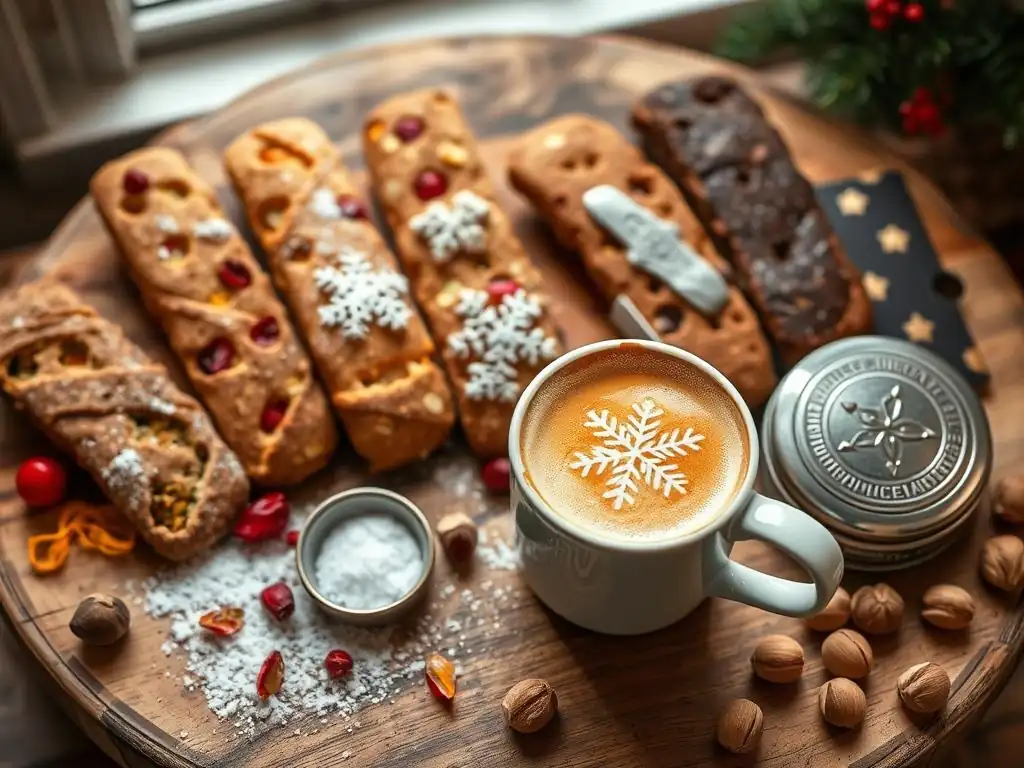
Exploring Different Nut Combinations
While almonds are traditional, experimenting with different nuts can yield exciting new festive biscotti recipes coffee enthusiasts will love. Walnuts pair wonderfully with chocolate or spices like cinnamon and nutmeg. Hazelnuts are classic with chocolate, creating a "gianduja" inspired flavor. Pistachios, with their vibrant color and unique taste, are excellent with cranberries or citrus zest. Pecans can add a buttery richness, especially when combined with brown sugar or maple extract.
Consider combining two types of nuts for a more complex flavor profile. For instance, a mix of almonds and pistachios, or walnuts and pecans. Toasting the nuts before adding them to the dough is highly recommended, as it significantly enhances their flavor and aroma. Chop larger nuts into smaller pieces to ensure they are evenly distributed and don't make slicing difficult. About 1 to 1.5 cups of nuts per batch is a good ratio, providing plenty of crunch and flavor without overwhelming the dough.
Adding Spices for Warmth and Depth
Spices are a fantastic way to infuse your biscotti with warmth and create festive variations, perfect for holiday baking. Cinnamon is a classic choice, adding a sweet and woody note that pairs well with many flavors, including nuts, fruit, and chocolate. Nutmeg, cloves, ginger, and cardamom can be used individually or in combination to create spice blends reminiscent of gingerbread or speculoos.
About 1 to 2 teaspoons of ground spices per batch is usually sufficient to impart noticeable flavor without being overpowering. Ground spices should be whisked into the dry ingredients to ensure even distribution. For an extra punch of flavor, consider using fresh ginger or whole spices that you grind yourself just before adding. Spices not only add flavor but also contribute a lovely aroma to the biscotti as it bakes, filling your kitchen with festive scents.
Glazing and Decorating Your Biscotti
While delicious on their own, biscotti can be enhanced with simple glazes and decorations, adding both visual appeal and extra flavor. A simple glaze made from powdered sugar and milk or lemon juice can be drizzled over the cooled biscotti. For a chocolatey finish, dip one end of the cooled biscotti in melted chocolate (dark, milk, or white).
For festive decorations, sprinkle chopped nuts, festive sprinkles, or edible glitter onto the wet glaze or melted chocolate before it sets. You can also add a contrasting drizzle of white chocolate over dark chocolate, or vice-versa. Ensure the biscotti are completely cool before glazing or dipping, as warmth can cause the glaze or chocolate to melt or run. Allowing the glaze or chocolate to set completely before storing or packaging is crucial to prevent sticking.
Storing Your Homemade Festive Biscotti
How to Keep Biscotti Fresh for Longer
Proper storage is key to maintaining the crisp texture and flavor of your homemade biscotti. Because they are baked twice to remove moisture, biscotti have a naturally longer shelf life than many other cookies. Once completely cooled, store biscotti in an airtight container at room temperature. A cookie tin or a plastic container with a tight-fitting lid works well.
Avoid storing biscotti with softer cookies or baked goods, as they can absorb moisture from them and lose their crispness. Layering the biscotti with parchment paper can help prevent them from sticking together, especially if they are glazed or dipped in chocolate. Stored correctly, plain biscotti can stay fresh and crunchy for up to 2-3 weeks. Glazed or chocolate-dipped biscotti might have a slightly shorter shelf life, perhaps 1-2 weeks, due to the added ingredients.
Biscotti Gifting Ideas: Packaging and Presentation
Homemade biscotti makes a wonderful and personal gift, especially during the holidays. The fact that they keep well makes them ideal for preparing in advance. For gifting, presentation matters! Consider packaging your festive biscotti in clear cellophane bags tied with festive ribbons, allowing the beautiful cookies to be seen.
Another option is to arrange them neatly in decorative tins or boxes. Layering different flavors of biscotti in the same tin can create an attractive assortment. You could also pair the biscotti with a bag of gourmet coffee beans or a selection of teas for a complete beverage gift set. Adding a small handwritten tag with the flavor name and a note about how they pair perfectly with coffee adds a thoughtful touch. These simple packaging ideas turn your delicious festive biscotti recipes coffee companions into impressive gifts.
Troubleshooting Common Biscotti Baking Problems
Biscotti Too Hard? Solutions and Prevention
If your biscotti turned out rock hard, it's likely due to over-baking during the second bake or baking at too high a temperature during that stage. The goal of the second bake is to dry out the cookie, not to bake it further to a crisp.
To prevent this, ensure your oven temperature is accurate (an oven thermometer can help!). Bake the slices at the recommended lower temperature (around 300°F or 150°C) and check for doneness after the minimum suggested time. They should be golden brown and firm, but not excessively dark or brittle.
If they feel very hard right out of the oven, they will only get harder as they cool. For a batch that is already too hard, while you can't fully reverse it, dipping them in coffee will still soften them for enjoyment. Next time, reduce the second bake time by a few minutes.
Biscotti Too Soft? Correcting the Texture
Biscotti that are too soft haven't been dried out enough during the second bake. This can happen if they weren't baked long enough, the oven temperature was too low, or too much moisture was introduced (e.g., from wet ingredients or high humidity).
The good news is you can often fix soft biscotti! Simply place the baked slices back on a baking sheet and return them to a 300°F (150°C) oven for another 5-10 minutes per side, checking frequently. Continue baking until they reach your desired level of crispness. To prevent soft biscotti in the future, ensure accurate measurements, especially of liquids, and don't skip or shorten the second bake. Make sure the slices are cut to a uniform thickness (around 1/2 inch) so they dry evenly.
Biscotti Burning? Adjusting Baking Times and Temperatures
Burning, especially during the second bake, can occur if the oven is too hot or the baking time is too long. Because biscotti slices are thin, they can go from perfectly toasted to burnt quite quickly. Nuts or chocolate pieces on the surface are particularly susceptible to burning.
To avoid burning, always preheat your oven fully and consider using an oven thermometer to verify the temperature. During the second bake, stick to the recommended lower temperature (300°F or 150°C). Watch the biscotti closely, especially during the last few minutes.
If you notice the edges or add-ins starting to darken too quickly, you may need to reduce the baking time or slightly lower the temperature next time. Rotating the baking sheet halfway through each bake can also help ensure more even browning. If the bottoms are browning too fast, try using a lighter-colored baking sheet or adding an extra layer of parchment paper.
Conclusion: Enjoying Your Homemade Festive Biscotti with Coffee
The Joy of Baking and Sharing Festive Biscotti
There's a unique satisfaction in baking a batch of festive biscotti, especially when you know they're destined to be paired with a warm cup of coffee. From mixing the dough and filling your kitchen with wonderful aromas to the satisfying crunch of the final product, the process itself is rewarding. The versatility of biscotti allows for endless creativity, enabling you to tailor flavors to the season and your personal preferences.
Sharing your homemade festive biscotti recipes coffee friends and family will love is perhaps the greatest joy. Whether served alongside post-dinner coffee, offered as a holiday gift, or simply enjoyed during a quiet moment with your own brew, these twice-baked delights embody the spirit of giving and simple pleasures. Each crunchy bite dipped in coffee is a small celebration of the holiday season and the warmth of homemade treats.
Further Baking Adventures with BakeWithEase
Mastering festive biscotti is just one step in your baking journey. BakeWithEase.com is filled with resources to help you explore a wide variety of pastries, breads, cakes, and cookies. From perfecting your pie crust to understanding sourdough starters, our step-by-step guides and helpful tips are designed for bakers of all levels.
We encourage you to continue experimenting with different flavors, techniques, and ingredients as you build your baking confidence. Look for more festive recipes as the holidays approach, or explore our archives for everyday baking inspiration. Baking should be enjoyable and accessible, and we're here to provide the knowledge and guidance you need to create delicious treats in your own kitchen. Happy baking!
Frequently Asked Questions
What makes biscotti a festive treat?
Festive biscotti often incorporate seasonal flavors like cranberry, orange zest, or spices such as cinnamon and nutmeg. They can also be decorated with colorful icing or festive sprinkles for a visually appealing touch.
Why are biscotti often paired with coffee?
Biscotti are traditionally twice-baked, resulting in a dry and crunchy texture. This makes them perfect for dipping into coffee, softening them slightly and enhancing the flavor.
Are biscotti recipes difficult for beginners to master?
Not necessarily! BakeWithEase offers simple, step-by-step recipes designed for bakers of all skill levels. Look for recipes specifically marked as beginner-friendly.
Can I customize my biscotti recipes with different ingredients?
Absolutely! Feel free to experiment with different nuts, dried fruits, and extracts to create your own unique biscotti variations. Just ensure the overall moisture level remains consistent.
How long does biscotti typically last, and how should I store it?
Biscotti can last for several weeks when stored properly in an airtight container at room temperature. The low moisture content helps prevent spoilage.
Final Reflection: The Enduring Joy of Festive Biscotti
The art of crafting festive biscotti, perfectly paired with rich coffee, transcends mere baking; it's a celebration of tradition, connection, and the simple pleasures of life. These delightful twice-baked treats, imbued with seasonal spices and flavors, offer a comforting warmth that resonates deeply during the holiday season and beyond. Their enduring appeal lies not just in their delicious taste, but in the act of sharing them with loved ones, creating memories as sweet as the biscotti themselves.
The influence of biscotti on our cultural landscape is subtle yet profound. It's a testament to the power of simple ingredients transformed into something extraordinary, a symbol of hospitality and shared joy across generations. Food is symbolic of love when words are inadequate.
- Alan D. Wolfelt. This quote perfectly encapsulates the emotional resonance of sharing homemade biscotti – a gesture that speaks volumes beyond mere culinary skill. The recipes passed down through families, each with its unique twist, represent a living history, a tangible link to the past that enriches our present.
Now, consider your own kitchen. Imagine the aroma of warm spices filling your home as you bake your own batch of festive biscotti. Picture the smiles on the faces of your friends and family as they savor each crisp bite, paired with their favorite coffee.
This isn't just about following a recipe; it's about creating a moment, a memory, a connection. So, I invite you to embrace the spirit of festive baking, to experiment with flavors, and to share the joy of these delightful treats with those you cherish. Let the simple act of making biscotti become a cherished tradition in your own home.
Unleash Your Inner Biscotti Maestro!
Thanks for joining us on this delicious journey into the world of festive biscotti! We hope you’ve gained some inspiring new techniques and recipes to impress your friends and family. Now it's time to put your newfound knowledge to the test!
- Bake a batch of your favorite biscotti: Use the recipes and tips from the article as your guide. Don't be afraid to experiment with flavors and add your personal touch!
- Share your biscotti creations: Post a picture on social media and tag us—we'd love to see your baking masterpieces!
- Explore other festive baking ideas on our website for even more holiday treats.
So, what unique twist will you add to your next batch of biscotti? Let us know in the comments below!