
Quick Christmas Cookie Doughs You Can Make Now

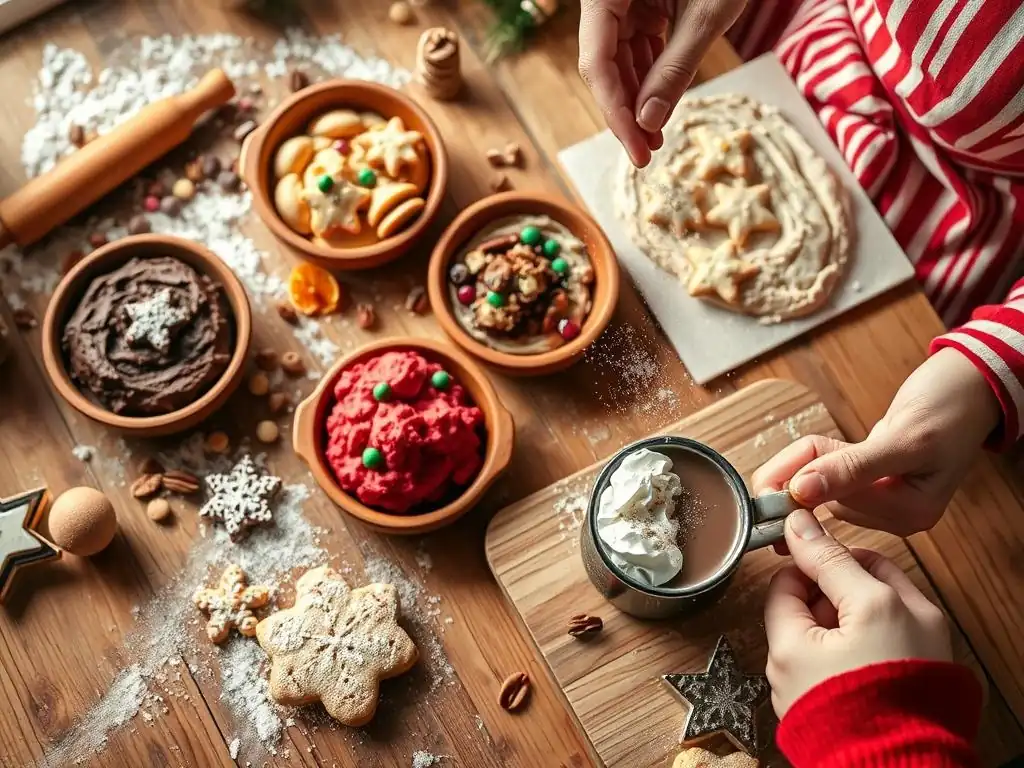
Welcome to BakeWithEase, your passport to effortless baking! Ever dream of having perfectly festive cookies ready to go before the holiday rush? This guide unveils the secrets to an easy Christmas cookie dough recipe that you can whip up in advance and store for whenever inspiration strikes. Dive in and unlock the magic of stress-free holiday baking – the aroma of warm, homemade cookies is just a few scrolls away!
- Introduction: Bake Ahead for a Stress-Free Christmas with Easy Cookie Dough Recipes
- Why Make Your Christmas Cookie Dough Ahead of Time?
- Easy Christmas Cookie Dough Recipe: Shortbread Cookie Dough
- Easy Christmas Cookie Dough Recipe: Chocolate Chip Cookie Dough
- Easy Christmas Cookie Dough Recipe: Oatmeal Raisin Cookie Dough
- Easy Christmas Cookie Dough Recipe: Snickerdoodle Cookie Dough
- Tips for Freezing Christmas Cookie Dough
- Creative Ways to Use Your Christmas Cookie Dough
- Conclusion: Enjoy Effortless Christmas Baking with These Easy Cookie Dough Recipes
- Frequently Asked Questions
- Final Reflection: The Sweet Simplicity of Christmas Baking
- Unleash Your Inner Baker: Festive Cookie Dough Awaits!
The holiday season is a time for joy, family, and, of course, delicious baked goods. However, the weeks leading up to Christmas can also be incredibly busy, filled with shopping, decorating, and social events. Trying to bake multiple batches of cookies from scratch in the midst of this festive flurry can feel overwhelming, turning a potentially pleasant activity into a source of stress. This is where the magic of preparing your easy Christmas cookie dough recipe ahead of time comes in, transforming a daunting task into a manageable and enjoyable part of your holiday preparations.
By making your doughs in advance, you strategically spread out the workload, allowing you to tackle the mixing and chilling stages on a less hectic day. Imagine the satisfaction of simply pulling pre-made dough from the refrigerator or freezer, ready to slice, shape, and bake whenever the mood strikes.
This approach doesn't just save time; it also allows you to truly savor the act of baking when you do get around to it, focusing on the fun parts like decorating or simply enjoying the aroma of fresh cookies without the pressure of a looming deadline. Embracing this make-ahead strategy ensures that you'll have plenty of festive treats on hand for gifting, parties, or simply enjoying with a cup of cocoa, all while keeping your holiday spirit intact.
Save Time During the Busy Holiday Season
The holiday rush is undeniable. From decorating the tree to attending festive gatherings and finding the perfect gifts, time becomes a precious commodity. Preparing your easy Christmas cookie dough recipe weeks or even months in advance can free up significant chunks of time when you need them most. Instead of dedicating an entire afternoon or evening during a packed December week to measuring, mixing, and chilling multiple doughs, you can complete these steps during a less hectic time, perhaps in late November or early December.
Consider the typical process for making several different types of cookies – perhaps shortbread, chocolate chip, and snickerdoodles. Each requires its own set of ingredients, mixing techniques, and chilling time. Combined, this could easily consume three to four hours or more of active kitchen time, not including baking. By front-loading the dough preparation, you reduce that December task list significantly. When it's time to bake, the process is streamlined to just scooping, shaping, and baking, which might take just 30-60 minutes per batch, allowing you to fit baking into smaller windows of opportunity between other holiday activities.
Reduce Stress and Enjoy the Baking Process
Facing a long list of holiday baking tasks all at once can be incredibly stressful. The pressure to produce perfect cookies for parties, gifts, or family gatherings, combined with the general chaos of the season, can quickly turn a beloved hobby into a chore. Preparing your easy Christmas cookie dough recipe ahead acts as a powerful stress reliever, breaking down a large, potentially overwhelming task into smaller, more manageable steps spread over time.
This allows you to approach the baking process with a calmer mindset. When you're not rushing against the clock to get dough mixed and chilled before your next holiday commitment, you can actually enjoy the sensory experience of baking – the scent of butter and sugar creaming together, the feel of the dough coming together.
It transforms the activity from a race to the finish line into a pleasant, mindful activity. Having dough ready also means you can bake on impulse, perhaps when you have a free hour or when the kids are looking for a fun, quick activity, rather than feeling obligated to dedicate an entire day to it.
Chilling cookie dough isn't just about making it easier to handle; it's a critical step for developing flavor and achieving the desired texture in many cookie recipes. When dough chills, the fats solidify, which helps the cookies hold their shape better during baking, preventing excessive spreading. More importantly, chilling allows the flour to fully hydrate and the sugar to dissolve, leading to a more tender crumb and a richer flavor profile. This is particularly true for recipes like shortbread or chocolate chip cookies, where a proper chill can make a significant difference in the final result.
While many recipes call for just 30 minutes to 2 hours of chilling, letting some doughs rest for 24-72 hours can deepen the flavors considerably, especially in doughs containing brown sugar and eggs, like chocolate chip. The extended chilling time allows enzymes in the flour and eggs to break down proteins, which contributes to browning and flavor development during baking. It also concentrates the flavors as moisture evaporates slightly. So, making your easy Christmas cookie dough recipe ahead of time isn't just convenient; it's often a secret weapon for baking cookies with superior texture and more complex, delicious flavors.
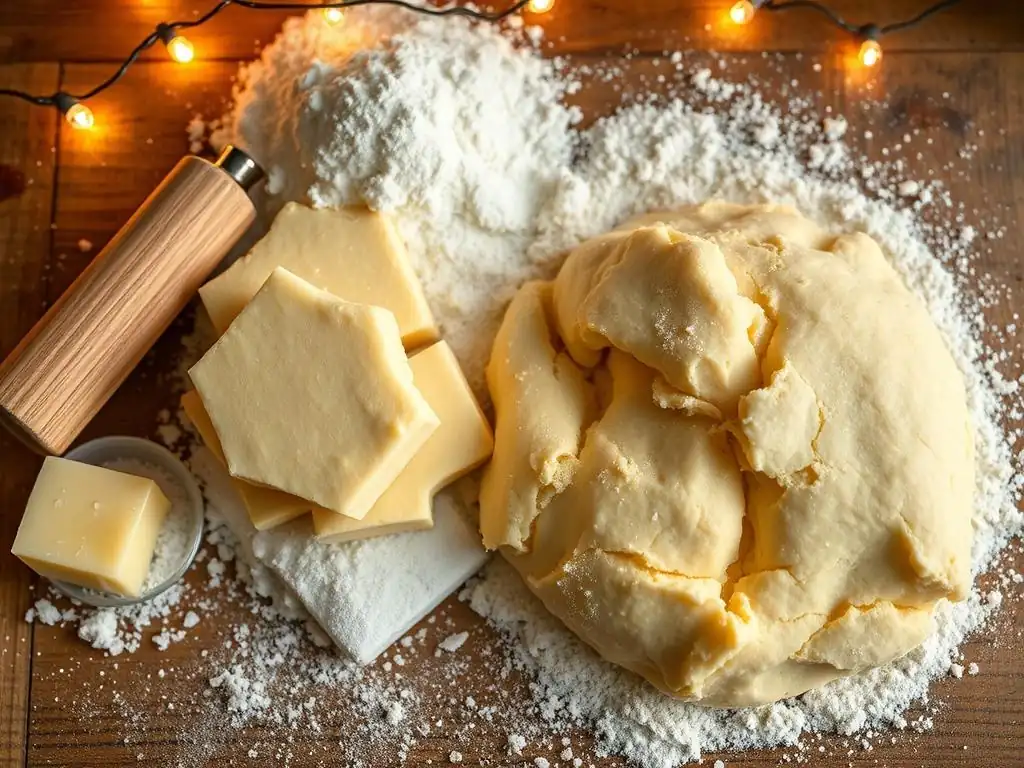
Ingredients for Classic Scottish Shortbread
Classic shortbread is wonderfully simple, relying on just a few key ingredients to create its signature buttery, crumbly texture. The traditional ratio is often cited as 3 parts flour, 2 parts butter, and 1 part sugar by weight. For a standard batch yielding approximately 24-30 cookies, you might use around 300 grams (about 2 ¼ cups) of all-purpose flour, 200 grams (about 1 cup) of unsalted butter, and 100 grams (about ½ cup) of granulated or superfine sugar. Using high-quality unsalted butter is crucial here, as it's the dominant flavor.
Some variations might include a small amount of rice flour or cornstarch (perhaps 1/4 cup replacing some of the all-purpose flour) to achieve an even more tender, melt-in-your-mouth texture. A pinch of salt is also often added to balance the sweetness and enhance the butter flavor. These minimal ingredients highlight the importance of technique and the quality of each component, making it a perfect easy Christmas cookie dough recipe to master.
Making shortbread dough is straightforward. Begin by creaming together the softened unsalted butter and sugar in a large bowl until the mixture is light and fluffy, which typically takes about 3-5 minutes using an electric mixer on medium speed. Ensure the butter is truly soft but not melted, as this affects the dough's texture. Scrape down the sides of the bowl periodically to ensure even mixing.
Next, gradually add the flour (and salt, if using) to the butter mixture. Mix on low speed or stir with a wooden spoon until the flour is just incorporated and the dough starts to come together. Be careful not to overmix, as this can develop the gluten in the flour, resulting in tough cookies instead of tender ones.
The dough might appear crumbly at first, but it should come together when pressed. At this stage, you can gather the dough and gently knead it a few times on a clean surface until it forms a cohesive ball. This easy Christmas cookie dough recipe is forgiving, but gentle handling is key.
Achieving that perfect shortbread crumb depends on a few key techniques. Firstly, ensure your butter is at the correct temperature – softened, but still cool to the touch. Overly soft or melted butter can lead to greasy, flat cookies. Secondly, measure your flour accurately, preferably using a kitchen scale for consistent results. Too much flour will make the dough dry and crumbly, while too little can make it spread excessively. Aim for the 3-2-1 ratio by weight if possible.
Thirdly, avoid the temptation to overwork the dough once the flour is added. Gentle mixing until just combined is sufficient. Over-kneading develops gluten, which is desirable in bread but detrimental to the tender, crumbly texture of shortbread. Finally, chilling the dough is essential. Shortbread dough benefits greatly from chilling for at least 30 minutes, but ideally 1-2 hours, before shaping or rolling. This allows the butter to firm up, making the dough much easier to handle and ensuring the cookies hold their shape while baking.
Shortbread cookie dough is excellent for making ahead and storing. Once prepared, you can shape it into logs or discs, wrap tightly in plastic wrap, and then place in an airtight container or freezer bag. Refrigerated shortbread dough will keep well for up to 3-4 days. The flavor can even improve slightly with a day or two of chilling.
For longer storage, shortbread dough freezes beautifully. Shaped logs or discs can be wrapped tightly in plastic wrap and then aluminum foil or placed in a freezer-safe bag. Properly stored, frozen shortbread dough can last for up to 3 months. When you're ready to bake, simply thaw the dough in the refrigerator overnight before slicing and baking according to your recipe's instructions. This makes shortbread an ideal easy Christmas cookie dough recipe to prepare well in advance of the holiday rush.
A classic chocolate chip cookie starts with a foundation of butter, sugar, flour, eggs, and leavening, brought to life by the addition of chocolate chips. For a typical batch yielding about 3 dozen cookies, you'll generally need around 1 cup (2 sticks) of unsalted butter, a mix of granulated sugar (about ¾ cup) and light brown sugar (about ¾ cup), 2 large eggs, 1 teaspoon of vanilla extract, about 2 ¼ cups of all-purpose flour, 1 teaspoon of baking soda, and ½ teaspoon of salt.
The combination of sugars is key: granulated sugar contributes to crispness, while brown sugar adds moisture, chewiness, and a hint of caramel flavor.
The star, of course, is the chocolate chips. About 1 to 1 ½ cups of semi-sweet chocolate chips is standard, but feel free to experiment with milk chocolate, dark chocolate, or even chunks for varied texture and intensity. Some bakers also like to add nuts, such as chopped walnuts or pecans (about ½ cup), for extra crunch. This versatile ingredient list makes it a beloved and easy Christmas cookie dough recipe.
The process for making chocolate chip cookie dough is relatively simple and follows standard cookie methods. Begin by creaming together the softened butter and both sugars in a large bowl until the mixture is light, fluffy, and pale yellow, which usually takes 2-3 minutes with an electric mixer. This creaming incorporates air, contributing to the cookie's texture. Next, beat in the eggs one at a time, mixing well after each addition, followed by the vanilla extract. Ensure everything is fully incorporated.
In a separate bowl, whisk together the dry ingredients: the flour, baking soda, and salt. Gradually add the dry ingredients to the wet ingredients, mixing on low speed just until no streaks of flour remain. Be careful not to overmix. Finally, stir in the chocolate chips (and nuts, if using) by hand using a wooden spoon or spatula. The dough should be soft but not sticky. This easy Christmas cookie dough recipe comes together quickly, ready for chilling or baking.
Several factors contribute to making truly excellent chocolate chip cookie dough. First, ensure your butter and eggs are at room temperature; this helps them emulsify properly, resulting in a smoother dough and better texture. Second, don't skip the chilling step! While you can bake chocolate chip cookies immediately, chilling the dough for at least 30 minutes, or preferably 1-2 hours, helps prevent excessive spreading and concentrates flavors. For an even deeper flavor, chilling for 24-72 hours is highly recommended, allowing the dough to mature.
Third, the quality and type of chocolate chips matter. Using a mix of chip sizes or even chopped chocolate bars can create pockets of melted chocolate throughout the cookie. Fourth, consider using a mix of sugars as specified; the ratio of brown to granulated sugar significantly impacts chewiness and spread. Finally, avoid overmixing the dough after adding the flour; stop mixing as soon as the dry ingredients are just incorporated to prevent tough cookies. Following these tips will elevate your easy Christmas cookie dough recipe.
Chocolate chip cookie dough is exceptionally well-suited for making ahead and storing, making it an ideal easy Christmas cookie dough recipe. Once you've mixed the dough, you have a few storage options. For short-term storage (up to 3-4 days), simply cover the bowl tightly with plastic wrap or transfer the dough to an airtight container and refrigerate. The flavor will actually improve over this time.
For longer storage, freezing is the best method. You can roll the dough into logs, wrap them tightly in plastic wrap, then foil, and freeze for up to 3 months. Alternatively, scoop individual portions using a cookie scoop, place them on a baking sheet lined with parchment paper, freeze until solid (about 1-2 hours), and then transfer the frozen dough balls to a freezer-safe bag or container. This allows you to bake just a few cookies at a time directly from frozen, simply adding an extra minute or two to the baking time.
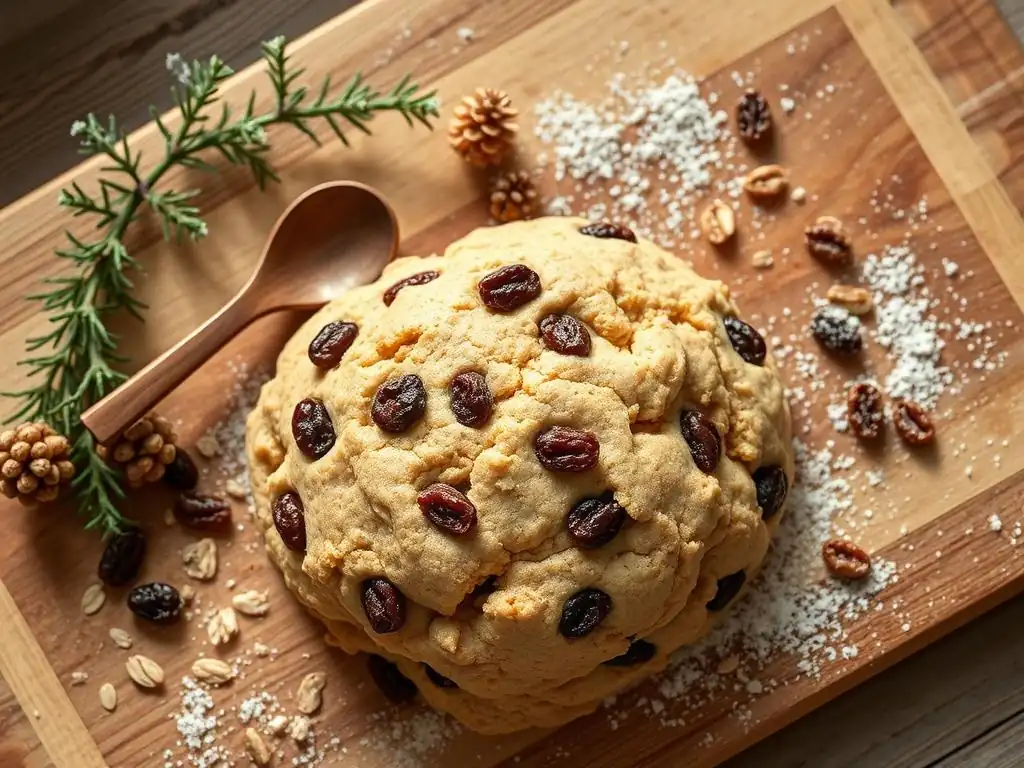
Creating a batch of classic chewy oatmeal raisin cookies requires a blend of pantry staples that work together to create that signature texture and warm flavor. You'll typically need about 1 cup (2 sticks) of unsalted butter, a mix of granulated sugar (around ¾ cup) and dark brown sugar (about ¾ cup packed), 2 large eggs, 1 teaspoon of vanilla extract, about 1 ½ cups of all-purpose flour, 1 teaspoon of baking soda, ½ teaspoon of salt, 1 teaspoon of ground cinnamon, ½ teaspoon of ground nutmeg, and importantly, about 2 ½ to 3 cups of old-fashioned rolled oats.
Old-fashioned rolled oats are preferred over instant or quick oats because they provide more texture and chewiness. The spices, particularly cinnamon and nutmeg, are crucial for that comforting, warm flavor profile. And of course, about 1 ½ to 2 cups of raisins are essential. Some bakers like to plump their raisins by soaking them in hot water or even rum for a few minutes before adding them to the dough, which adds extra moisture and flavor. This combination makes for a hearty and easy Christmas cookie dough recipe.
Making oatmeal raisin cookie dough follows the standard creaming method, making it quite straightforward. Start by creaming the softened butter and both the granulated and dark brown sugars together in a large bowl until light and fluffy, which should take about 2-3 minutes with a mixer. The dark brown sugar is key for chewiness and depth of flavor. Beat in the eggs one at a time, ensuring each is fully incorporated before adding the next, then mix in the vanilla extract.
In a separate bowl, whisk together the dry ingredients: the all-purpose flour, baking soda, salt, cinnamon, and nutmeg. Gradually add the dry ingredients to the wet mixture, mixing on low speed until just combined. Finally, stir in the old-fashioned rolled oats and the raisins (drained if you plumped them) by hand using a sturdy spoon or spatula. Mix until everything is evenly distributed throughout the dough. This easy Christmas cookie dough recipe is now ready for chilling before baking.
Tips for Achieving Perfect Texture
The desired texture for oatmeal raisin cookies is typically chewy with slightly crispy edges. Several factors influence this. First, using dark brown sugar instead of light brown sugar adds more moisture due to its higher molasses content, contributing significantly to chewiness. Second, using old-fashioned rolled oats provides structure and chewiness that quick oats cannot replicate. Avoid substituting them if you want that classic texture.
Third, chilling the dough is vital. Chilling for at least 30-60 minutes helps the dough firm up, preventing excessive spread and resulting in thicker, chewier cookies. For even better texture and flavor development, consider chilling for 24 hours. Finally, be careful not to overbake. Oatmeal raisin cookies should still look slightly soft in the center when you pull them out of the oven; they will continue to set as they cool on the baking sheet for a few minutes.
Oatmeal raisin cookie dough stores very well, making it another excellent easy Christmas cookie dough recipe for preparing in advance. For short-term storage (up to 3-4 days), simply transfer the dough to an airtight container or cover the mixing bowl tightly with plastic wrap and refrigerate. The flavors will meld nicely during this time.
For longer storage, freezing is an efficient option. You can scoop the dough into individual portions using a cookie scoop, place the scoops on a parchment-lined baking sheet, freeze until solid (about 1-2 hours), and then transfer the frozen dough balls to a freezer-safe bag or container. This method allows you to bake cookies as needed. Alternatively, you can shape the dough into logs, wrap them tightly in plastic wrap and foil, and freeze for up to 3 months. Thaw logs in the refrigerator overnight before slicing and baking.
Snickerdoodles are known for their soft, chewy texture and signature tangy flavor, coated in cinnamon sugar. The unique tang comes from cream of tartar, which is a key ingredient. For a standard batch yielding about 2-3 dozen cookies, you'll need about 1 cup (2 sticks) of unsalted butter, 1 ½ cups of granulated sugar (divided for dough and coating), 2 large eggs, 1 teaspoon of vanilla extract, about 2 ¾ cups of all-purpose flour, 2 teaspoons of cream of tartar, 1 teaspoon of baking soda, and ¼ teaspoon of salt.
For the iconic cinnamon sugar coating, you'll typically need about 2-3 tablespoons of ground cinnamon mixed with about ½ cup of granulated sugar. The ratio can be adjusted to your preference, but a common starting point is 1 part cinnamon to 4-5 parts sugar. Ensure your cream of tartar is fresh, as it's crucial for both the tang and the leavening that gives snickerdoodles their characteristic crackled surface. This relatively simple list makes for a classic easy Christmas cookie dough recipe.
Making snickerdoodle dough is very similar to other drop cookie doughs, making it a quick and easy Christmas cookie dough recipe. Begin by creaming the softened unsalted butter and 1 ½ cups of granulated sugar in a large bowl until light and fluffy, usually taking 2-3 minutes with an electric mixer. Add the eggs one at a time, beating well after each addition, followed by the vanilla extract.
In a separate medium bowl, whisk together the dry ingredients: the all-purpose flour, cream of tartar, baking soda, and salt. Gradually add the dry ingredients to the wet mixture, mixing on low speed until just combined and no dry streaks remain. Be careful not to overmix the dough. While the dough is mixing or just after, combine the remaining ½ cup of granulated sugar with 2-3 tablespoons of ground cinnamon in a shallow dish for rolling the cookies later. The dough is now ready to be chilled before shaping and coating.
Tips for Preventing Flat Snickerdoodles
Flat snickerdoodles are a common baking woe, but they can be easily avoided with a few careful steps. The most critical factor is chilling the dough sufficiently. Snickerdoodle dough should be chilled for at least 30 minutes, and ideally 1-2 hours, before rolling it into balls and coating it in cinnamon sugar. Chilling solidifies the butter, which helps the cookies maintain their thickness and prevents excessive spreading in the oven.
Another important tip is to ensure your leavening agents, particularly the cream of tartar and baking soda, are fresh. Expired leaveners won't provide the necessary lift, leading to flatter cookies. Also, avoid greasing your baking sheets; the cinnamon-sugar coating provides enough barrier to prevent sticking, and baking on an ungreased sheet can help control spread. Finally, don't flatten the dough balls too much before baking; just rolling them into spheres and coating them is sufficient. Following these tips helps ensure your easy Christmas cookie dough recipe results in perfectly puffed snickerdoodles.
Snickerdoodle dough is excellent for making ahead and storing, offering flexibility during the busy holiday season. For short-term storage (up to 3-4 days), the dough can be kept in an airtight container in the refrigerator. The flavors will meld, and the dough will firm up nicely, making it easier to handle when you're ready to bake.
For longer storage, freezing is a great option. The best way to freeze snickerdoodle dough is to scoop it into individual portions, roll them into balls (but don't coat them in cinnamon sugar yet), place them on a parchment-lined baking sheet, and freeze until solid (about 1-2 hours). Once frozen, transfer the dough balls to a freezer-safe bag or container.
They can be stored this way for up to 3 months. When ready to bake, let the dough balls sit at room temperature for about 15-30 minutes to soften slightly, then roll them in the cinnamon sugar mixture before baking directly from frozen, adding a minute or two to the bake time. This makes it a convenient easy Christmas cookie dough recipe for future baking.
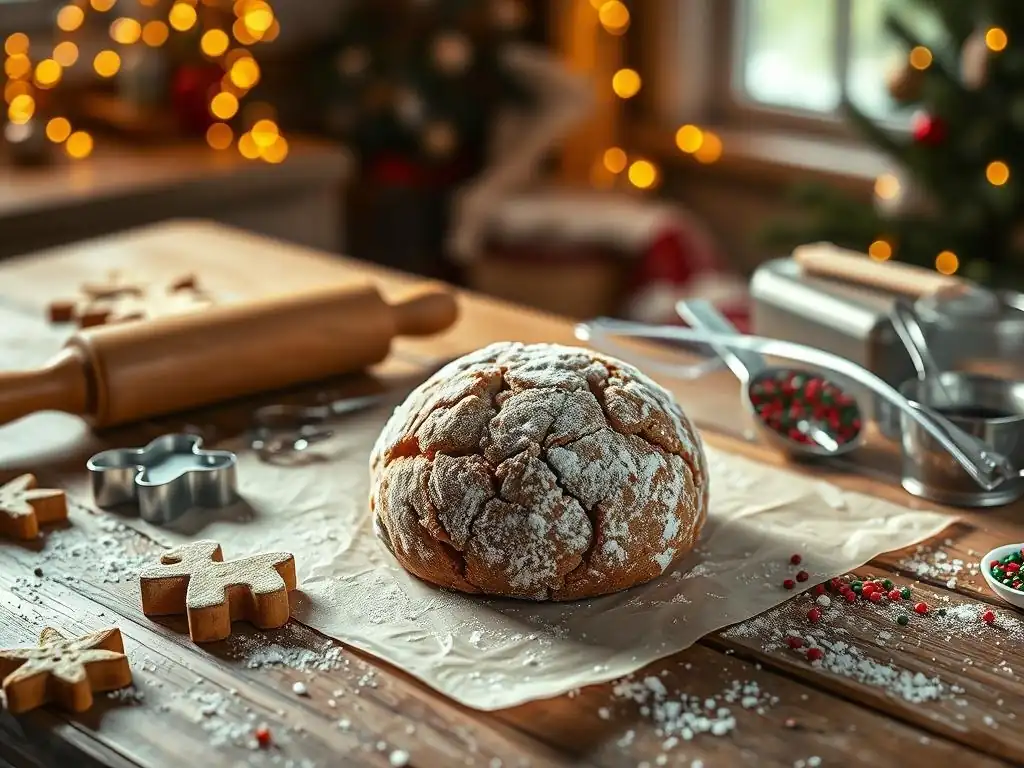
Freezing cookie dough is a fantastic way to get a head start on your holiday baking and preserve your easy Christmas cookie dough recipe for weeks or months. The key to successful freezing is preventing freezer burn and making the dough convenient to bake later. One common method is to shape the dough into logs, especially suitable for slice-and-bake cookies like shortbread or sugar cookies. Wrap these logs tightly in plastic wrap, then wrap again in aluminum foil or place in a freezer-safe bag, pressing out as much air as possible. Label with the date and type of dough.
Another popular method, particularly for drop cookies like chocolate chip or oatmeal raisin, is to scoop the dough into individual portions using a cookie scoop. Place these scoops onto a baking sheet lined with parchment paper and freeze until solid, which typically takes 1-2 hours. Once frozen, transfer the dough balls to a freezer-safe bag or container, removing excess air. This allows you to grab and bake just the number of cookies you need at any given time, minimizing waste and effort. Always label your containers clearly with the date and cookie type.
Thawing frozen cookie dough correctly is important for achieving the best texture and preventing issues like excessive spreading or uneven baking. For dough that was frozen in logs or large portions, the safest and recommended method is to thaw it slowly in the refrigerator overnight. This gradual thawing helps maintain the dough's structure and consistency. Once thawed in the fridge, the dough should be pliable enough to slice or shape as needed.
If you froze individual dough balls, you often don't need to fully thaw them before baking. Many recipes allow you to bake the dough balls directly from frozen. Simply place the frozen dough balls on your prepared baking sheet.
If the recipe requires rolling in sugar or other coatings (like snickerdoodles), let the frozen balls sit at room temperature for about 15-30 minutes until they are slightly softened on the surface, then roll them in the coating just before baking. Avoid thawing dough completely at room temperature for extended periods, as this can cause the butter to soften too much and lead to flat cookies.
Adjusting Baking Time for Frozen Dough
When baking cookies directly from frozen dough, you will typically need to adjust the baking time compared to baking with chilled dough. Since the dough is starting at a much colder temperature, it takes longer for the heat to penetrate and cook the cookie through. As a general rule, add an extra 1-3 minutes to the baking time specified in the original recipe. For example, if a recipe calls for baking at 350°F (175°C) for 10-12 minutes for chilled dough, you might bake frozen dough balls at the same temperature for 12-15 minutes.
It's best to start checking for doneness at the original minimum bake time and then continue baking, checking every minute or two, until the cookies are golden brown around the edges but still look slightly soft in the center (unless the recipe specifies otherwise). Baking time can vary depending on the size of the cookie dough balls and your oven. Baking from frozen is incredibly convenient and, with a slight adjustment to time, yields delicious results from your easy Christmas cookie dough recipe.
Shortbread's simple, buttery flavor and firm texture make it an ideal canvas for decoration, transforming your easy Christmas cookie dough recipe into festive edible art. Once baked and cooled, classic shortbread fingers or rounds can be dipped partially or fully in melted chocolate – white, milk, or dark – and then sprinkled with festive decorations like colored sprinkles, crushed candy canes, or edible glitter before the chocolate sets. This adds visual appeal and a complementary flavor.
For a more intricate look, shortbread cut into shapes (like stars, trees, or gingerbread men) can be decorated with royal icing or glaze. Royal icing allows for detailed piping and designs, while a simple glaze (powdered sugar mixed with a little milk or lemon juice) can be used for flooding areas or simple drizzles. Edible markers, dusting powders, and edible pearls can also be used to add fine details and sparkle. The key is to ensure the cookies are completely cool before decorating to prevent melting or smudging.
While a classic chocolate chip cookie from your easy Christmas cookie dough recipe is always a hit, the dough is incredibly versatile and can be easily adapted to create fun variations. Instead of just semi-sweet chips, try using a mix of different chocolates – dark chocolate chunks, milk chocolate chips, or even white chocolate chips. Adding mini chocolate chips along with standard size ones creates varied pockets of chocolate throughout the cookie.
Beyond chocolate, consider adding other mix-ins. Nuts like toasted pecans, walnuts, or macadamia nuts provide a delightful crunch. Dried cranberries or cherries can add a festive touch and a burst of tartness, pairing wonderfully with the sweet dough. Shredded coconut, toffee bits, or even a swirl of caramel or peanut butter added during the mixing stage can create entirely new flavor profiles from the same basic easy Christmas cookie dough recipe base.
Beyond the standard ingredients, incorporating different extracts and spices into your easy Christmas cookie dough recipe can create unique and festive flavors perfect for the holidays. While vanilla extract is a staple and often used in a quantity like 1 teaspoon per batch, experimenting with other extracts opens up a world of possibilities. Almond extract, used sparingly (perhaps ½ teaspoon per batch), imparts a lovely nutty note, especially good in shortbread or sugar cookies.
Peppermint extract (use cautiously, maybe ¼ to ½ teaspoon) is perfect for chocolate-based doughs, creating a classic holiday combination. Citrus extracts like orange or lemon (½ to 1 teaspoon) can brighten up buttery doughs.
Incorporating ground spices like extra cinnamon, ginger, cloves, or cardamom can turn a simple dough into a warm, spiced treat. For example, adding 1 teaspoon of ginger and ¼ teaspoon of cloves to your oatmeal dough transforms it into a gingerbread-adjacent cookie. A pinch of cardamom in shortbread adds an unexpected but delightful aromatic layer. Remember that extracts and spices vary in potency, so start with a smaller amount and add more to taste if needed, ensuring your easy Christmas cookie dough recipe is perfectly flavored.
Frequently Asked Questions
An easy Christmas cookie dough recipe typically involves minimal ingredients, simple mixing techniques, and requires little to no chilling time before baking.
Yes, most Christmas cookie doughs can be frozen! Freezing dough is a great way to prepare in advance. Make sure to wrap it tightly to prevent freezer burn.
A basic Christmas cookie dough usually includes flour, butter, sugar, eggs, and a leavening agent like baking powder or baking soda. Many recipes also incorporate flavor extracts like vanilla or almond.
Properly stored, most Christmas cookies will stay fresh for about 3-5 days at room temperature. Keep them in an airtight container to maintain their texture.
You can add a variety of ingredients to customize your cookie dough! Consider adding chocolate chips, nuts, dried fruits, or spices like cinnamon or nutmeg.
Final Reflection: The Sweet Simplicity of Christmas Baking
The enduring appeal of homemade Christmas cookies lies not just in their deliciousness, but in the joy of creation and the comforting traditions they represent. In a world increasingly dominated by instant gratification, taking the time to whip up a batch of festive treats offers a powerful antidote – a chance to slow down, connect with loved ones, and savor the simple pleasures of the season.
The act of baking, particularly during the holidays, transcends mere culinary activity; it becomes a powerful symbol of warmth, generosity, and shared experience. It's a tradition passed down through generations, a tangible link to the past, and a way to create lasting memories. As the renowned food writer, M.F.K. Fisher, once wrote: First we eat. Then we do everything else.
And what better way to fuel the festive spirit than with the comforting aroma and delightful taste of homemade Christmas cookies, made even easier with the quick recipes explored in this article?
This holiday season, I encourage you to embrace the spirit of easy baking. Don't be intimidated by elaborate recipes; instead, choose a quick and simple cookie dough from this article and let the process become a source of joy and connection. Share your creations with loved ones, savor the sweet taste of success, and create memories that will last long after the last cookie crumb has been devoured. Let the simple act of baking become a cherished part of your Christmas tradition.
Thanks for joining us on this delicious journey into the world of quick and easy Christmas cookie doughs! We hope you're feeling inspired and ready to get baking. Now it's time to transform that inspiration into sweet reality.
- Whip up your favorite dough today: Choose one of our recipes and get baking! This is your chance to create those perfect festive treats.
- Share your creations: Snap a picture of your cookie dough masterpiece and show us your baking skills on social media – use #BakeWithEaseChristmas!
- Challenge a friend to a cookie dough bake-off: See who can create the most festive and delicious dough!
Ready to sprinkle some holiday cheer into your kitchen? What unique twist will you add to your Christmas cookie dough this year?