
Investing in Knowledge: The Best Sourdough Books to Buy

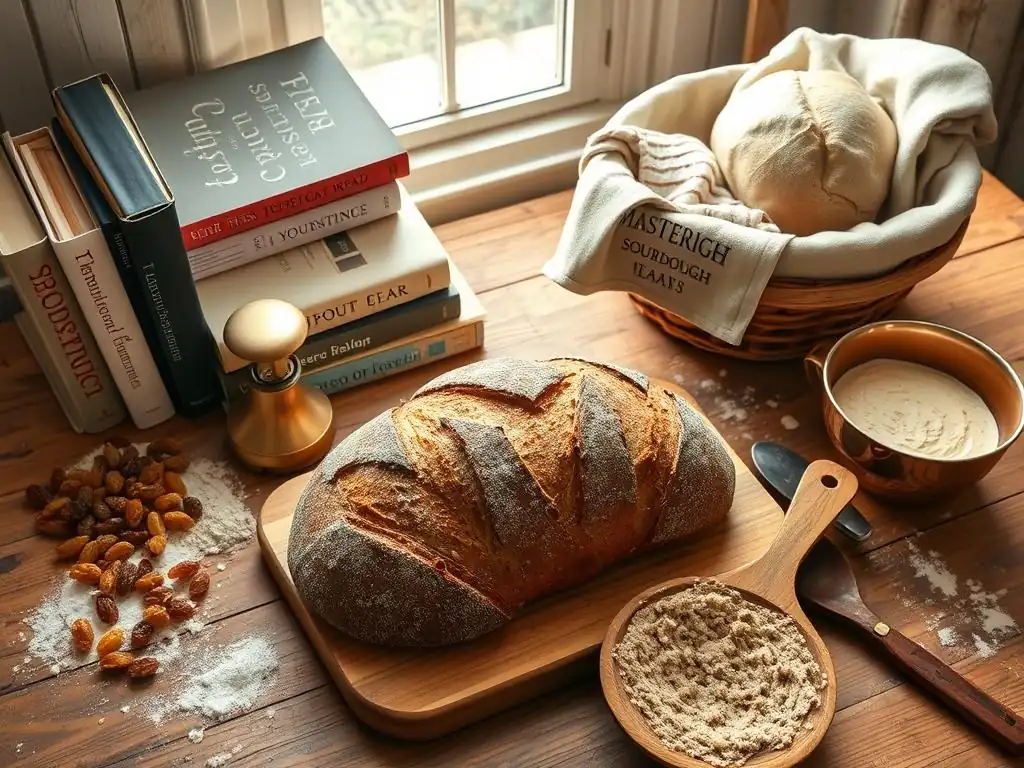
Welcome to BakeWithEase, your trusted guide to the delightful world of baking! Ever dreamt of mastering that perfect, tangy loaf? Our simple recipes and expert techniques empower bakers of all skill levels. Today, we dive deep into the best resources for sourdough baking book guide. Unlock the secrets to artisan bread and elevate your baking game – continue reading to discover our top picks for building your sourdough knowledge!
- Sourdough Baking Book Guide: Your Path to Baking Mastery
- Why Invest in a Sourdough Baking Book? Understanding the Benefits
-
Top Sourdough Baking Book Recommendations: A Comparative Overview
- The Beginner's Bible: "Flour Water Salt Yeast" by Ken Forkish - A Sourdough Starter Guide
- The Science of Sourdough: "The Perfect Loaf" by Maurizio Leo - Understanding the Fermentation Process
- The Sourdough Whisperer: "Tartine Bread" by Chad Robertson - The Classic Approach
- Advanced Sourdough Techniques: "Bread Revolution" by Peter Reinhart - Beyond the Basics
- Choosing the Right Sourdough Guide for You: Key Considerations
- Maximizing Your Sourdough Baking Book: Tips for Success
- Beyond Books: Complementary Resources for Sourdough Success
- Conclusion: Embark on Your Sourdough Adventure with Confidence.
-
Frequently Asked Questions
- What are the benefits of using a sourdough baking book guide?
- How do I choose the right sourdough baking book guide for my skill level?
- What are some key features to look for in a good sourdough baking book guide?
- Can a sourdough baking book guide help me troubleshoot common sourdough baking problems?
- Are sourdough baking book guides only for beginners?
- Final Reflection: The Ever-Rising Crust of Knowledge
- Unleash Your Inner Baker: Start Your Sourdough Journey Today!
Sourdough Baking Book Guide: Your Path to Baking Mastery
Embarking on the sourdough journey is a rewarding experience, full of discovery and, yes, a few challenges. While the internet offers a wealth of information, there's something uniquely valuable about a well-structured sourdough baking book guide. A physical book (or even a digital copy) provides a comprehensive, curated learning path that online snippets often lack.
It's like having a seasoned baker right there in your kitchen, guiding you step-by-step through the fascinating process of turning simple ingredients into a living, breathing starter and ultimately, incredible bread. This guide aims to help you navigate the options and find the perfect sourdough book to elevate your skills.
Whether you're just starting your first sourdough starter or looking to refine advanced techniques, the right sourdough baking book can make all the difference. It consolidates knowledge, provides detailed instructions, and often offers insights gleaned from years of practical experience. Think of a quality sourdough book as an investment in your baking education, a resource you'll return to again and again as you grow from a novice into a confident sourdough baker. Choosing the best sourdough book guide depends on your current skill level, learning style, and specific baking goals.
Why Invest in a Sourdough Baking Book? Understanding the Benefits

Investing in a dedicated sourdough baking book offers numerous benefits that can significantly enhance your baking journey. While online resources are plentiful, a well-written book provides a structured and in-depth approach that is hard to replicate. It allows you to delve deeply into the 'why' behind the techniques, building a strong foundational understanding rather than just following isolated recipes. This comprehensive knowledge is crucial for troubleshooting and adapting recipes successfully.
Furthermore, a physical sourdough baking book is always accessible, free from internet distractions or pop-up ads. You can dog-ear pages, make notes in the margins, and keep it open on your counter while your hands are covered in flour. This tactile interaction with a guide tailored specifically to sourdough baking creates a focused learning environment, allowing you to absorb complex concepts and methods at your own pace. It's a dedicated tool for serious learning and experimentation.
Mastering the Art: Sourdough Baking Books for Every Skill Level
Sourdough baking books are not one-size-fits-all; they are specifically designed to cater to bakers at various stages of their journey. For absolute beginners, a sourdough starter guide might focus heavily on the very first steps: creating and maintaining a healthy starter, understanding fermentation basics, and tackling simple loaves. These books often feature highly detailed, step-by-step instructions, perhaps with visual aids, to build confidence and prevent common early mistakes like an inactive starter or dense loaf. They demystify the process, making the initial leap into sourdough less intimidating.
As bakers gain experience, they might seek intermediate or advanced sourdough books that explore more complex techniques. This could include working with higher hydration doughs, incorporating various flours like rye or spelt, experimenting with different fermentation times and temperatures, or shaping more intricate loaves like bâtards or boules with scoring patterns. Advanced sourdough guides might also delve into the science behind gluten development, enzyme activity, and the precise control of acidity and flavor profiles, enabling bakers to truly master their craft and push the boundaries of what they can create.
Beyond Recipes: Gaining Fundamental Knowledge from Sourdough Guides
While delicious recipes are certainly a highlight of any sourdough baking book, their true value often lies in the fundamental knowledge they impart. A good sourdough book guide explains the science behind the magic: how wild yeast and bacteria interact, the role of temperature and hydration in fermentation, and how different flours behave. Understanding these core principles allows you to move beyond simply following instructions and start intuitively adjusting techniques based on your environment, ingredients, and desired outcome.
This deeper understanding empowers you to diagnose issues and adapt recipes. Instead of just seeing a recipe for a basic country loaf, a comprehensive sourdough book will explain why certain steps are taken – the purpose of autolyse, the effect of stretch and folds on gluten structure, or how bulk fermentation time impacts flavor. This knowledge is invaluable for problem-solving, whether you're dealing with a sluggish starter on a cold day or a loaf that spreads too much during baking. It transforms you from a recipe-follower into a true baker who understands the craft.
Troubleshooting Sourdough Problems: The Value of a Comprehensive Resource
One of the most significant benefits of a dedicated sourdough baking book is its ability to serve as a comprehensive troubleshooting guide. Sourdough baking involves living organisms and can be unpredictable. Issues like a starter that won't become active, dough that doesn't rise, loaves that are too dense, or bread with a tough crust are common frustrations.
A good sourdough book anticipates these problems and offers structured solutions, often explaining the underlying cause. For instance, a book might explain that a dense loaf could be due to insufficient fermentation, a weak starter, or under-proofing, and then provide specific tests or adjustments for each potential cause.
These guides provide a systematic approach to identifying and fixing issues, saving you time and reducing wasted ingredients. They might include diagrams illustrating ideal dough consistency at different stages, charts detailing fermentation times based on temperature, or specific tips for reviving a dormant starter. Having this information readily available in a single sourdough baking book means you don't have to scour multiple online sources for conflicting advice; you have a trusted reference to help you navigate the inevitable bumps in the road and learn from your experiences.
Top Sourdough Baking Book Recommendations: A Comparative Overview
Navigating the world of sourdough literature can feel overwhelming given the many excellent options available. To help you choose the best sourdough baking book guide for your needs, we've highlighted a few highly regarded titles, each offering a unique perspective and catering to different levels of expertise and baking philosophies.
The Beginner's Bible: "Flour Water Salt Yeast" by Ken Forkish - A Sourdough Starter Guide
Ken Forkish's "Flour Water Salt Yeast" is widely considered a cornerstone for anyone serious about baking, and it serves as an excellent sourdough starter guide. While not exclusively a sourdough book, its foundational approach to bread making, including detailed instructions for creating and maintaining a levain (sourdough starter), makes it incredibly valuable for newcomers. Forkish emphasizes simple, high-quality ingredients and teaches patience and observation, crucial skills for sourdough success.
The book provides clear schedules and detailed steps for developing a starter from scratch, often taking about a week or two depending on conditions. His recipes, like the "Saturday White Bread" or "Overnight Country Blond," are designed to be approachable yet yield fantastic results. The emphasis is on longer fermentation times and higher hydration doughs, techniques that might seem advanced but are broken down in a way that is manageable for beginners. It builds confidence by consistently producing loaves with great crust and crumb.
Key Features of "Flour Water Salt Yeast" for New Sourdough Bakers
"Flour Water Salt Yeast" excels as a sourdough starter guide for several reasons. Firstly, its focus on minimal ingredients (hence the title) simplifies the process, allowing beginners to concentrate on technique. The detailed instructions include specific timelines, temperatures, and visual cues, which are invaluable when you're unsure what to look for in terms of dough development or fermentation progress. Forkish's writing style is encouraging and demystifies complex concepts.
Secondly, the book provides a solid foundation in general bread baking principles that are directly applicable to sourdough. Understanding concepts like autolyse, stretch and folds, and bulk fermentation as taught by Forkish translates seamlessly to sourdough recipes. The book also includes guidance on using commercial yeast alongside sourdough, offering a gentle transition or alternative when needed. It truly functions as a comprehensive baking book, with sourdough being a core component.
Pros and Cons of Forkish's Approach to Sourdough
A major pro of Forkish's approach in this sourdough baking book guide is its emphasis on technique over complicated formulas. The relatively simple recipes yield professional-quality results, which is incredibly motivating for beginners. The detailed schedules help remove guesswork. However, a potential con is that his methods often involve longer fermentation periods (overnight or longer), which requires planning and patience. Some might find the hydration levels in his recipes challenging initially.
Another point to consider is that "Flour Water Salt Yeast" covers various types of bread, not just 100% sourdough. While this provides broader baking knowledge, if you are only interested in pure sourdough from the outset, you might find sections less relevant. Despite this, its strength lies in building fundamental skills applicable to all leavened bread, making it a highly recommended sourdough starter guide.
Where to Buy: Affiliate Link to "Flour Water Yeast"
[Insert Affiliate Link Here - Example: Link to Amazon or a specific bookstore page for "Flour Water Salt Yeast" by Ken Forkish]
The Science of Sourdough: "The Perfect Loaf" by Maurizio Leo - Understanding the Fermentation Process
Maurizio Leo's "The Perfect Loaf" is a highly acclaimed sourdough baking book that delves deeply into the science and process behind creating exceptional bread. Building upon his popular website of the same name, Leo provides meticulously tested recipes and detailed explanations grounded in scientific principles. This sourdough guide is particularly strong for those who want to understand why things work in sourdough baking, rather than just how to do them.
The book covers everything from building and maintaining a vibrant starter to understanding the nuances of fermentation time, temperature, and hydration. Leo provides detailed schedules and often includes baker's percentages, allowing readers to adapt recipes and understand ingredient ratios. His approach is precise and data-driven, making it an excellent resource for bakers who appreciate a technical understanding of the craft.
Exploring the Science-Backed Techniques in "The Perfect Loaf"
"The Perfect Loaf" distinguishes itself by explaining the scientific rationale behind each step in the sourdough baking process. Leo discusses topics like the microbial activity in a starter, the impact of pH levels on dough development, and how different types of flour affect fermentation and final loaf characteristics. He provides clear explanations of concepts like autolyse, bulk fermentation, proofing, and baking, often with accompanying data or observations from his extensive testing.
For example, the book might include detailed charts showing how fermentation time changes based on ambient temperature, or explain the optimal internal dough temperature for specific stages. This level of scientific detail allows bakers to troubleshoot problems more effectively and gain greater control over the outcome of their loaves. It transforms baking from a set of instructions into an applied science.
Why "The Perfect Loaf" is Ideal for Intermediate Bakers
While beginners can certainly learn from "The Perfect Loaf," its depth of scientific explanation and detail make it particularly well-suited for intermediate bakers who have mastered the basics and are ready to elevate their understanding and skills. If you've successfully baked a few sourdough loaves and now want to understand why your crumb is inconsistent or how to achieve a specific flavor profile, this sourdough baking book is an invaluable resource.
Intermediate bakers will appreciate the detailed guidance on adjusting techniques based on environmental factors and flour types. The focus on baker's percentages encourages experimentation and recipe adaptation. The book's comprehensive nature means you'll find detailed information on a wide range of topics, from managing hydration to achieving the perfect oven spring. It's a guide for those ready to move beyond simple recipes and truly understand the craft.
Maximizing Your Sourdough Potential: Affiliate Link to "The Perfect Loaf"
[Insert Affiliate Link Here - Example: Link to Amazon or a specific bookstore page for "The Perfect Loaf" by Maurizio Leo]
The Sourdough Whisperer: "Tartine Bread" by Chad Robertson - The Classic Approach
Chad Robertson's "Tartine Bread" is a modern classic in the world of artisan baking and is considered by many to be the definitive sourdough baking book guide. Based on the methods used at the renowned Tartine Bakery in San Francisco, this book presents a detailed, holistic approach to baking naturally leavened bread. It's known for its emphasis on high-hydration dough, long fermentation, and achieving a beautiful, open crumb and dark, crackling crust.
The "Tartine Method" is a specific, detailed process that requires attention to detail but yields exceptional results. The book guides the reader through creating and maintaining a starter, mixing, bulk fermentation with multiple folds, shaping, and baking in a Dutch oven. While the instructions are thorough, the book also conveys a philosophy of baking that emphasizes feel and intuition developed through practice.
Mastering the Tartine Method: A Step-by-Step Sourdough Baking Experience
"Tartine Bread" provides a comprehensive, step-by-step guide to mastering the Tartine Method. It begins with cultivating and maintaining a liquid levain (sourdough starter), explaining the feeding schedule and characteristics of a healthy starter. The core of the book details the process for their basic country loaf, starting with the autolyse, followed by a series of gentle stretch and folds over a few hours during bulk fermentation.
The book meticulously covers shaping techniques for both boules and bâtards, emphasizing tension and structure. Baking is typically done in a preheated Dutch oven to trap steam, resulting in a superior crust. While the method requires commitment and practice, the detailed instructions and accompanying photographs in this sourdough baking book make it accessible to dedicated bakers willing to put in the effort.
The Timeless Appeal of "Tartine Bread": A Sourdough Book Review
"Tartine Bread" holds a timeless appeal, cementing its place as a foundational sourdough baking book guide for many. Its success lies in its ability to teach a specific, highly effective method that consistently produces high-quality artisan loaves. The book's aesthetic is also part of its charm, featuring beautiful photography that inspires bakers. It's more than just a recipe book; it's an exploration of the craft.
However, the Tartine Method is known for using high-hydration dough (often 80% or more), which can be challenging for beginners to handle. The long fermentation times also require flexibility in scheduling. Despite the learning curve, the results – the signature open crumb, tangy flavor, and crisp crust – are highly sought after and make this sourdough book a worthwhile investment for those dedicated to mastering this classic approach.
Buy it Now: Affiliate Link to "Tartine Bread"
[Insert Affiliate Link Here - Example: Link to Amazon or a specific bookstore page for "Tartine Bread" by Chad Robertson]
Advanced Sourdough Techniques: "Bread Revolution" by Peter Reinhart - Beyond the Basics
Peter Reinhart is a highly respected name in the baking world, and his book "Bread Revolution" offers a fascinating exploration of innovative techniques, including those applicable to advanced sourdough methods. While not solely a sourdough book, it presents concepts like delayed fermentation, using soaked grains, and alternative flours in ways that experienced sourdough bakers can integrate into their practice. This sourdough baking book guide pushes boundaries and encourages experimentation.
Reinhart explores methods like baking bread with a high percentage of whole grains without sacrificing texture, or using less kneading through extended fermentation. For the advanced sourdough baker, this book provides new avenues for developing complex flavors, improving crumb structure in challenging doughs, and incorporating diverse ingredients. It's a resource for those looking to refine their skills and explore less conventional approaches.
Taking Your Sourdough Skills to the Next Level with "Bread Revolution"
For the advanced sourdough baker, "Bread Revolution" offers opportunities to deepen understanding and expand repertoire. Reinhart's exploration of pre-ferments and fermentation control provides insights that can be applied to managing sourdough starter activity and optimizing bulk fermentation and proofing times for specific outcomes. The book's focus on incorporating various grains and seeds introduces techniques for handling doughs with lower gluten development, a common challenge with whole grain sourdough.
Furthermore, Reinhart discusses concepts like the "epoxy method" for shaping and handling wet doughs, which can be particularly useful for high-hydration sourdoughs. The book encourages a thoughtful approach to baking, prompting experienced bakers to analyze their process and experiment with variables like temperature, hydration, and fermentation length to achieve desired results. It's a sourdough guide for those seeking continuous improvement and innovation.
Unique Recipes and Innovative Approaches in Reinhart's Baking Book
"Bread Revolution" features unique recipes and innovative techniques that go beyond standard sourdough loaves. You might find recipes for breads incorporating ingredients like sprouted grains, nuts, or seeds, or methods for achieving incredibly light textures in whole wheat loaves. Reinhart often uses combinations of techniques, potentially blending elements of sourdough with other leavening or fermentation strategies to achieve specific results.
An example might be a recipe that uses a sourdough starter alongside a small amount of commercial yeast for a specific texture or rise time, or a method for incorporating a large percentage of soaked or cooked grains into a sourdough dough. This sourdough baking book encourages advanced bakers to think creatively and apply fundamental principles in novel ways, pushing the boundaries of what they can bake with sourdough.
Shop "Bread Revolution": Affiliate Link
[Insert Affiliate Link Here - Example: Link to Amazon or a specific bookstore page for "Bread Revolution" by Peter Reinhart]
Choosing the Right Sourdough Guide for You: Key Considerations
Selecting the ideal sourdough baking book guide depends heavily on your individual circumstances, goals, and preferences. With so many excellent options available, taking a moment to assess your needs will help you find the book that will be the most valuable companion on your sourdough journey.
Your Current Baking Skill Level: Beginner, Intermediate, or Advanced?
Honestly assessing your current baking skill level is the most crucial step in choosing the right sourdough book. If you've never baked bread before or are new to working with live cultures, a sourdough starter guide specifically aimed at beginners will be the most beneficial. These books focus on foundational concepts, simplified processes, and common pitfalls, helping you build confidence without being overwhelmed by complexity. Look for books with clear step-by-step instructions and explanations of basic terms.
If you've successfully baked some sourdough loaves and are comfortable handling dough, an intermediate-level sourdough book might be appropriate. These guides often introduce more complex techniques, explore different types of flour, and delve deeper into the science of fermentation. Advanced bakers who are comfortable with high-hydration doughs, baker's percentages, and troubleshooting will benefit most from books that explore innovative techniques, specific grain types, or highly technical approaches, pushing the boundaries of their existing knowledge.
Sourdough Baking Book Content: Recipes, Techniques, or Science?
Different sourdough baking books emphasize different aspects of the craft. Consider what you hope to gain from the book. Are you primarily looking for a collection of diverse sourdough recipes to try? Some books are recipe-heavy, offering variations on classic loaves, enriched doughs, or even sourdough pastries. If inspiration for what to bake next is your main goal, a recipe-focused book might be ideal.
Alternatively, you might prioritize understanding the how and why behind sourdough baking. A technique-focused sourdough guide will spend more time explaining methods like stretching and folding, shaping, scoring, and baking strategies. A science-focused book, like "The Perfect Loaf," will delve into the microbiology and chemistry of fermentation. Many excellent sourdough books blend these elements, but understanding your preference for learning (hands-on recipes vs. theoretical understanding) will help you choose the best fit.
Budget Considerations: Balancing Cost and Value in Sourdough Literature
Sourdough baking books vary in price, from relatively inexpensive paperbacks to elaborate, hardcover tomes with extensive photography. While it's wise to consider your budget, remember that a good sourdough baking book guide is an investment in a skill you can enjoy for years. Sometimes, paying a bit more for a highly recommended book with clear instructions and comprehensive information can save you money in the long run by preventing failed bakes and wasted ingredients.
Consider the value the book offers relative to its cost. Does it cover exactly what you need to learn? Is the information presented clearly? Does it have a good reputation among other bakers? Look for reviews or previews if possible. While a cheaper book might seem appealing, if it's poorly written or doesn't cover the topics you need, it won't be a valuable sourdough guide. Conversely, an expensive book might be overkill if you only need basic information. Find the balance that provides the most useful information within your budget.
Maximizing Your Sourdough Baking Book: Tips for Success
Simply buying a sourdough baking book guide isn't enough; you need to actively engage with it to maximize its value. Approaching your chosen book with intention and incorporating its lessons into your practice will significantly accelerate your learning and improve your results.
Start with the Fundamentals: Building a Solid Sourdough Foundation
When you get your sourdough baking book, resist the urge to jump straight to the most complex or impressive-looking recipes. Most good sourdough guides are structured to build skills progressively. Start with the sections on creating and maintaining a healthy starter – this is the absolute cornerstone of sourdough baking. Ensure your starter is active and predictable before attempting complex loaves.
Then, focus on mastering the basic techniques described in the book, such as mixing dough, performing stretch and folds, understanding bulk fermentation cues, and basic shaping. Many sourdough books recommend starting with a simple loaf, often a basic country bread, and baking it multiple times. Focusing on one recipe and refining your technique based on the guidance in your sourdough book will build a solid foundation before you move on to variations or more challenging doughs.
Practice Makes Perfect: Experimenting with Different Recipes and Techniques
Baking is a skill that improves with practice, and your sourdough baking book is your guide to that practice. Don't be afraid to try different recipes and techniques presented in the book. Perhaps try a recipe with a different hydration level, a longer or shorter fermentation time, or a different shaping method. Note down your observations and compare the results to what the book suggests you should expect.
Your sourdough book serves as a reference when you experiment. If a loaf doesn't turn out as expected, revisit the relevant sections in your sourdough guide. Did you miss a cue during bulk fermentation? Was the dough proofed correctly? By actively applying the information and experimenting, you'll gain hands-on experience and a deeper understanding of how different variables impact the final loaf, guided by the expertise within your chosen sourdough book.
Join a Baking Community: Sharing Your Sourdough Journey and Asking for Help
While a sourdough baking book guide is an invaluable resource, connecting with other bakers can provide additional support and motivation. Many online forums, social media groups, and even local baking clubs are dedicated to sourdough. Share your successes and challenges, ask questions, and learn from the experiences of others who are also using sourdough books or similar methods.
Often, seeing how others interpret instructions from a specific sourdough book or troubleshoot a common problem can provide new insights. You can share photos of your bakes and get constructive feedback. Your sourdough book provides the structured knowledge, while a community offers real-time support, encouragement, and diverse perspectives that can further enhance your learning experience and help you navigate the nuances of sourdough baking.
Beyond Books: Complementary Resources for Sourdough Success
While a comprehensive sourdough baking book guide is essential, several other resources can complement your learning and help you achieve sourdough success. Integrating these tools and information sources can provide a more holistic approach to mastering the craft.
Online Sourdough Baking Courses: Deepening Your Knowledge and Skills
Online sourdough baking courses can be an excellent complement to a sourdough baking book. While a book provides detailed written instructions and static images, a course often includes video demonstrations of key techniques like stretching and folding, shaping, and scoring. Seeing these methods performed by an expert can clarify steps that might be difficult to visualize from text alone.
Many online courses are structured to follow a logical progression, similar to a good sourdough guide, but with the added benefit of visual learning and sometimes direct interaction with instructors or a community forum. They can help solidify concepts learned in a book or provide alternative perspectives on techniques. Consider an online course as a dynamic extension of your static sourdough baking book.
Sourdough Baking Equipment: Essential Tools for a Better Baking Experience
Having the right sourdough baking equipment can significantly improve your results and make the process more enjoyable. While you can start with minimal tools, investing in a few key items recommended in many sourdough books can make a big difference. A digital scale is crucial for accurate measurements, which is vital in sourdough baking. A dough scraper or bench knife helps handle sticky dough.
Other useful tools often mentioned in a sourdough baking book guide include proofing baskets (bannetons) for holding the dough's shape during proofing, a lame (scoring tool) for creating intentional cuts on the dough surface, and a Dutch oven or baking stone for achieving a great crust in a home oven. While not strictly necessary to start, these tools, often detailed in sourdough books, contribute to better outcomes and a smoother baking process.
Sourdough Flour Guide: Choosing the Right Flour for Your Recipes
The type of flour you use has a significant impact on your sourdough starter and your final bread. Many sourdough baking books include sections dedicated to flour, explaining the differences between all-purpose, bread flour, whole wheat, rye, and other specialty flours. They might discuss protein content, absorption rates, and how different flours affect fermentation and gluten development.
Consulting a sourdough flour guide, either within your book or through online resources, is important. Using the recommended flour type for a specific recipe in your sourdough guide will yield the best results. Experimenting with different flours, guided by the principles explained in your sourdough baking book, is also a great way to develop your understanding and create unique loaves.
Conclusion: Embark on Your Sourdough Adventure with Confidence.
Investing in a quality sourdough baking book guide is one of the best decisions you can make when starting or continuing your sourdough journey. These comprehensive resources provide the structured knowledge, detailed instructions, and troubleshooting guidance needed to master the art of naturally leavened bread. Whether you choose a beginner's sourdough starter guide like "Flour Water Salt Yeast," delve into the science with "The Perfect Loaf," embrace the classic method with "Tartine Bread," or explore advanced techniques with "Bread Revolution," you're equipping yourself with invaluable expertise.
Remember to select a sourdough book that aligns with your current skill level and learning preferences. Use it as an active guide, starting with fundamentals, practicing consistently, and experimenting with confidence. Supplement your learning with complementary resources like online courses or the right equipment. With the right sourdough baking book guide in hand and a willingness to learn and practice, you are well-equipped to embark on a rewarding sourdough adventure and bake incredible bread.
Frequently Asked Questions
What are the benefits of using a sourdough baking book guide?
A sourdough baking book guide offers structured knowledge and techniques, which leads to better understanding and consistent results. It also provides a curated collection of recipes.
How do I choose the right sourdough baking book guide for my skill level?
Consider your current baking experience. Beginners should look for books with basic recipes and clear explanations. Advanced bakers might prefer books focusing on complex techniques.
What are some key features to look for in a good sourdough baking book guide?
Look for books with step-by-step instructions, detailed explanations of ingredients, and helpful troubleshooting tips. High-quality photography can also be beneficial.
Can a sourdough baking book guide help me troubleshoot common sourdough baking problems?
Yes, many guides dedicate sections to identifying and resolving issues like dense loaves, lack of rise, or excessive sourness. They offer practical solutions.
Are sourdough baking book guides only for beginners?
No, guides cater to all skill levels. Even experienced bakers can benefit from learning new techniques, unique recipes, and advanced concepts presented in these books.
Final Reflection: The Ever-Rising Crust of Knowledge
The pursuit of the perfect sourdough loaf is more than just a hobby; it's a journey of discovery, a testament to patience, and a celebration of the simple act of creation. This exploration into the best sourdough baking books available today highlights the crucial role knowledge plays in mastering this ancient craft. The right guide can transform frustration into flour-dusted triumph, turning a challenging process into a deeply rewarding experience.
The impact of sourdough baking extends far beyond the kitchen. It's a growing community, a shared passion that connects bakers across the globe through online forums, local bakeries, and the simple act of sharing a perfectly risen loaf. Bread is the staff of life,
a common saying reminds us of its fundamental importance, but sourdough, with its complex fermentation and unique flavor profile, elevates it to an art form. This shared passion, fueled by readily available resources like the books discussed, fosters a sense of connection and accomplishment that transcends the individual baker.
Now, it's your turn. Consider the knowledge you've gained from this guide, and how it can enhance your own baking journey. Don't be afraid to experiment, to embrace the inevitable failures, and to learn from each rise and fall. The perfect sourdough loaf awaits, not just in a cookbook, but in the heart of your own kitchen, fueled by your dedication and the knowledge you choose to cultivate. So, grab your favorite book, gather your ingredients, and embark on this delicious adventure. The journey, as much as the destination, is what truly matters.
Unleash Your Inner Baker: Start Your Sourdough Journey Today!
Thanks for taking the time to explore the world of sourdough with us! We hope you discovered some amazing books to fuel your baking passion. Ready to transform your kitchen into a sourdough haven?
- Dive into your chosen book and start baking! This is your chance to create those incredible loaves you've always dreamed of. Don't delay - the perfect sourdough awaits!
- Share your baking journey! Post your sourdough creations on social media and tag us – we'd love to see your results!
- Explore other resources on BakeWithEase.com to find even more tips, recipes, and community support.
What unique sourdough recipe will you bake first? Let us know in the comments below!