
Don't Just Bake It, Analyze It: The Power of Nutritional Calculator Apps


Welcome to BakeWithEase, your partner in culinary creation! Ever wonder exactly what's in that delectable treat you just baked? Our latest article, "Don't Just Bake It, Analyze It: The Power of Nutritional Calculator Apps," unveils how nutritional calculator baking apps can revolutionize your baking experience. Discover how these tools empower you to understand the nutritional content of your creations, optimize recipes, and bake with both flavor and health in mind. Curious to unlock the secrets hidden within your ingredients? Dive in and explore the world of baking with data!
- Understanding the Rise of Nutritional Calculator Baking Apps
- Key Features to Look For in the Best Nutritional Calculator Baking Apps
- Top Nutritional Calculator Baking Apps Compared: MyFitnessPal vs. Cronometer vs. Verywell Fit
- How to Choose the Right Nutritional Analysis App for Your Baking Needs
- Maximizing Your Baking with Nutritional Calculator Apps: Tips and Tricks
- Beyond Calories: Unlocking the Full Potential of Nutritional Baking Apps
- Common Mistakes to Avoid When Using Nutritional Calculator Apps for Baking
- Conclusion: Empower Your Baking with the Precision of Nutritional Analysis Apps.
-
Frequently Asked Questions
- What are Nutritional Calculator Baking Apps and why are they useful for bakers?
- Can these apps help me adjust my baking recipes to be healthier?
- Are Nutritional Calculator Baking Apps only for professional bakers or can home bakers benefit as well?
- What kind of nutritional information can I typically find using these apps?
- Are these apps easy to use, even for someone who isn't tech-savvy?
- Final Reflection: The Sweet Science of Informed Baking
- Unlock Your Baking Potential: Dive Deeper into Nutrition!
Understanding the Rise of Nutritional Calculator Baking Apps
Why Bakers are Embracing Nutrition Analysis Apps for Recipes
Home bakers are increasingly turning to nutrition analysis apps for recipes to gain a deeper understanding of what goes into their creations. This shift is driven by a desire for more control over dietary intake, whether for health reasons, managing specific conditions like diabetes, or adhering to dietary preferences such as veganism or gluten-free.
By using a nutritional calculator baking app, bakers can precisely determine the calorie count, macronutrient breakdown (protein, carbs, fat), and even micronutrients in their baked goods before they take the first bite. This level of detail allows for informed choices, recipe modification to meet nutritional goals, and greater confidence in sharing baked goods with others who have specific dietary needs.
Furthermore, the rise of social media and online recipe sharing has created a demand for more transparent and detailed recipe information. Bakers sharing their creations online are often asked about the nutritional content. Having access to a reliable nutritional calculator baking app empowers them to provide accurate data alongside their recipes, enhancing their credibility and helping others make informed decisions. It transforms baking from just following instructions into a more analytical and health-conscious process, aligning with the growing global trend towards personalized nutrition and mindful eating.
The Growing Demand for Accurate Nutritional Information in Home Baking
The push for accurate nutritional information isn't limited to commercially produced food anymore; it's a significant trend in the home baking community. Consumers are becoming more health-aware and are scrutinizing food labels more closely. When they bake at home, they want that same level of clarity.
This demand is fueled by various factors, including the increasing prevalence of dietary restrictions (allergies, intolerances), chronic health conditions (heart disease, diabetes), and fitness goals (weight management, muscle gain). People want to know exactly how many calories are in that slice of homemade cake or how much fiber is in their freshly baked bread.
This growing demand has propelled the development and adoption of nutritional calculator baking apps. Bakers are moving beyond simply estimating nutrition based on general guidelines and are seeking tools that can provide precise calculations based on the exact ingredients and quantities used in their specific recipes.
They want to know the saturated fat content of their butter cookies or the sugar content in their muffins. This precision allows them to adapt recipes – perhaps swapping sugar for a natural sweetener, using whole wheat flour instead of white, or reducing the amount of fat – to create healthier versions of their favorite treats without sacrificing flavor, all while armed with the nutritional data to back up their modifications.
Key Features to Look For in the Best Nutritional Calculator Baking Apps
Ingredient Database: Accuracy and Completeness is Key
The foundation of any reliable nutritional calculator baking app is its ingredient database. The best apps boast extensive databases containing a vast array of common and less common baking ingredients, from different types of flours, sugars, and fats to nuts, seeds, fruits, and flavorings. Crucially, this database must provide accurate nutritional data for each ingredient, often sourced from reputable databases like the USDA FoodData Central or similar national equivalents. An app with a comprehensive and accurate database ensures that the calculations for your recipes are as precise as possible, preventing significant errors in your final nutritional analysis.
Look for apps that allow you to specify details like brand names (as nutritional profiles can vary), preparation methods (e.g., raw vs. cooked vegetables or nuts), and different forms (e.g., dried fruit vs. fresh). The ability to add custom ingredients with their specific nutritional information is also invaluable, especially if you use unique or homemade components in your baking. A limited or inaccurate database renders the entire app less useful, as your calculations will only be as good as the data you input.
Recipe Analysis: Calculate Macros and Micronutrients with Ease
Once you've added your ingredients, the core function of a nutritional calculator baking app is to perform a thorough recipe analysis. This involves calculating the total nutritional content of the entire recipe based on the quantities of each ingredient used. The app should then break down this total into key metrics: total calories, grams of protein, carbohydrates, and fat. This macronutrient breakdown is fundamental for anyone tracking their intake for dietary purposes.
Beyond macros, the best apps also provide data on micronutrients like vitamins and minerals, dietary fiber, cholesterol, sodium, and different types of fats (saturated, unsaturated, trans). They should allow you to easily input ingredient quantities in various units (grams, cups, ounces, tablespoons) and automatically convert them for calculation. The ability to see the nutritional contribution of each individual ingredient to the total recipe is also a helpful feature, allowing you to understand which components are contributing the most calories, sugar, or fat, and where potential modifications could be made for a healthier outcome.
Serving Size Customization: Tailoring Nutritional Information to Your Needs
A critical feature for home bakers is the ability to customize serving sizes. A recipe might yield a whole cake, a loaf of bread, or 24 cookies, but you need to know the nutritional information for one slice, one slice, or one cookie. A good nutritional calculator baking app allows you to define the total number of servings the recipe yields and then automatically calculates the nutritional values per serving. This is essential for practical use, as people consume food in servings, not as a whole batch.
Ideally, the app should also allow flexibility in defining serving sizes. Can you specify a serving as "1/12th of the cake," "one standard muffin," or even a specific weight like "50 grams"? This flexibility ensures that the nutritional information provided is directly applicable to how you portion and consume your baked goods. Without accurate serving size customization, the total recipe nutrition is less useful for daily dietary tracking or sharing precise information with others.
Advanced Features: Allergen Tracking, Cost Analysis, and More
While core nutritional analysis is paramount, some nutritional calculator baking apps offer advanced features that add significant value. Allergen tracking is particularly important for bakers catering to specific needs. An app that can flag common allergens like gluten, dairy, nuts, soy, or eggs based on your ingredient list can be a lifesaver, helping you ensure safety for those with sensitivities. Some apps even allow you to add custom allergen warnings.
Cost analysis is another useful advanced feature. By inputting the price of your ingredients, the app can calculate the total cost of the recipe and the cost per serving. This is great for bakers who sell their goods or simply want to budget their baking expenses. Other advanced features might include glycemic index calculations, net carb tracking, the ability to export or share nutritional labels, and integration with other health or fitness tracking platforms. While not essential for everyone, these features can greatly enhance the functionality of nutritional calculator baking apps for specific users.
Top Nutritional Calculator Baking Apps Compared: MyFitnessPal vs. Cronometer vs. Verywell Fit
MyFitnessPal: In-Depth Review, Pricing, and User Experience
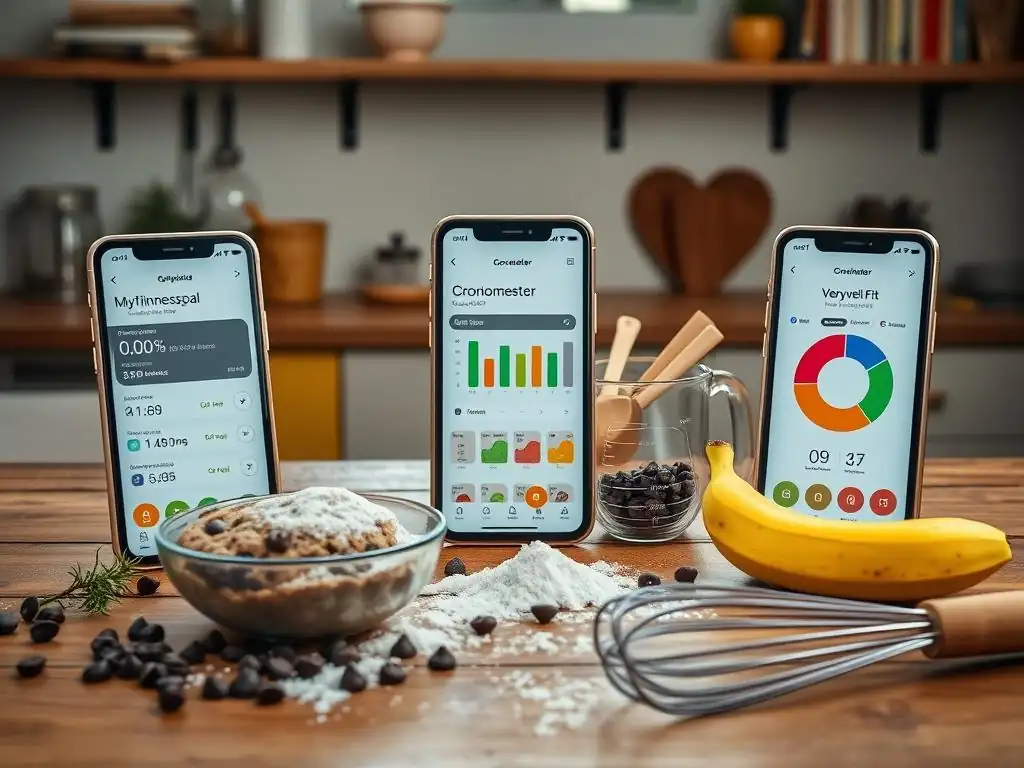
MyFitnessPal is perhaps one of the most widely recognized nutritional tracking apps globally, primarily used for logging daily food intake. Its strength lies in its massive, user-generated food database, which includes many common ingredients and even specific brand-name products relevant to baking. While not specifically designed only for baking, its recipe analysis feature is robust enough for many home bakers. Users can manually add ingredients and quantities for a recipe, and the app calculates the total nutrition and allows you to divide it by servings. The user interface is generally considered user-friendly and intuitive, making it accessible for beginners.
Pricing for MyFitnessPal includes a free version that offers basic food logging and recipe analysis. A premium subscription unlocks additional features like detailed macronutrient breakdowns by gram, specific nutrient tracking, and ad-free use. For home bakers, the free version is often sufficient for basic calorie and macro analysis of recipes. The vast database means you're likely to find most standard baking ingredients, though accuracy can sometimes vary due to the user-generated nature of some entries.
Features of MyFitnessPal for Baking Enthusiasts
For baking enthusiasts, MyFitnessPal's key feature is the "Recipes, Meals, and Foods" section, where you can input your custom baking recipes. You add each ingredient, specify the quantity (in grams, cups, etc. ), and the app compiles the total nutritional information for the entire batch. You then tell the app how many servings the recipe makes, and it provides the nutritional breakdown per serving. This is a straightforward process for calculating calories, fat, carbs, and protein for your baked goods.
The app also allows you to save these recipes, making it easy to log them later or refer back to the nutritional data. While it doesn't have baking-specific features like tracking how baking time affects nutrients (because it doesn't), it's excellent for pre-bake analysis. Its large database means you can usually find nutritional data for niche ingredients, though verification against a reliable source might occasionally be necessary due to the community-driven data.
Pros and Cons: Is MyFitnessPal Right for You?
- Pros:
- Huge, searchable database of ingredients and foods.
- Easy-to-use interface for recipe input and analysis.
- Free version is sufficient for basic calorie and macro calculations.
- Widely used, making it easy to find tutorials or get help.
- Can save custom recipes for future use.
- Cons:
- Database accuracy can sometimes be inconsistent due to user contributions.
- Not specifically designed for baking; lacks baking-specific features.
- Free version includes ads.
- Less emphasis on micronutrients compared to some other apps.
MyFitnessPal is a great choice for bakers who are already using the app for general food tracking or those new to nutritional analysis and looking for a free, easy-to-use tool with a vast ingredient library. It's less ideal if you need highly precise micronutrient data or baking-specific features.
Example: Calculating Nutritional Information for Chocolate Chip Cookies with MyFitnessPal
Let's say you're baking a batch of classic chocolate chip cookies using 225g all-purpose flour, 1/2 tsp baking soda, 1/4 tsp salt, 150g unsalted butter, 100g granulated sugar, 100g brown sugar, 1 large egg, 1 tsp vanilla extract, and 150g chocolate chips. You input these ingredients and quantities into MyFitnessPal's recipe creator. The app pulls nutritional data for each item from its database.
After adding all ingredients, MyFitnessPal calculates the total nutrition for the entire batch. If your recipe yields 24 cookies, you specify "24 servings." The app then divides the total nutrition by 24 to give you the per-cookie data. A typical result might show one chocolate chip cookie containing approximately 180 calories, 9g fat (including 5g saturated fat), 23g carbohydrates, 15g sugar, and 2g protein. This allows you to confidently know the nutritional impact of each cookie.
Cronometer: A Budget-Friendly Option for Nutritional Analysis
Cronometer is a powerful nutritional tracking app known for its focus on accuracy and comprehensive micronutrient data. Unlike MyFitnessPal's largely user-generated database, Cronometer primarily uses verified data sources like the USDA FoodData Central, NCCDB (Nutrient Data System for Research), and ESHA Research. This makes its ingredient database highly reliable for nutritional analysis. While it also serves as a general food tracker, its recipe creation tool is excellent for bakers seeking precise data.
Cronometer offers a free version with robust features, including detailed tracking of calories, macros, and an impressive range of micronutrients. The Gold subscription adds features like advanced analysis, custom charts, and the ability to share custom recipes more easily. For many home bakers, the accuracy and detailed micronutrient data available in the free version make it a very appealing and budget-friendly nutritional calculator baking app option.
Key Baking-Specific Features of Cronometer
Cronometer's strength for baking lies in its accurate and detailed ingredient database, drawing from professional data sources. When you create a custom recipe, you add ingredients just like in other apps, but the nutritional data pulled is generally considered more reliable, especially for vitamins and minerals. This is particularly useful if you're trying to bake with specific nutritional goals in mind, like increasing fiber or ensuring adequate intake of certain minerals.
The recipe creator allows you to add ingredients by weight or volume and specify the number of servings. Cronometer provides a detailed breakdown of calories, macros, and a wide array of micronutrients per serving. While it doesn't have features specifically for baking processes (like tracking nutrient loss during baking), its precise pre-bake analysis is a significant advantage for those who prioritize accurate nutritional data beyond just calories and macros.
Limitations of Cronometer and Potential Workarounds
While Cronometer excels in data accuracy, its database might sometimes feel less extensive for highly specific brand-name products compared to MyFitnessPal's vast user-generated library. However, it generally covers all fundamental baking ingredients comprehensively from verified sources. Another potential limitation for some might be the user interface, which, while functional and data-rich, is sometimes perceived as less visually appealing or slightly steeper in learning curve compared to more consumer-focused apps like MyFitnessPal.
A workaround for missing specific brand-name items is to use a generic equivalent from Cronometer's verified database, which often provides a very close approximation. If a truly unique ingredient isn't available, the Gold version allows adding custom ingredients, or you can approximate by combining entries for similar items in the free version. Overall, its limitations are minor compared to the significant benefit of highly accurate nutritional data, making it a strong contender among nutritional calculator baking apps.
Case Study: Using Cronometer to Optimize a Gluten-Free Cake Recipe
Imagine you're developing a gluten-free almond flour cake recipe and want to understand its nutritional profile, particularly focusing on protein, fiber, and healthy fats. You input your ingredients – almond flour, eggs, sugar, butter, baking powder, vanilla, maybe some Greek yogurt for moisture – into Cronometer's recipe tool. Using the verified database entries for these ingredients, Cronometer calculates the total nutrition for the cake.
You specify that the cake yields 10 servings. Cronometer provides a detailed breakdown per slice: not just calories (e.g., 350 kcal), macros (e.g., 10g protein, 30g carbs, 20g fat), but also micronutrients like vitamin E (high due to almond flour), calcium (from yogurt/almond flour), and dietary fiber. Seeing this data, you might realize the fiber is lower than desired. You could then experiment with adding psyllium husk or flaxseed meal, re-calculate in Cronometer, and see how these additions impact the fiber content and other nutrients, helping you optimize the recipe for your nutritional goals.
Verywell Fit: The Professional's Choice for Detailed Nutritional Data
Verywell Fit, formerly Calorie Count, is often cited for its detailed nutritional database and robust analysis tools, sometimes preferred by nutrition professionals. Its ingredient database is comprehensive and draws from reliable sources, providing in-depth information on a wide range of nutrients, including detailed breakdowns of fats, sugars, and micronutrients. While it also functions as a general food tracker, its strength for bakers lies in its precision and the granularity of the nutritional data it provides for recipes.
Verywell Fit generally operates on a subscription model, often positioned at a slightly higher price point than the premium versions of apps like MyFitnessPal or Cronometer Gold. This pricing reflects its focus on providing highly detailed and accurate data, which is particularly valuable for users who need precise information for health management, professional purposes, or detailed recipe development. Is the price justified for home bakers? It depends on your needs – if basic macros are enough, probably not; if you need professional-level data accuracy and detail, potentially yes.
Verywell Fit's Advanced Features for Commercial Baking (and Home Use)
Verywell Fit stands out with features like detailed fatty acid breakdowns (saturated, monounsaturated, polyunsaturated, omega-3, omega-6), comprehensive sugar analysis (total sugars, added sugars), and a very extensive list of vitamins and minerals tracked. This level of detail is crucial for commercial bakers who need to generate accurate nutritional labels compliant with regulations (e.g., FDA requirements in the US). By inputting their recipe ingredients precisely, they can obtain the exact data needed for 'Nutrition Facts' panels.
For home bakers, these advanced features mean you can get a much deeper understanding of the nutritional quality of your baked goods. You can analyze the type of fats you're consuming in your pie crust or the specific B vitamins present in your whole grain bread. While perhaps overkill for casual baking, this level of detail is invaluable for serious recipe developers, those managing complex dietary needs, or anyone aiming for maximum nutritional insight from their nutritional calculator baking apps.
Is Verywell Fit's Price Justified for Home Bakers?
For the average home baker simply wanting to know the calorie count of their cookies or the protein in their bread, Verywell Fit's subscription cost might be hard to justify, especially when free options like MyFitnessPal or Cronometer Free offer sufficient basic functionality. These apps cover the essential calorie and macronutrient analysis that most home bakers need.
However, if you are a home baker with very specific dietary requirements (e.g., needing precise sodium tracking for heart health, detailed sugar analysis for diabetes), or if you are a serious recipe developer who wants the most accurate and detailed nutritional profile possible for your creations, then the investment in Verywell Fit could be worthwhile. Its professional-grade data and detailed analysis capabilities provide a level of precision that goes beyond standard consumer apps, potentially justifying the higher price point for those with advanced needs from their nutritional calculator baking apps.
Real-World Example: Using Verywell Fit to Meet Labeling Requirements for Cookies
Imagine a home baker who starts selling their popular shortbread cookies at local markets. To comply with food regulations, they need to provide nutritional information labels. Using Verywell Fit, the baker enters the exact weight of every ingredient in their batch of shortbread: flour, butter, sugar, vanilla. Verywell Fit's database provides highly accurate data for each component.
The app calculates the total nutritional content for the entire batch. The baker then weighs a single cookie to determine the average serving size (e.g., 20 grams). They input the total batch weight and the serving weight into Verywell Fit.
The app then generates the nutritional data per 20g serving, including calories, total fat, saturated fat, cholesterol, sodium, total carbohydrates, dietary fiber, total sugars, added sugars, and protein, along with relevant vitamins and minerals (like Vitamin D, Calcium, Iron, Potassium), formatted in a way that closely mirrors standard 'Nutrition Facts' panels. This allows the baker to create compliant labels with confidence, powered by a robust nutritional calculator baking app designed for accuracy.
How to Choose the Right Nutritional Analysis App for Your Baking Needs
Define Your Baking Goals: Weight Management, Dietary Restrictions, or Recipe Development
The first step in selecting the best nutritional calculator baking app is to clarify why you need one. Are you baking primarily for weight management and just need calorie and basic macro counts for your treats? MyFitnessPal's free version might suffice. Are you baking for someone with celiac disease or nut allergies and need robust allergen tracking? Look for apps with dedicated allergen features. Are you developing complex recipes for a blog or potential sale and need precise micronutrient data and potentially cost analysis? Cronometer or Verywell Fit might be better fits.
Understanding your primary goal helps narrow down the feature set you require. A baker focused on low-carb recipes will prioritize net carb calculations, while someone baking for a diabetic friend will focus on total sugars and glycemic impact (if the app offers that). Don't pay for features you won't use; match the app's capabilities to your specific baking aspirations and dietary requirements.
Consider Your Budget: Free vs. Paid Nutritional Calculator Baking Apps
Nutritional calculator baking apps come in various pricing models: completely free, freemium (free with paid premium features), and subscription-based. Your budget is a practical constraint. Free options like MyFitnessPal Free or Cronometer Free are excellent starting points for basic nutritional analysis. They allow you to get a feel for how these apps work and whether they meet your core needs without any financial commitment.
If you require more advanced features – such as greater database accuracy, detailed micronutrient tracking, allergen filtering, or cost analysis – you'll likely need to consider a paid subscription to a premium version (like MyFitnessPal Premium, Cronometer Gold) or a dedicated paid app (like Verywell Fit). Evaluate the cost against the value the extra features provide for your specific baking habits and goals. Sometimes, the time saved and the accuracy gained from a paid app are well worth the investment for serious bakers or those with critical dietary needs.
Evaluate User Reviews and Ratings: What Other Bakers Are Saying
Before committing to a nutritional calculator baking app, especially a paid one, take the time to read reviews and ratings from other users. Look for feedback specifically from people who use the app for recipe analysis or baking. Do they find the ingredient database comprehensive? Is the recipe input process easy or clunky? Are the calculations accurate based on their knowledge? User reviews can provide invaluable insights into the real-world usability and performance of an app beyond the marketing descriptions.
Pay attention to comments about the app's accuracy, ease of use, stability, and customer support. Forums or communities dedicated to baking or specific diets (e.g., keto baking groups) might also discuss which nutritional calculator baking apps they prefer and why. Gathering this feedback helps you understand potential frustrations or unexpected benefits, guiding you towards an app that has proven effective and user-friendly for bakers like yourself.
Maximizing Your Baking with Nutritional Calculator Apps: Tips and Tricks
Accurately Inputting Ingredients for Precise Nutritional Calculations
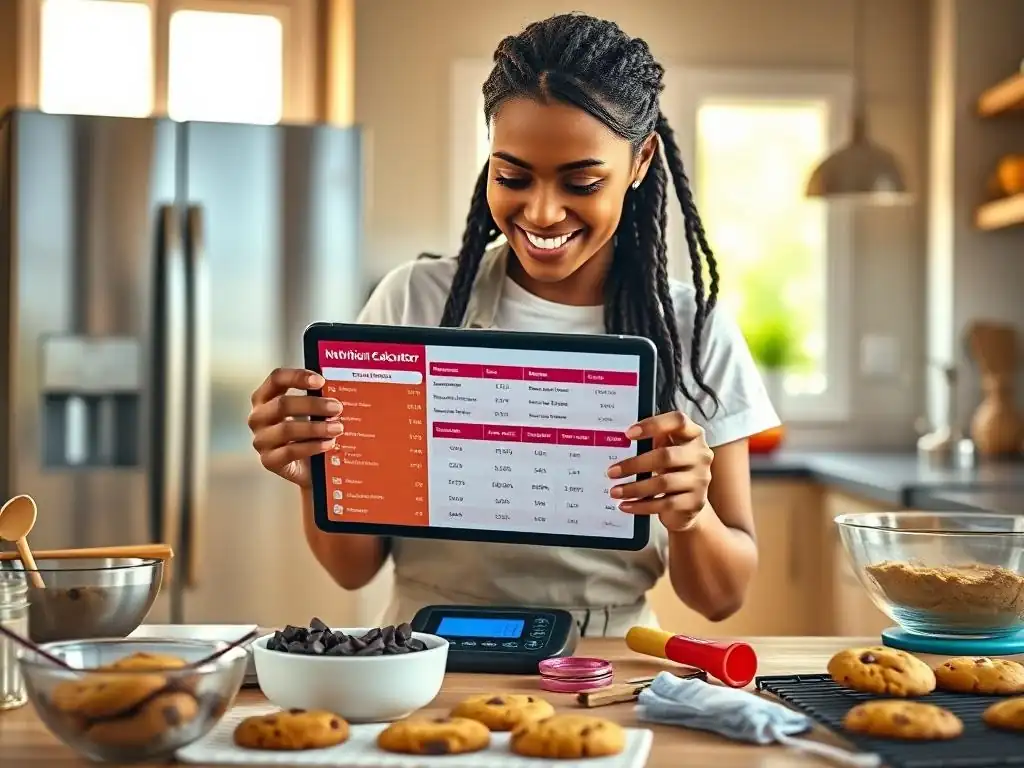
The accuracy of your nutritional analysis is directly dependent on the accuracy of your ingredient input. Always measure ingredients by weight (grams or ounces) whenever possible, as this is far more precise than volume measurements (cups or tablespoons) which can vary significantly based on packing density. For example, a cup of flour can weigh differently depending on how it's scooped. Using a kitchen scale eliminates this variability.
When inputting into your nutritional calculator baking app, select the most appropriate entry from the database. Be specific: distinguish between unsalted and salted butter, different types of sugar (granulated, brown, powdered), and various flours (all-purpose, whole wheat, almond). If using a specific brand, check if the app's database includes it, as nutritional values can differ slightly between brands. If not, use a generic entry but be aware it might be a slight approximation. Precision in this step is non-negotiable for reliable results from your nutritional calculator baking app.
Understanding Macronutrient Ratios and Their Impact on Baking Results
Analyzing your baked goods with a nutritional calculator baking app gives you the macronutrient breakdown: protein, carbohydrates, and fat. Understanding the ratio of these macros can offer insights not just into nutrition but also into baking science. For instance, a recipe with a high fat-to-carb ratio (like shortbread) will behave differently than one with a lower fat ratio (like lean bread). Fats contribute tenderness and richness, while carbs (especially starches) provide structure and moisture absorption. Protein contributes to structure (gluten in wheat flour, egg protein) and browning.
By analyzing the macro ratios of successful recipes using your nutritional calculator baking app, you can start to understand how these ratios influence texture, rise, and flavor. This knowledge empowers you to intelligently modify recipes. If you're aiming for a softer cookie, you might analyze a known soft cookie recipe to see its fat and sugar ratios and try to replicate them in your own creation, using the app to guide your ingredient adjustments and predict the nutritional outcome.
Using Nutritional Data to Create Healthier Baking Alternatives
One of the most powerful uses of a nutritional calculator baking app is to inform modifications for healthier baking. Once you analyze a traditional recipe, you can identify areas where you might reduce less desirable nutrients (like saturated fat or added sugars) or increase beneficial ones (like fiber or protein). For example, analyzing a standard muffin recipe might show high sugar content. You could then experiment with reducing sugar by 25% and adding a natural sweetener or fruit puree, re-analyzing the modified recipe in the app to see the impact on sugar content and calories.
Similarly, if a recipe is low in fiber, your nutritional calculator baking app analysis might prompt you to swap some white flour for whole wheat flour or add oats or seeds, and then recalculate to see the fiber increase. This iterative process of analyzing, modifying, and re-analyzing allows you to systematically develop healthier versions of your favorite baked goods, guided by objective nutritional data rather than guesswork.
For bakers who share their recipes online, on blogs, or with friends and family, providing accurate nutritional information adds significant value. Using a nutritional calculator baking app allows you to confidently present the calorie, macro, and potentially micronutrient breakdown per serving alongside your recipe instructions. This transparency is appreciated by readers who are tracking their intake or have dietary restrictions.
Many nutritional calculator baking apps allow you to export or copy the nutritional data in a clear format. You can then include this data directly in your recipe post or print it out if you're sharing physical copies. This practice not only helps others but also positions you as a meticulous and helpful recipe source. Providing reliable nutritional data powered by a nutritional calculator baking app enhances the utility and reach of your shared recipes.
Beyond Calories: Unlocking the Full Potential of Nutritional Baking Apps
Tracking Micronutrients for a Well-Balanced Diet
While calories and macronutrients are essential, a comprehensive nutritional calculator baking app goes further by providing data on micronutrients – vitamins and minerals. For example, baking with whole wheat flour significantly increases the manganese and niacin content compared to white flour. Adding nuts and seeds boosts vitamin E, magnesium, and zinc. Using ingredients like spinach in savory bread adds folate and iron.
By using an app that tracks micronutrients, you can see how your baking contributes to your overall vitamin and mineral intake. This is particularly valuable if you are focusing on nutrient density or have specific micronutrient goals. Analyzing a recipe might reveal that your usual baked goods are low in a certain nutrient, prompting you to incorporate ingredients that are rich in that vitamin or mineral, thereby creating more nutritionally complete treats.
Identifying and Avoiding Common Baking Allergens
For bakers serving individuals with allergies, identifying potential allergens is critical. Many advanced nutritional calculator baking apps include features to flag common allergens like gluten, dairy, eggs, nuts, soy, and peanuts based on the ingredients you add to your recipe. This automated check provides an extra layer of safety and confidence.
Some apps allow you to set up profiles for specific allergens you want to avoid. When you create a recipe, the app will alert you if any ingredient contains that allergen. This is invaluable for ensuring your "gluten-free" bread truly contains no gluten or your "dairy-free" cake is safe for someone with a milk allergy. Relying on a nutritional calculator baking app with robust allergen tracking helps you bake safely and inclusively.
Reducing Food Waste and Saving Money with Cost Analysis Tools
Some nutritional calculator baking apps include a cost analysis feature. By inputting the price you paid for each ingredient (per unit weight or volume), the app can calculate the total cost of the recipe and the cost per serving. This feature is not strictly about nutrition, but it's highly practical for bakers.
Knowing the cost allows you to budget effectively for your baking projects. It can also highlight expensive ingredients, prompting you to look for more cost-effective alternatives if budget is a concern. Furthermore, by having accurate cost data, you can make more informed decisions about portioning and potentially reduce food waste by understanding the value of each component in your recipe. This adds a financial dimension to the utility of a comprehensive nutritional calculator baking app.
Common Mistakes to Avoid When Using Nutritional Calculator Apps for Baking
Ignoring Serving Size Variations
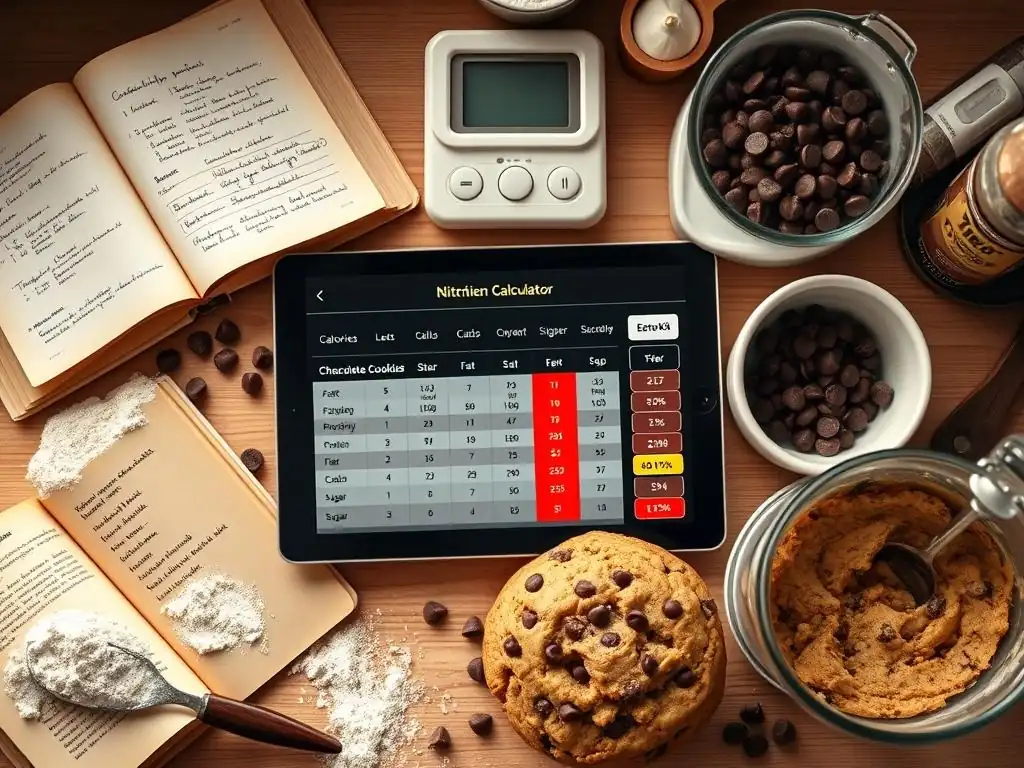
A frequent error when using nutritional calculator baking apps is failing to accurately define or account for serving sizes. The app provides total nutrition for the batch, which is then divided by the number of servings you specify. If your "servings" are inconsistent – for example, some cookies are twice the size of others – the per-serving nutritional data will be inaccurate.
To avoid this, aim for consistent portioning. For cookies or muffins, use a scoop. For cakes or loaves, cut into equal-sized slices. When inputting into the app, specify the number of equal servings. If serving sizes will vary significantly, consider providing the nutritional data per unit weight (e.g., per 50g slice) if the app supports it, and encourage people to weigh their portion for accuracy. Always double-check that the serving size you're analyzing in the app matches the actual portion size you're consuming or sharing.
Relying on Incorrect or Outdated Ingredient Data
While nutritional calculator baking apps use databases, these databases are not always perfect or constantly updated for every single product variation. Relying blindly on potentially incorrect or outdated data can lead to significant errors in your nutritional analysis. For instance, the nutritional profile of a fortified flour might change, or a brand might alter its recipe.
To mitigate this, especially if accuracy is critical (e.g., for health reasons or labeling), cross-reference data for key ingredients with reliable sources like the manufacturer's website or government nutritional databases (like USDA). If an ingredient seems questionable in the app, try finding a verified alternative or manually inputting the correct data if the app allows. Being a critical user of the database within your nutritional calculator baking app is key to obtaining reliable results.
Failing to Account for Ingredient Preparation Methods (e.g., Toasted Nuts)
The nutritional profile of an ingredient can change slightly depending on how it is prepared. For example, toasting nuts can slightly alter their fat profile and potentially reduce some heat-sensitive vitamins. Cooking vegetables changes their volume and sometimes nutrient availability. While these changes might be minor for many baking applications, they are worth considering for maximum accuracy.
Most nutritional calculator baking apps base their data on raw ingredients. If your recipe involves significant pre-preparation of ingredients (like simmering fruit for a filling or toasting nuts extensively), be aware that the final nutritional analysis might be a slight approximation. The best practice is to use the raw ingredient data unless the app specifically offers entries for prepared versions (e.g., "cooked lentils"). For most home baking, using raw data is sufficient, but understanding this limitation is important for achieving the most precise results possible from your nutritional calculator baking app.
Conclusion: Empower Your Baking with the Precision of Nutritional Analysis Apps.
Frequently Asked Questions
What are Nutritional Calculator Baking Apps and why are they useful for bakers?
Nutritional Calculator Baking Apps are software tools designed to calculate the nutritional content of baked goods. They are useful for bakers seeking to track calories, macros, and other nutritional information in their recipes.
Can these apps help me adjust my baking recipes to be healthier?
Yes, many apps allow you to modify ingredients and see the immediate impact on the nutritional profile. This enables bakers to reduce sugar, fat, or carbs while maintaining taste and texture.
Are Nutritional Calculator Baking Apps only for professional bakers or can home bakers benefit as well?
While useful for professionals, these apps are also beneficial for home bakers, especially those with dietary restrictions or health goals. They provide valuable insights into the nutritional value of homemade treats.
What kind of nutritional information can I typically find using these apps?
Most apps provide information on calories, fat (saturated, unsaturated, trans), carbohydrates, protein, sugar, fiber, and sodium. Some may also include vitamin and mineral content, depending on the app's database.
Are these apps easy to use, even for someone who isn't tech-savvy?
The user interface varies, but many apps are designed to be intuitive and user-friendly. Look for apps with clear instructions and a comprehensive ingredient database for ease of use.
Final Reflection: The Sweet Science of Informed Baking
The rise of nutritional calculator apps isn't just a trend; it's a revolution in how we approach baking and, more broadly, our relationship with food. These tools empower us to take control of our health and wellness, transforming a seemingly simple act like baking into a conscious and informed process. No longer are we blindly following recipes, but actively shaping them to fit our individual needs and goals.
The impact of these apps extends far beyond the kitchen. They represent a growing awareness of the importance of nutrition and mindful eating within our culture. We are moving away from a culture of restrictive dieting towards one of understanding and personalization. This shift is profoundly positive, fostering a healthier relationship with food and ourselves. Knowing what you're eating is the first step to eating well.
This simple truth is amplified by the accessibility and ease of use offered by these apps, making healthy choices less daunting and more attainable.
You, the reader, now hold the power to transform your baking experience. Don't just follow recipes; understand them. Experiment with different ingredients, adjust portion sizes, and track your nutritional intake with confidence. Embrace the sweet science of informed baking, and discover the joy of creating delicious and healthy treats that nourish both your body and soul. The journey to a healthier lifestyle begins with one mindful bake at a time.
Unlock Your Baking Potential: Dive Deeper into Nutrition!
Thanks for taking the time to explore the world of nutritional calculator apps with us! We hope you've gained a better understanding of how these tools can elevate your baking game. Now it's time to put your newfound knowledge into action.
- Start tracking your recipes immediately! Download a nutritional calculator app and analyze your favorite (and least favorite!) recipes to pinpoint areas for improvement.
- Experiment with healthier ingredient swaps: Use your new knowledge to try substituting ingredients and see how it impacts the nutritional profile of your creations. Share your results with the BakeWithEase community!
- Challenge yourself to create a completely new, nutritionally balanced recipe from scratch. Share your recipe on social media and tag us – we'd love to see your creations!
Ready to transform your baking journey? What's the first recipe you'll analyze using a nutritional calculator app?