
Your Guide to Baking with Molasses at Christmas

Welcome to BakeWithEase, your haven for all things baking!
Ever wondered how to infuse your Christmas baking with that warm, rich depth of flavor that truly captures the holiday spirit? Then you're in the right place. Discover our Molasses Christmas baking recipes and unlock a world of festive treats, from gingerbread masterpieces to uniquely spiced cookies. Ready to add a touch of soulful sweetness to your holiday table? Let's get baking!
- Discover Delicious Molasses Christmas Baking Recipes
- Understanding Molasses for Christmas Baking
- Essential Molasses Christmas Baking Recipes
- Tips for Baking Successfully with Molasses
- Troubleshooting Common Molasses Baking Issues
- Explore More Molasses-Infused Christmas Treats
- Make This Christmas Memorable with Molasses Baking
-
Frequently Asked Questions
- What makes molasses a good ingredient for Christmas baking?
- What types of Christmas recipes can I make using molasses?
- Where can I find easy-to-follow molasses Christmas baking recipes?
- Are there any specific types of molasses that work best for Christmas baking?
- How do I store my Christmas baked goods made with molasses to keep them fresh?
- Final Reflection: The Enduring Sweetness of Molasses at Christmas
- Unlock the Magic of Molasses This Christmas!
Discover Delicious Molasses Christmas Baking Recipes
The holiday season brings with it a comforting wave of familiar scents and flavors, and for many, the deep, rich sweetness of molasses is central to this festive tapestry. From iconic gingerbread figures to moist, dark cakes, molasses lends a unique depth and warmth that simply can't be replicated by other sweeteners.
Exploring Molasses Christmas baking recipes is not just about following instructions; it's about connecting with traditions and creating new memories in your kitchen. Whether you're a seasoned baker or just starting out, incorporating this distinct ingredient into your holiday repertoire can elevate your treats and fill your home with irresistible aromas.
This guide will walk you through everything you need to know about baking with molasses during the Christmas season. We'll delve into what makes molasses special, explore some essential Molasses Christmas baking recipes, share practical tips for success, and even help you troubleshoot common issues. Get ready to unlock the secrets to perfectly chewy cookies, wonderfully moist cakes, and deeply flavorful holiday delights that will impress your family and friends. Let's get baking and make this Christmas truly delicious!
Understanding Molasses for Christmas Baking
What is Molasses and its Different Types?
Molasses is a viscous byproduct created during the refining of sugarcane or sugar beets into sugar. The process involves boiling down the sugar syrup; as sugar crystals form and are removed, the remaining liquid becomes more concentrated and flavorful, resulting in molasses. Its composition varies depending on how much sugar has been extracted and the method of extraction. This gives rise to different types, each with unique characteristics suited for various baking applications.
Light molasses, often called Barbados molasses, is the result of the first boiling. It's the lightest in color and has the mildest, sweetest flavor, containing the most sugar (around 70-75%). This type is excellent for general baking where a subtle molasses note is desired without overwhelming other flavors.
Dark molasses, or second molasses, comes from the second boiling. It's darker, thicker, and less sweet, with a more pronounced, slightly bitter flavor. It's commonly used in baked goods like gingerbread or rye bread, where its robust flavor is a key component.
Blackstrap molasses is the product of the third boiling and is the darkest, thickest, and least sweet type. It has a strong, slightly bitter taste and is often valued more for its nutritional content (rich in iron and calcium) than for its sweetness, though it's sometimes used in recipes requiring a very intense flavor. For most Molasses Christmas baking recipes, light or dark molasses is preferred, offering the perfect balance of sweetness and signature flavor.
The Unique Flavor Profile of Molasses in Holiday Treats
The flavor of molasses is complex and distinct, offering much more than simple sweetness. It carries notes of caramel, spice, and sometimes a slight bitterness, depending on the type. This intricate profile makes it an ideal partner for the warm spices commonly used in Christmas baking, such as ginger, cinnamon, cloves, and nutmeg. When combined, molasses and these spices create the quintessential "holiday flavor" that is both comforting and invigorating.
In baked goods, molasses doesn't just contribute flavor; it also affects texture and color. Its natural acidity can react with baking soda, providing lift and contributing to a tender crumb in cakes and breads. The sugars in molasses caramelize during baking, enhancing the deep brown color that is characteristic of many Molasses Christmas baking recipes, like gingerbread cookies or dark fruitcakes.
Furthermore, molasses is hygroscopic, meaning it attracts and retains moisture. This property is crucial for keeping baked goods moist and soft over time, a significant advantage for holiday treats that might be baked in advance. The robust, earthy sweetness of molasses perfectly complements the richness of butter and eggs, creating a deeply satisfying taste experience that embodies the spirit of Christmas.
Why Use Molasses in Your Christmas Baked Goods?
Using molasses in your Christmas baking offers several compelling benefits that go beyond just flavor. As mentioned, its ability to retain moisture is paramount, particularly for cookies and cakes that can dry out quickly. A gingerbread cookie made with molasses, for instance, will likely stay chewy and delightful for longer than one made solely with granulated sugar. This makes molasses an excellent choice for baked goods intended for gifting or enjoying over several days throughout the festive period.
Moreover, molasses contributes to a richer color and promotes better leavening when paired with baking soda, leading to a tender texture. Its unique sugar composition and acidity profile differ significantly from granulated or brown sugar, resulting in a distinct depth of flavor and a more complex crumb structure.
For many traditional Molasses Christmas baking recipes, like classic gingerbread, molasses is not merely an ingredient but the very foundation of the flavor and texture. Opting for molasses connects you to generations of bakers who have relied on this humble syrup to create beloved holiday treats, adding a layer of tradition and authenticity to your festive bakes.
Essential Molasses Christmas Baking Recipes
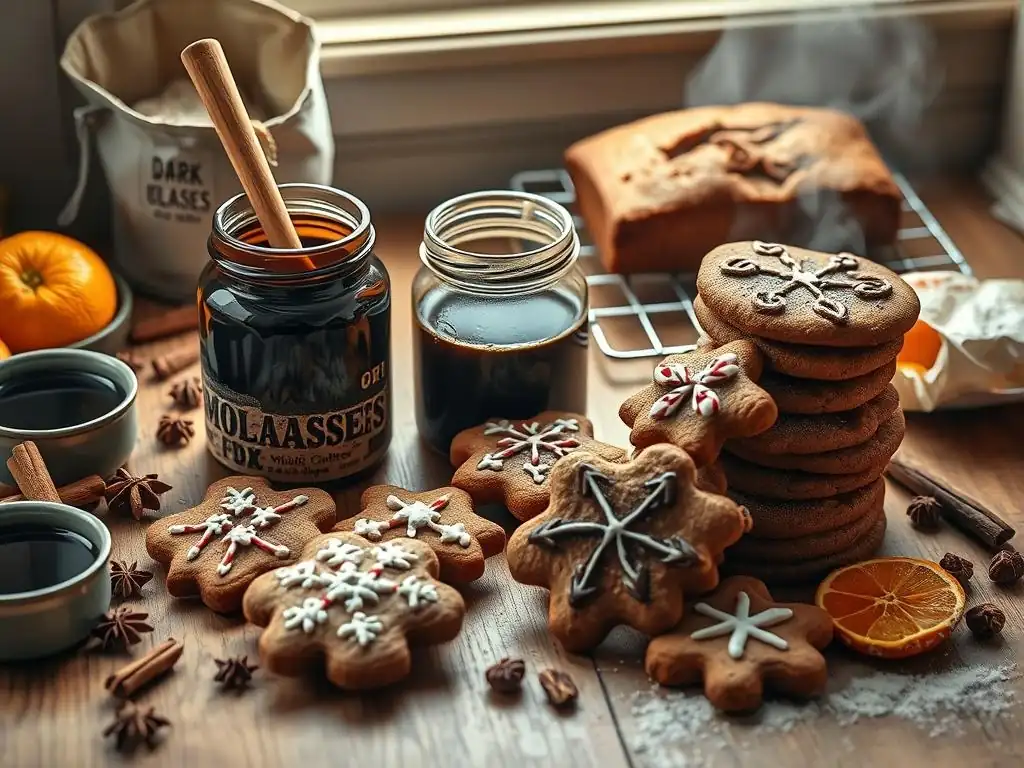
Classic gingerbread cookies are perhaps the most iconic of all Molasses Christmas baking recipes. The characteristic dark color, crisp edges, and slightly chewy center are all thanks to the generous amount of molasses used in the dough. A typical recipe might call for anywhere from 1/2 cup to a full cup of molasses per batch, often dark molasses for that authentic, deep flavor.
These cookies rely on the molasses to provide both the distinct flavor and the structure needed for cutting out shapes. The interaction between molasses and baking soda also helps them spread just enough while baking to maintain their defined edges. The blend of molasses with warm spices like ginger, cinnamon, and cloves creates that unmistakable Christmas aroma that fills the kitchen.
While some recipes use a mix of molasses and brown sugar, the higher the proportion of molasses, the darker, chewier, and more intensely flavored the cookie will be. Baking them at around 350°F (175°C) for 8-12 minutes, depending on thickness and size, is common to achieve that perfect balance of crispness and chewiness. They are the perfect canvas for festive decorating and a staple on any Christmas cookie platter.
Spiced Molasses Cake: A Festive Christmas Dessert
A spiced molasses cake is a wonderfully moist and flavorful option for a Christmas dessert, offering a richer, deeper alternative to more conventional fruitcakes or sponge cakes. Molasses plays a vital role in this cake, contributing significantly to its dark color, moist texture, and complex, warm flavor profile. Recipes often feature a combination of molasses and brown sugar, along with a generous amount of spices like ginger, cinnamon, nutmeg, and allspice.
The hygroscopic nature of molasses is particularly beneficial in cakes, helping to keep them incredibly moist and tender for days. The acidity in molasses also reacts with baking soda, often used as the primary leavener in these dense cakes, resulting in a lighter crumb than might otherwise be expected.
Baking temperatures are typically moderate, around 325°F to 350°F (160°C to 175°C), and baking times can range from 40 to 60 minutes or more depending on the size and type of pan (loaf pan vs. Bundt pan). A slice of warm spiced molasses cake, perhaps served with a dollop of whipped cream or a drizzle of caramel sauce, is the epitome of Christmas indulgence and a highlight among Molasses Christmas baking recipes.
Molasses crinkle cookies are a delightful and relatively easy addition to your collection of Molasses Christmas baking recipes. Known for their characteristic cracked, sugary surface and soft, chewy interior, these cookies get their signature look and much of their flavor from molasses. The dough is typically soft and slightly sticky, often requiring chilling before being rolled into balls and coated generously in granulated or confectioners' sugar before baking.
The molasses contributes to the rich brown color and imparts a warm, spicy depth that pairs perfectly with the sweet, crisp sugar coating. The high sugar content on the outside, combined with the moisture and sugar from the molasses within, causes the surface to crack as the cookie spreads and bakes, creating the beautiful crinkle pattern.
Baking these cookies usually takes place at around 350°F (175°C) for about 10-12 minutes, just until the edges are set but the centers are still soft. They are a popular choice for their ease of preparation and their appealing combination of textures and flavors, making them a must-try for anyone exploring Molasses Christmas baking recipes.
Molasses Gingerbread Loaf: A Quick Bread for the Holidays
For a simpler, less fussy Molasses Christmas baking recipe, a gingerbread loaf is an excellent choice. This quick bread offers all the classic flavors of gingerbread cookies or cake but in an easy-to-slice loaf format, perfect for breakfast, snacking, or gifting. Molasses is a key ingredient, providing moisture, depth of flavor, and a rich brown hue.
Typically, a gingerbread loaf recipe combines molasses with flour, sugar (often brown sugar), eggs, butter or oil, and a blend of warm spices like ginger, cinnamon, and cloves. Baking soda, often activated by the acidity of the molasses or buttermilk, provides the lift. The loaf is usually baked in a standard loaf pan (approximately 9x5 inches) at temperatures around 325°F to 350°F (160°C to 175°C) for 50-70 minutes, until a skewer inserted into the center comes out clean.
The resulting loaf is wonderfully moist, fragrant, and intensely flavorful, making it a comforting treat during the busy holiday season. It's a straightforward way to enjoy the taste of Molasses Christmas baking recipes without the need for rolling or cutting dough.
Molasses Pumpkin Pie: A Christmas Baking Twist
While often associated with Thanksgiving, pumpkin pie is also a welcome addition to many Christmas tables, and incorporating molasses offers a delightful twist on the classic. Molasses adds a layer of complexity and warmth to the traditional pumpkin filling, complementing the spices and enhancing the overall richness. It can deepen the color of the filling and contribute to a smoother, more tender texture.
Using a tablespoon or two of dark molasses in a standard pumpkin pie recipe (which typically uses about 15 oz of pumpkin puree) can significantly elevate the flavor profile. The molasses pairs exceptionally well with the traditional pumpkin pie spices – cinnamon, ginger, nutmeg, and cloves – creating a more nuanced and autumnal taste.
Baking temperatures and times are similar to a standard pumpkin pie, usually starting at a higher temperature (like 425°F / 220°C) for a short period to set the crust edges, then reducing to a lower temperature (around 350°F / 175°C) for 35-50 minutes to cook the filling until it's just set. This Molasses Christmas baking recipe variation offers a familiar comfort with an added layer of festive depth.
Tips for Baking Successfully with Molasses
Measuring Molasses Accurately for Best Results
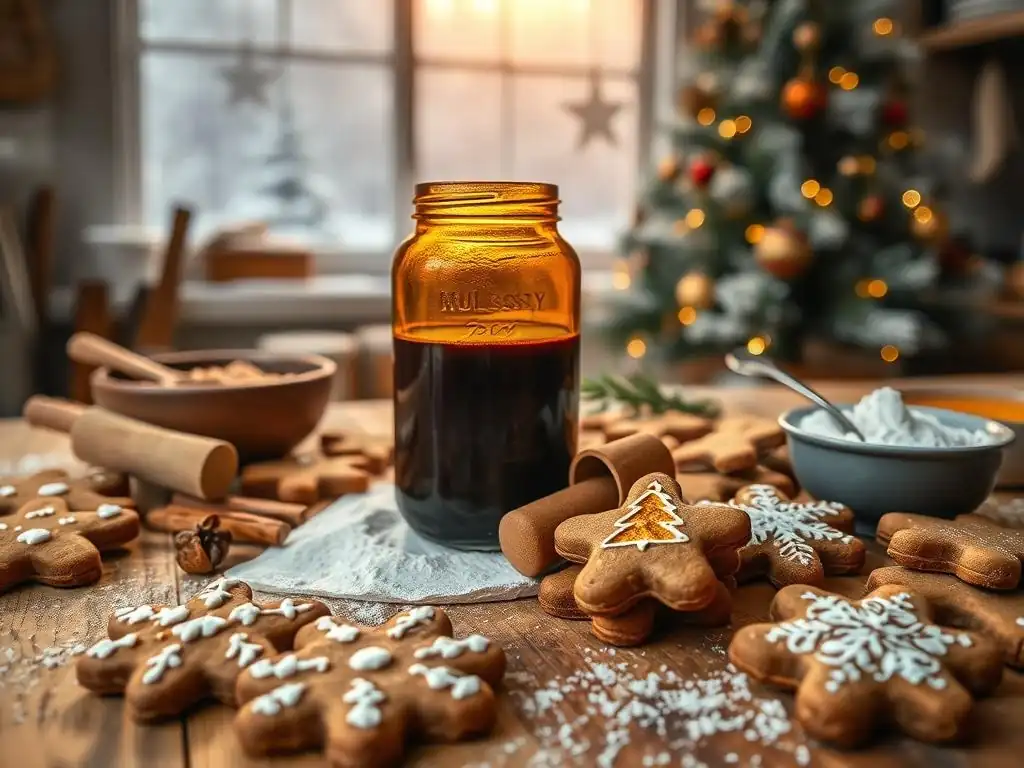
Measuring molasses accurately is crucial for achieving the desired outcome in your Molasses Christmas baking recipes. Because molasses is thick and sticky, it can be challenging to get an exact measurement, and leftover residue in the measuring cup can lead to inconsistencies. An inaccurate measurement, even by a small amount, can significantly impact the final texture and flavor of your baked goods, especially in delicate recipes like cookies or cakes.
A simple and effective tip for measuring molasses is to lightly grease your measuring cup or spoon with cooking spray or oil before pouring the molasses. This creates a non-stick surface that allows the molasses to slide out easily and completely, ensuring you get the precise amount needed according to the recipe. Alternatively, you can rinse the measuring cup with hot water just before measuring; the residual heat can also help the molasses flow more freely.
Always place the measuring cup on a flat surface and pour the molasses to eye level to ensure accuracy. Taking this small extra step will contribute greatly to the success of your Molasses Christmas baking recipes.
Storing Molasses Properly to Maintain Freshness
Proper storage is essential to keep your molasses fresh and ready for all your Molasses Christmas baking recipes throughout the season and beyond. Molasses has a relatively long shelf life due to its high sugar content, which acts as a natural preservative, but incorrect storage can affect its quality, flavor, and consistency over time. Exposure to air and fluctuating temperatures are the main culprits that can degrade molasses.
Once opened, molasses should be stored in a cool, dark place, such as a pantry or cupboard, away from direct sunlight and heat sources like stoves or ovens. Ensure the lid is tightly sealed after each use to prevent air from drying out the molasses or introducing contaminants. While refrigeration isn't strictly necessary for safety, it can sometimes help maintain quality for longer periods, though it will make the molasses thicker and potentially harder to measure directly from the fridge.
If you do refrigerate it, allow it to come to room temperature or gently warm it (e.g., by placing the container in warm water) before measuring for best results in your Molasses Christmas baking recipes. Stored correctly, an opened bottle of molasses can last for a year or even longer, remaining a reliable ingredient for your holiday baking traditions.
Adjusting Baking Times When Using Molasses
Baking with molasses can sometimes require slight adjustments to baking times compared to recipes using only granulated sugar. Molasses, particularly darker varieties, contains more moisture and can also cause baked goods to brown more quickly due to its sugar composition and pH level. This means that while the outside might look done, the inside may still be underbaked.
When using molasses in a recipe, especially if adapting a recipe that didn't originally call for it or substituting types of molasses, keep a close eye on your oven. Cookies might need a minute or two less to prevent them from becoming too hard, while cakes or loaves might need a few extra minutes to ensure they are cooked through without drying out.
A good indicator for cakes and loaves is the skewer test: insert a wooden skewer or toothpick into the center; it should come out clean or with just a few moist crumbs attached. For cookies, look for edges that are set and lightly golden, but the center may still appear slightly soft.
Trust your senses – smell is also a good indicator. Adjusting oven temperature slightly (e.g., reducing by 10-15°F or 5-8°C) or covering the top of a cake loosely with foil if it's browning too fast can also help ensure even baking in your Molasses Christmas baking recipes.
Troubleshooting Common Molasses Baking Issues
One common issue when making Molasses Christmas baking recipes, particularly cookies like gingerbread or crinkles, is excessive spreading during baking, resulting in thin, flat cookies. This can be caused by several factors, including the ratio of wet to dry ingredients, the temperature of the dough, and the type of fat used. Over-creaming butter and sugar can also incorporate too much air, leading to collapse in the oven.
To combat this, ensure your ingredients are measured accurately, especially the flour. Too little flour or too much molasses/butter can make the dough too wet. Using softened, but not melted, butter is key. Chilling the dough thoroughly before shaping and baking is perhaps the most effective step.
Refrigerating the dough for at least 30-60 minutes (or even overnight) solidifies the fat, which helps the cookies hold their shape better in the heat of the oven before they set. Baking on cool baking sheets (not straight from a hot oven) also helps. If your cookies still spread too much, try adding a tablespoon or two more flour to the remaining dough. These steps will help you achieve perfectly shaped and textured Molasses Christmas baking recipes like cookies.
Fixing a Too-Strong Molasses Flavor
Sometimes, especially when using dark or blackstrap molasses or using a recipe for the first time, the molasses flavor can be overpowering, tasting slightly bitter or too intense. This can detract from the overall balance of flavors in your Molasses Christmas baking recipes. The intensity of molasses varies greatly by type and brand, so what works in one recipe with one type might be too strong with another.
If you find the molasses flavor too dominant, you can try a few things in future batches. First, ensure you are using the type of molasses specified in the recipe; substituting dark for light will result in a much stronger flavor. If the recipe doesn't specify, light or dark is usually a safer bet than blackstrap for general baking.
You can also try reducing the amount of molasses slightly (e.g., by 1-2 tablespoons per cup specified) and replacing the removed volume with an equal amount of brown sugar, which is milder. Increasing the amount of other balancing flavors, such as vanilla extract, citrus zest (like orange or lemon), or other warm spices (cinnamon, ginger, nutmeg), can also help to round out the flavor profile and temper the intensity of the molasses in your Molasses Christmas baking recipes.
Ensuring Even Baking in Molasses Cakes
Molasses cakes, due to their density and dark color, can sometimes bake unevenly. The edges might set and even start to dry out while the center is still undercooked or overly moist. The dark color can also make it difficult to judge doneness visually compared to lighter cakes. This is a common challenge when tackling some of the richer Molasses Christmas baking recipes like loaves or Bundt cakes.
To promote even baking, ensure your oven temperature is calibrated and accurate; an oven thermometer is a worthwhile investment. Placing the cake pan in the center of the oven helps ensure heat circulates evenly. If the top of the cake is browning too quickly before the center is done, you can loosely tent the top with aluminum foil for the latter part of the baking time.
For dense cakes or loaves, a slightly lower oven temperature (e.g., 325°F / 160°C instead of 350°F / 175°C) for a longer time can allow the heat to penetrate to the center more gradually. Always rely on the skewer test to confirm doneness in the deepest part of the cake. Rotating the pan halfway through the baking time can also help if your oven has hot spots, contributing to more consistent results across all your Molasses Christmas baking recipes.
Explore More Molasses-Infused Christmas Treats
Molasses and Spice Christmas Bars
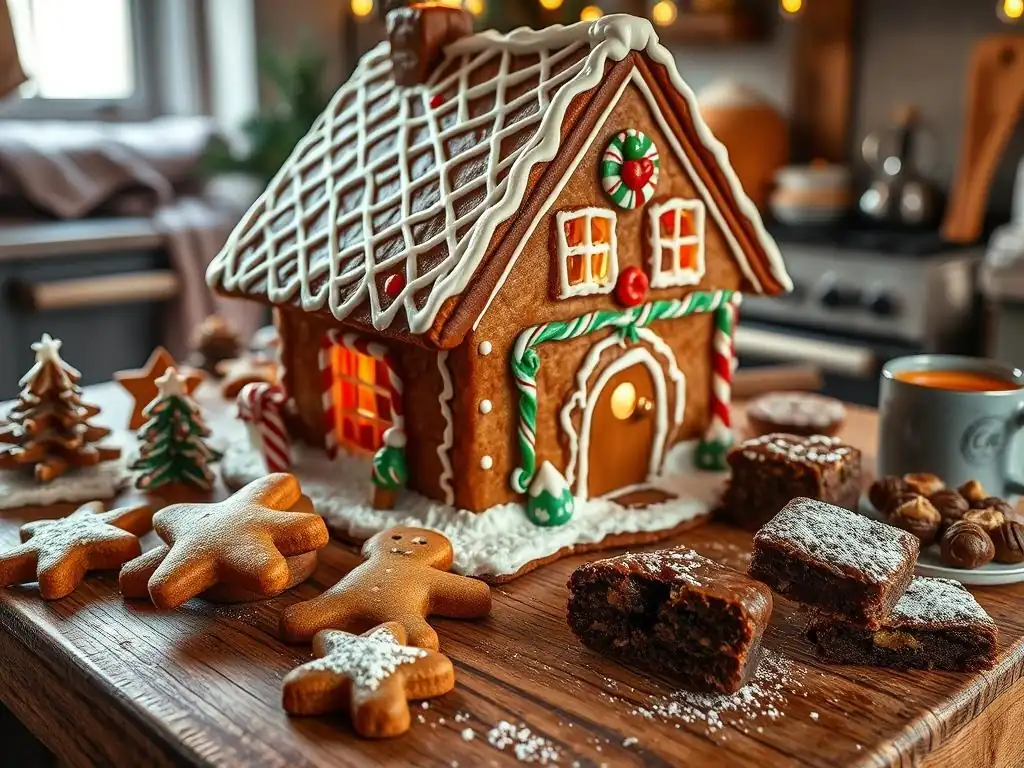
Beyond cookies and cakes, molasses shines in bar form, offering a chewy, flavorful treat that's easy to make for a crowd. Molasses and spice bars often feature a dense, cake-like or brownie-like base rich with molasses and warm spices, sometimes topped with a simple glaze or frosting. They offer the same comforting flavors found in other Molasses Christmas baking recipes but in a convenient sliceable format.
These bars are typically baked in a square or rectangular pan (like an 8x8 or 9x13 inch pan) and cut into portions after cooling. The molasses keeps the bars wonderfully moist and chewy, preventing them from drying out like some traditional spice cakes might. Recipes might include ingredients like chopped nuts, dried fruit (such as raisins or dates), or even chocolate chips to add extra texture and flavor dimensions.
Baking time usually ranges from 25 to 40 minutes at around 350°F (175°C), depending on the thickness of the batter. They are perfect for holiday parties, potlucks, or gifting, providing a delicious and transportable option among Molasses Christmas baking recipes.
Molasses Glazed Ham: A Savory Christmas Dish
While our focus has been on sweet treats, molasses isn't confined to the dessert table during Christmas! It also plays a starring role in savory applications, most notably as a key ingredient in glazes for roasted meats, especially ham. A molasses glaze provides a beautiful, sticky, caramelized coating that is both sweet and tangy, perfectly complementing the saltiness of the ham.
A typical molasses glaze involves simmering molasses with other ingredients like Dijon mustard, apple cider vinegar, brown sugar, and spices (cloves, ginger, or allspice). This mixture is brushed over a pre-cooked ham during the last hour or so of roasting. The sugars in the molasses caramelize under the oven's heat, forming a delicious crust.
The molasses also helps keep the ham moist. The deep, complex flavor of the molasses stands up well to the richness of the pork, creating a festive main course that is as visually appealing as it is delicious. While not one of the traditional Molasses Christmas baking recipes, a molasses glazed ham is a fantastic way to incorporate this versatile ingredient into your holiday meal planning.
Make This Christmas Memorable with Molasses Baking
Frequently Asked Questions
What makes molasses a good ingredient for Christmas baking?
Molasses adds a unique richness and depth of flavor to baked goods, creating a warm, festive taste. It also acts as a natural humectant, keeping your treats moist.
What types of Christmas recipes can I make using molasses?
You can use molasses in a wide variety of recipes, including gingerbread cookies, molasses spice cakes, and even Christmas puddings. Its versatility makes it a staple for holiday baking.
Where can I find easy-to-follow molasses Christmas baking recipes?
BakeWithEase.com offers a collection of simple and delicious molasses Christmas baking recipes suitable for all skill levels. Our step-by-step guides ensure baking success.
Are there any specific types of molasses that work best for Christmas baking?
Dark molasses and blackstrap molasses offer the most intense flavor and color, which are ideal for Christmas baking. Light molasses is a milder option if you prefer a less pronounced molasses taste.
How do I store my Christmas baked goods made with molasses to keep them fresh?
Store your molasses-baked treats in an airtight container at room temperature. The molasses helps retain moisture, keeping them fresh for several days. For longer storage, consider freezing.
Final Reflection: The Enduring Sweetness of Molasses at Christmas
The rich, dark depths of molasses are more than just a festive flavor; they represent a connection to tradition, a warmth that resonates deeply with the spirit of Christmas. This guide has explored the versatility of molasses, showcasing its ability to transform simple ingredients into extraordinary Christmas treats. From gingerbread cookies crisp with spice to decadent cakes imbued with a deep, caramel-like richness, molasses offers a unique and unforgettable flavor profile that perfectly captures the essence of the season.
The enduring appeal of molasses in Christmas baking speaks volumes about our collective desire for comforting traditions. It's a flavor that evokes memories of childhoods spent baking with loved ones, the scent of warm spices filling the air, and the joy of sharing homemade treats. The best things in life are the simple things,
a sentiment perfectly embodied by the humble molasses, elevated to festive heights through careful baking. Its continued presence in our kitchens year after year is a testament to its timeless appeal and the powerful role food plays in shaping our memories and cultural identity.
This Christmas, as you gather with loved ones and the aroma of baking fills your home, I encourage you to embrace the magic of molasses. Experiment with the recipes shared, let your creativity flow, and most importantly, savor the moments of connection and joy that are created around the shared experience of baking and sharing these delicious treats. Let the enduring sweetness of molasses remind you of the warmth and togetherness that define the true spirit of Christmas.
Unlock the Magic of Molasses This Christmas!
Thanks for spending time with us exploring the delightful world of molasses baking! We hope you’ve discovered new ways to add warmth and depth to your Christmas treats. Ready to get baking?
- Try our signature Molasses Gingerbread Cookies recipe – it's a guaranteed crowd-pleaser! The recipe is available in our free recipe section (this is implied not explicitly stated).
- Share your molasses masterpieces with us on social media using #BakeWithEaseMolasses – let's inspire each other!
- Explore our other holiday baking guides to find more festive flavor combinations.
What unique molasses recipe will you create this Christmas?