
Tired of Guessing? Use a Nutritional Calculator App to Pinpoint Your Bake's Nutrients

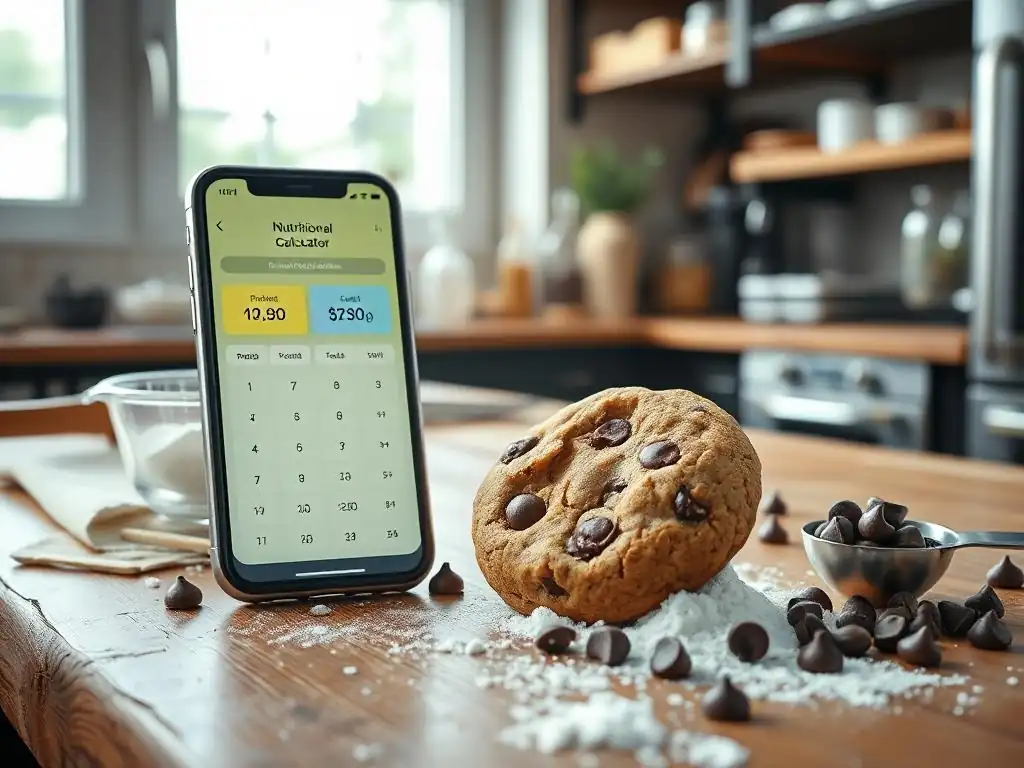
Welcome to BakeWithEase, where delicious baking meets effortless execution! Are you tired of estimating the nutritional content of your baked goods? This article unveils the secret weapon every health-conscious baker needs: the nutritional calculator baking app. Discover how this innovative tool can transform your recipes, providing accurate insights into calories, macros, and more. Intrigued? Keep reading to unlock a world of precise baking and informed indulgence!
- Why Bakers Need Nutrition Calculator Apps
- Choosing the Right Baking Nutrition App
- Top Nutrition Calculator Apps for Baking
- Improving Baking with Nutrition Calculator Apps
- Monetizing Baking Knowledge with Nutritional Information
- Macronutrients in Baking: Beyond Calories
- The Future of Baking Nutrition Apps
-
Frequently Asked Questions
- What is a Nutritional Calculator Baking App and why should I use one?
- How accurate are the nutritional calculations provided by these apps?
- Can I use a Nutritional Calculator Baking App if I modify recipes?
- Are these apps only for people with dietary restrictions?
- Where can I find a reliable Nutritional Calculator Baking App?
- Final Reflection: Baking with Precision, Baking with Purpose
- Unlock Your Baking Potential: Dive Deeper into Nutrition!
Why Bakers Need Nutrition Calculator Apps
Accurate Nutrition: Stop Guessing, Start Knowing
Gone are the days when baking was solely about taste and texture. Today, many people are keenly aware of what they consume, tracking calories, macronutrients, and specific dietary components like sugar or sodium. For bakers, this means understanding the nutritional profile of their creations is no longer optional but a valuable skill.
A nutritional calculator baking app allows you to move beyond guesswork, providing precise data on the energy, protein, carbohydrates, fats, vitamins, and minerals in every cookie, slice of cake, or loaf of bread you bake. This accuracy is crucial whether you're baking for personal health goals, catering to specific dietary needs like keto or vegan, or selling baked goods where nutritional labeling is required or highly beneficial.
Consider a simple chocolate chip cookie recipe. The calorie count isn't just about the flour and sugar; it involves the specific type of butter, the percentage of fat in the chocolate chips, and even the size of the egg. Using a nutritional calculator baking app, you input the exact quantities of each ingredient used.
The app then accesses its database to aggregate the nutritional information, providing a detailed breakdown for the entire batch. If your recipe yields 12 cookies, the app can then calculate the nutritional values per serving, giving you confidence in stating that each cookie contains, for instance, approximately 180 calories, 2g of protein, and 25g of carbohydrates. This level of detail is impossible to achieve reliably through estimation alone and empowers bakers to make informed decisions and communicate clearly with consumers or family members about what's in their food.
Overcoming Guesswork: Consistency and Opportunity
Relying on guesswork for nutritional content introduces inconsistency, especially when adapting recipes or substituting ingredients. One batch of muffins might use whole wheat flour, while the next uses a gluten-free blend; the nutritional outcomes are vastly different. Without a reliable tool like a nutritional calculator baking app, tracking these changes accurately is challenging. Consistency in nutritional information is vital for bakers who sell their products, as it builds trust with customers who have specific health or dietary requirements. Providing accurate data demonstrates professionalism and attention to detail, setting your baked goods apart in a crowded market.
Furthermore, having precise nutritional data opens up new opportunities. You can confidently market your products to niche markets, such as those seeking low-sugar options, high-protein snacks, or specific allergen-free items, provided your ingredients and processes support these claims.
For instance, if you've developed a delicious low-carb brownie recipe, a nutritional calculator baking app can verify its carbohydrate content per serving, allowing you to confidently label and sell it to the keto community. This precision transforms baking from a creative art into a data-driven process where you can not only delight with flavor but also inform and cater to health-conscious consumers.
BakeWithEase Recommends: Mastering Baking Nutrition
At BakeWithEase, our mission is to make baking accessible and enjoyable for everyone, from novice bakers to those looking to refine their skills. Understanding the science behind baking, including nutrition, is a natural extension of this journey. We recommend incorporating a nutritional calculator baking app into your baking workflow as a tool for mastery, much like a good kitchen scale or oven thermometer. It's about gaining a deeper understanding of how ingredients interact and how your choices impact the final product, not just in terms of taste and texture, but also in terms of nutritional value.
Using a nutritional calculator baking app aligns perfectly with the BakeWithEase philosophy of step-by-step learning and demystifying complex processes. Just as we guide you through proofing sourdough or tempering chocolate, these apps guide you through the nutritional analysis of your recipes. They turn the potentially overwhelming task of calculating calories and macros into a manageable, informative step. Embracing this technology enhances your baking skills, allowing you to create delicious treats that also meet specific nutritional goals, whether you're baking for personal enjoyment, family needs, or a growing business.
Choosing the Right Baking Nutrition App

Essential Features in a Baking Nutrition App
Selecting the right nutritional calculator baking app can significantly impact your efficiency and the accuracy of your results. Not all apps are created equal, especially when it comes to the nuances of baking ingredients and recipes. The best apps for bakers offer specific features that cater to the unique needs of turning raw ingredients into complex baked goods. These features streamline the process of inputting recipes, analyzing components, and understanding the final nutritional output.
A truly effective nutritional calculator baking app should possess several key characteristics. It needs a robust and extensive database of ingredients, flexible input methods for recipes, options for customizing serving sizes, and the ability to provide a detailed breakdown of various nutrients, not just the basics. Identifying apps with these capabilities ensures that you can accurately analyze a wide range of recipes, from a simple loaf of white bread to a complex multi-layered cake with various fillings and frostings.
Comprehensive Ingredient Database: From Common to Specialty
A foundational element of any good nutritional calculator baking app is its ingredient database. For bakers, this is paramount. The app needs to recognize not only common items like all-purpose flour, granulated sugar, and butter but also specialty ingredients frequently used in baking, such as almond flour, coconut sugar, different types of chocolate (milk, dark, unsweetened), various leaveners (baking soda, baking powder, yeast), and perhaps even less common items like vital wheat gluten or specific flavorings.
An extensive database reduces the need for manual entry of nutritional data for each ingredient, saving significant time and reducing the potential for errors. The database should preferably include different brands or generic options, as nutritional values can sometimes vary.
Recipe Import: Streamlining Your Process
Manually typing every ingredient and its quantity for each recipe can be tedious. A highly desirable feature in a nutritional calculator baking app is the ability to import recipes. This could range from copying and pasting text that the app parses to more advanced functions that integrate with popular recipe websites or even allow uploading a file.
While this feature might not be available in every app, or might be part of a premium subscription, it dramatically streamlines the process for bakers who work with many recipes or frequently test variations. Even a simple copy-paste function that intelligently recognizes ingredient names and quantities can save hours of manual data entry over time.
Customizable Serving Sizes: Precise Portioning
Baked goods come in all shapes and sizes – small cookies, large loaf slices, individual cupcakes, or a cake cut into 8, 10, or 16 pieces. A crucial feature for a nutritional calculator baking app is the flexibility to define customizable serving sizes. Once the total nutritional value for a batch is calculated, you should be able to specify how many servings the recipe yields and have the app automatically divide the total nutrition accordingly.
Some apps allow you to define a serving by weight (e.g., per 50g slice) or by unit (e.g., per cookie), offering the precision needed to accurately report nutrition facts for various baked items. This flexibility is essential whether you're tracking personal intake or preparing nutritional labels for sale.
Detailed Nutrient Breakdown: Comprehensive Analysis
Beyond just calories, bakers often need to understand the breakdown of macronutrients (protein, carbohydrates, fats) and sometimes micronutrients (vitamins, minerals) or specific components like sugar, fiber, or sodium. A good nutritional calculator baking app provides a detailed analysis, showing not just the total amounts but often the percentage of calories from each macronutrient.
Some advanced apps might even show saturated fat, trans fat, cholesterol, or specific vitamins and minerals present in significant amounts based on the ingredients. This comprehensive analysis is vital for bakers creating products for specific dietary needs, such as low-sodium bread or high-fiber muffins, or for those who want to provide complete nutritional transparency.
Avoiding Common Pitfalls
While a nutritional calculator baking app can be an invaluable tool, users should be aware of potential pitfalls when choosing and using one. Not all apps are equally reliable or user-friendly, and some might have hidden costs or limitations that impact their utility for baking. Being mindful of these common issues during the selection process can help you find an app that is both effective and sustainable for your needs.
One common pitfall is choosing an app that isn't designed with food creation in mind, but rather general food tracking. These apps might have limited ability to handle raw ingredients or calculate nutrition for a whole recipe batch before dividing it into servings. Another issue can arise from relying solely on user-submitted data in an app's database, which may not always be accurate or consistent. Looking for apps that source data from verified nutritional databases or provide tools for verifying ingredient entries is important for ensuring accuracy.
Transparent Pricing: Understanding Costs
Many nutritional calculator baking apps operate on a freemium model, offering basic features for free but requiring a subscription for advanced functionalities like recipe import, access to a larger ingredient database, or detailed micronutrient analysis. It's crucial to understand the pricing structure upfront. Does the free version meet your basic needs, or will you quickly hit limitations that necessitate a paid subscription?
Compare the costs of different apps and weigh them against the features offered. A seemingly cheap app might lack essential baking-specific features, while a more expensive one might provide the comprehensive database and tools that save you time and improve accuracy, making it a better investment in the long run. Look for clear information on what features are included at each tier.
Ingredient Breadth: Handling All Flours and Ingredients
As mentioned earlier, the ingredient database is critical, but its limitations can be a significant pitfall. Some nutritional calculator baking apps might have extensive databases for common supermarket items but fall short when it comes to specialty baking ingredients or less common flours and sweeteners.
If you frequently bake with ingredients like spelt flour, tiger nut flour, monk fruit sweetener, or specific types of seeds and nuts, ensure the app's database is robust enough to include them, or that it makes adding custom ingredients with their nutritional data straightforward. An app that constantly requires you to manually add nutritional information for ingredients you use regularly will quickly become cumbersome and inefficient.
User-Friendly Interface: Maximizing Efficiency
Even the most feature-rich nutritional calculator baking app can be frustrating to use if its interface is clunky, unintuitive, or slow. For bakers who are often juggling multiple tasks in the kitchen, a user-friendly design is paramount. Look for apps that make adding ingredients and quantities simple, allow easy organization of recipes, and present nutritional information clearly and legibly. Can you easily adjust serving sizes?
Is it simple to duplicate a recipe to make minor modifications? Read reviews and, if possible, try a free version or trial to assess the app's usability before committing to a paid subscription. An efficient workflow is key to consistently using the app and reaping its benefits.
Top Nutrition Calculator Apps for Baking
Choosing a nutritional calculator baking app can feel overwhelming with the number of options available. While many general nutrition tracking apps exist, some are better suited for the unique needs of bakers than others. Here, we'll look at a few popular options and discuss their suitability for calculating the nutrition of your baked goods, keeping in mind their strengths and weaknesses specifically from a baking perspective.
It's important to remember that most of these apps were initially designed for tracking personal food intake, so their recipe creation or analysis features for large batches of baked goods might require some adaptation or manual effort. However, with their extensive food databases, they can still serve as powerful tools for bakers aiming for nutritional accuracy.
MyFitnessPal for Baking: Broad Database, Manual Input
MyFitnessPal is one of the most widely recognized calorie and nutrition tracking apps globally, boasting a massive database of foods, including many raw ingredients. For a nutritional calculator baking app user, its strength lies in the sheer volume of data available. You can often find entries for various types of flour, sugars, fats, and other common baking components.
Creating a "recipe" within the app involves adding each ingredient and its quantity, mimicking the process of following your baking recipe. Once all ingredients are added, the app calculates the total nutrition for the batch. You can then specify the number of servings to get the per-serving breakdown.
While MyFitnessPal wasn't built specifically as a nutritional calculator baking app, its extensive database makes it a viable option. However, the process is manual. You must add each ingredient individually to a "recipe" entry. It lacks advanced features like importing recipes from external sources or sophisticated batch analysis tools found in more baking-centric software (if such exists). Despite this, its accessibility and large user base contribute to its popularity for basic nutritional calculations in baking.
Pros: Large User Base, Extensive Food Database
One of MyFitnessPal's biggest advantages is its enormous community and user-generated food database, supplemented by verified entries. This means you're likely to find most common baking ingredients, and often even specific brand names, within the app, reducing the need for manual data entry of basic nutritional facts. The sheer volume of data makes it a powerful resource for ingredient lookups.
Cons: General Focus, Manual Input Required
MyFitnessPal's primary focus is personal food logging, not recipe development or batch nutrition calculation for bakers. Creating recipes requires manual entry of every ingredient and quantity. It lacks features tailored specifically for baking, such as scaling recipes or analyzing ingredient interactions from a nutritional standpoint. The process can be time-consuming for complex recipes or when frequently analyzing new bakes.
Cronometer for Baking: Detailed Tracking, Steeper Learning Curve
Cronometer is another popular nutrition tracking app known for its focus on detailed nutrient tracking, including micronutrients like vitamins and minerals, in addition to macros and calories. This depth of data can be particularly useful for bakers interested in creating fortified goods or understanding the full nutritional impact of ingredient substitutions (e.g., using a specific type of nut flour for added magnesium).
Like MyFitnessPal, it allows users to create custom recipes by adding ingredients. Cronometer's database is curated and often considered more accurate than user-submitted data found in some other apps, which is a significant advantage for reliable nutritional calculation.
Using Cronometer as a nutritional calculator baking app provides a high level of detail in the nutritional analysis, offering insights beyond just calories, fat, protein, and carbs. However, its interface can be less intuitive initially compared to more simplified apps, leading to a steeper learning curve for new users. The level of detail, while beneficial, can also be overwhelming for those only needing basic nutritional information.
Pros: Detailed Tracking, Customizable Data
Cronometer excels in providing a comprehensive nutritional breakdown, including a wide array of vitamins, minerals, and other compounds. Its curated database tends to be highly accurate. Users can customize which nutrients they want to track and view, offering granular control over the analysis. This makes it ideal for bakers focused on specific health benefits or dietary requirements beyond basic calorie counting.
Cons: Learning Curve, Visual Appeal
Compared to apps with simpler interfaces, Cronometer can take more time to learn how to navigate effectively, especially for those new to detailed nutrition tracking. While functional, its visual design is sometimes considered less appealing or modern than some competitors. The process of creating recipes, while detailed, can feel less streamlined than in apps designed specifically for recipe management.
Nutritionix Track: A Streamlined Solution for Baking
Nutritionix Track is an app built on the extensive Nutritionix database, known for its large collection of restaurant and packaged food data, but also containing a solid base of raw ingredients. For a nutritional calculator baking app user, its strength lies in its vast database and often straightforward interface. You can easily search for individual ingredients and add them to a custom recipe. The app provides clear nutritional summaries for the entire batch and allows you to define servings.
Nutritionix Track offers a good balance between a large database and ease of use. It's relatively simple to input ingredients and get a nutritional breakdown. While it might not have the deep micronutrient analysis of Cronometer or the social features of MyFitnessPal, it serves as an effective nutritional calculator baking app for generating standard nutrition facts panels. Its focus on verified data from the Nutritionix database adds a layer of reliability.
Pros: Large Database, Barcode Scanner
Nutritionix boasts one of the largest verified food databases, which includes many common baking ingredients and packaged goods often used in baking (like chocolate chips or specific flour brands). The app also includes a barcode scanner, which can be convenient if you're using packaged ingredients with UPC codes, though less relevant for bulk items like flour or sugar.
Cons: Less Baking-Specific Focus
Like the others, Nutritionix Track is primarily a general nutrition tracker. Its recipe creation feature works well for calculating baking nutrition but lacks advanced baking-specific functionalities like recipe scaling or ingredient substitution analysis based on desired nutritional outcomes. While the database is large, it might occasionally lack very niche baking ingredients compared to more specialized tools (if they existed).
Yazio: Simple and Effective for Baking Calculations
Yazio is a calorie counter and diet app known for its user-friendly interface and straightforward approach to tracking food intake. It allows users to create custom recipes by adding ingredients from its database. For a nutritional calculator baking app user, Yazio's appeal lies in its simplicity and accessibility. It's easy to search for ingredients, add them to a recipe, and calculate the total and per-serving nutrition.
Yazio provides a clear overview of calories and macronutrients, making it a good option for bakers who primarily want to understand the basic nutritional profile of their bakes without getting into excessive detail on micronutrients. It offers a free version that provides basic recipe calculation capabilities, allowing users to test its suitability as a nutritional calculator baking app before committing financially.
Pros: Intuitive Interface, Free Version Available
Yazio's design is clean and easy to navigate, making the process of creating and calculating recipes relatively quick and painless. The availability of a free version allows bakers to easily try out its recipe calculation features to see if it meets their needs for a nutritional calculator baking app without any initial cost.
Cons: Limited Advanced Features
Compared to apps like Cronometer, Yazio offers less detailed nutritional analysis, focusing primarily on calories and macronutrients. Advanced features like extensive micronutrient tracking, detailed ingredient sourcing information, or complex recipe management tools are generally not available or are limited to the paid version. Bakers needing very specific nutritional data might find it less comprehensive.
Improving Baking with Nutrition Calculator Apps

Integrating a nutritional calculator baking app into your process does more than just provide numbers; it actively helps you improve your baking. By understanding the nutritional impact of each ingredient and the overall composition of your recipes, you can make informed decisions to create healthier versions of your favorite treats or develop new recipes tailored to specific dietary needs. This section explores practical applications, from calculating the nutrition of a classic cookie to optimizing a staple like sourdough bread.
Using a nutritional calculator baking app empowers you to experiment with ingredients while keeping nutritional goals in mind. Want to reduce the sugar in a cake? The app shows you the impact on calories and carbs. Curious about swapping butter for applesauce? The app quantifies the change in fat content. This data-driven approach complements your baking intuition and helps you achieve both delicious flavor and desired nutritional profiles.
Let's walk through a common baking scenario: calculating the nutritional information for a batch of homemade chocolate chip cookies using a nutritional calculator baking app. This process illustrates how the app translates your recipe into usable nutritional data. Imagine your recipe calls for specific weights of ingredients like all-purpose flour, granulated sugar, brown sugar, butter, eggs, vanilla extract, baking soda, salt, and chocolate chips.
The first step is to create a new "recipe" entry in your chosen nutritional calculator baking app. You'll then add each ingredient from your recipe one by one, specifying the exact quantity by weight (grams are usually most accurate) or volume (cups, tablespoons), depending on how you measure your ingredients and what the app supports. Using weight is generally preferred for accuracy in both baking and nutritional calculation.
Accurate Ingredient Input: Precise Measurements
Precision in ingredient measurement is the foundation of both good baking and accurate nutritional calculation. When using a nutritional calculator baking app, ensure you input the exact amount of each ingredient used in your recipe. If your recipe calls for 250 grams of all-purpose flour, enter 250 g for flour. If it calls for 100 grams of granulated sugar and 150 grams of brown sugar, enter those amounts separately. Be specific about the type of ingredient (e.g., "unsalted butter" vs. "salted butter" if sodium is a concern, or "semi-sweet chocolate chips"). The app's database will then pull the nutritional information corresponding to these precise quantities.
Interpreting Results: Understanding the Nutrition Facts
Once all ingredients are entered, the nutritional calculator baking app will calculate the total nutritional value for the entire batch of dough or cookies. It will typically show the total calories, protein, carbohydrates, fat, and potentially sugar, fiber, sodium, and other nutrients. The next crucial step is to tell the app how many servings your recipe yields. If your recipe makes exactly 24 cookies, input 24 as the number of servings. The app will then divide the total nutritional values by 24 to give you the nutrition per cookie. Review these results. Does a cookie have 150 calories? 200 calories? How much sugar per cookie? Understanding these numbers is the goal of using a nutritional calculator baking app.
Recipe Adjustments: Healthier Choices, Same Flavor
With the nutritional data in hand, you can now consider making adjustments. If the cookies are higher in sugar than you'd like, you might experiment with reducing the amount of sugar or substituting some with a low-calorie sweetener. If the fat content is high, perhaps you could try replacing a portion of the butter with applesauce or a lower-fat alternative.
Before actually baking, use the nutritional calculator baking app to model these changes. Create a copy of your original recipe entry and modify the ingredient quantities or types. See how these changes impact the per-cookie nutrition.
Does reducing the sugar by 25% lower the calories significantly? Does swapping butter affect the fat and calorie count as much as you hoped? This iterative process using the app allows you to optimize your recipe for nutritional goals while aiming to maintain the desired taste and texture, without wasting ingredients on trial-and-error baking attempts solely for nutritional testing.
Optimizing Sourdough: Reducing Sodium in a BakeWithEase Recipe
Sourdough bread is a staple for many bakers, including those who follow BakeWithEase recipes. While often seen as a healthier bread option due to its fermentation process, traditional sourdough can still contain a significant amount of sodium from the salt added for flavor and structure. For individuals monitoring their sodium intake, understanding and potentially reducing the sodium in their sourdough is important. A nutritional calculator baking app is an excellent tool for this specific optimization.
A typical sourdough recipe might call for around 2% salt relative to the total flour weight. For a loaf using 500g of flour, this means 10g of salt, which translates to roughly 4000mg of sodium for the entire loaf. If the loaf is cut into 12 slices, that's approximately 333mg of sodium per slice, a considerable amount for those on a low-sodium diet.
Using a nutritional calculator baking app, you can input your specific sourdough recipe ingredients, including the exact weight of salt. The app will calculate the total sodium for the loaf.
You can then experiment within the app by reducing the salt amount (e.g., from 10g to 8g or 6g) and see the corresponding decrease in total and per-slice sodium. While reducing salt can affect fermentation and flavor, the app provides the quantitative data needed to make informed decisions about trade-offs or to track the sodium content of a lower-salt variation you've developed.
Monetizing Baking Knowledge with Nutritional Information
For home bakers looking to turn their passion into a business or expand their online presence, providing nutritional information for your baked goods is a powerful way to add value and attract a wider audience. In today's health-conscious market, transparency about ingredients and nutrition is highly valued. Utilizing a nutritional calculator baking app allows you to confidently offer this information, opening up several avenues for monetization and growth.
Beyond simply selling delicious treats, you can leverage your expertise in both baking and nutritional calculation to build a brand, create premium content, and engage in affiliate marketing. Offering recipes with verified nutritional data, catering to specific dietary needs, and recommending useful tools all contribute to establishing credibility and generating income.
Attracting Health-Conscious Bakers: Expanding Your Audience
Many people actively seek baked goods that align with their dietary preferences or restrictions, whether it's low-sugar, gluten-free, keto-friendly, or simply lower in calories. By using a nutritional calculator baking app to analyze and label your recipes, you can specifically target these health-conscious consumers. Promoting your baked goods (or recipes) with clear nutritional information – "Keto Chocolate Chip Cookies: Only 3g Net Carbs!" or "High-Fiber Bran Muffins: 5g Fiber Per Serving!" – resonates strongly with this audience.
This focus expands your potential customer base beyond those simply looking for a sweet treat. You become a go-to source for baked goods that meet specific health criteria, which can command a premium price and foster customer loyalty. Providing this level of detail demonstrates that you understand their needs and have put in the effort to create products that are not only delicious but also align with their health goals.
Recipes with Calculated Nutrition: Building Trust
If your baking focus is on creating and sharing recipes (through a blog, social media, or e-books), including calculated nutritional information for each recipe adds significant value. A recipe that comes with a reliable nutrition facts panel, generated using a nutritional calculator baking app, is far more useful and trustworthy to someone tracking their intake than one without any data. This is particularly true for recipes targeting specific diets.
Presenting recipes with calculated nutrition builds credibility as an authority. It shows that you are meticulous and considerate of your audience's needs. Instead of users having to input your recipe into an app themselves, you provide the data upfront, making your recipes more convenient and appealing. This transparency fosters trust and encourages readers to rely on your content for their baking needs, knowing they can count on accurate information.
Affiliate Marketing: Recommending Baking Essentials
As you share recipes and discuss the tools you use, you can naturally integrate affiliate marketing, recommending products that enhance the baking experience or are necessary for accurate nutritional calculation. Since you are using a nutritional calculator baking app and likely precise measuring tools, you can recommend these to your audience.
Affiliate marketing involves partnering with companies and earning a commission on sales made through your unique links. For a baking site or personality focused on nutrition, recommending quality baking ingredients and tools is a natural fit.
Example: Linking to King Arthur Baking Company Flour
(Note: As per instructions, no actual links will be provided, but this is how the concept would be explained.)
If you frequently use and recommend King Arthur Baking Company's flours in your recipes, perhaps highlighting their consistent quality or specific nutritional profile (which you know thanks to your nutritional calculator baking app), you could become an affiliate. You would write about why you love their flour and how it performs in your recipes, and include a special link for your audience to purchase it. Every time someone buys flour through your link, you earn a small commission. This works well when you genuinely use and endorse the product.
Example: Linking to Ozeri Kitchen Scale
(Note: As per instructions, no actual links will be provided, but this is how the concept would be explained.)
Accurate measurement is key to both successful baking and accurate nutritional calculation. Recommending a reliable kitchen scale, like an Ozeri model known for its precision, is highly relevant. You could explain how using a digital scale (and providing ingredient weights in your recipes) ensures consistent results and makes inputting data into a nutritional calculator baking app much easier and more accurate. You would then provide an affiliate link for readers to purchase the scale, earning a commission on sales generated. This recommendation ties directly into the theme of precision baking and nutrition.
For a more direct monetization strategy, you can create premium content, such as e-books, exclusive recipe collections, or membership areas, that feature recipes with detailed nutritional analysis. While you might offer basic recipes for free, more complex, specialized, or diet-specific recipes (e.g., a complete guide to low-FODMAP baking, a collection of high-protein bread recipes) can be placed behind a paywall.
These premium recipes would not only be delicious and unique but would also come with professionally presented nutritional information generated by your nutritional calculator baking app. This adds significant value for subscribers or purchasers who are serious about tracking their intake or adhering to specific diets. This model allows you to monetize your expertise in both recipe development and nutritional calculation, offering valuable resources that your audience is willing to pay for.
Macronutrients in Baking: Beyond Calories
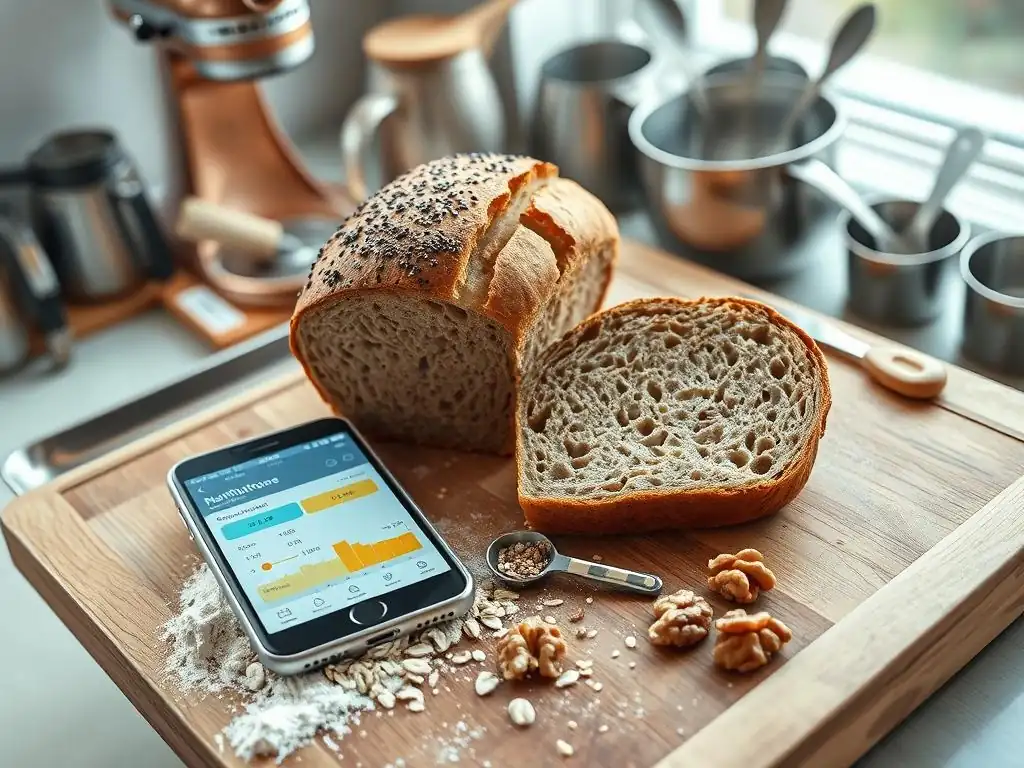
While calories often get the most attention, understanding the macronutrient breakdown – protein, carbohydrates, and fats – is crucial for bakers, especially when using a nutritional calculator baking app to cater to specific dietary needs. Each macronutrient plays distinct roles in both the nutritional profile and the physical characteristics (texture, structure, flavor) of baked goods. Analyzing these components helps bakers make informed ingredient choices and understand the impact of substitutions.
Using a nutritional calculator baking app allows you to see exactly how much of each macronutrient is contributed by different ingredients and the final baked good. This knowledge is empowering, whether you're trying to increase protein, reduce net carbs, or manage fat intake in your recipes.
Protein's Role: Texture and Structure
In baking, protein, particularly gluten in wheat flour, is fundamental to structure. When flour is mixed with liquid, proteins form a network that gives bread its chewiness and cakes their crumb. Different flours have varying protein contents; for example, bread flour has a higher protein percentage (around 12-14%) than cake flour (around 7-9%). Beyond wheat, other ingredients like eggs, dairy (milk, yogurt), nuts, and seeds also contribute protein to baked goods.
From a nutritional standpoint, increasing protein in baked goods can make them more satisfying and appealing to those looking for high-protein snacks. Using a nutritional calculator baking app, you can see how much protein each ingredient contributes and calculate the total protein per serving. This allows you to experiment with adding protein powder, using high-protein flours (like vital wheat gluten or certain alternative flours), or incorporating protein-rich ingredients like Greek yogurt or cottage cheese into batters and doughs, and then verify the resulting protein content.
Carbohydrates: Sugars and Starches
Carbohydrates are the primary source of energy in most baked goods, coming mainly from flours, sugars, and other sweeteners. They contribute significantly to the texture, color (through caramelization), and flavor of bakes. Carbohydrates include starches (complex carbs) found in flour and sugars (simple carbs) like sucrose, fructose, and glucose. For many people, managing carbohydrate intake, especially simple sugars, is a key dietary goal.
A nutritional calculator baking app is invaluable for tracking carbohydrates. It differentiates between total carbohydrates, fiber (a type of complex carb the body doesn't fully digest), and often sugars (both naturally occurring and added). This allows bakers to calculate "net carbs" (total carbs minus fiber and sometimes sugar alcohols), which is essential for diets like Keto. By inputting different types and amounts of flours and sweeteners, the app shows the direct impact on the carbohydrate profile, enabling bakers to develop lower-carb or lower-sugar recipes and accurately report their carbohydrate content.
Fats: Flavor and Moisture
Fats, such as butter, oil, shortening, nuts, and seeds, are critical for creating tender, moist, and flavorful baked goods. Fats shorten gluten strands, making cakes and pastries tender, and carry flavors throughout the bake. Different fats have different properties and nutritional profiles (e.g., saturated vs. unsaturated fats).
Using a nutritional calculator baking app helps bakers understand the fat content of their creations and the types of fats present. By inputting the specific amounts of butter, oil, or other fats, the app calculates the total fat per serving and often breaks it down into saturated and unsaturated fats. This data allows bakers to explore reducing fat content by using less fat or substituting with lower-fat ingredients, or to focus on using fats with a higher proportion of unsaturated fats, while monitoring the nutritional impact.
Flour's Impact: Nutritional Profiles
Flour is often the most significant ingredient by weight in many baked goods, and its type dramatically influences the nutritional profile. Different flours vary widely in their carbohydrate, protein, fiber, and even fat content, as well as micronutrients. Understanding these differences is crucial for bakers aiming for specific nutritional outcomes.
A nutritional calculator baking app highlights these differences clearly. By comparing the nutritional data for different flours within the app's database, you can see how swapping one for another will alter the final nutrition of your baked good.
Example: All-Purpose vs. Almond Flour Nutrition
Consider the difference between using all-purpose wheat flour and almond flour in a recipe, perhaps for muffins. All-purpose flour is primarily carbohydrate (around 75g per 100g), with moderate protein (around 10-12g per 100g) and low fat (around 1g per 100g). Almond flour, derived from ground almonds, has a vastly different profile: significantly lower in carbohydrates (around 20g per 100g, with high fiber), much higher in fat (around 50g per 100g, mostly monounsaturated), and higher in protein (around 20g per 100g).
Using a nutritional calculator baking app, you could input the same recipe using each flour separately. The app would show that the almond flour muffins would be much lower in net carbs and higher in fat and protein compared to the all-purpose flour muffins, allowing you to quantify the nutritional impact of this ingredient substitution accurately.
The Future of Baking Nutrition Apps
The technology behind nutritional calculation is constantly evolving, and the future holds exciting possibilities for nutritional calculator baking apps. As artificial intelligence, data integration, and personalized health tracking become more sophisticated, these tools will likely become even more powerful, intuitive, and seamlessly integrated into the baking process. This evolution promises to make understanding and optimizing the nutrition of baked goods easier and more accessible than ever before.
Anticipating these advancements helps bakers appreciate the potential of these tools. The focus will likely shift towards more predictive analysis, better integration with kitchen devices, and highly tailored nutritional recommendations based on individual needs and goals.
AI-Powered Analysis: Predictive Nutrition
Future nutritional calculator baking apps may leverage AI to offer more than just calculation; they could provide predictive analysis. Imagine an app that not only calculates the nutrition of your current recipe but also suggests ingredient substitutions to meet specific nutritional targets (e.g., "Swap X grams of sugar for Y grams of erythritol to reduce net carbs by Z grams per serving") while predicting the likely impact on texture and flavor based on a vast dataset of recipes and ingredient properties.
AI could also help analyze the nutritional impact of baking methods (e.g., how fermentation affects nutrient availability) or even predict potential allergen cross-contamination risks based on ingredient combinations. This predictive capability would transform a nutritional calculator baking app from a reporting tool into a powerful recipe development assistant.
Smart Kitchen Integration: Seamless Data
As smart kitchen appliances become more common, nutritional calculator baking apps could integrate directly with scales, ovens, and mixers. Imagine placing ingredients on a smart scale that automatically sends the weight and ingredient type to your app, populating your recipe entry in real-time. Ovens could potentially monitor baking times and temperatures, feeding data back into the app to refine nutritional calculations based on potential moisture loss or caramelization.
This seamless data flow would minimize manual input, reduce errors, and make tracking the nutrition of your bakes effortless. Your nutritional calculator baking app would become a central hub connected to your kitchen, providing instant feedback and accurate data as you bake.
Personalized Recommendations: Tailored Recipes
Future nutritional calculator baking apps could move towards offering highly personalized recommendations. Based on a user's dietary goals (e.g., low-carb, high-fiber, allergen restrictions, specific vitamin deficiencies), the app could suggest recipes from its database, help users modify their own recipes, or even generate entirely new recipe ideas tailored to their nutritional needs and baking skill level.
For instance, if a user needs more iron in their diet, the app could suggest recipes incorporating ingredients high in iron, like certain seeds or fortified flours, and show how these additions boost the iron content using its nutritional calculator baking app capabilities. This level of personalization would make these apps invaluable tools for both personal baking and for bakers creating customized goods for clients with specific dietary requirements.
Frequently Asked Questions
What is a Nutritional Calculator Baking App and why should I use one?
A Nutritional Calculator Baking App is a tool that helps you calculate the nutritional content of your baked goods. It's useful for tracking calories, macros, and micronutrients in your recipes, especially if you're health-conscious.
How accurate are the nutritional calculations provided by these apps?
The accuracy depends on the app and the quality of its database. Most use established nutritional databases but manual input of ingredients can introduce errors. Always double-check when possible.
Can I use a Nutritional Calculator Baking App if I modify recipes?
Yes, that's one of their best features! You can input your specific ingredients and quantities, even when you've altered a recipe. This gives you personalized nutritional information.
Are these apps only for people with dietary restrictions?
No, while helpful for those with dietary restrictions (like allergies or diabetes), they're also valuable for anyone interested in tracking their nutrition or understanding the composition of their baked goods.
Where can I find a reliable Nutritional Calculator Baking App?
You can find them on app stores (like the Apple App Store or Google Play Store). Search for "nutritional calculator," "baking nutrition," or "nutrient tracking for recipes". Look for apps with good reviews.
Final Reflection: Baking with Precision, Baking with Purpose
The ability to accurately track the nutritional content of our baked goods is no longer a luxury, but a necessity in our increasingly health-conscious world. Understanding the precise nutritional breakdown of our creations empowers us to make informed choices, catering to diverse dietary needs and preferences, and ultimately, fostering a healthier relationship with food. This is especially crucial in the baking world, where seemingly small ingredient changes can drastically alter the final nutritional profile.
The impact of readily available nutritional information extends far beyond individual dietary choices. It fosters a greater understanding of food science and empowers home bakers to experiment with healthier alternatives while maintaining delicious results. The best way to find yourself is to lose yourself in the service of others.
– Mahatma Gandhi. While not directly about baking, this quote speaks to the broader impact of sharing knowledge and empowering others to make informed decisions, which is precisely what accessible nutritional tools allow us to do in the baking community.
Now, consider your own baking journey. What adjustments could you make to your recipes, armed with the knowledge of a precise nutritional calculator? Will you explore new, healthier ingredients with confidence? Will you tailor your creations to better suit the needs of your family and friends? I encourage you to embrace the precision and power of nutritional calculator apps, not just to improve your baking, but to enhance your understanding of food and its impact on your well-being. The future of baking is informed, delicious, and accessible to all.
Unlock Your Baking Potential: Dive Deeper into Nutrition!
Thanks for taking the time to learn how a nutritional calculator app can transform your baking! You've gained valuable insights into creating healthier, more informed treats. Now it's time to put that knowledge into action.
- Start tracking your recipes immediately: Download a nutritional calculator app today and begin analyzing your favorite recipes. This is the key to unlocking consistent, healthy baking!
- Share your improved recipes with friends and family: Inspire others to bake healthier too! Start a conversation.
- Explore new ingredient combinations: Experiment with different flours, sweeteners, and fats to find delicious and nutritious alternatives.
What exciting nutritional discoveries will you uncover in your next baking project?